Artwork
Peace Negotiations between Claudius Civilis and Cerealis
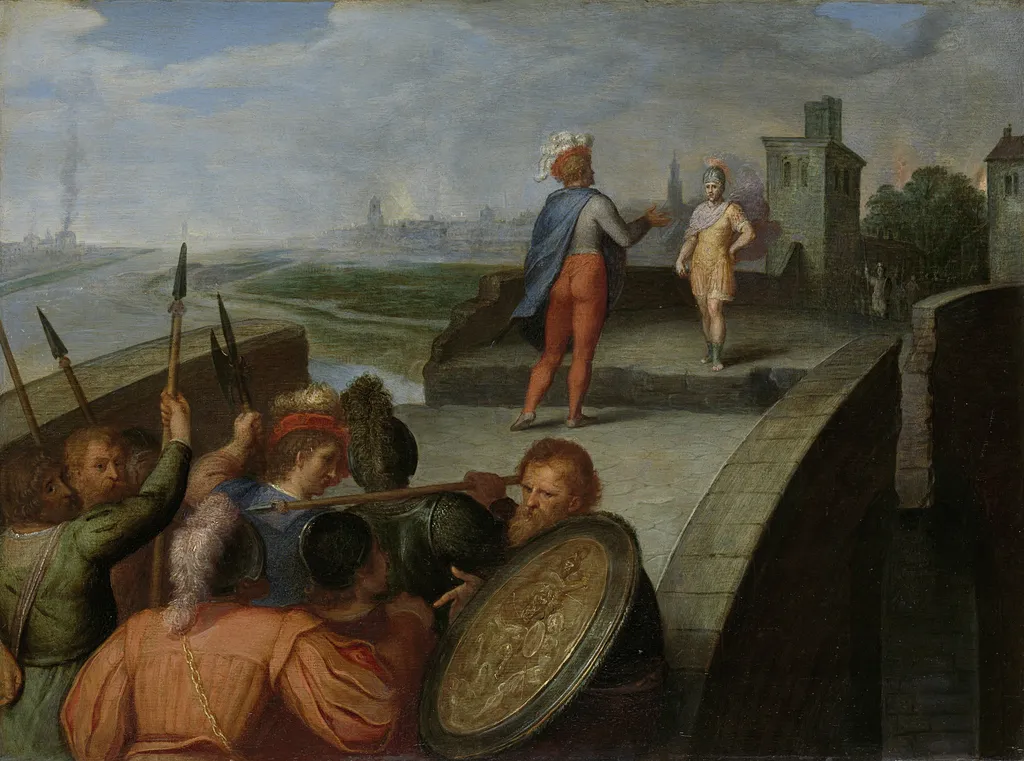
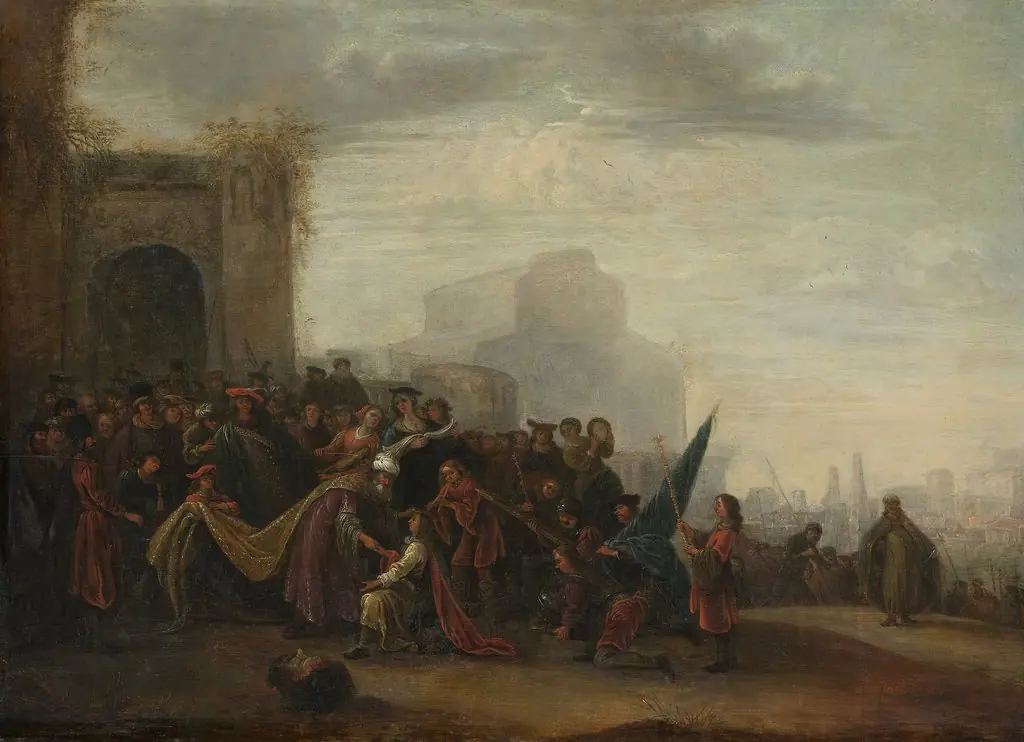
Peace Negotiations between Claudius Civilis and Cerealis is an oil painting by the Dutch Golden Age artist Otto van Veen. It dates from 1606 and is held in the collection of the Rijksmuseum.
About this work
Subject & Meaning
The painting illustrates the diplomatic meeting that ended the Batavian revolt, showing Claudius Civilis and Roman officer Cerealis negotiating peace.
The painting illustrates the diplomatic meeting that ended the Batavian revolt, showing Claudius Civilis and Roman officer Cerealis negotiating peace. Van Veen uses gestures and exchanged documents to symbolize mutual agreement and the restoration of order, reflecting the political significance of reconciliation within the Dutch Republic.
The work is housed in the Rijksmuseum collection, commissioned by the States Council committee.
Technique & Style
The work is an oil painting executed on a wooden panel, measuring 38 cm in height and 52 cm in width. Otto van Veen created the piece in 1606, depicting the peace negotiations between Claudius Civilis and Cerealis. The painting was commissioned by the gecommitteerde Raad van State and is part of the Rijksmuseum collection.
History & Provenance
Peace Negotiations between Claudius Civilis and Cerealis was created by Otto van Veen in 1606, executed in oil paint. According to Wikidata, the work was commissioned by the gecommitteerde Raad van State, the delegated Council of State of the Dutch Republic, indicating it was produced as an official commission rather than an independent artistic initiative. The painting entered the collection of the Rijksmuseum, where it is currently held. No intermediate ownerships, prior collections, or transfer histories are documented in the available sources.
The work was executed on panel and measures 38 by 52 centimeters. Its 1606 inception date is consistent with the broader series of history paintings Otto van Veen produced for the Council of State during the early seventeenth century, depicting episodes from the Batavian revolt against Rome.
The work is held in the Rijksmuseum collection and is catalogued under its Rijksmuseum inventory number. It was exhibited in the museum’s 2019 exhibition "Dutch Golden Age: Masterpieces from the Rijksmuseum," and previously featured in the 2015 exhibition "Otto van Veen: The Life of a Painter," both held at the Rijksmuseum in Amsterdam.
Context
Otto van Veen's 1606 oil painting depicting Claudius Civilis negotiating with Cerealis reflects diplomatic themes within Dutch Golden Age art. Created for the States General commission, its commissioning context and stylistic elements situate it within van Veen's broader oeuvre of historical narratives. The work exemplifies 17th-century approaches to allegorical representation of political subjects, blending classical influences with contemporary state symbolism.
Its preservation at the Rijksmuseum provides insight into early Dutch state patronage and artistic interpretations of peace processes.
Scholarly analysis emphasizes its significance as a rare example of van Veen's independent painting practice prior to his prominence as Rubens' mentor, highlighting evolving compositional techniques in early Baroque Dutch art.
Overview
Peace Negotiations between Claudius Civilis and Cerealis is an oil painting by Otto van Veen, created in 1606. It is a representation of a historical event, currently held at the Rijksmuseum.
Own this work as a print
Artist & collection

Artist
Otto van Veen, was a painter, draughtsman, and humanist active primarily in Antwerp and Brussels in the late 16th and early 17th centuries.

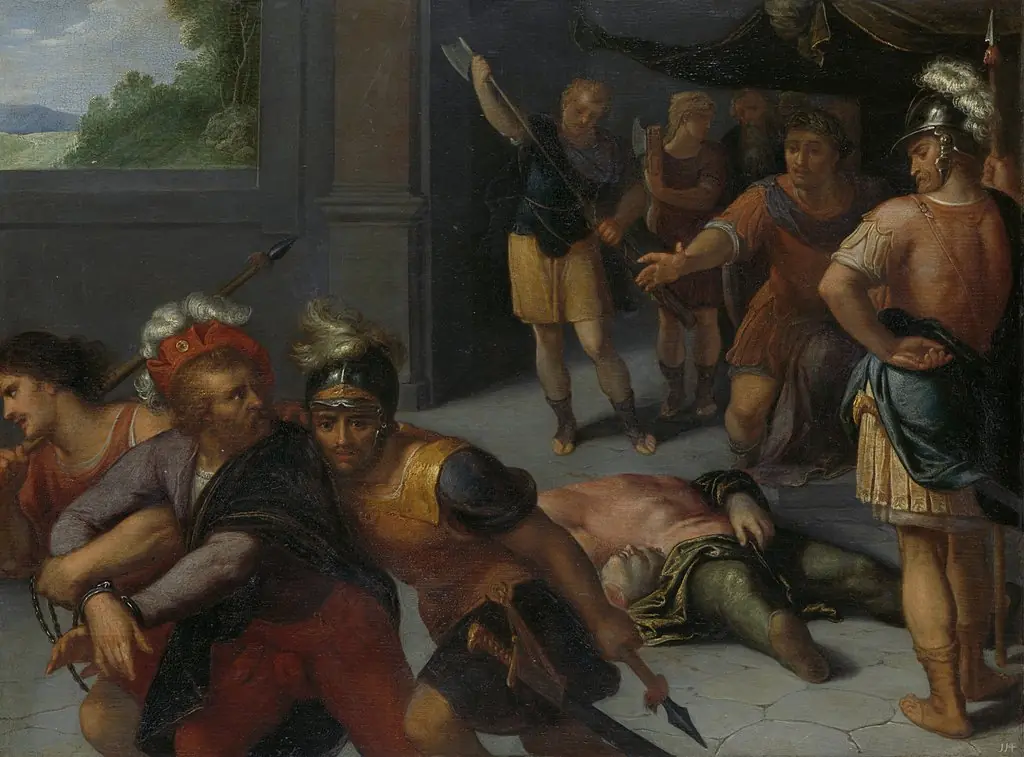
- Beheading of Julius Paulus and Imprisonment of Claudius Civilis
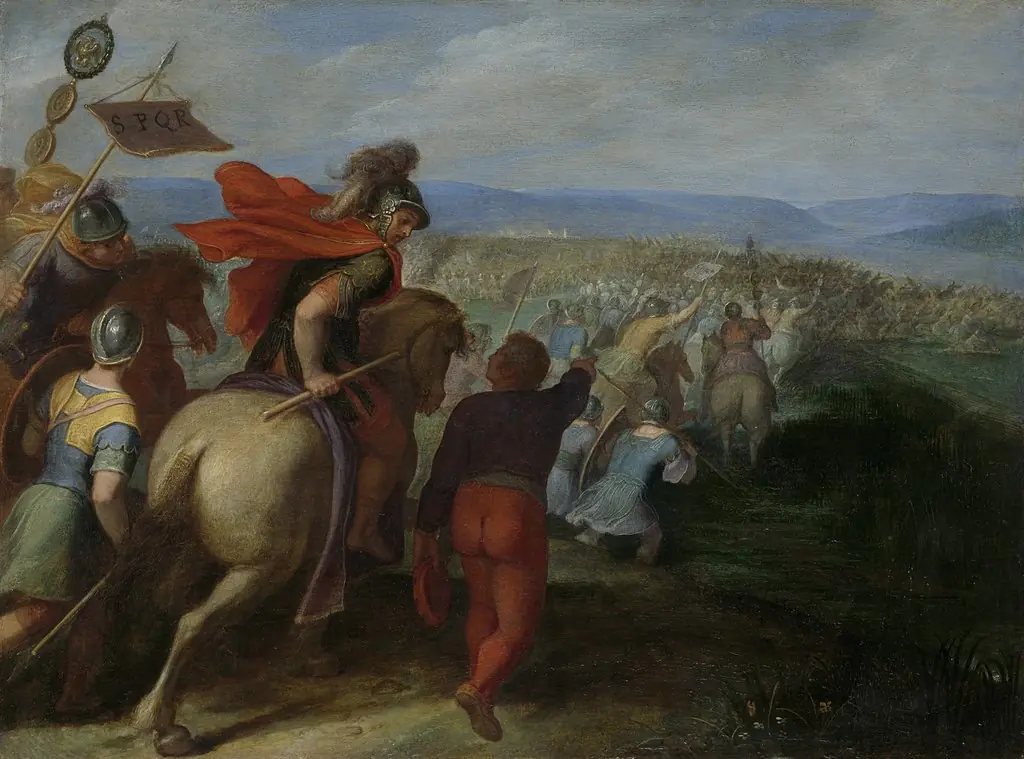 The Romans under Cerealis Defeat Claudius Civilis and the Batavians following betrayal from within
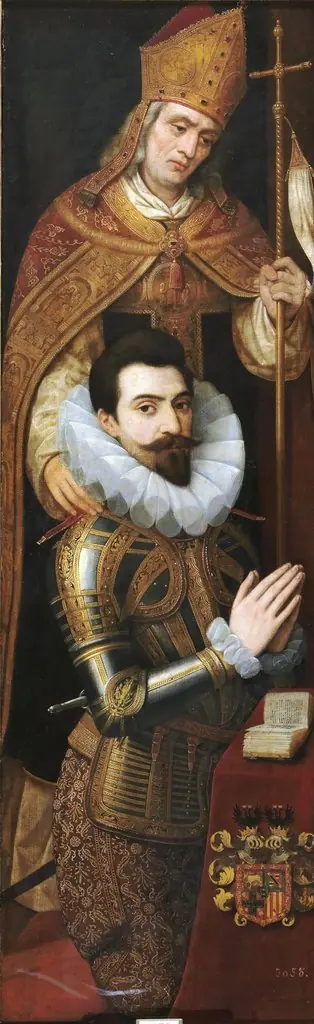 Alonso de Idiáquez duque de Ciudad Real (Cittá-Reale en Nápoles)
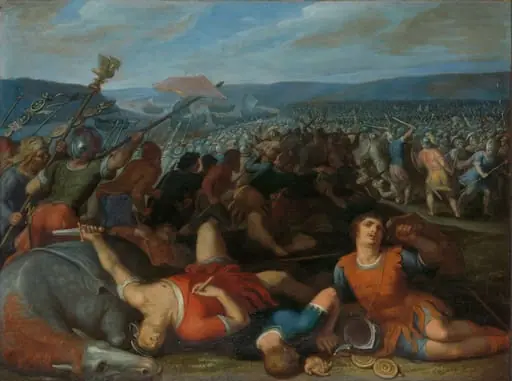 De Bataven verslaan de Romeinen bij de Rijn
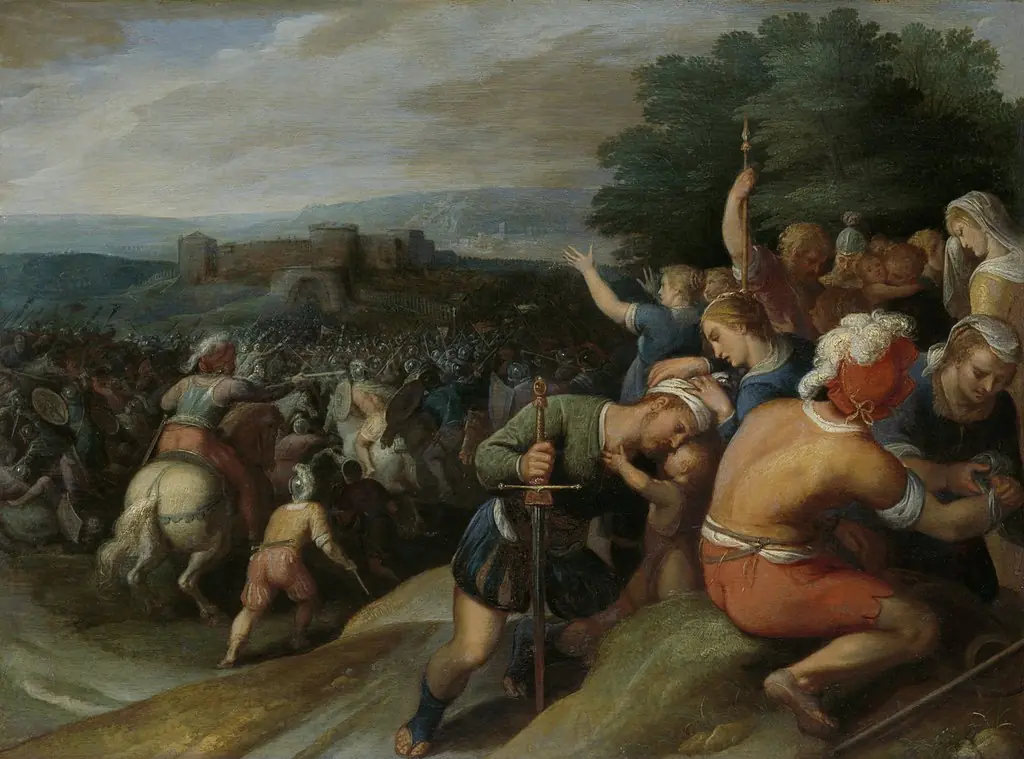 The Batavians Surround the Romans at Vetera
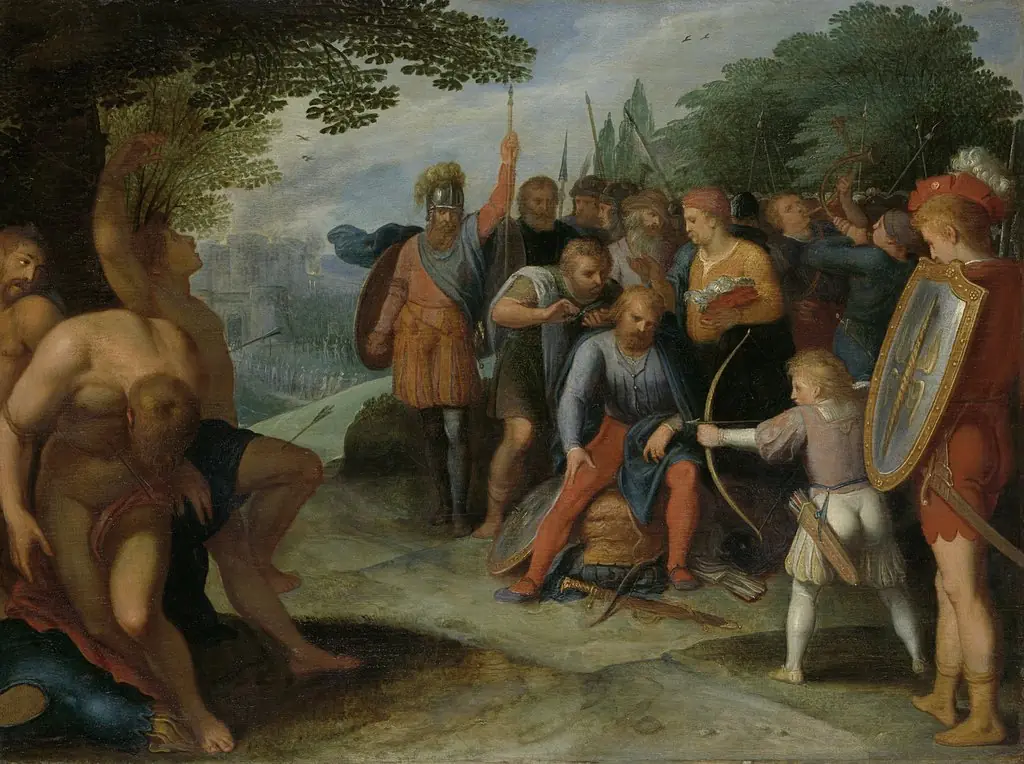 After the Fall of Vetera Castra Claudius Civilis has his hair cut while his son shoots some prisoners
 During a Famine in Myra Saint Nicholas Saves the People
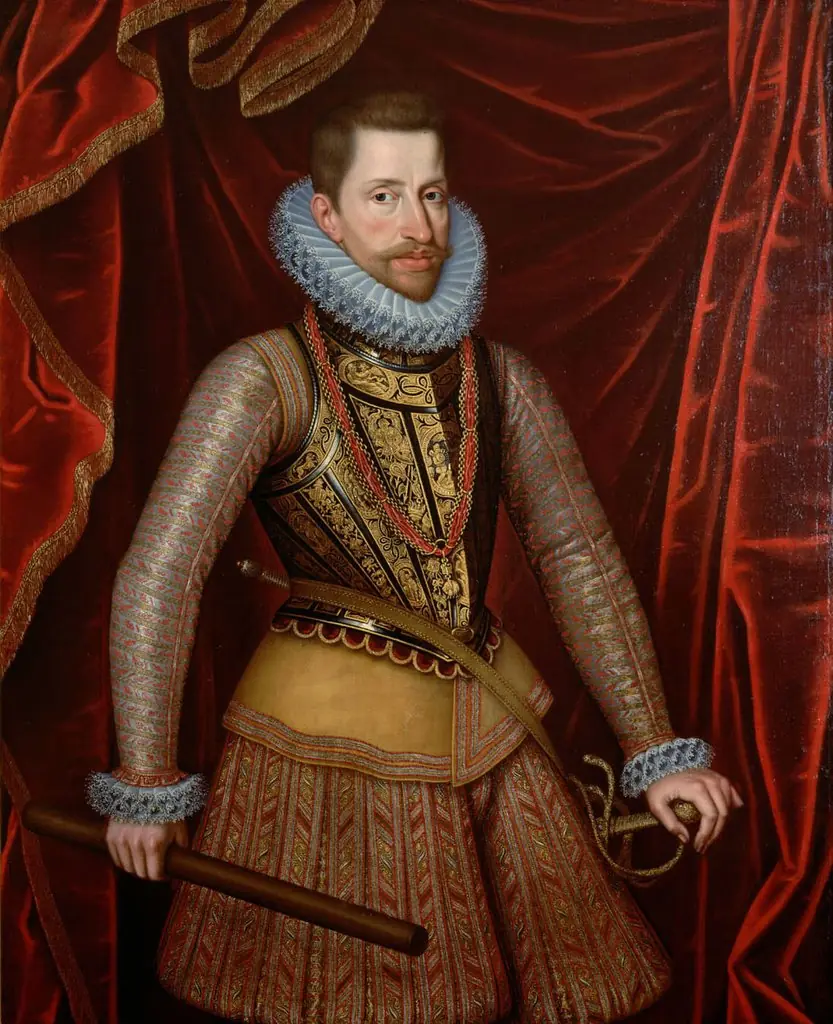 Portrait of Albrecht VII, Archduke of Austria (1559-1621)
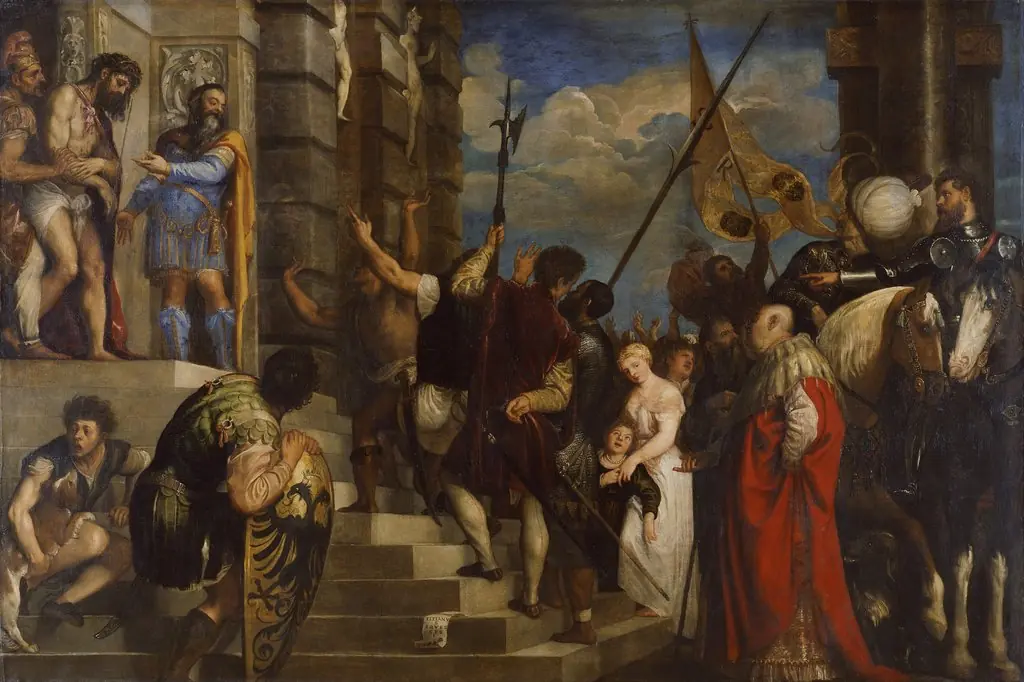 Ecce Homo
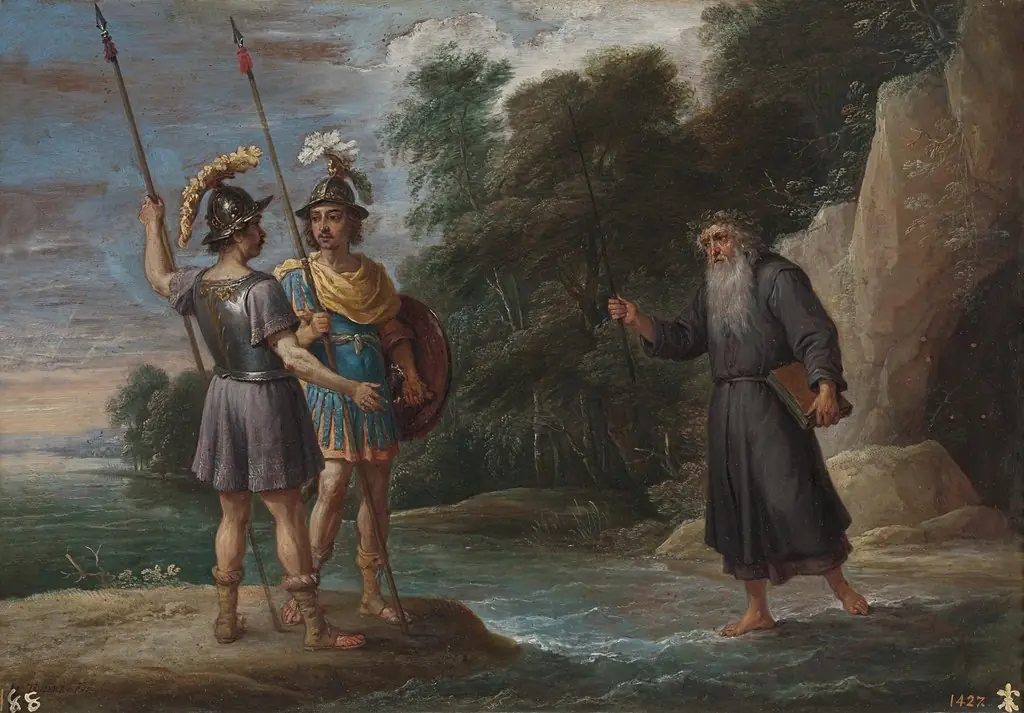 El mago descubre a Carlos y Ubaldo el paradero de Reinaldo (La búsqueda de Reinaldo)
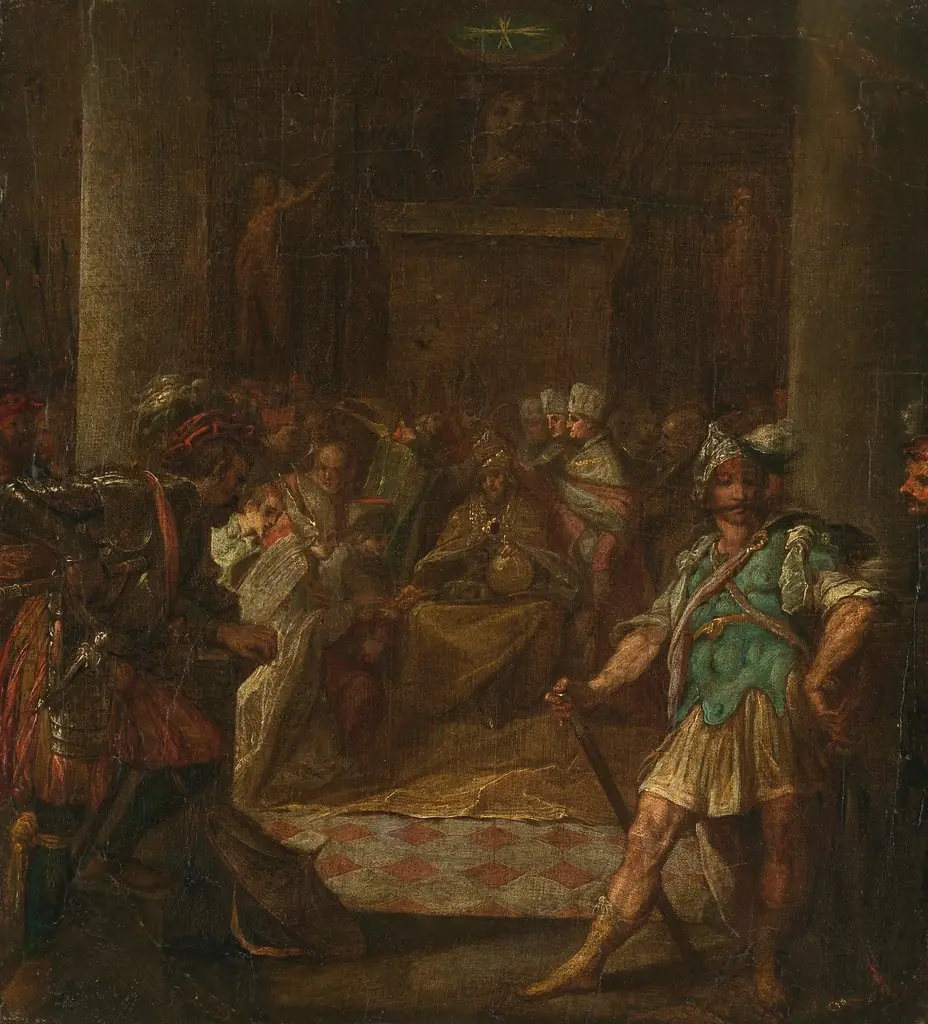 Imperial Coronation
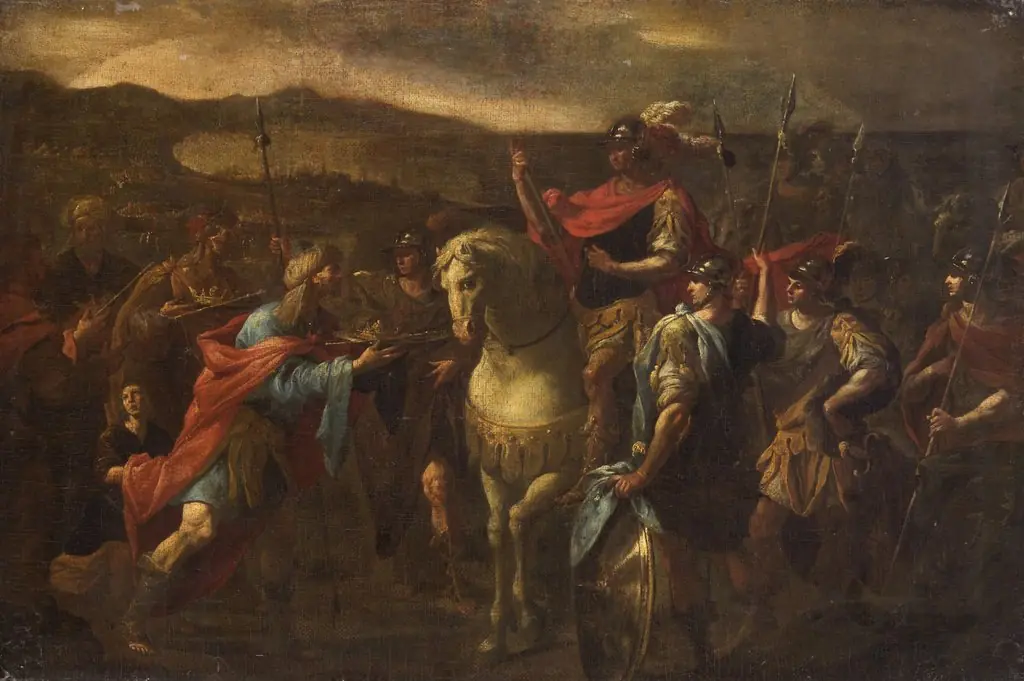 Indische Könige huldigen Alexander dem Großen
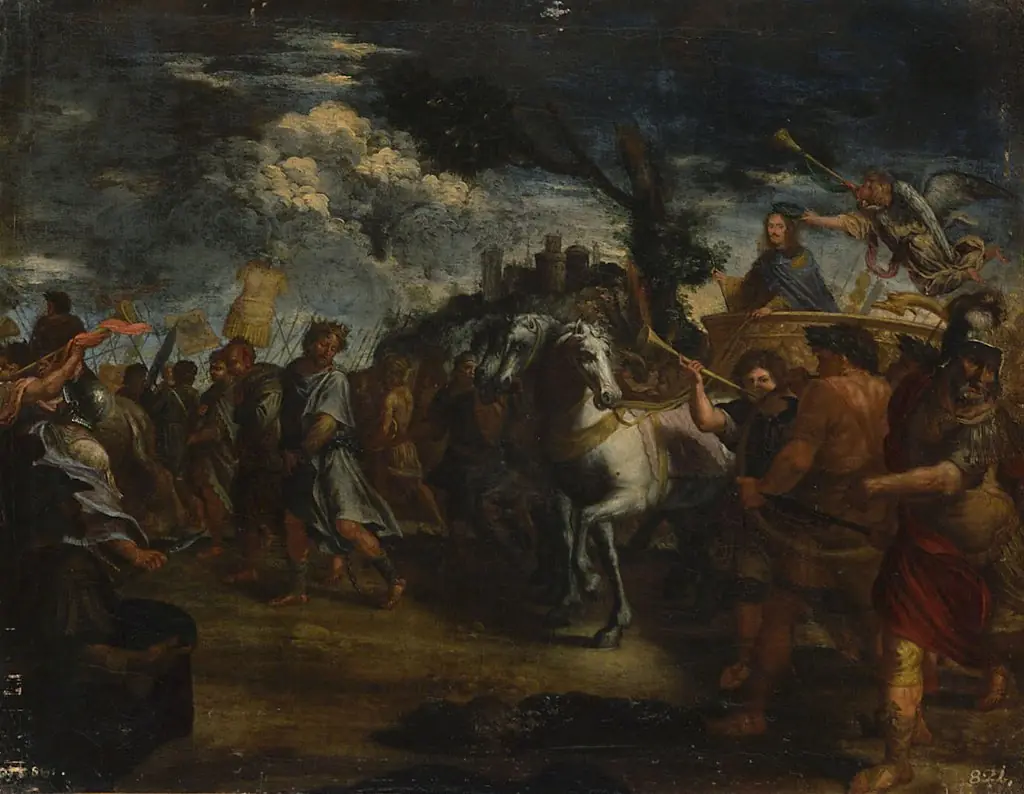 Triumphzug des Erzherzogs Leopold Wilhelm
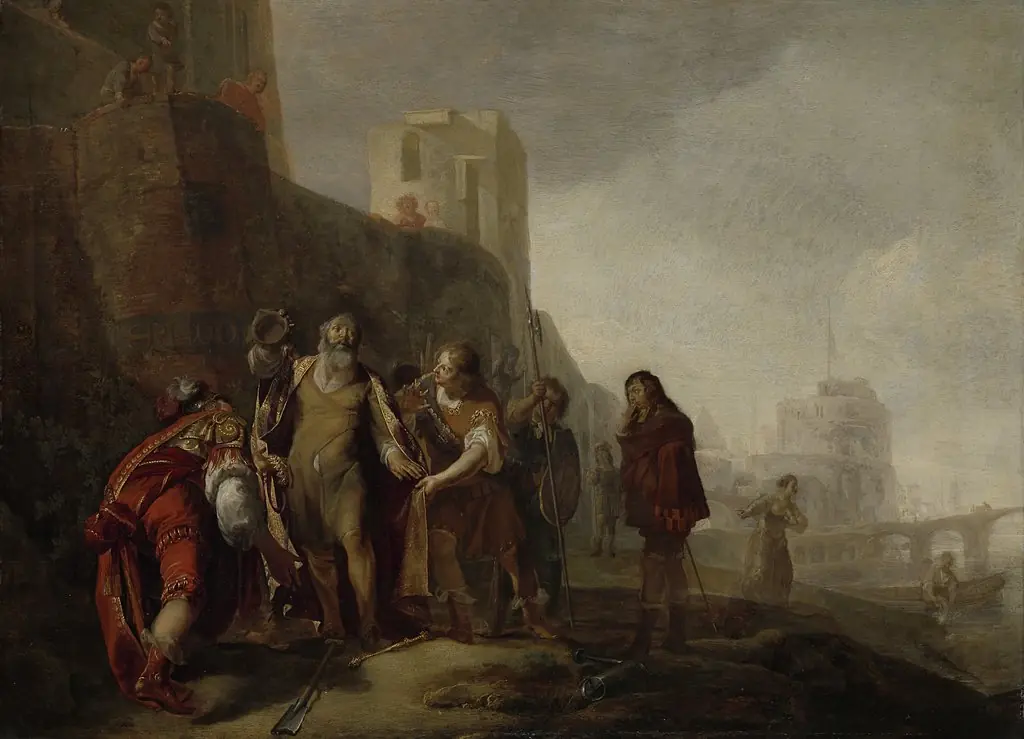 The legates of Alexander the Great investing the gardener Abdalonymus with the insignia of the kingship of Sidon
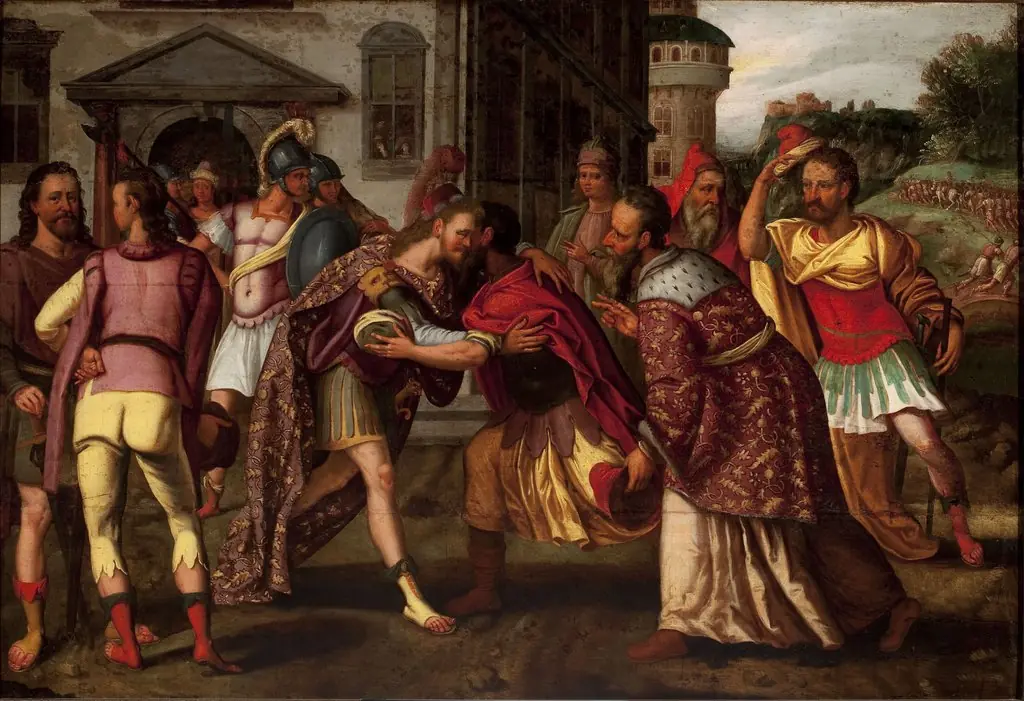 Absalom propitiating friends (2 Samuel 15:2-5)
 Saul honoring David after his victory over Goliath