Artwork
On the disposal of wealth: Illustration to Horace, Carmina III, 40-45
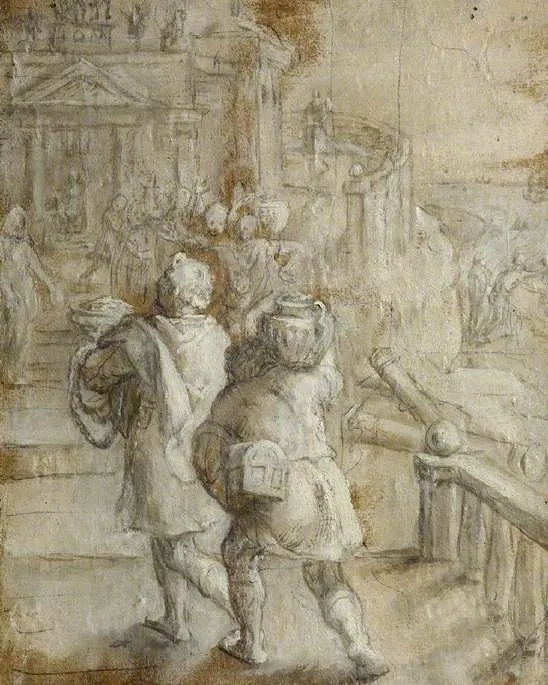
On the disposal of wealth: Illustration to Horace, Carmina III, 40-45 is an unspecified painting by Otto van Veen. It dates from 1602 and is held in the collection of the Fitzwilliam Museum.
About this work
Overview
The composition utilizes the receding figures to guide the eye toward the architectural background, reinforcing the classical context of the text.
Otto van Veen's 1602 illustration, titled On the disposal of wealth, visually interprets lines 40–45 from Book III of Horace's Odes. The work depicts two figures in classical robes carrying large pots on their shoulders, walking away from the viewer through an ancient urban setting defined by distant columns and architecture. This scene directly corresponds to Horace's satirical advice on the futility of hoarding wealth, illustrating the poet's metaphor that riches should be circulated rather than buried.
Executed as a preparatory sketch, the drawing demonstrates Van Veen's characteristic integration of humanist scholarship and visual narrative, a hallmark of his career as a leading figure in the Flemish Baroque and a teacher to Peter Paul Rubens. The composition utilizes the receding figures to guide the eye toward the architectural background, reinforcing the classical context of the text. Created during a period when Van Veen was actively producing emblem books and literary illustrations, this piece exemplifies his method of translating Latin poetry into clear, didactic imagery for a learned audience.
Subject & Meaning
The work visualizes Horace’s moral reflection on the distribution of riches, suggesting that wealth should be shared or allocated responsibly. The two carriers, burdened with pots, symbolize the act of dispensing resources, while the surrounding crowd and architectural elements evoke a public, civic space where such decisions affect the community.
Technique & Style
Van Veen employs a balanced arrangement of figures and architecture, using chiaroscuro to model the robed men in the foreground and softer tones for the background. The brushwork is precise in the details of the robes and vessels, while the distant cityscape is rendered with looser strokes, creating depth and a sense of atmospheric perspective typical of early 17th‑century Dutch allegorical painting.
History & Provenance
The painting entered the collection of the Fitzwilliam Museum in Cambridge, where it remains on display. Its attribution to van Veen, a Dutch painter active in the early Baroque period, is supported by stylistic analysis and contemporary documentation linking the work to his series of literary illustrations.
Artist & collection

Artist
Otto van Veen, was a painter, draughtsman, and humanist active primarily in Antwerp and Brussels in the late 16th and early 17th centuries.

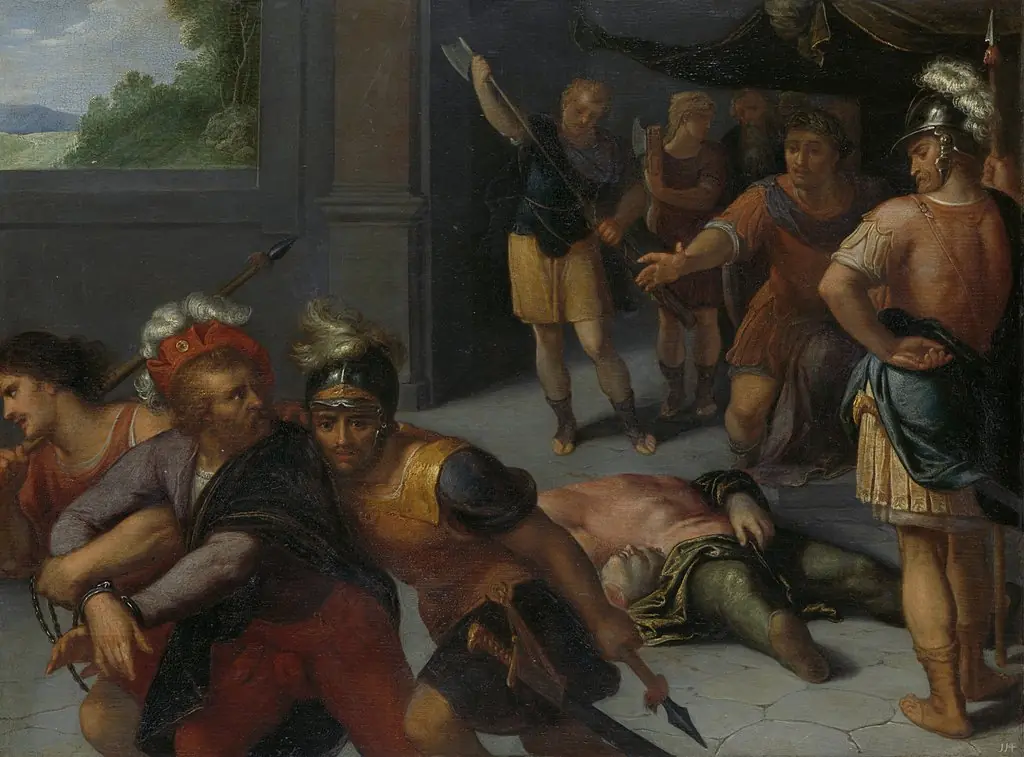 Beheading of Julius Paulus and Imprisonment of Claudius Civilis
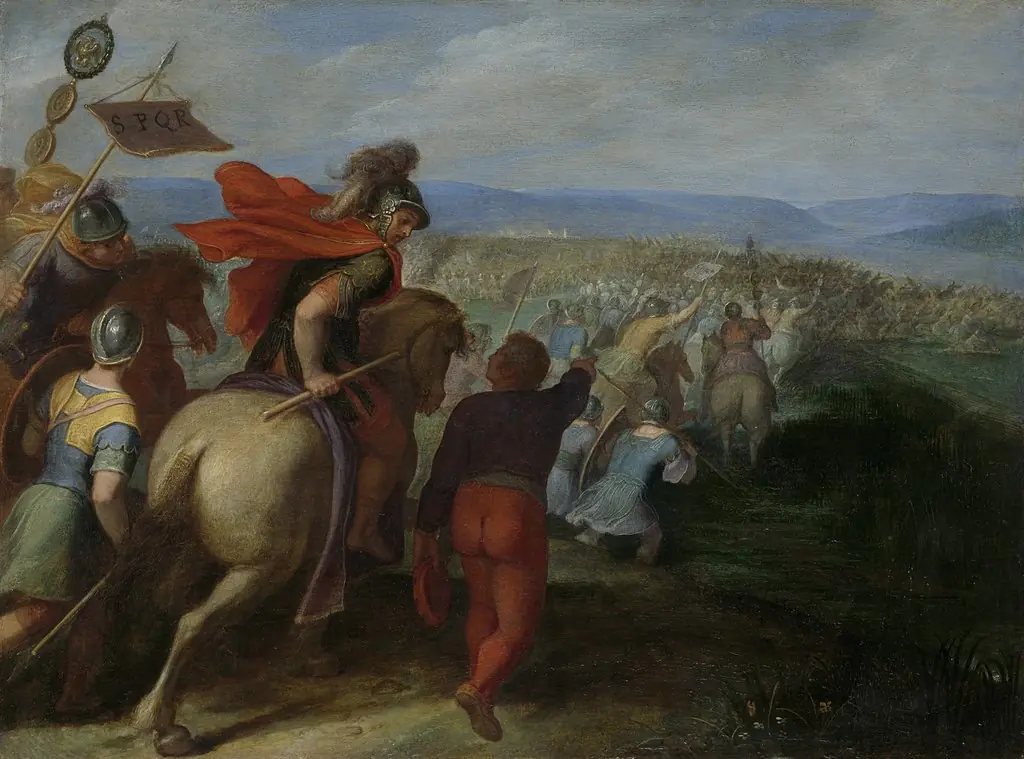 The Romans under Cerealis Defeat Claudius Civilis and the Batavians following betrayal from within
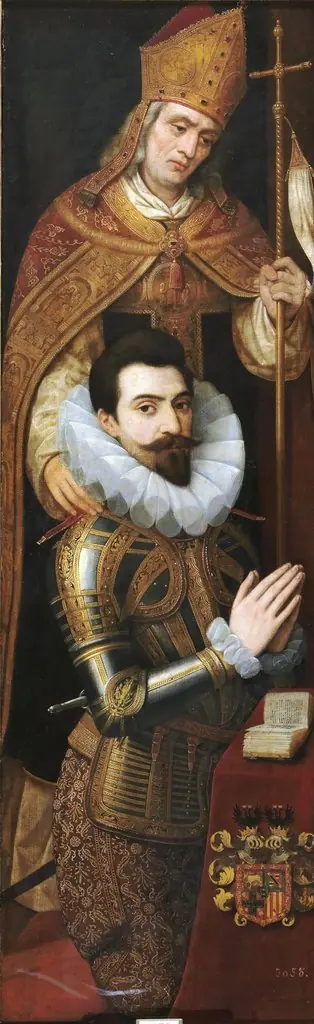 Alonso de Idiáquez duque de Ciudad Real (Cittá-Reale en Nápoles)
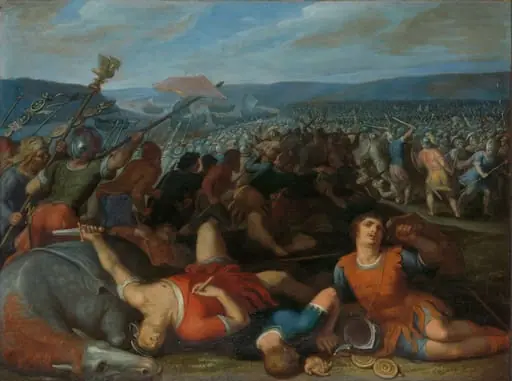 De Bataven verslaan de Romeinen bij de Rijn
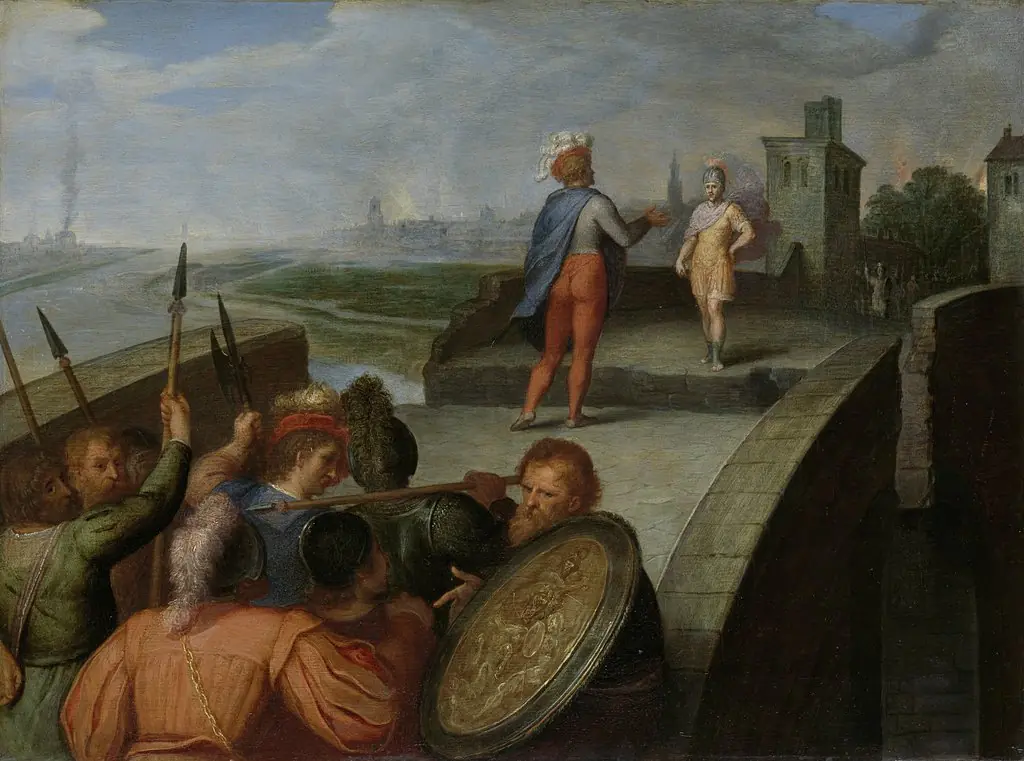 Peace Negotiations between Claudius Civilis and Cerealis
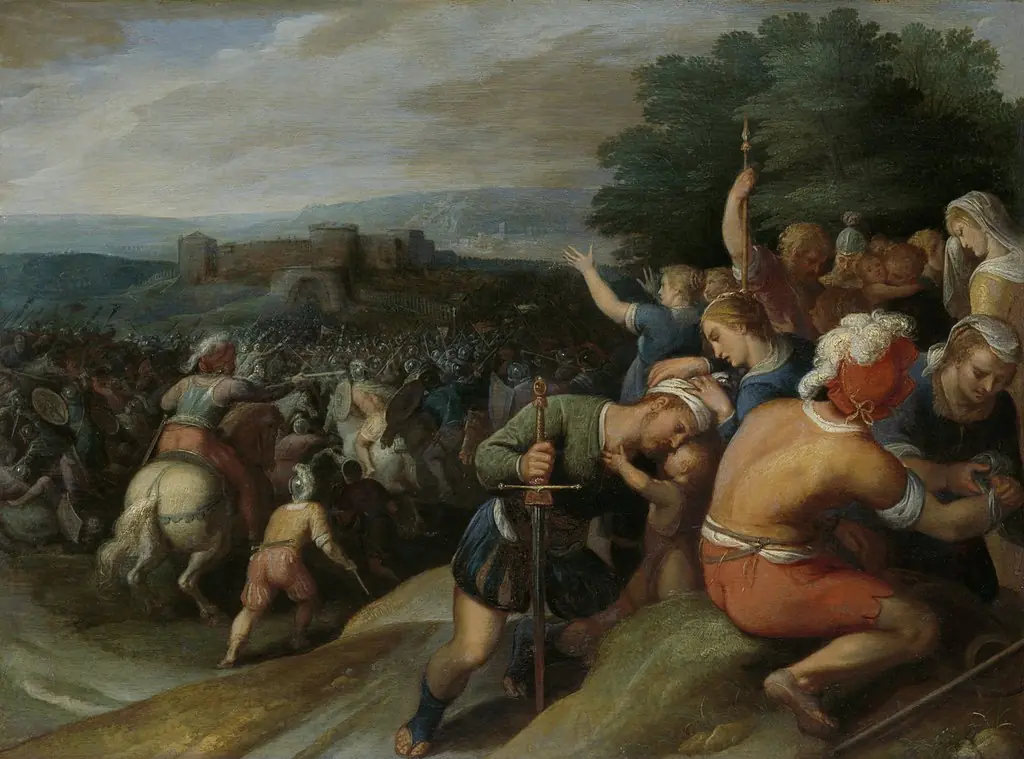 The Batavians Surround the Romans at Vetera
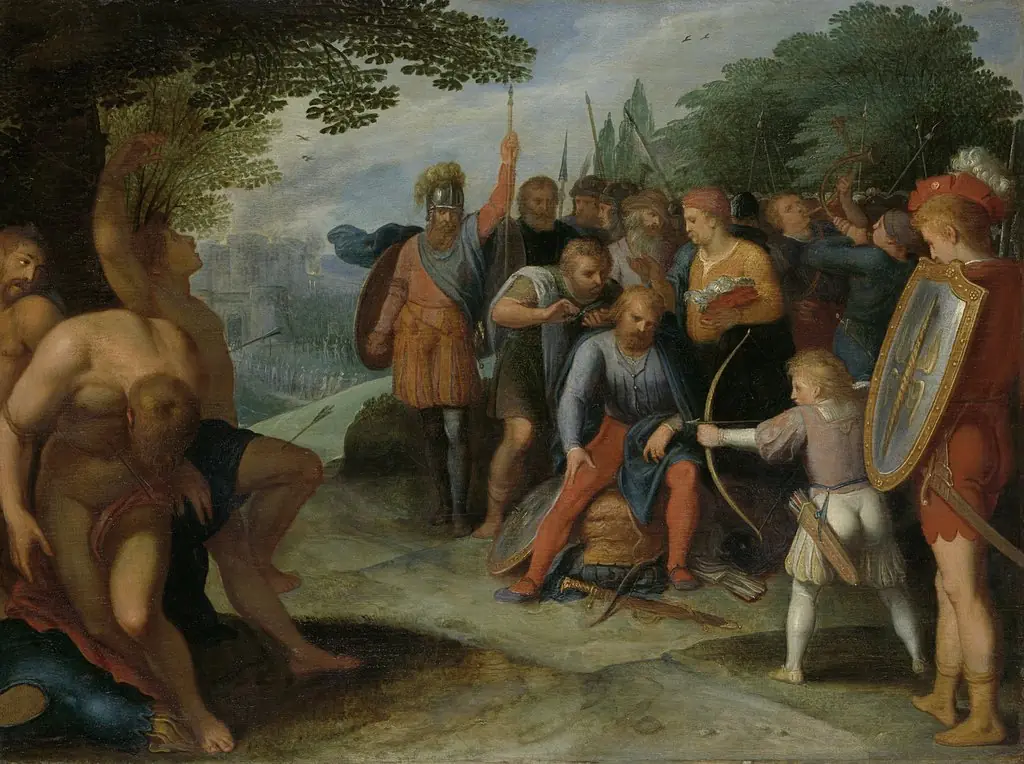 After the Fall of Vetera Castra Claudius Civilis has his hair cut while his son shoots some prisoners
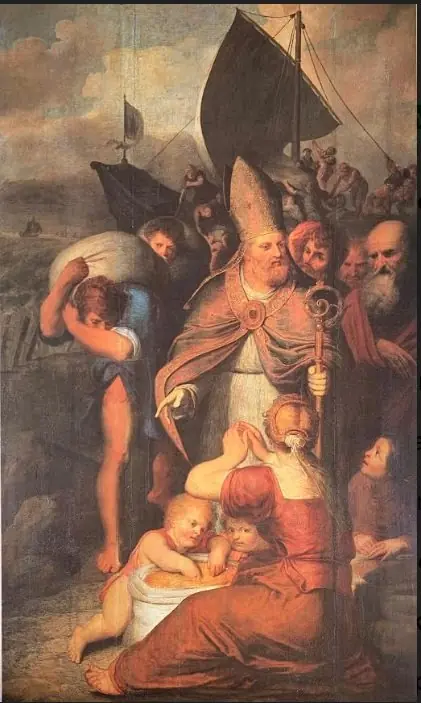 During a Famine in Myra Saint Nicholas Saves the People
- Dune Scene with Peasant Figures
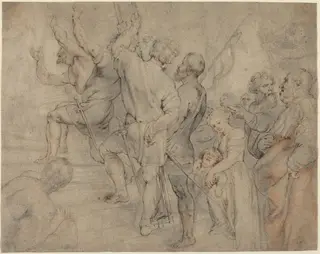 Part of the Crowd at the Ecce Homo
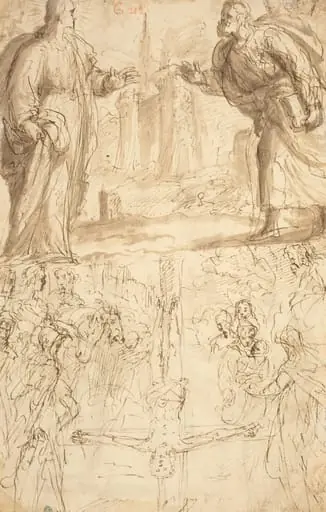 Crucifixion of Saint Peter
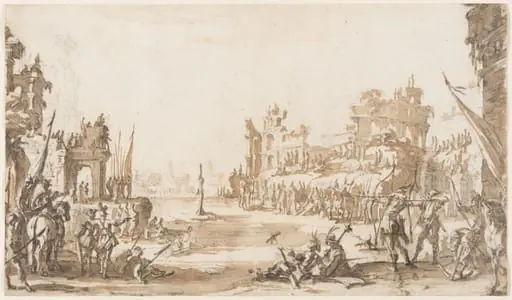 The Martyrdom of St. Sebastian
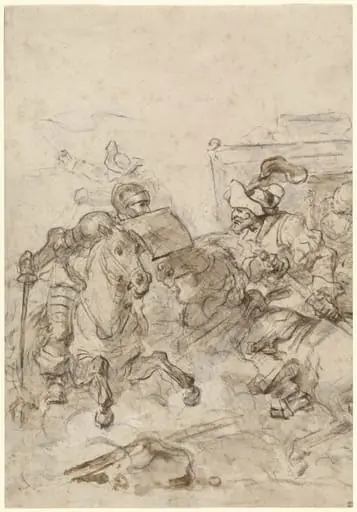 Don Quixote Attacking the Biscayan
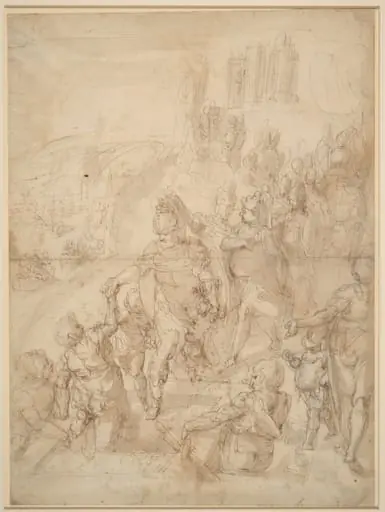 The Embarkation of Aeneas from the Ceraunian Headland
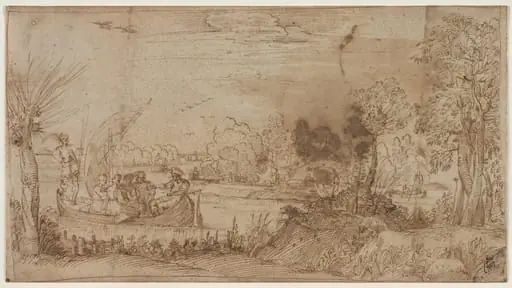 River Landscape with Boats
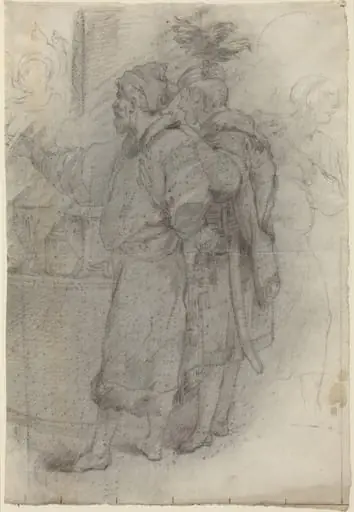 Two Standing Courtiers
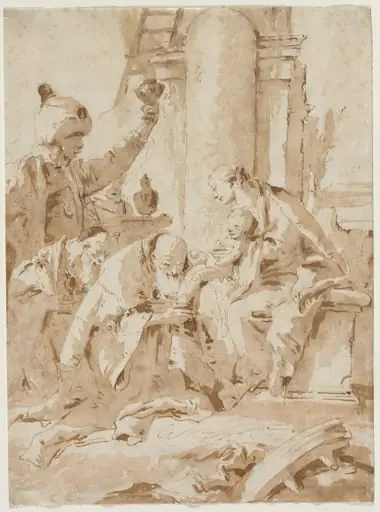 The Adoration of the Magi
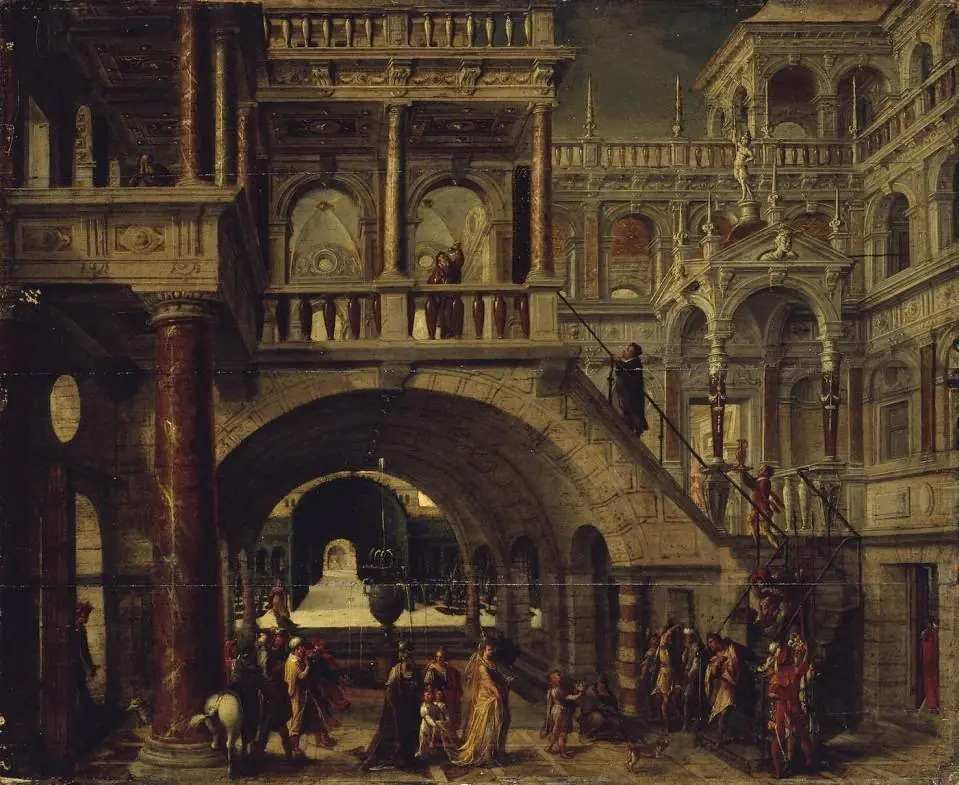 Architectural Landscape
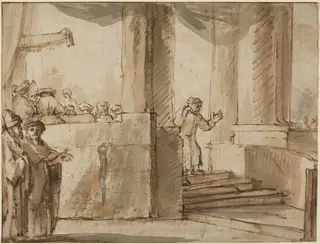 Judas Leaving the High Priest
 Christ Nailed to the Cross