Artwork
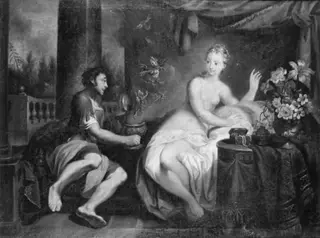
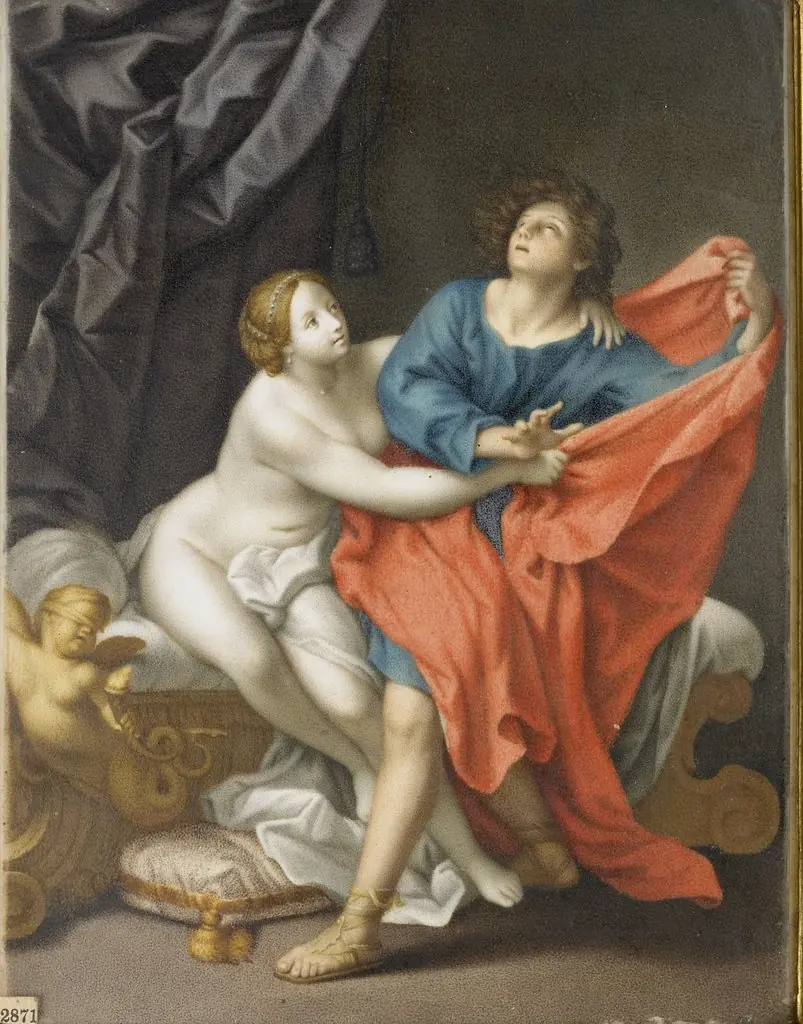
Joseph and Potiphar's Wife
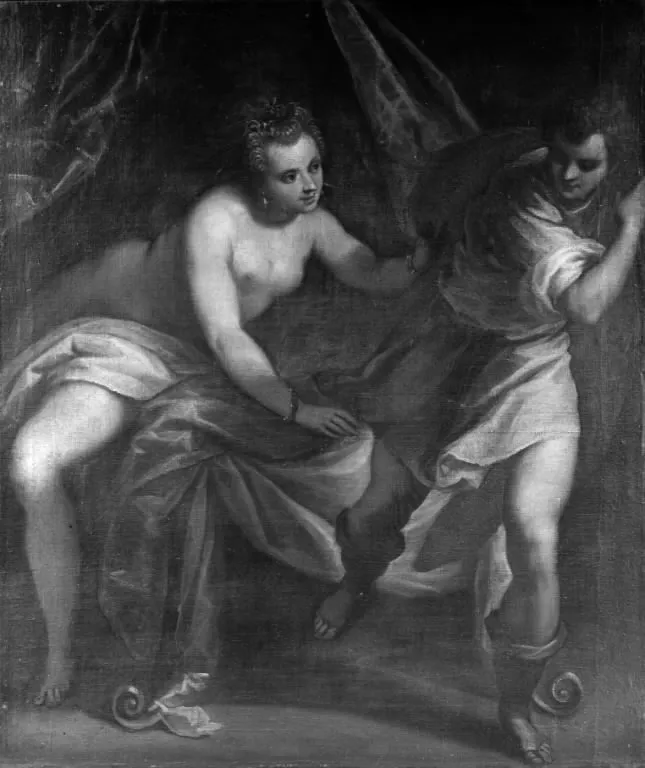
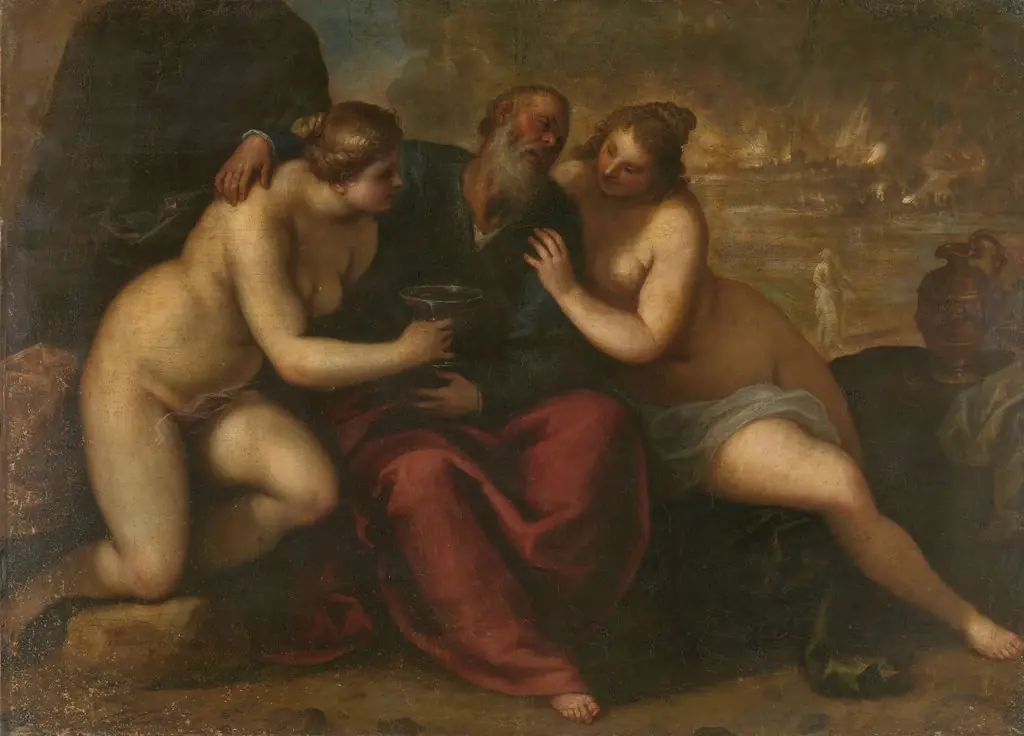
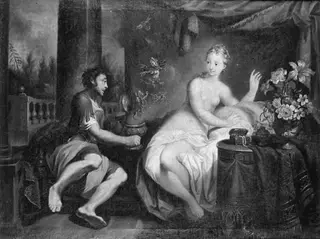
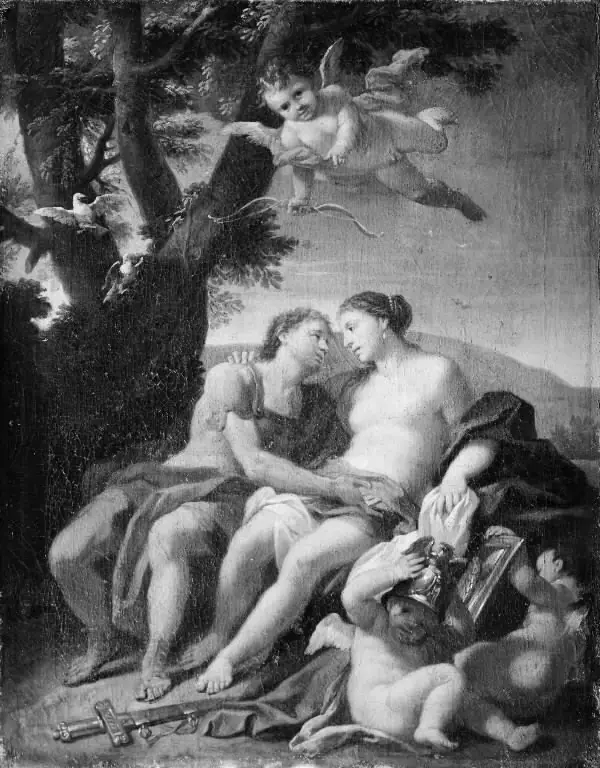
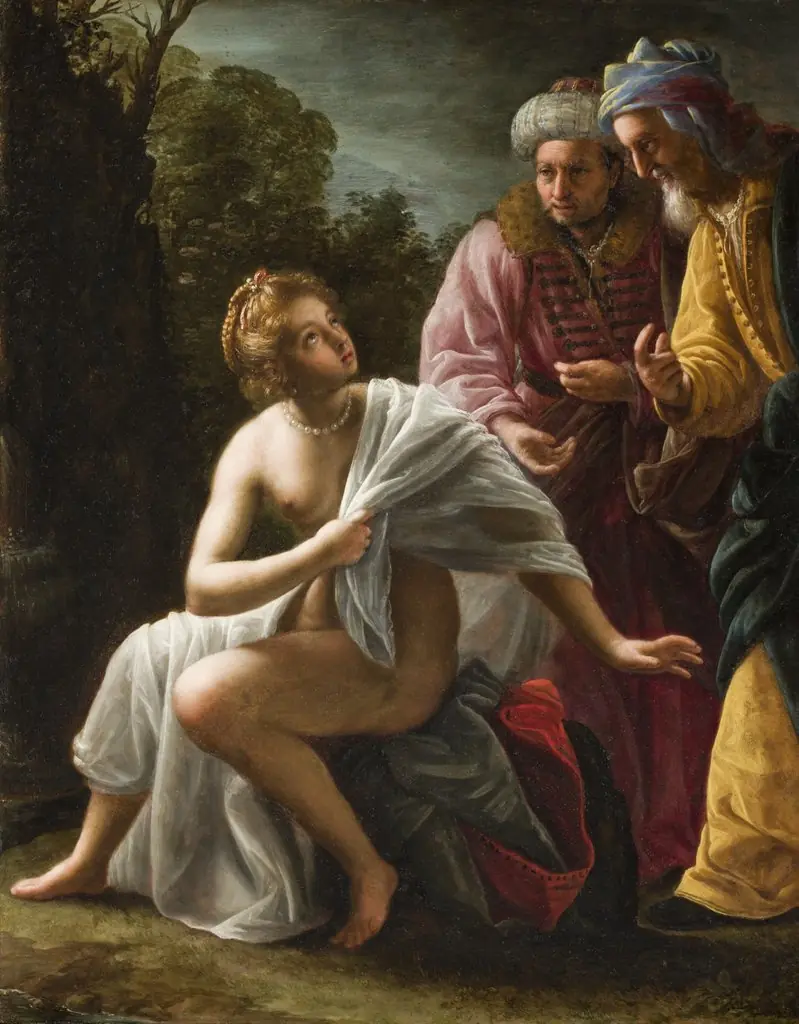
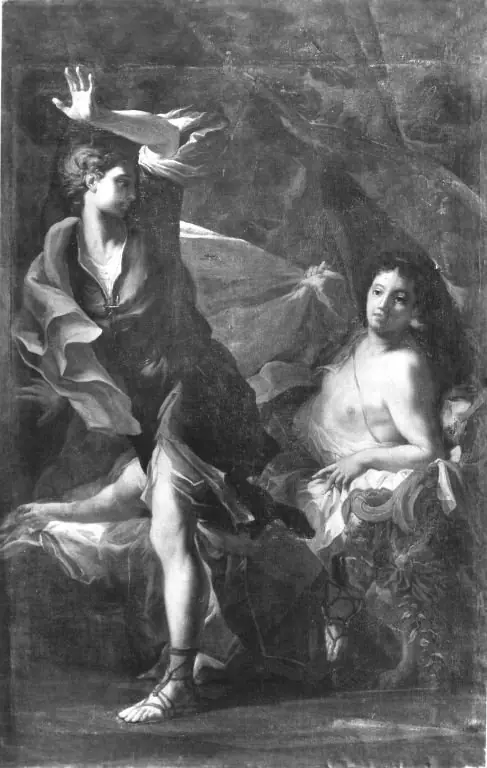
Joseph and Potiphar's Wife is an oil painting by the Mannerist artist Palma il Giovane. It dates from 1594 and is held in the collection of the Statens Museum for Kunst.
About this work
Subject & Meaning
The scene’s iconographic tradition emphasizes the contrast between virtue and temptation, aligning with Counter-Reformation emphases on moral exemplarity.
The painting depicts the biblical episode in which Potiphar’s wife attempts to seduce Joseph, as recounted in Genesis 39. The composition centers on the moment when she seizes Joseph’s garment, her gesture conveying entrapment and pursuit. Joseph is shown resisting, his posture indicating moral resolve amid the confrontation.
The scene’s iconographic tradition emphasizes the contrast between virtue and temptation, aligning with Counter-Reformation emphases on moral exemplarity. The title references her name in Islamic tradition, Zuleika, which appears in later textual retellings of the story.
Technique & Style
The painting is executed in oil on canvas, measuring 1075 by 1270 units, and depicts the biblical moment of Joseph and Potiphar's wife. It belongs to the religious art genre, reflecting Palma il Giovane's mature style characterized by dramatic narrative composition and rich coloration.
History & Provenance
The painting Joseph and Potiphar's Wife by Palma il Giovane is an oil on canvas work measuring 1075.0 cm in height and 1270.0 cm in width. It depicts the biblical scene of Joseph and Zuleika, the wife of Potiphar, and is categorized as religious art. The artwork is part of the collection at the Statens Museum for Kunst, where it is currently housed.
Its creation is attributed to the Venetian school painter Jacopo Bassano, known for his dramatic religious compositions, though the stylistic analysis places it firmly within the late Renaissance period of the 16th century.
The provenance and ownership history of the piece are documented through its inclusion in the Statens Museum for Kunst collection, indicating a continuous institutional custody from acquisition to present display. There is no evidence in the provided sources of a private commission or specific patronage, suggesting the work may have entered the museum through bequest or state acquisition rather than direct private commission.
Dating of the artwork is based on stylistic assessment and archival records, situating its creation in the late 16th century, consistent with the activity period of Palma il Giovane. The work remains accessible to the public at the museum, forming part of its permanent religious art exhibition.
The painting is held at the Statens Museum for Kunst in Copenhagen, where it is recorded with the inventory number KMSsp767.
It was included in the exhibition Palma il Giovane: Venetian Mannerism and the European Context, held at the Statens Museum for Kunst from 25 September 2020 to 10 January 2021.
Overview
Created circa 1594 by the Venetian painter Palma il Giovane, this oil on canvas portrays the biblical episode in which Joseph resists the seductive overtures of Potiphar’s wife. Executed in the late‑Mannerist idiom, the work now belongs to the collection of the Statens Museum for Kunst in Copenhagen.
Artist & collection
Artist
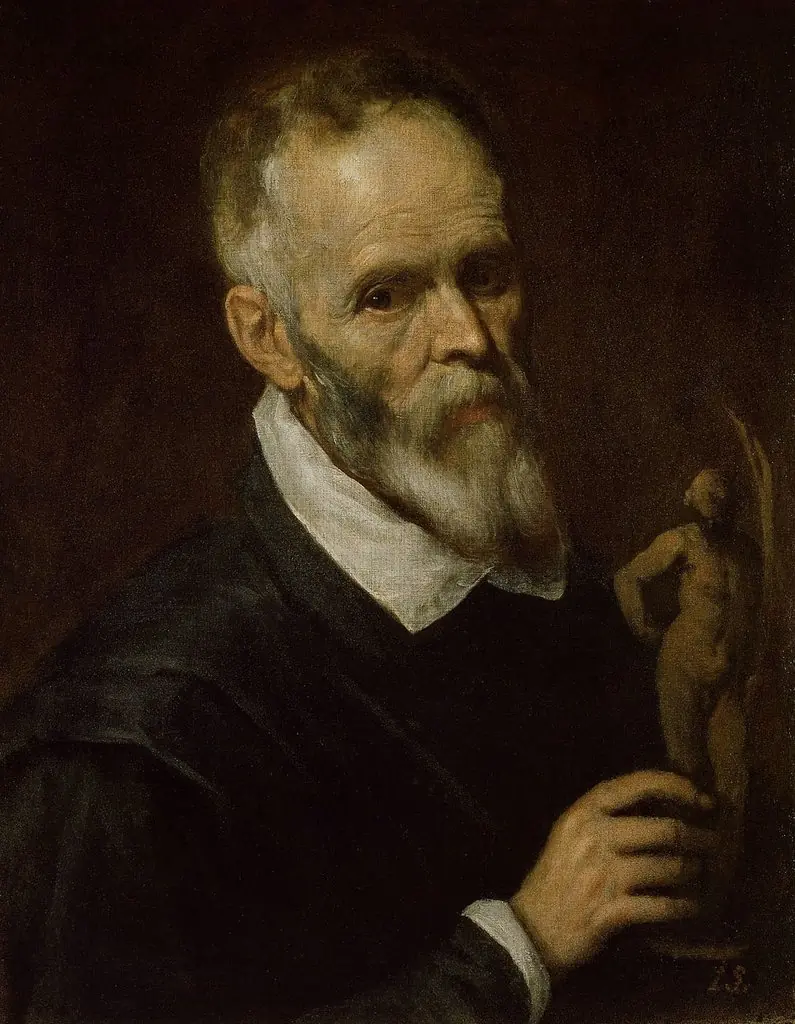
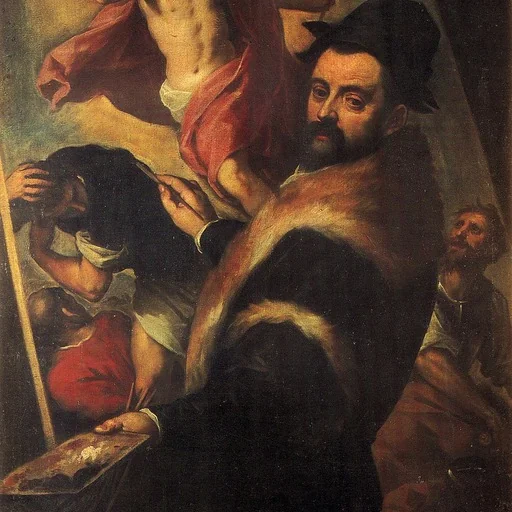
Iacopo Negretti (1548/50 – 14 October 1628), best known as Jacopo or Giacomo Palma il Giovane or simply Palma Giovane ('Young Palma'), was an Italian painter from Venice and a notable exponent of the Venetian school.