Artwork
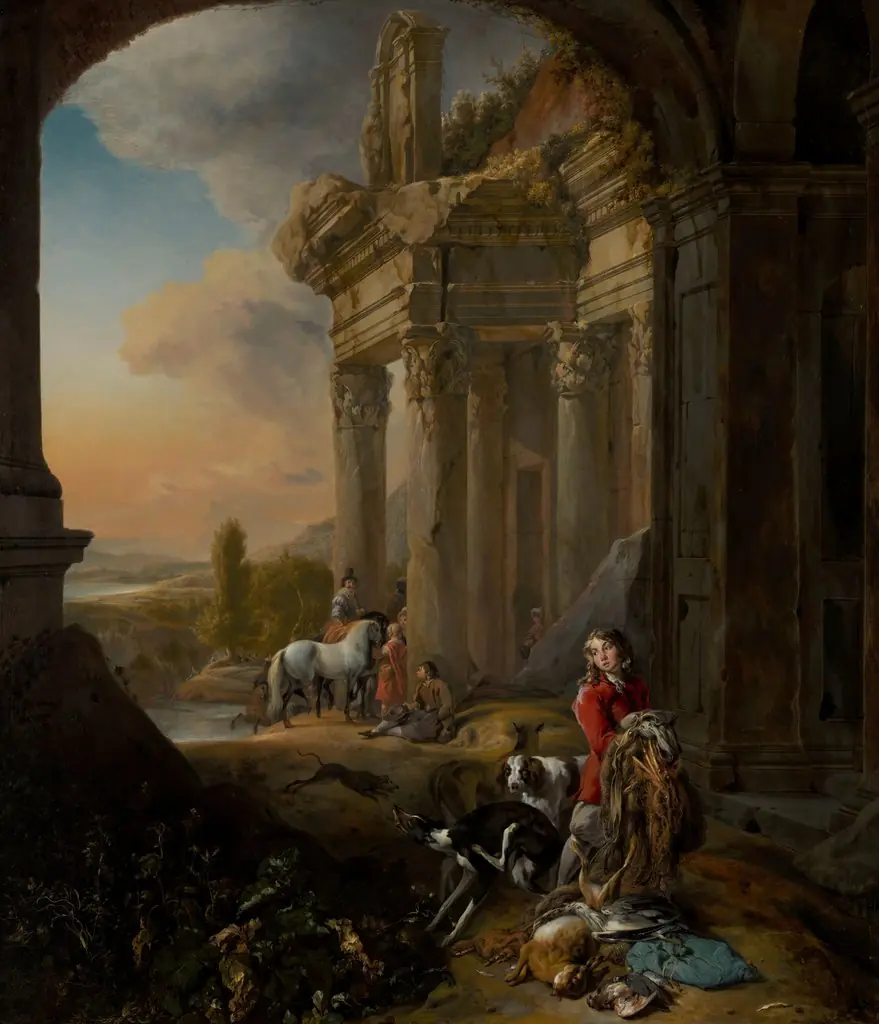
Peasants near Roman Ruins
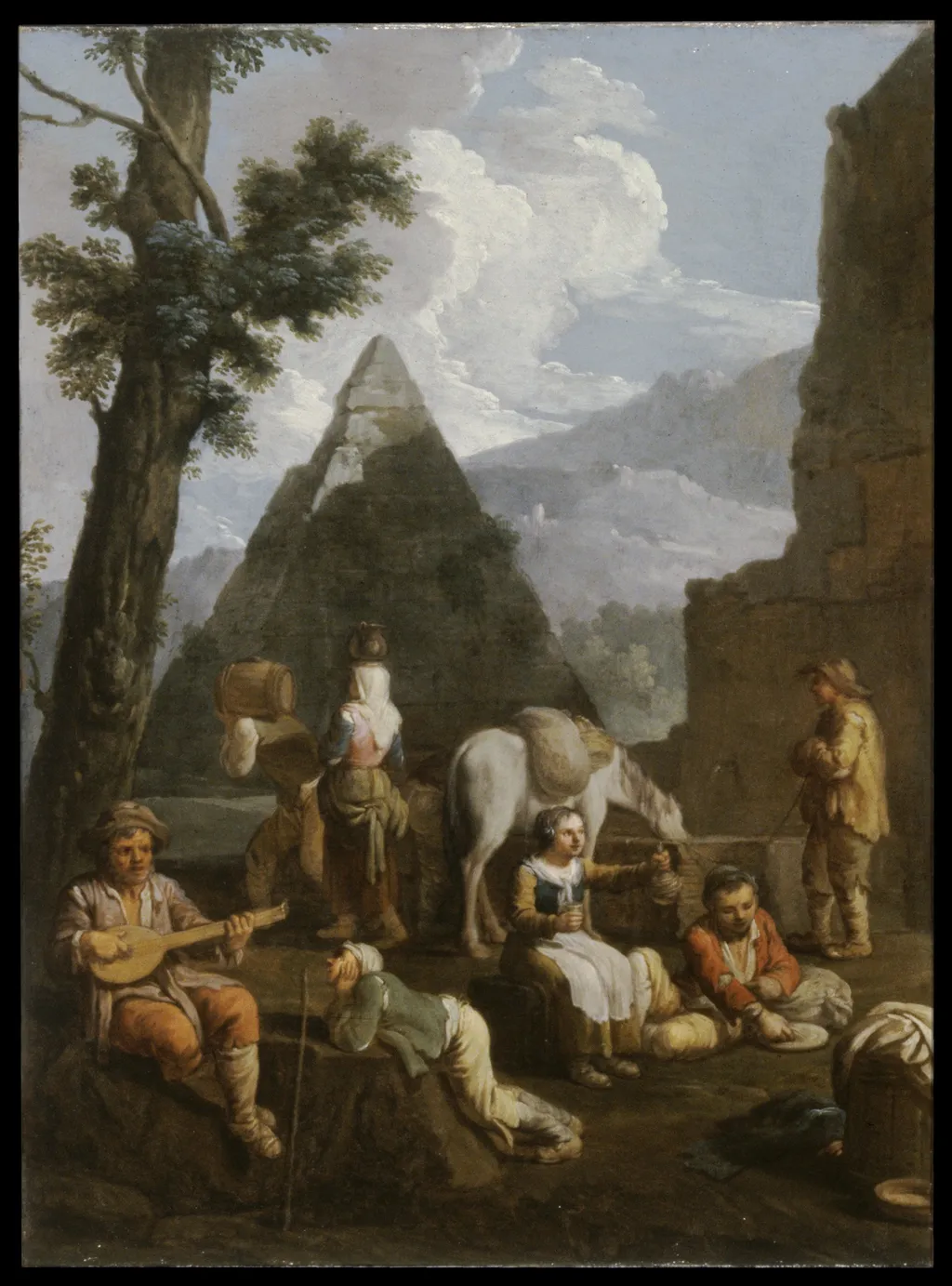
Peasants near Roman Ruins is an oil painting by the Rococo painting artist Paolo Monaldi. It dates from 1760 and is held in the collection of the Walters Art Museum.
About this work
Overview
Created in 1760 by Italian painter Paolo Monaldi, this oil on canvas presents a group of rural figures assembled before the remnants of ancient Roman architecture. The composition blends everyday activity with a historic backdrop, reflecting the artist’s interest in genre scenes that capture moments of ordinary life.
Subject & Meaning
The work portrays peasants in simple dress engaged in leisure pursuits: a lute is being played, a jug is poured, and a figure reclines on the ground, suggesting relaxation or inebriation. By situating these common activities amid crumbling ruins, the painting juxtaposes the transience of daily life with the enduring presence of antiquity.
Technique & Style
Monaldi employs chiaroscuro to model forms, using light and shadow to give the figures and stone structures a three‑dimensional quality. The palette and decorative touches align with Rococo sensibilities, favoring a light, airy atmosphere while maintaining a clear narrative focus on the scene’s informal, lively character.
History & Provenance
The painting entered the collection of the Walters Art Museum, where it remains on view. Its acquisition reflects the museum’s broader interest in 18th‑century European genre paintings that illustrate social customs and artistic trends of the period.
Context
Monaldi’s work belongs to the Bambocciata tradition, a genre that flourished in the late Baroque and Rococo eras, emphasizing depictions of lower‑class activities. This approach resonated with contemporary tastes for informal, anecdotal compositions that offered viewers a glimpse into the lives of ordinary people.
Own this work as a print
Artist & collection
Artist
Paolo Monaldi (1710 – after 1779) was an Italian painter of the late-Baroque or Rococo style, known for painting Bambocciata, or genre scenes of public activities.

- Hunters Near Ruins
 Genre Scene
 Rest during the hunt
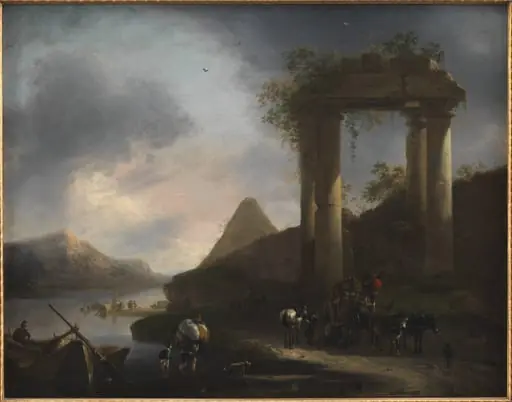 Italian Landscape with Classical Ruins
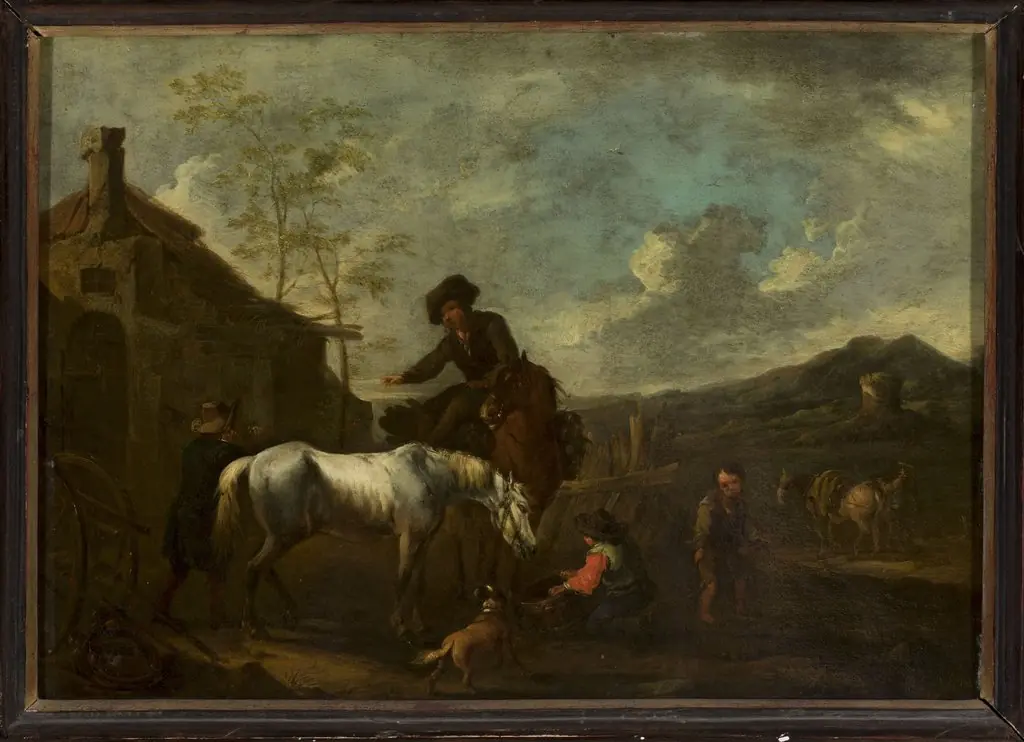 Watering the horses
 Huilua soittava paimen ja karjaa
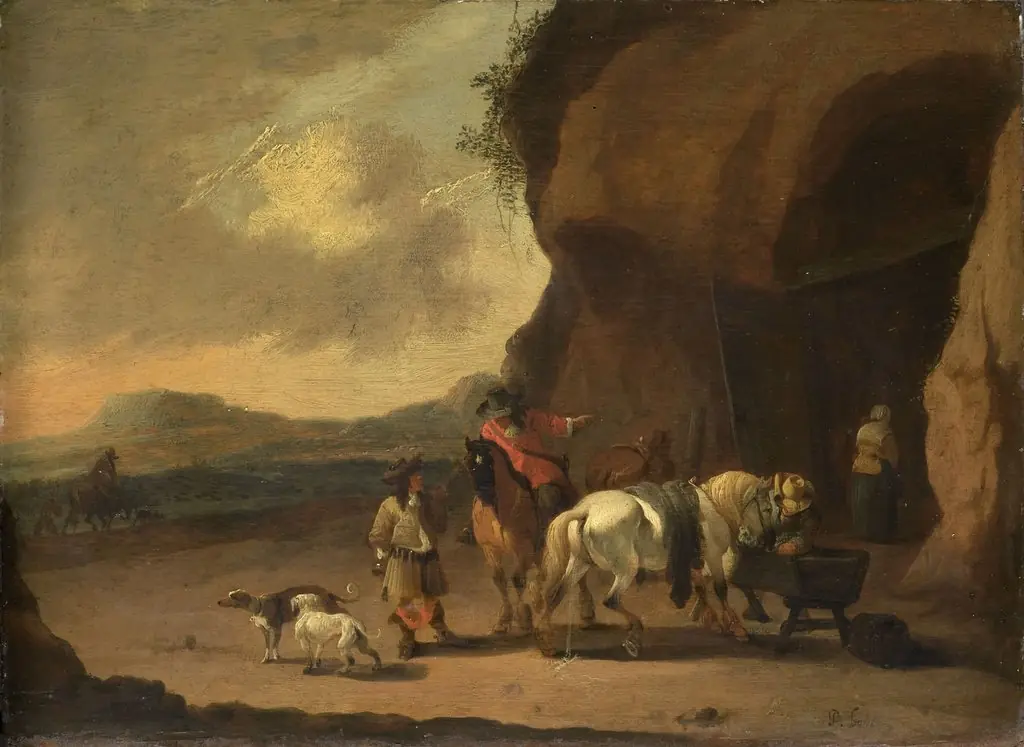 The way station
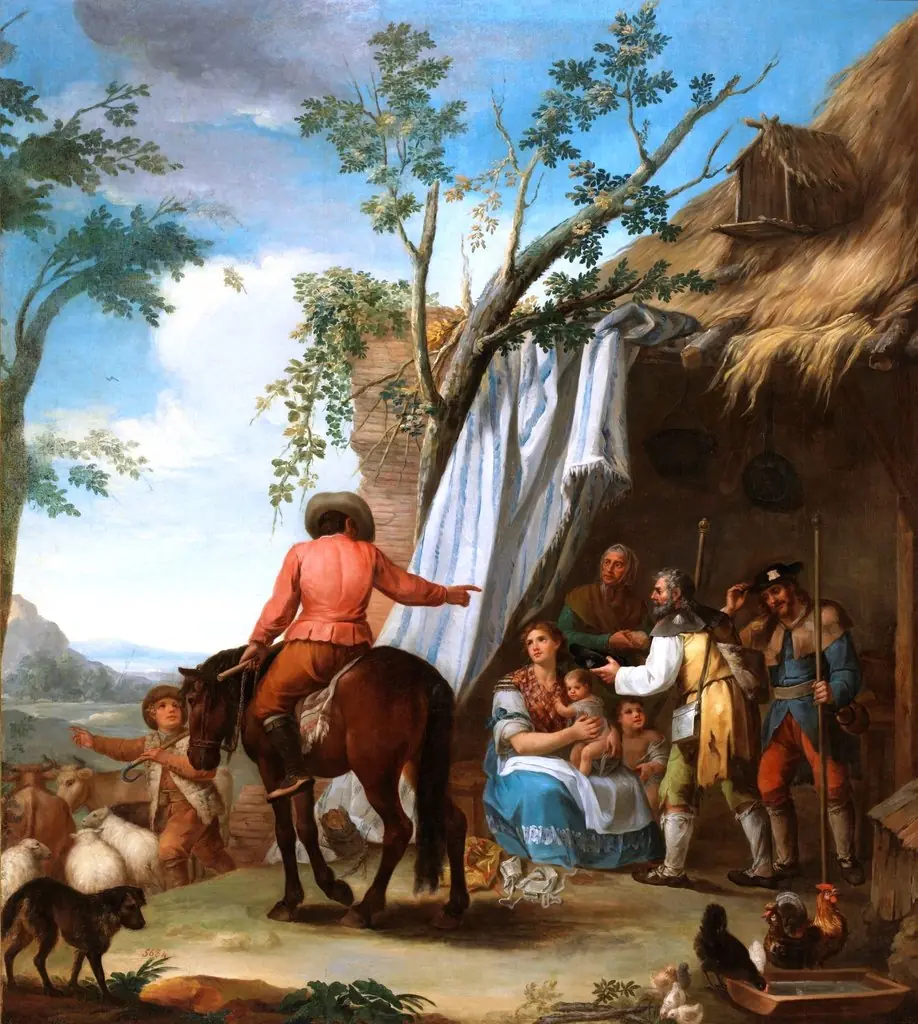 Un hombre a caballo junto a tienda de campaña
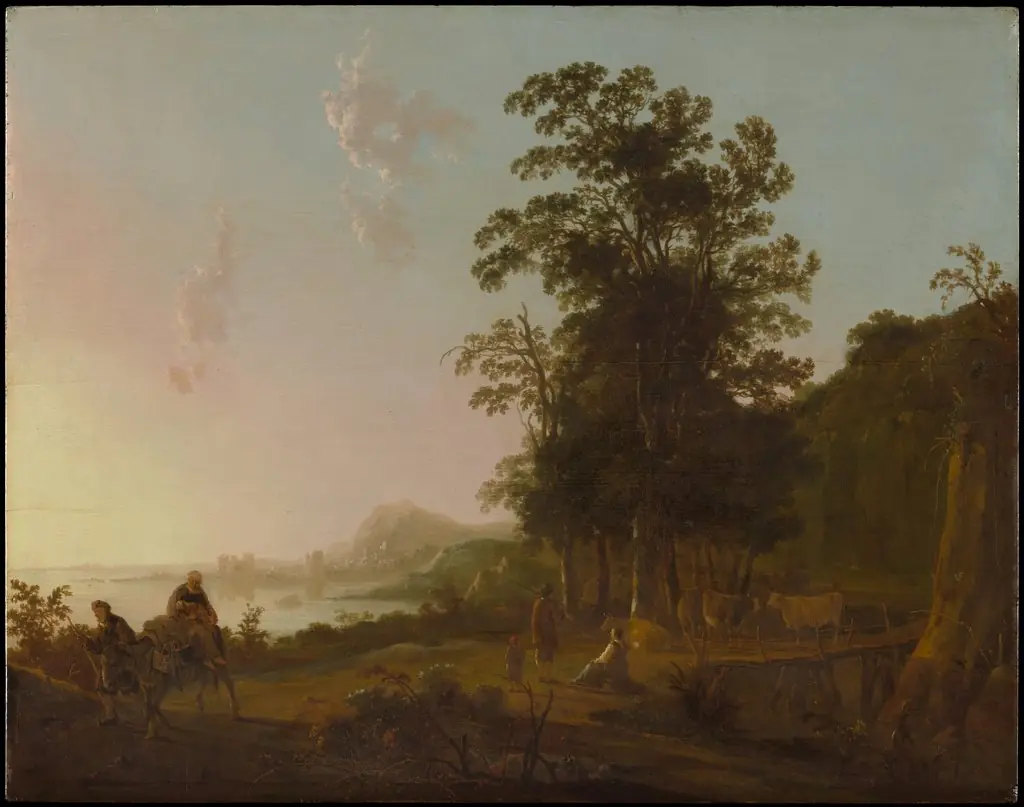 Landscape with the Flight into Egypt
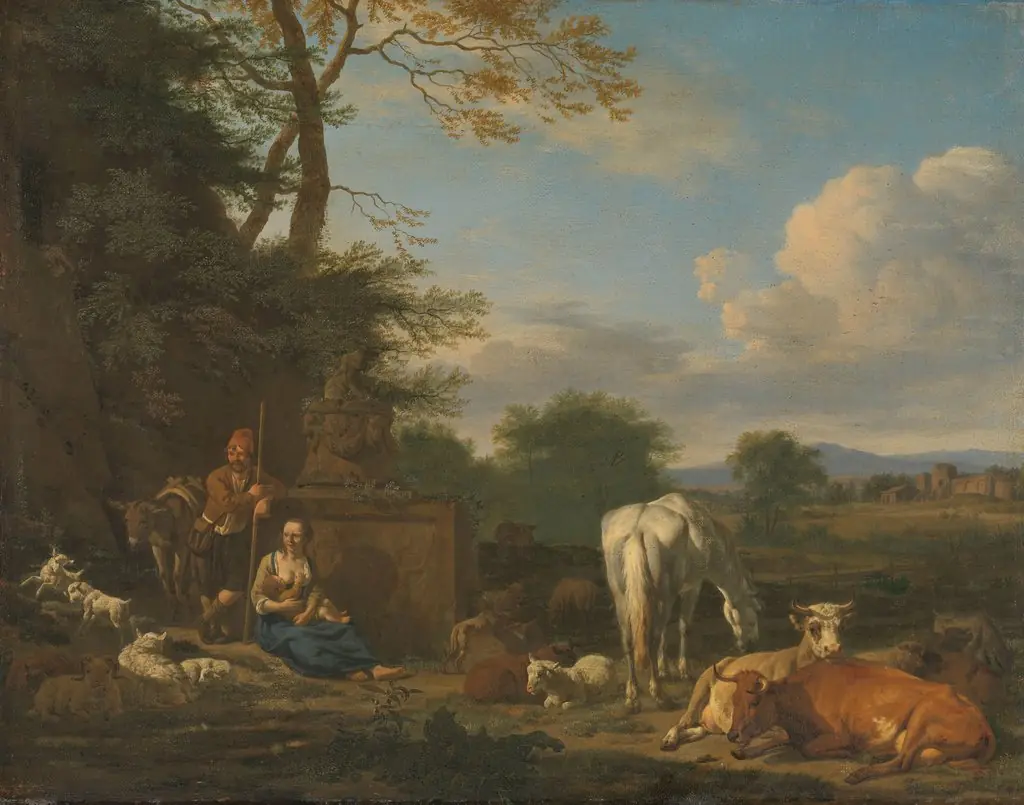 Arcadian landscape with resting herdsmen and cattle
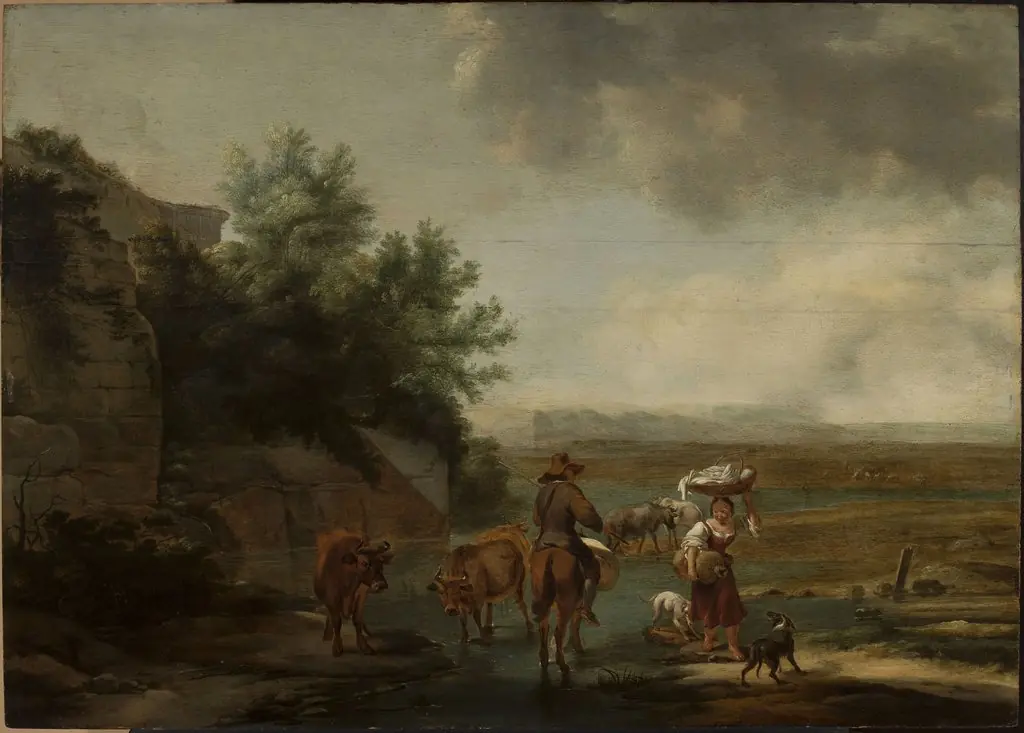 Pastoral landscape
 After the Hunt