Artwork
Madonna and child with Saints Stephen and John the Baptist
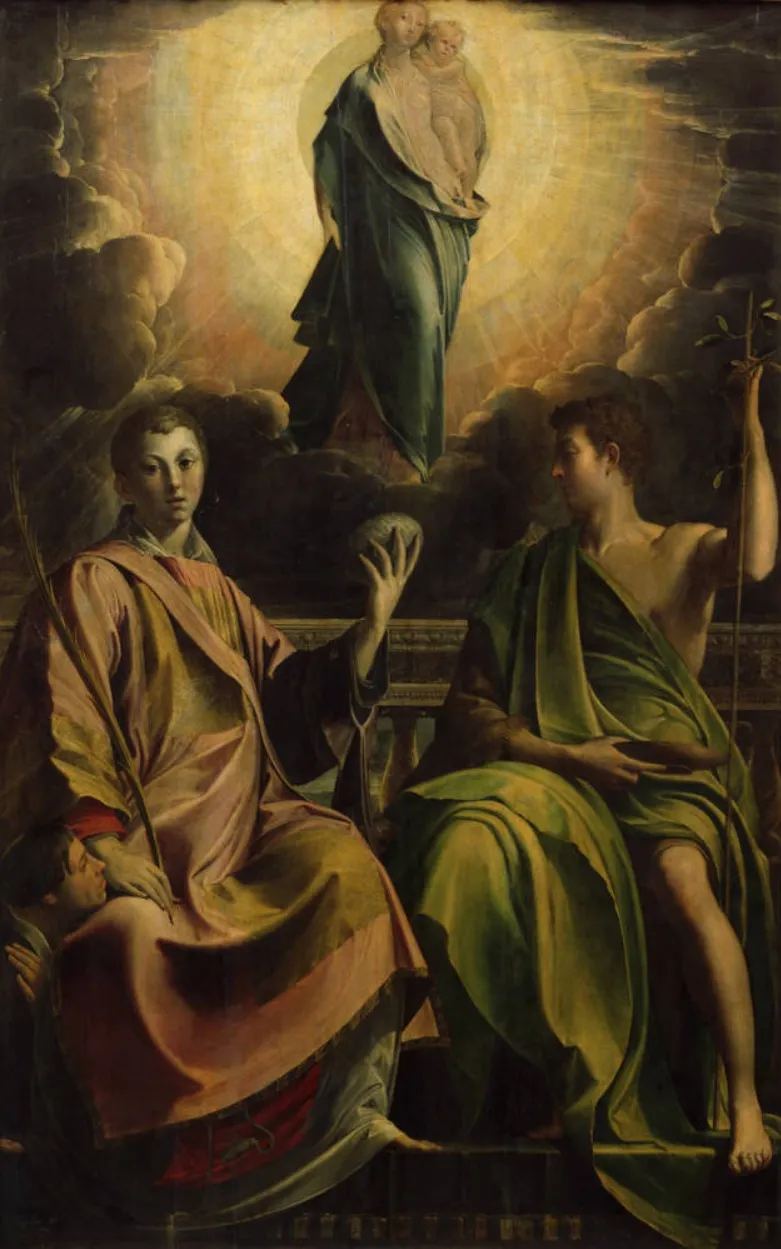
Madonna and child with Saints Stephen and John the Baptist is an unspecified painting by the Mannerist artist Parmigianino. It dates from 1539 and is held in the collection of the Staatliche Kunstsammlungen Dresden.
About this work
This painting is called Madonna and child with Saints Stephen and John the Baptist. It was made by Parmigianino in 1539.
The painting is held at the Gemäldegalerie Alte Meister, which is a museum in Dresden. It's interesting that the museum acquired the painting from the Este collection in 1746.
You can learn more about the artist who created this work, the artist: Parmigianino.
Subject & Meaning
Below, Saint Stephen holds the stone of his martyrdom at the center, while Saint John the Baptist carries his traditional cross of twigs and baptismal bowl.
The painting depicts the Madonna and Child appearing in a divine vision above two saints and a donor. Below, Saint Stephen holds the stone of his martyrdom at the center, while Saint John the Baptist carries his traditional cross of twigs and baptismal bowl. A marble transenna divides the composition, separating the earthly realm from the heavenly apparition above. The iconography carries striking contrasts: the saints appear monumental and classically rendered in muted, cool colors, while the Virgin and Child emerge as an evanescent, elongated vision within luminous circles against dark clouds. This bifurcated structure creates a supernatural atmosphere, the divine descends yet remains inaccessible, the figures indifferent to both the kneeling donor and the viewer. The work thus represents a paradigmatic Mannerist tension between material presence and spiritual transcendence, rendering the sacred encounter as something strangely inhuman and unapproachable.
Technique & Style
The work is an oil on panel measuring 253 × 161 cm, executed in 1540 and now in the Gemäldegalerie Alte Meister, Dresden.
Parmigianino’s handling is characterized by elongated, attenuated figures and a starkly divided composition: a marble transenna separates the lower register, where Saints Stephen and John the Baptist stand in monumental stillness, from the upper apparition of the Madonna and Child, whose forms are rendered with an ethereal, almost weightless presence. The palette contrasts icy, muted tones in the saints’ drapery with a luminous, livid light that invests the divine figures, creating a disquieting spatial and emotional distance. Preparatory studies at Windsor Castle and in Florence attest to an exacting, iterative design process aimed at formal perfection.
History & Provenance
The *Madonna and Child with Saints Stephen and John the Baptist*, also known as the *Casalmaggiore Altarpiece*, was commissioned in 1540 for the church of Santo Stefano in Casalmaggiore. Created during the artist Parmigianino's final months after fleeing Parma, the work is traditionally attributed to a commission by the local nobleman Matteo Cavalli, who is depicted in the lower right corner. The painting remained in its original church for nearly a century before being transferred to the Galleria Estense in Modena in 1647. This transfer occurred during the temporary occupation of Casalmaggiore by Francesco I d'Este, as the local community hoped the gesture would secure collegiate status for their church. Earlier attempts to sell the work, such as a 1602 inquiry by an agent for Ferdinando Gonzaga, had previously failed. The altarpiece eventually entered the collection of the Este family and was sold to the Dresden galleries in 1746, where it has been held ever since.
The painting is held in the Gemäldegalerie Alte Meister, part of the Staatliche Kunstsammlungen Dresden. The work entered the Dresden collection in 1746, acquired alongside one hundred other prized pieces from the Este collection in Modena. Prior to this transfer, the altarpiece had been moved from its original location at the church of Santo Stefano in Casalmaggiore to the Galleria Estense around 1647, during the temporary occupation of the town by Francesco I d'Este.
No specific exhibition history or inventory accession numbers are provided in the available sources.
Context
The painting was created during Parmigianino's brief stay in Casalmaggiore after his release from imprisonment in 1539, a period marked by personal hardship and artistic experimentation. It was commissioned by the nobleman Matteo Cavalli for the church of Santo Stefano, where the artist depicted the donor in an innovative pose of deference beside Saint Stephen. The work remained in the church for nearly a century before being sold in 1647 during Francesco I d'Este's temporary occupation of the town, a transaction facilitated by earlier interest from collectors such as Palmerio Celestani in 1602. Its movement to the Gemäldegalerie Alte Meister in Dresden in 1746 was part of a broader dispersal of Este family collections. The composition features a striking division between earthly and divine realms, with the Madonna and Child emerging from supernatural light amidst dark clouds, while the saints are rendered with classical restraint and muted tones, reflecting Parmigianino's mature stylistic concerns. Scholarly analysis highlights its complex iconography and preparatory drawings, including studies in the Royal Collection and Florence's Gabinetto dei Disegni e delle Stampe.
Legacy
The altarpiece's legacy is closely tied to its movement from a local devotional setting into major European collections. Removed from the church of Santo Stefano in Casalmaggiore during Francesco I d'Este's 1647 occupation, it entered the Galleria Estense in Modena and was acquired from the Este collection by the Gemäldegalerie Alte Meister in Dresden in 1746, where it remains. Its Marian apparition, divided from the saints below by a marble parapet, has been read as anticipating later seventeenth-century compositional concerns, with the kneeling donor's deferential pose described as anticipating Baroque research. The work also survives through preparatory studies, including a full composition drawing in the Royal Collection at Windsor Castle and a Madonna and Child drawing in the Gabinetto dei Disegni e delle Stampe in Florence, attesting to Parmigianino's sustained search for formal perfection.
Artist & collection

Artist
Girolamo Francesco Maria Mazzola (11 January 1503 – 24 August 1540), also known as Francesco Mazzola or, more commonly, as Parmigianino (UK: US: Italian:; "the little one from Parma"), was an Italian Mannerist painter…

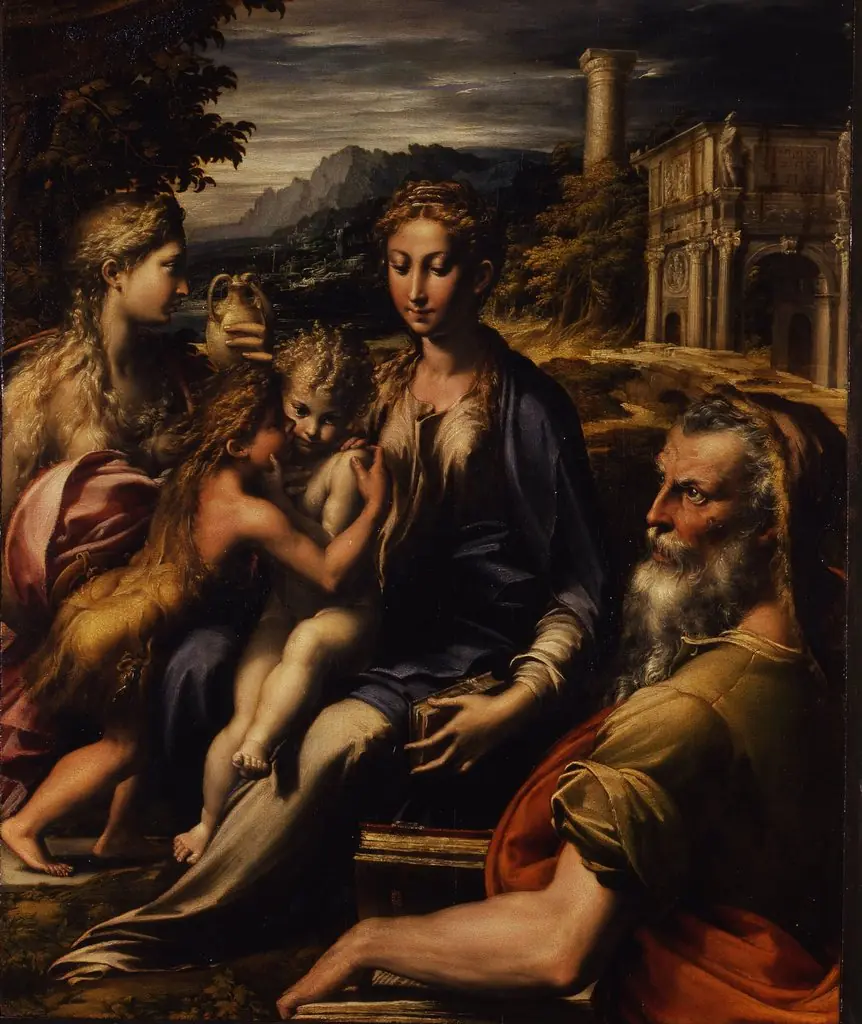
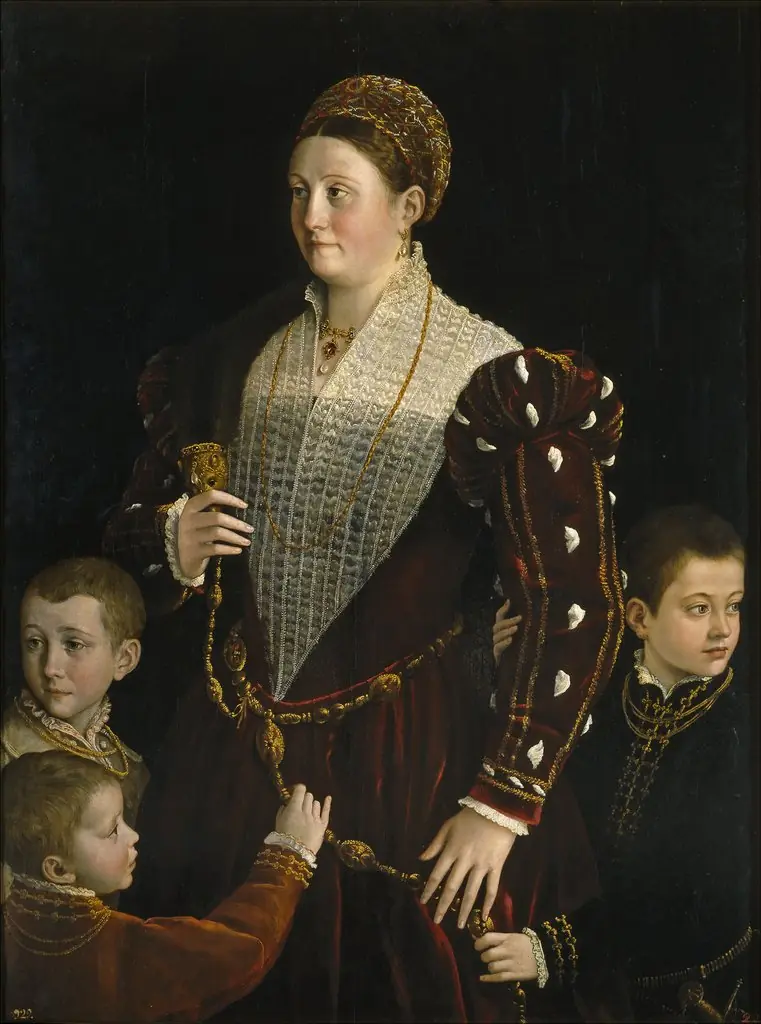
- The Mystic Marriage of Saint Catherine
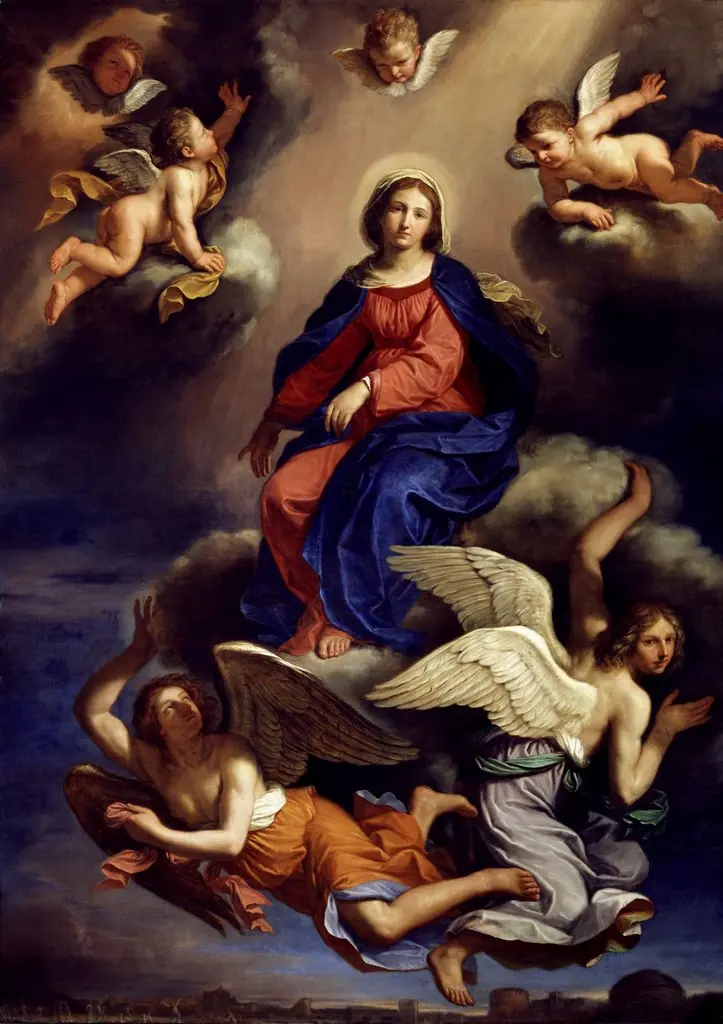 Assumption of the Virgin
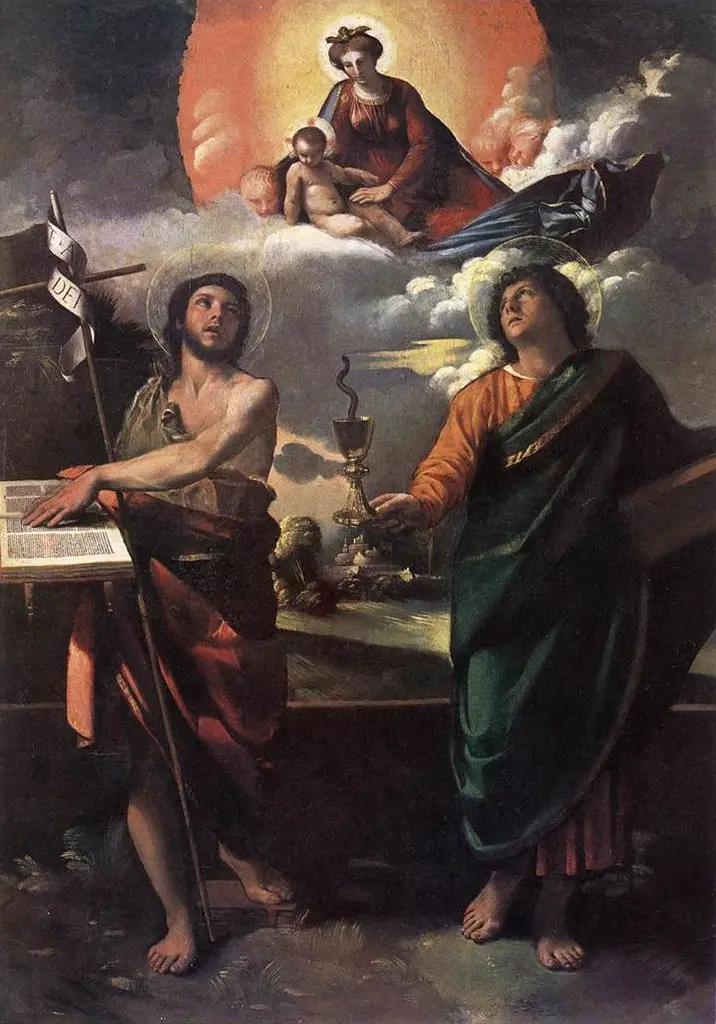 The Virgin Appearing to Sts John the Baptist and John the Evangelist
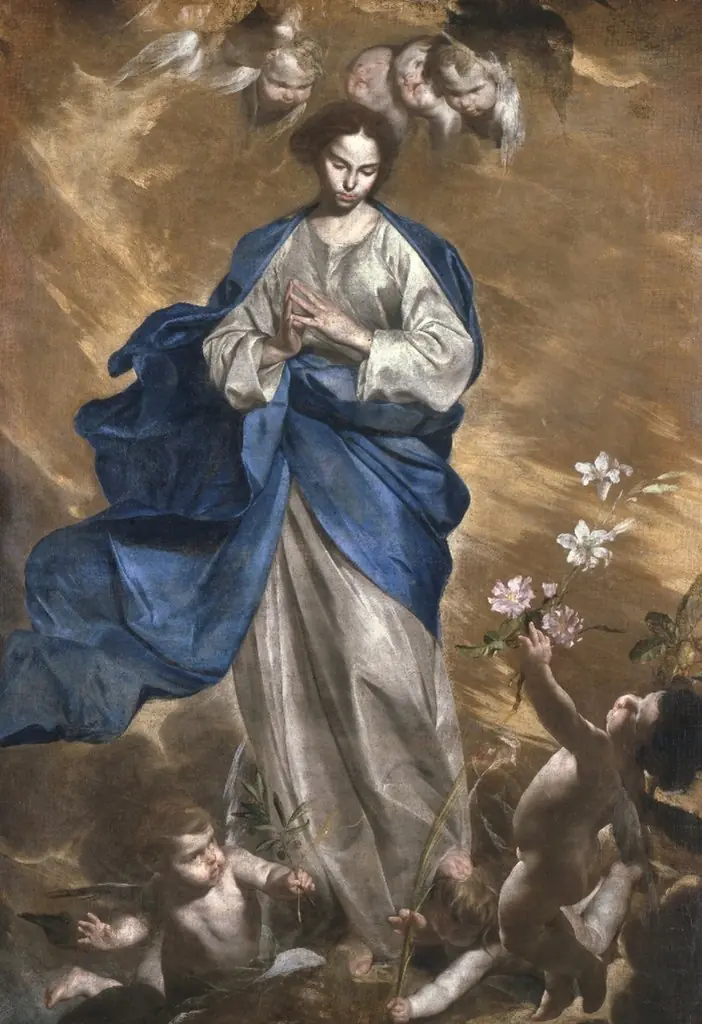 The Immaculate Virgin
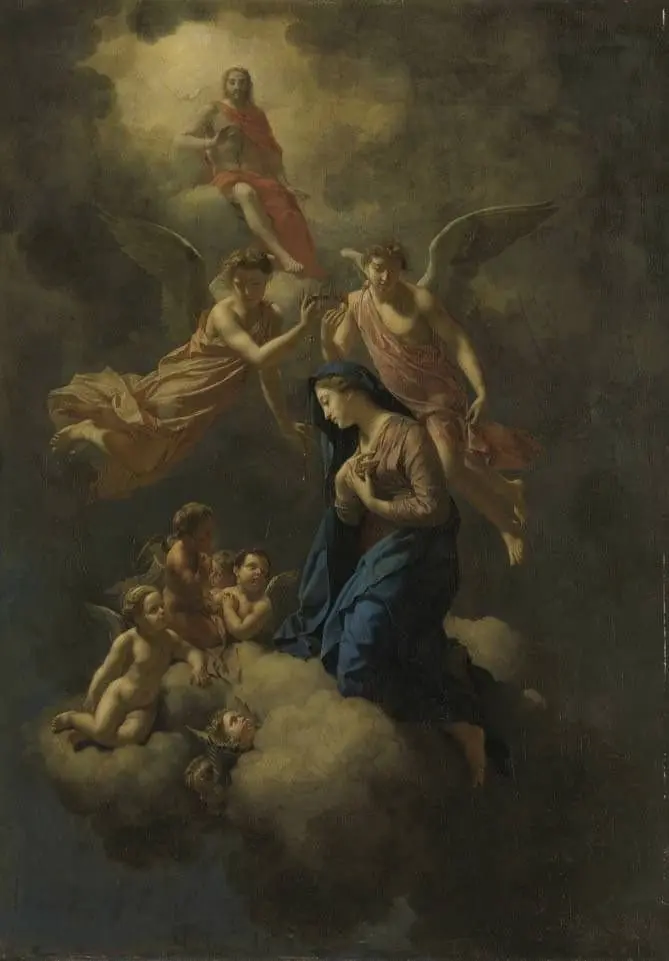 Coronation of the Virgin
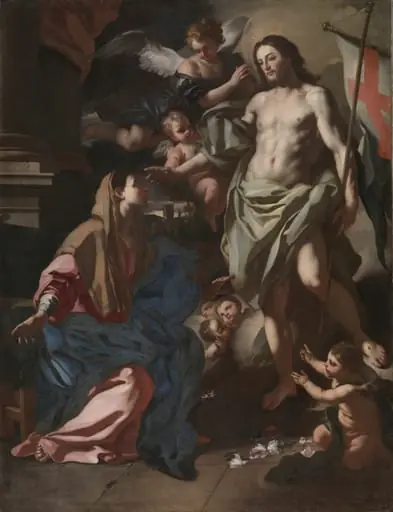 The Risen Christ Appearing to the Virgin
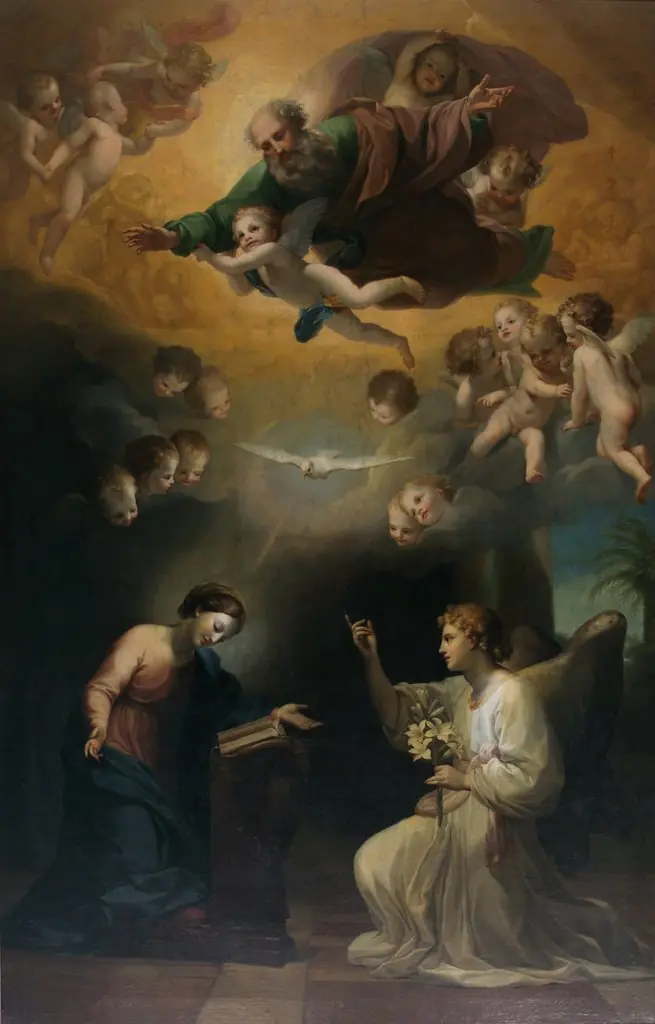 Annunciation to Mary
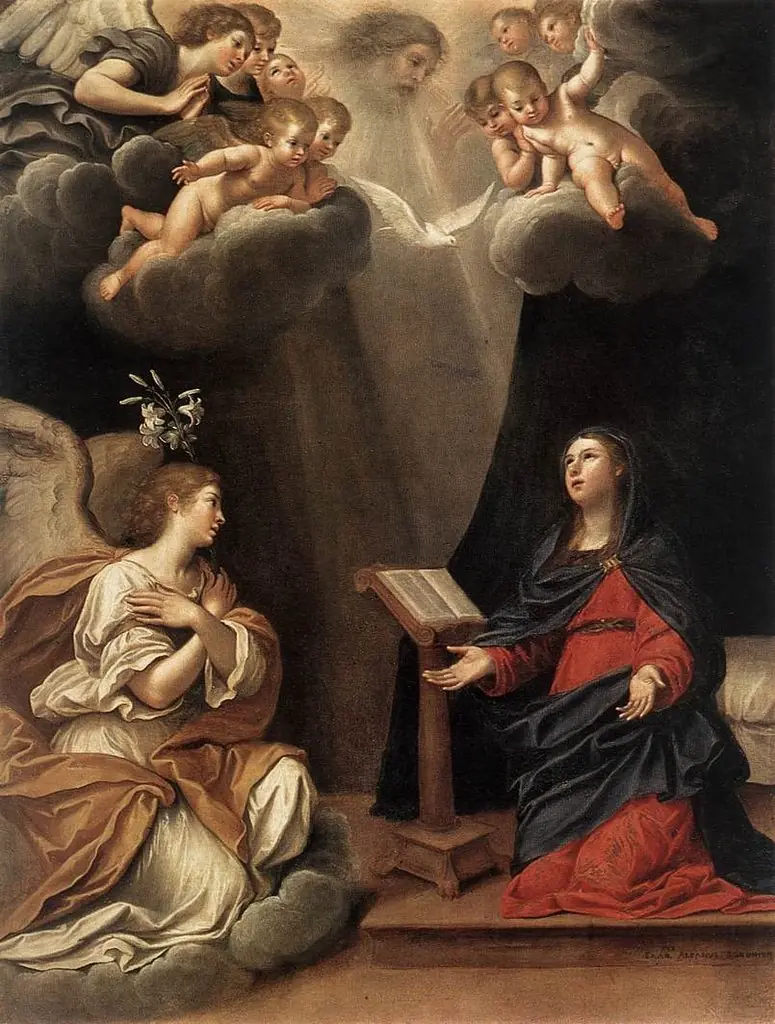 The Annunciation
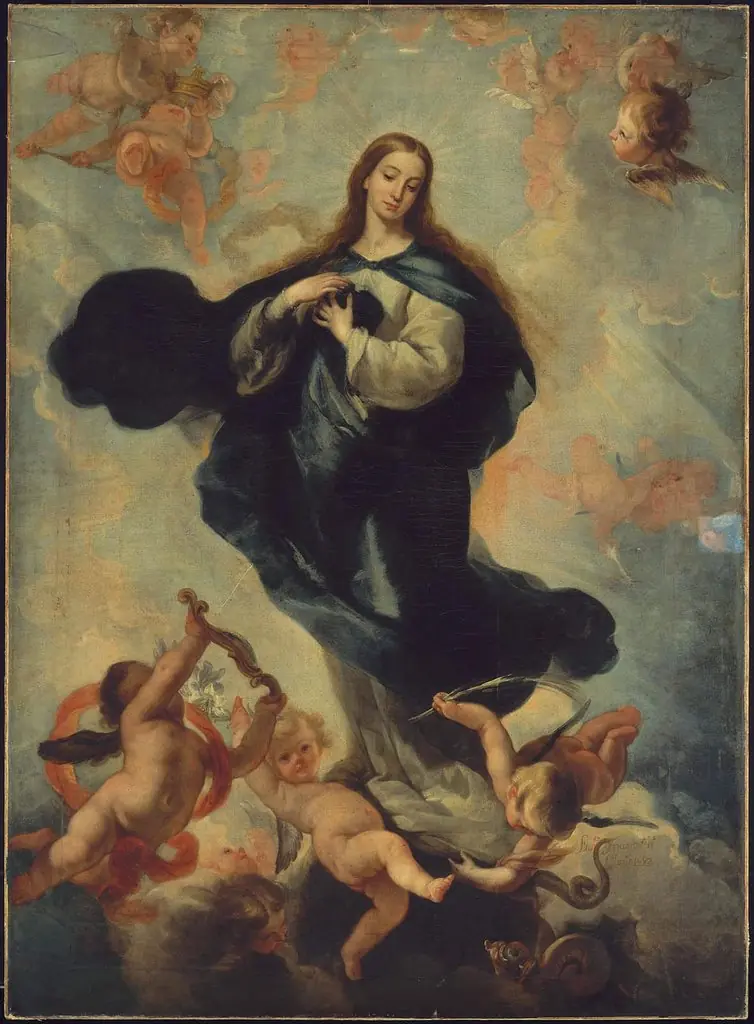 The Virgin of the Immaculate Conception
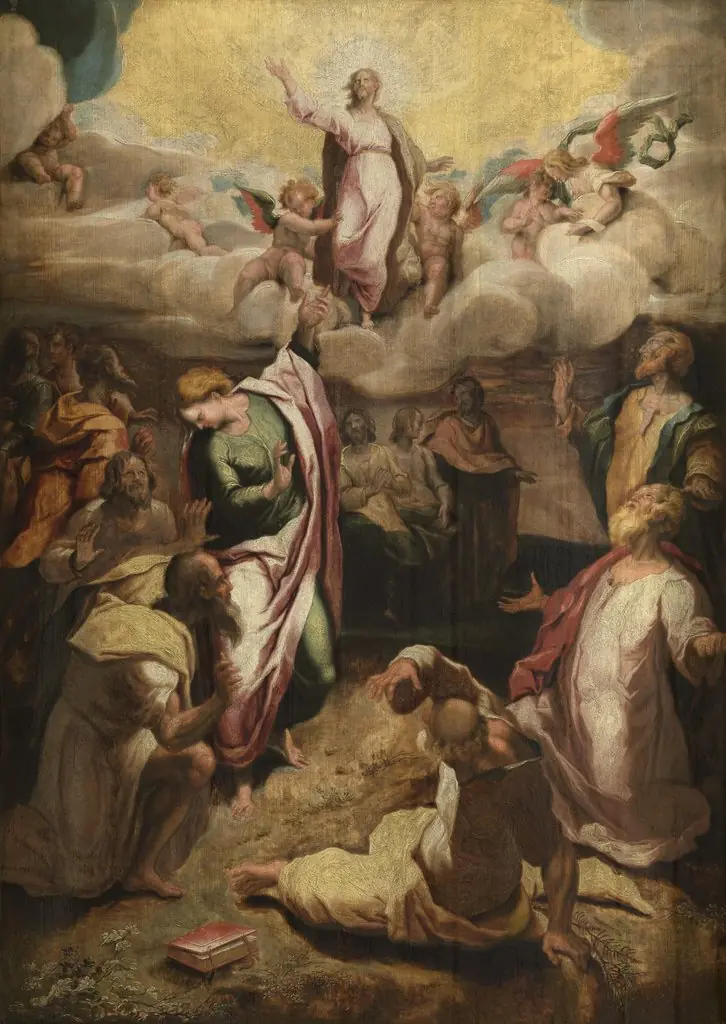 Resurrection of Christ
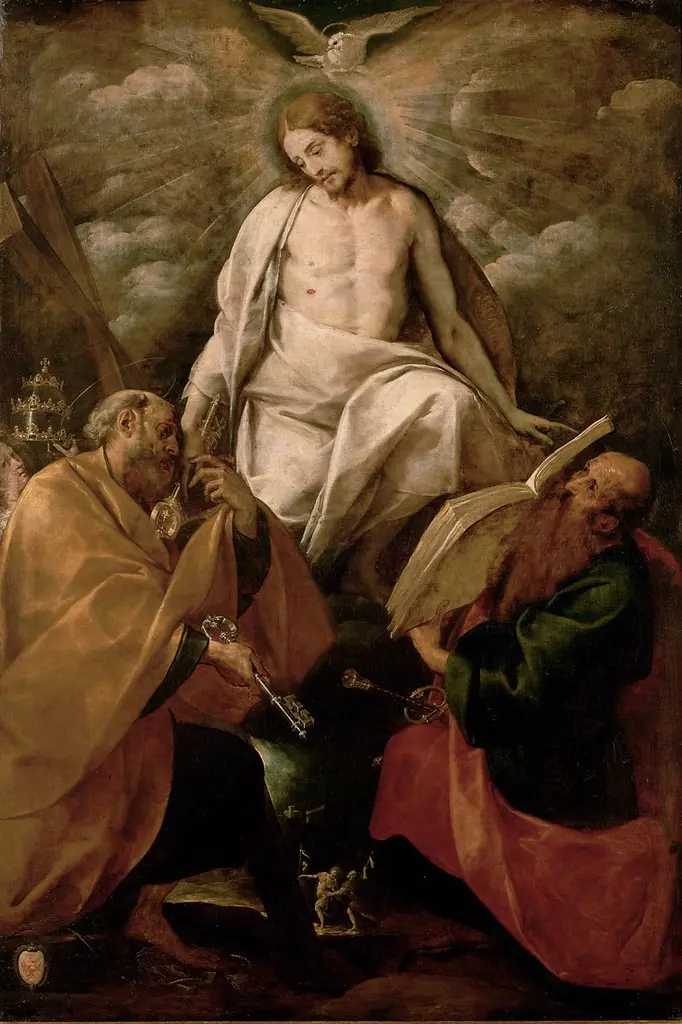 Christ appears to the apostles Peter and Paul
 Death of Saint Joseph