Artwork
Portrait of a Young Woman
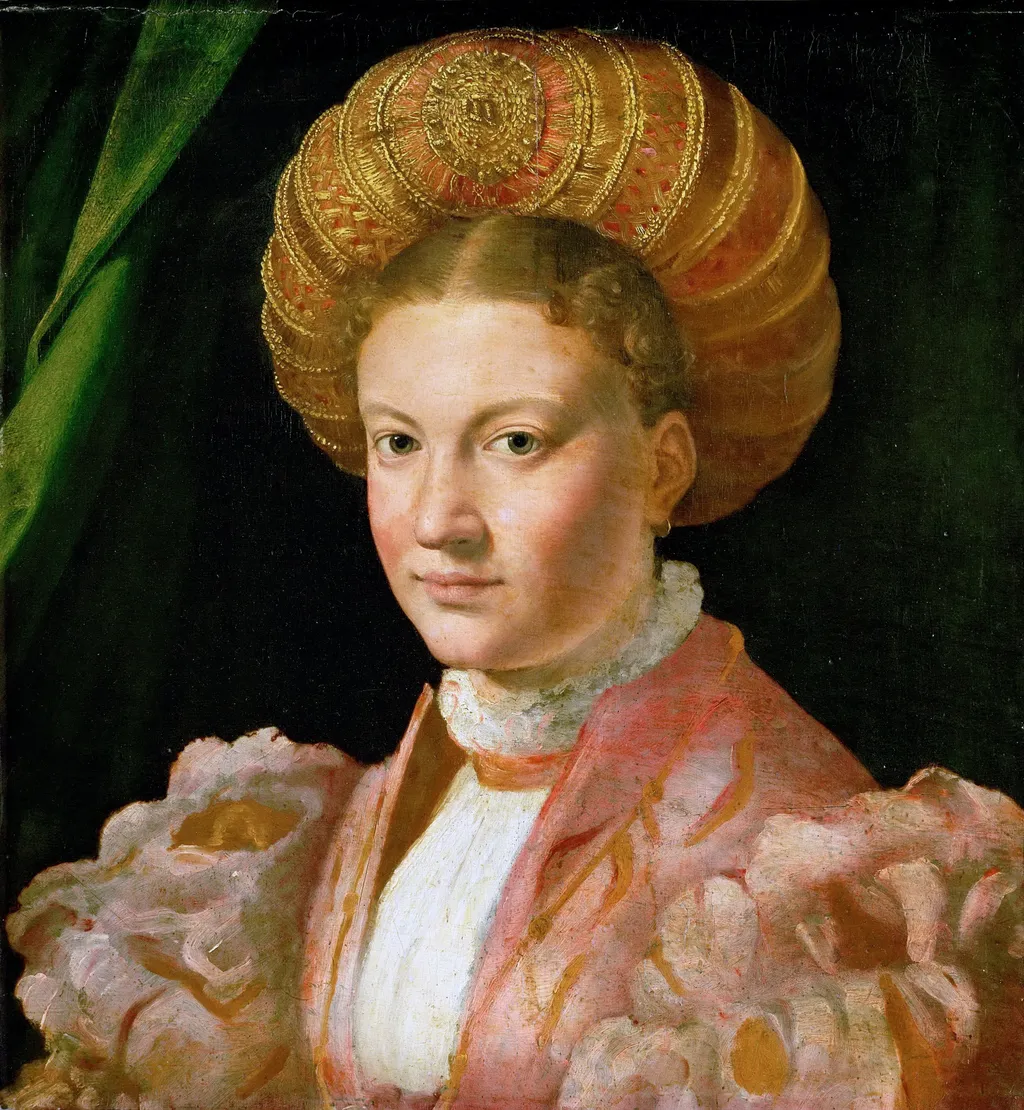
Portrait of a Young Woman is an oil painting by the Mannerist artist Parmigianino. It dates from 1530 and is held in the collection of the Kunsthistorisches Museum. The work is an oil on canvas portrait, traditionally identified as depicting Cecilia Gozzadini.
About this work
Subject & Meaning
The work originally showed more of a green curtain and hands holding a book, but was cropped after the 1660s to fit decorative tastes of the period.
The subject is the portrait of Cecilia Gozzadini, a young noblewoman identified by the Kunsthistorisches Museum as the sitter. She wears a pink dress with slashed sleeves over a white guimpe, secured with a matching ribbon, and a gold-embroidered balzo headdress typical of 1530s Italian fashion. Her pose and direct gaze establish a silent dialogue conveying her noble, intelligent, and charismatic character.
The work originally showed more of a green curtain and hands holding a book, but was cropped after the 1660s to fit decorative tastes of the period. The painting's meaning reflects Renaissance ideals of noblewoman representation, combining fashionable dress with symbolic modesty and status, as documented in museum records and scholarly analyses.
Technique & Style
Created circa 1530, the work is executed in oil paint on a poplar panel, measuring 50 cm in height and 46.5 cm in width. The artist employs a dark, solid background to contrast with the figure, who is depicted with a refined face rendered in smooth detail, while the pink dress features more rapid, less blended brushstrokes. The sitter wears a fashionable donut-shaped turban known as a balzo with gold embroidery and a pink gown with slashed sleeves over a white undershirt.
The painting's physical condition reflects significant alteration; originally a half-length portrait including the arms, hands holding a book, and a larger green curtain, it was severely cropped sometime after the 1660s, likely to fit a specific frame or pair with another work.
History & Provenance
Dated to approximately 1530, this oil painting on poplar panel was created during Parmigianino's late Bolognese period. While traditionally identified as Cecilia Gozzadini (born Costanza Rangoni), a identification supported by museum records but lacking confirmation in early inventories, Vasari noted the artist began a companion portrait of her husband Bonifacio that remained unfinished. The work originally depicted the sitter from the waist up with arms, hands holding a book, and a more extensive green curtain; it was severely cropped, likely between 1659 and the eighteenth century, possibly to fit a specific frame or serve as a pendant.
The painting entered the collection of James Hamilton, 1st Duke of Hamilton, who transported it to London. In 1659, Archduke Leopold Wilhelm of Austria acquired the piece while it was still in its uncut state, a condition documented in David Teniers the Younger's depiction of the Archduke's gallery in Brussels. This acquisition formed part of the core holdings that eventually established the Kunsthistorisches Museum in Vienna.
The painting is held in the collection of the Kunsthistorisches Museum in Vienna. Its provenance traces back to James Hamilton, 1st Duke of Hamilton, who brought the work to London before it was acquired by Archduke Leopold Wilhelm of Austria in 1659. The Archduke's collection subsequently formed the foundation of the current museum's holdings.
The work's exhibition history includes its depiction in gallery paintings of the Archduke's cabinet, specifically appearing in David Teniers the Younger's 1659 representation of the Archduke's gallery in Brussels. This visual record confirms the painting was displayed in its original, uncropped state during the mid-17th century, showing hands holding a book and a larger portion of the background curtain before later modifications.
Context
Painted around 1530, the work is attributed to Parmigianino and is generally placed at the close of his Bolognese period, given the stylistic affinities it shares with the Madonna of San Zaccaria and the physiognomy of the Virgin in the Madonna of the Rose. The identification of the sitter as Cecilia Gozzadini, linked by Vasari to a companion portrait of her husband Bonifacio that Parmigianino left unfinished upon leaving the city, has no confirmation in early inventories but is broadly accepted by critics. The painting originally showed the sitter half-length, with arms, hands holding a book, and a larger expanse of green curtain, in a format comparable to the Turkish Slave; it was cropped, probably between 1659 and the eighteenth century, to fit a frame or serve as a pendant.
Its prominence in Archduke Leopold Wilhelm's collection is documented in David Teniers the Younger's 1659 depiction of the Brussels gallery.
Scholarly references include studies by Mario Di Giampaolo and Elisabetta Fadda, and the catalogue edited by Lucia Fornari and Sylvia Ferino-Pagden.
Overview
The work is an oil on canvas portrait, traditionally identified as depicting Cecilia Gozzadini. Scholars attribute the painting to the Italian Mannerist Parmigianino and place its execution around 1530. It forms part of the collection of the Kunsthistorisches Museum in Vienna, where it is displayed among other works of the period.
Own this work as a print
Artist & collection

Artist
Girolamo Francesco Maria Mazzola (11 January 1503 – 24 August 1540), also known as Francesco Mazzola or, more commonly, as Parmigianino (UK: US: Italian:; "the little one from Parma"), was an Italian Mannerist painter…

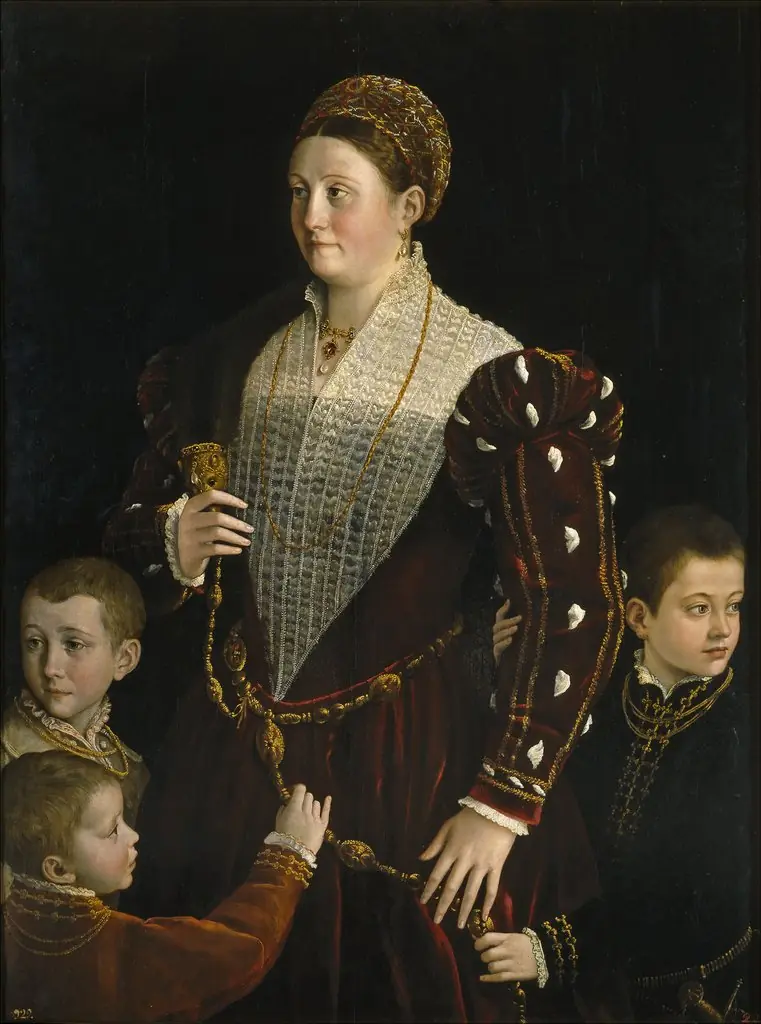
- Portrait of a Young Woman
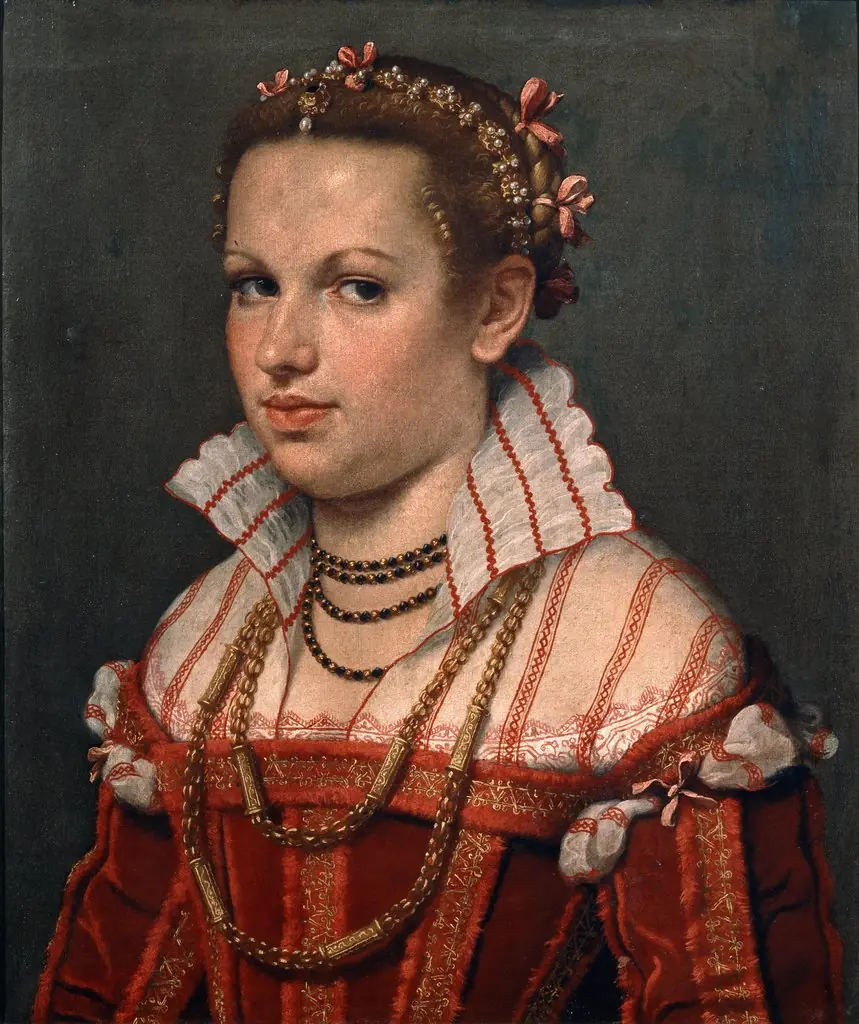 Isotta Brembati
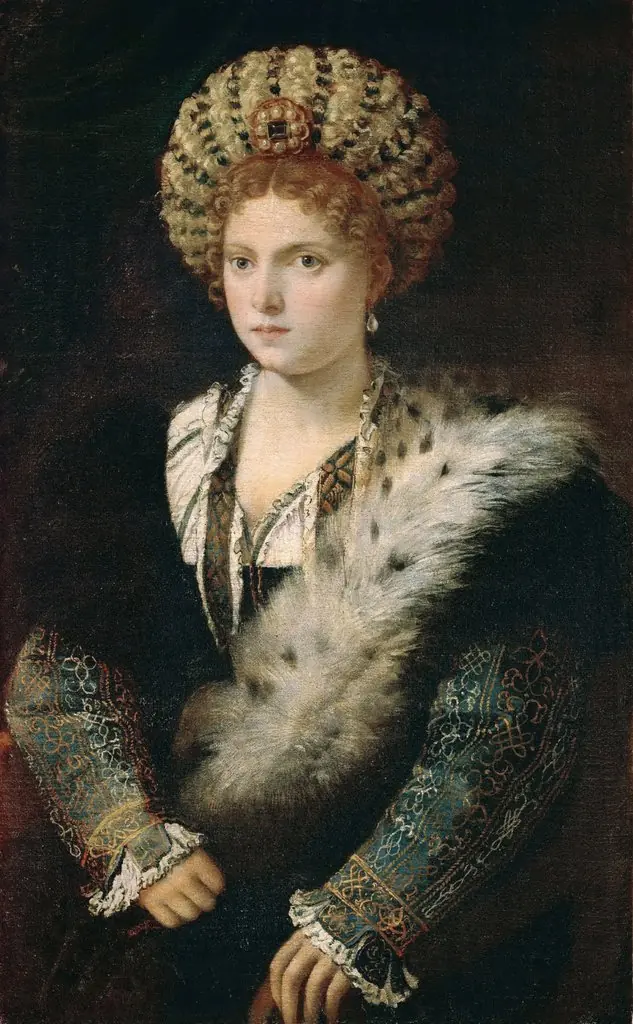 Portrait of Isabella d'Este
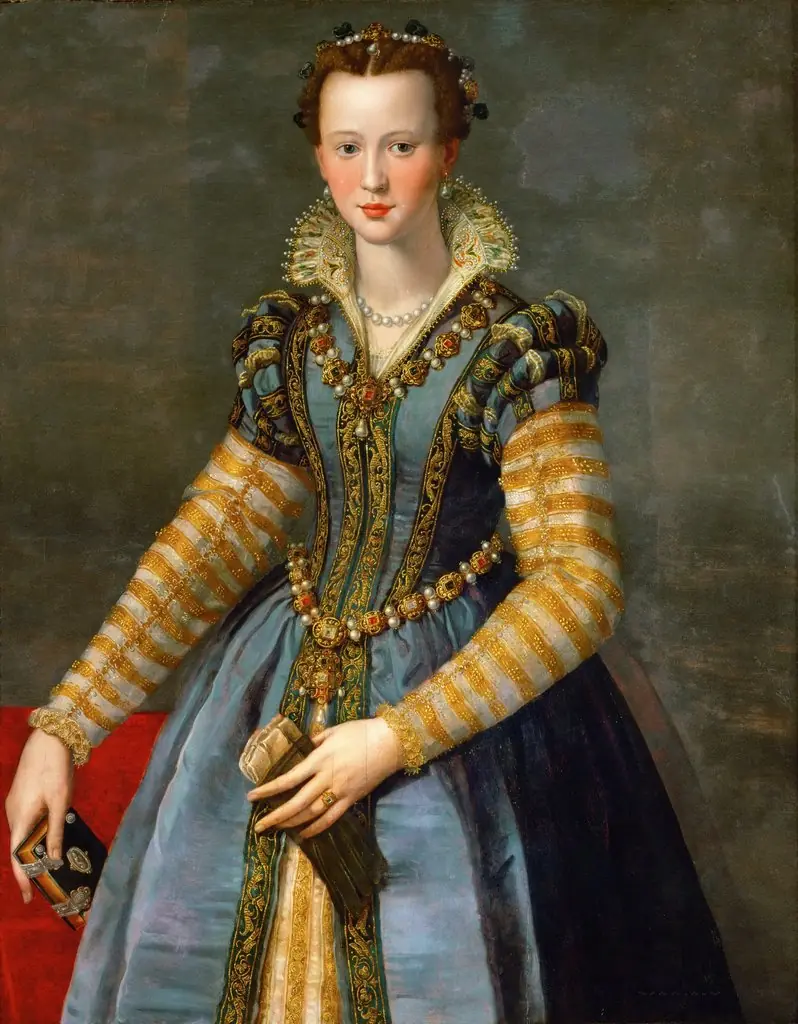 Portrait of a lady, traditionally identified as Maria de' Medici
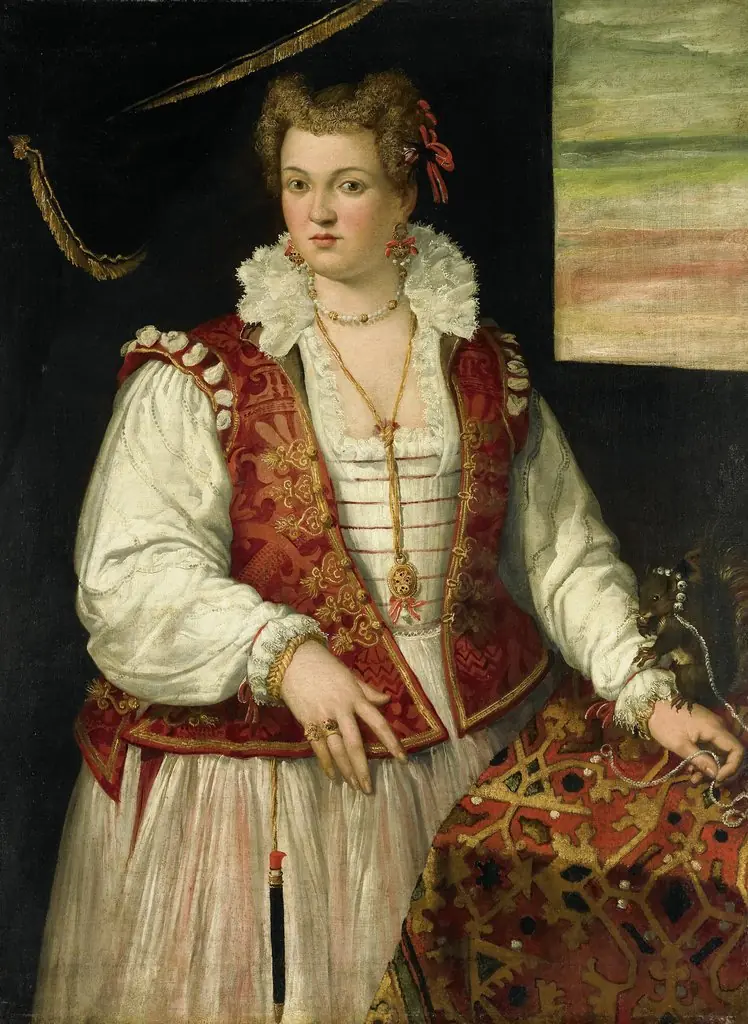 Portrait of a Woman with a Squirrel
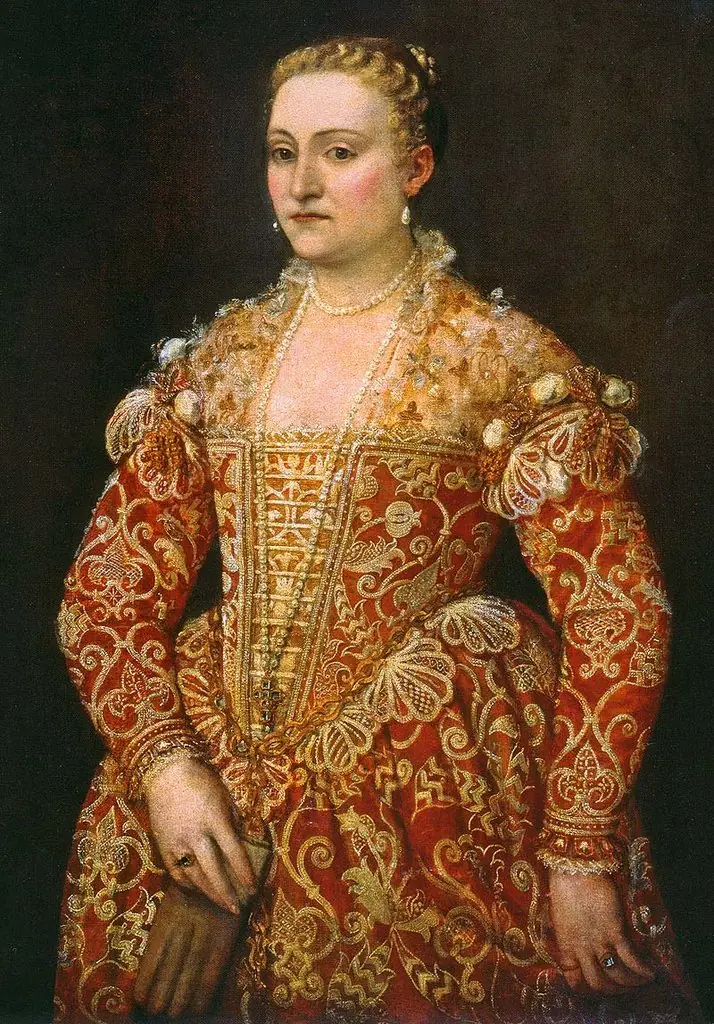 Portrait of a Lady
 Portrait of Eleonora (Dianora) Medici of Toledo
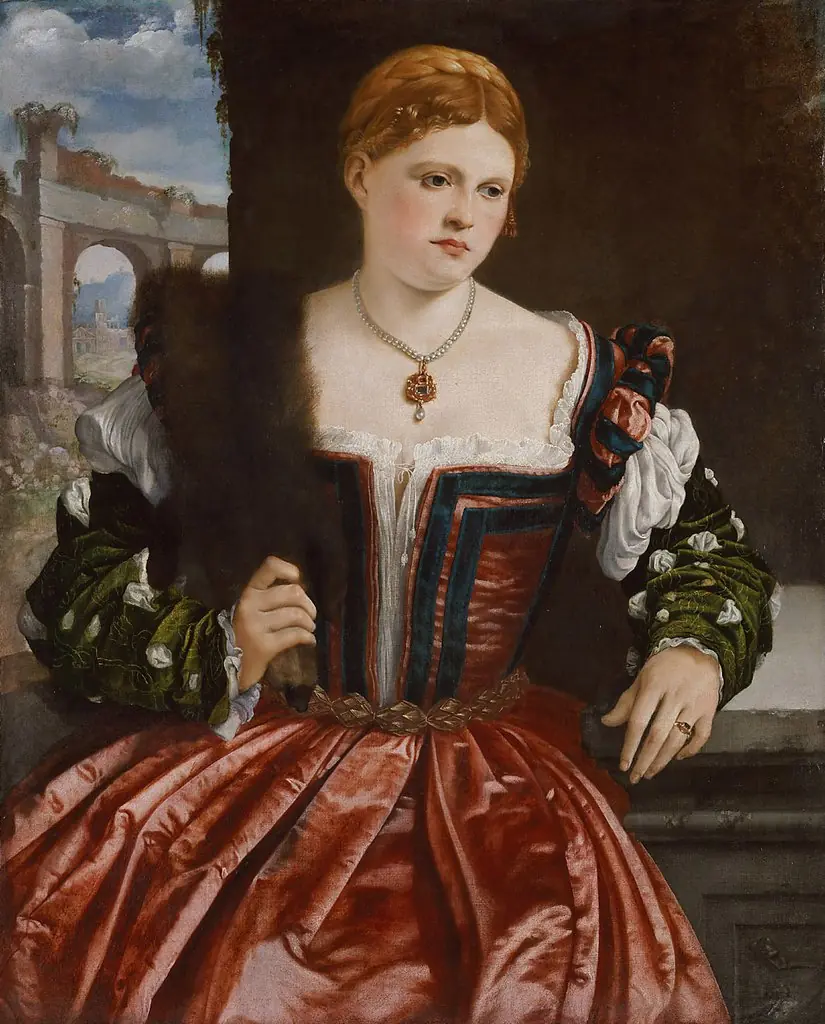 Portrait of a Young Lady
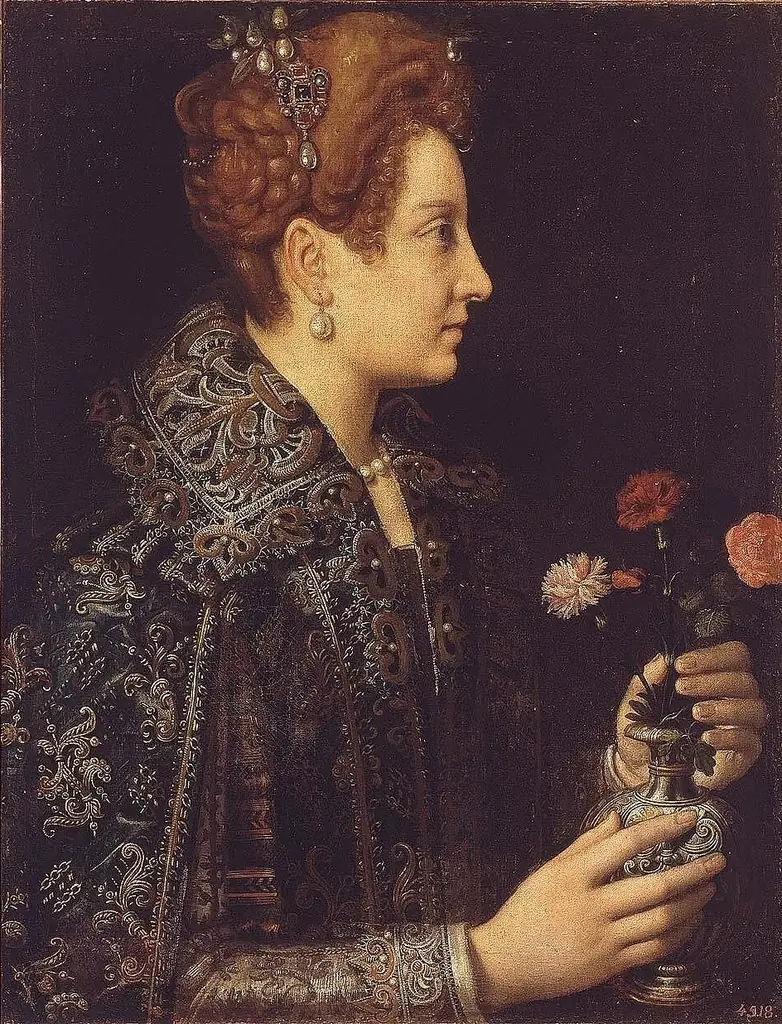 Portrait of a Young Woman in Profile
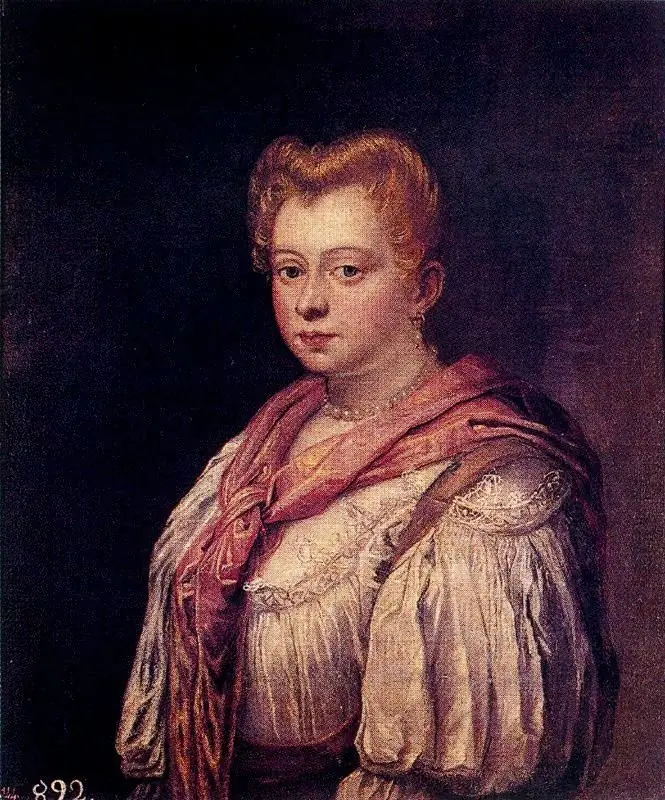 Young Venetian Woman
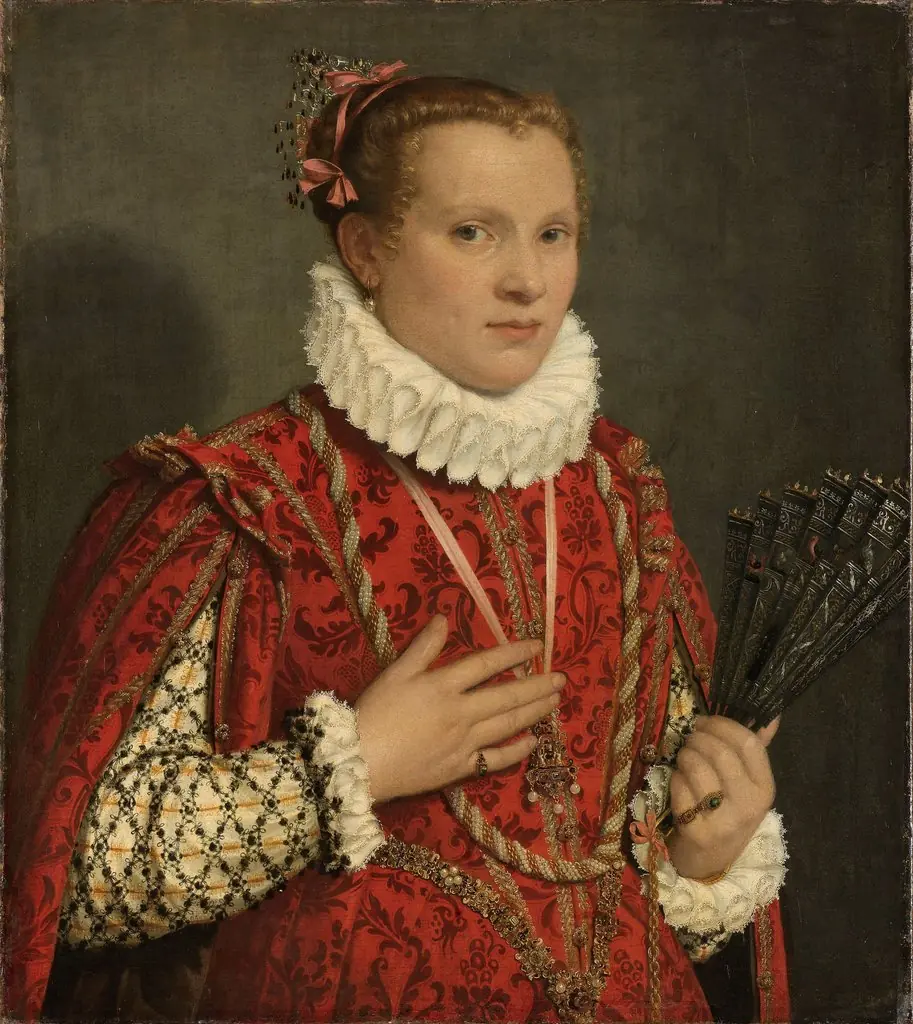 Portrait of a young Woman
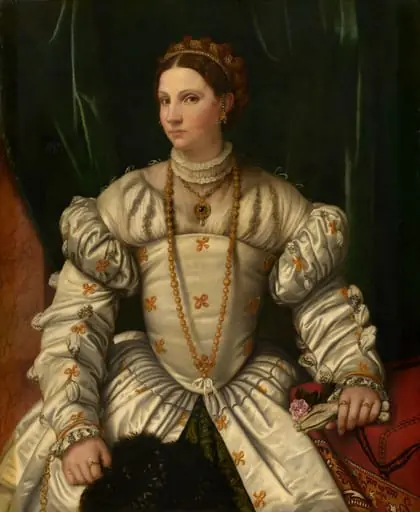 Portrait of a Lady in White