Artwork
Composition VI
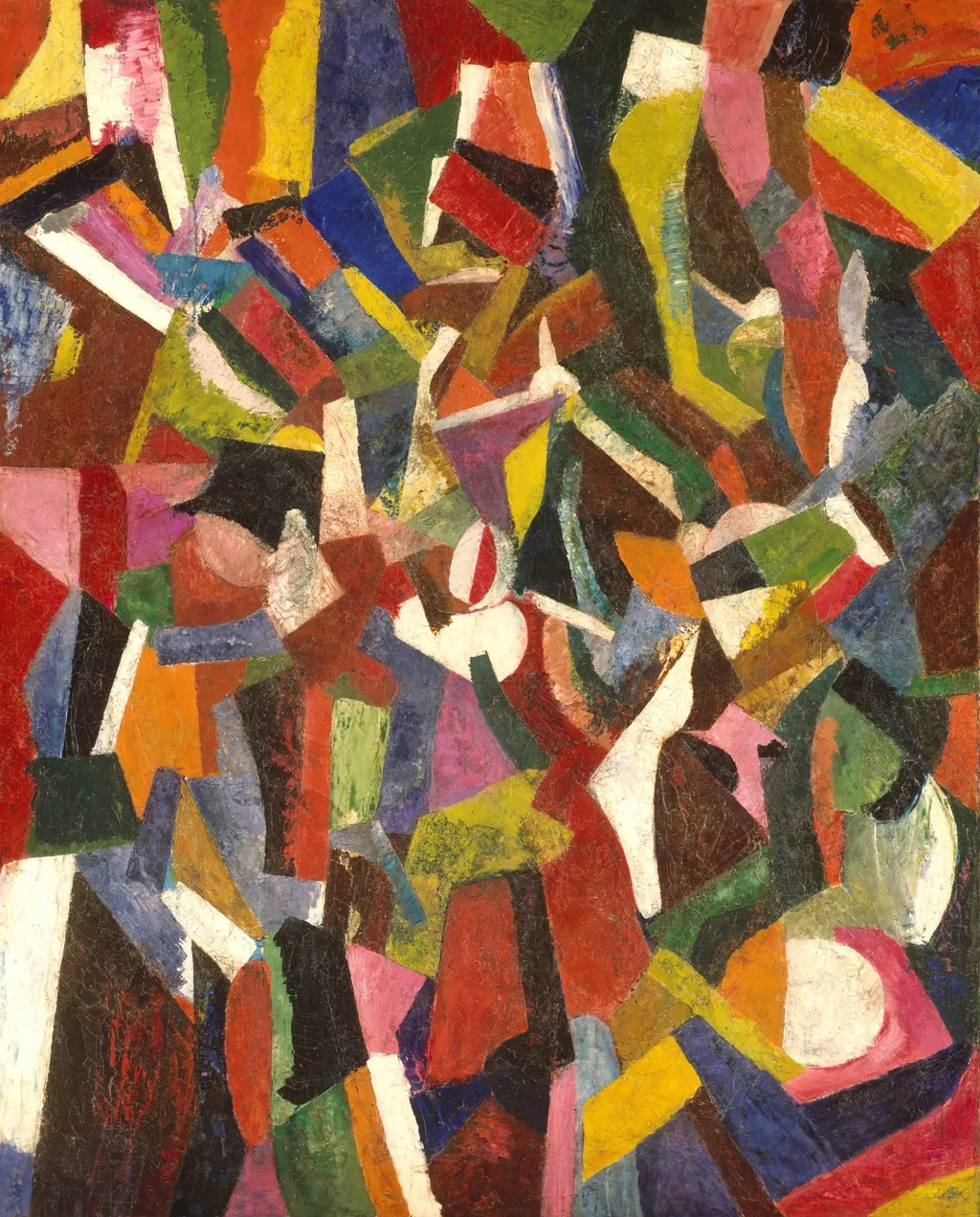
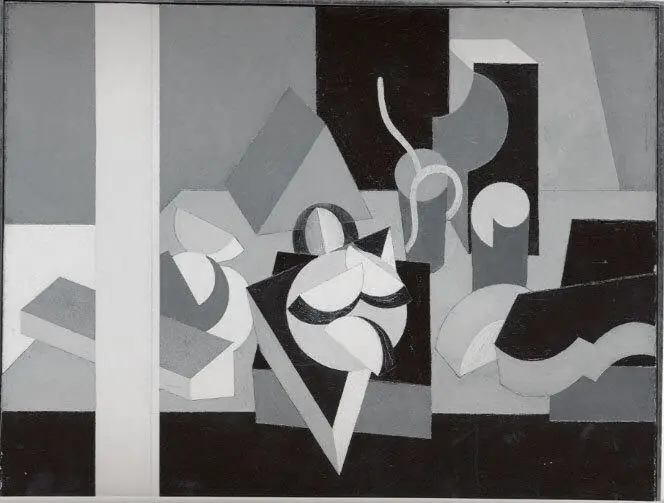
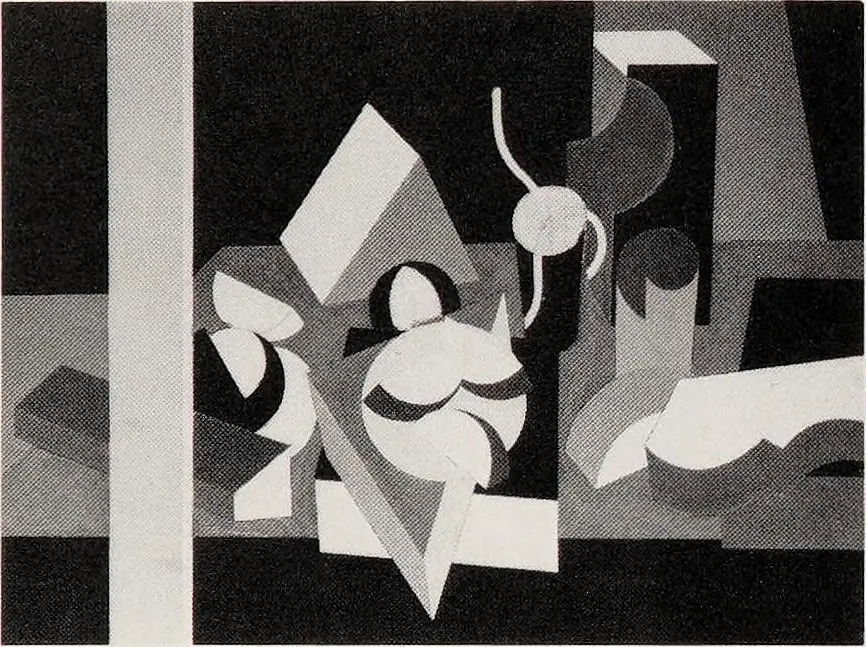
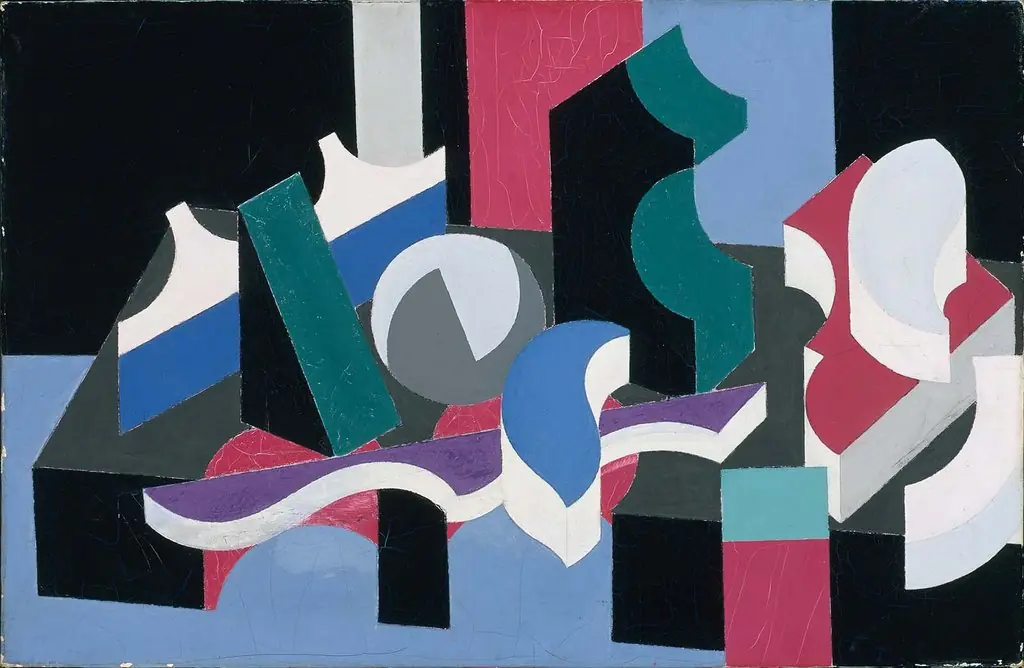
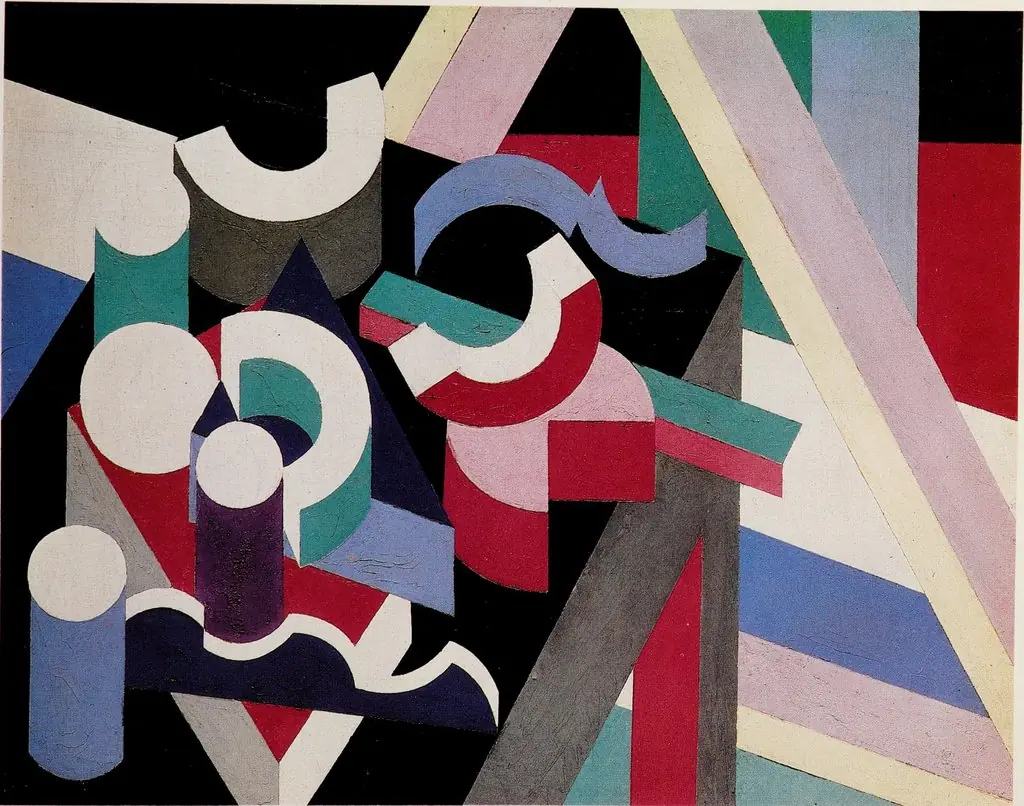
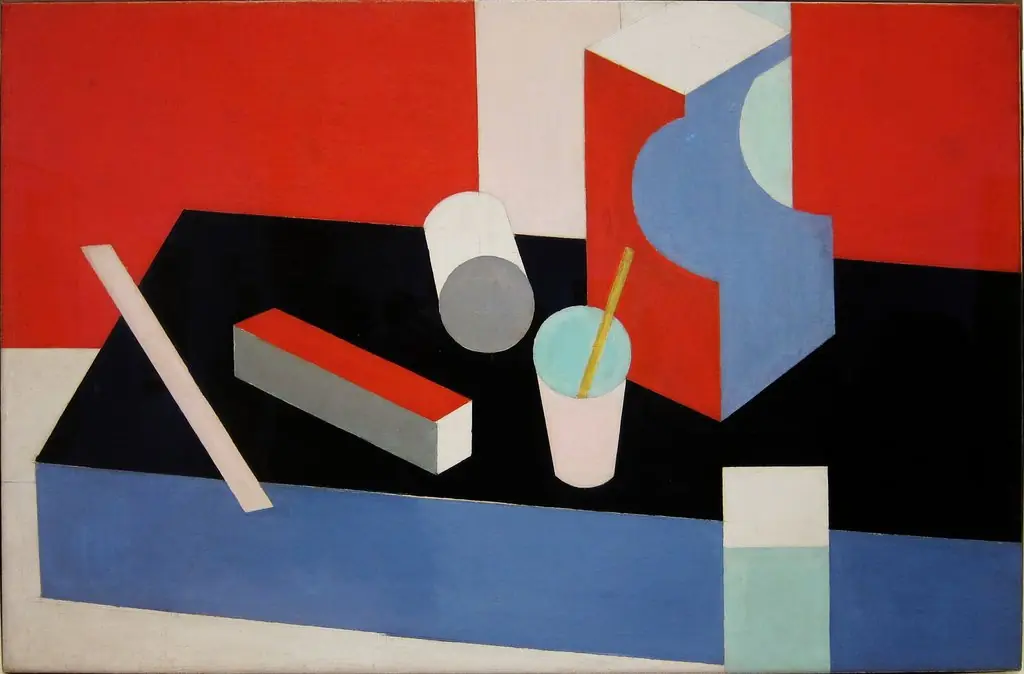
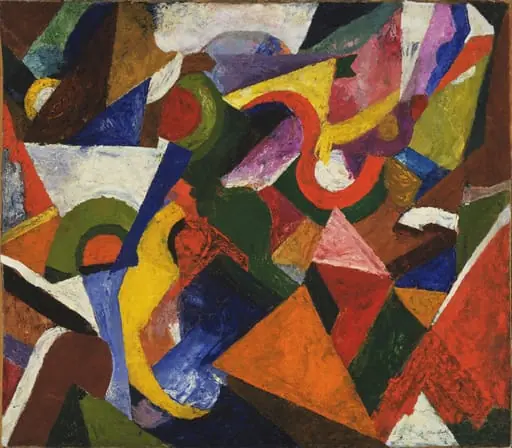
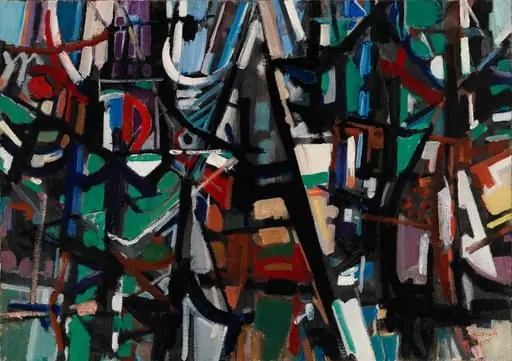
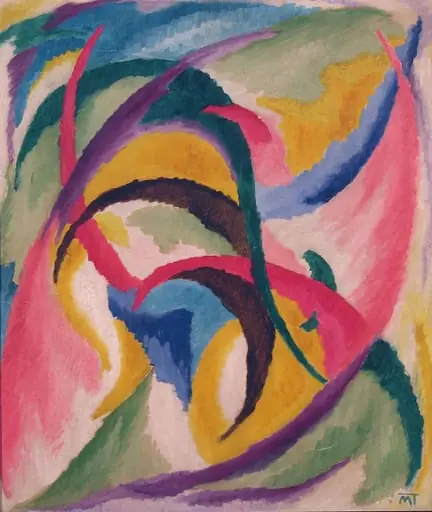
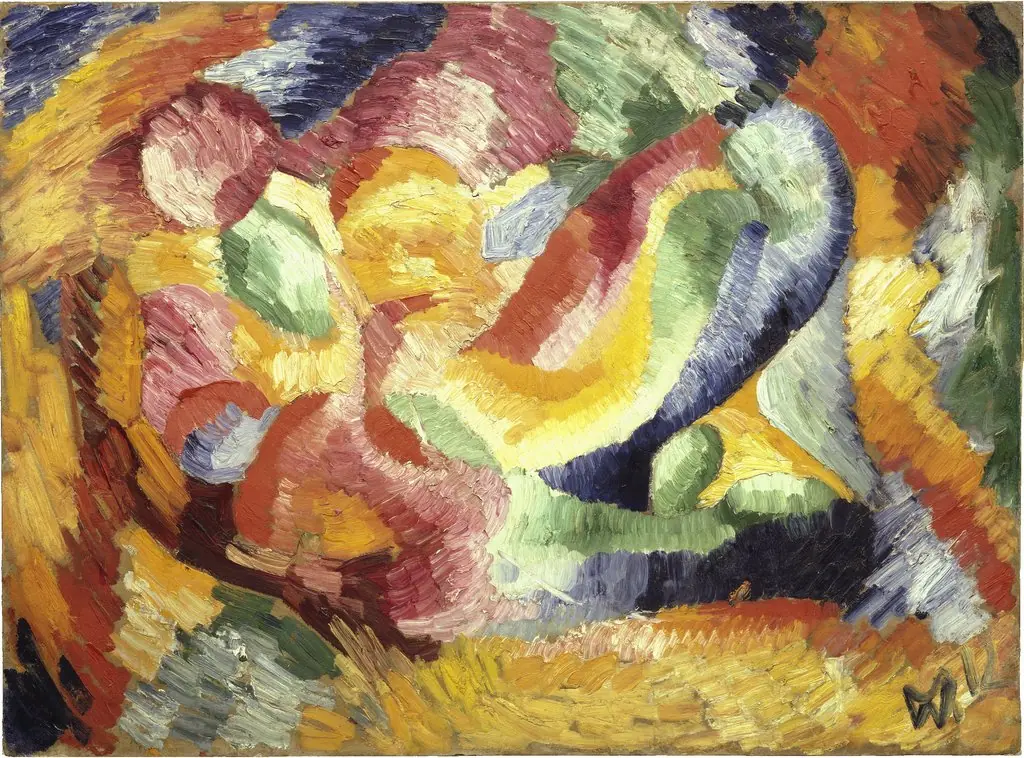
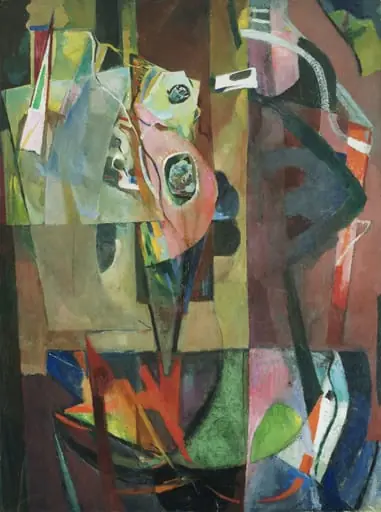
Composition VI is an oil painting by the Cubism Synthetic artist Patrick Henry Bruce. It dates from 1916 and is held in the collection of the Museum of Fine Arts, Houston.
About this work
Overview
Its composition avoids representational imagery, instead emphasizing rhythm and spatial tension through layered shapes and contrasting tones.
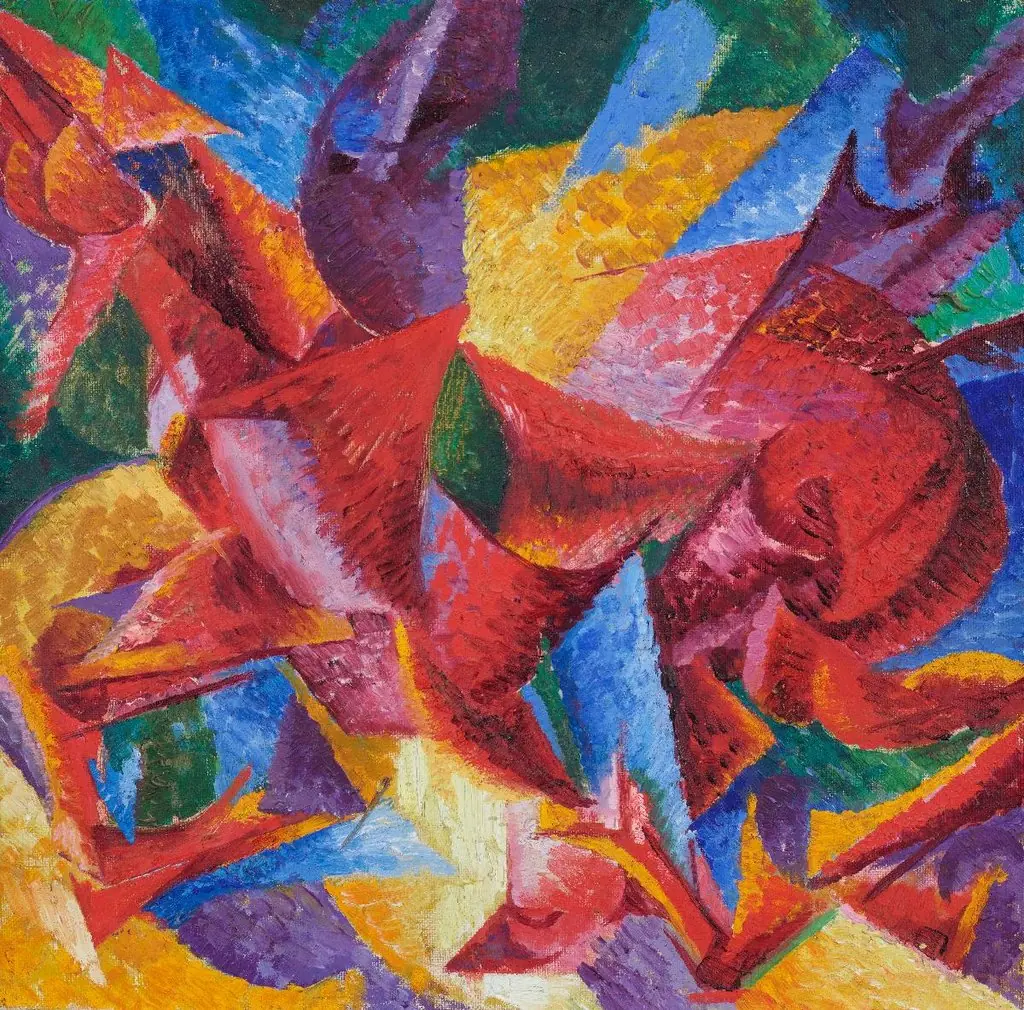
Painted in 1916, Composition VI is an abstract oil work by American artist Patrick Henry Bruce. It resides in the collection of the Museum of Fine Arts, Houston. The piece presents a dynamic arrangement of interlocking geometric forms, rendered in vivid hues of red, yellow, blue, and green. Its composition avoids representational imagery, instead emphasizing rhythm and spatial tension through layered shapes and contrasting tones.
Subject & Meaning
The painting does not depict a recognizable scene or narrative. Rather, it explores the relationships between color, form, and structure. Bruce’s arrangement of fragmented planes suggests movement and balance without reference to the physical world.
The work reflects an interest in pure visual harmony, aligning with broader early 20th-century inquiries into abstraction as an independent expressive language.
Technique & Style
Bruce applied oil paint with precision, building the composition from small, sharply defined geometric units. Colors are applied flatly, with minimal blending, enhancing their intensity and clarity. The shapes overlap and interlock like a constructed puzzle, creating a sense of depth through layering rather than perspective. Brushwork is controlled, contributing to the painting’s structured, almost architectural quality.
History & Provenance
Completed in 1916, the painting remained in Bruce’s possession until his death in 1936. It entered the Museum of Fine Arts, Houston’s collection in 1951 through a bequest from the artist’s estate. Its inclusion in the museum’s modernist holdings reflects early institutional recognition of American abstraction, though Bruce’s work remained relatively obscure compared to his European contemporaries.
Context
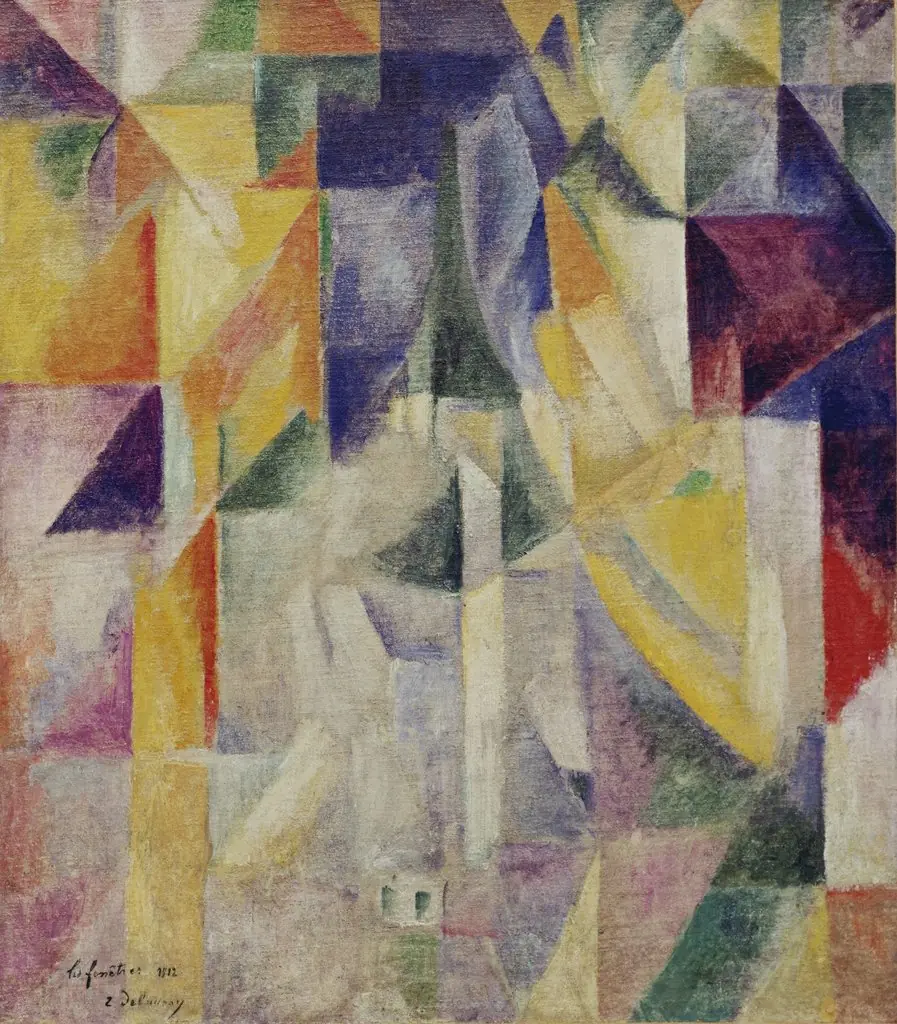
Created during a period of intense experimentation in modern art, Composition VI responds to developments in Cubism and Orphism, particularly the work of Robert Delaunay. Bruce, who lived in Paris for much of his career, absorbed these influences while maintaining a distinct personal approach. His focus on formal structure and color relationships positioned him within a transatlantic network of abstract painters seeking to redefine painting’s purpose.
Legacy
Though not widely known during his lifetime, Bruce’s abstract works, including Composition VI, have gained renewed scholarly attention for their early engagement with non-objective form. The painting is now recognized as a significant example of American abstraction in the 1910s, illustrating how U.S. artists contributed to modernist discourse beyond the European mainstream.
Own this work as a print
Artist & collection