Artwork
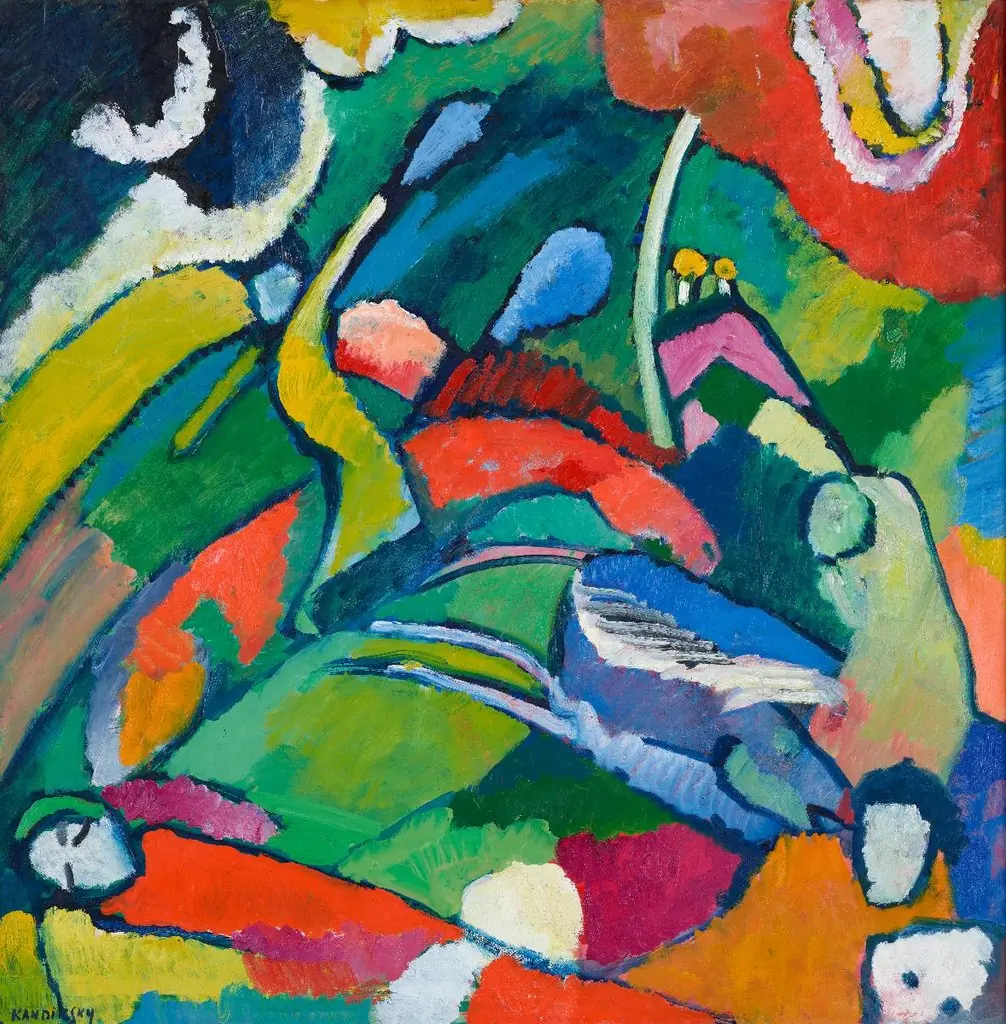
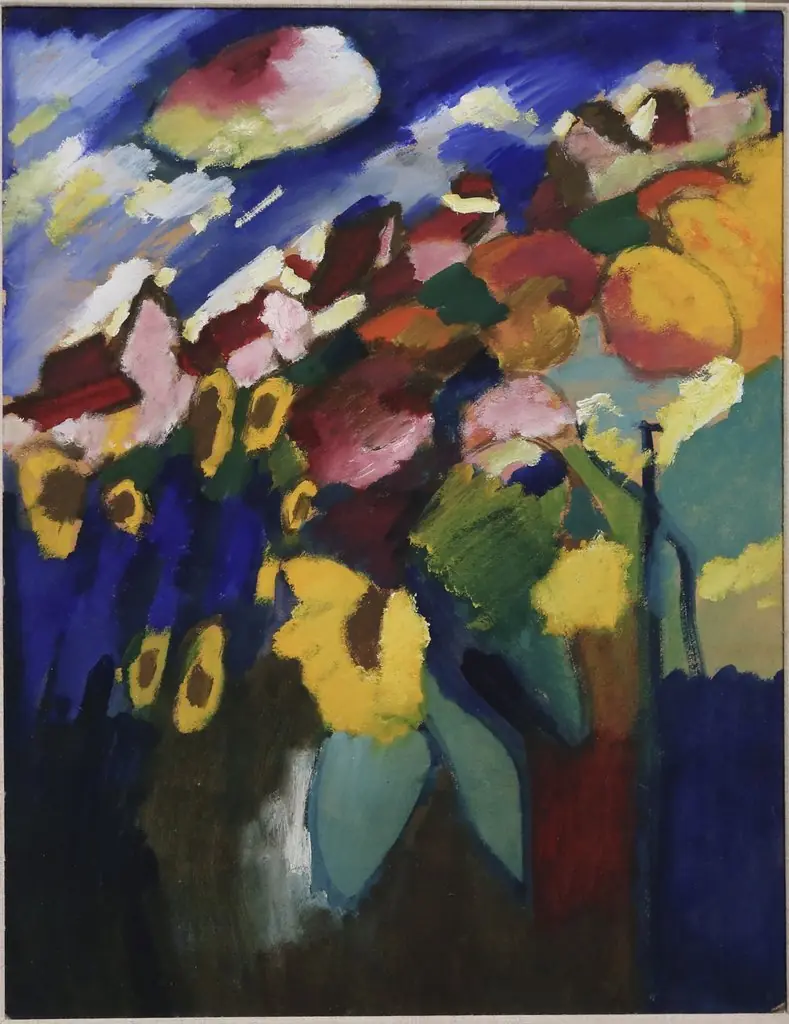
Section of Composition II
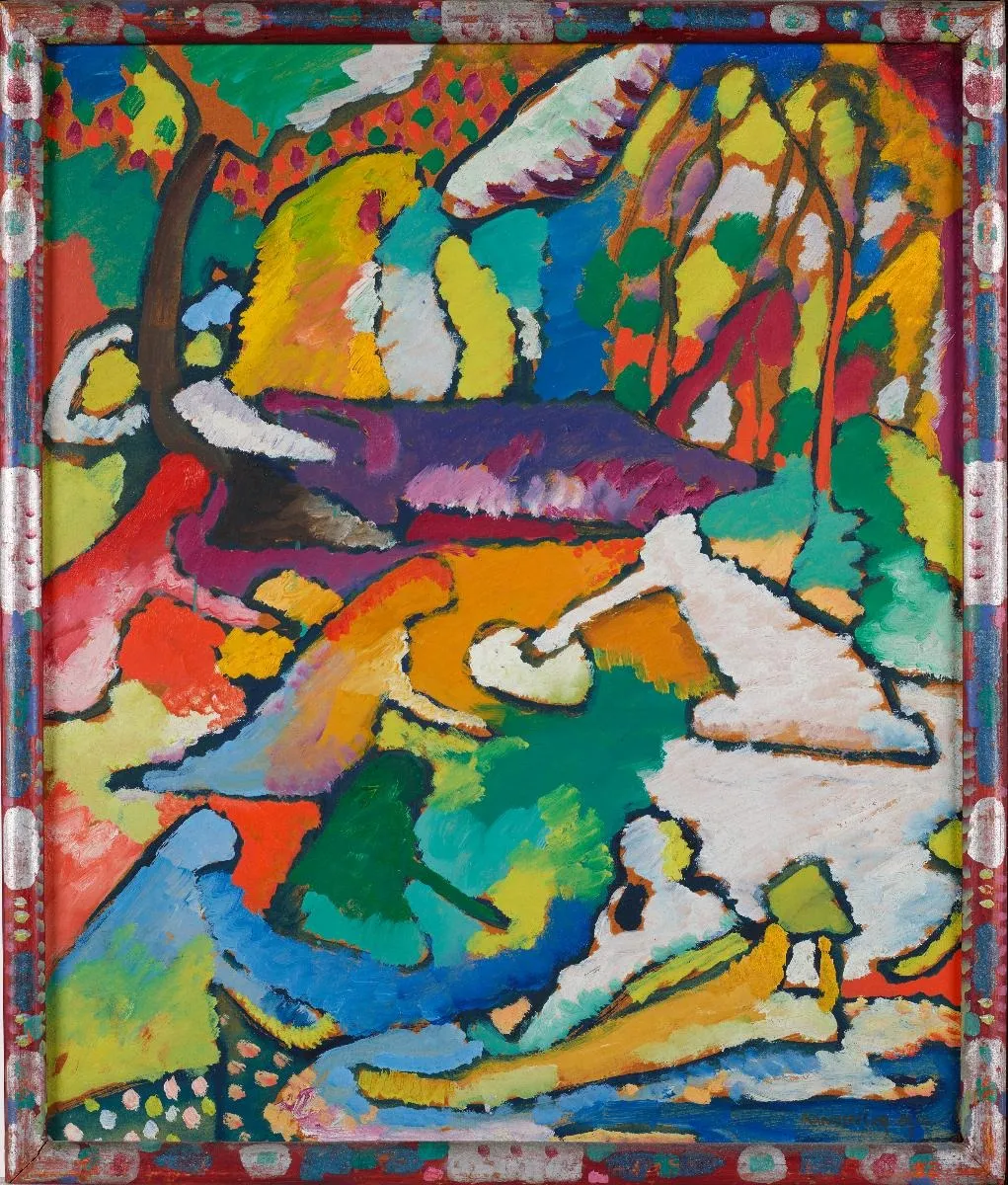
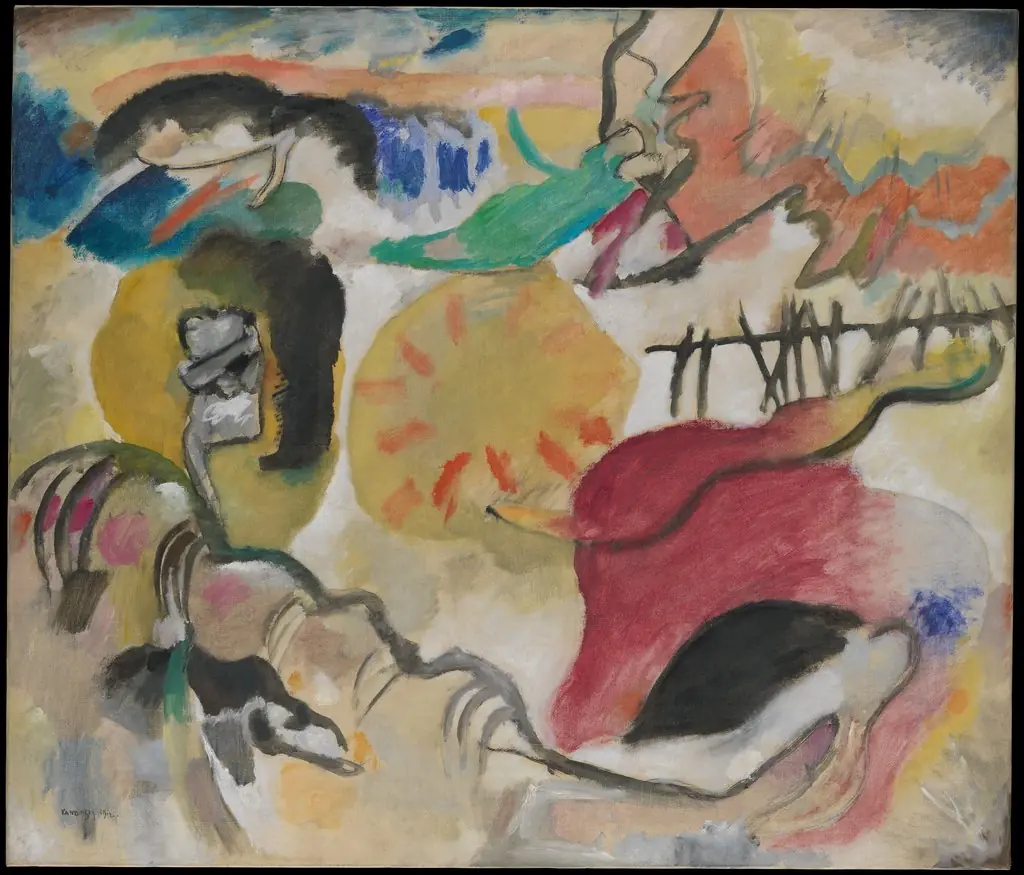
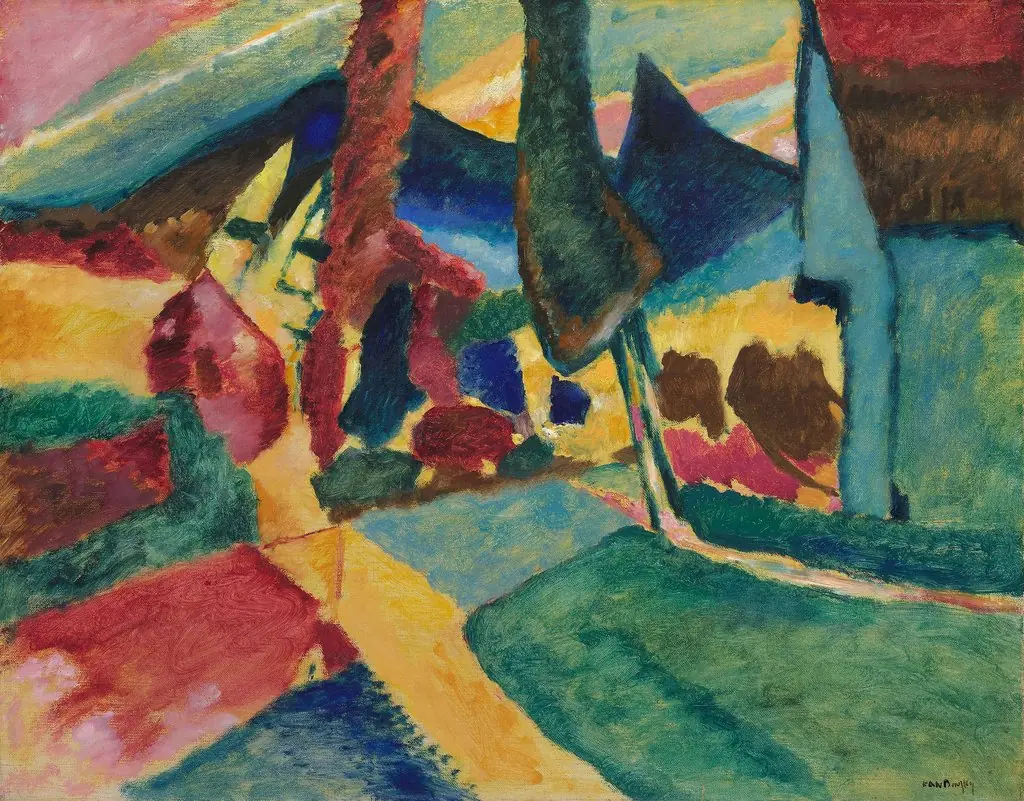
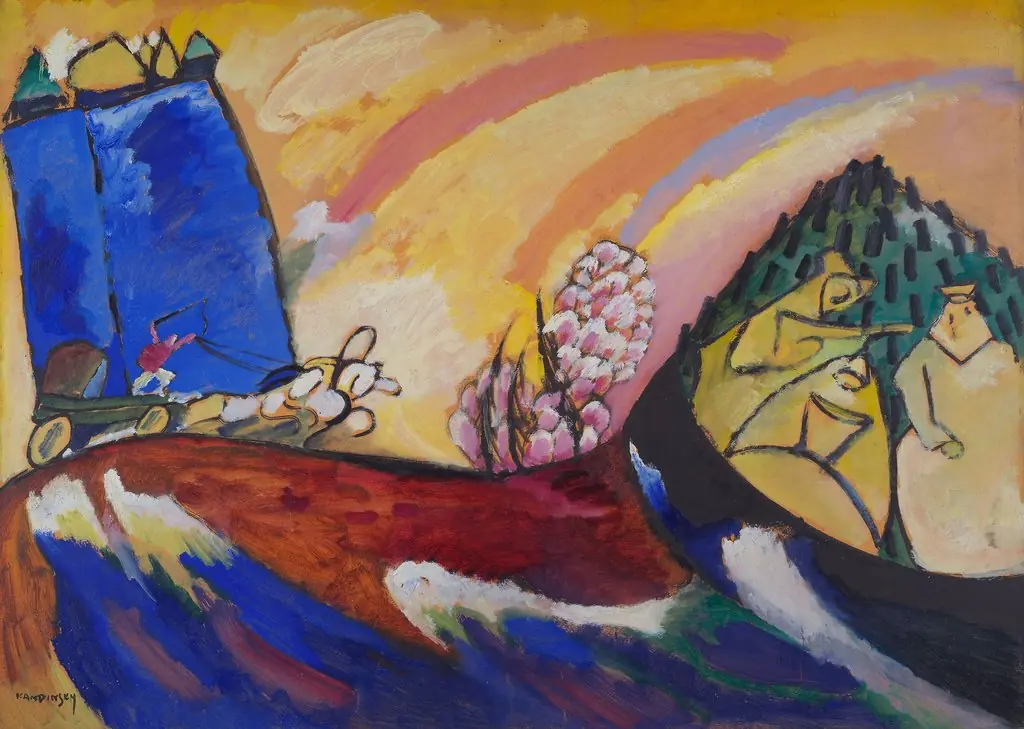
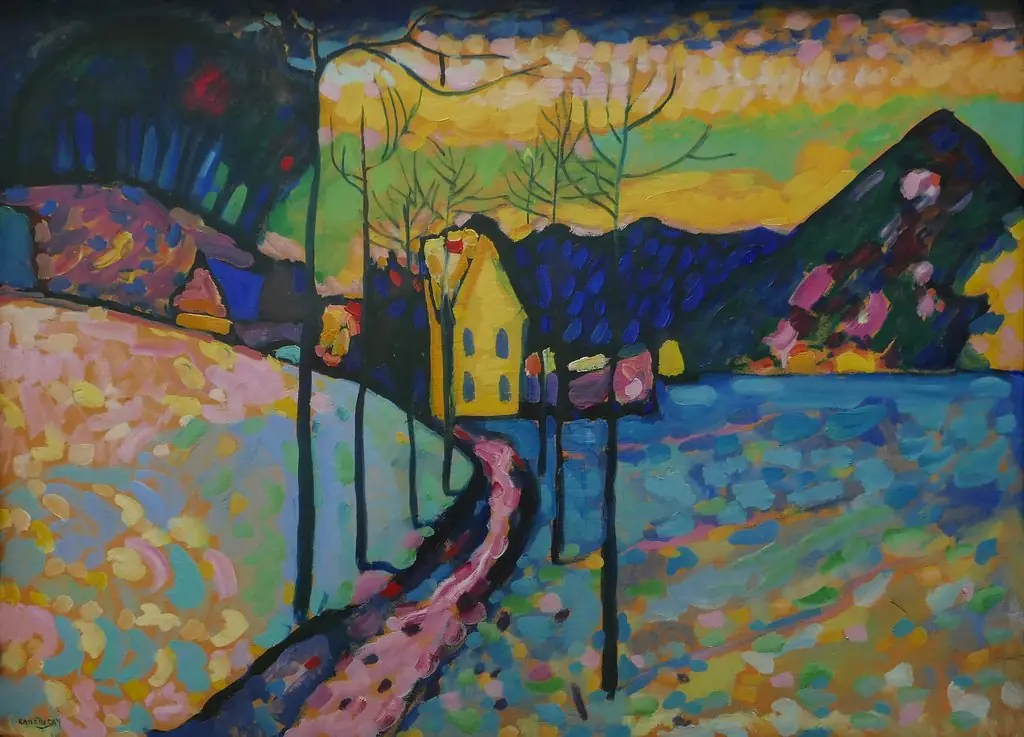
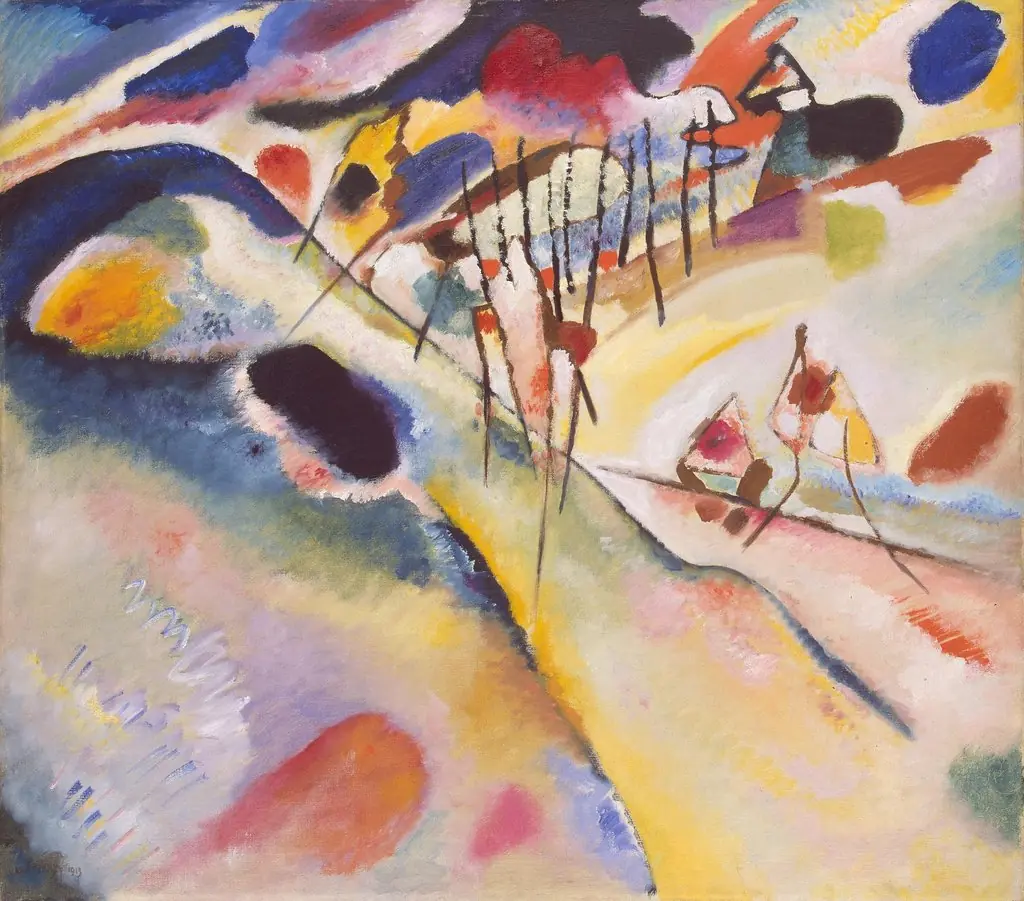
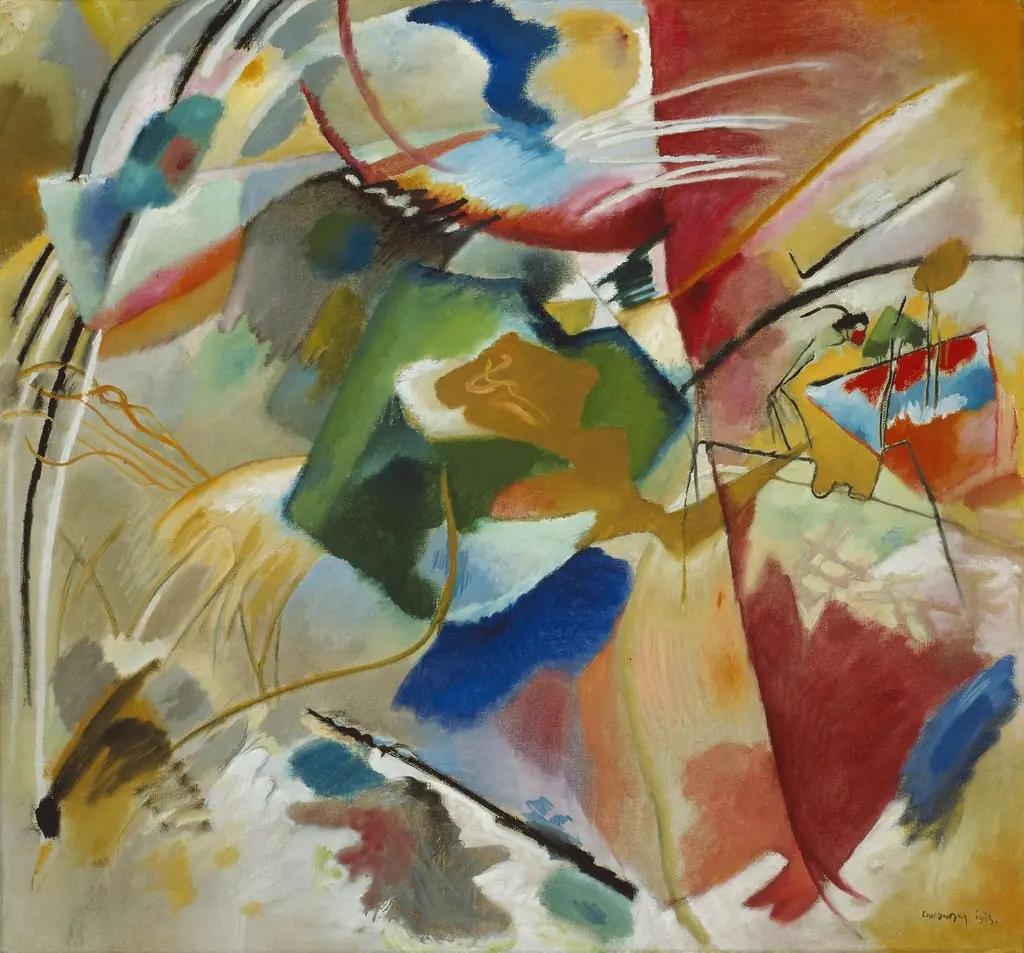
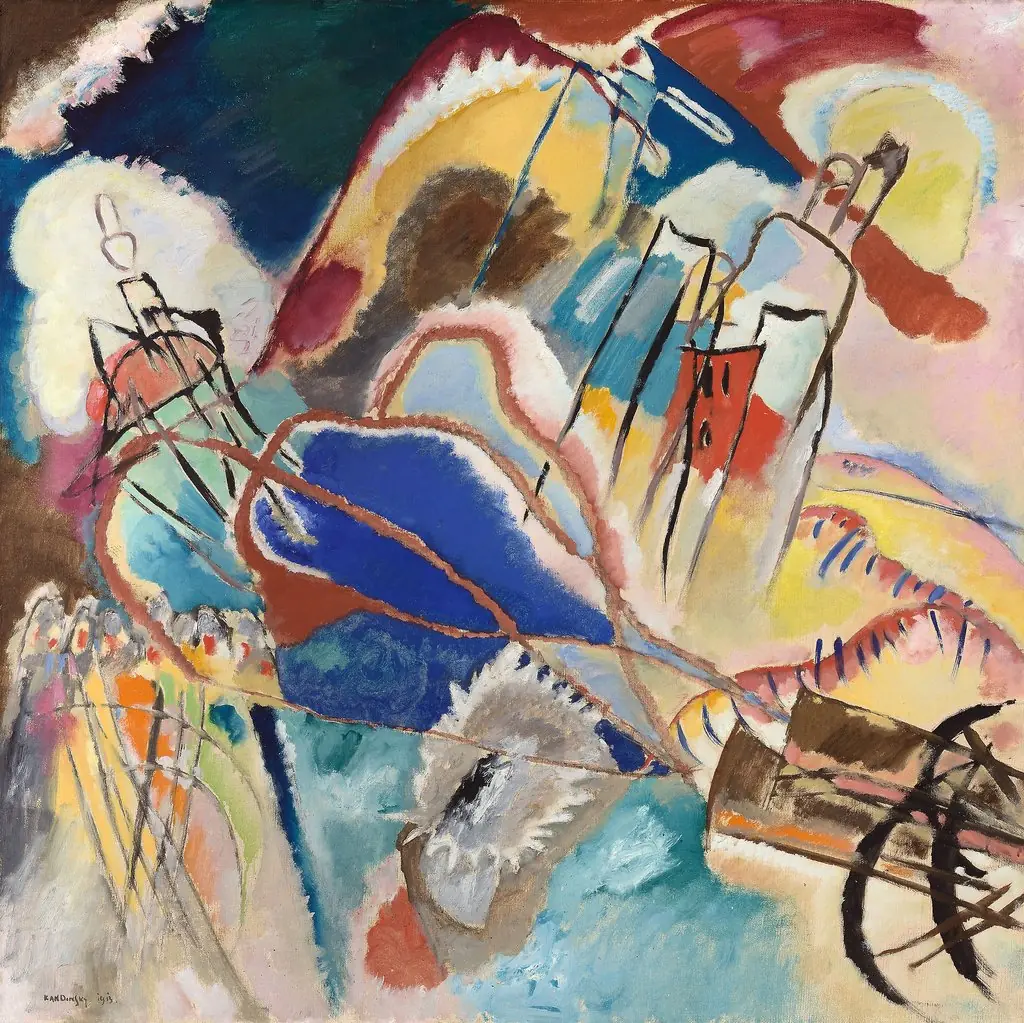
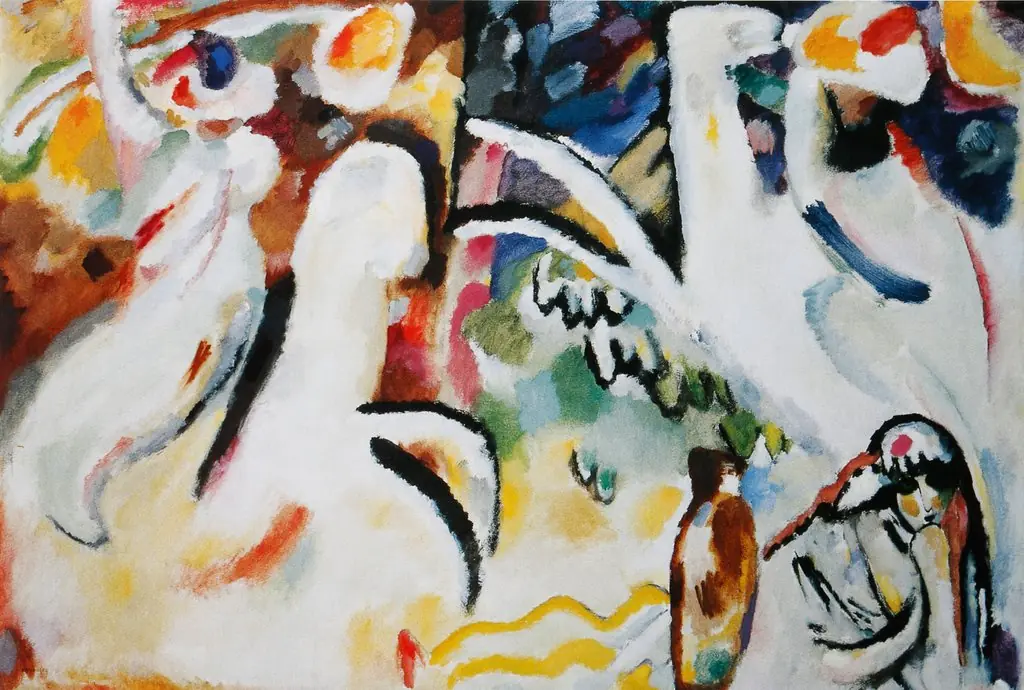
Section of Composition II is an oil painting by the Abstract Expressionist artist Wassily Kandinsky. It dates from 1910 and is held in the collection of the Kunsthaus Zürich.
About this work
Overview
It is one of several fragments from a larger, now-lost composition, preserved as an independent study in emotional resonance.
Painted in 1910, this oil on canvas fragment belongs to Kandinsky’s early Composition series, a group of works that mark his decisive turn away from figurative representation. Created during his time in Munich, the piece reflects his evolving belief that color and form could convey inner experience without reference to the visible world. It is one of several fragments from a larger, now-lost composition, preserved as an independent study in emotional resonance.
Subject & Meaning
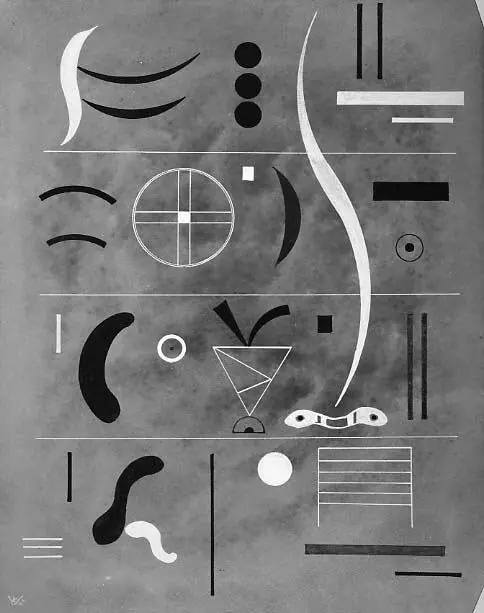
The painting rejects recognizable subjects, instead using overlapping shapes and dynamic lines to evoke emotional and spiritual states. Kandinsky sought to translate musical harmonies into visual terms, treating color as a vehicle for inner feeling. The arrangement of forms suggests movement and tension, not narrative or depiction, intended to resonate with the viewer’s intuition rather than their intellect.
Technique & Style
Kandinsky applied oil paint with varied brushwork, building layers of translucent and opaque hues to create depth without perspective. Shapes, some organic, others geometric, interlock without clear hierarchy, challenging traditional compositional rules. The palette, dominated by warm reds and oranges against cool greens and blues, emphasizes contrast and emotional contrast over naturalistic harmony.
History & Provenance
This fragment originated from a larger, now-untraceable canvas Kandinsky destroyed after completing Composition II. It remained in his personal collection until acquired by the Kunsthaus Zürich in the 1920s. The museum’s holdings include several key works from his abstract transition period, making this fragment a critical link in understanding his artistic evolution.
Context
Created during a period of intense experimentation in European modernism, the work emerged alongside developments in music, philosophy, and Theosophy that influenced Kandinsky’s thinking. He was moving beyond Impressionism and Expressionism, seeking a visual language independent of external reality. This piece reflects his 1911 publication Concerning the Spiritual in Art, which argued for art’s capacity to express metaphysical truths.
Legacy
As one of the earliest non-representational paintings in Western art, this fragment helped establish abstraction as a legitimate mode of expression. Its influence extended to later movements, including Abstract Expressionism, by demonstrating that emotional depth could reside in form and color alone. It remains a touchstone in discussions of art’s capacity to transcend the material world.
Artist & collection
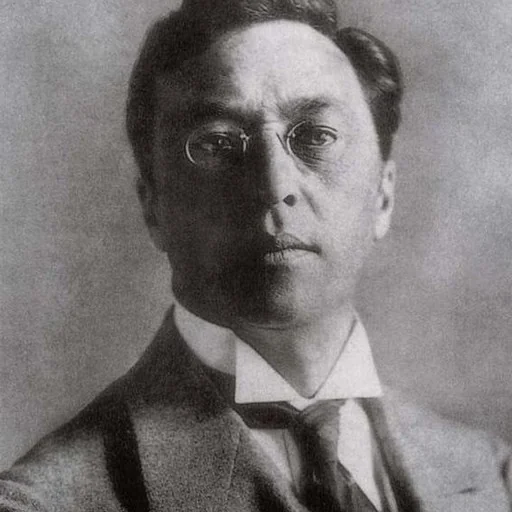
Artist
Wassily Wassilyevich Kandinsky (16 December 1866 – 13 December 1944) was a Russian painter and art theorist active in Germany during the late Belle Époque and Interwar eras.