
Movement
Orphism
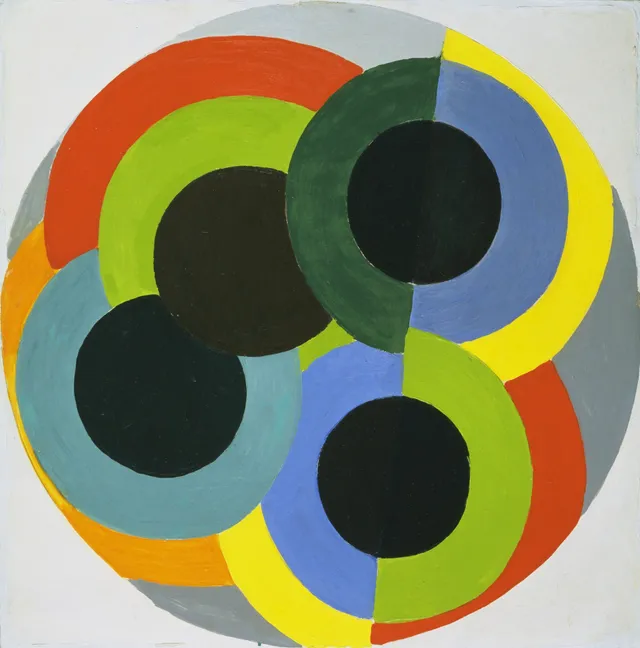
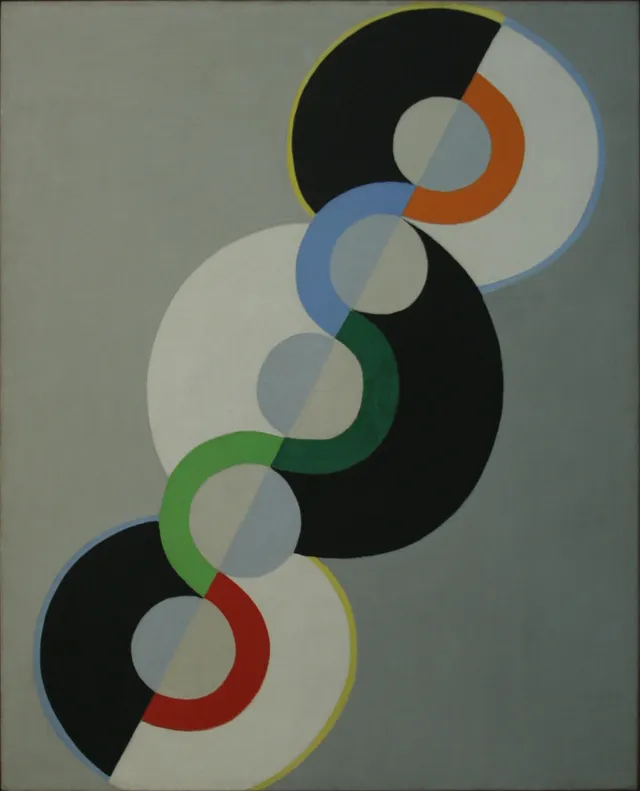
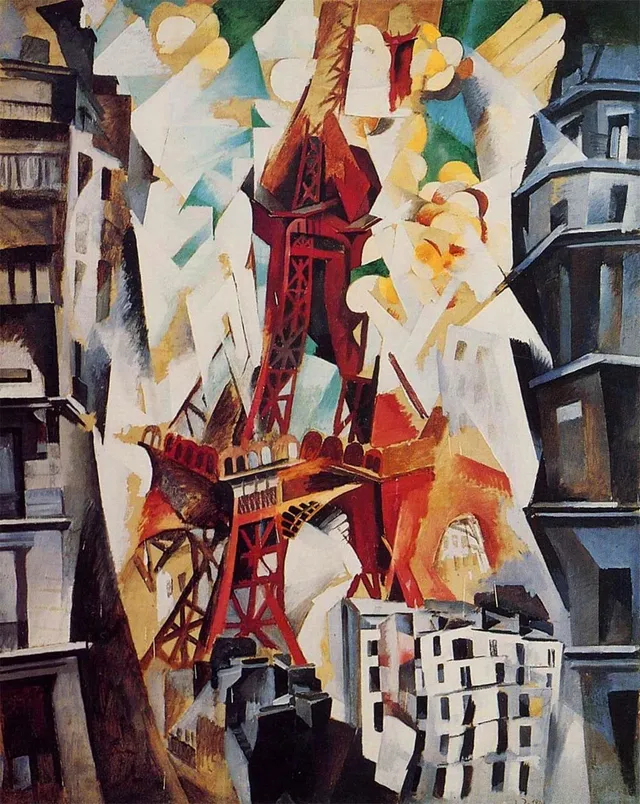
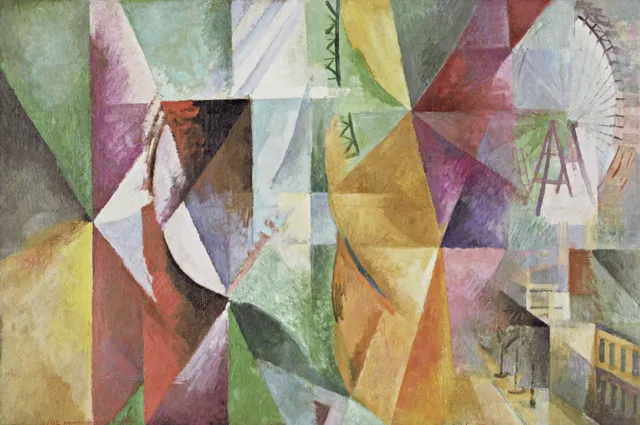
Orphism is an art movement dating from 1912. The gallery holds 4 works in this movement, including works by Robert Delaunay, Amadeo de Souza Cardoso and Mainie Harriet Jellett. Browse Orphism paintings, portraits, pictures and artworks from the world's public-domain museum collections.
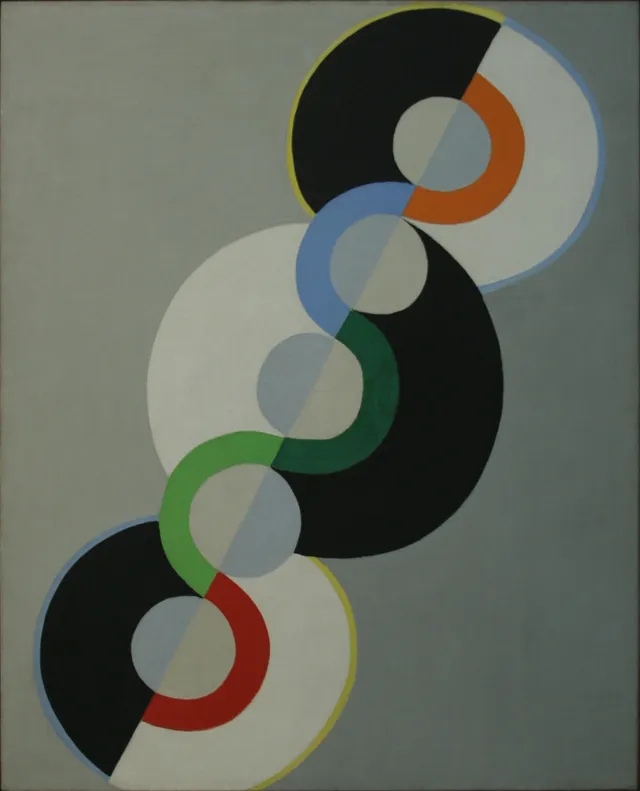
Orphism—often called Orphic Cubism—was a short-lived but pivotal movement in early abstract art that flourished in Paris between roughly 1912 and 1914. It emerged from Cubism but rejected that movement's austere, near-monochrome palette, restoring colour and light as the primary vehicles of meaning. The name was coined around 1912–13 by the poet and critic Guillaume Apollinaire, who likened the luminous, music-like canvases of Robert Delaunay to the songs of Orpheus, the mythic poet of ancient Greece. The label captured a central ambition: that painting might aspire to the condition of music, achieving pure expression through colour and rhythm rather than the depiction of objects.
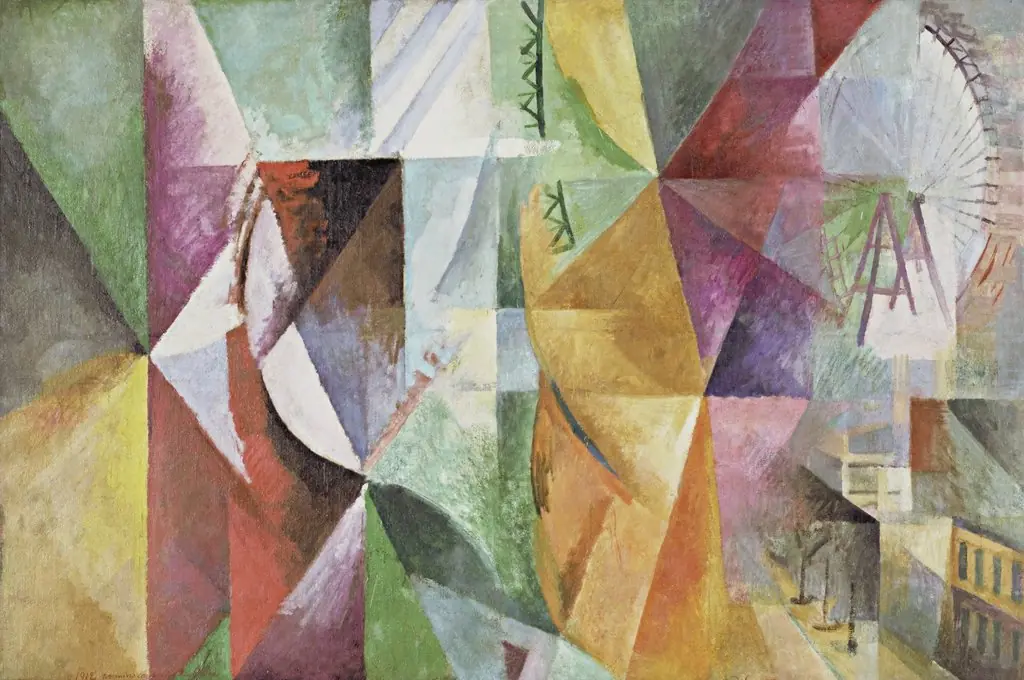
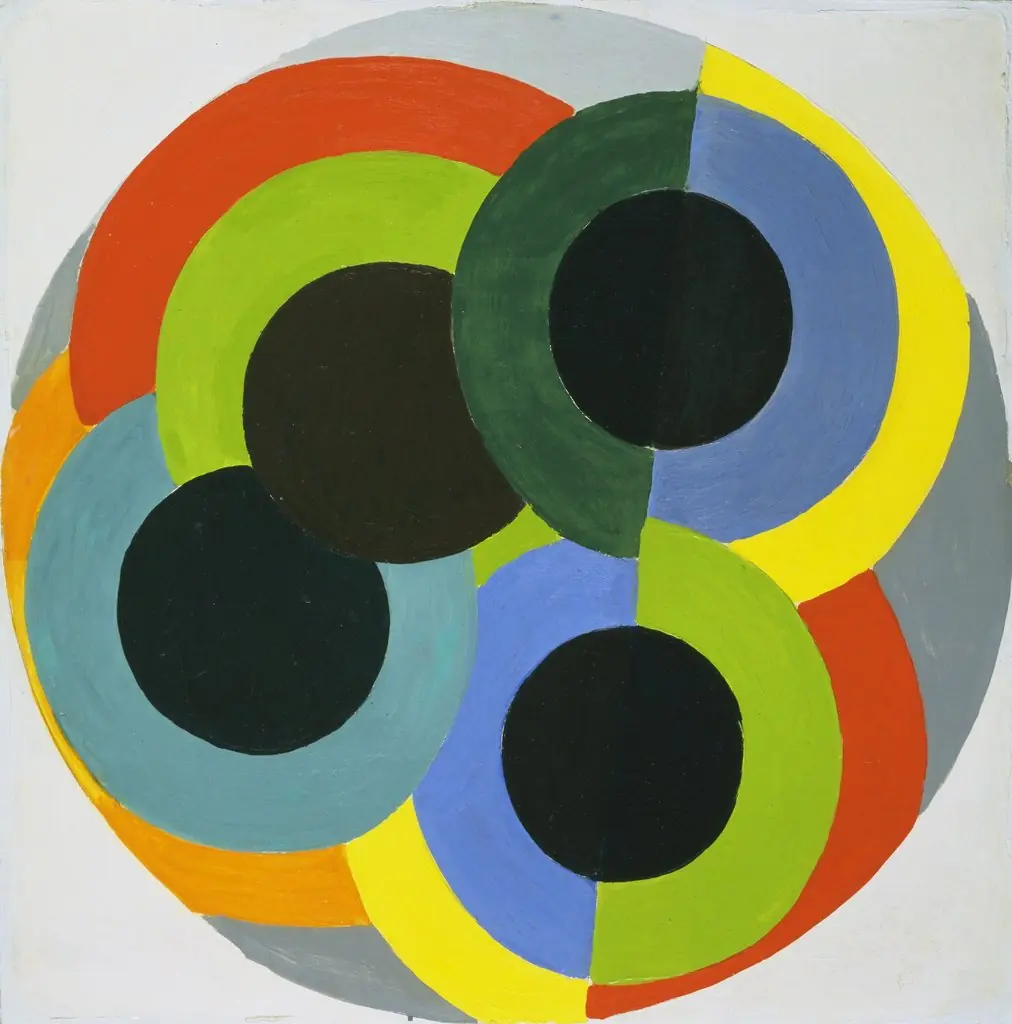
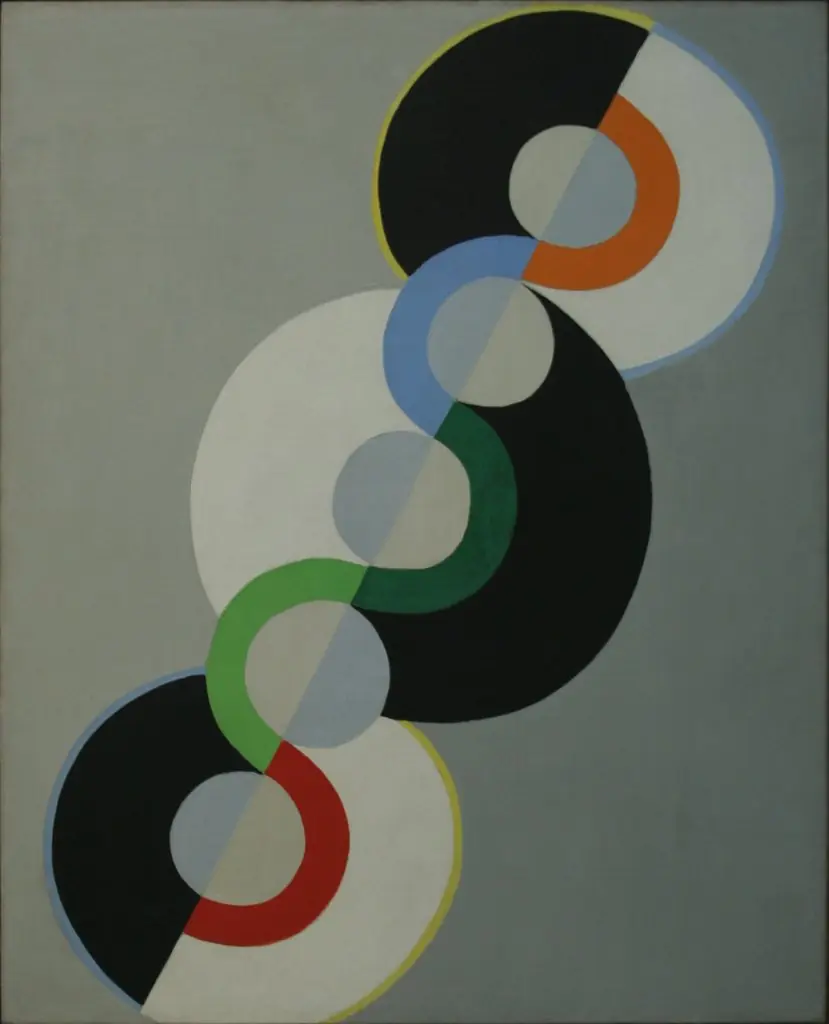
Visually, Orphism fused the geometric fragmentation of Cubism with the saturated hues of Fauvism and the dynamism of Futurism. Its theoretical engine was Michel-Eugène Chevreul's law of simultaneous contrast—the principle that a colour appears to change according to the hues placed beside it. Robert Delaunay built his own practice around this idea, calling it "Simultanisme," and used concentric discs, prismatic windows and interpenetrating planes of complementary colour to suggest movement, depth and vibration without recourse to recognisable subjects.
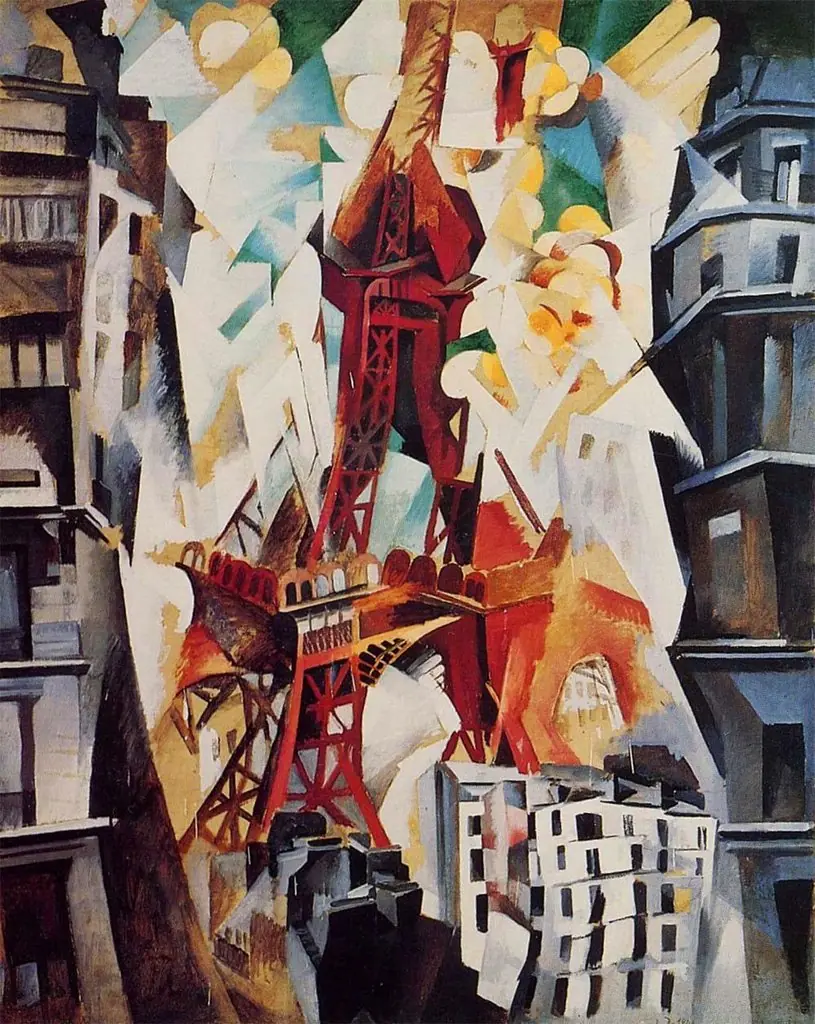
The movement's principal figures were Robert Delaunay and his wife Sonia Delaunay, alongside the Czech painter František Kupka, who exhibited his pioneering near-abstract canvases such as Amorpha, Fugue in Two Colours and Disks of Newton in 1912. Robert Delaunay's key works include his Eiffel Tower paintings, the "Simultaneous Windows" series of 1912, and the circular Disk compositions that pushed toward total abstraction. Sonia Delaunay extended these ideas into textiles, design and her 1913 collaboration with Blaise Cendrars. Artists such as Francis Picabia, Fernand Léger and Marcel Duchamp were associated with the tendency at its margins.
Though it dispersed with the outbreak of the First World War, Orphism's influence proved durable. It was among the earliest currents to arrive at pure abstraction, feeding into Synchromism in America, the Blaue Reiter circle in Germany, and later geometric and colour-field painting. Its reach extended internationally: the Portuguese modernist Amadeo de Souza-Cardoso absorbed the Delaunays' colour schemes after befriending the couple, while the Irish painter Mainie Jellett sustained an Orphic, deeply tonal abstraction into the 1930s, long after the Parisian moment had passed.
Key artists
Works
Frequently asked questions
What is Orphism?
Orphism is an art movement. A term coined by the poet Apollinaire in 1912 for the lyrical, color-first abstraction of Robert Delaunay and Sonia Delaunay.
Who are the key Orphism artists?
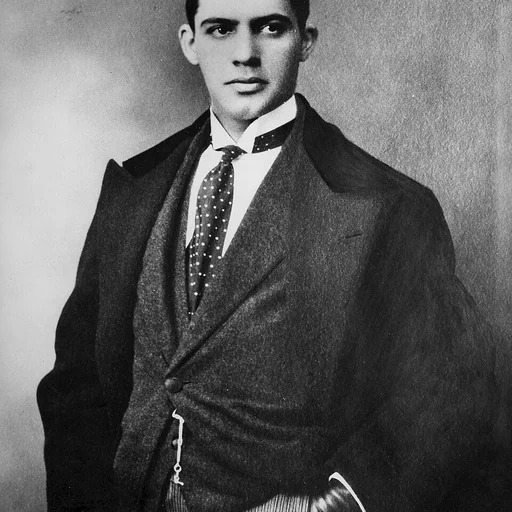
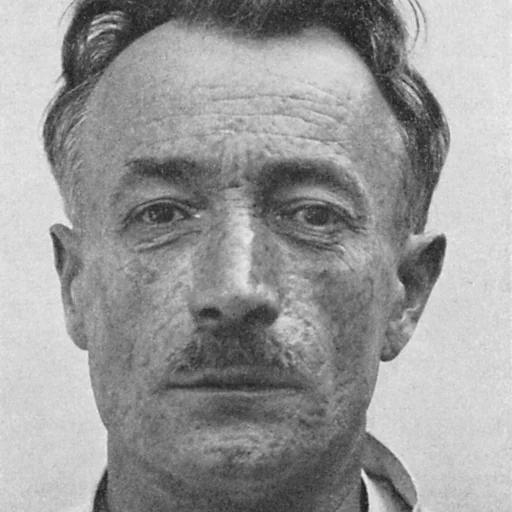
Key Orphism artists in the collection include Robert Delaunay, Amadeo de Souza Cardoso and Mainie Harriet Jellett.
When did Orphism take place?
Orphism dates from around 1912.
Where can I see Orphism works?
Orphism works in the collection are held by Museum of Modern Art, Tate and Art Institute of Chicago.