Artwork
Rochers à Fontainebleau (Rocks in the Forest)
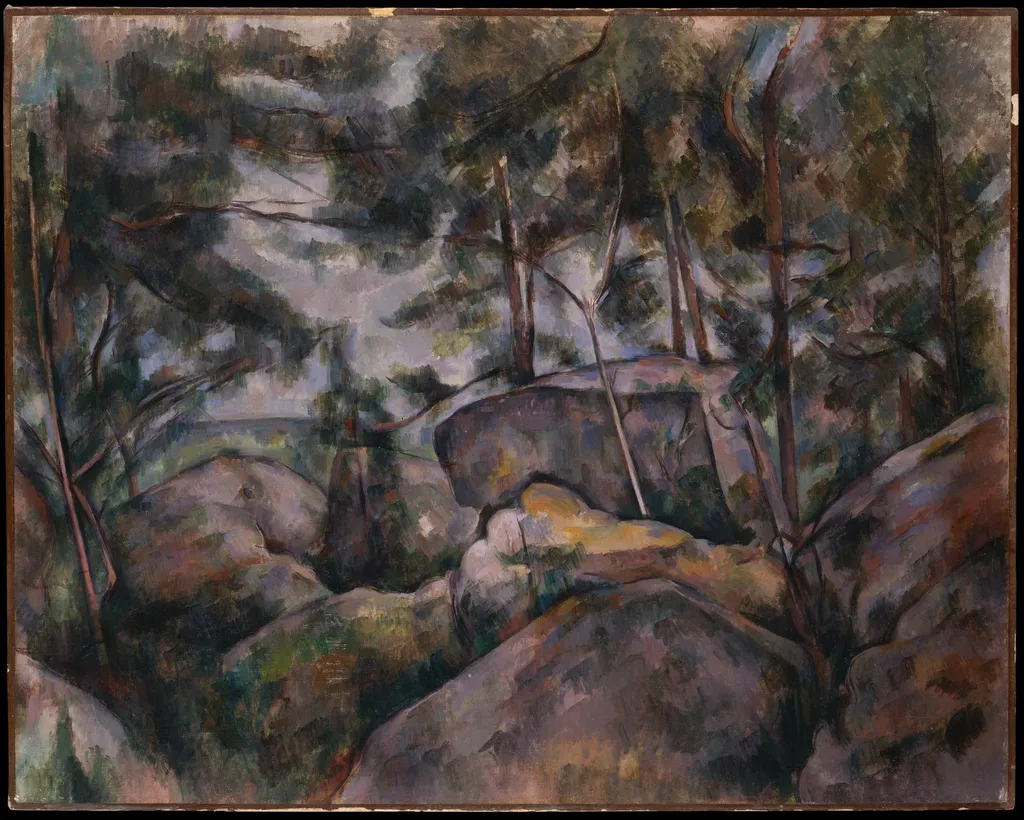
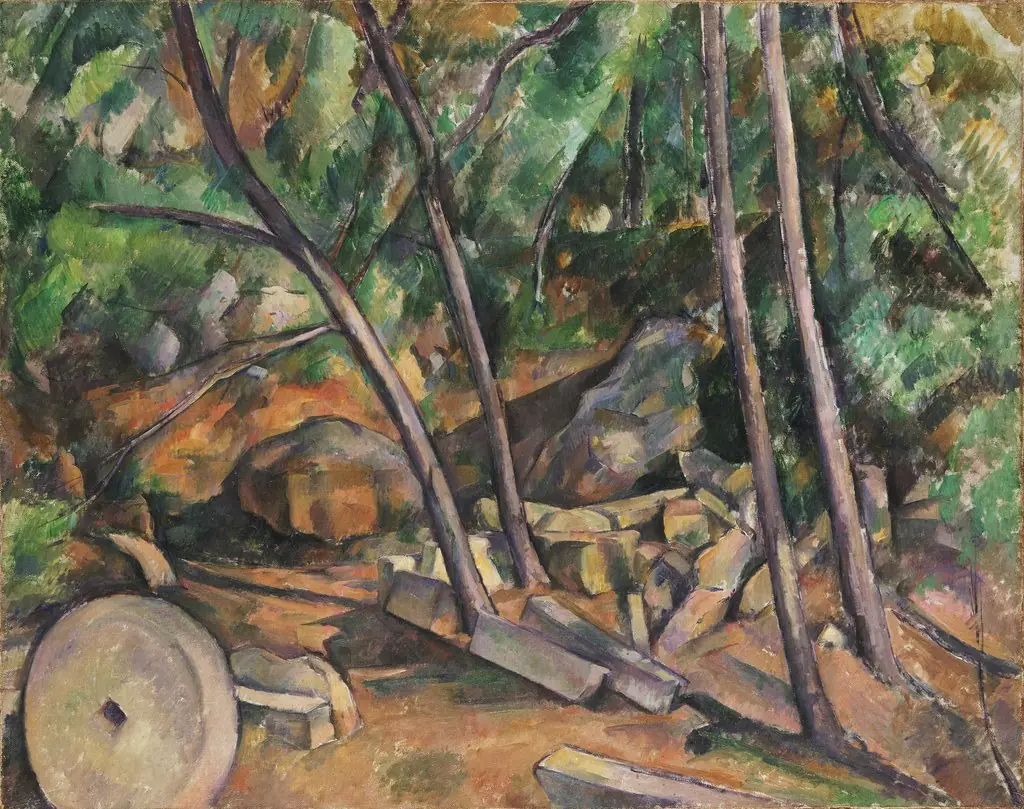
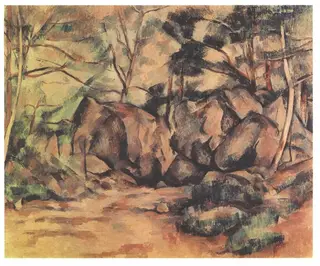
Rochers à Fontainebleau (Rocks in the Forest) is an oil painting by the Post-Impressionist artist Paul Cézanne. It dates from 1897 and is held in the collection of the Metropolitan Museum of Art.
About this work
Subject & Meaning
Paul Cézanne's 1897 oil painting, Rochers à Fontainebleau, depicts a natural landscape scene centered on the forested terrain of the Fontainebleau region.
Paul Cézanne's 1897 oil painting, Rochers à Fontainebleau, depicts a natural landscape scene centered on the forested terrain of the Fontainebleau region. As a landscape work, the subject matter consists of the rocky formations and woodland environment characteristic of this location. The composition focuses on the visual representation of the forest and its geological features rather than allegorical figures or narrative events.
While the work captures the specific topography of the area, the sources do not provide details regarding symbolic meanings or iconographic programs associated with the rocks or trees. The painting represents Cézanne's engagement with the natural world through the lens of landscape painting, emphasizing the physical presence of the forest and rock structures.
Technique & Style
Rochers à Fontainebleau is executed in oil paint on canvas, a standard medium for Cézanne's late landscapes. The work measures 73.3 cm in height by 92.4 cm in width, giving it a horizontal orientation suited to its forest subject. As a landscape painting, it belongs to the genre Cézanne explored repeatedly in his later years, when he produced numerous canvases around the Forest of Fontainebleau.
The painting is held in the collection of the Metropolitan Museum of Art, with provenance tracing back to Louisine Havemeyer.
History & Provenance
Rochers à Fontainebleau (Rocks in the Forest) was executed by Paul Cézanne in 1897 as an oil on canvas landscape depicting the forested terrain near Fontainebleau. The work belongs to the series of rock and forest studies the artist produced during his later years and measures 73.3 × 92.4 cm. It was recorded in the collection of Louisine Havemeyer, who bequeathed it to the Metropolitan Museum of Art, where it remains on view. No documentation indicates a specific commission for the painting, and the available sources do not provide an accession number or exhibition history.
Overview
Paul Cézanne created Rochers à Fontainebleau (Rocks in the Forest) in 1897 using oil paint. This painting captures a forest landscape, characteristic of his later work in the Post-Impressionist period. It exemplifies his distinctive approach to rendering nature, which significantly influenced modern art. The artwork is currently part of the collection at The Metropolitan Museum of Art.
Context
Cézanne's artistic journey saw him move beyond early engagements with Romanticism and Realism. By the time he painted Rochers à Fontainebleau, his focus had shifted decisively towards an intense, repeated observation of nature. This methodical approach allowed him to explore and redefine the representation of three-dimensional space on a two-dimensional canvas, laying groundwork for future artistic innovations.
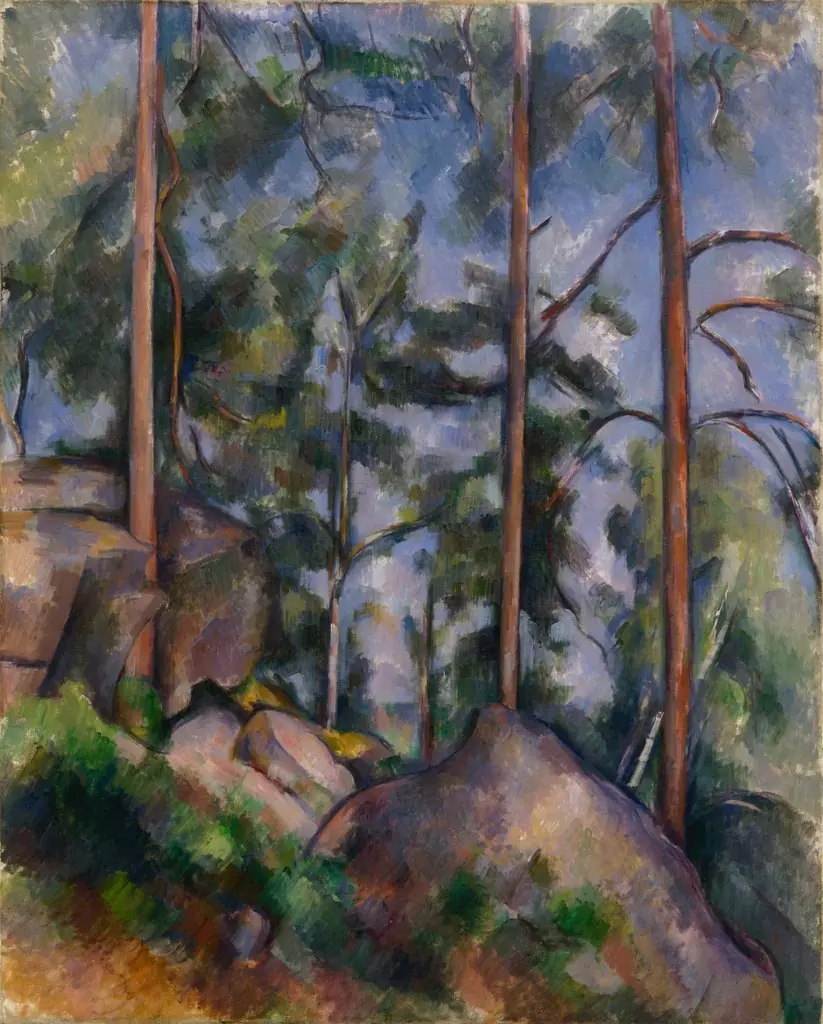
Own this work as a print
Artist & collection

Artist
Paul Cézanne ( say-ZAN, UK also siz-AN, US also say-ZAHN; French: ; Occitan: Pau Cesana; 19 January 1839 – 22 October 1906) was a French Post-Impressionist painter whose work introduced new modes of representation,…

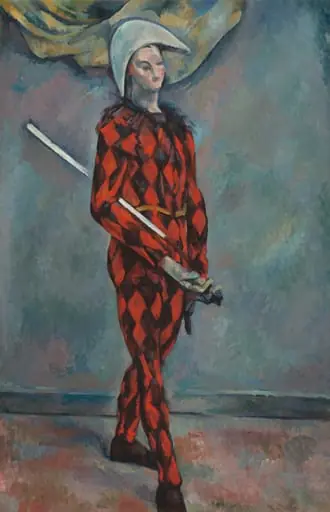 Harlequin
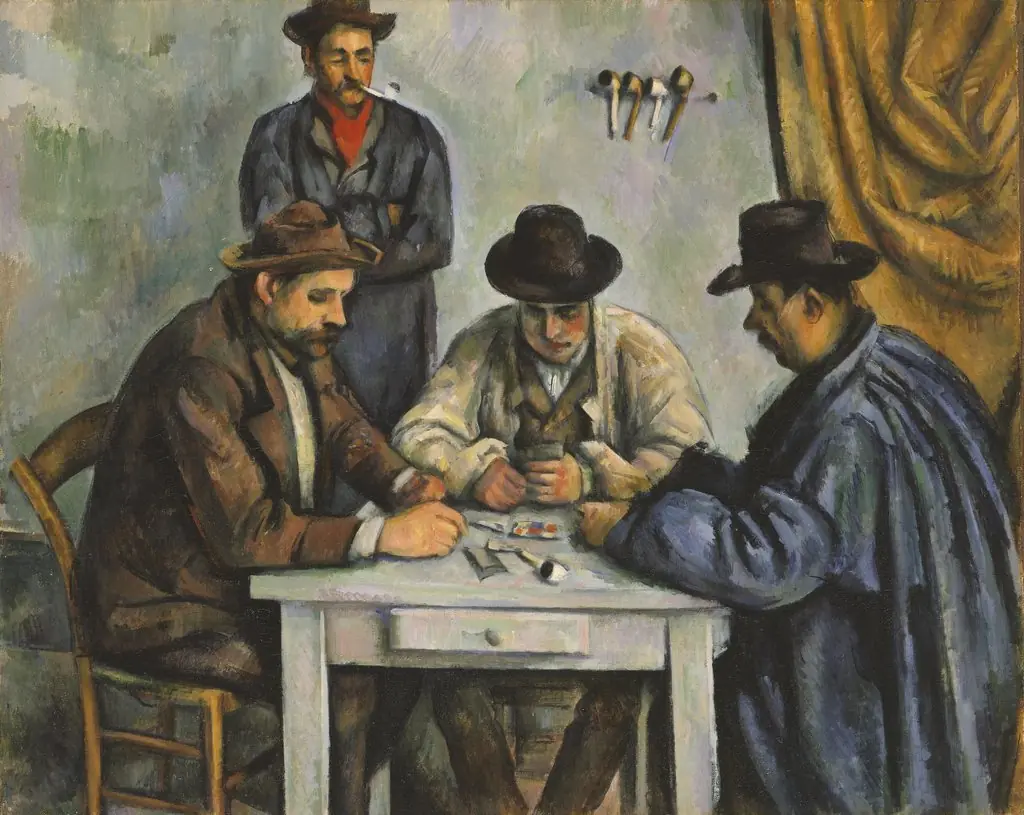 The Card Players
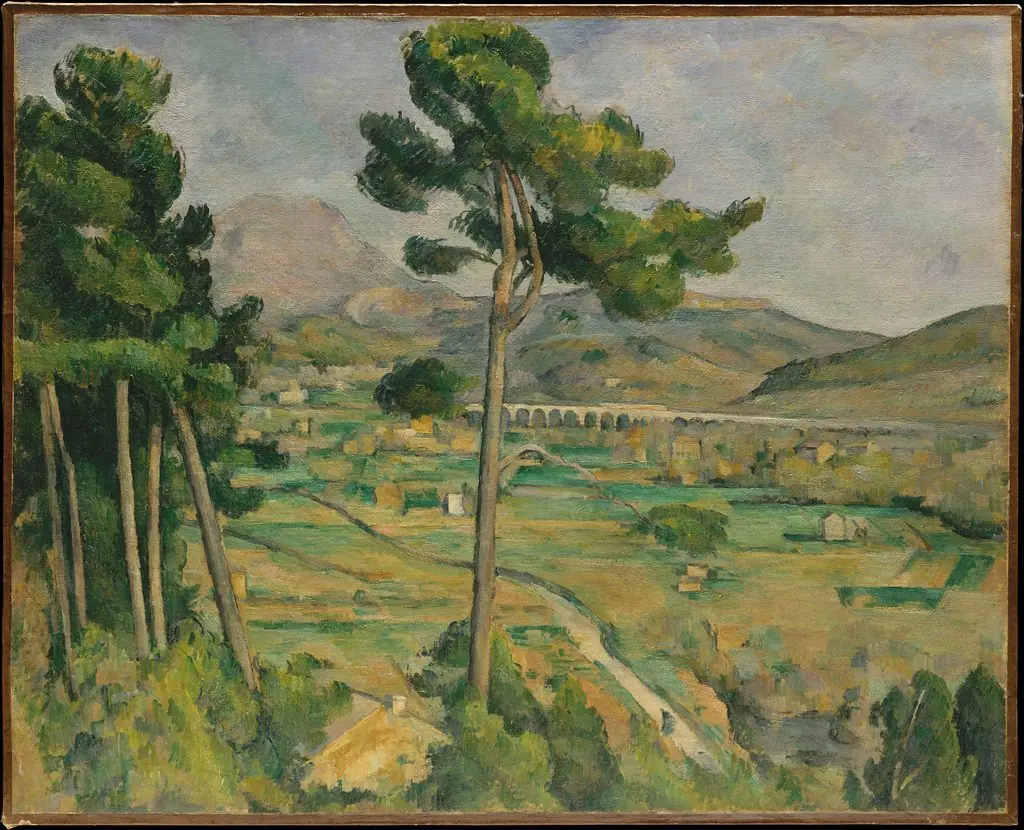 Mont Sainte-Victoire and the Viaduct of the Arc River Valley
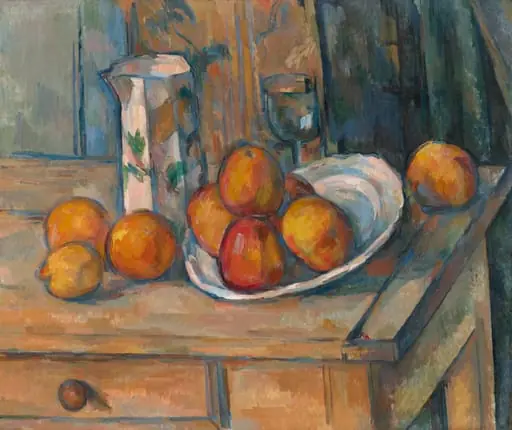 Still Life with Milk Jug and Fruit
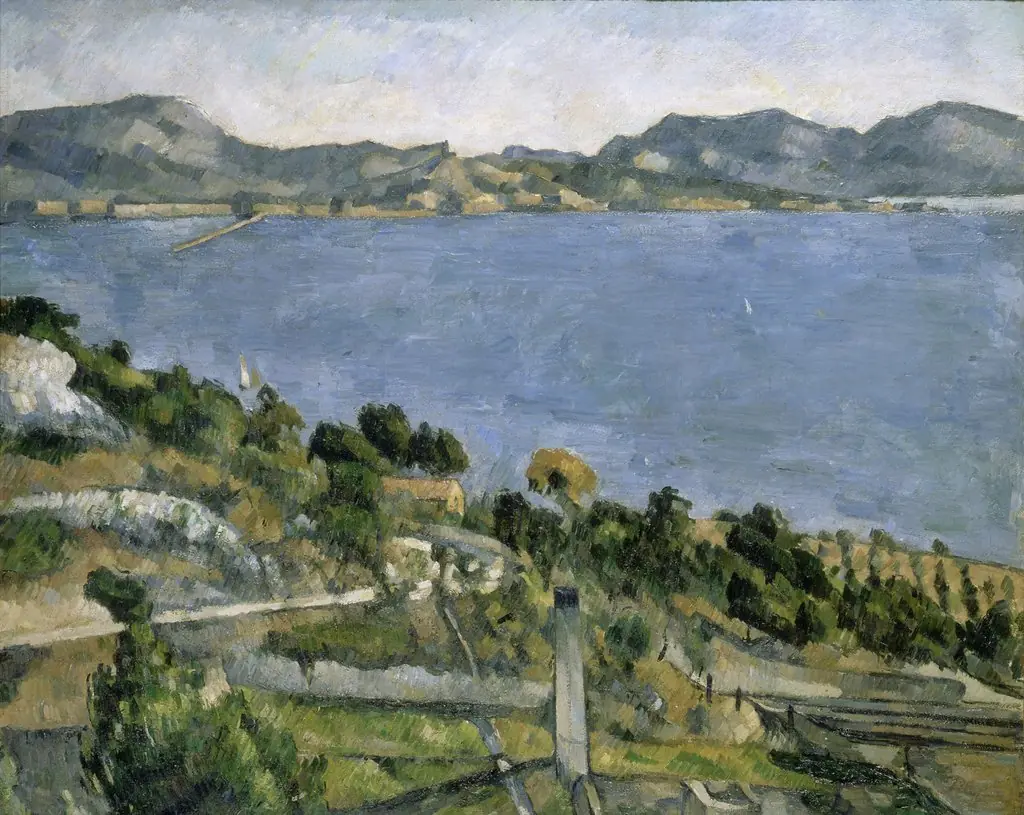 Le Golfe de Marseille vu de l'Estaque (The Gulf of Marseille Seen from L'Estaque)
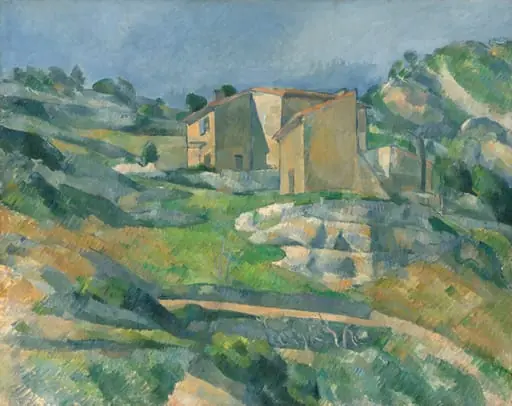 Houses in Provence: The Riaux Valley near L'Estaque
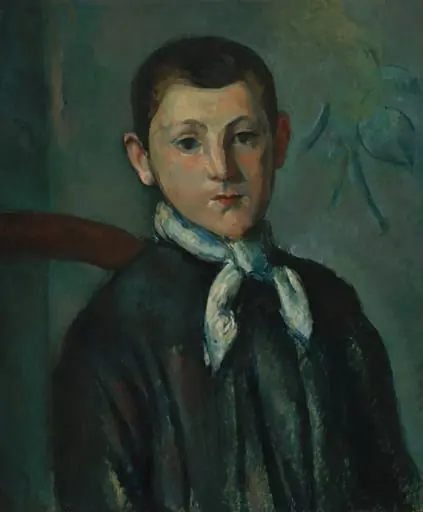 Louis Guillaume
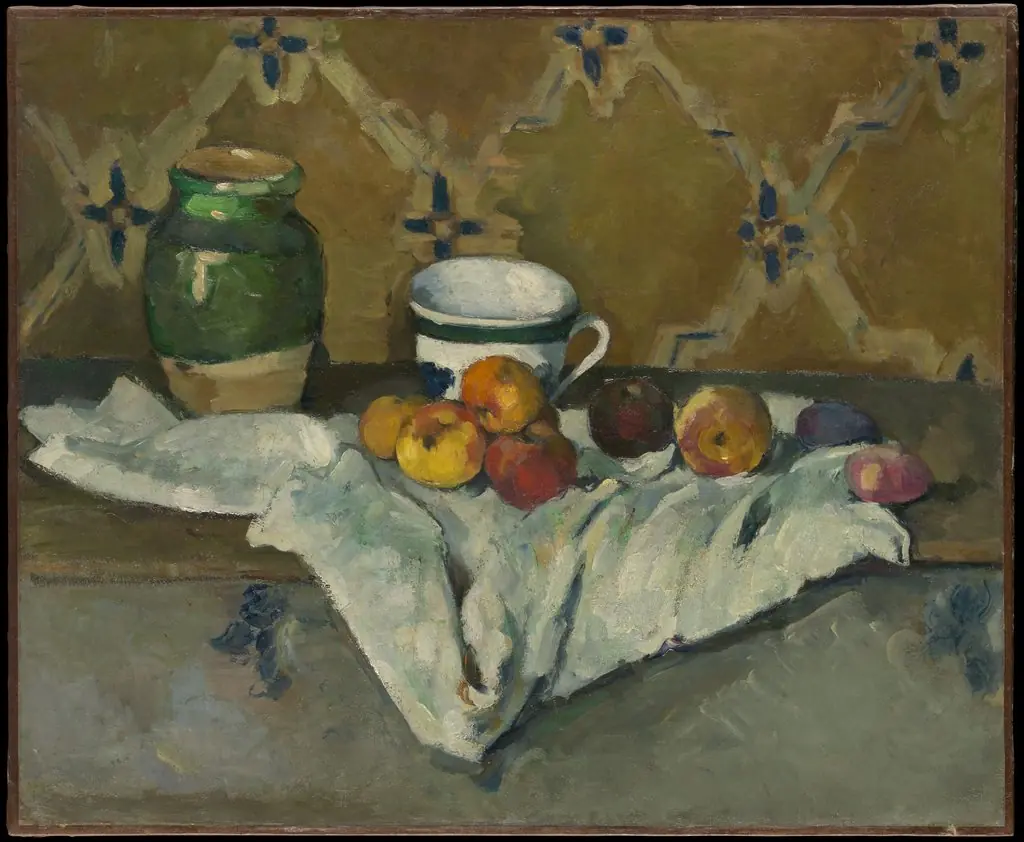 Still Life with Jar, Cup, and Apples