Artwork
Rochers à l'Estaque (Rocks at L'Estaque)
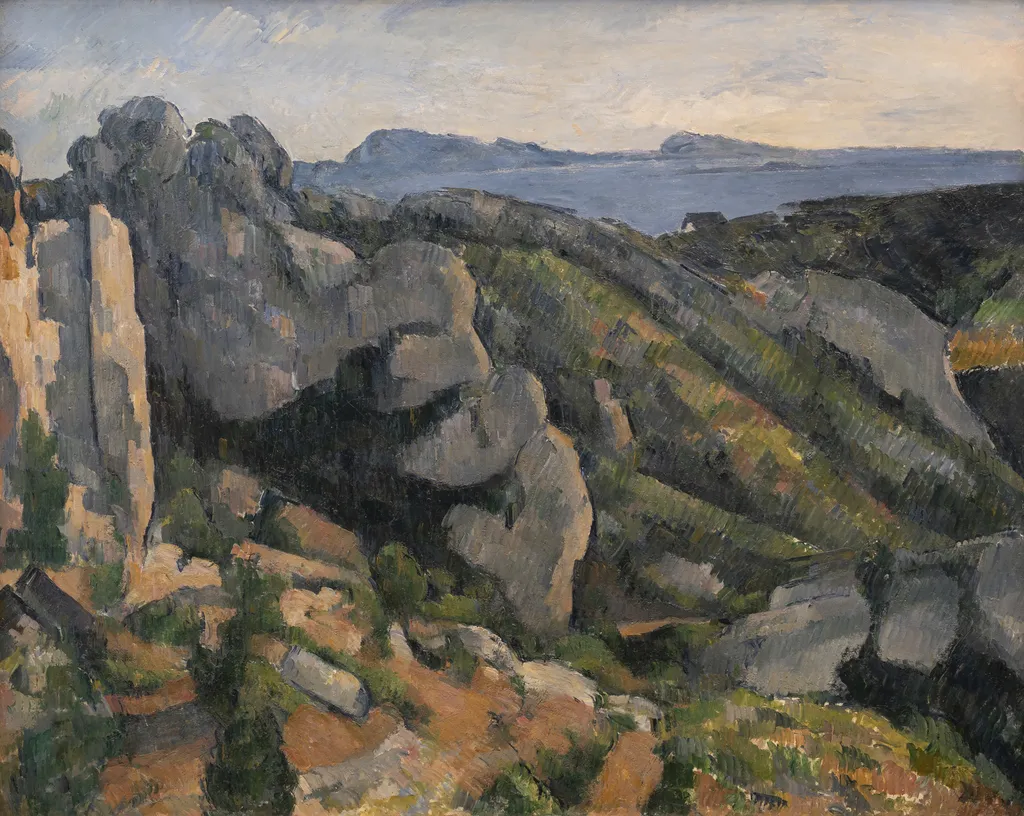
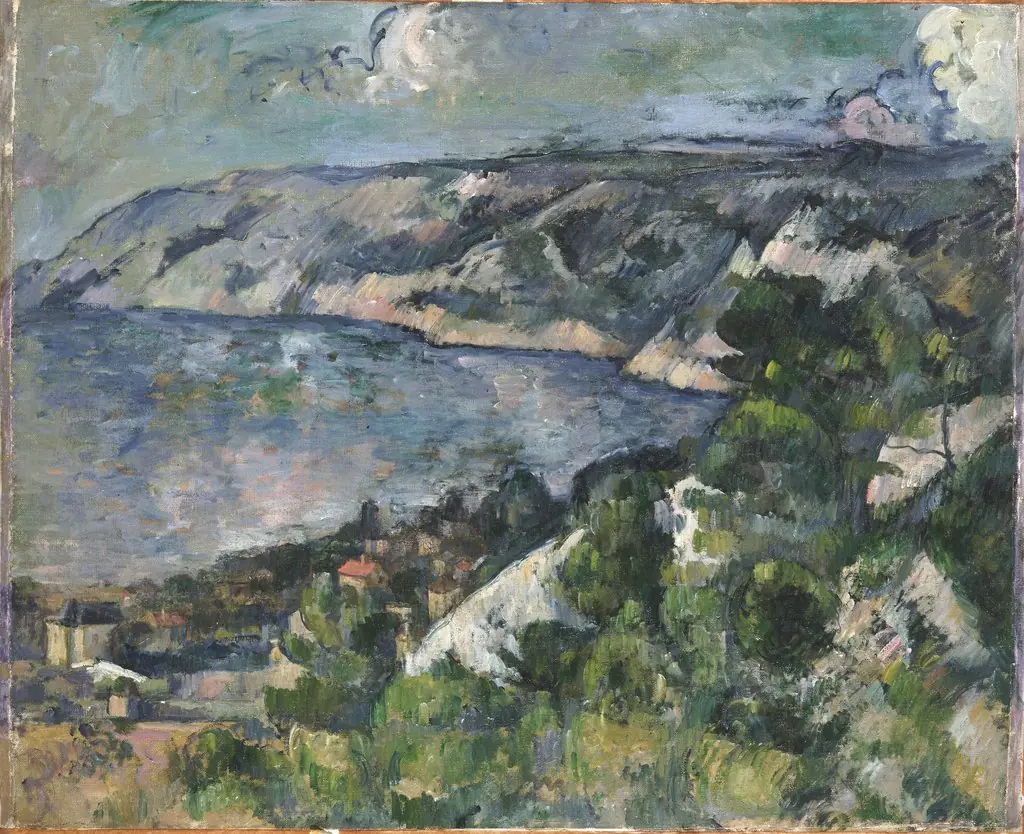
Rochers à l'Estaque (Rocks at L'Estaque) is an oil painting by the Post-Impressionist artist Paul Cézanne. It dates from 1890 and is held in the collection of the São Paulo Museum of Art.
About this work
Overview
Painted in 1890, Rochers à l'Estaque is an oil-on-canvas landscape by Paul Cézanne, capturing the rugged terrain near the coastal village of L'Estaque.
Painted in 1890, Rochers à l'Estaque is an oil-on-canvas landscape by Paul Cézanne, capturing the rugged terrain near the coastal village of L'Estaque. The work exemplifies his sustained exploration of natural form through structured brushwork and layered color. It is one of several paintings Cézanne produced in this region, each refining his approach to translating observed nature into compositional order.
Subject & Meaning
The painting presents a quiet, unpopulated stretch of coastline dominated by weathered rocks, sparse vegetation, and a distant expanse of water. There is no narrative or human presence; instead, the focus lies in the relationship between solid earth and open sky. Cézanne sought to reveal the underlying geometry of nature, treating rocks and trees as interlocking volumes rather than picturesque elements.
Technique & Style
Cézanne applied thick, deliberate strokes to render the foreground rocks, creating a tactile surface that emphasizes mass and texture. In contrast, the trees and sky are rendered with lighter, more varied brushwork, suggesting depth without blending. Color is modulated through subtle shifts in hue and value rather than chiaroscuro, reinforcing a sense of structural coherence over atmospheric illusion.
History & Provenance
The painting entered the collection of the São Paulo Museum of Art in the mid-20th century, part of a broader acquisition of modern European works by the museum’s founders. Its journey from Cézanne’s studio to Brazil reflects the international reach of his influence by the early 1900s. No significant alterations or restorations are documented, preserving its original surface and tonal balance.
Context
Cézanne returned to L'Estaque multiple times between the 1870s and 1890s, drawn to its stark topography and shifting light. These landscapes emerged during a period when he was moving beyond Impressionist spontaneity toward a more analytical mode of painting. His studies here directly informed later developments in early 20th-century abstraction, particularly among Picasso and Braque.
Legacy
Though not widely exhibited during his lifetime, Rochers à l'Estaque became a touchstone for artists seeking to deconstruct natural forms into essential shapes. Its emphasis on structure over sentiment helped redefine painting’s purpose in the modern era. Today, it stands as a quiet but pivotal example of Cézanne’s enduring contribution to the evolution of visual language.
Own this work as a print
Artist & collection

Artist
Paul Cézanne ( say-ZAN, UK also siz-AN, US also say-ZAHN; French: ; Occitan: Pau Cesana; 19 January 1839 – 22 October 1906) was a French Post-Impressionist painter whose work introduced new modes of representation,…

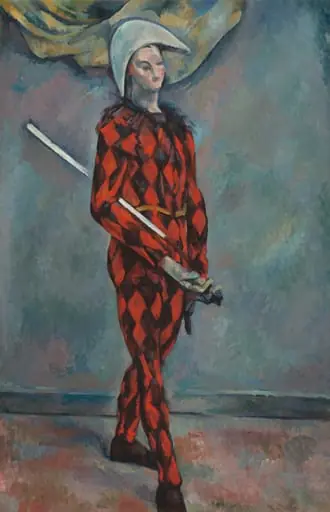 Harlequin
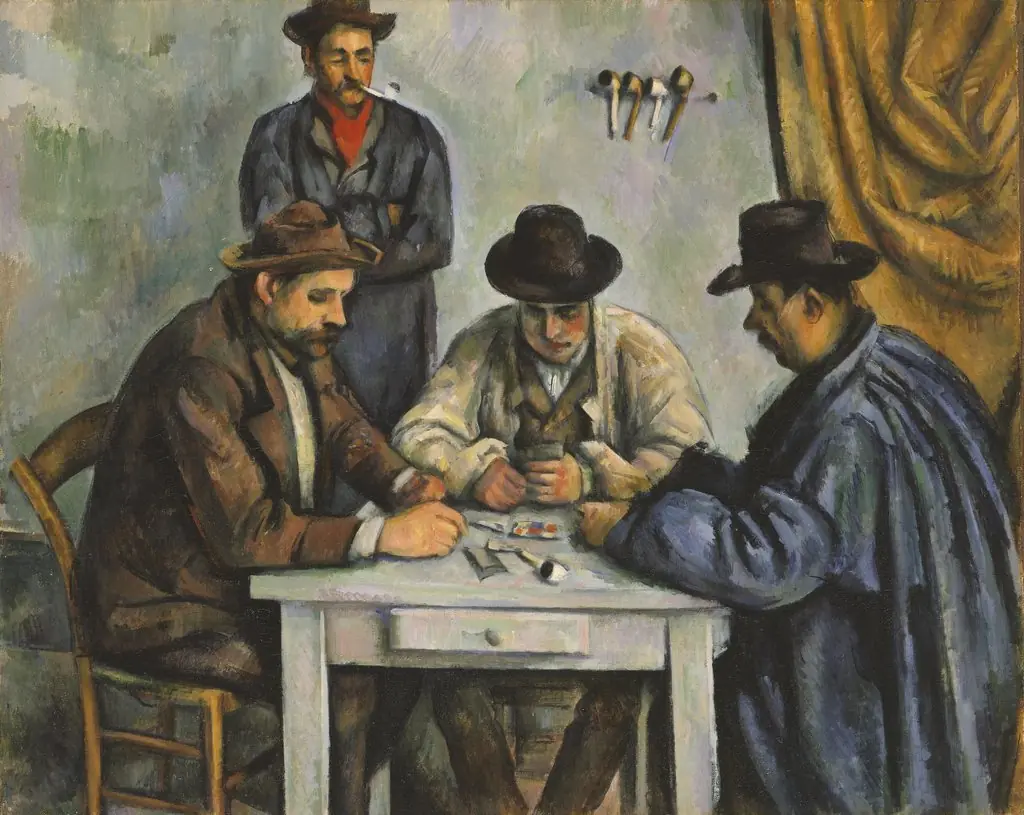 The Card Players
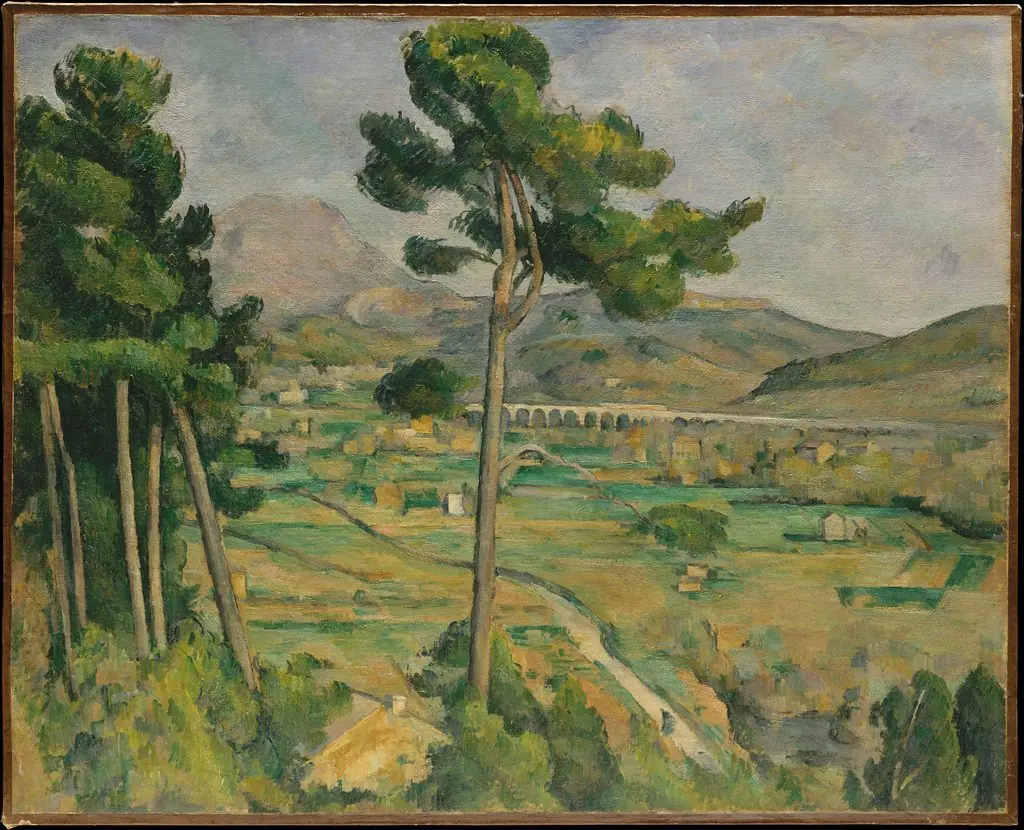 Mont Sainte-Victoire and the Viaduct of the Arc River Valley
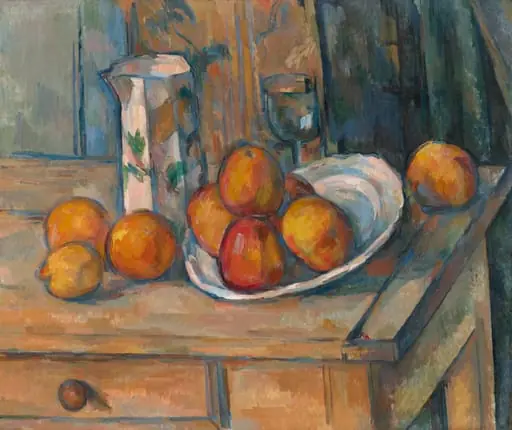 Still Life with Milk Jug and Fruit
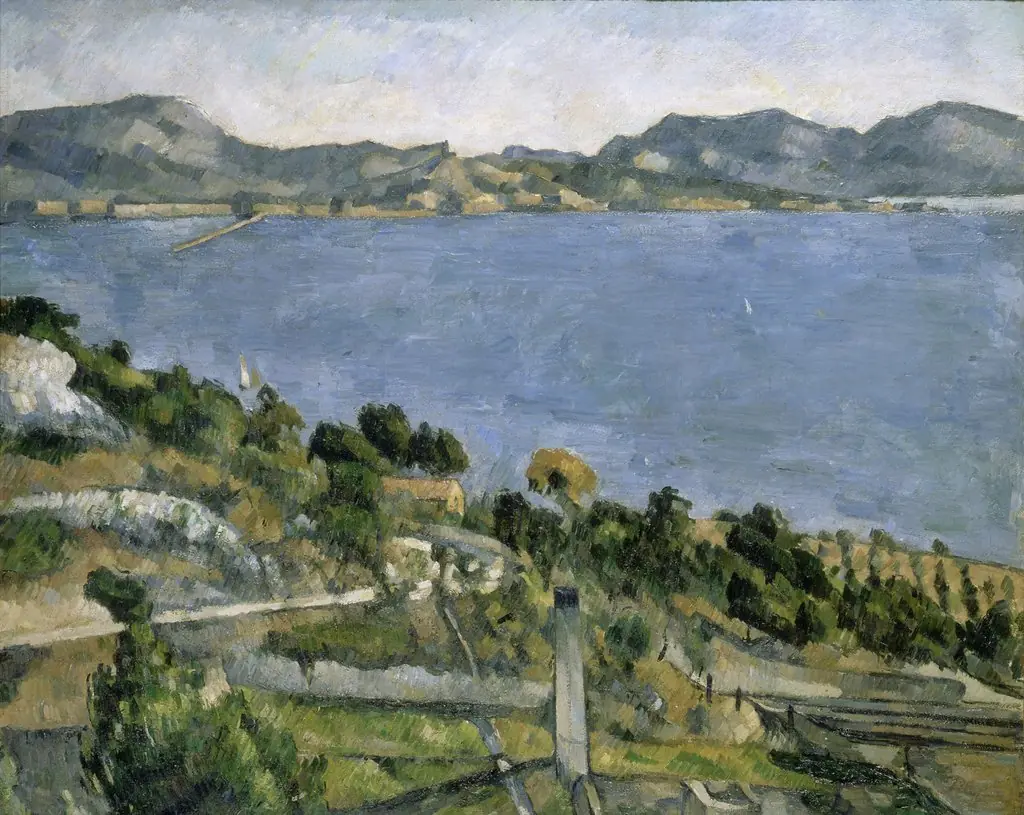 Le Golfe de Marseille vu de l'Estaque (The Gulf of Marseille Seen from L'Estaque)
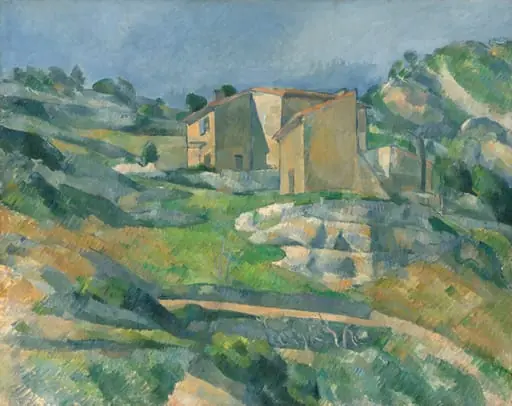 Houses in Provence: The Riaux Valley near L'Estaque
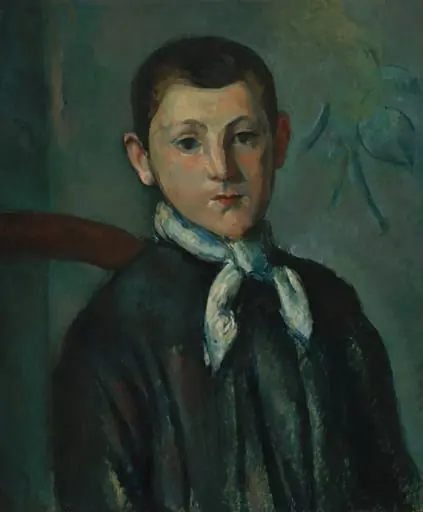 Louis Guillaume
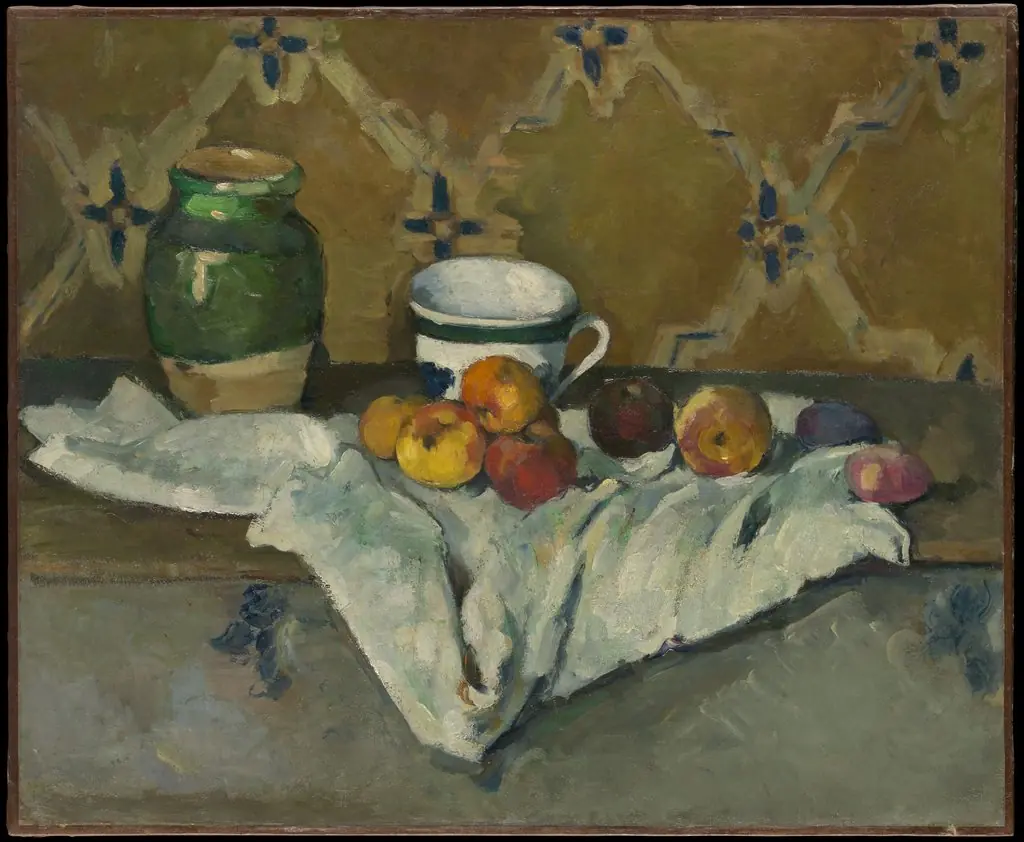 Still Life with Jar, Cup, and Apples