Artwork
Chalice of the Heart
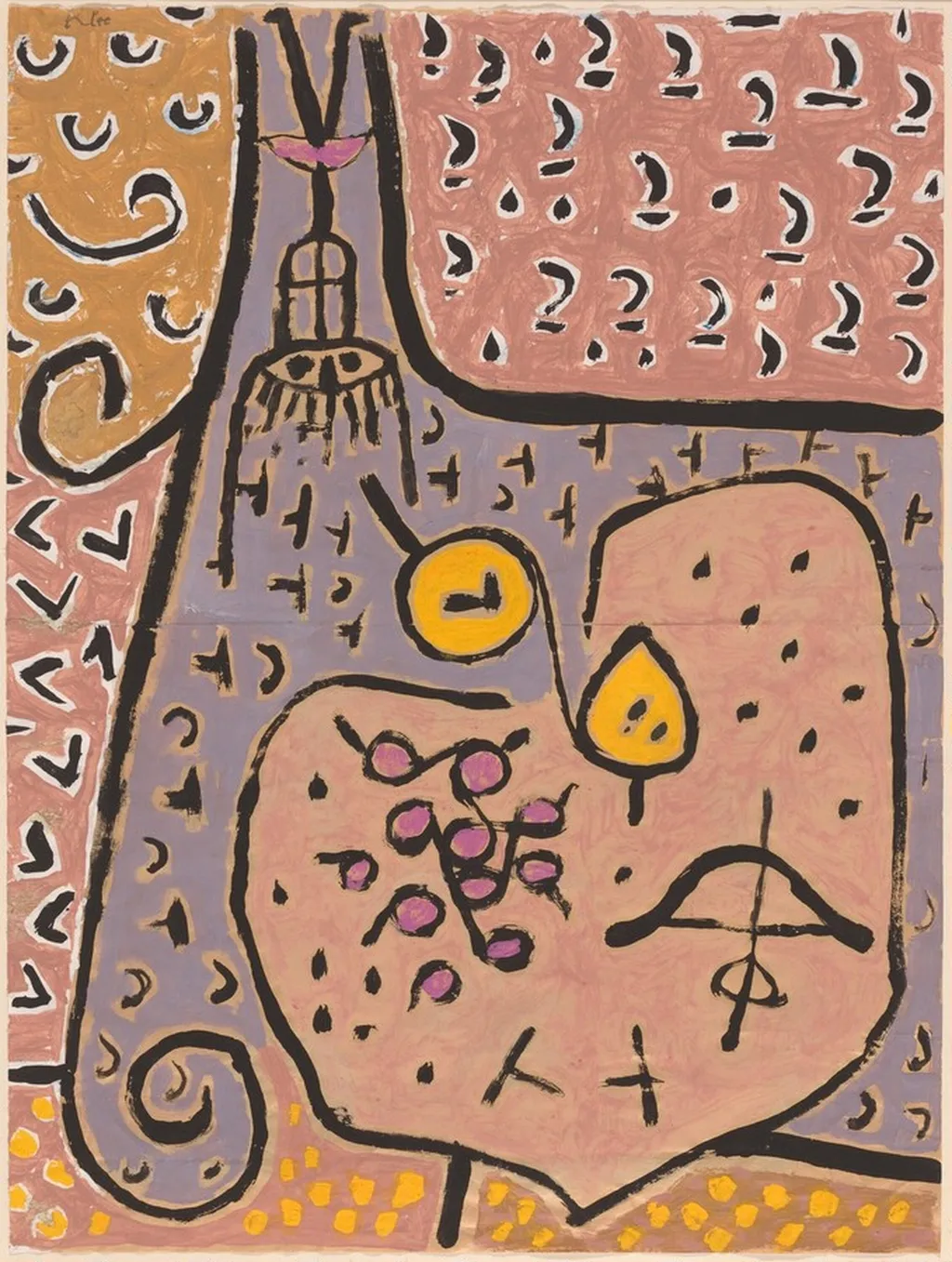
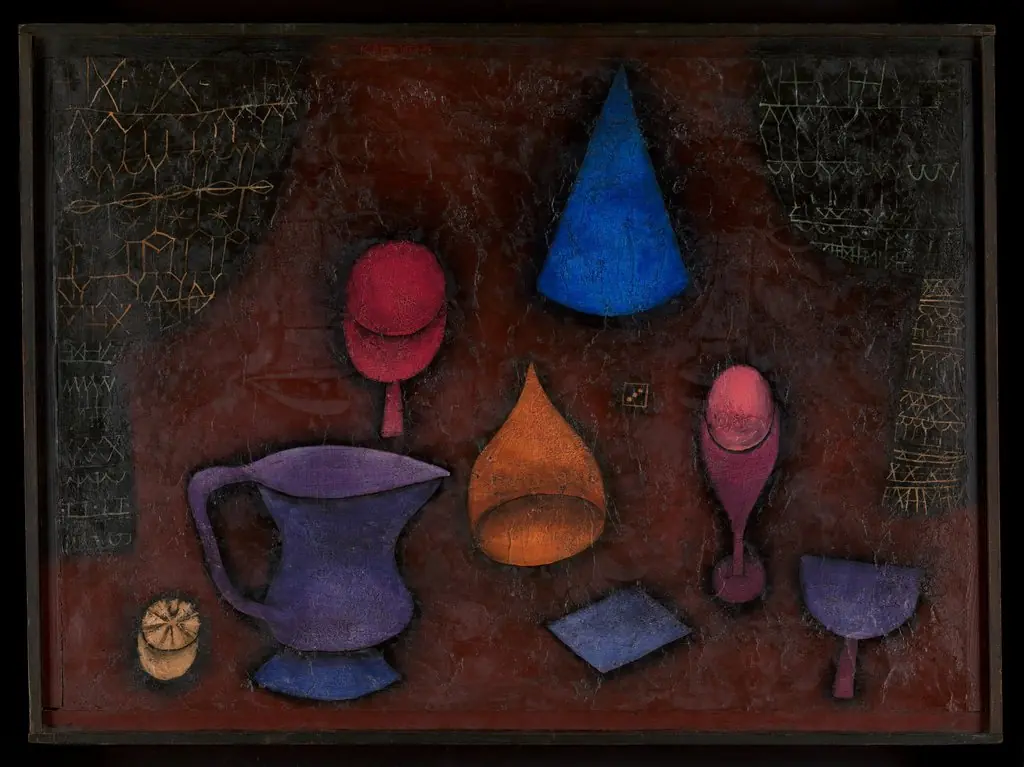
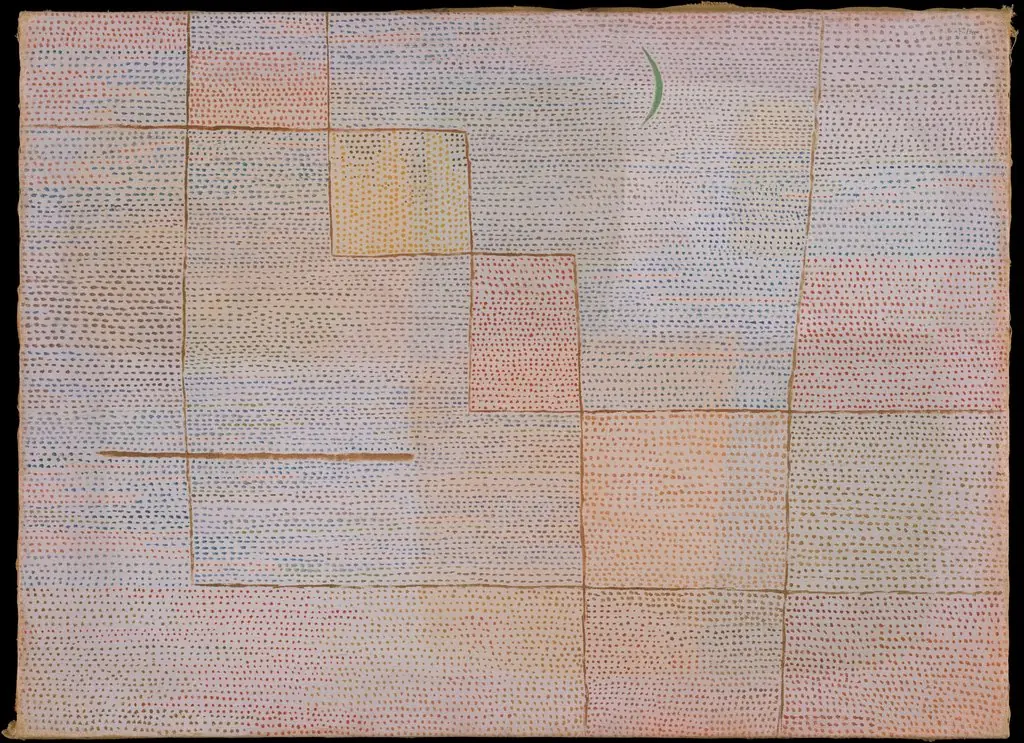
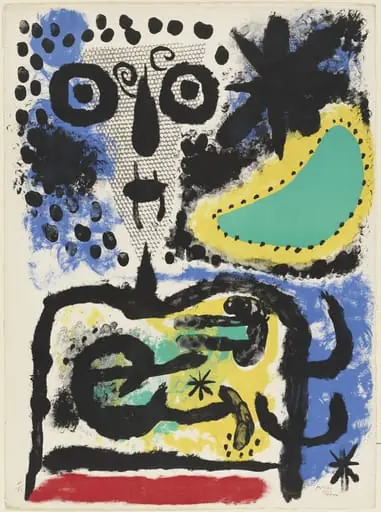
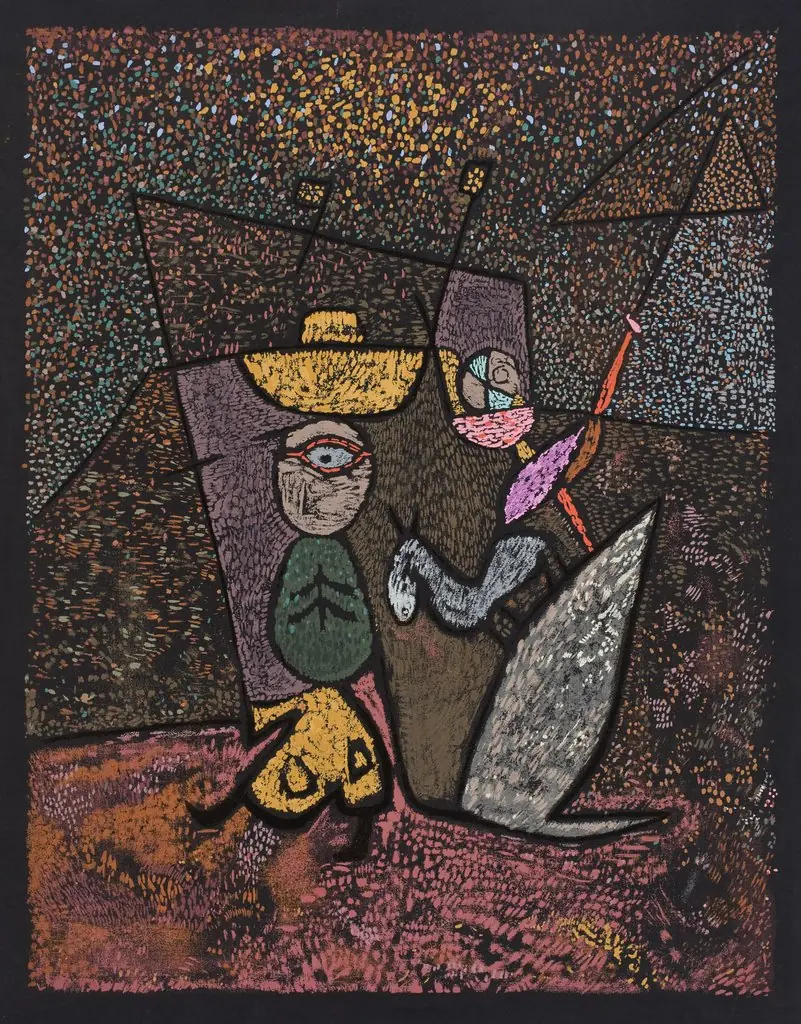
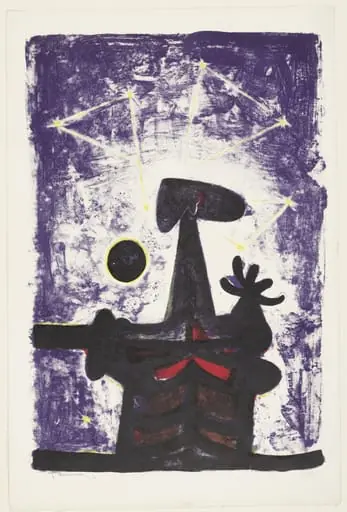
Chalice of the Heart is a gouache painting by the Bauhaus artist Paul Klee. It dates from 1937 and is held in the collection of the National Gallery of Art.
About this work
Overview
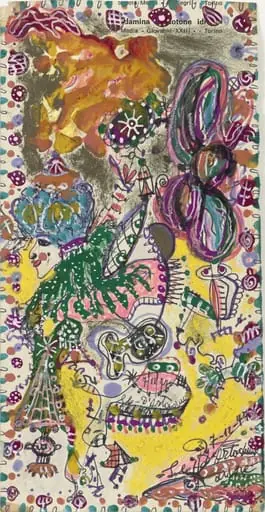
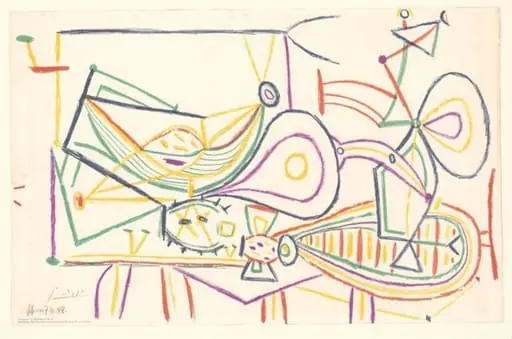
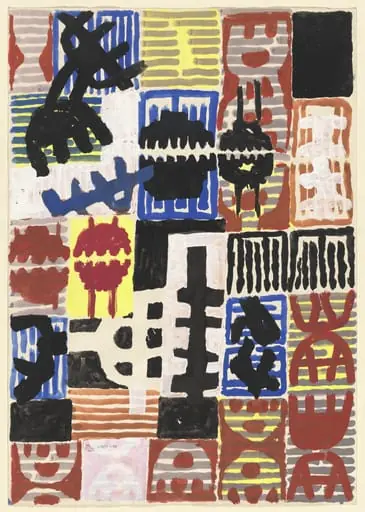
Chalice of the Heart, created by Paul Klee in 1937, is a gouache painting characterized by its vibrant, abstract composition of shapes and colors, reflecting the artist's eclectic style.
Subject & Meaning
The painting's subject is not representational; instead, it conveys emotional and dynamic qualities through abstract forms, aligning with Klee's exploration of expressive and surrealistic tendencies.
Technique & Style
Klee employed gouache paint to achieve bold, flat colors and precise lines, blending elements of expressionism, cubism, and surrealism in a unique, design-conscious manner reflective of Bauhaus principles.
History & Provenance
Part of the National Gallery of Art's collection in Washington, D.C., this work is also contextualized by Klee's influential writings on art theory, compiled in the Paul Klee Notebooks.
Context
Created during Klee's engagement with the Bauhaus movement, the piece embodies the era's emphasis on fusing artistic innovation with design principles, alongside his personal theoretical explorations.
Legacy
Chalice of the Heart contributes to Klee's lasting impact on modern art, particularly in abstract expressionism and the integration of color theory into artistic practice, as reflected in his enduring influence on art education and theory.
Own this work as a print
Artist & collection
Artist
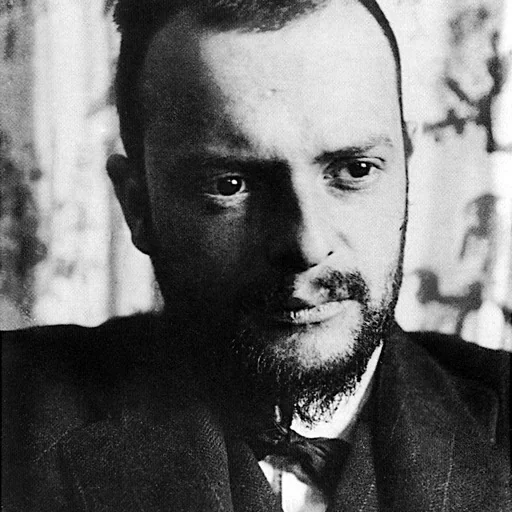
Paul Klee (German:; 18 December 1879 – 29 June 1940) was a Swiss-born German artist.