Artwork
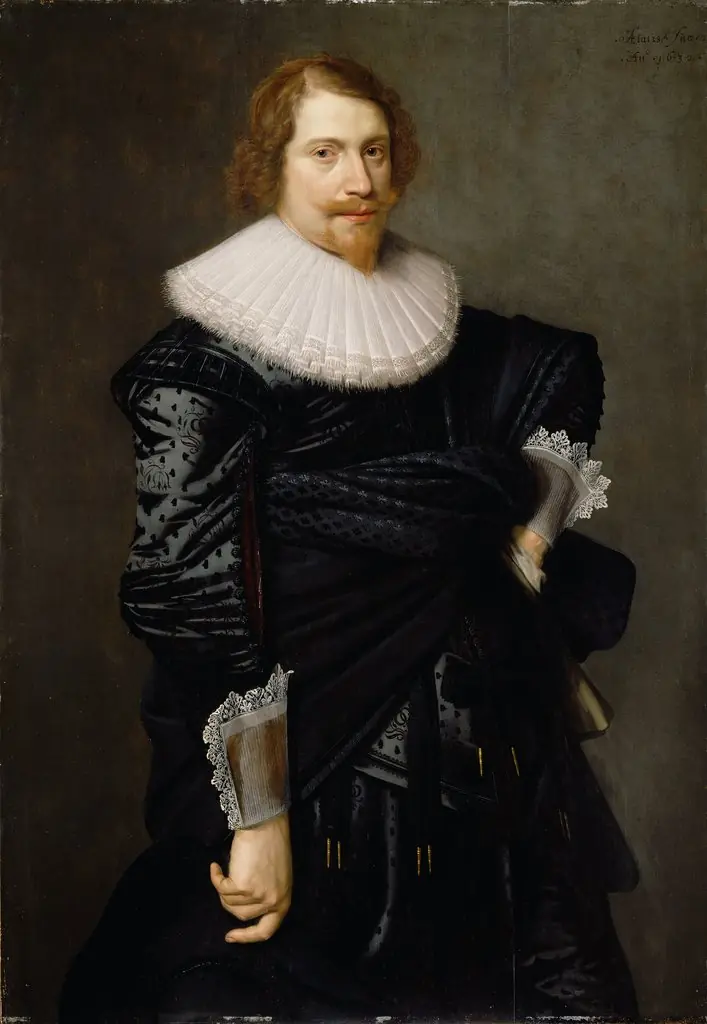
Frederik Dircksz Alewijn (1603-65). Alderman and councillor of Amsterdam
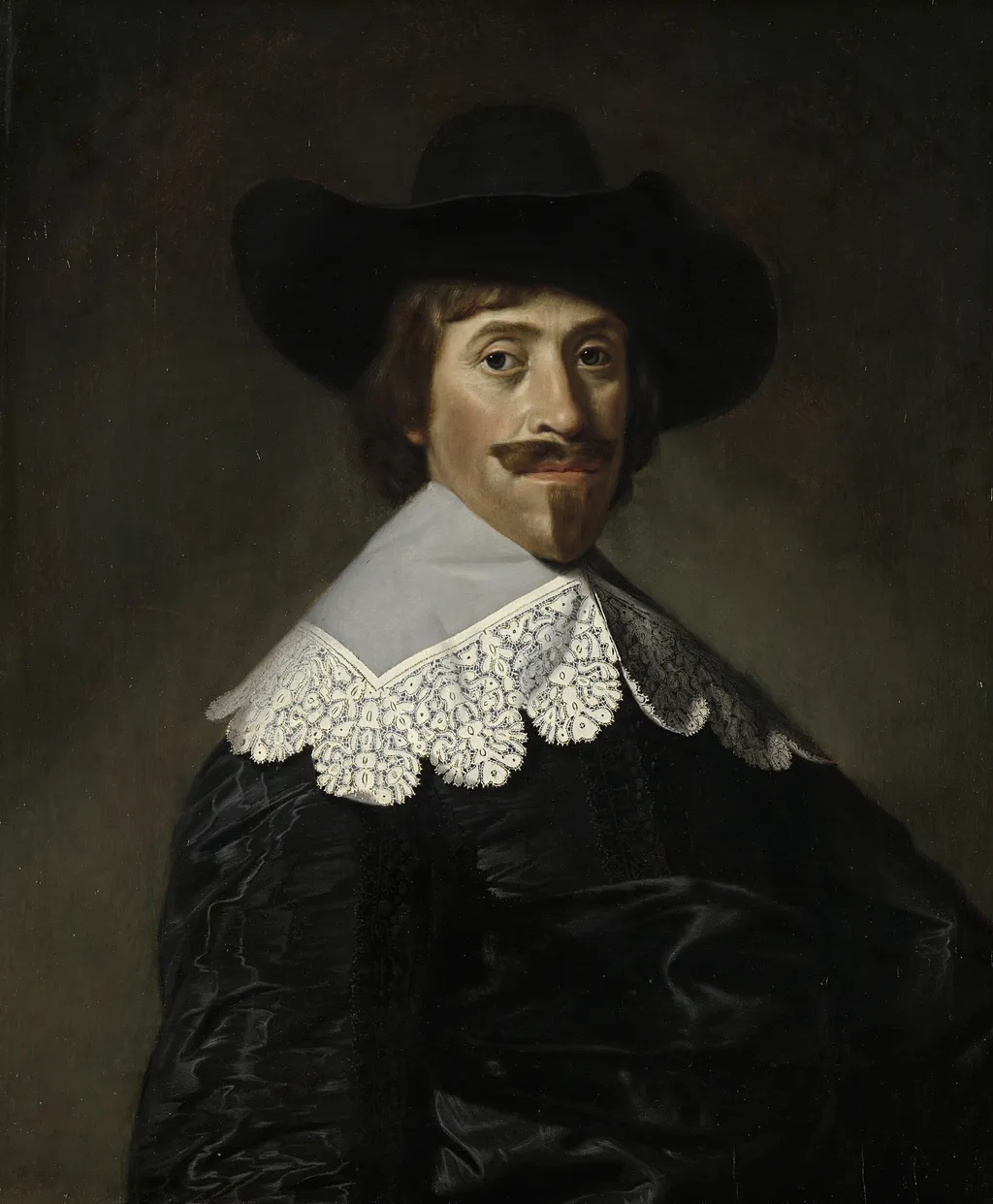
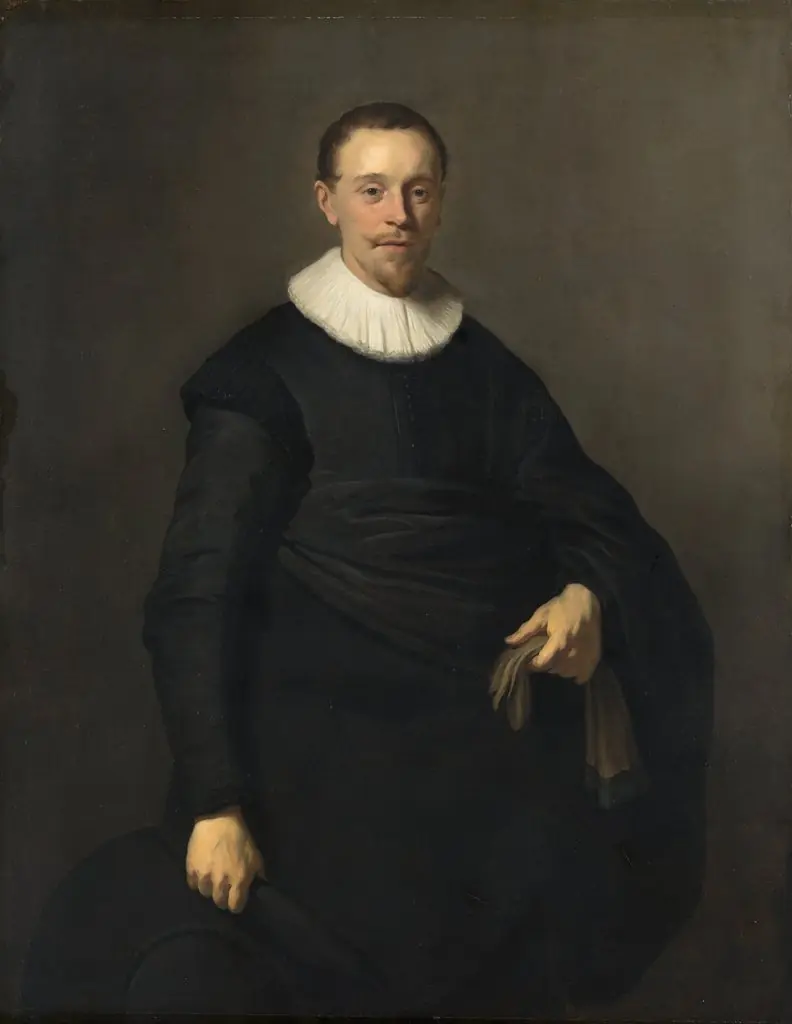
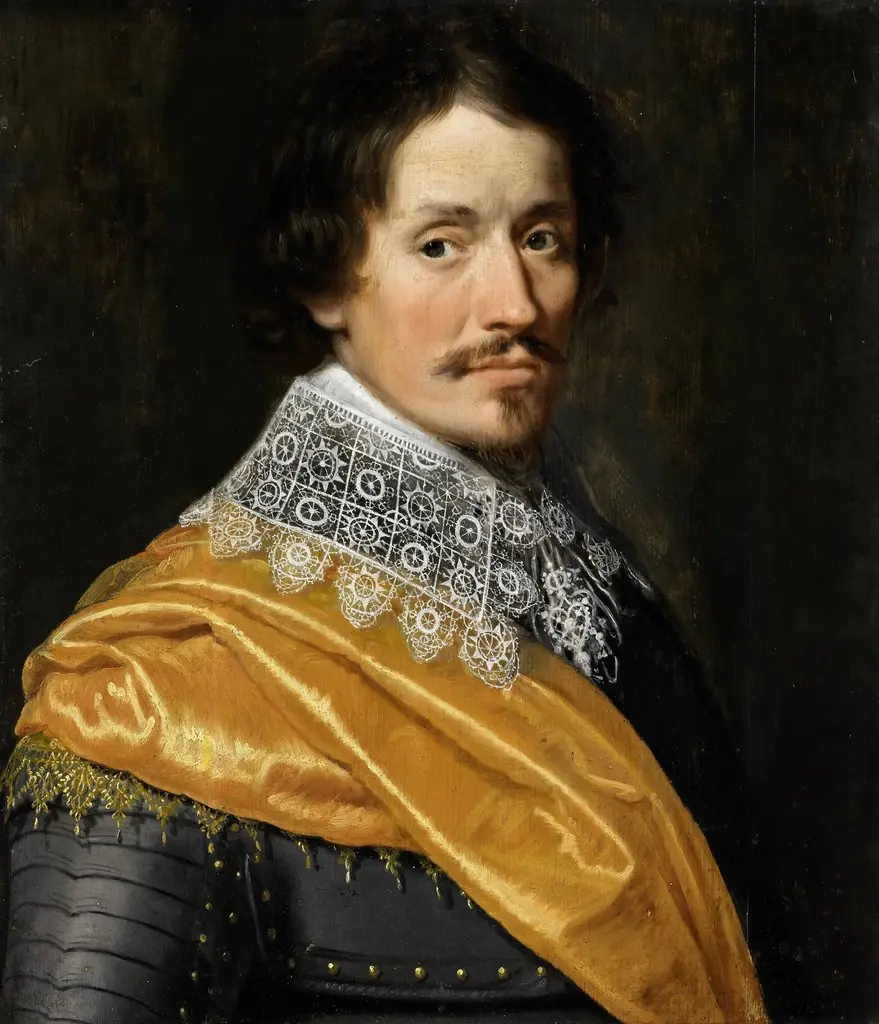
Frederik Dircksz Alewijn (1603-65). Alderman and councillor of Amsterdam is an oil painting by the Dutch Golden Age artist Dirck van Santvoort. It dates from 1640 and is held in the collection of the Rijksmuseum.
About this work
Technique & Style
It is classified as a portrait genre painting, depicting the subject in a formal manner consistent with the artist Dirck van Santvoort's practice.
Created in 1640, this portrait of Frederik Dircksz Alewijn is executed in oil paint on a panel support. The work measures 72 cm in height and 61 cm in width. It is classified as a portrait genre painting, depicting the subject in a formal manner consistent with the artist Dirck van Santvoort's practice.
The surface condition and specific handling of the paint are not detailed in the available records, but the medium and dimensions are established.
History & Provenance
The portrait of Amsterdam alderman and councillor Frederik Dircksz Alewijn was created in 1640 by Dirck van Santvoort. It was painted on panel and executed in oil paint, measuring 72 cm by 61 cm. The work entered the collection of Dirk Margarethus Alewijn before being acquired by the Rijksmuseum, where it remains on display. Its creation history is tied to its commission as a civic portrait, reflecting the subject's municipal role.
The portrait of Frederik Dircksz Alewijn is held by the Rijksmuseum, where it forms part of the museum's collection of Dutch Golden Age portraits. The work is catalogued as an oil painting on panel measuring 72 by 61 centimetres.
Before entering the Rijksmuseum, the painting was owned by Dirk Margarethus Alewijn, indicating a line of descent within the Alewijn family from the original sitter. No exhibition history is documented in the available sources.
Overview
Dirck van Santvoort’s 1640 oil portrait presents Frederik Dircksz Alewijn, a prominent civic official of Amsterdam. The canvas, now part of the Rijksmuseum collection, captures the alderman and councilor in a formal pose that emphasizes his status and the conventions of mid‑seventeenth‑century portraiture.
Subject & Meaning
Frederik Alewijn is shown wearing a black robe and a wide, intricately patterned lace collar, symbols of his municipal authority and wealth. His composed, serious expression suggests a deliberate self‑presentation intended for official record‑keeping rather than personal intimacy.
Context
During the Dutch Republic’s height, civic portraiture functioned as both personal commemoration and public affirmation of governance. Alewijn’s attire and the painting’s formal composition align with contemporary conventions that linked visual representation to the legitimacy of municipal authority.
Own this work as a print
Artist & collection

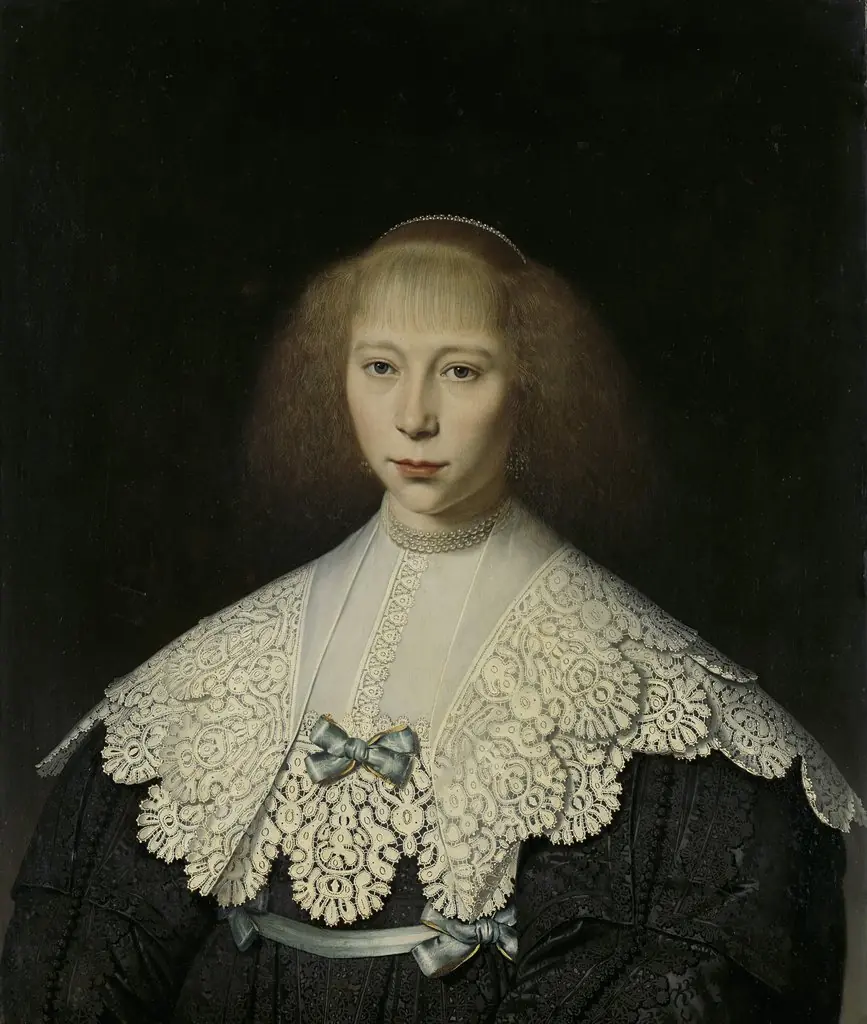
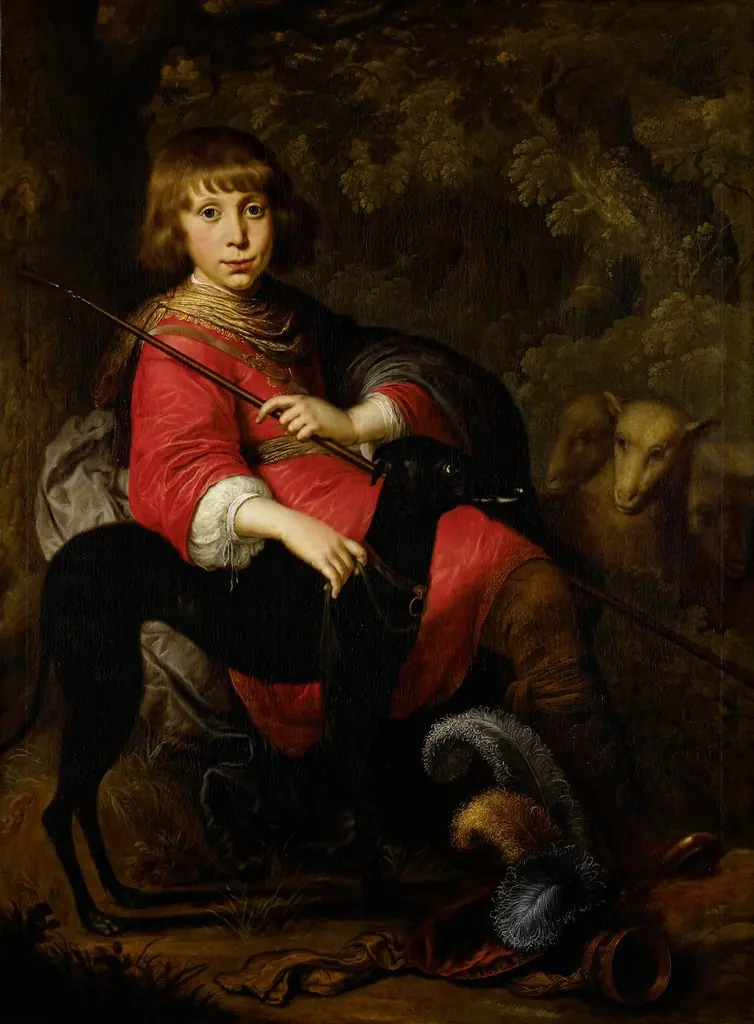
- Portrait of a Man in a Wide-Brimmed Hat
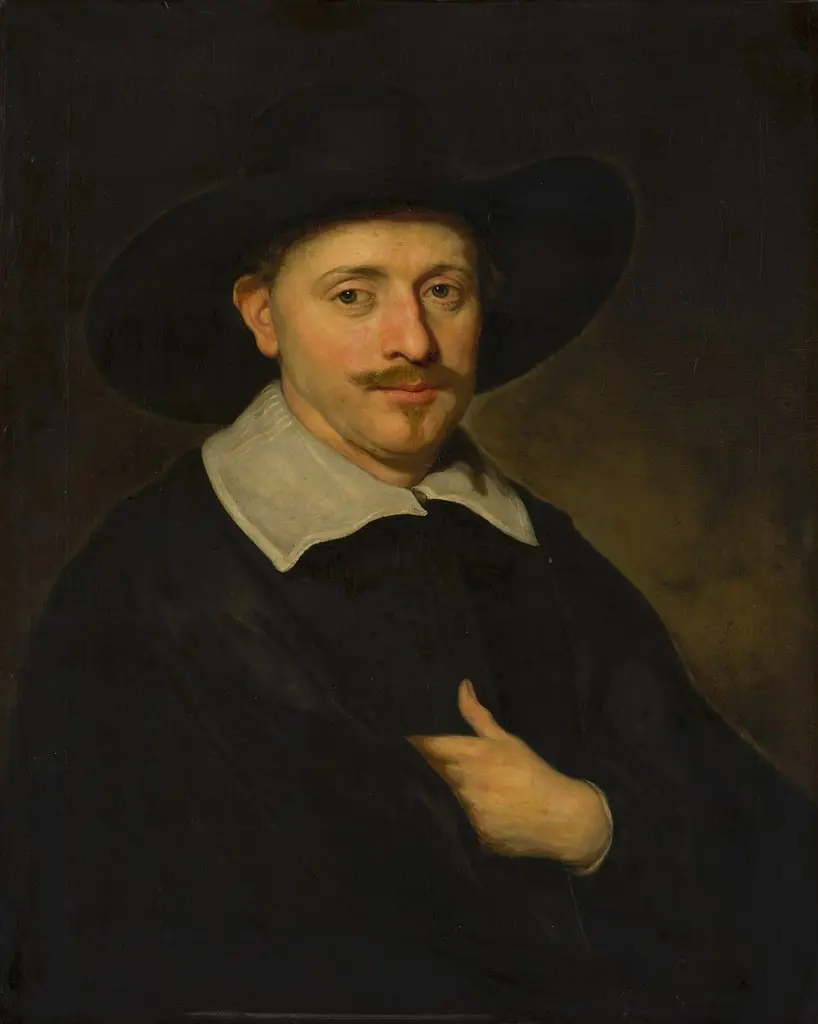 Portrait of a man
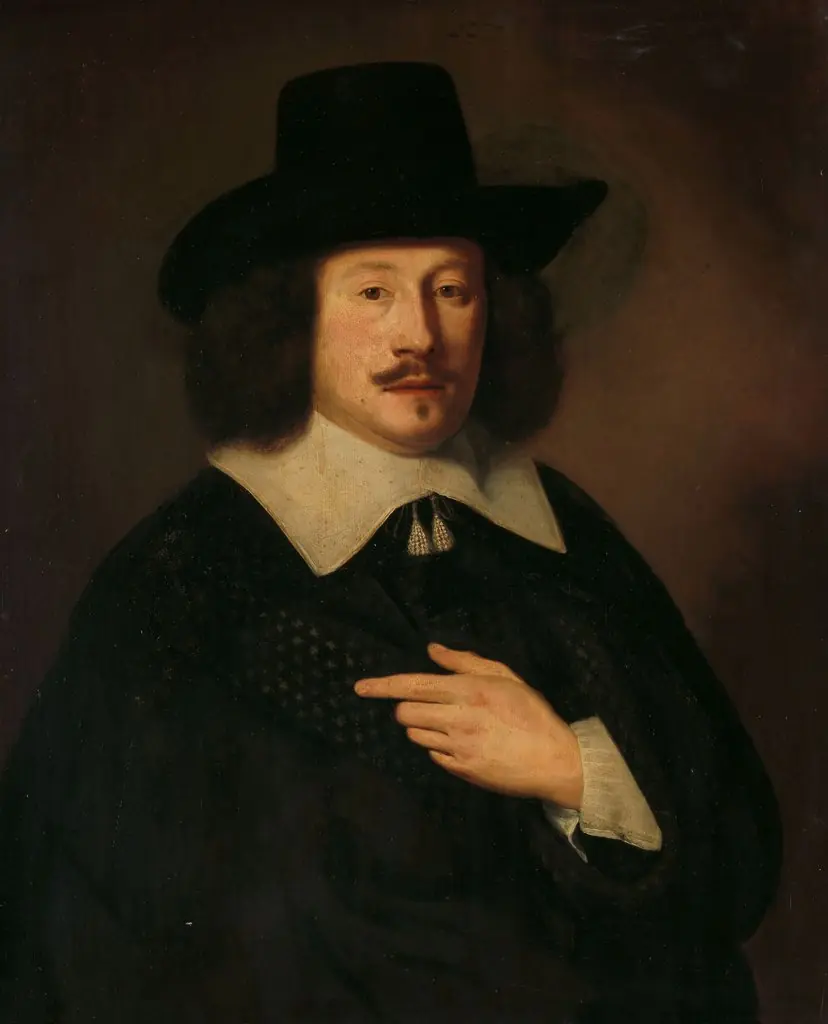 Portrait of a man
 Portrait of a Man
 Portrait of a Man, possibly Jan de Hooghe (1608-1682)
 Portrait of Antonio van Diemen (1593-1645)
 Portrait of a Gentleman
 Portrait of a man
 Man with a Sheet of Music
 Portrait of a Man Wearing a Black Hat
 Portrait of a Man
 Portrait of an officer