Artwork
Self portrait?
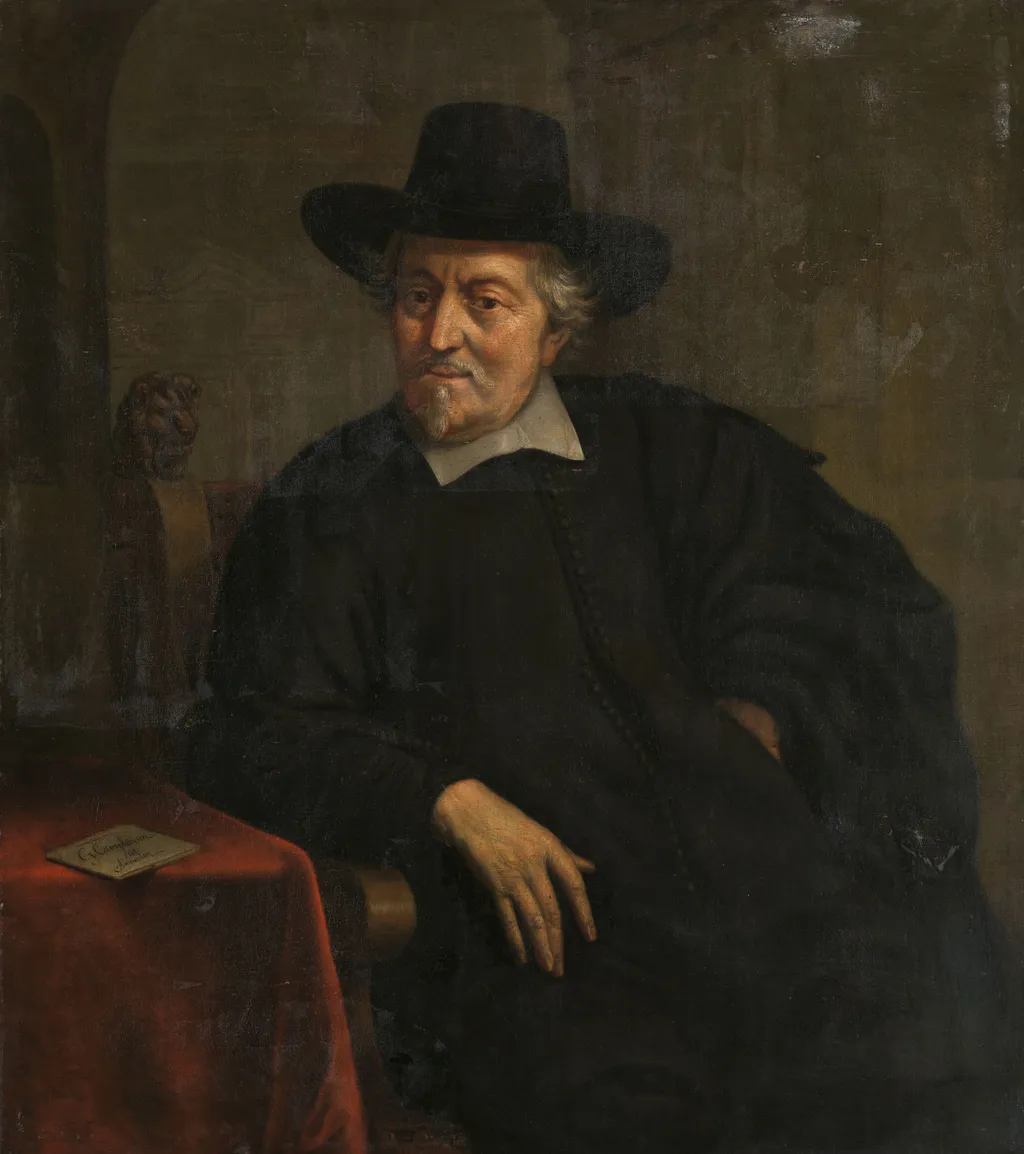
Self portrait? is an oil painting by the Dutch Golden Age artist Govert Dircksz. Camphuysen. It dates from 1660 and is held in the collection of the Rijksmuseum. Created circa 1660, this oil painting is a self‑portrait by Dutch artist Govert Dircksz.
About this work
Subject & Meaning
As the main subject is the artist himself, the piece functions as an assertion of identity and professional presence within the genre of portraiture.
The work depicts the artist Govert Dircksz. Camphuysen, presenting himself as the primary subject of the composition. Classified as a self-portrait, the painting serves as a direct visual representation of the creator, capturing his likeness in oil on canvas.
As the main subject is the artist himself, the piece functions as an assertion of identity and professional presence within the genre of portraiture.
Technique & Style
Created in 1660, this work is an oil painting executed on a canvas support. The piece measures 117 cm in height and 104 cm in width. As a portrait classified within the self-portrait genre, the artwork depicts the artist, Govert Dircksz.
Camphuysen, using oil paint as the primary medium. The handling of the oil paint on the canvas creates a formal representation consistent with the portrait classification of the work.
History & Provenance
Self portrait? was created by the Dutch artist Govert Dircksz. Camphuysen in 1660, executed in oil paint on canvas. The work is classified as a self-portrait, with the artist himself as its main subject. It is held in the collection of the Rijksmuseum, where it remains located.
The available sources do not document a commission history, prior ownership, or chain of custody preceding the Rijksmuseum's acquisition, nor do they record exhibition history or earlier provenance for the painting.
Context
Govert Dircksz. Camphuysen’s Self portrait? (1660) occupies a modest yet intriguing place in Dutch Golden Age portraiture.
While the artist’s oeuvre remains understudied compared to contemporaries like Rembrandt, this work reflects the period’s growing emphasis on introspective self-representation among painters. Scholars have debated the painting’s attribution as a self-portrait, given Camphuysen’s limited documented output in this genre. Its inclusion in the Rijksmuseum’s collection underscores its perceived significance within the canon of 17th-century Dutch art, though critical attention has largely centered on its technical execution rather than broader thematic innovation.
The portrait’s direct gaze and subdued palette align with conventions of Dutch self-portraiture, yet its relative obscurity has limited its impact on art-historical discourse. Unlike Rembrandt’s psychologically charged self-portraits, Camphuysen’s work offers a restrained, almost austere depiction, prompting questions about the artist’s intended audience and artistic ambitions. Its place in scholarship remains peripheral, often serving as a reference point for regional portrait traditions rather than a transformative work.
Overview
Created circa 1660, this oil painting is a self‑portrait by Dutch artist Govert Dircksz. Camphuysen. Executed during the height of the Dutch Golden Age, the work now belongs to the Rijksmuseum’s collection and exemplifies the period’s focus on individual representation.
Own this work as a print
Artist & collection
Artist
Govert Dircksz Camphuysen or also spelled Govaert Camphuijsen (born at Dokkum in 1624, and died in Amsterdam in 1672) was an animal painter, whose style was influenced by Paulus Potter.

- Portrait of a Man in a Tall Hat
 Portrait of the painter Theodor Rombouts
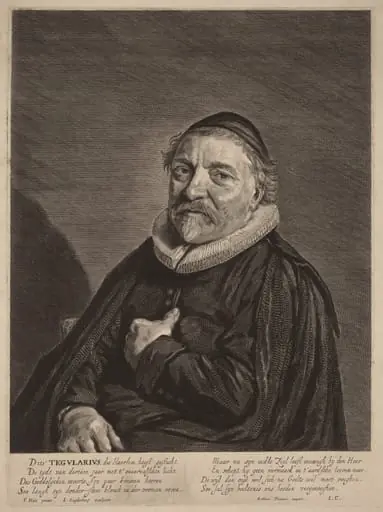 Adriaen Tegularius
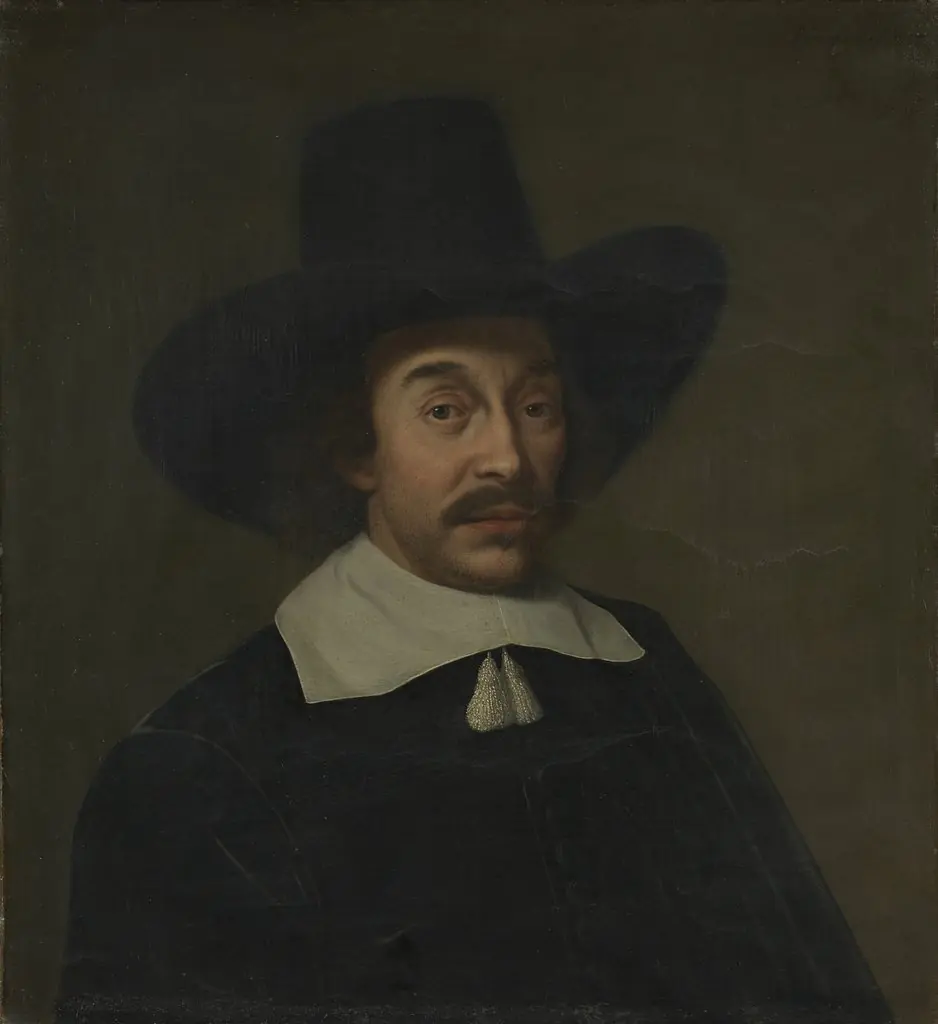 Jan de Hooghe (1608-82). Father-in-law of the painter Ludolf Bakhuysen
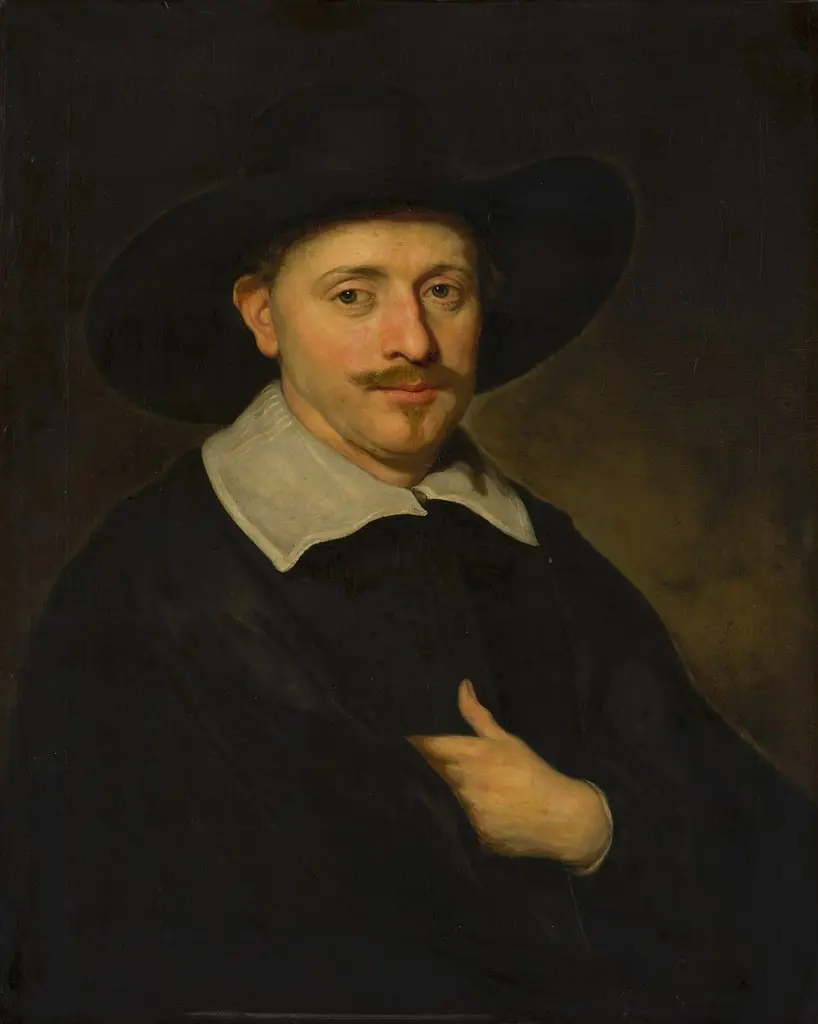 Portrait of a man
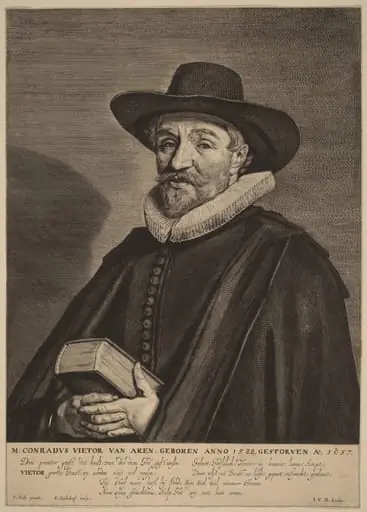 Conrad Vietor van Aken
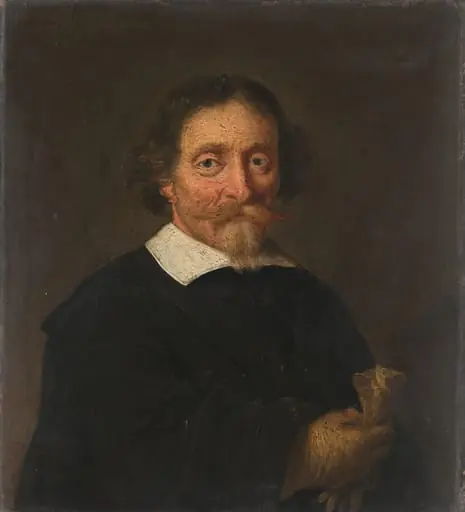 Portrait of a Man
![Portrait of a Gentleman [possibly Jacob van Campen], by Thomas de Keyser](https://artifactworldgallery.com/img/thomas-de-keyser--portrait-of-a-gentleman-possibly-jacob-van-campen--d0c829ca95efaf31-w320.webp) Portrait of a Gentleman [possibly Jacob van Campen]
Portrait of a Gentleman [possibly Jacob van Campen]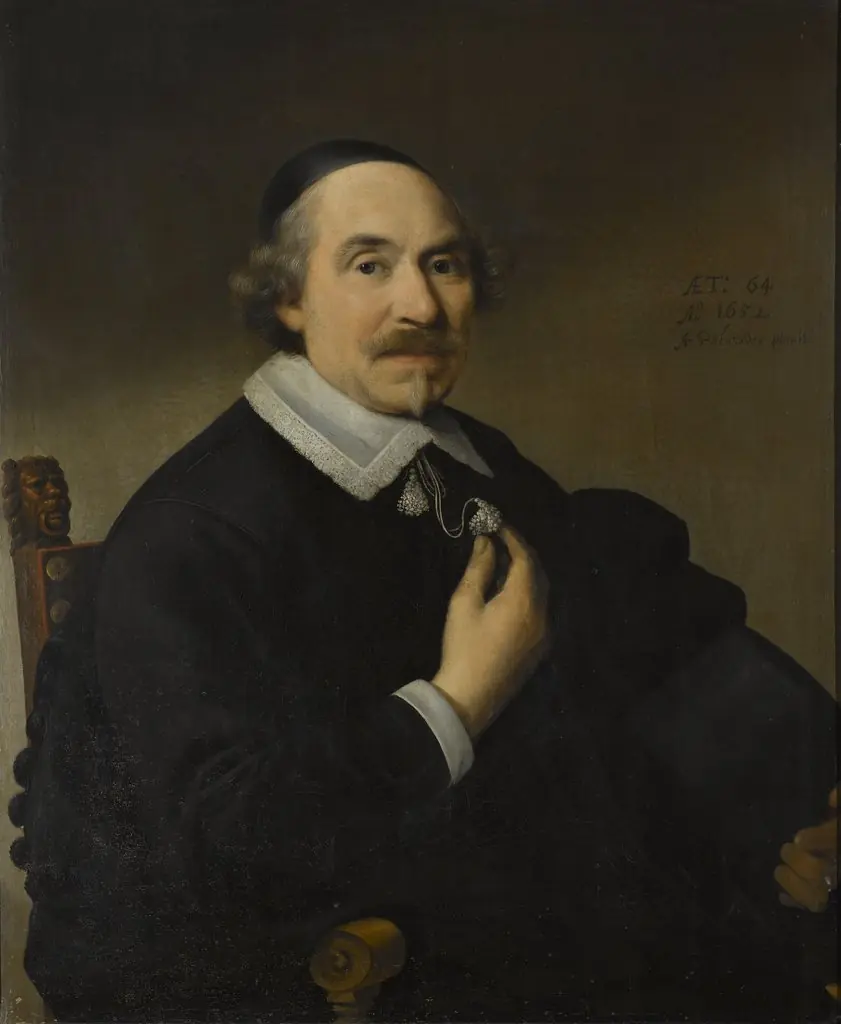 Portrait of a man, probably Pieter Anthonisz van Bronckhorst (1588-1661)
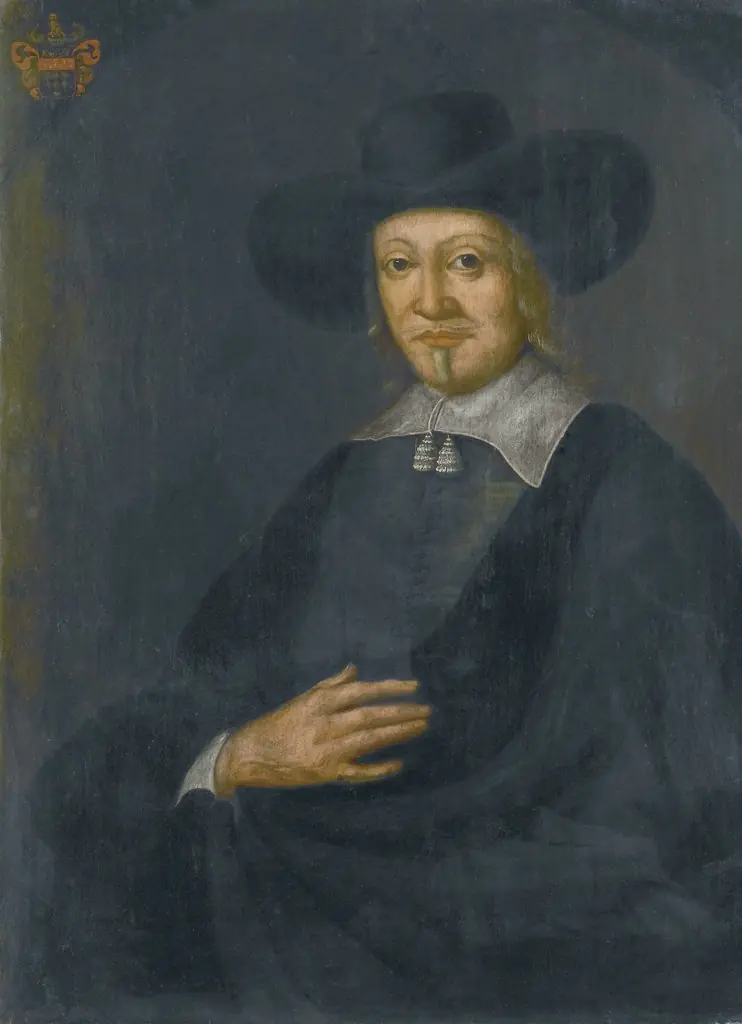 Portrait of Karel Reyniersz, Governor-General of the Dutch East Indies
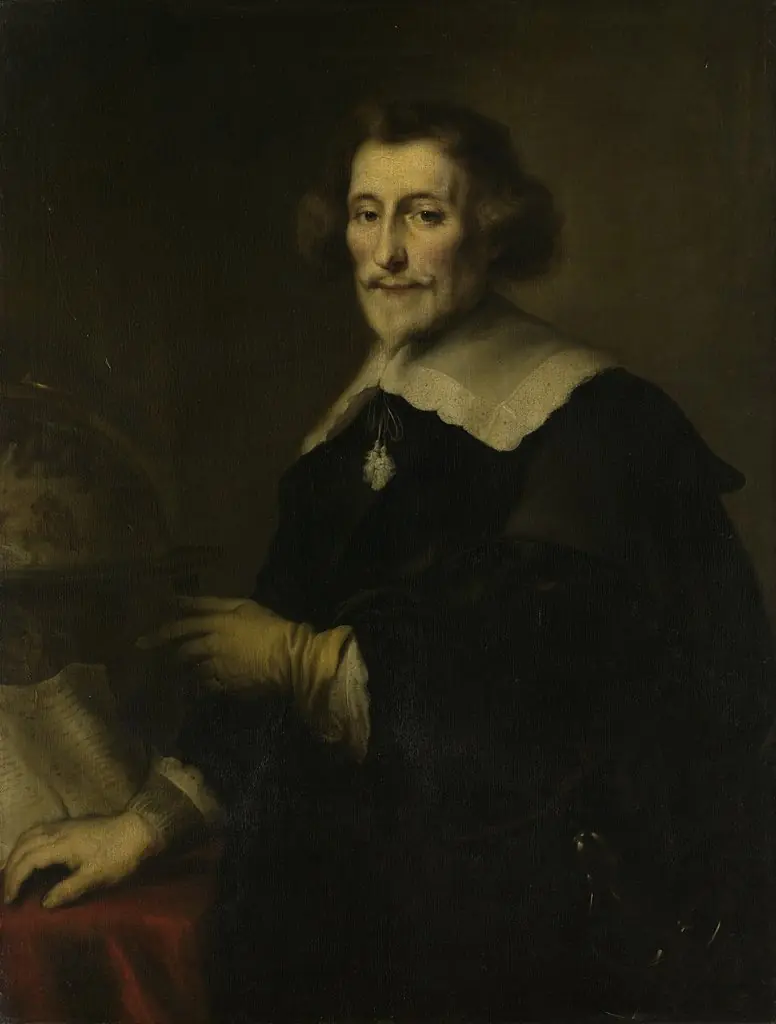 Pieter Cornelisz Hooft (1581-1647). High bailiff of Muiden, historian and poet
 Nicolaes Pietersz Tulp