Artwork
The Steer
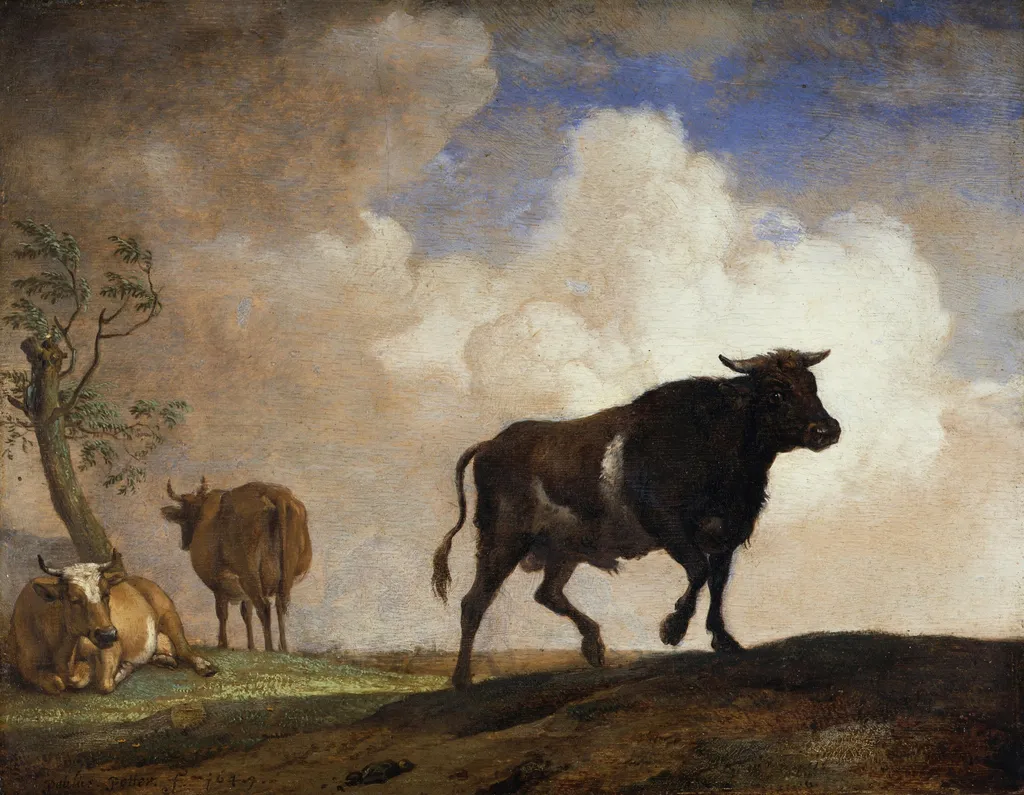
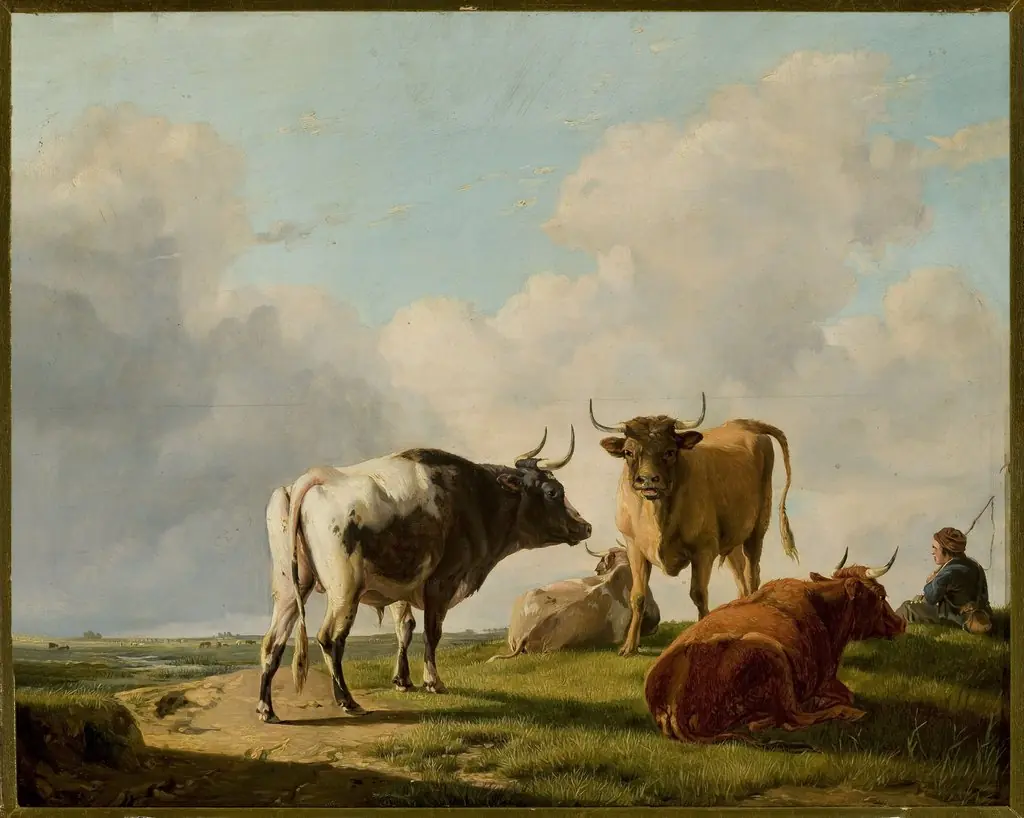
The Steer is a wood painting by the Dutch Golden Age artist Paulus Potter. It dates from 1649 and is held in the collection of the Gemäldegalerie Berlin.
About this work
Technique & Style
The work measures 23 cm in height and 29 cm in width, characterizing it as a small-scale piece.
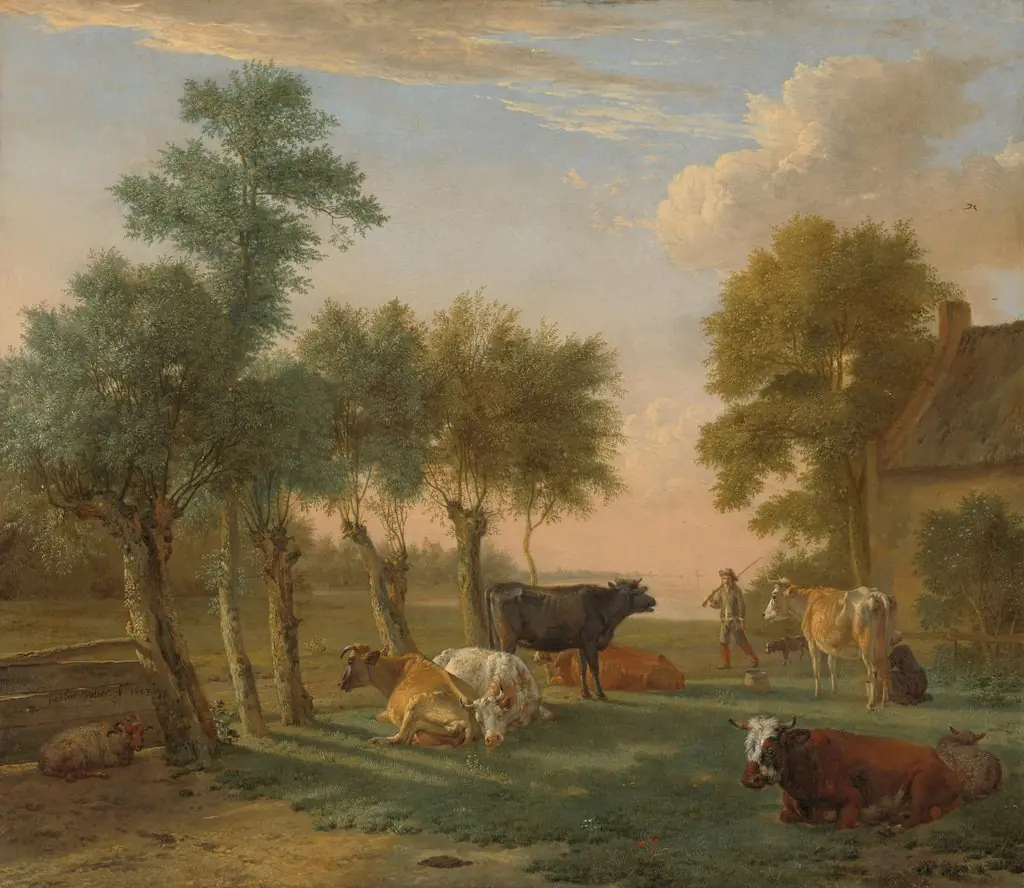
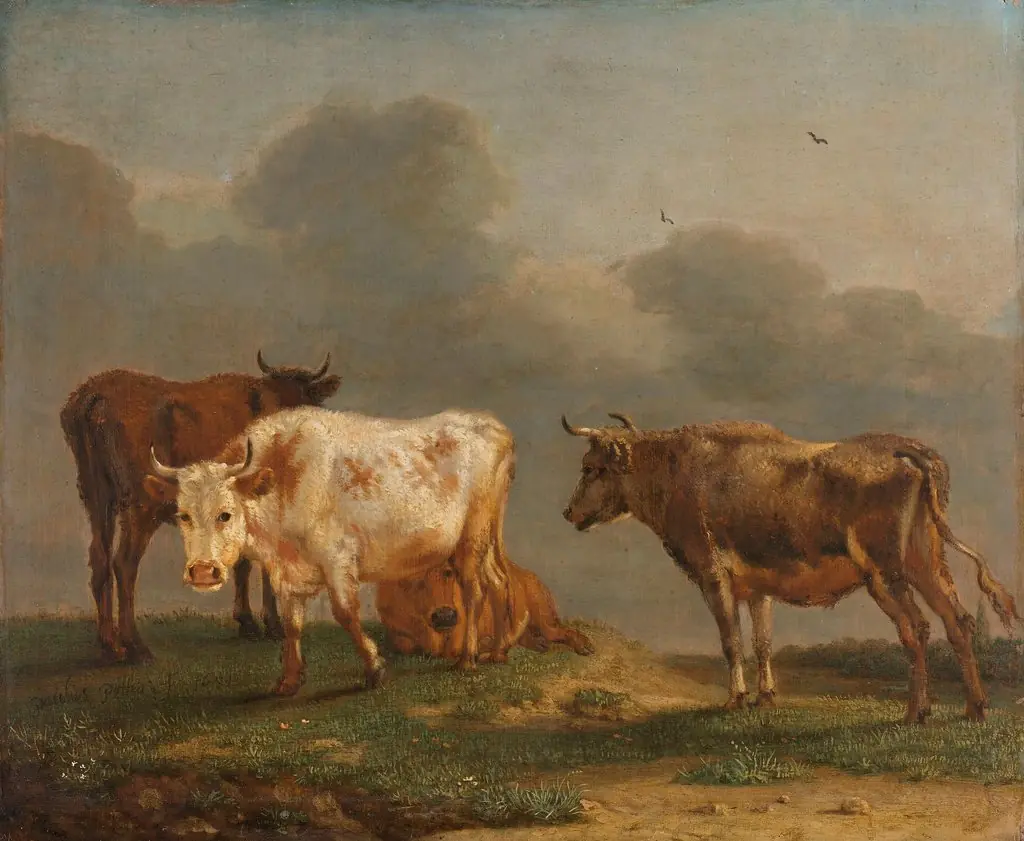
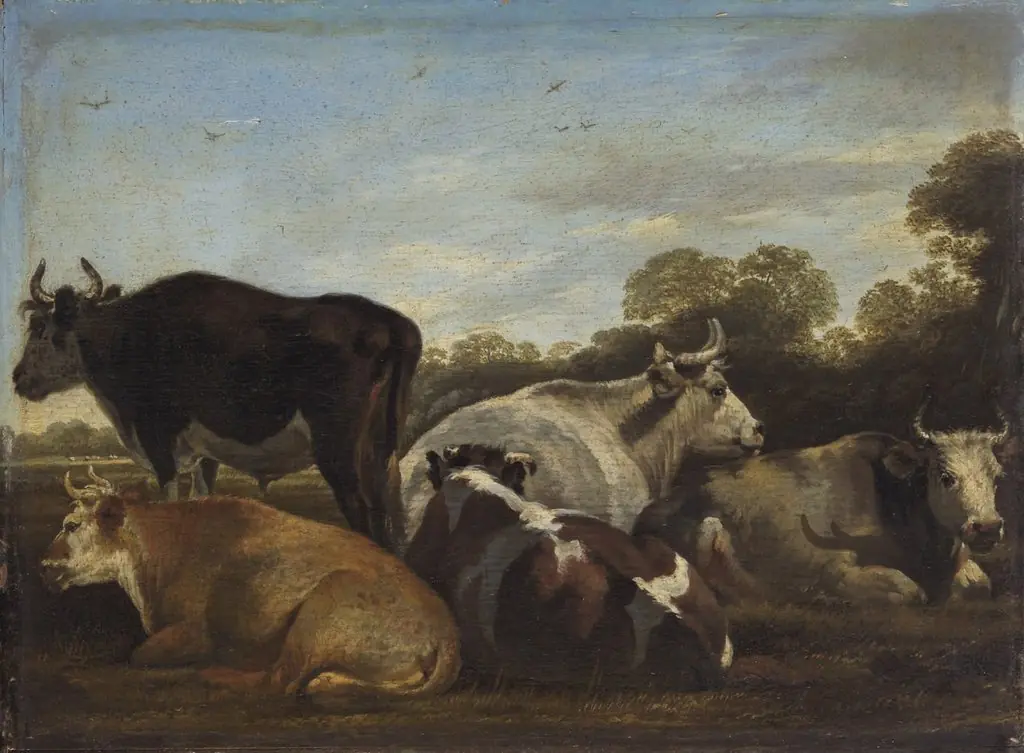
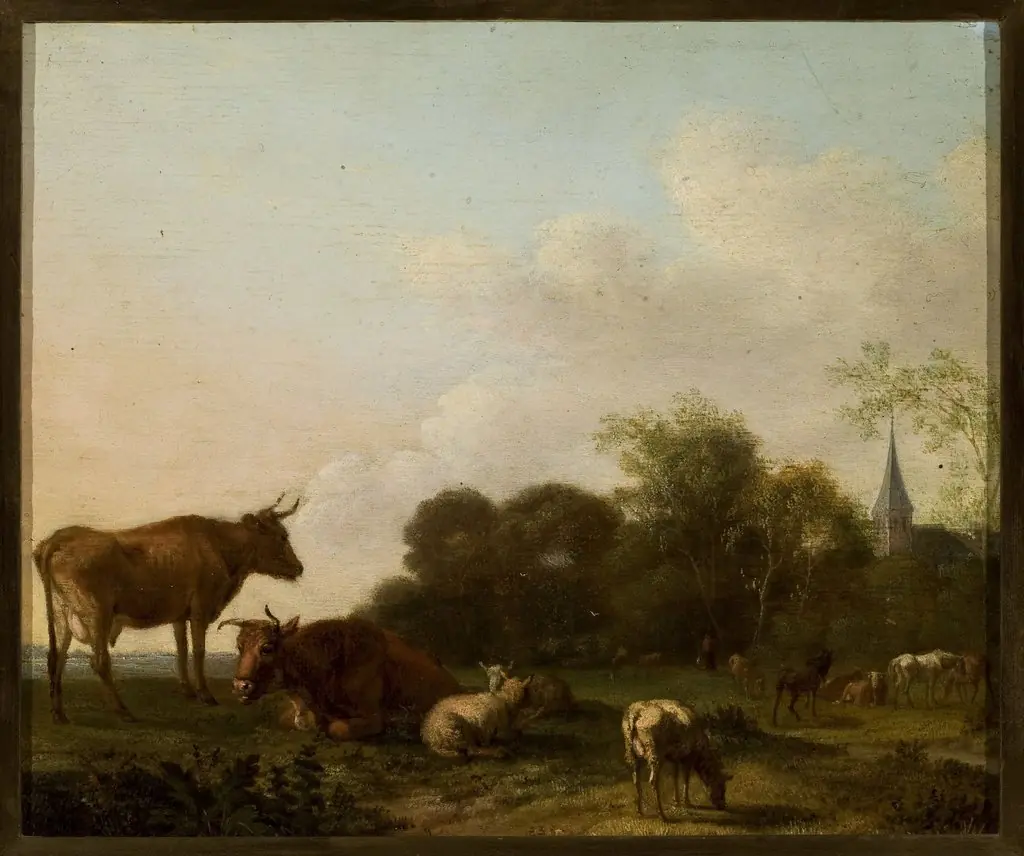
Executed in 1649, The Steer is an oil painting by Paulus Potter rendered on an oakwood panel. The work measures 23 cm in height and 29 cm in width, characterizing it as a small-scale piece. Stylistically, the composition is classified as a landscape painting that focuses on rural animal subjects, specifically depicting a bull and other cattle situated near a tree.
The choice of oak as a support was a common practice for Dutch Golden Age panel paintings of this period, providing a rigid and durable surface for the artist's detailed naturalistic approach.
History & Provenance
Paulus Potter painted The Steer in 1649, executed in oakwood as a landscape painting now housed in the Gemäldegalerie Berlin. The work entered the museum's collection and remains part of its permanent display, reflecting a continuous ownership chain from creation to present custody.
The Steer, painted by Paulus Potter in 1649 on oakwood, is held in the collection of the Gemäldegalerie Berlin. The painting, a small landscape measuring 23 cm in height by 29 cm in width, is catalogued within the museum's holdings of Potter's work.
No specific exhibition history beyond its current placement in the Gemäldegalerie Berlin is documented in the available sources, and no accession or inventory number has been recorded.
Overview
Created in 1649, The Steer is an oak‑panel painting by Dutch artist Paulus Potter. Executed during the height of the Dutch Golden Age, the work measures roughly a modest size and is now part of the collection of the Gemäldegalerie in Berlin. It exemplifies Potter’s focus on rural animal life, a theme he pursued throughout his brief career.
Subject & Meaning
The composition presents a small herd in an open field: a dominant bull strides toward the right, flanked by two stationary cows, while a younger animal lies near a solitary tree. The arrangement emphasizes the natural hierarchy within the herd and invites contemplation of pastoral labor and the quiet dignity of livestock in 17th‑century Dutch countryside.
Context
Potter’s oeuvre is distinguished by low‑angle viewpoints that place viewers at ground level, a perspective that heightens the immediacy of his animal subjects. The Steer reflects contemporary Dutch interest in agricultural prosperity and the scientific observation of nature, aligning with the period’s broader artistic and economic focus on rural life.
Own this work as a print
Artist & collection
Artist
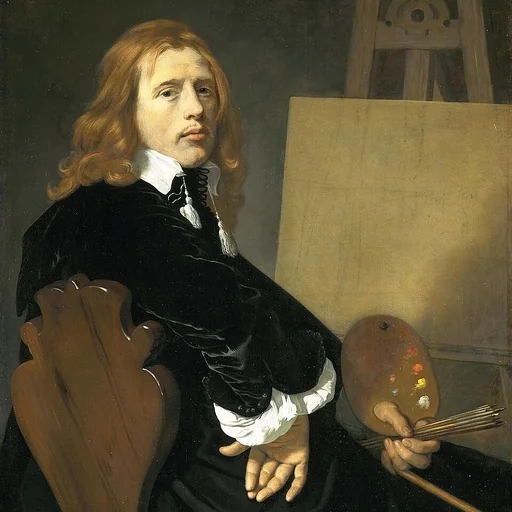
Paulus Potter (Dutch pronunciation:; 20 November 1625 (baptised) – 17 January 1654 (buried)) was a Dutch painter who specialized in landscapes featuring animals, often from a low vantage point.