Artwork
Apparition of the Virgin to a Community of Dominicans
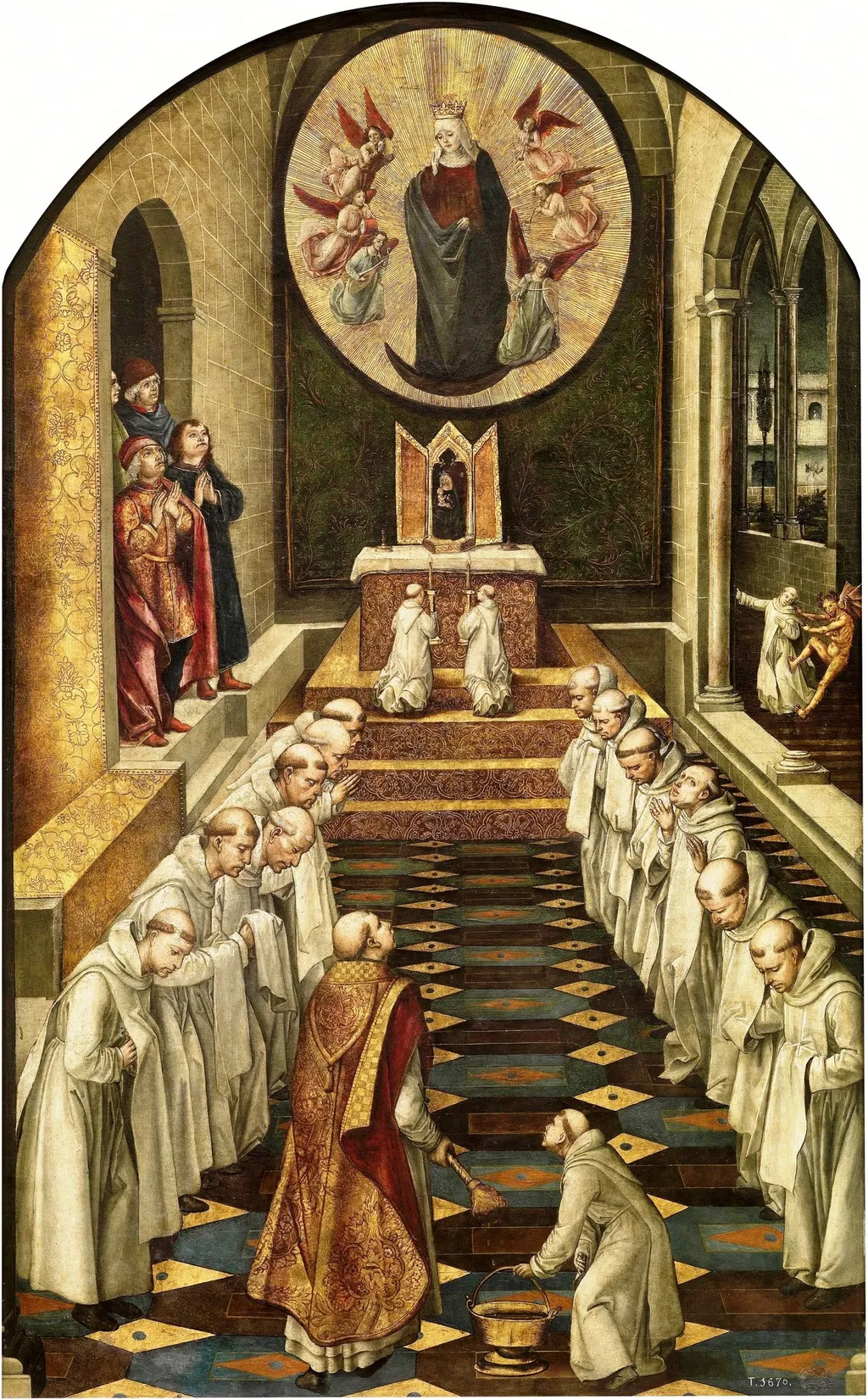
Apparition of the Virgin to a Community of Dominicans is an oil painting by the Early Renaissance artist Pedro Berruguete. It dates from 1497 and is held in the collection of the Museo del Prado.
About this work
Technique & Style
Classified as religious art, the painting depicts a sculpture within its composition, reflecting the artist's engagement with three-dimensional forms.
Pedro Berruguete executed Apparition of the Virgin to a Community of Dominicans in 1493 using oil paint applied to a canvas support. The work measures 130 cm in height and 86 cm in width. Classified as religious art, the painting depicts a sculpture within its composition, reflecting the artist's engagement with three-dimensional forms.
This piece is currently held in the collection of the Museo del Prado, having previously been associated with the Museo de la Trinidad.
History & Provenance
Apparition of the Virgin to a Community of Dominicans was painted by Pedro Berruguete in 1493, as indicated by the work’s inception date. Executed in oil on canvas, the painting entered the collection of the Museo de la Trinidad before being transferred to the Museo del Prado, where it is now housed. While specific details of the original commission or early ownership are not recorded in the available sources, the documented provenance traces the work from its creation in the late fifteenth century through its institutional holdings in Spain.
Overview
Created in 1497 by the Spanish painter Pedro Berruguete, the work titled Apparition of the Virgin to a Community of Dominicans is an oil painting now in the Museo del Prado. Executed in the Hispano‑Flemish idiom, it merges Northern European techniques with Castilian devotional motifs, marking an early phase of Renaissance influence in Spain.
Subject & Meaning
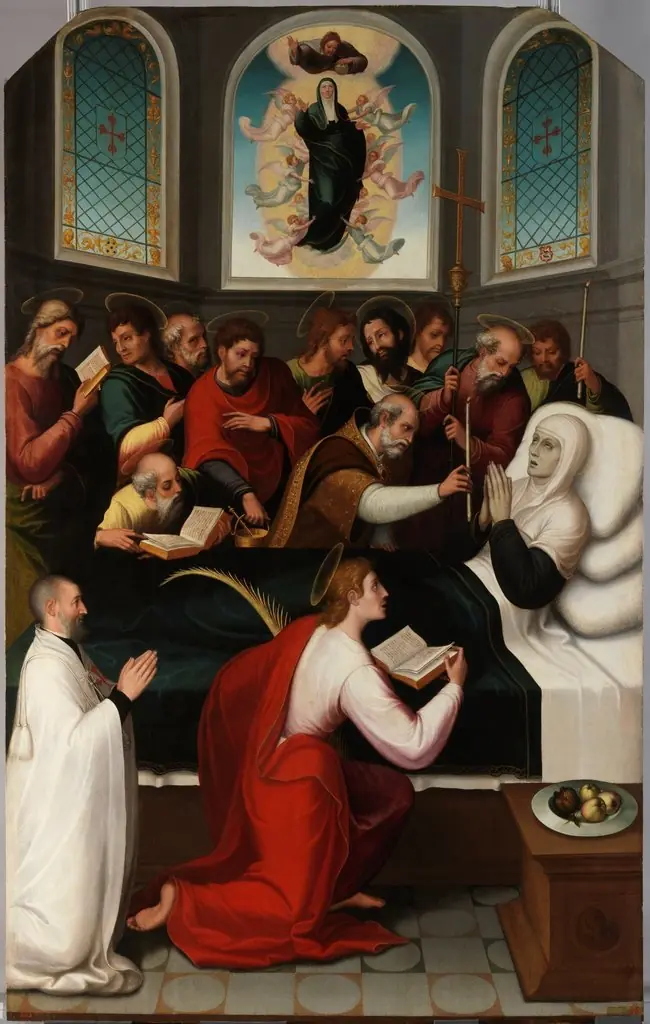
The composition shows a group of cloistered figures in white habits gathered around a luminous Virgin Mary, who is distinguished by a red garment and a black mantle. She is surrounded by a halo and attendant angels, suggesting a miraculous appearance intended for a Dominican community. The scene conveys a moment of divine revelation and communal reverence.
Context
At the close of the 15th century, Spain was absorbing artistic ideas from the Low Countries, and Berruguete’s work reflects this transitional moment. The depiction of a Marian apparition aligns with contemporary devotional trends that emphasized personal encounters with the sacred, particularly within mendicant orders such as the Dominicans, who promoted Marian veneration.
Own this work as a print
Artist & collection
Artist
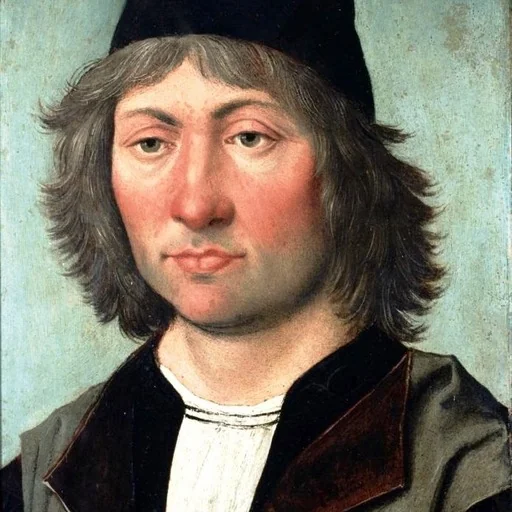
Pedro Berruguete (c. 1450 – 1504) was a Spanish painter who adopted Flemish techniques and conventions and so is part of the Hispano-Flemish style. Berruguete most famously created paintings of the first few years of…

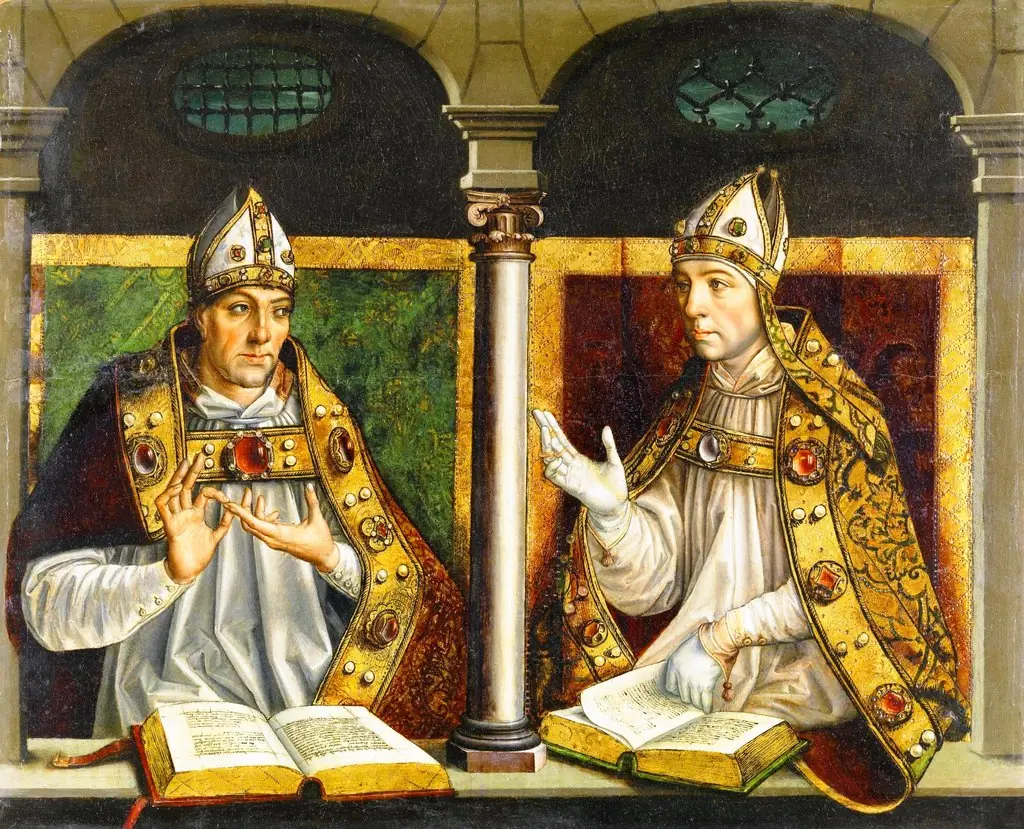
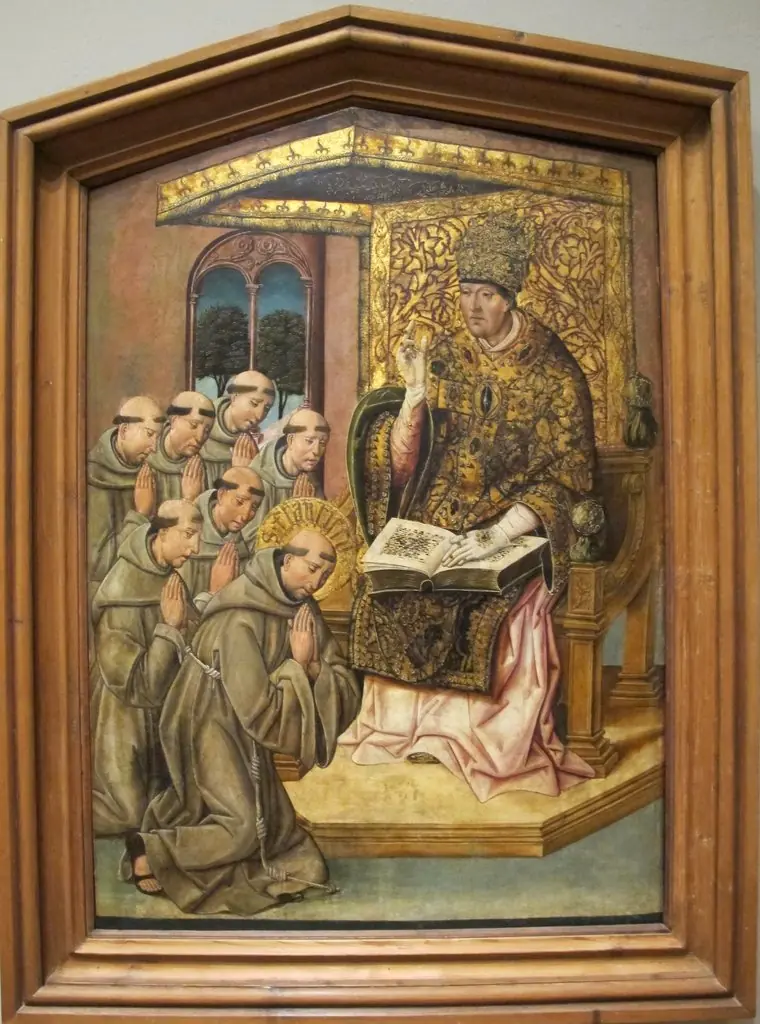
- papa onorio III approva la regola francescana
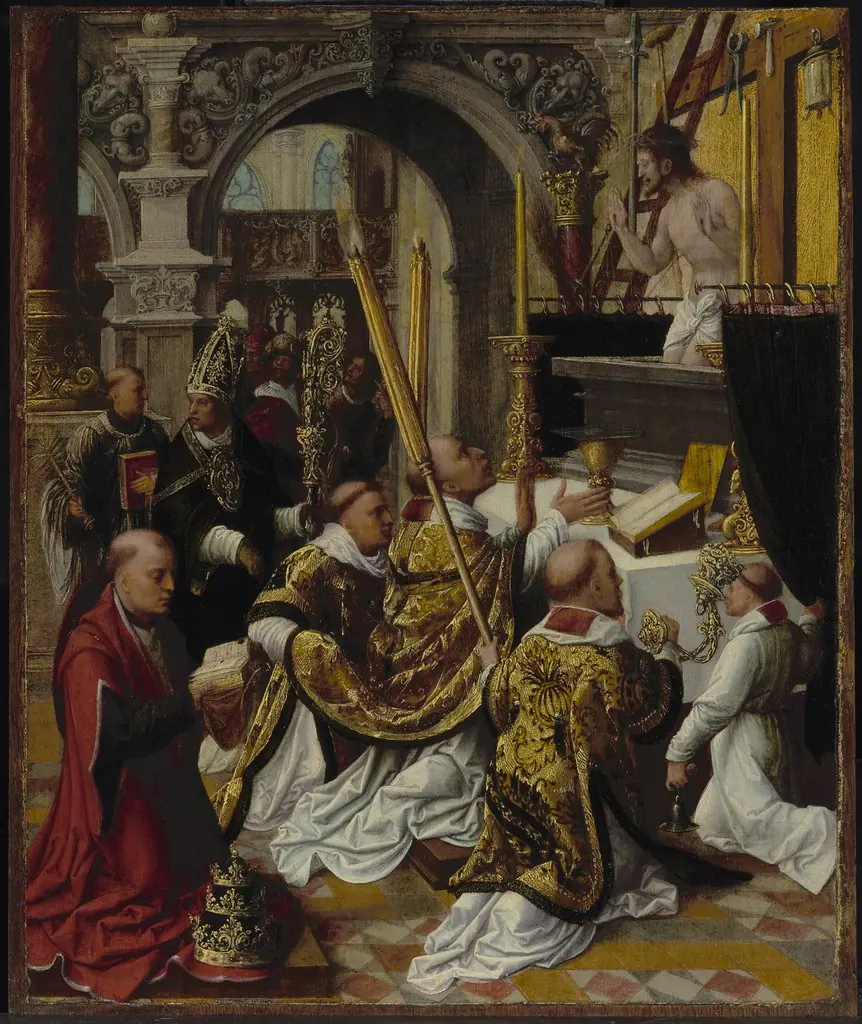 The Mass of Saint Gregory the Great
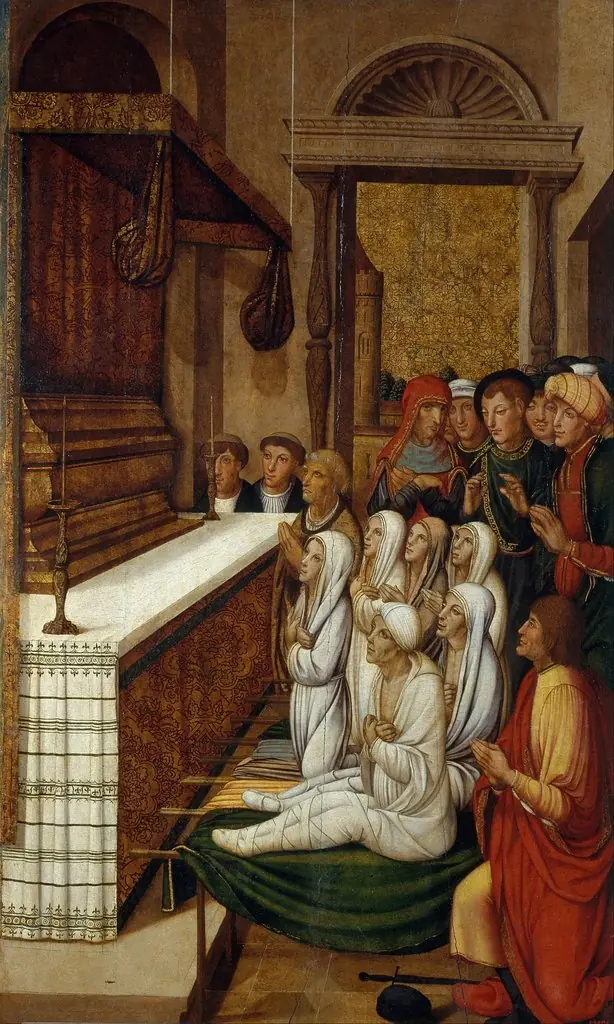 Six Resurrections before the Relics of Saint Stephen
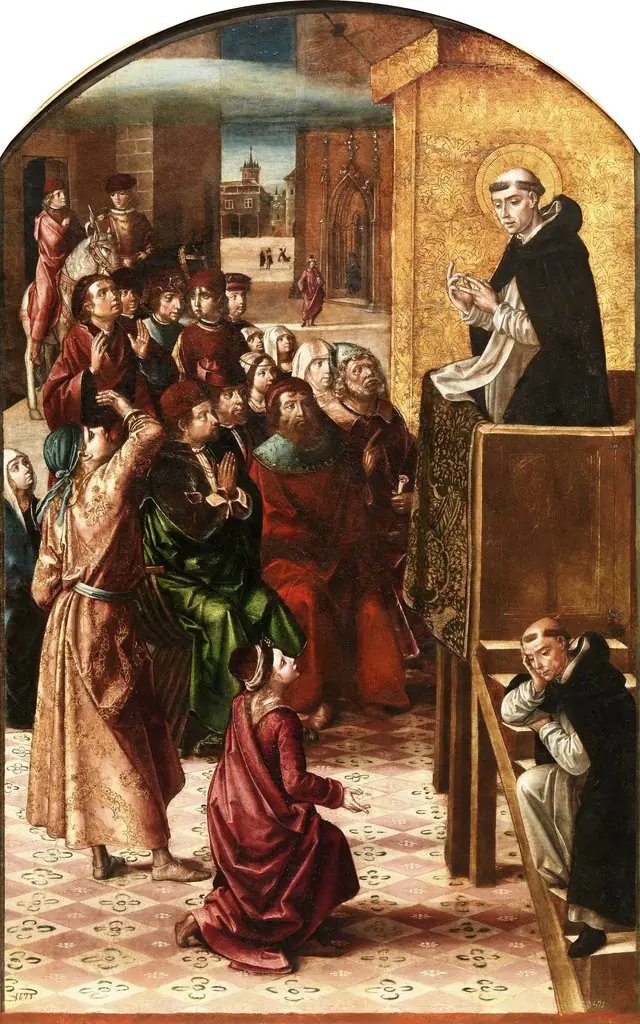 The Miracle of the Cloud
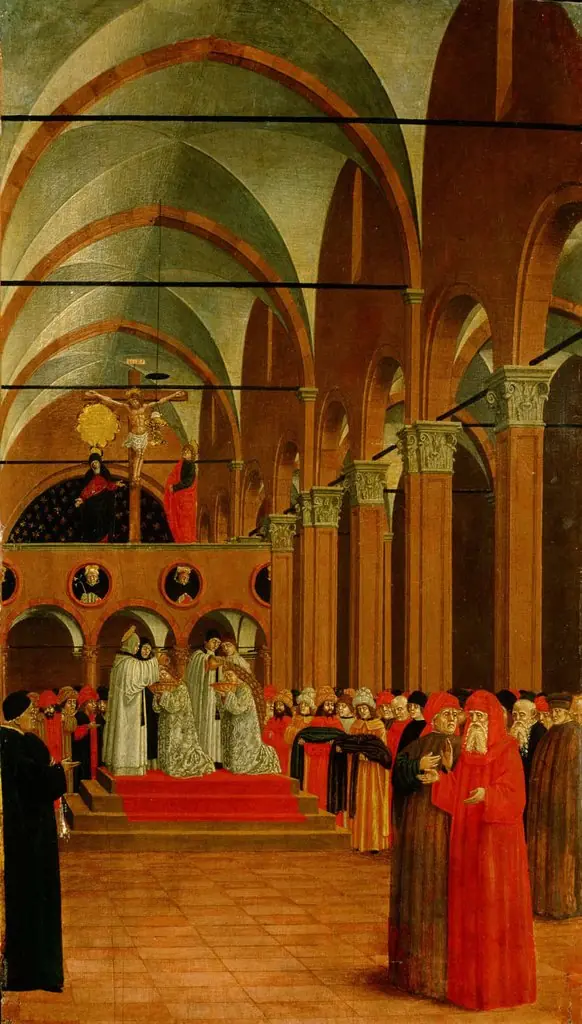 Szene aus dem Leben des Hl. Vinzenz Ferrer: Der Heilige bekehrt und tauft Sarazenen und Juden
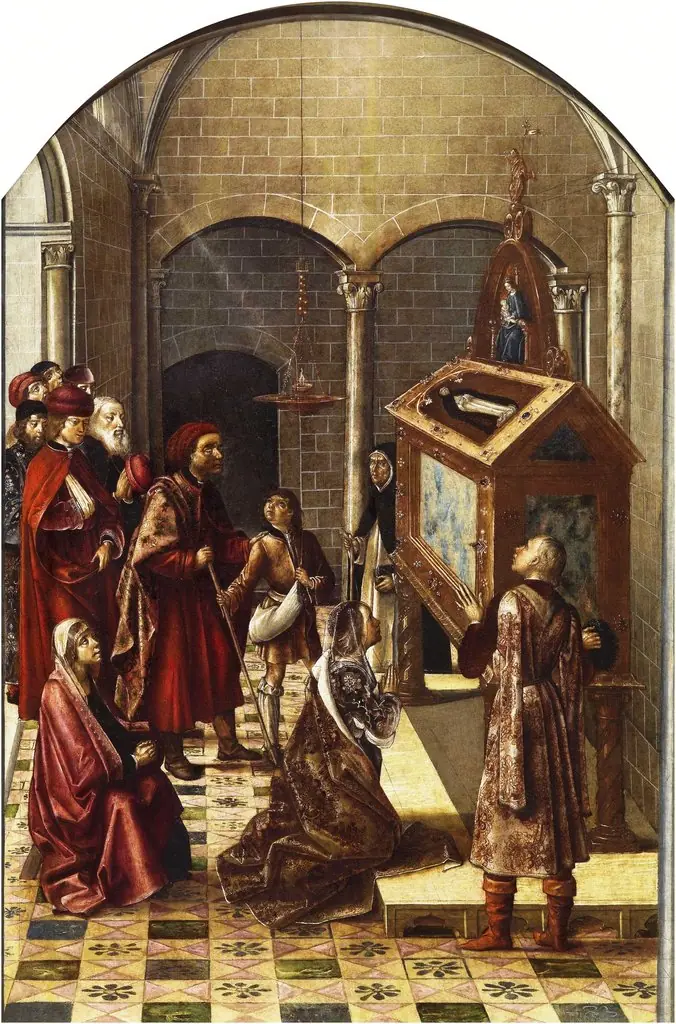 The Adoration of the Tomb of Saint Peter Martyr
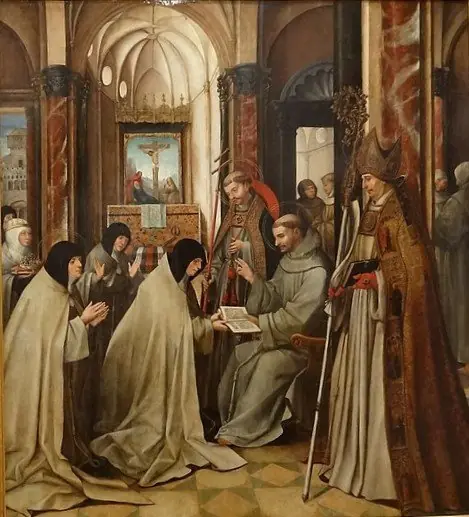 S. Francisco delivering the Statutes of the Order to Santa Clara
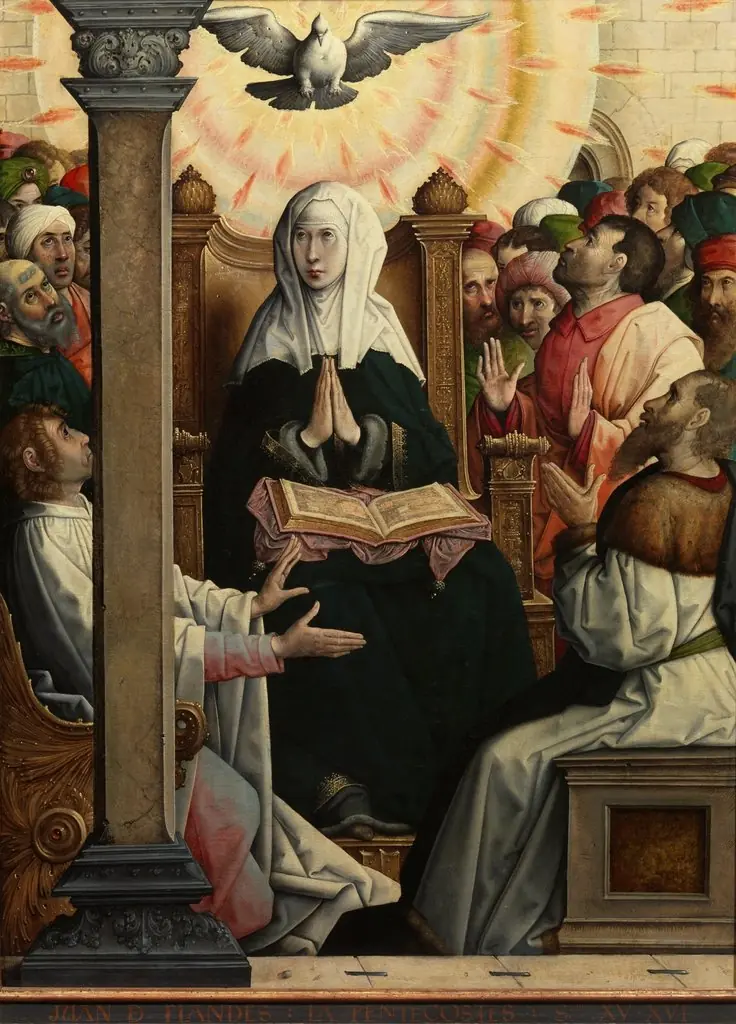 Pentecost
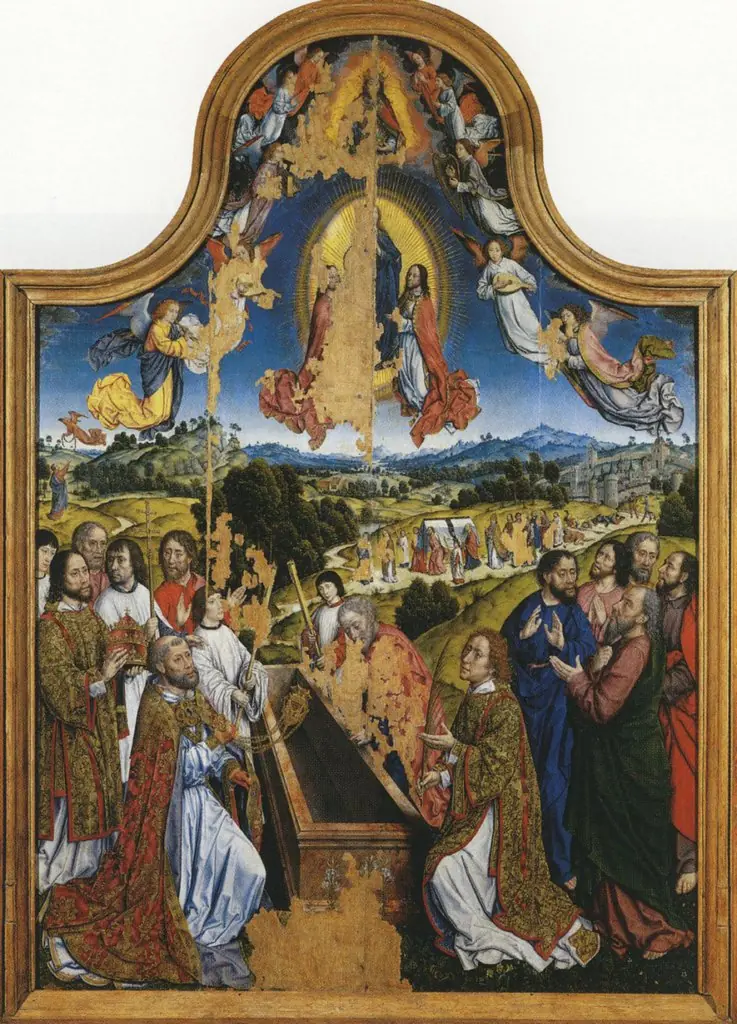 Assumption of the Virgin
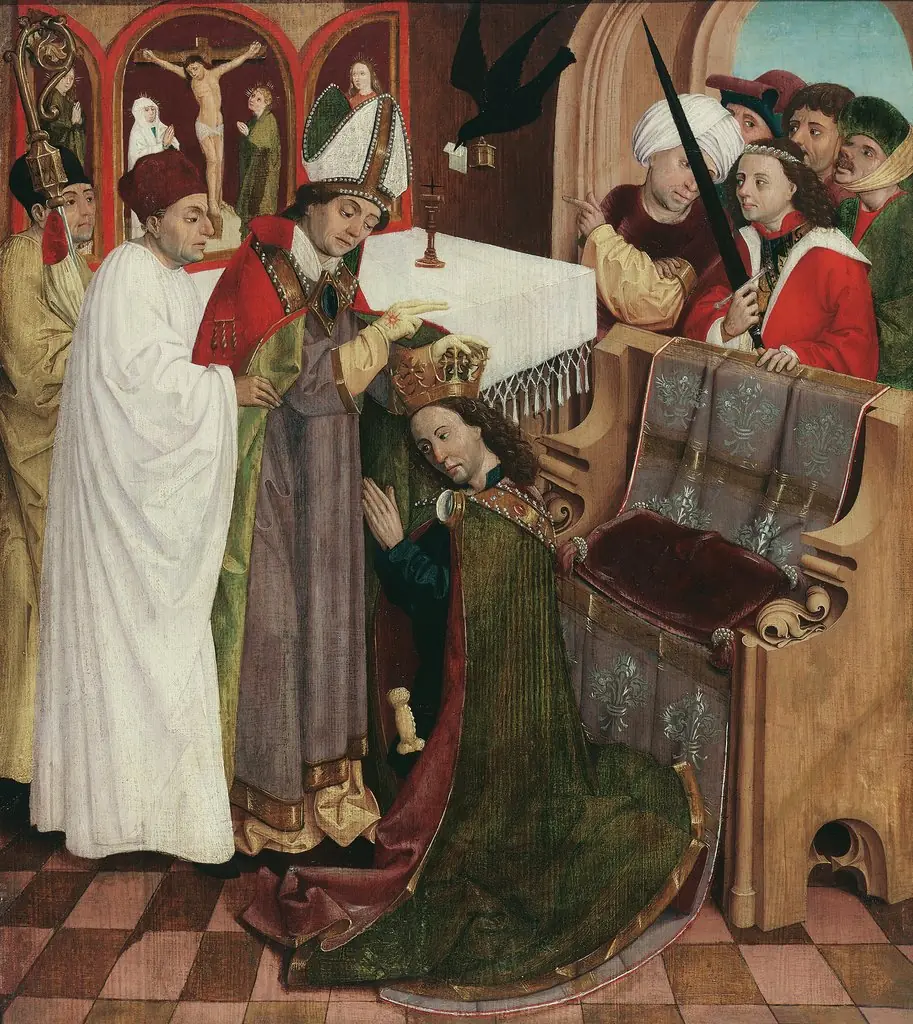 The coronation of St. Oswald
 The Death of the Virgin