Artwork
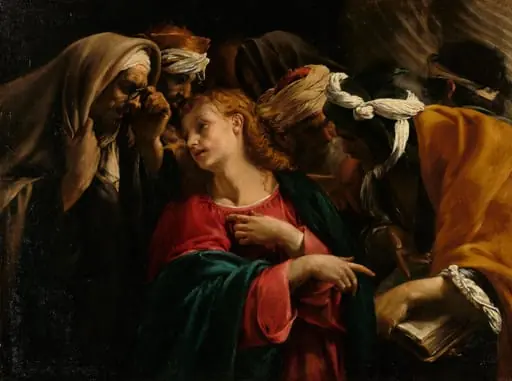
Christ among the doctors
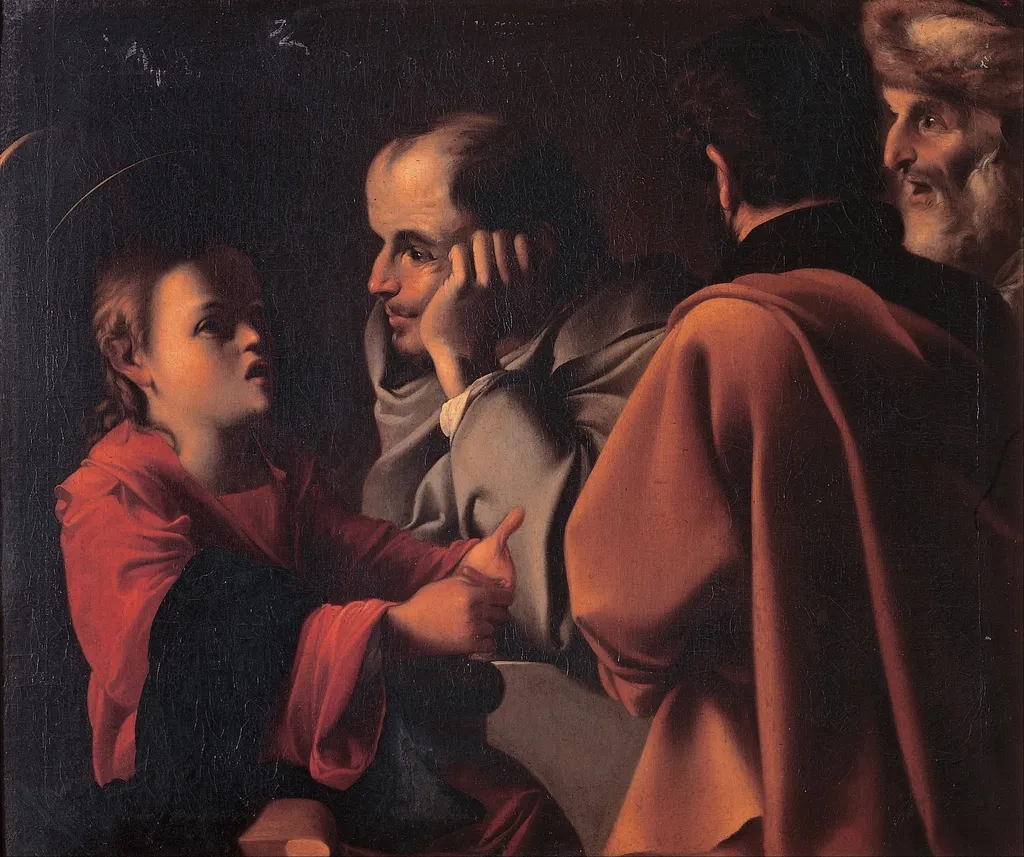
Christ among the doctors is an oil painting by the Caravaggisti artist Pensionante del Saraceni. It is held in the collection of the Capitoline Museums.
About this work
Overview
Attributed to Pensionante del Saraceni, an artist active in Rome during the early Baroque period, the painting is part of the Capitoline Museums' collection.
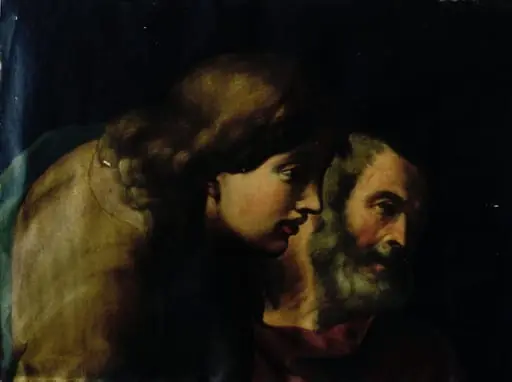
Painted around 1625 in oil on panel, this work depicts a scene from the Gospel of Luke in which the twelve-year-old Jesus engages in theological discussion with Jewish scholars. Attributed to Pensionante del Saraceni, an artist active in Rome during the early Baroque period, the painting is part of the Capitoline Museums' collection. Its subdued palette and intimate composition reflect the quiet intensity characteristic of Roman religious painting at the time.
Subject & Meaning
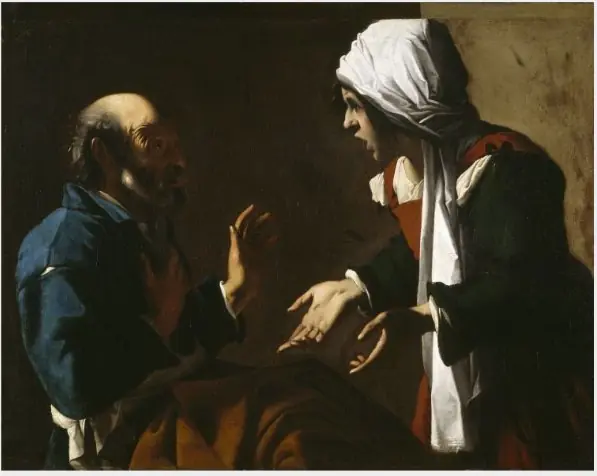
The scene illustrates Christ’s early display of divine wisdom, as described in Luke 2:46–47. A youthful figure, dressed in red, stands centrally, gesturing as he speaks to a circle of older scholars in richly draped garments. Their attentive postures suggest both surprise and reverence.
The composition emphasizes the contrast between youth and age, innocence and authority, underscoring the theological theme of divine knowledge transcending human learning.
Technique & Style
The artist employs oil paint with restrained tonality, favoring earthy hues over vivid contrasts. Brushwork is careful but not overly refined, with attention to the texture of fabric and the soft modeling of faces. Light falls gently across the figures, creating subtle volume without dramatic chiaroscuro.
The arrangement is tightly grouped, focusing attention on the central dialogue rather than spatial depth, aligning with devotional painting conventions of early 17th-century Rome.
History & Provenance
The painting entered the Capitoline Museums’ collection in the 19th century, likely through the consolidation of ecclesiastical or noble holdings in Rome. Its attribution to Pensionante del Saraceni, a lesser-known follower of Caravaggio’s circle, stems from stylistic comparisons with documented works of the period. Little is known of its earlier ownership, but its subject and execution suggest it was commissioned for private devotion or a religious institution.
Context
Created during the Counter-Reformation, the painting reflects the Catholic Church’s emphasis on scriptural clarity and the authority of Christ’s teachings. Artists were encouraged to depict biblical narratives with emotional immediacy and doctrinal precision. This work aligns with a broader Roman trend of intimate, psychologically nuanced religious scenes, avoiding theatricality in favor of quiet contemplation suited to personal piety.
Legacy
Though not widely reproduced or celebrated in major art historical narratives, the painting remains a representative example of Roman devotional art from the early Baroque. It contributes to the understanding of how lesser-known artists interpreted canonical biblical scenes with restraint and dignity. Its preservation in the Capitoline Museums ensures continued access for scholarly study and public reflection.
Own this work as a print
Artist & collection