Artwork
STUDIU DE MÂNĂ
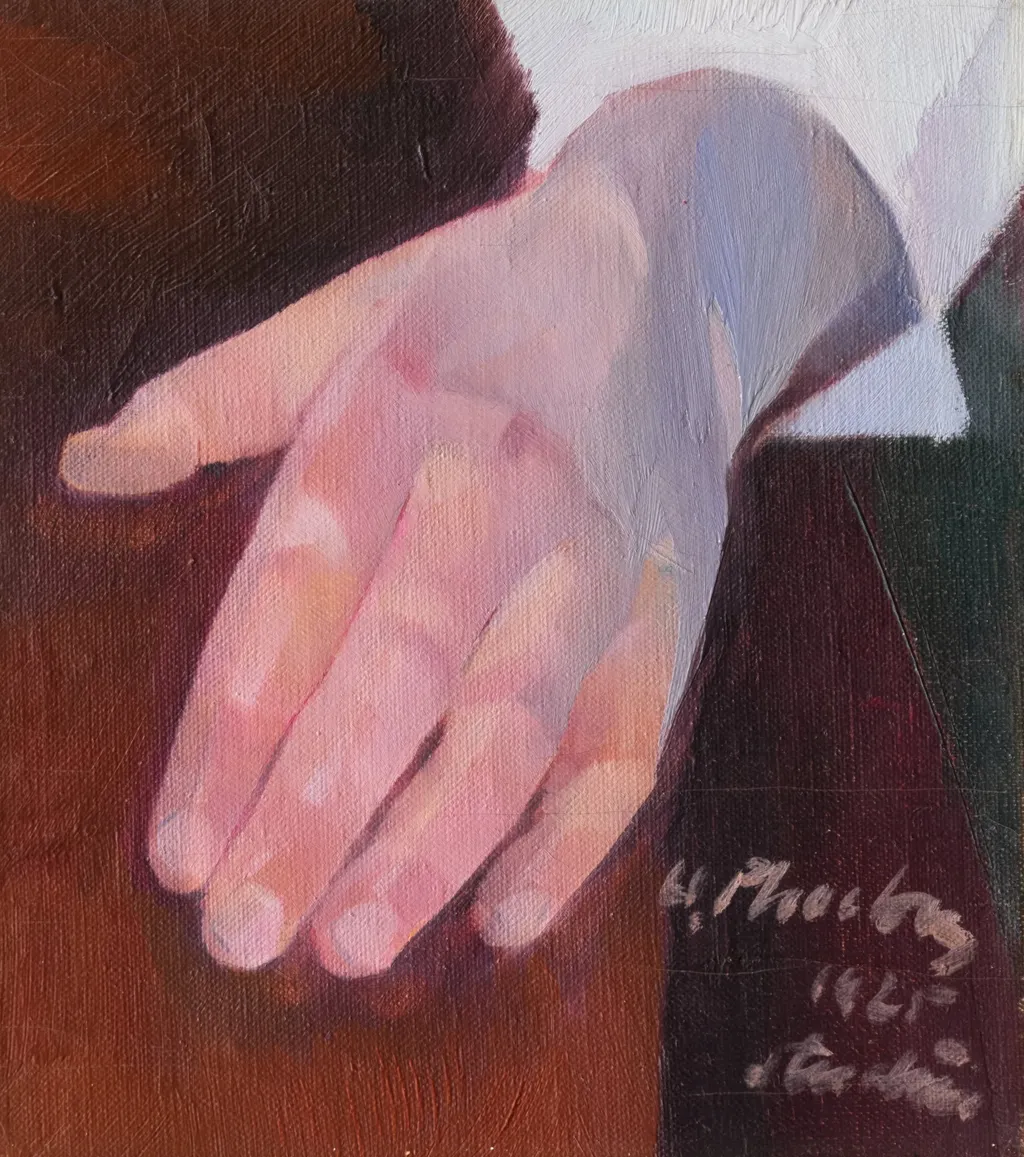
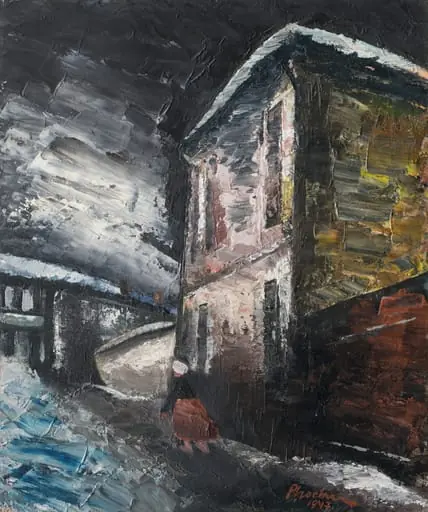
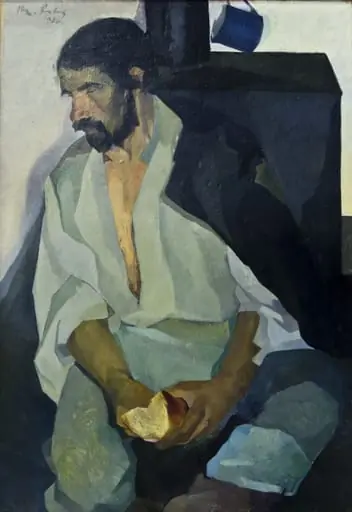
STUDIU DE MÂNĂ is an unspecified painting by the Art Brut artist Alexandru Phoebus. It dates from 1925 and is held in the collection of the National Museum of Art of Romania.
About this work
Overview
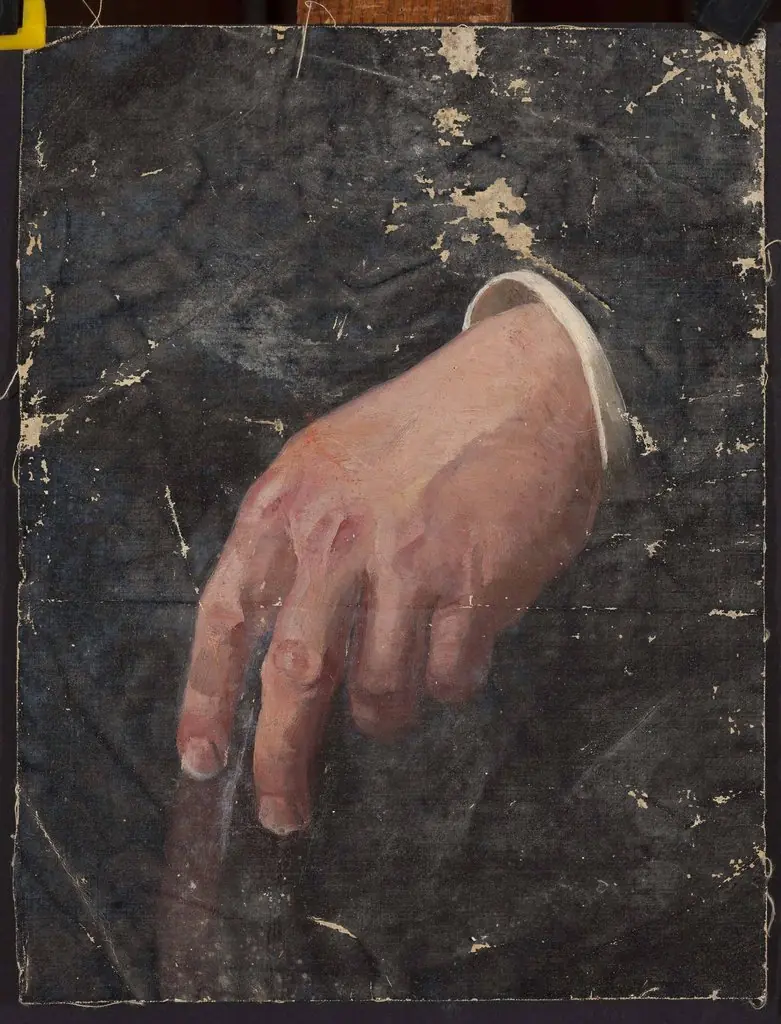
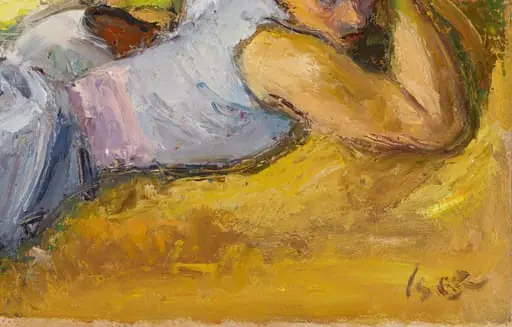
Alexandru Phoebus’s 1925 work Studiu de mână presents an intimate study of a human hand. The composition isolates the hand against a dark backdrop, allowing the viewer to focus on its form, skin tones, and the subtle play of light across the fingers and thumb.
Subject & Meaning
The painting concentrates on the anatomical details of the hand, emphasizing its natural curvature and the way light defines its planes. By removing contextual objects, Phoebus invites contemplation of the hand as a universal symbol of touch, labor, and perception, while maintaining a purely observational stance.
Technique & Style
Phoebus employs a palette of soft pinks and whites for the flesh, contrasted with a deep, muted background. Thick, expressive brushstrokes render the skin’s texture, creating a tactile surface that suggests three‑dimensionality. The handling of chiaroscuro, strong contrasts between illuminated areas and shadow, enhances the sense of volume and depth.
History & Provenance
Created in the interwar period, Studiu de mână reflects the artist’s interest in direct observation and formal study. The work has remained within Romanian collections, though specific ownership details are limited, underscoring its status as a representative example of Phoebus’s early oeuvre.
Context
The early 1920s saw Romanian artists engaging with European modernist currents while retaining a focus on traditional drawing skills. Phoebus’s hand study aligns with this trend, echoing academic exercises that prioritize precise rendering of the human body as a foundation for broader artistic exploration.
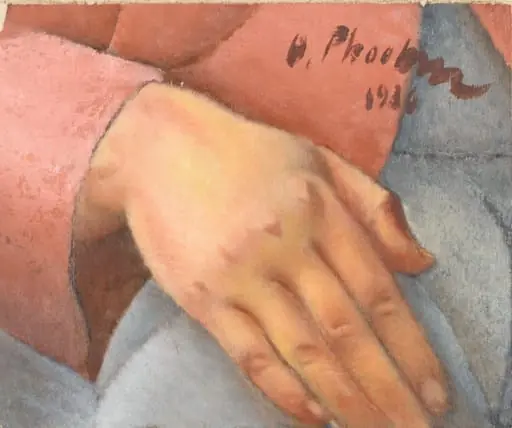
Own this work as a print
Artist & collection

 Study of a hand
 Study of Two Pairs of Hands
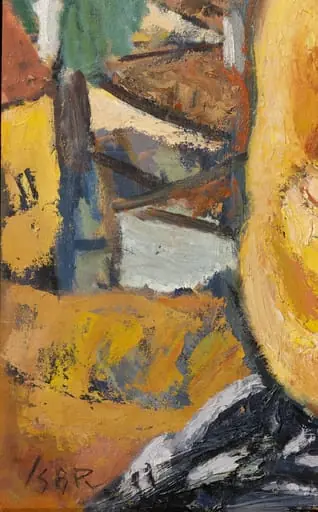 Femeie în peisaj
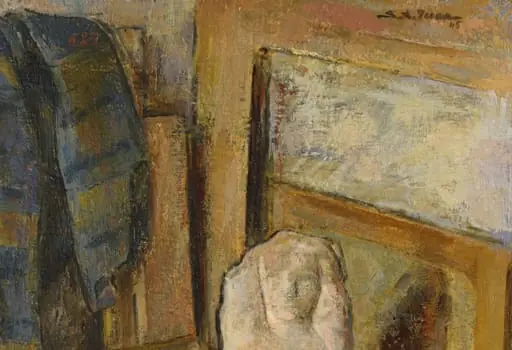 Natura statica cu sculptura
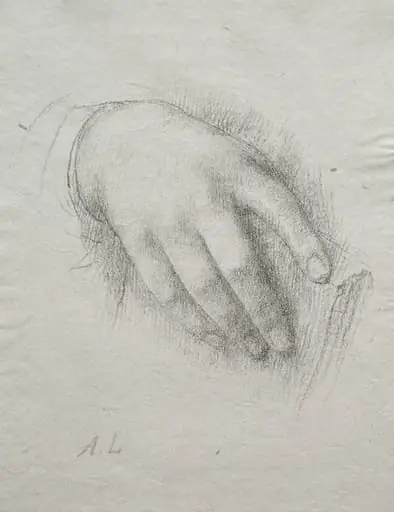 The Hand of Nora E. Legros
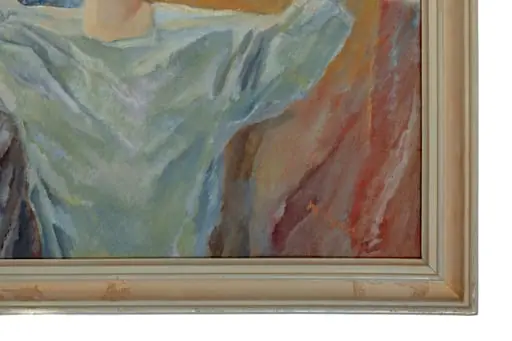 Cântec pentru pace
 DOI COPII
 Natură statică cu pahar
 Study of Legs (Phryne) to the Painting "Phryne on the Poseidon's Celebration in Eleusis"
 Study of the hands of Sigismund Augustus for the painting “Death of Barbara Radziwiłł”
 Turcoaice odihnindu-se
- STUDIU DE MÂNĂ