Artwork
Vier Sprichwörter. Der rosenstreuende Reiche
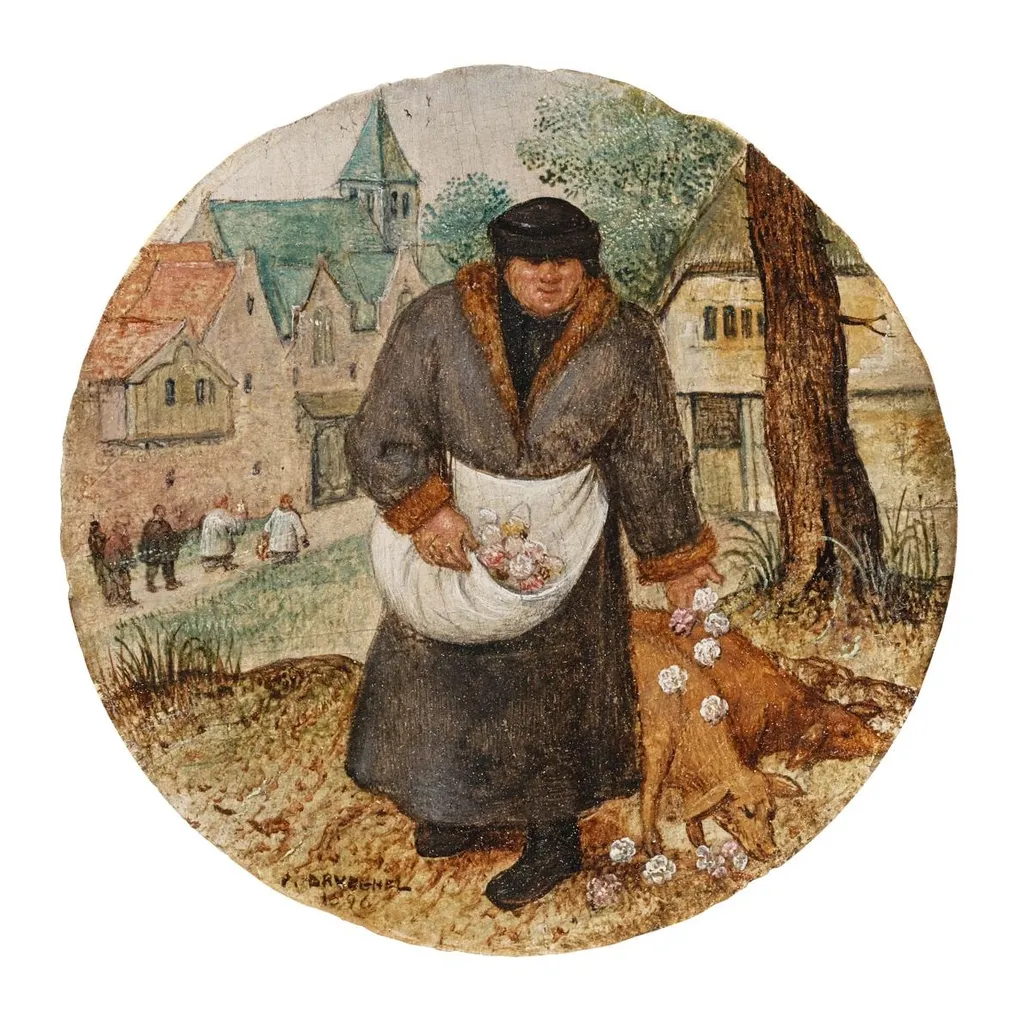
Vier Sprichwörter. Der rosenstreuende Reiche is an oil painting by the Flemish Baroque painting artist Pieter Brueghel the Younger. It dates from 1598 and is held in the collection of the Kunsthaus Zürich. Created in 1598, Vier Sprichwörter.
About this work
The painting's attention to detail and use of color are reminiscent of the work of Pieter Brueghel the Younger.
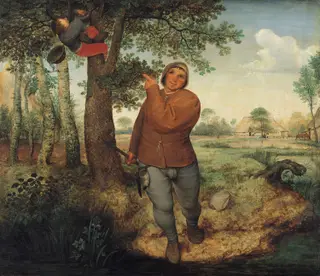
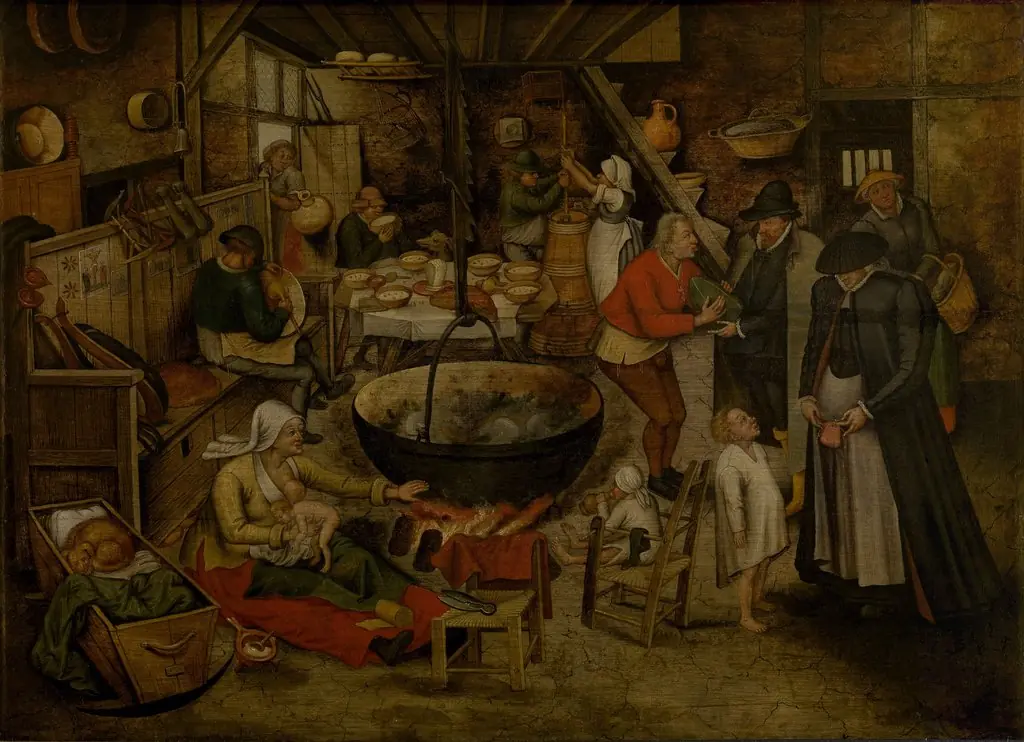
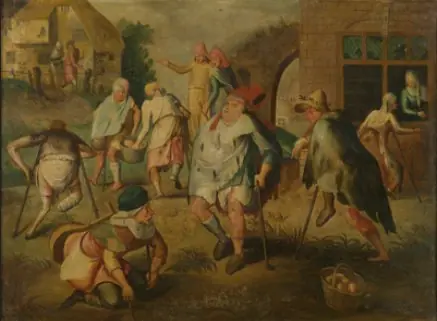
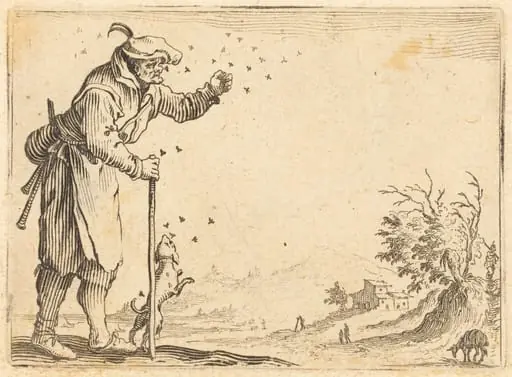
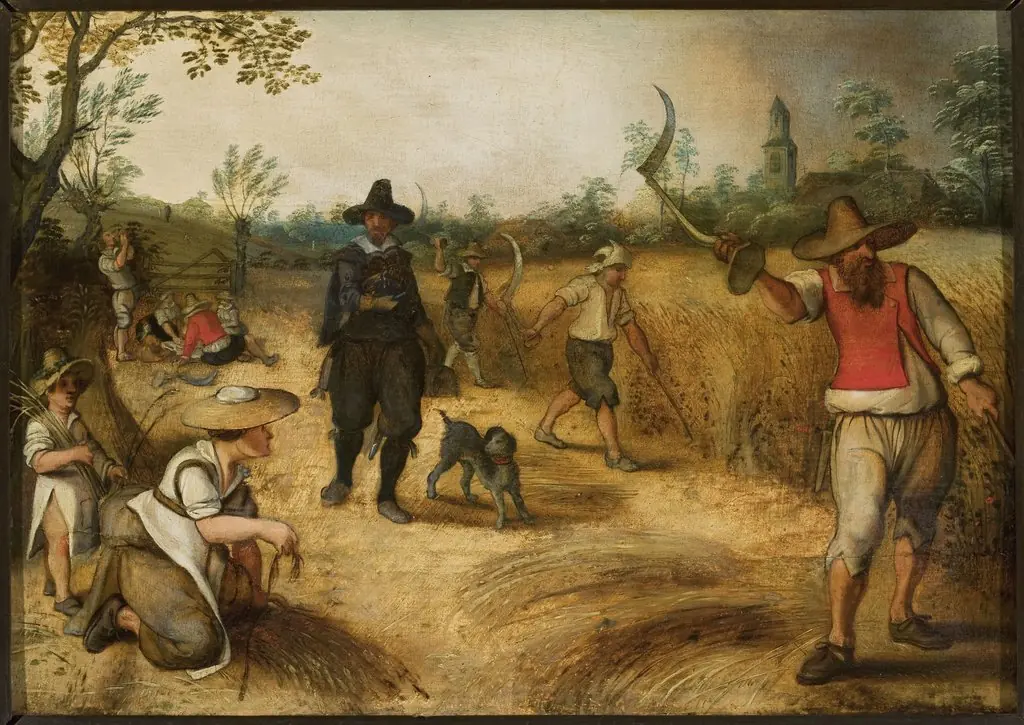
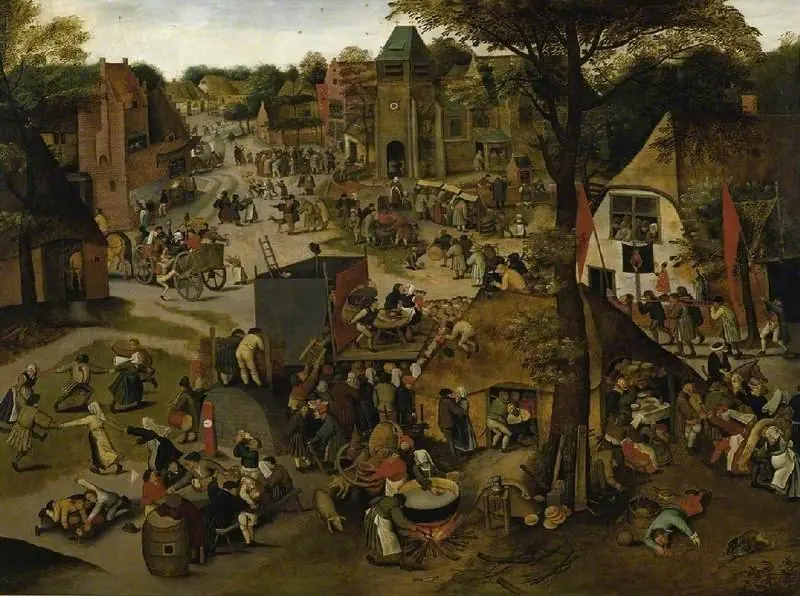
The painting depicts a man walking through a village, carrying a bag of flowers. He is dressed in a long coat and hat, and has a brown dog by his side. The background shows several buildings, including a church with a tall steeple.
The man's clothing and the style of the buildings suggest a rural setting in the 16th century. The artist has used earthy tones to create a sense of warmth and coziness.
The painting's attention to detail and use of color are reminiscent of the work of Pieter Brueghel the Younger.
Overview
Created in 1598, Vier Sprichwörter. Der rosenstreuende Reiche is an oil on canvas by the Flemish artist Pieter Brueghel the Younger. The work belongs to the late‑Renaissance Flemish Baroque tradition and is presently owned by the Kunsthaus Zürich.
It presents a bustling village scene centered on a well‑dressed man distributing roses, a visual embodiment of a popular proverb.
Subject & Meaning
The central figure, a affluent gentleman in a long coat and hat, walks through a rustic settlement scattering a bag of flowers, accompanied by a brown dog. The act of throwing roses alludes to a proverb about generosity or fleeting pleasures, while the surrounding architecture and townspeople provide a narrative context that underscores the moral lesson.
Technique & Style
Brueghel the Younger employs a tight, detailed brushwork typical of his workshop, rendering textures of fabric, stone, and foliage with precision. Earthy pigments dominate the palette, creating a warm, intimate atmosphere. The composition balances a crowded foreground with a receding village backdrop, using linear perspective to guide the eye toward the church steeple that anchors the scene.
History & Provenance
The painting emerged from Brueghel the Younger’s prolific studio, which specialized in reproducing his father’s motifs and generating original compositions. After changing hands among private collectors, it entered the Kunsthaus Zürich’s holdings in the mid‑20th century, where it has been displayed as part of the museum’s Flemish Baroque collection.
Context
Produced during a period when visual proverbs were popular didactic devices, the work reflects the broader cultural practice of embedding moral sayings in everyday imagery. Brueghel the Younger’s oeuvre often revisited such themes, bridging the legacy of his father’s rural genre scenes with the tastes of a growing urban market for narrative paintings.
Artist & collection
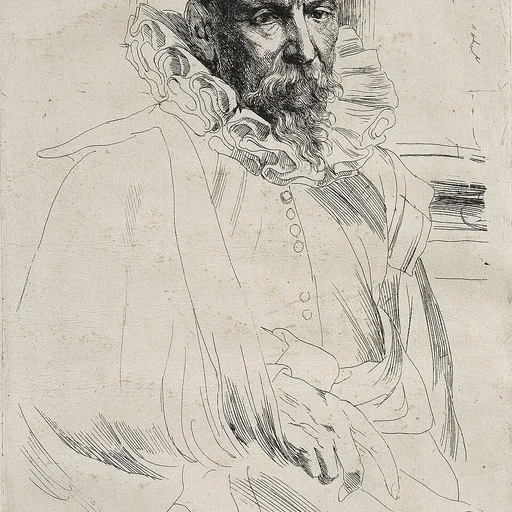
Artist
Pieter Brueghel the Younger ( BROY-gəl, also US: BROO-gəl; Dutch:; between 23 May and 10 October 1564 – between March and May 1638) was a Flemish painter known for numerous copies after his father Pieter Bruegel the…

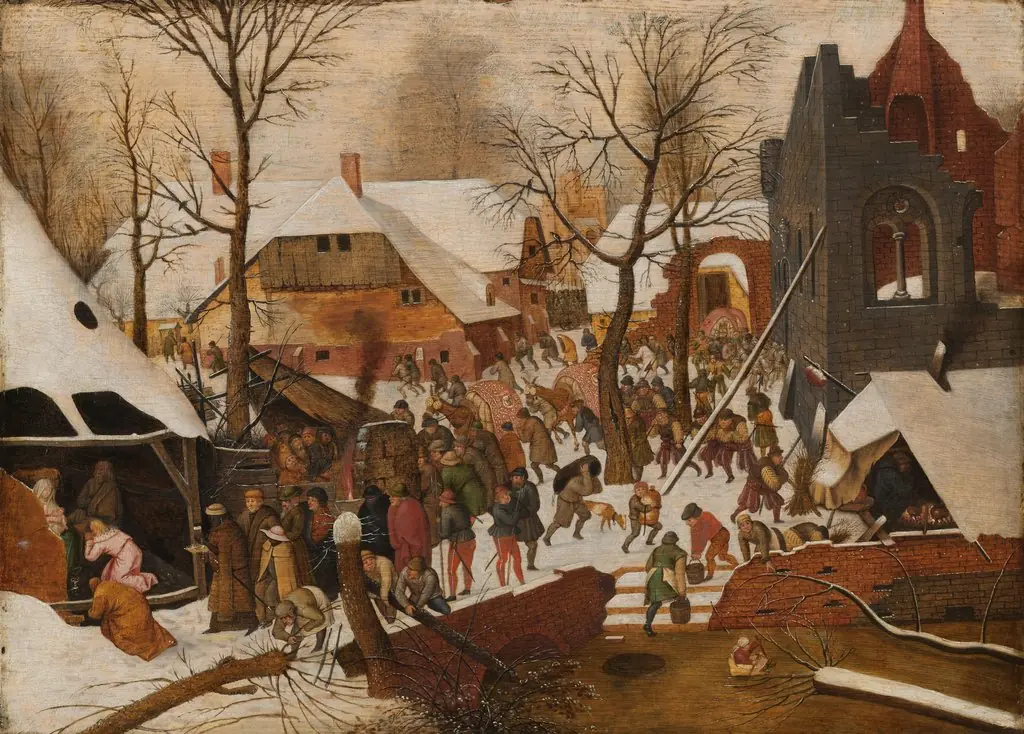 Adoration of the magi
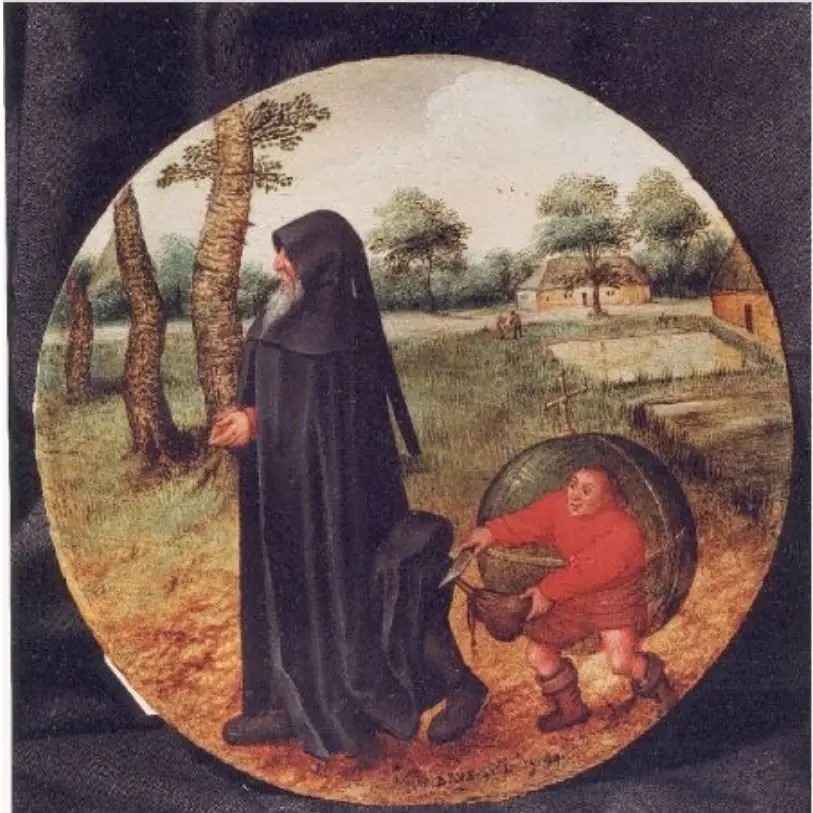 I Mourn because the World is so Untrustworthy
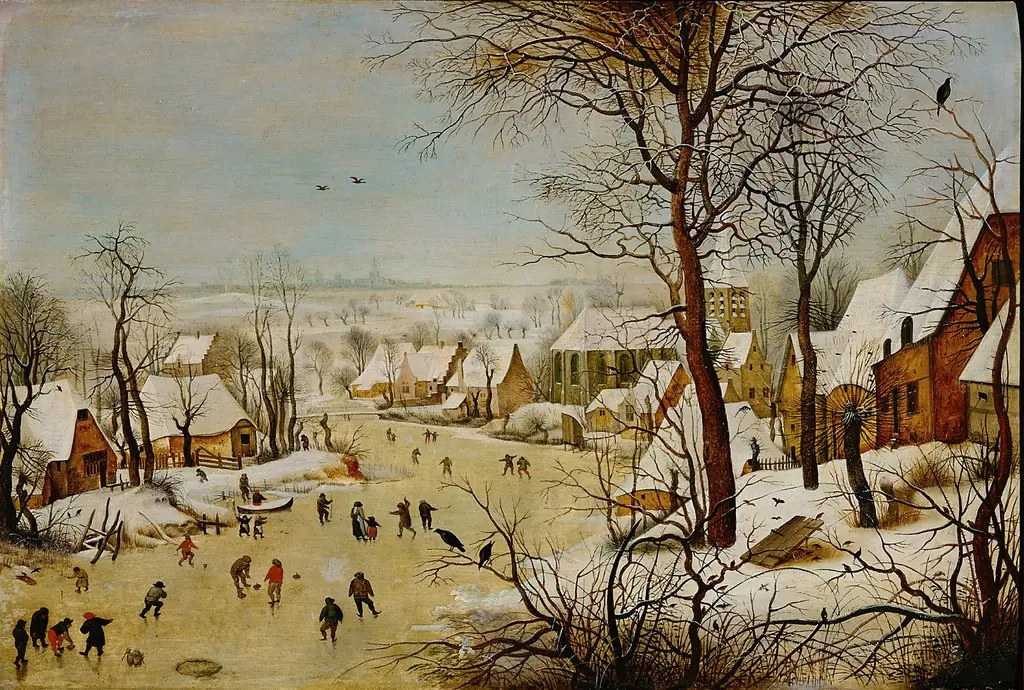 Winter Landscape with a Bird Trap
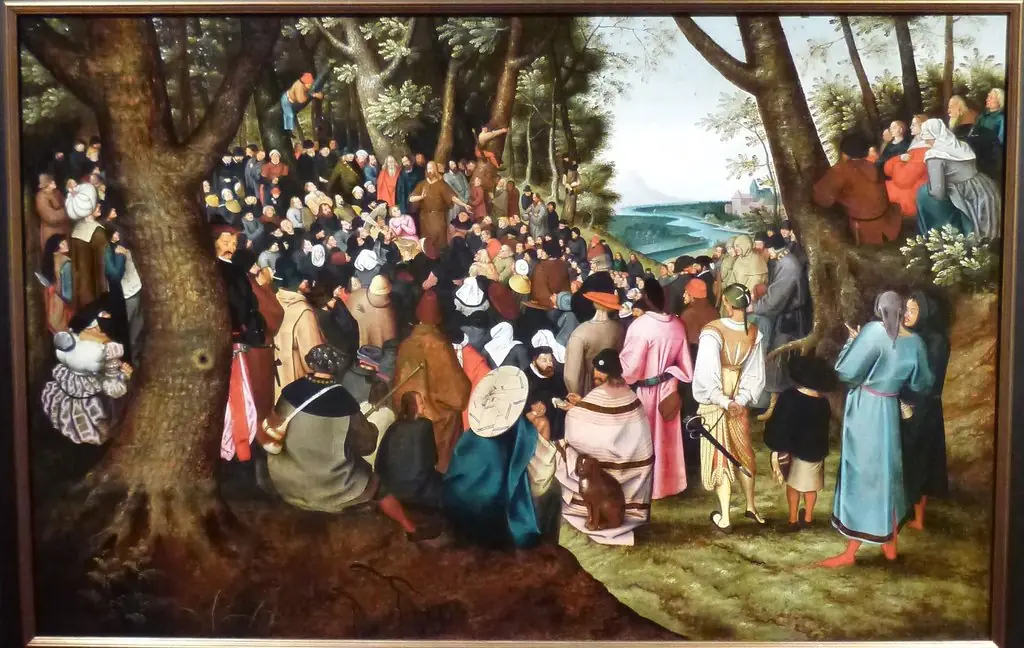 The Sermon of John the Baptist
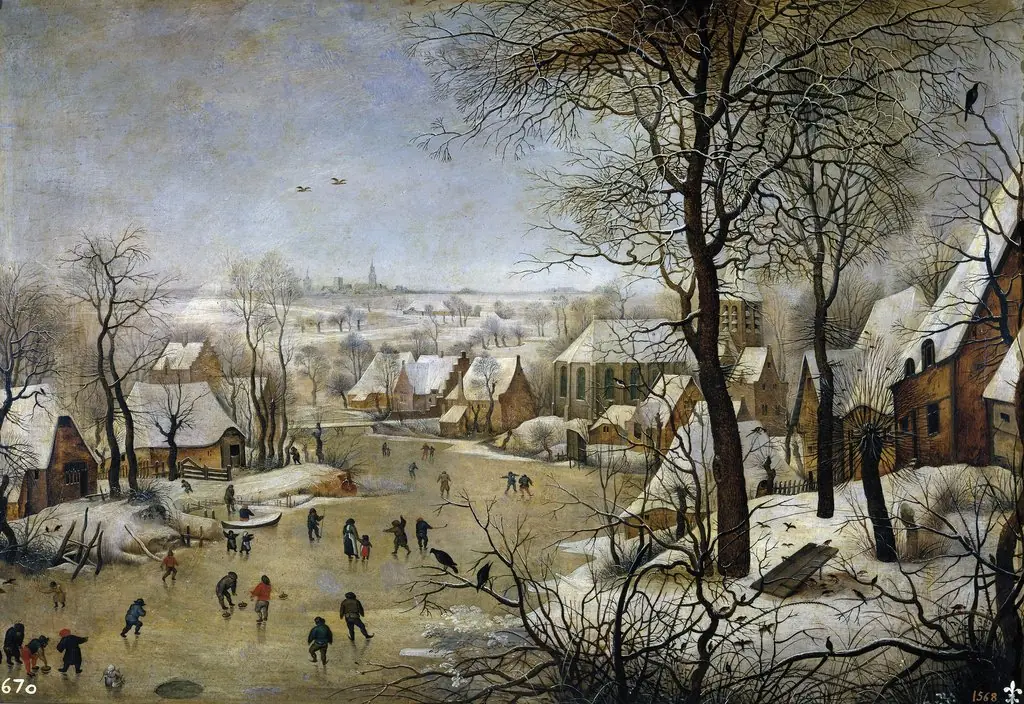 Winter Landscape with a Bird-trap
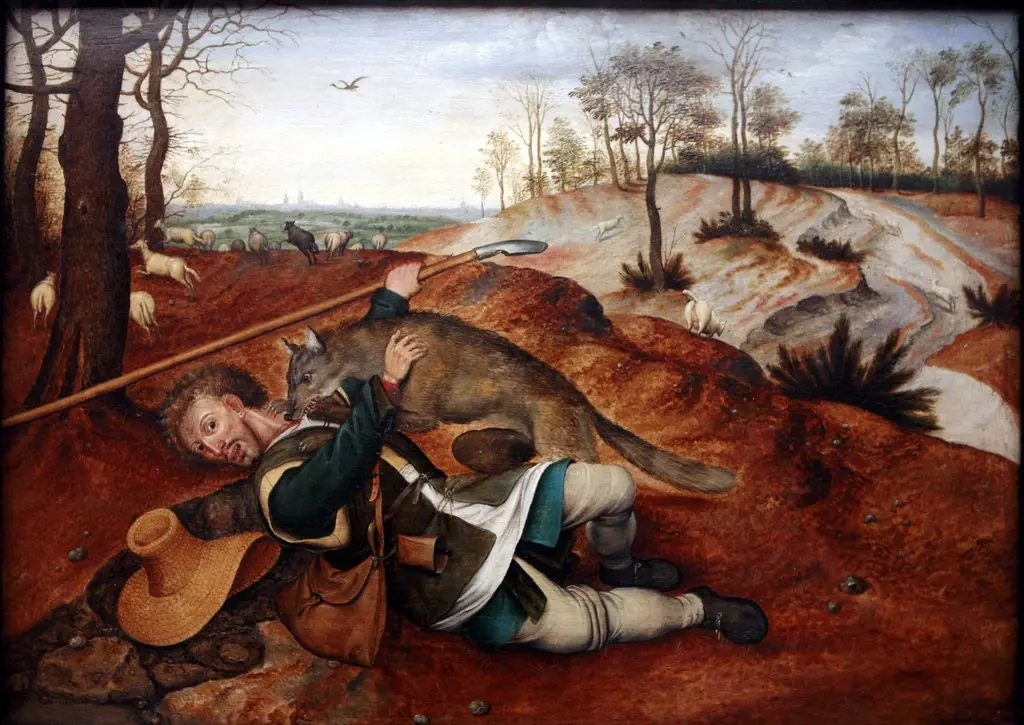 The Good Shepherd
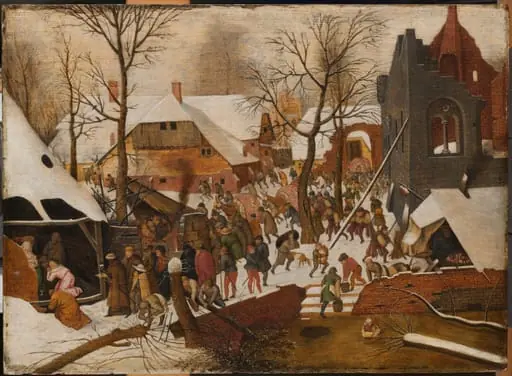 The Adoration of the Magi
 A Village Festival, With a Theatrical Performance and a Procession in Honour of St Hubert and St Anthony