Artwork
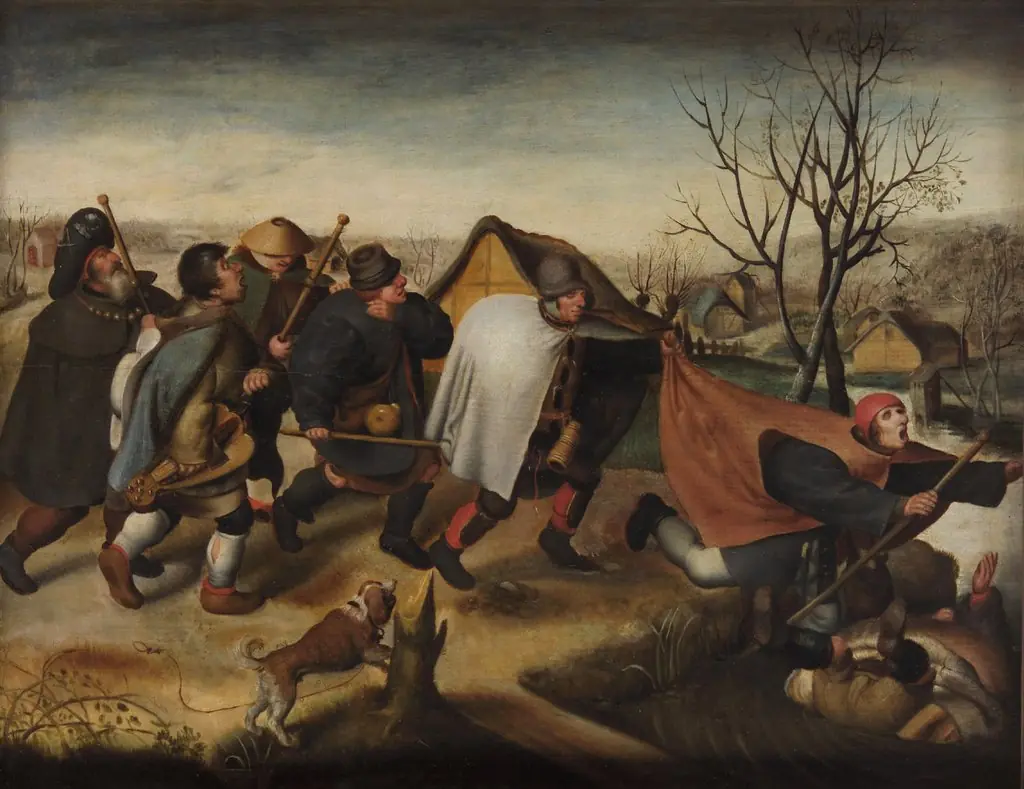
Vier Sprichwörter. Der Neidische
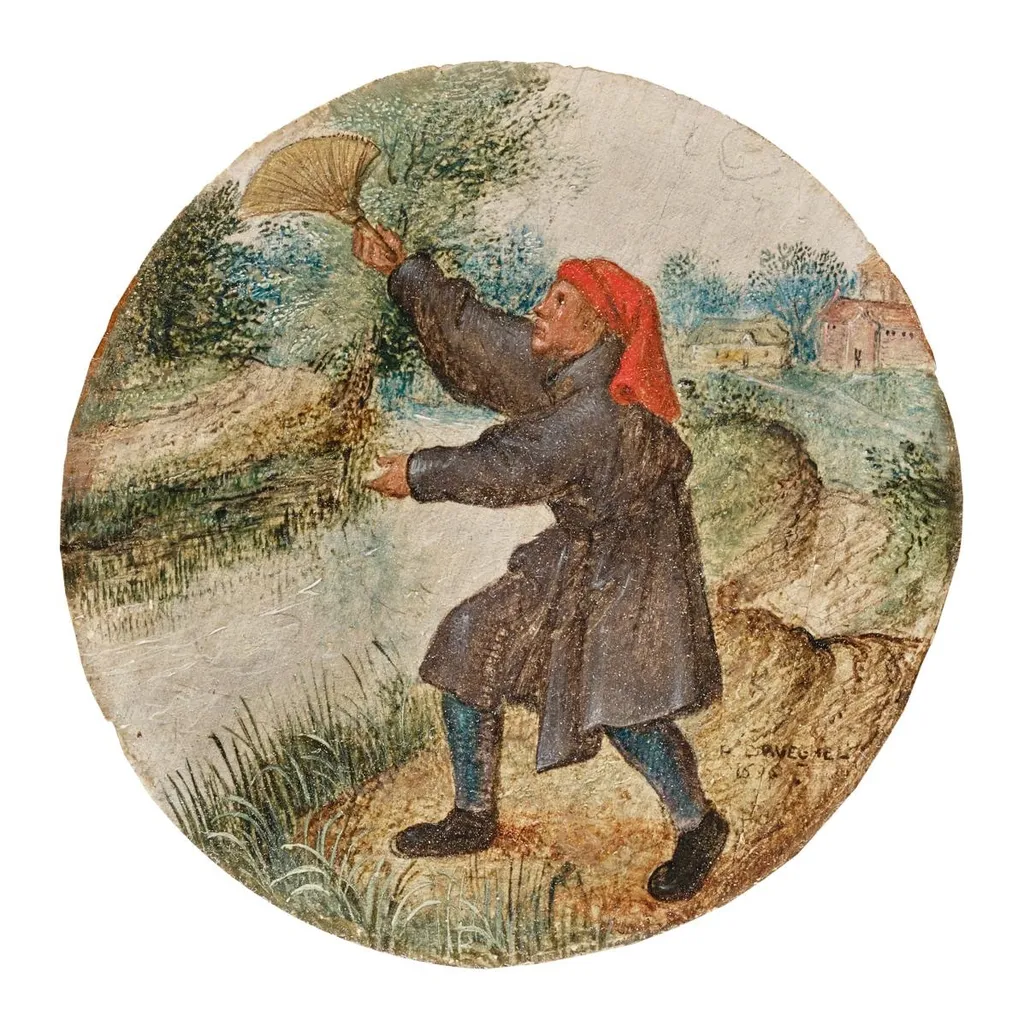
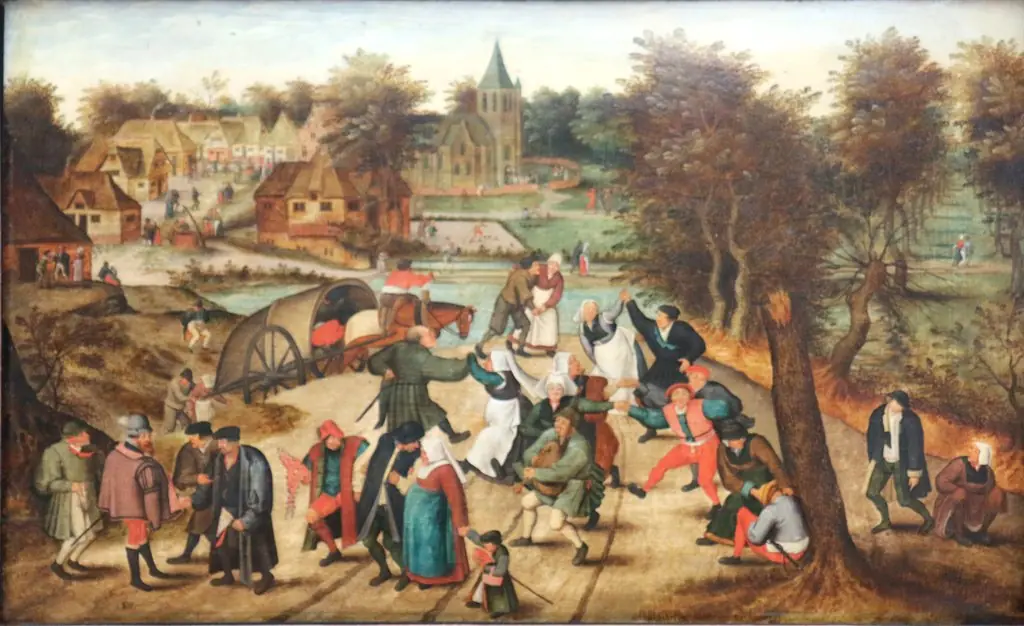
Vier Sprichwörter. Der Neidische is an oil painting by the Flemish Baroque painting artist Pieter Brueghel the Younger. It dates from 1598 and is held in the collection of the Kunsthaus Zürich.
About this work
Overview
Painted in 1598 by Pieter Brueghel the Younger, this oil-on-panel work is one of four panels illustrating Flemish proverbs.
Painted in 1598 by Pieter Brueghel the Younger, this oil-on-panel work is one of four panels illustrating Flemish proverbs. It forms part of a series that translates everyday moral sayings into visual narratives. Brueghel, known for reproducing his father’s compositions, here presents an original interpretation rooted in popular wisdom, reflecting the cultural preoccupations of late 16th-century Flanders.
Subject & Meaning
The scene depicts a man in a red hat and dark coat, gesturing with a fan as he strides through a rural landscape. His posture and expression convey the proverb of envy, a figure consumed by resentment, fixated on another’s fortune. The surrounding figures and structures suggest a broader social context, where personal jealousy disrupts communal harmony, a common theme in moralizing folk imagery of the period.
Technique & Style
Rendered in oil paint, the composition employs muted earth tones, greens, browns, and blues, to ground the scene in naturalism. Details in clothing, architecture, and foliage are carefully observed, reflecting Renaissance-influenced precision. The figures are arranged with deliberate spatial clarity, balancing narrative legibility with atmospheric depth, characteristic of Brueghel’s studio practice and his engagement with his father’s visual language.
History & Provenance
The painting entered the collection of Kunsthaus Zürich, where it remains today. As part of a series of proverbial scenes, it was likely commissioned or produced for a private patron interested in moral allegory. Brueghel the Younger’s workshop mass-produced such works, ensuring their circulation across northern Europe, though this particular panel retains its original integrity and attribution.
Context
In late 16th-century Flanders, proverbs were widely used to convey ethical lessons through accessible imagery. Brueghel’s series responded to a growing demand for art that merged popular culture with moral instruction. His work built on his father’s legacy but adapted it to contemporary tastes, reinforcing social norms through familiar scenes of rural life and human folly.
Legacy
Though overshadowed by his father’s innovations, Pieter Brueghel the Younger played a key role in preserving and popularizing Flemish proverbial imagery. His studio’s output ensured that visual interpretations of moral sayings remained part of public consciousness well into the 17th century, influencing later genre painting and the continued use of allegory in Northern European art.
Artist & collection
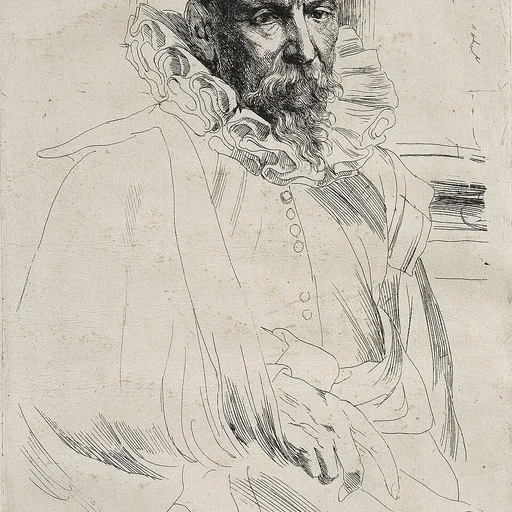
Artist
Pieter Brueghel the Younger ( BROY-gəl, also US: BROO-gəl; Dutch:; between 23 May and 10 October 1564 – between March and May 1638) was a Flemish painter known for numerous copies after his father Pieter Bruegel the…

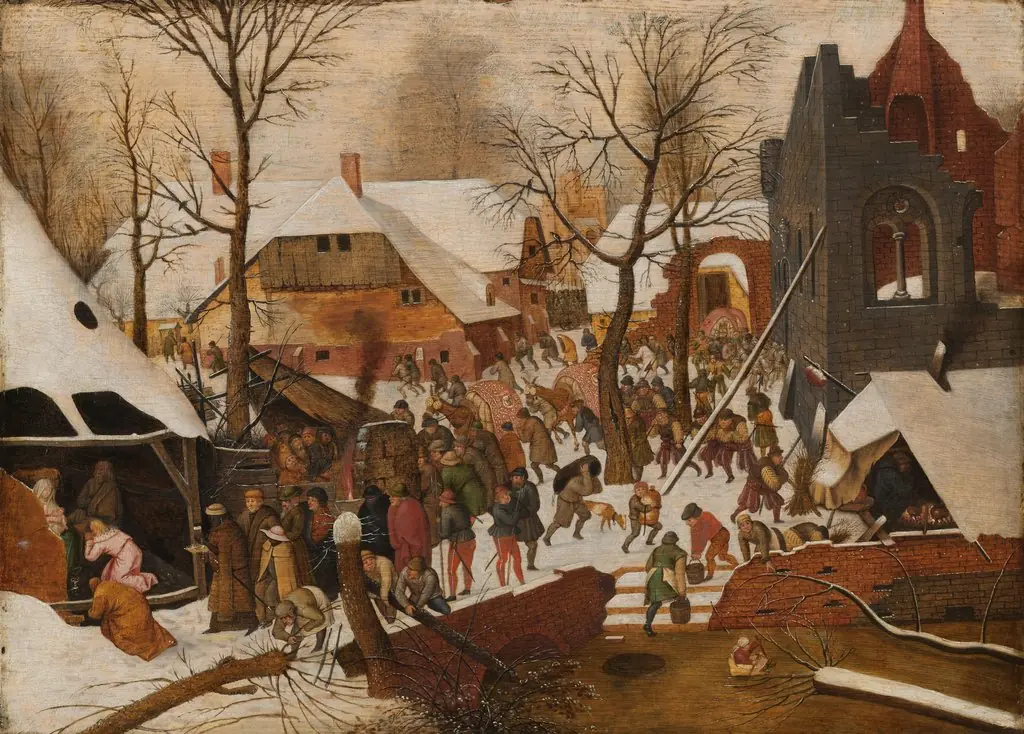 Adoration of the magi
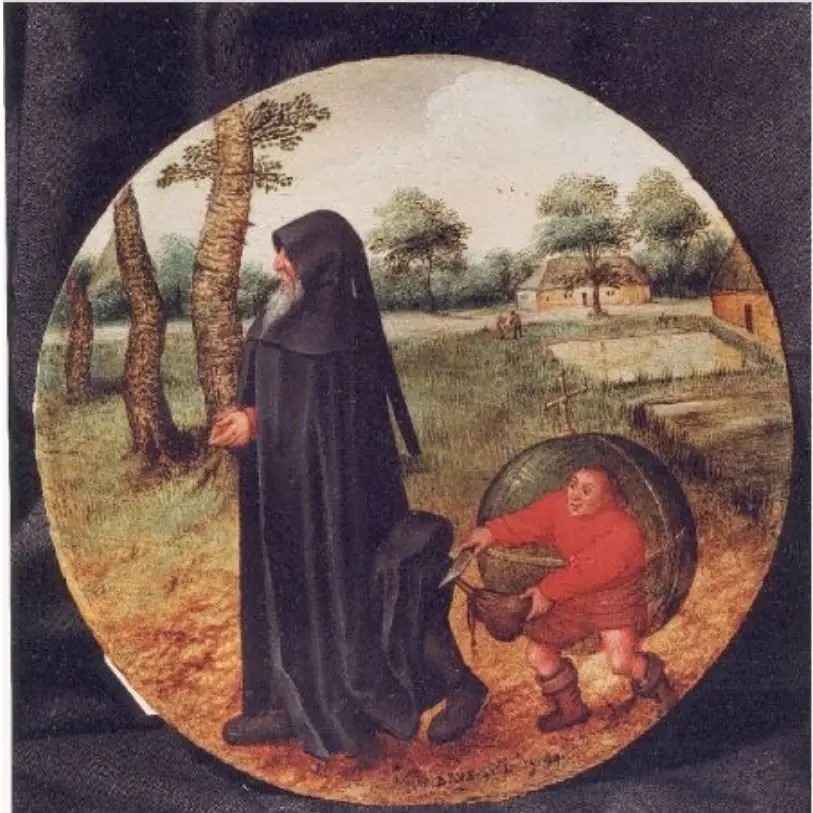 I Mourn because the World is so Untrustworthy
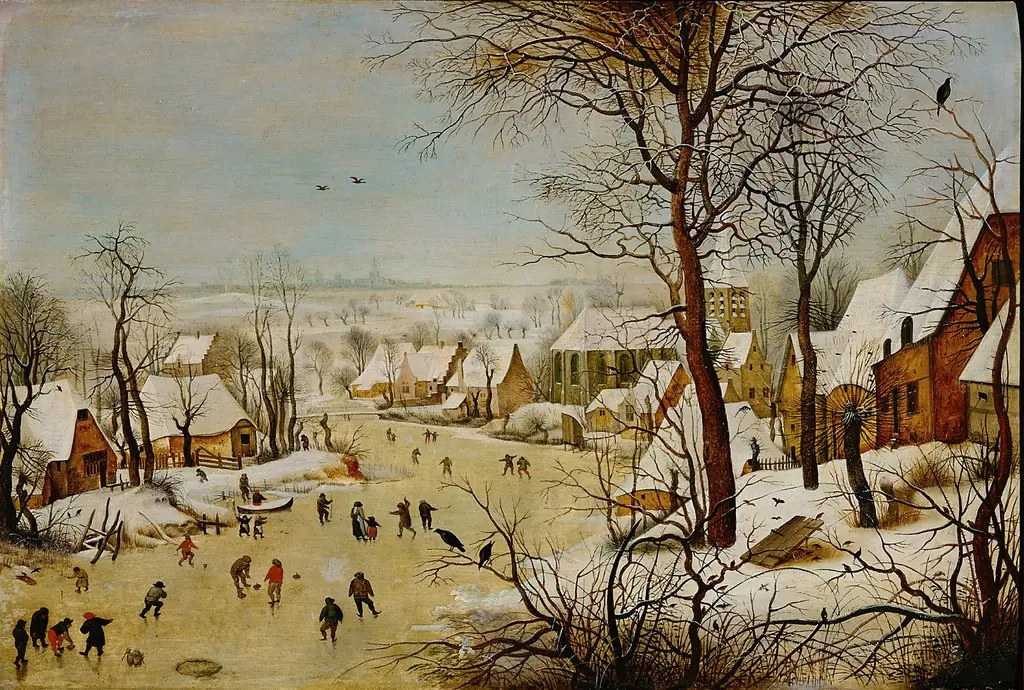 Winter Landscape with a Bird Trap
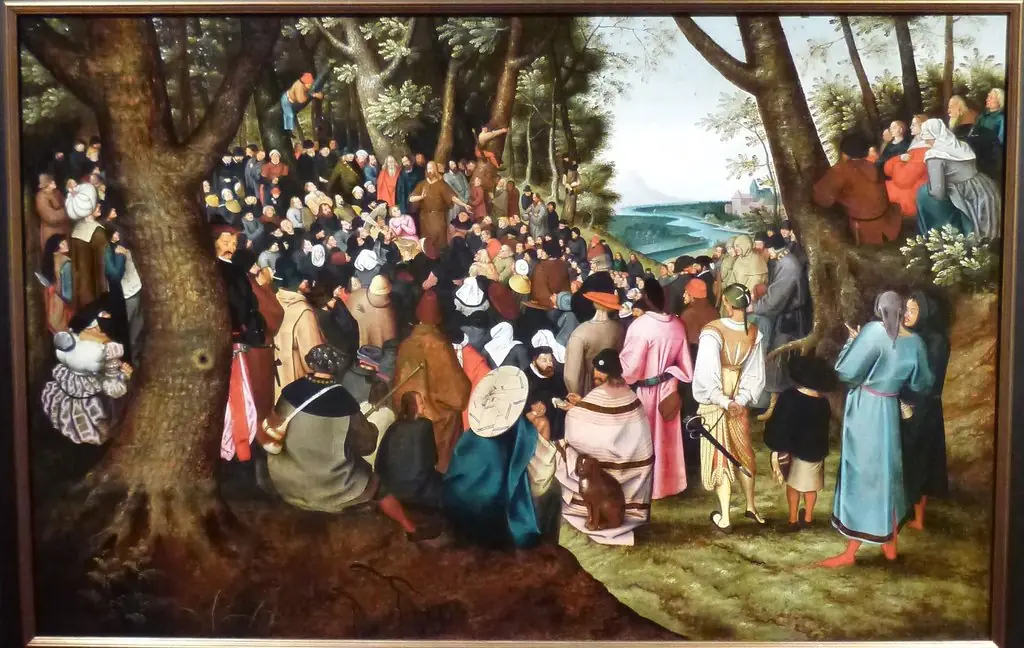 The Sermon of John the Baptist
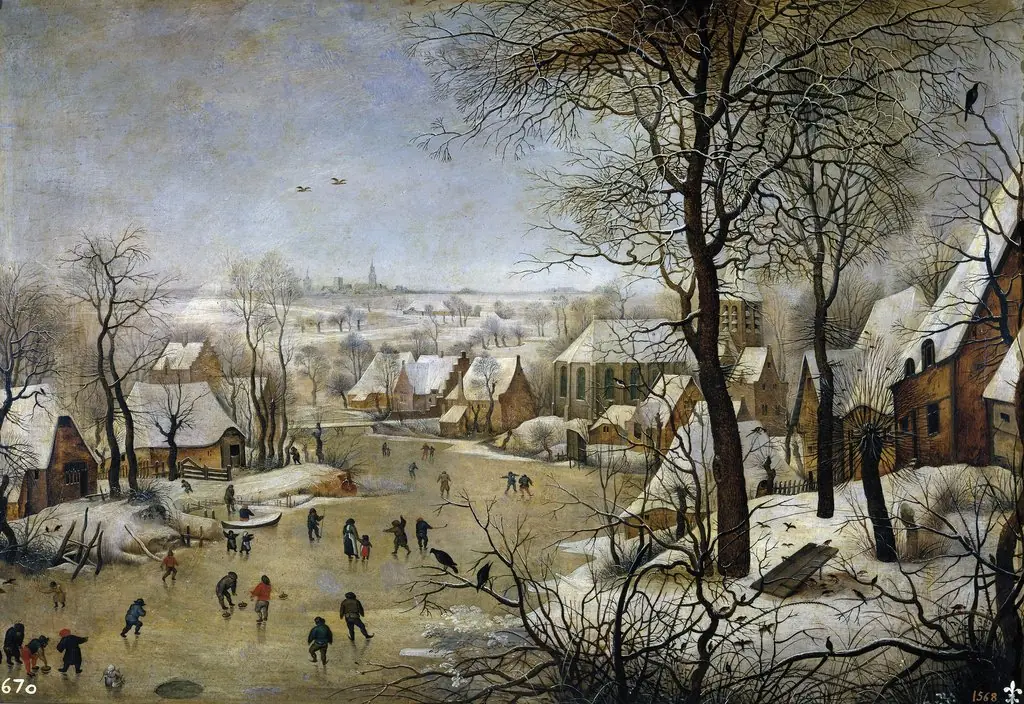 Winter Landscape with a Bird-trap
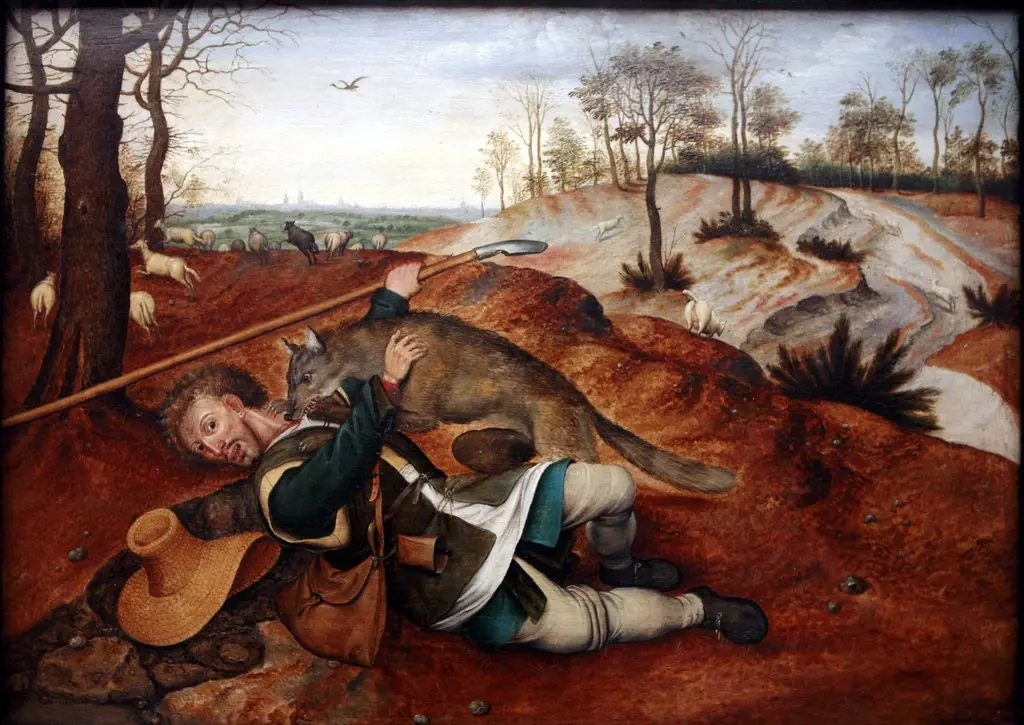 The Good Shepherd
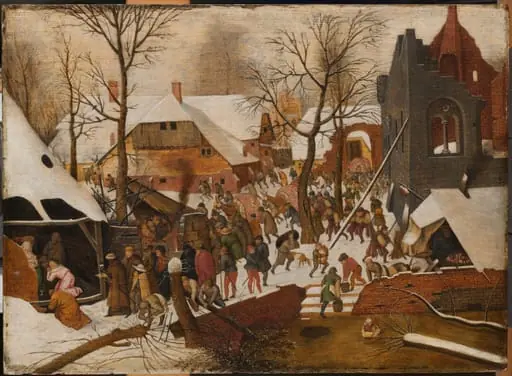 The Adoration of the Magi
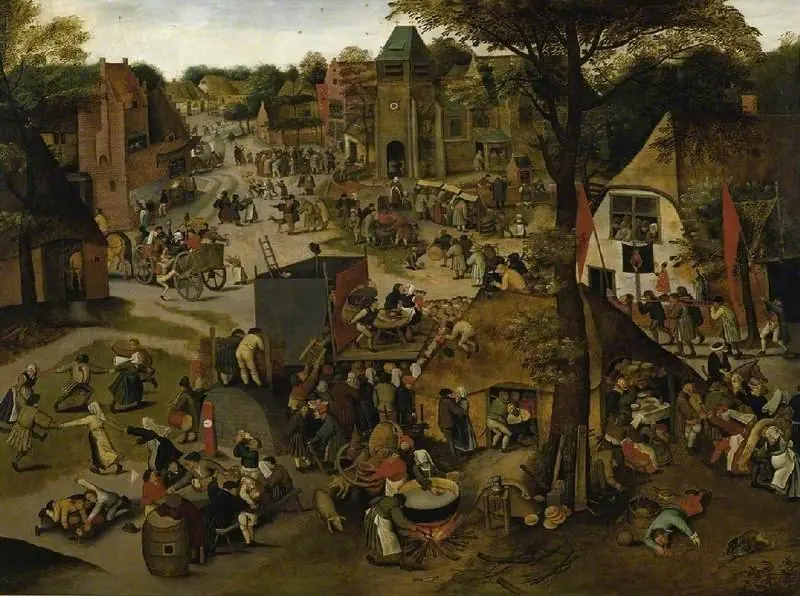 A Village Festival, With a Theatrical Performance and a Procession in Honour of St Hubert and St Anthony