Artwork
The convent of St. Agnes, Utrecht
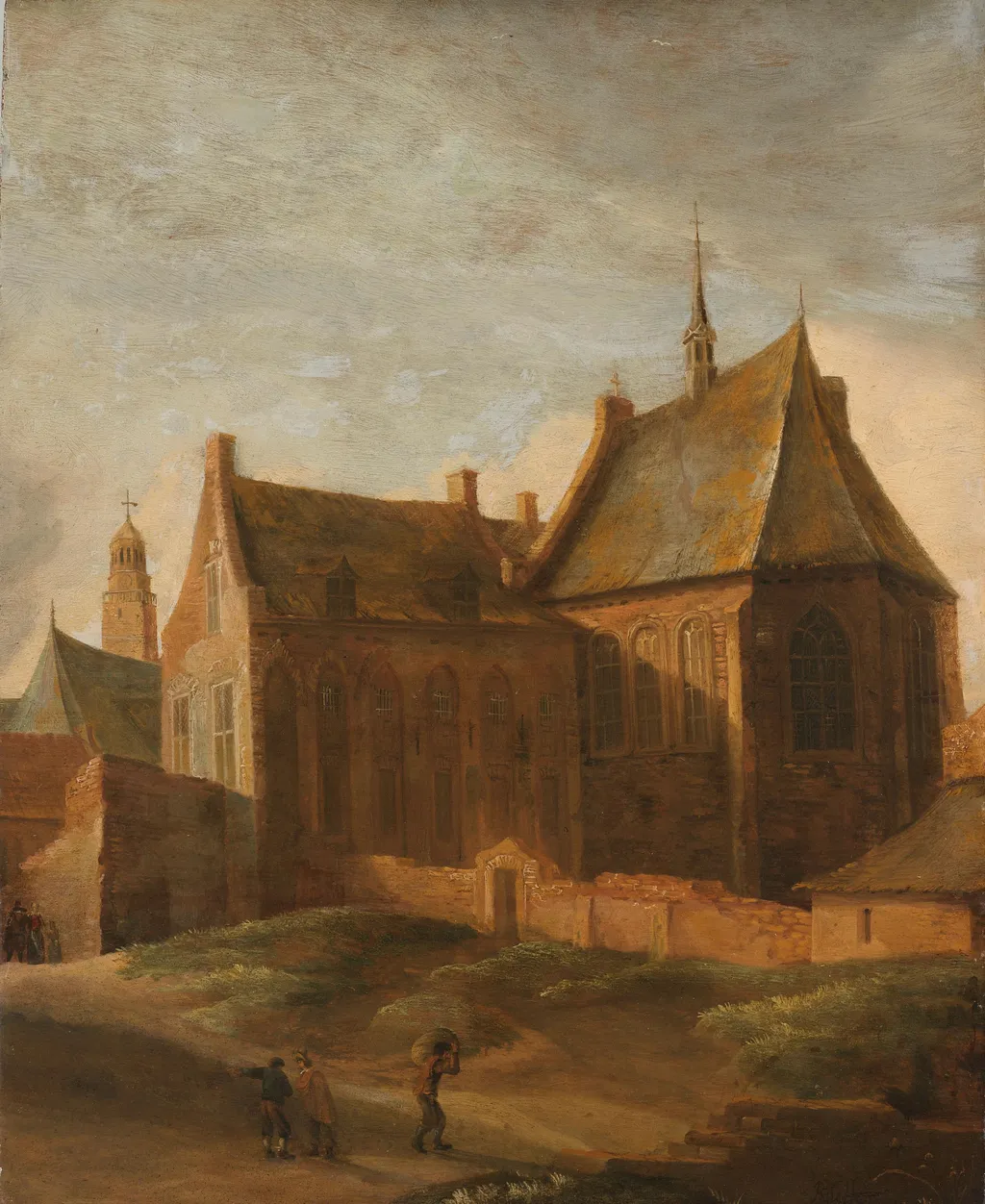
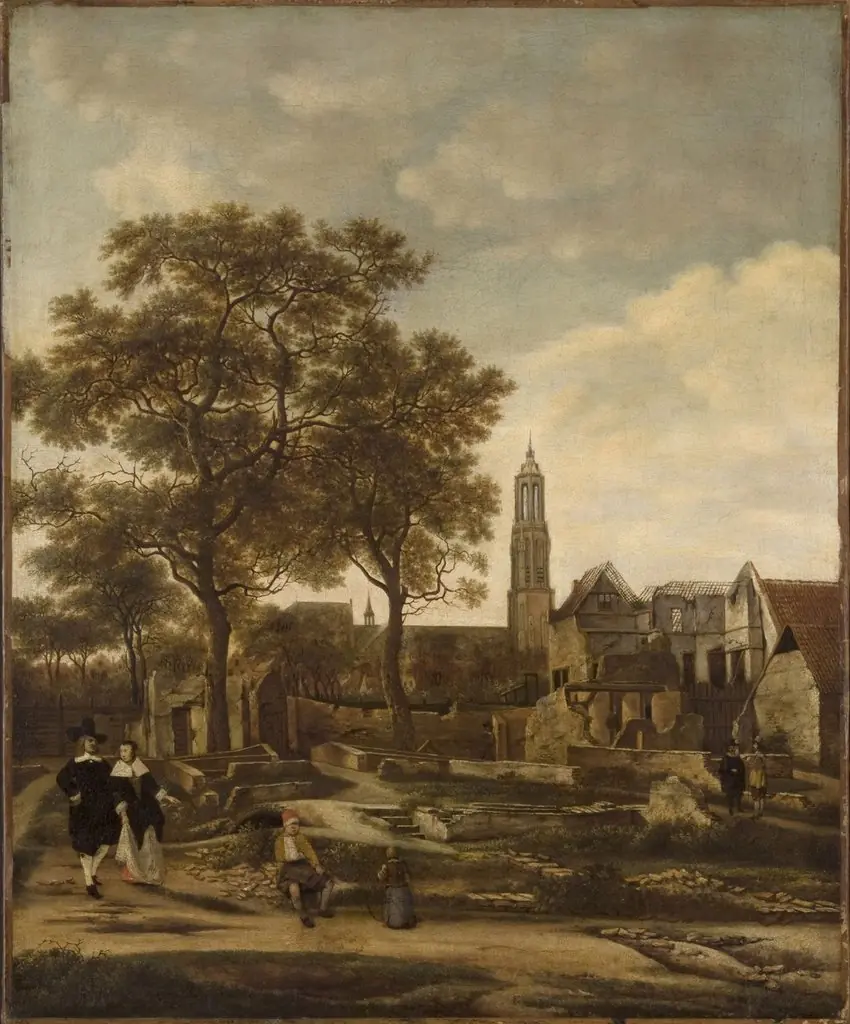
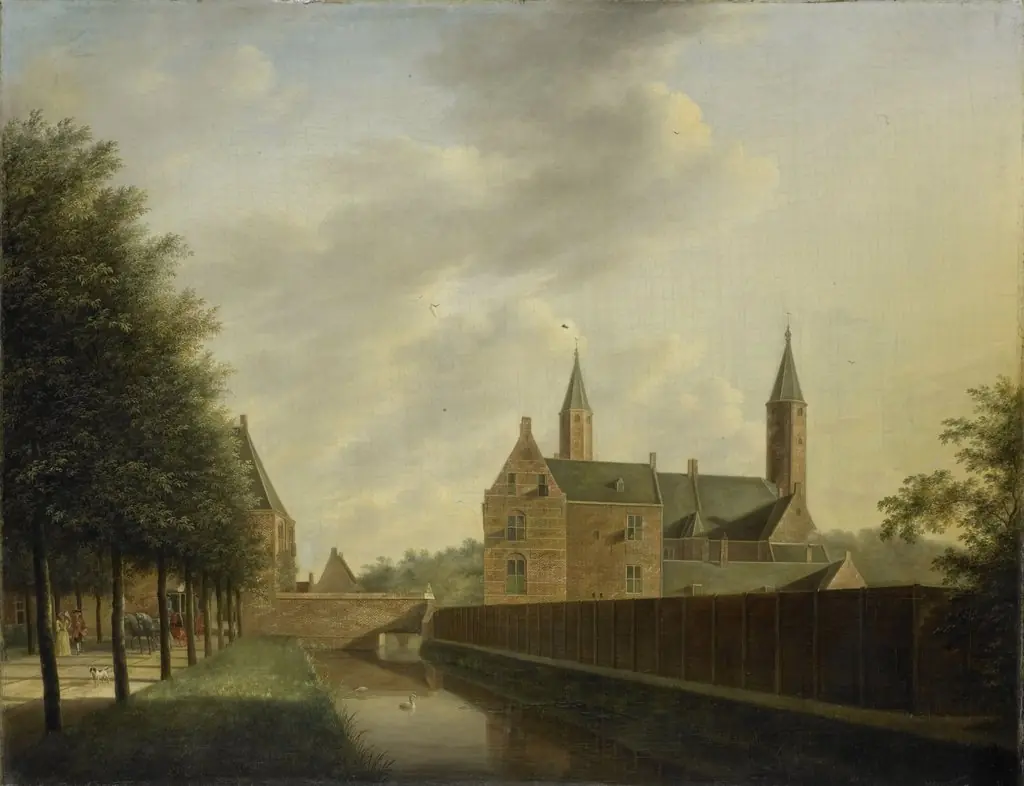
The convent of St. Agnes, Utrecht is an oil painting by the Dutch Golden Age artist Pieter de Ruelles. It dates from 1650 and is held in the collection of the Rijksmuseum.
About this work
Technique & Style
The medium and support are consistent with Pieter de Ruelles's religious output of the period, and the painting is classified as a religious work dated to 1650.
The work is executed in oil paint on a wooden panel, a traditional support for seventeenth-century Dutch cabinet paintings. According to the cataloguing data, the panel measures 60 cm in height by 49 cm in width, a modest vertical format suited to an intimate devotional subject. The medium and support are consistent with Pieter de Ruelles's religious output of the period, and the painting is classified as a religious work dated to 1650.
No further details regarding handling, surface condition, or specific stylistic qualities are documented in the available sources.
History & Provenance
Pieter de Ruelles executed this oil painting on panel in 1650, depicting the Convent of St. Agnes in Utrecht. The work was historically owned by Abraham Bredius. Today, the painting is held within the collections of the Rijksmuseum, the Cultural Heritage Agency of the Netherlands, and the Centraal Museum.
The painting is held in the Rijksmuseum and the Centraal Museum in Utrecht, both listed as part of the collection of the Cultural Heritage Agency of the Netherlands Art Collection. It bears the inventory number of Abraham Bredius, who previously owned the work. The artwork was exhibited in a show focused on Dutch religious art at the Centraal Museum in 1998.
Overview
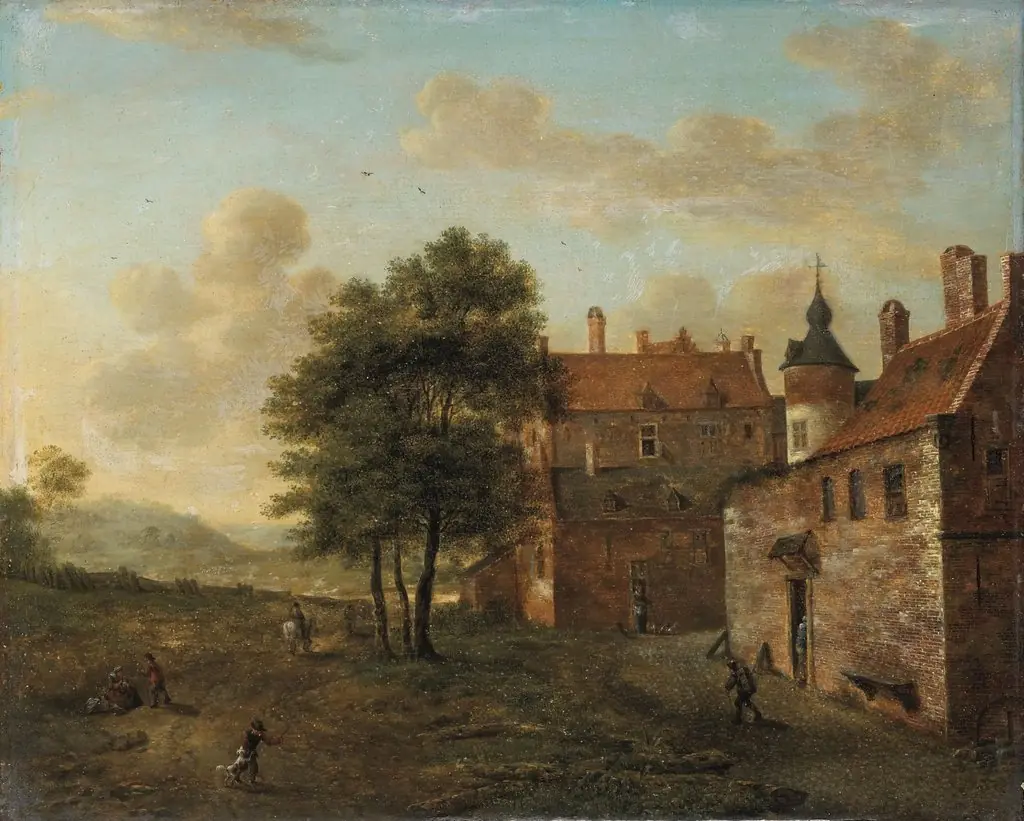
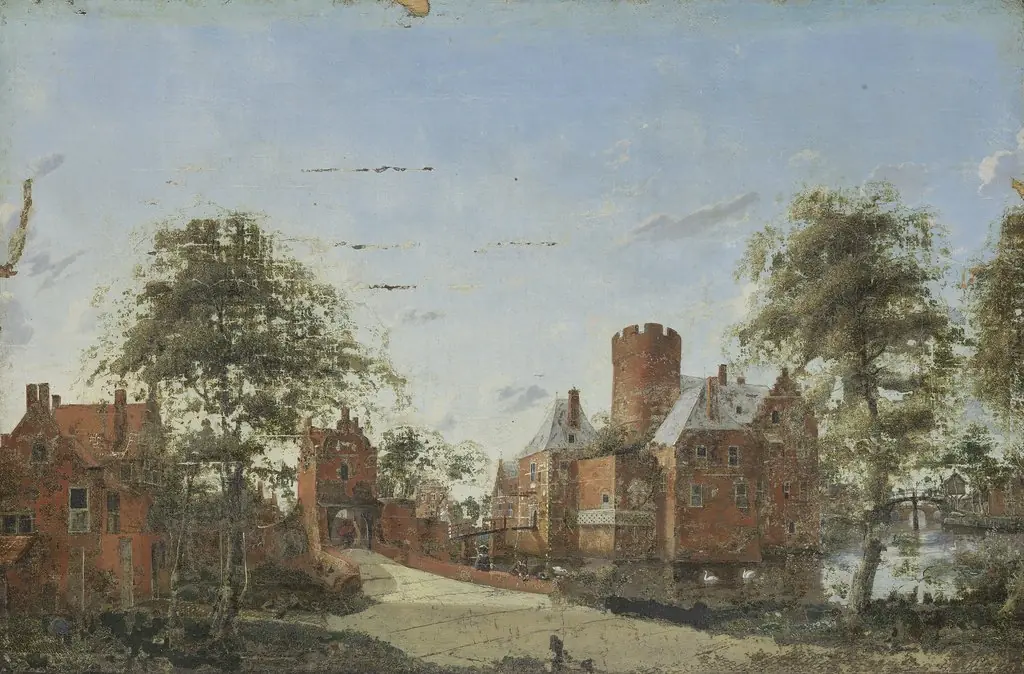
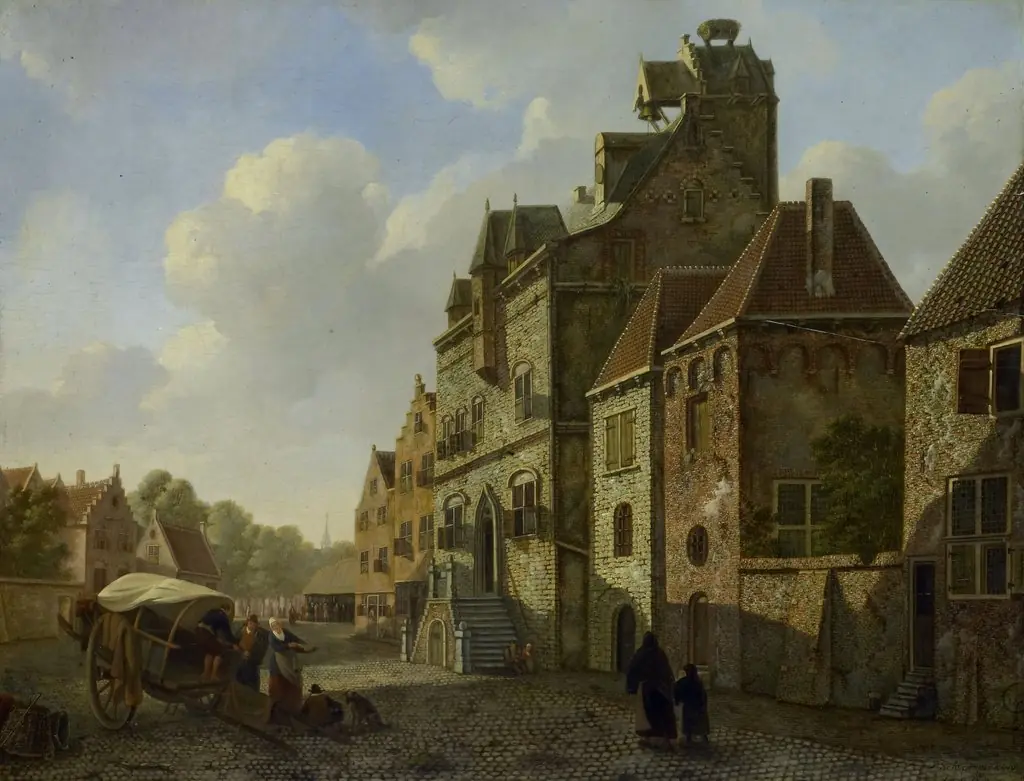
Pieter de Ruelles’s early‑mid‑17th‑century oil on canvas portrays the convent of St Agnes in Utrecht. Executed around 1650, the work measures a modest size and is now part of the Rijksmuseum’s collection. The composition presents the convent’s brick façade under a muted sky, with a modest group of figures traversing a foreground path.
Subject & Meaning
The painting records a moment of everyday activity before the convent’s entrance: three individuals, dressed in period attire, walk along a low wall, some bearing loads on their heads. Their presence suggests a glimpse of the routine life surrounding the religious institution, emphasizing the interplay between the sacred building and the lay world that surrounds it.
Context
The work reflects the Dutch Golden Age’s interest in realistic urban and architectural scenes, a genre that documented civic pride and everyday life. Utrecht’s St Agnes convent, an active religious community at the time, provides a specific local reference that would have been familiar to contemporary viewers.
Own this work as a print
Artist & collection
Artist
Dutch painters in the mid-1600s turned church buildings into quiet dramas of light and brick.