Artwork
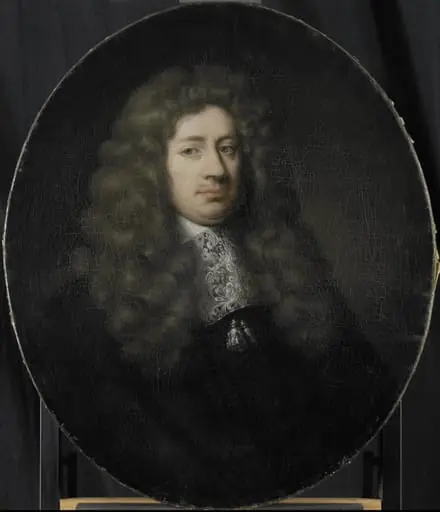
Portrait of Adriaen Paets, Director of the Rotterdam Chamber of the Dutch East India Company, elected 1703
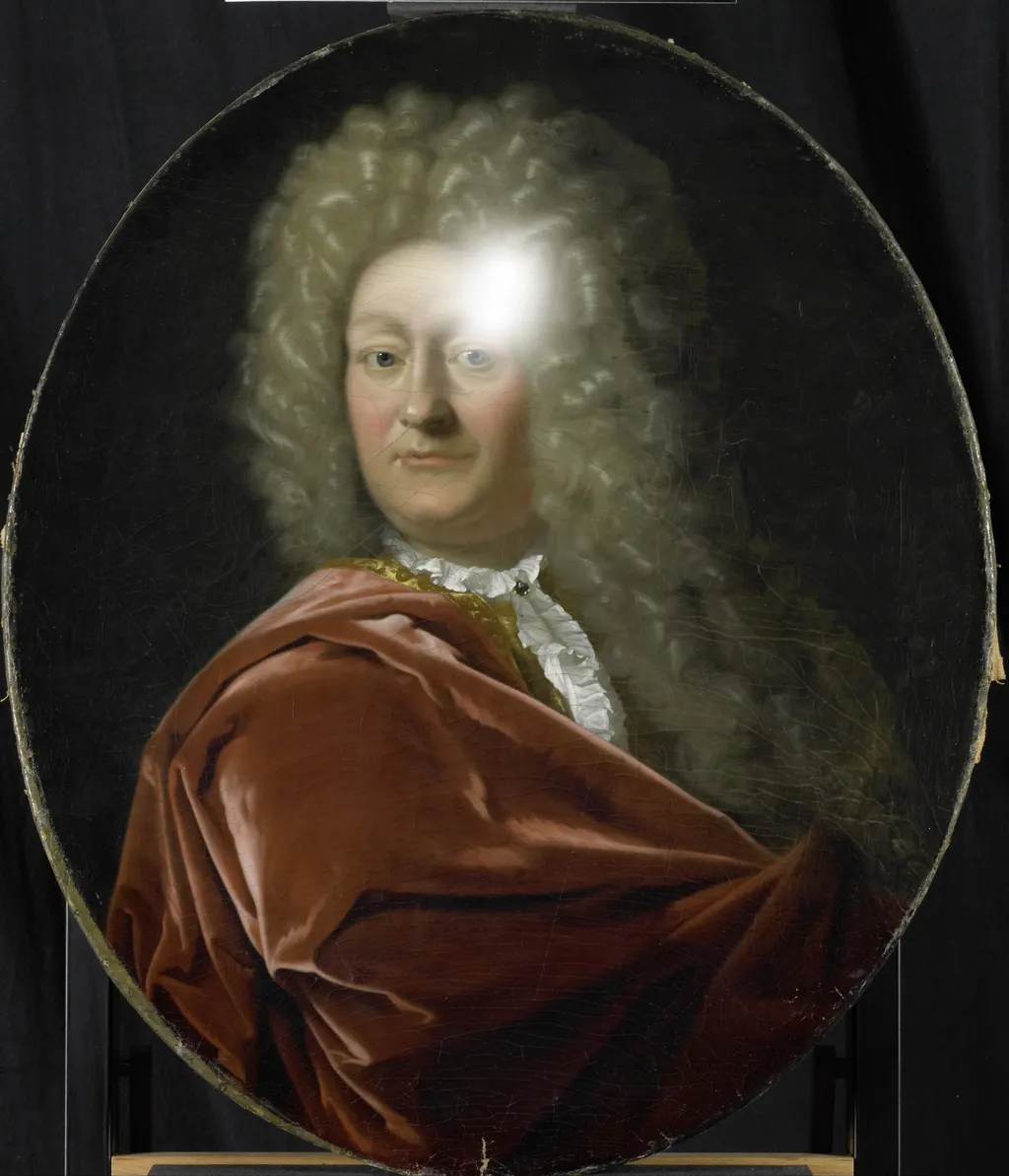
Portrait of Adriaen Paets, Director of the Rotterdam Chamber of the Dutch East India Company, elected 1703 is an oil painting by the Rococo painting artist Pieter van der Werff. It dates from 1712 and is held in the collection of the Rijksmuseum.
About this work
History & Provenance
The sit's identification as a Director of the Rotterdam Chamber of the Dutch East India Company, elected in 1703, is established in the work's title record.
The portrait of Adriaen Paets was produced by Pieter van der Werff in 1712, executed in oil paint on canvas. The sit's identification as a Director of the Rotterdam Chamber of the Dutch East India Company, elected in 1703, is established in the work's title record.
The painting is held in the collection of the Rijksmuseum. Wikidata records also associate the work with the East India Company Rotterdam Chamber and the Nederlandsch Museum voor Geschiedenis en Kunst, suggesting the piece passed through institutional custody associated with the Rotterdam Chamber before entering the Rijksmuseum's holdings.
The portrait is held at the Rijksmuseum in Amsterdam, where it forms part of the museum’s collection of the East India Company, Rotterdam Chamber, and the Nederlandsch Museum voor Geschiedenis en Kunst. The sources do not provide an inventory or accession number for the work, nor do they record any exhibition history. Consequently, details regarding its cataloguing within the Rijksmuseum’s holdings or any past public displays are unavailable from the cited material.
Context
Pieter van der Werff's 1712 oil portrait of Adriaen Paets, elected director of Rotterdam's East India Company chamber in 1703, was created during a period when portraiture served to document elite commercial leadership within the Dutch mercantile system. The work reflects van der Werff's established practice of formalized group and individual likenesses for institutional patrons, particularly those connected to maritime trade networks. Stylistic analysis positions this painting within the artist's mature period, characterized by restrained composition and precise rendering of textiles, aligning with broader 18th-century Dutch portrait conventions that emphasized status through subtle material details rather than dramatic narrative.
Its placement in the Rijksmuseum collection underscores contemporary recognition of such works as historical records of corporate governance.
Legacy
The portrait of Adriaen Paets, painted by Pieter van der Werff in 1712, has been recognized for its significance within Dutch portraiture and the representation of East India Company officials. Its inclusion in the Rijksmuseum collection underscores its historical and artistic value, where it remains part of the museum's holdings of early 18th-century works. The painting's composition and portrayal of civic authority have influenced scholarly studies of Dutch mercantile portraiture, contributing to broader interpretations of power and representation in the Dutch Golden Age.
Overview
Pieter van der Werff’s 1712 oil portrait presents Adriaen Paets, who served as a director of the Rotterdam Chamber of the Dutch East India Company after his election in 1703. The canvas, now part of the Rijksmuseum’s holdings, exemplifies the refined aesthetic of early‑18th‑century Dutch painting.
Subject & Meaning
Paets is shown with flowing, curled hair, a white lace collar, and a brown coat edged in gold, his left shoulder draped with a red velvet cloak. His neutral expression and leftward gaze convey a composed, authoritative presence appropriate to his commercial leadership role.
Technique & Style
The work employs a subdued palette of soft hues and delicate brushwork typical of the period’s rococo influence. A dark backdrop isolates the figure, while a subtle circular frame adds compositional balance, emphasizing the sitter’s dignified posture.
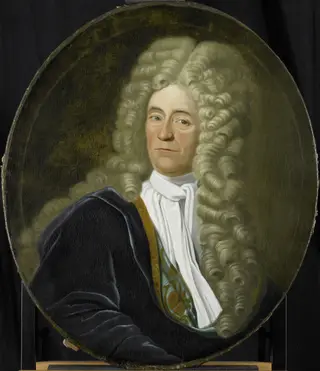
Own this work as a print
Artist & collection
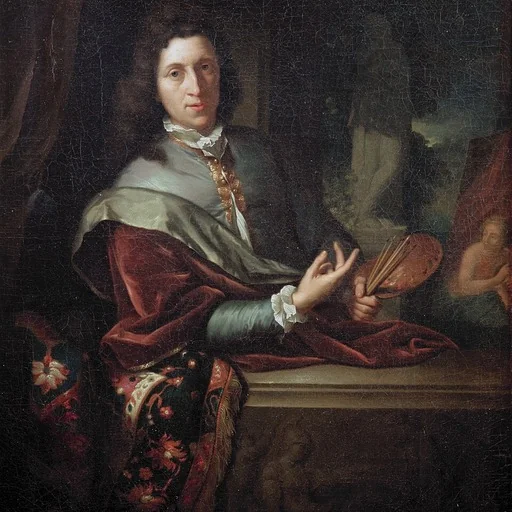
Artist
Pieter van der Werff (1665 – 26 September 1722) was a Dutch Golden Age painter. He assisted his older brother, Adriaen van der Werff.

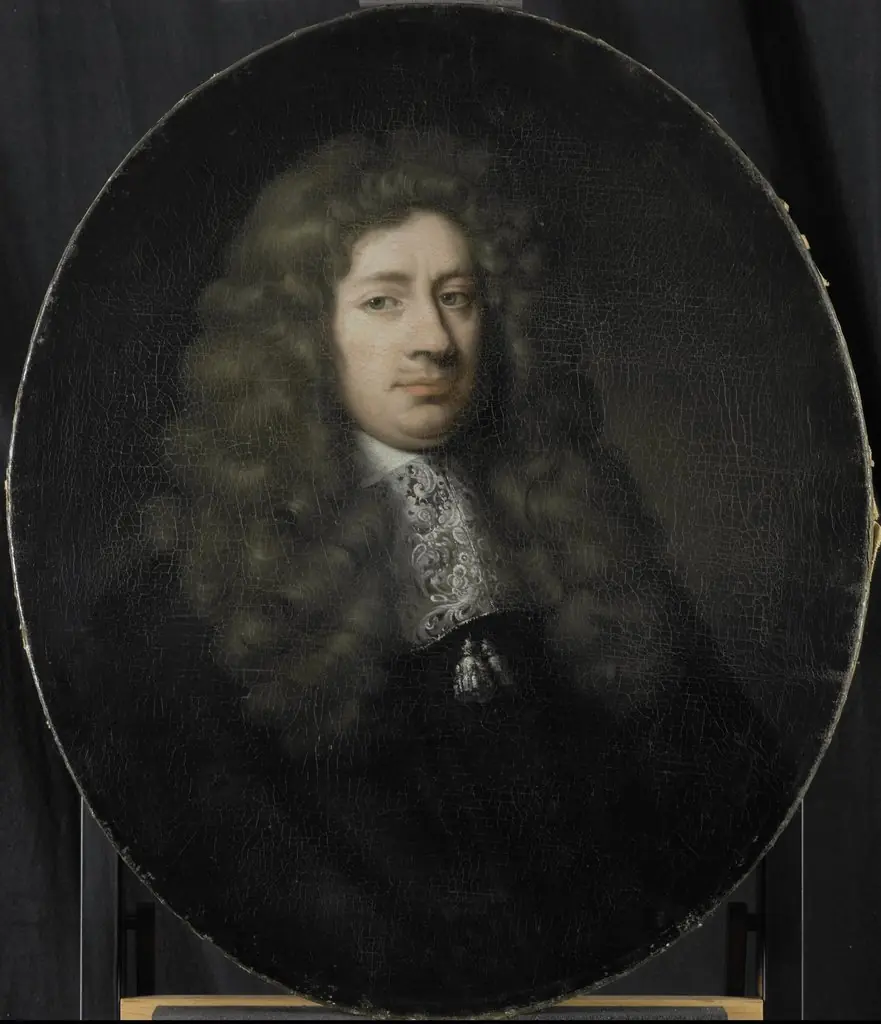 Portrait of Dominicus Rosmale, Director of the Rotterdam Chamber of the Dutch East India Company, elected 1677
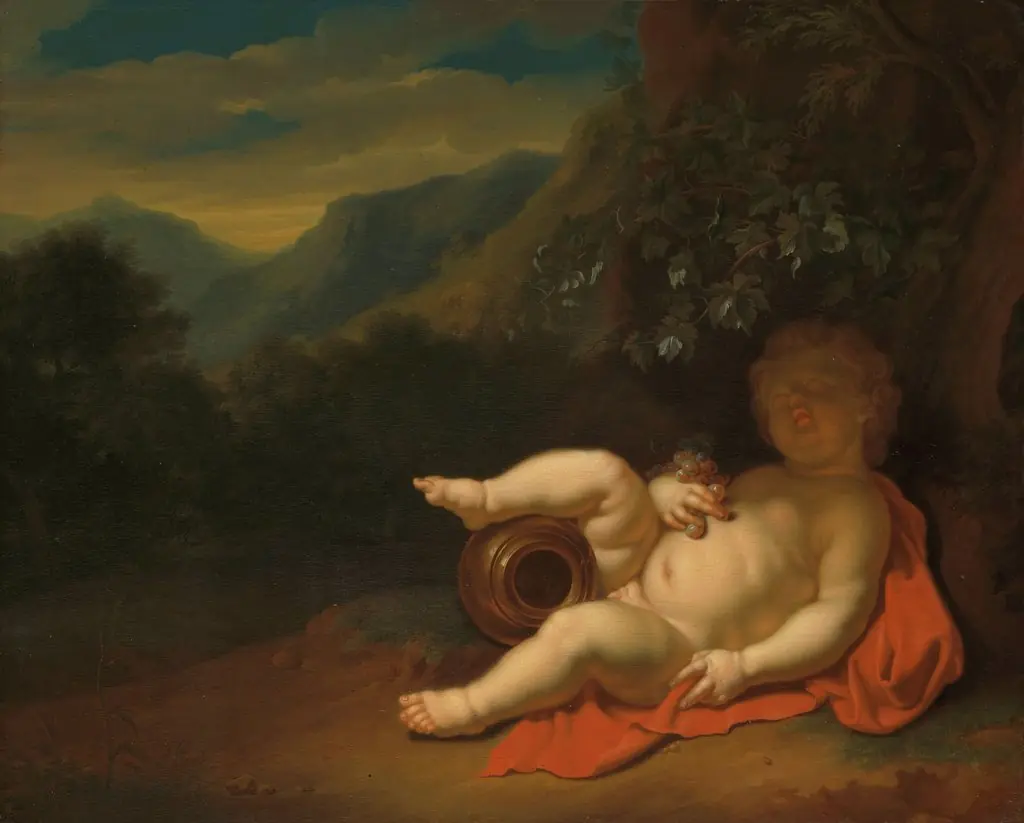 The Infant Bacchus
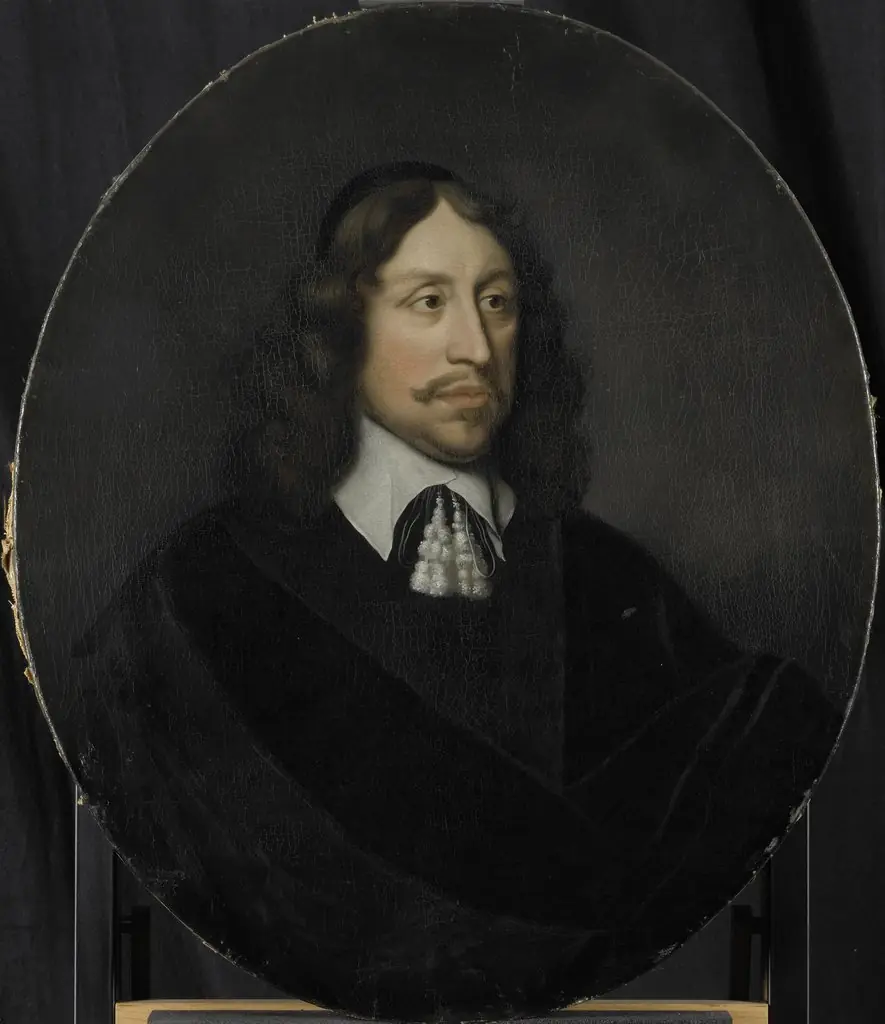 Portrait of Johan de Vries, Director of the Rotterdam Chamber of the Dutch East India Company, elected 1667
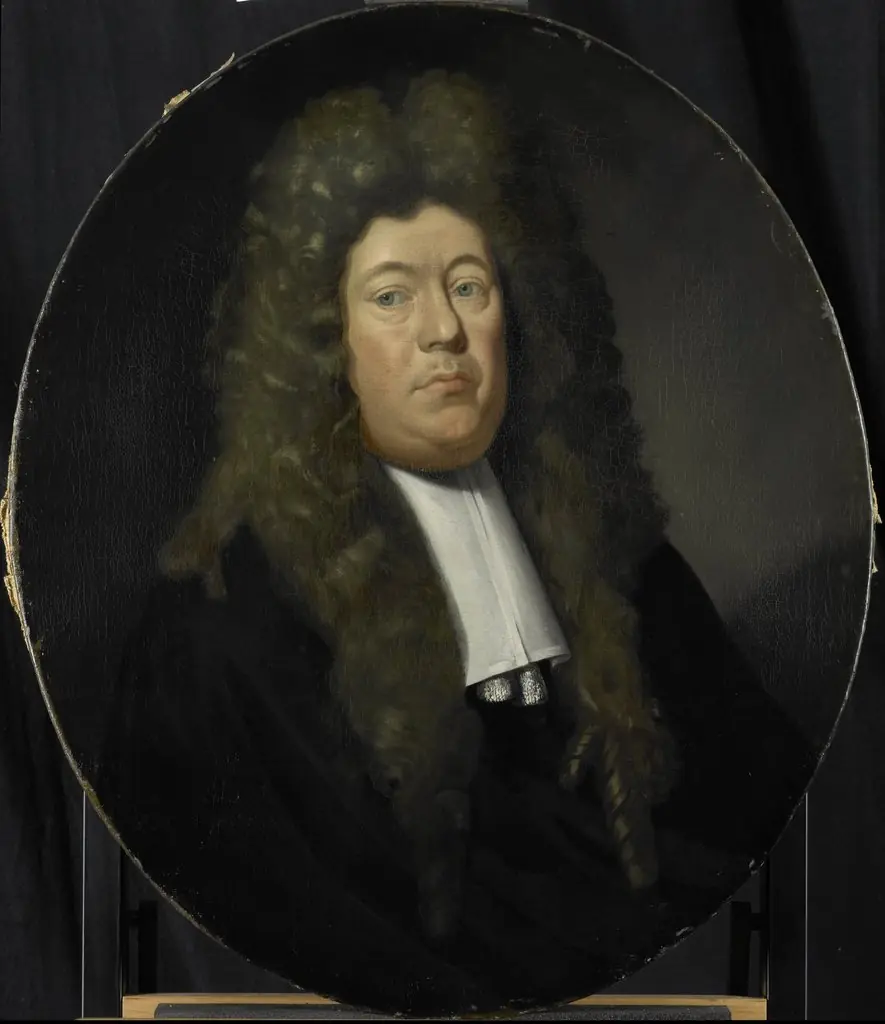 Portrait of Adriaen Paets, Director of the Rotterdam Chamber of the Dutch East India Company, elected 1668
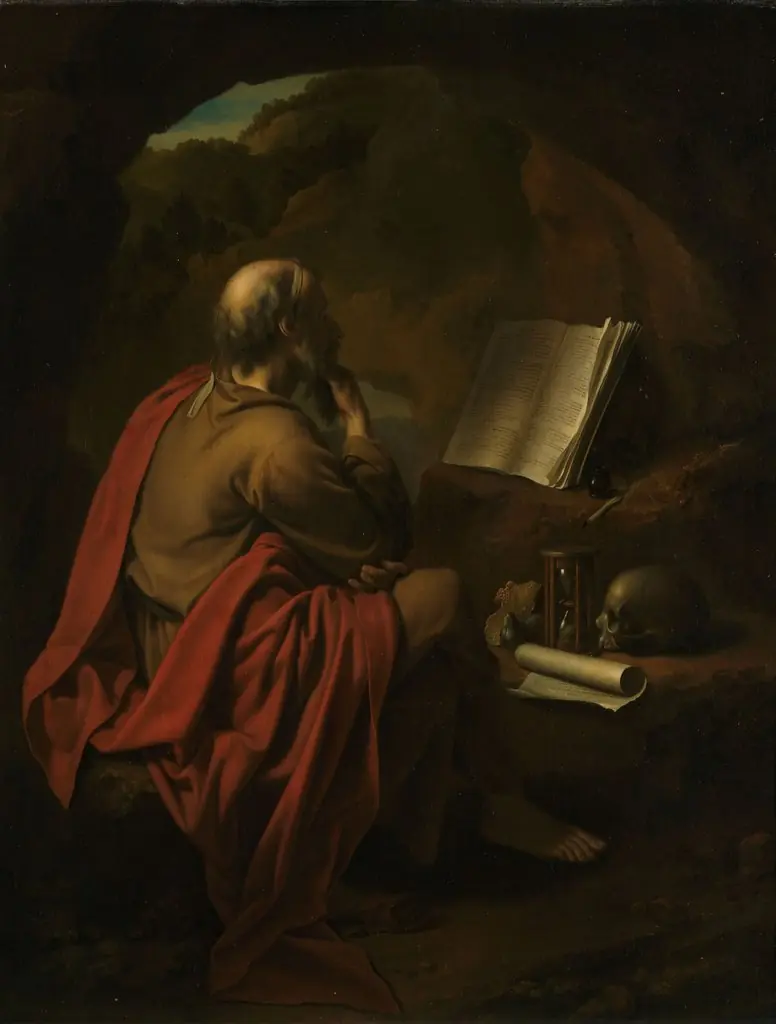 Saint Jerome
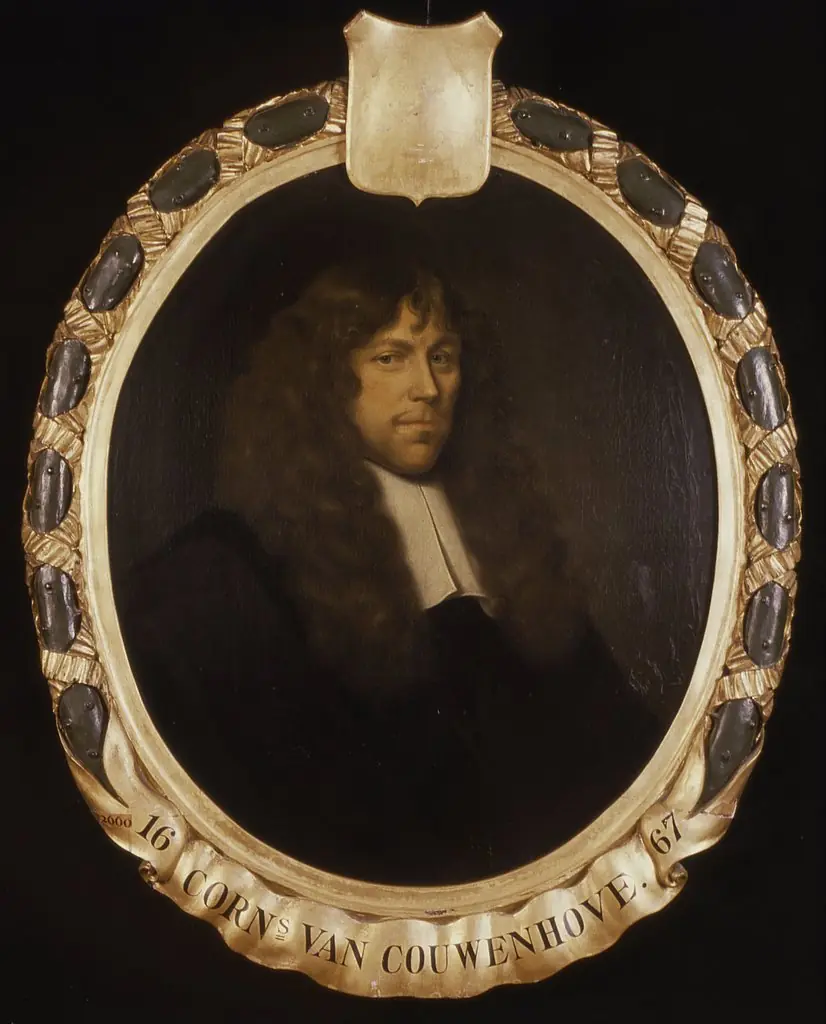 Portrait of Cornelis van Couwenhove, Director of the Rotterdam Chamber of the Dutch East India Company, elected 1667
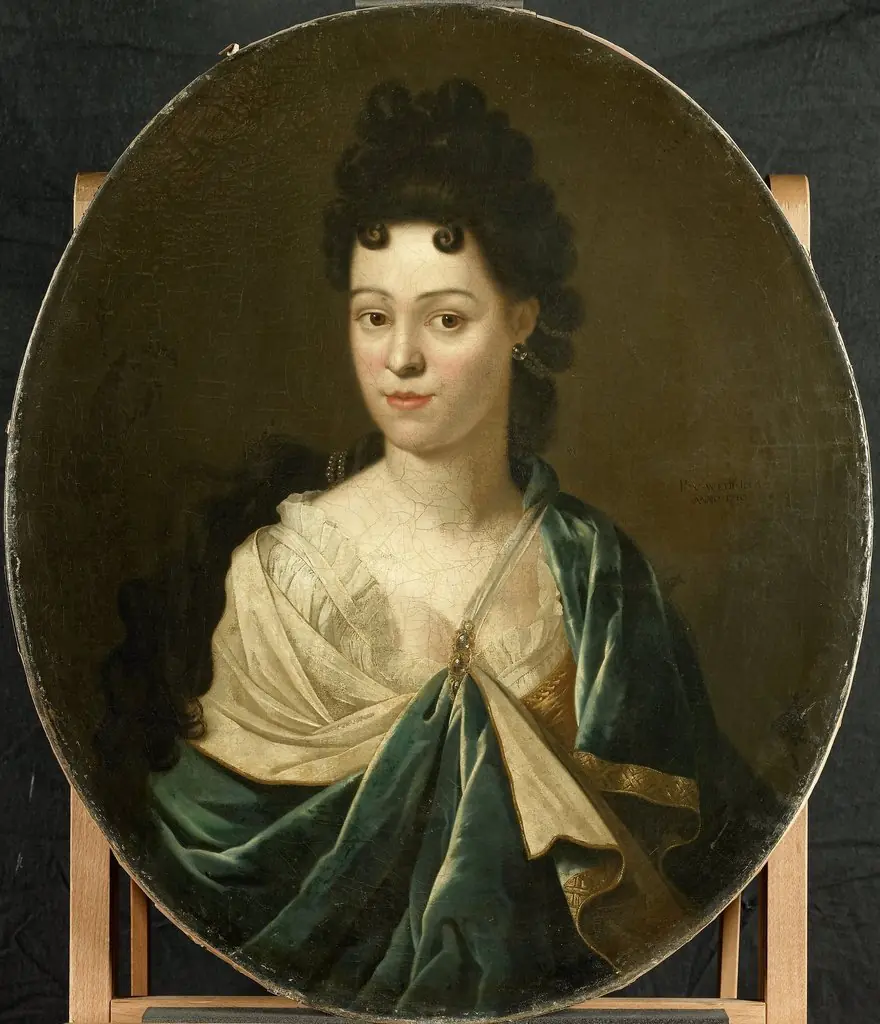 Portrait of Mrs. Brust-Batailhy
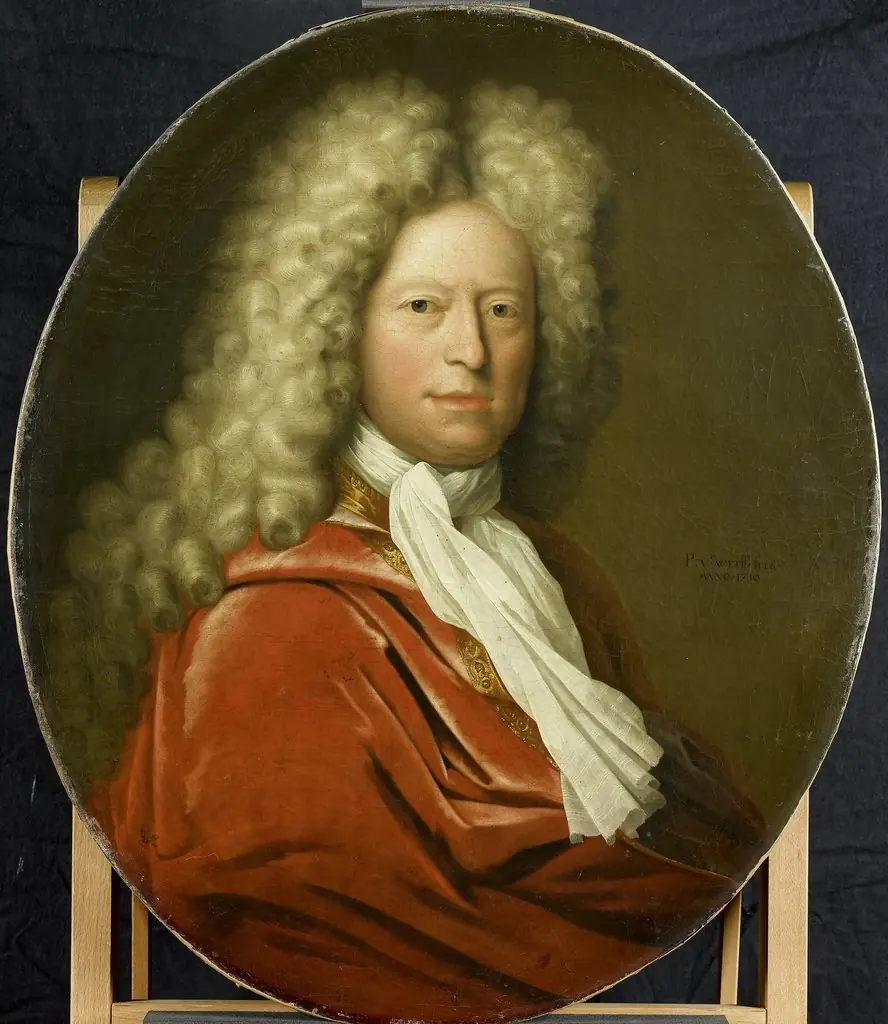 Portrait of Mr. Brust
- Portrait of Willem van Hogendorp, Director of the Rotterdam Chamber of the Dutch East India Company, elected 1692
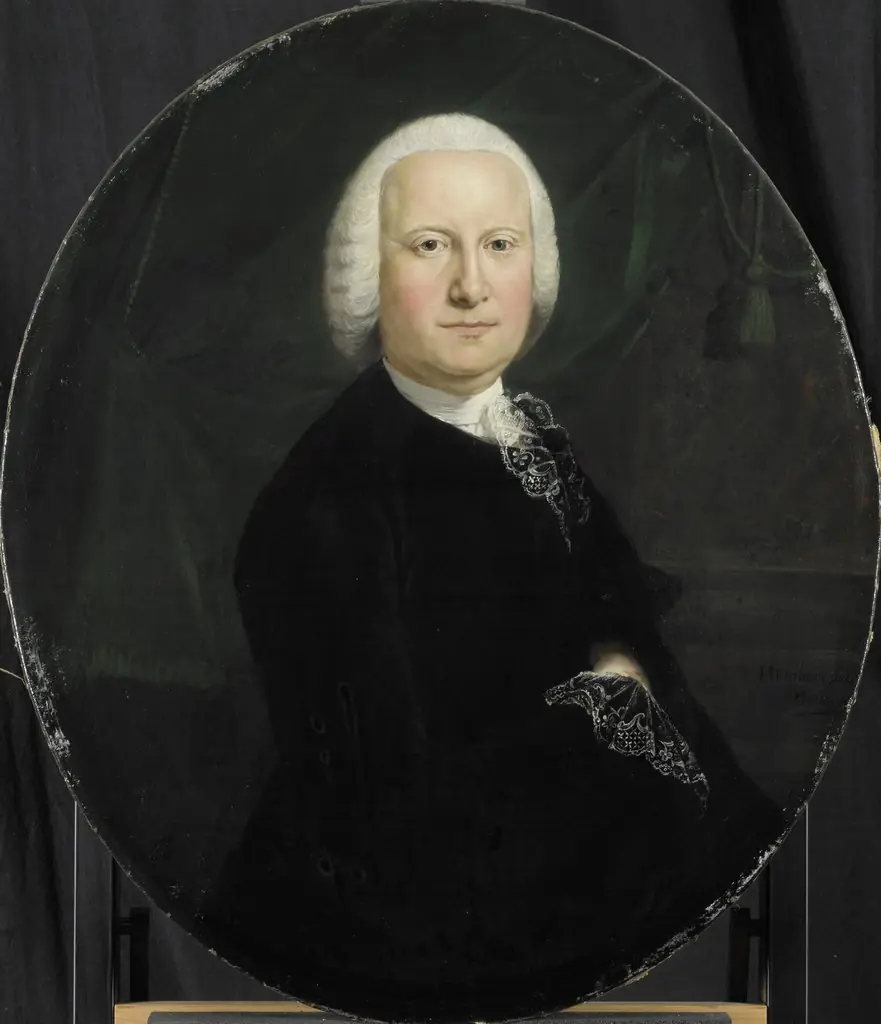 Portrait of Adriaan du Bois, Director of the Rotterdam Chamber of the Dutch East India Company, elected 1742
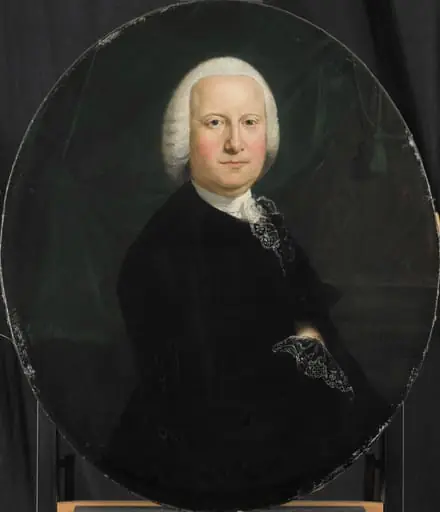 Portrait of Adriaan du Bois, Director of the Rotterdam Chamber of the Dutch East India Company, elected 1742
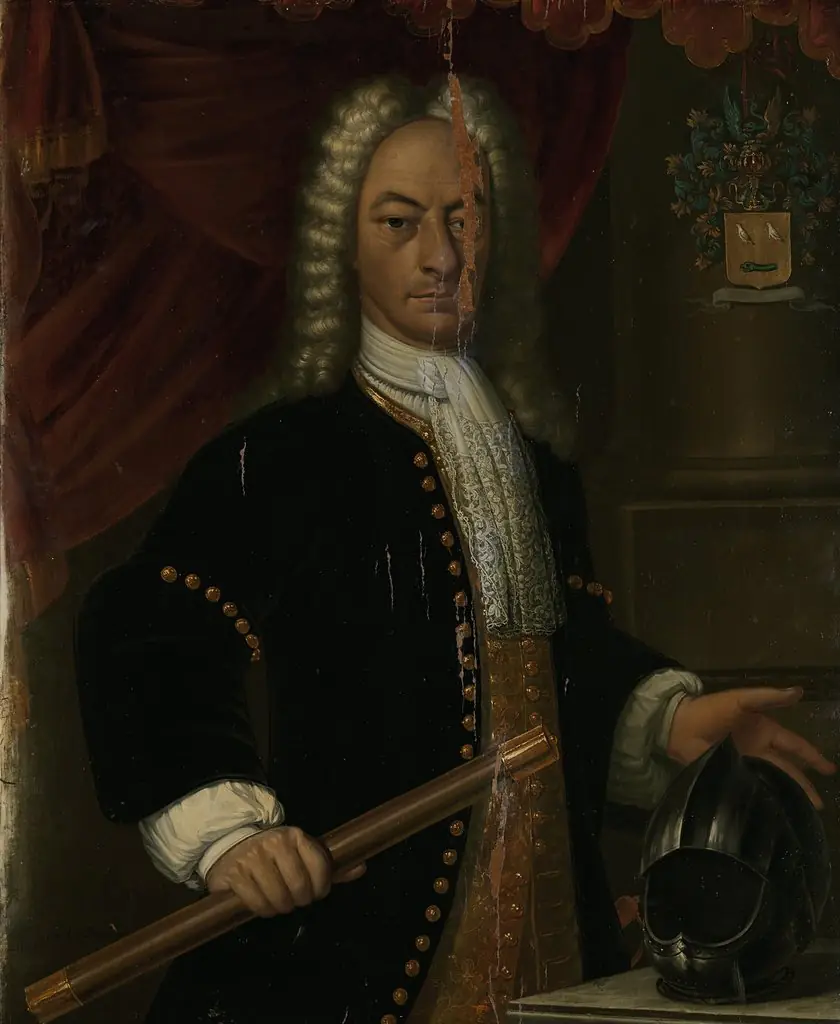 Portrait of Diederik van Durven, Governor-General of the Dutch East Indies
 Diederik van Durven (1729-1730)
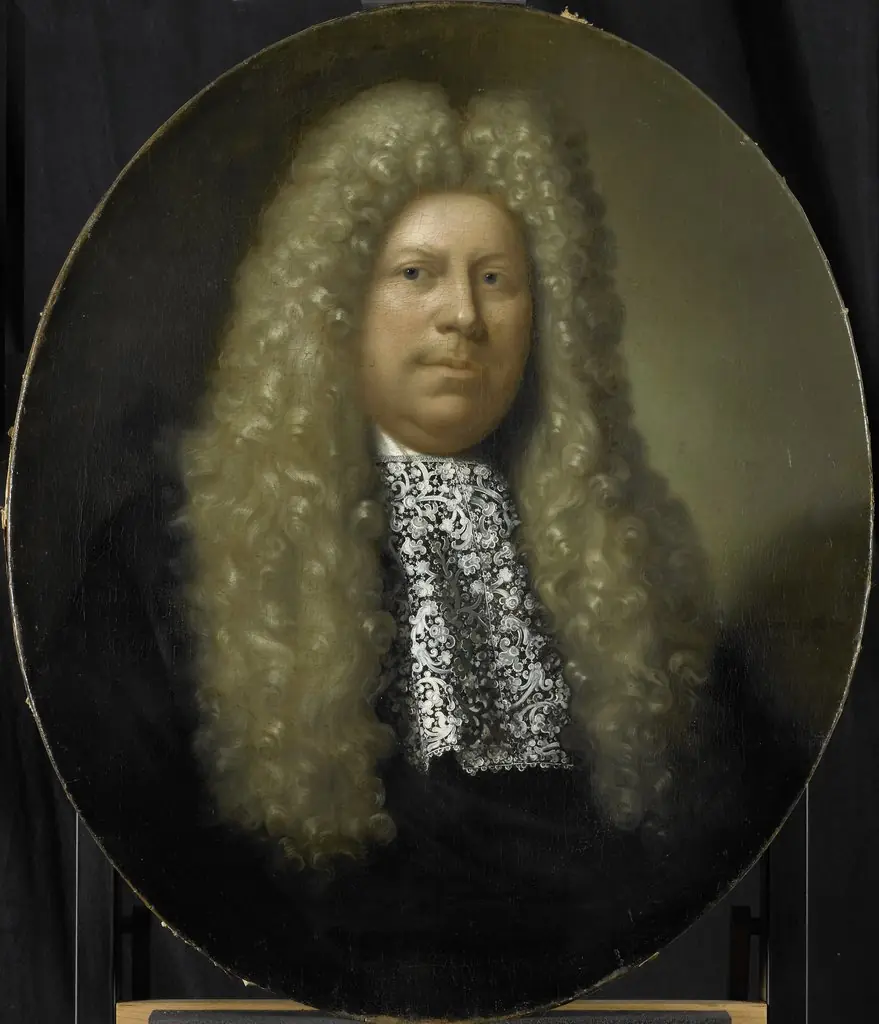 Portrait of Jacob Dane, Director of the Rotterdam Chamber of the Dutch East India Company, elected 1689
 Portrait of Dominicus Rosmale, Director of the Rotterdam Chamber of the Dutch East India Company, elected 1677