Artwork
Young Russian Woman
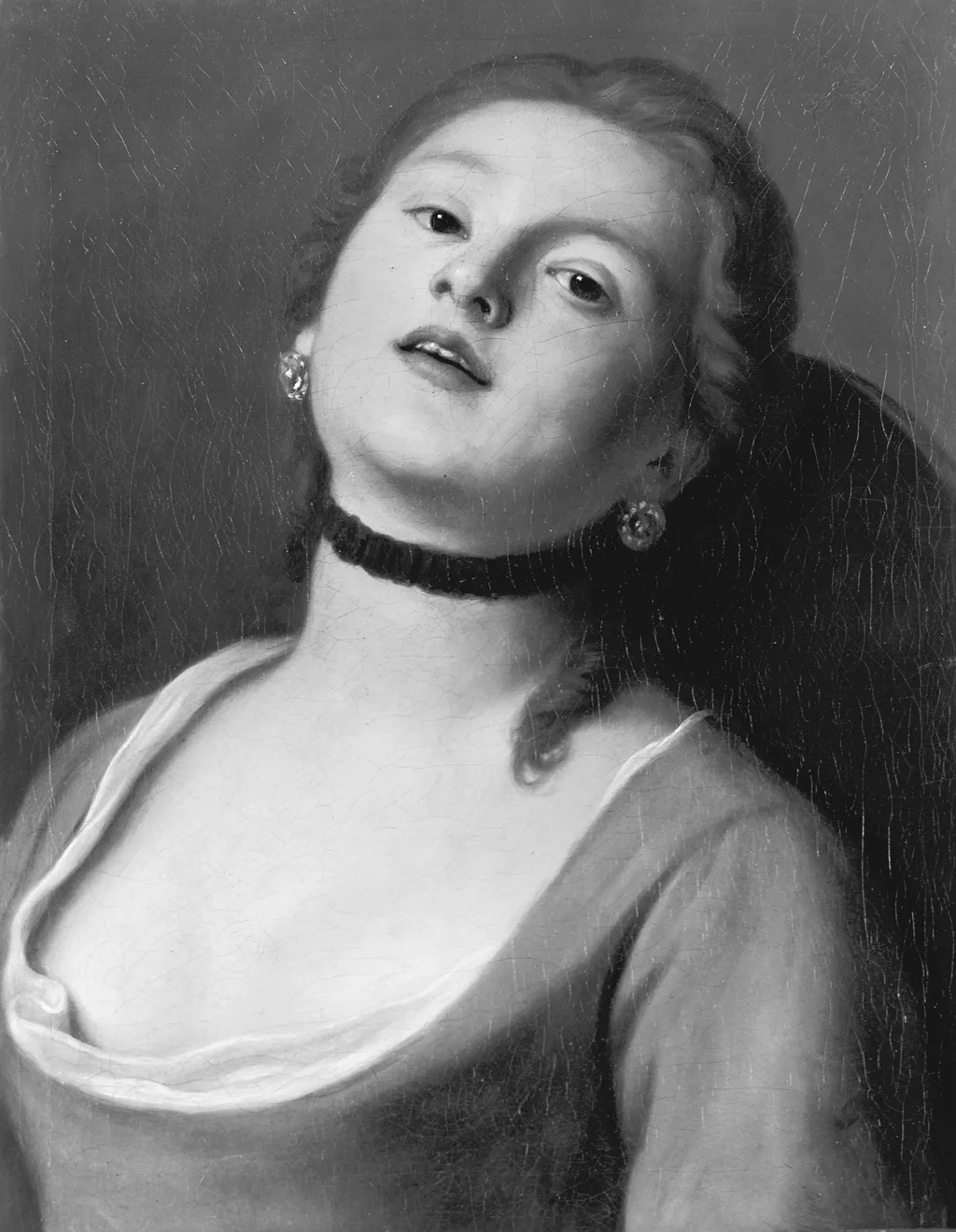
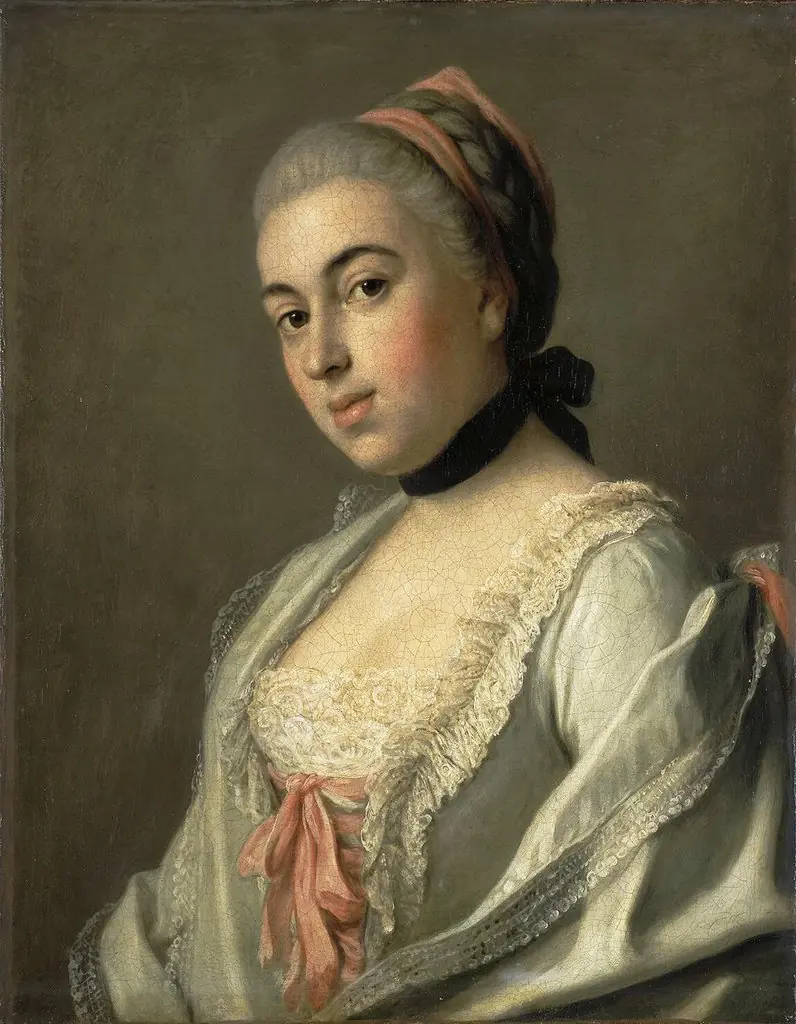
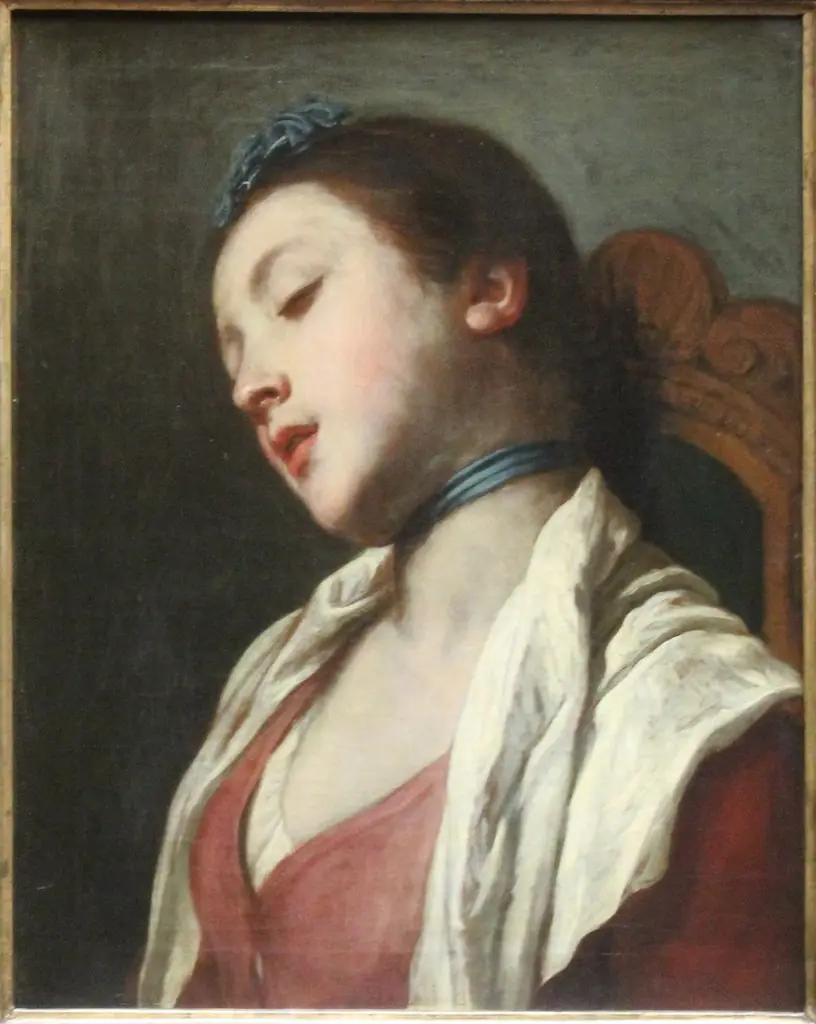
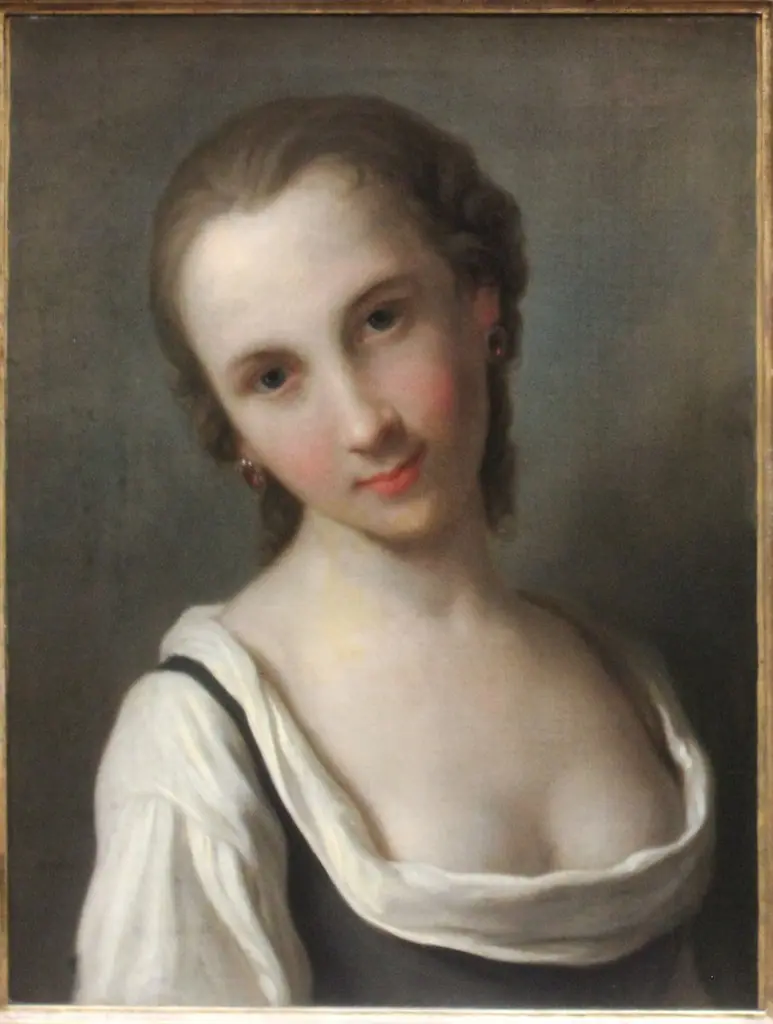
Young Russian Woman is an oil painting by the Rococo painting artist Pietro Rotari. It dates from 1759 and is held in the collection of the Walters Art Museum.
About this work
The artist's use of oil paint and the subject's pose create a sense of intimacy and quiet contemplation.
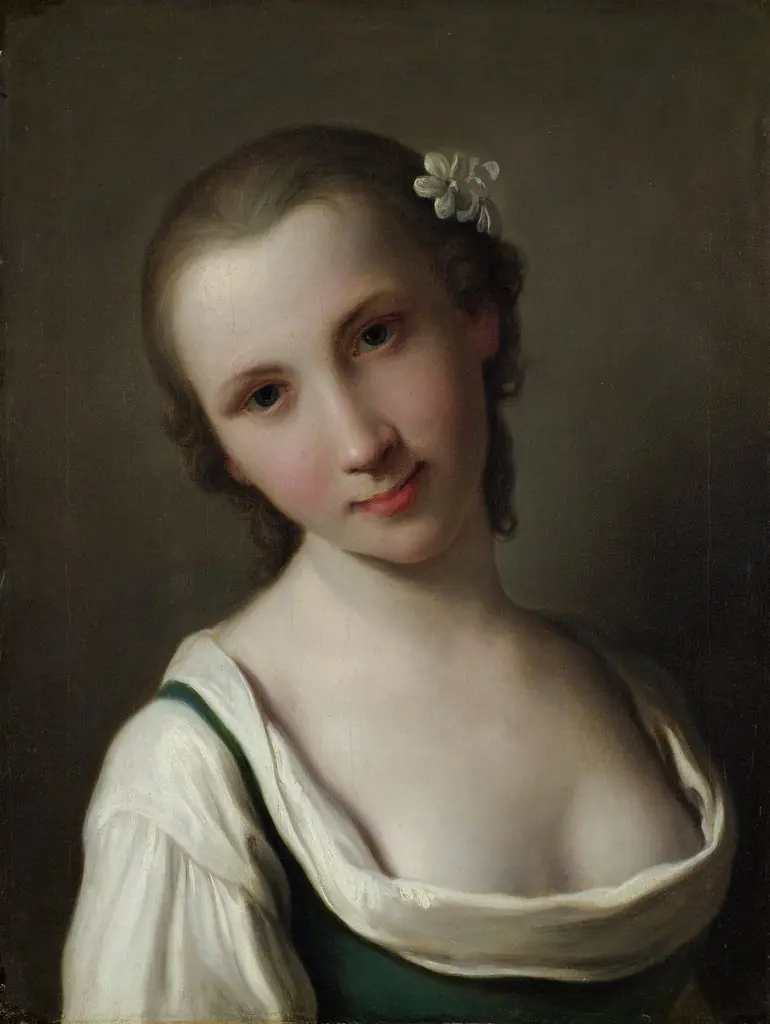
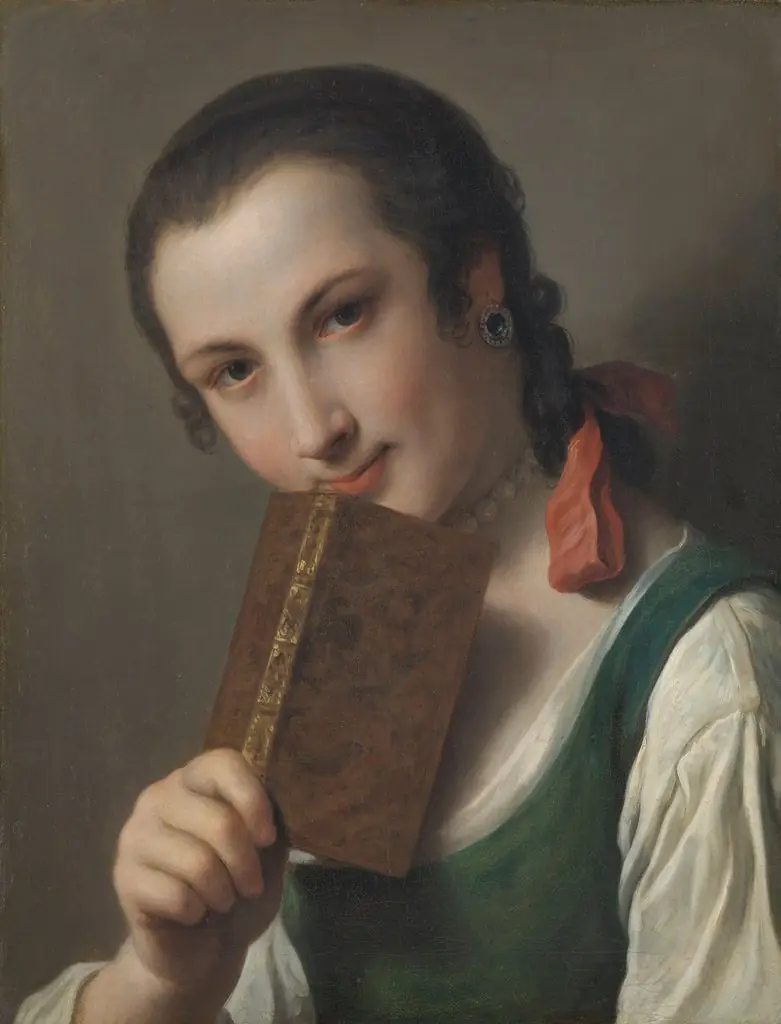
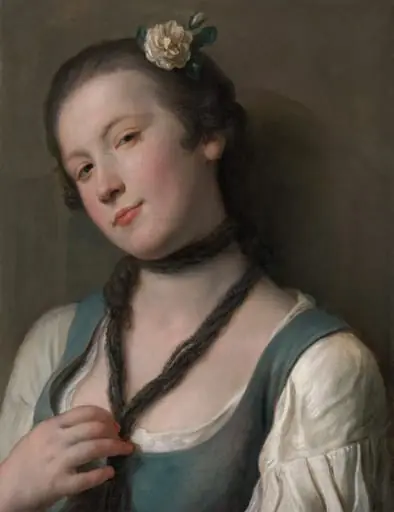
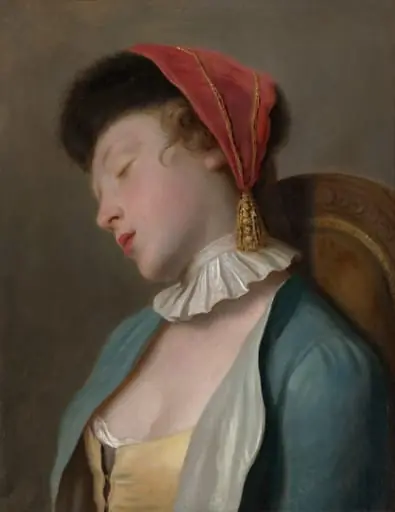
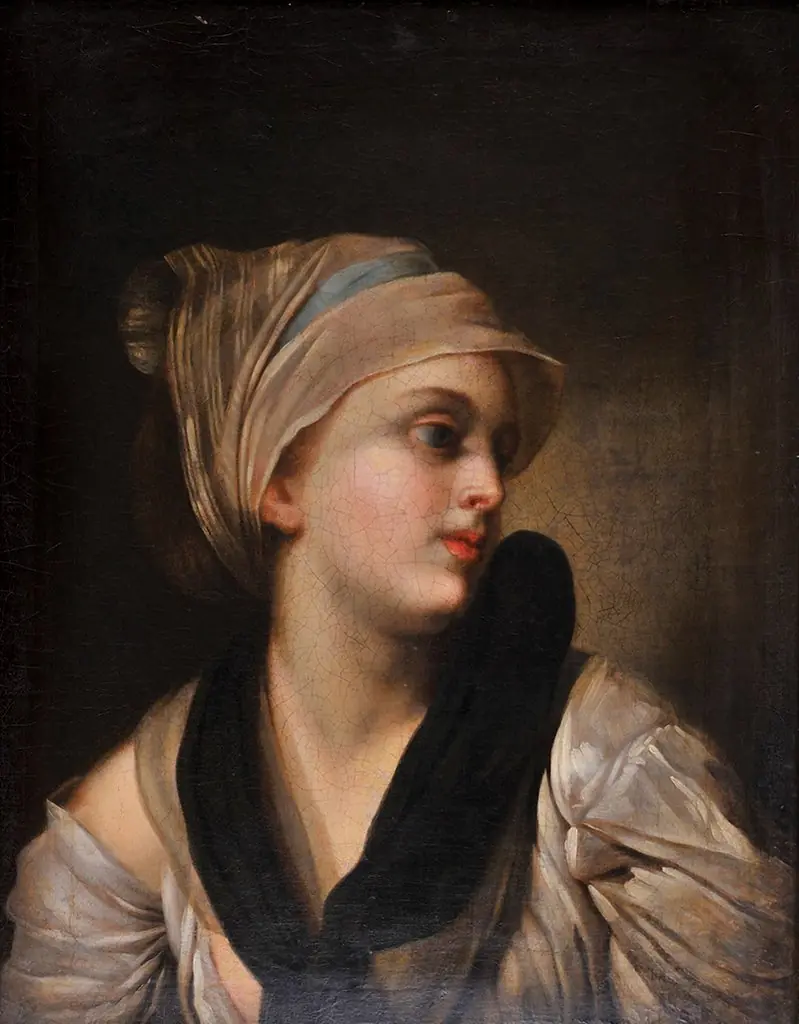
The painting depicts a young woman with dark hair, wearing a dress and a choker necklace. She is looking upwards, and her mouth is slightly open.
The woman's attire and hairstyle suggest a formal or elegant setting, possibly from the 18th century. The artist's use of oil paint and the subject's pose create a sense of intimacy and quiet contemplation.
To learn more about the artist behind this work, explore the art of Pietro Rotari.
Overview
Painted in 1759 by Italian artist Pietro Rotari, this oil portrait captures a young Russian woman in a poised, introspective gaze. Rotari, known for his refined depictions of female subjects, produced this work during his tenure at the Russian imperial court in Saint Petersburg. The painting exemplifies his skill in rendering delicate facial features and textures through layered oil glazes, reflecting the aesthetic priorities of mid-18th-century portraiture.
Subject & Meaning
The sitter, likely a noblewoman or court attendant, is portrayed with subtle expressiveness, her upward glance and slightly parted lips suggest quiet reflection rather than formal stiffness. Her attire, including a high-collared dress and choker necklace, signals aristocratic status while avoiding overt ornamentation. The absence of symbolic props or elaborate background directs focus to her presence, emphasizing individuality over social allegory.
Technique & Style
Rotari employed fine brushwork and translucent oil layers to achieve a lifelike skin tone and subtle gradations in fabric. The soft modeling of light across the face and neck enhances the sense of volume without theatricality. The composition is tightly framed, isolating the figure against a neutral backdrop, a hallmark of his court portraiture. His style blends Italian precision with the gentler sensibilities of Northern European Rococo.
History & Provenance
Created during Rotari’s years in Saint Petersburg, where he was commissioned by the Russian imperial family, the portrait reflects the cultural exchange between Italy and Russia in the Enlightenment era. It entered the Walters Art Museum’s collection in the early 20th century through the bequest of Henry Walters, who assembled a broad array of European decorative and fine arts.
Context
In mid-18th-century Russia, European artists were actively recruited to elevate court culture. Rotari’s portraits of noblewomen served both as personal mementos and as markers of imperial sophistication. His work aligned with broader trends in aristocratic portraiture across Europe, where psychological nuance and refined technique replaced rigid formality in favor of intimate realism.
Legacy
Rotari’s portraits, including this one, contributed to the development of a distinct Russian imperial visual language rooted in Western techniques. Though less widely known than some contemporaries, his output influenced later Russian portraitists by demonstrating how subtle expression and technical mastery could convey dignity without grandeur. The painting remains a quiet testament to cross-cultural artistic exchange in the 18th century.
Own this work as a print
Artist & collection
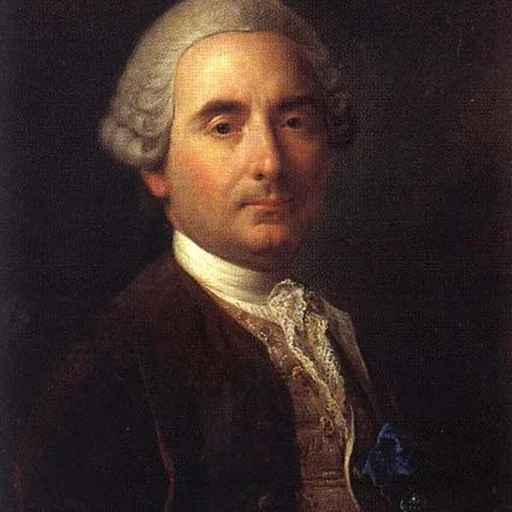
Artist
Pietro Antonio Rotari (30 September 1707 – 31 August 1762) was an Italian painter of the Baroque period.