Artwork
Diana
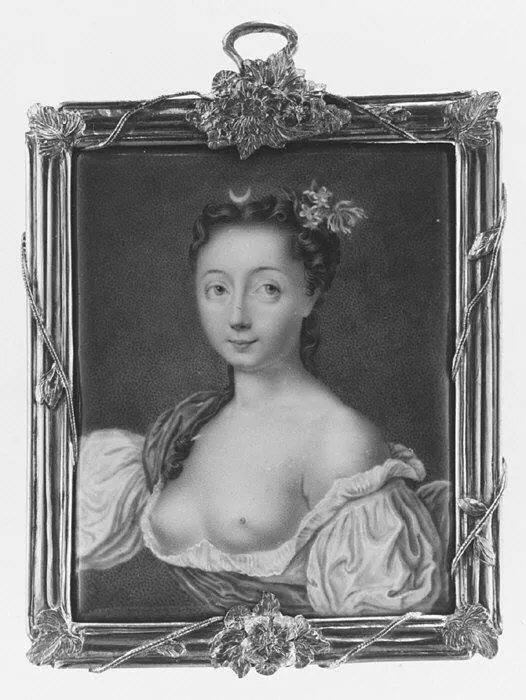
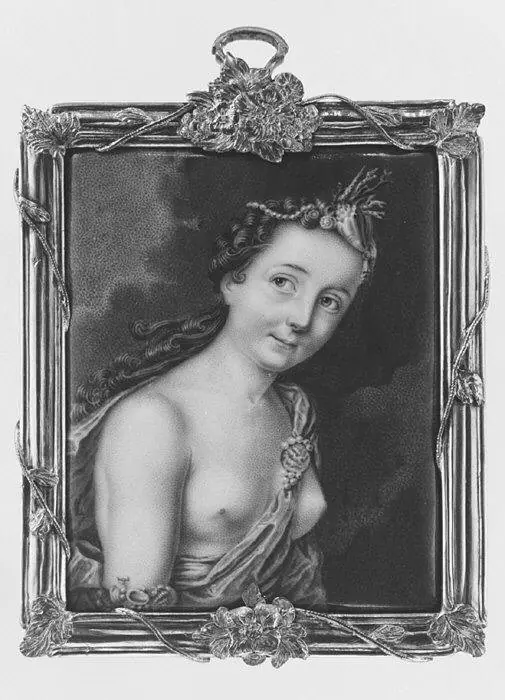
Diana is an unspecified painting by the Rococo painting artist Carl Friedrich Thienpondt. It dates from 1760 and is held in the collection of the Metropolitan Museum of Art.
About this work
Subject & Meaning
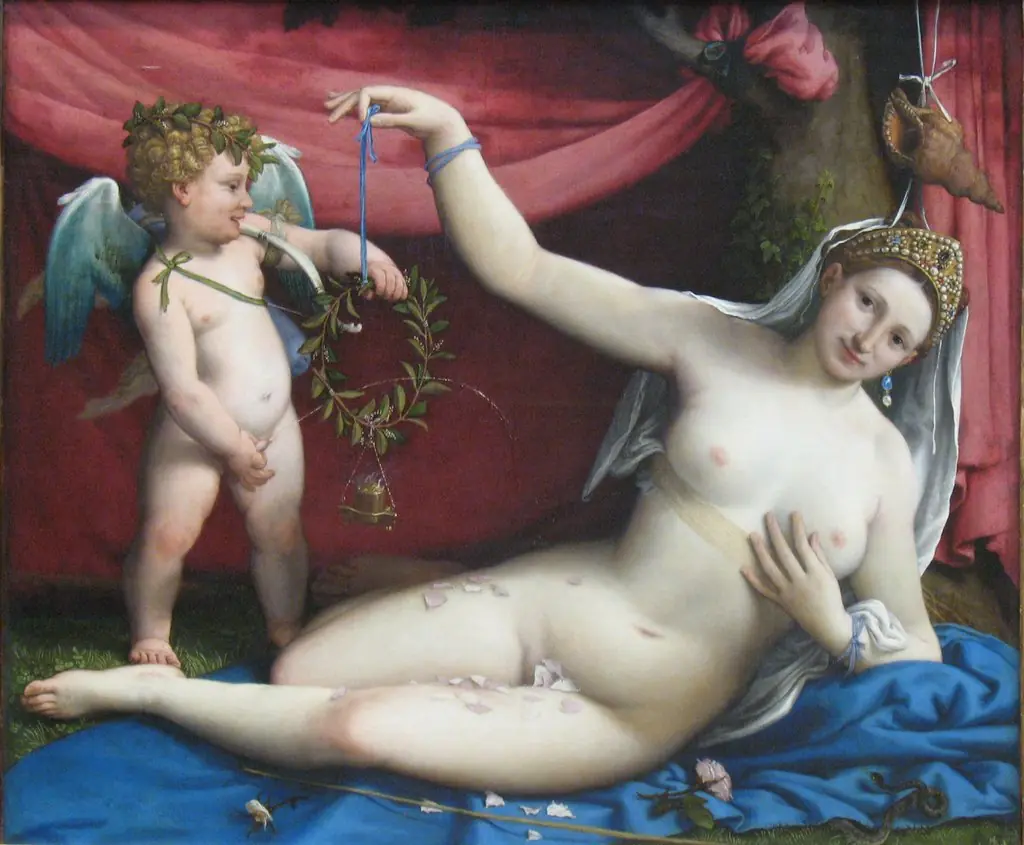
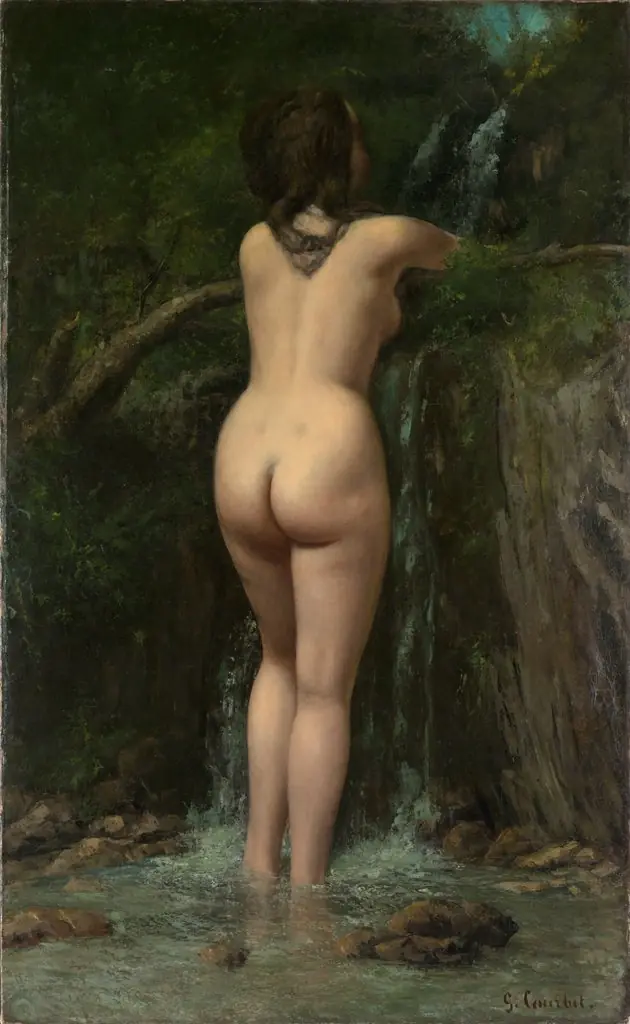
The subject of the painting is Diana, the Roman goddess of the hunt, depicted nude and holding a bow, aligning with classical representations of the deity.
The subject of the painting is Diana, the Roman goddess of the hunt, depicted nude and holding a bow, aligning with classical representations of the deity. The iconography centers on attributes associated with Diana: the bow, indicating her role as huntress, and her unclothed form, which underscores her mythological purity and association with the natural world. The work’s mythological genre situates it within a tradition of allegorical portrayals of deities, emphasizing themes of chastity and untamed nature.
As a depiction of Diana, the painting evokes broader cultural associations of the goddess with moonlight, wilderness, and feminine autonomy.
Technique & Style
Diana is classified as a painting and belongs to the genre of mythological painting. The work is held in the collection of the Metropolitan Museum of Art. Its physical dimensions are recorded as 74 units in height and 59 units in width.
The composition depicts the goddess Diana as a nude figure, consistent with mythological subject matter. Beyond this classification, medium, support, condition, and stylistic handling are not documented in the available sources.
History & Provenance
The Diana by Carl Friedrich Thienpondt is dated to 1760 and depicts the mythological figure Diana in a nude representation. The work entered the collection of the Metropolitan Museum of Art, where it is currently located. The painting’s dimensions are recorded as 74 cm in height and 59 cm in width.
According to the museum’s records, the subject is explicitly identified as Diana, and the genre is classified as a mythological painting.
Carl Friedrich Thienpondt's 1760 painting, Diana, is held in the collection of the Metropolitan Museum of Art. The work, which depicts the nude mythological figure Diana, measures 74 by 59 centimeters. While the provided sources confirm the artwork's current location and creator, they do not contain specific accession or inventory numbers for the piece.
Furthermore, the available documentation does not record any exhibition history for this painting; no past or future showings are listed in the referenced materials.
Context
Diana is a mythological painting by Carl Friedrich Thienpondt, executed in 1760 and housed in the Metropolitan Museum of Art. The work portrays the Roman goddess nude, aligning with the neoclassical fascination for classical antiquity that defined much of Thienpondt’s oeuvre. Its classification as a mythological canvas, dimensions of 74 × 59 cm, and inclusion in the museum’s collection underscore its significance as an exemplar of mid‑18th‑century mythological subjects, reflecting contemporary scholarly interest in the artist’s contribution to the genre.
Legacy
The 1760 canvas by Carl Friedrich Thienpondt, titled Diana, is recognized as a representative example of mythological painting in the European tradition. Its presence in the Metropolitan Museum of Art’s collection situates it within scholarly examinations of 18th‑century depictions of the Roman goddess, emphasizing the work’s large format and treatment of the nude figure as illustrations of contemporary compositional practice. The painting’s formal qualities are frequently cited in studies of neoclassical art, reflecting its enduring relevance to discussions of artistic technique and subject matter.
Overview
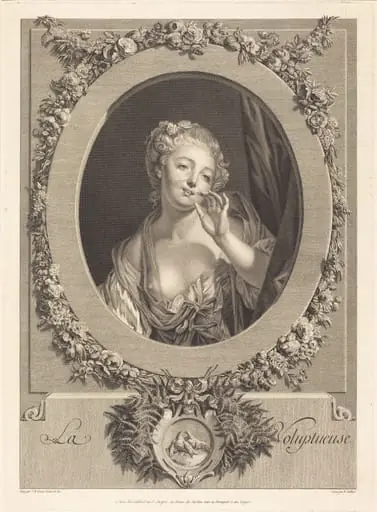
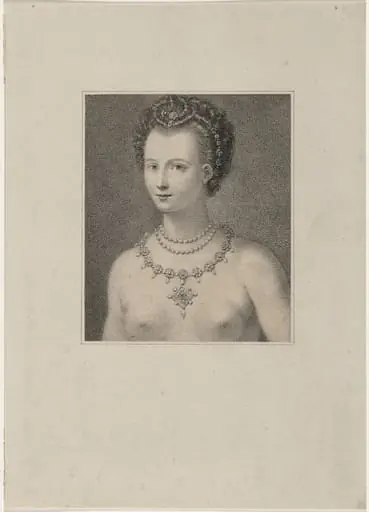
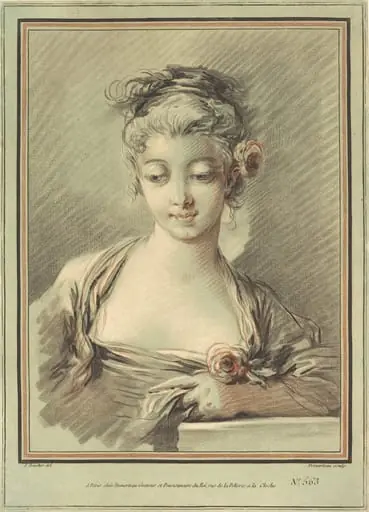
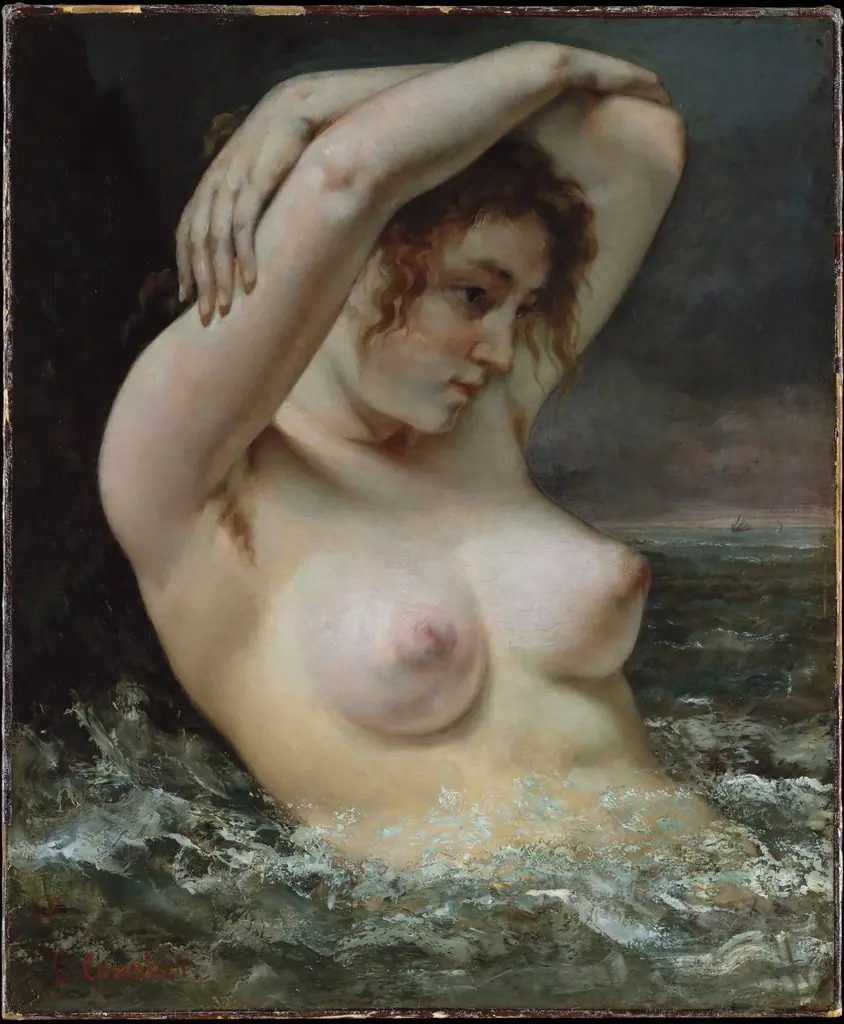
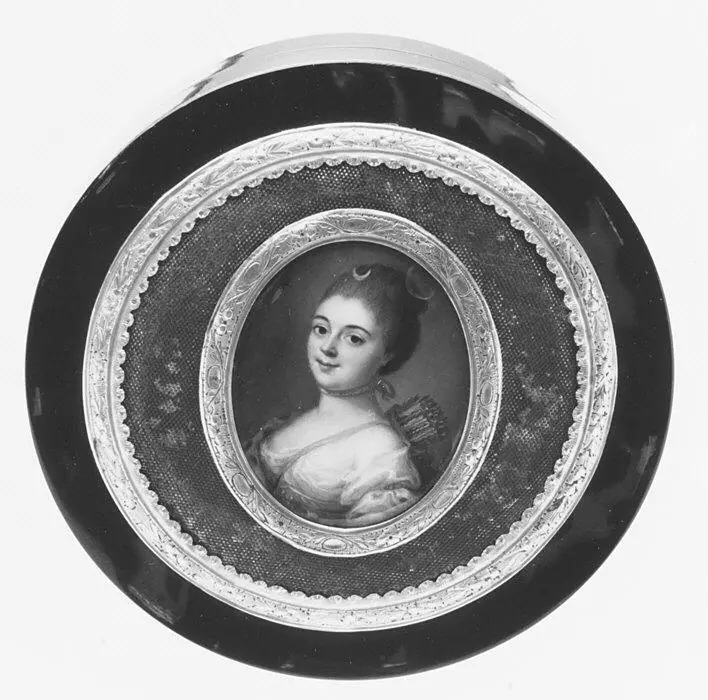
Carl Friedrich Thienpondt completed Diana, a mythological painting, in 1760. This artwork, which depicts the Roman goddess Diana alongside another figure, is currently part of the collection at The Metropolitan Museum of Art. The composition presents a woman with light hair, rendered in a manner that emphasizes her form against a subdued background, characteristic of the period's interest in classical themes.
Artist & collection
Artist
Carl Friedrich Thienpondt (1720–1796) was an artist, born in Berlin.