Artwork
George Legge, Viscount Lewisham
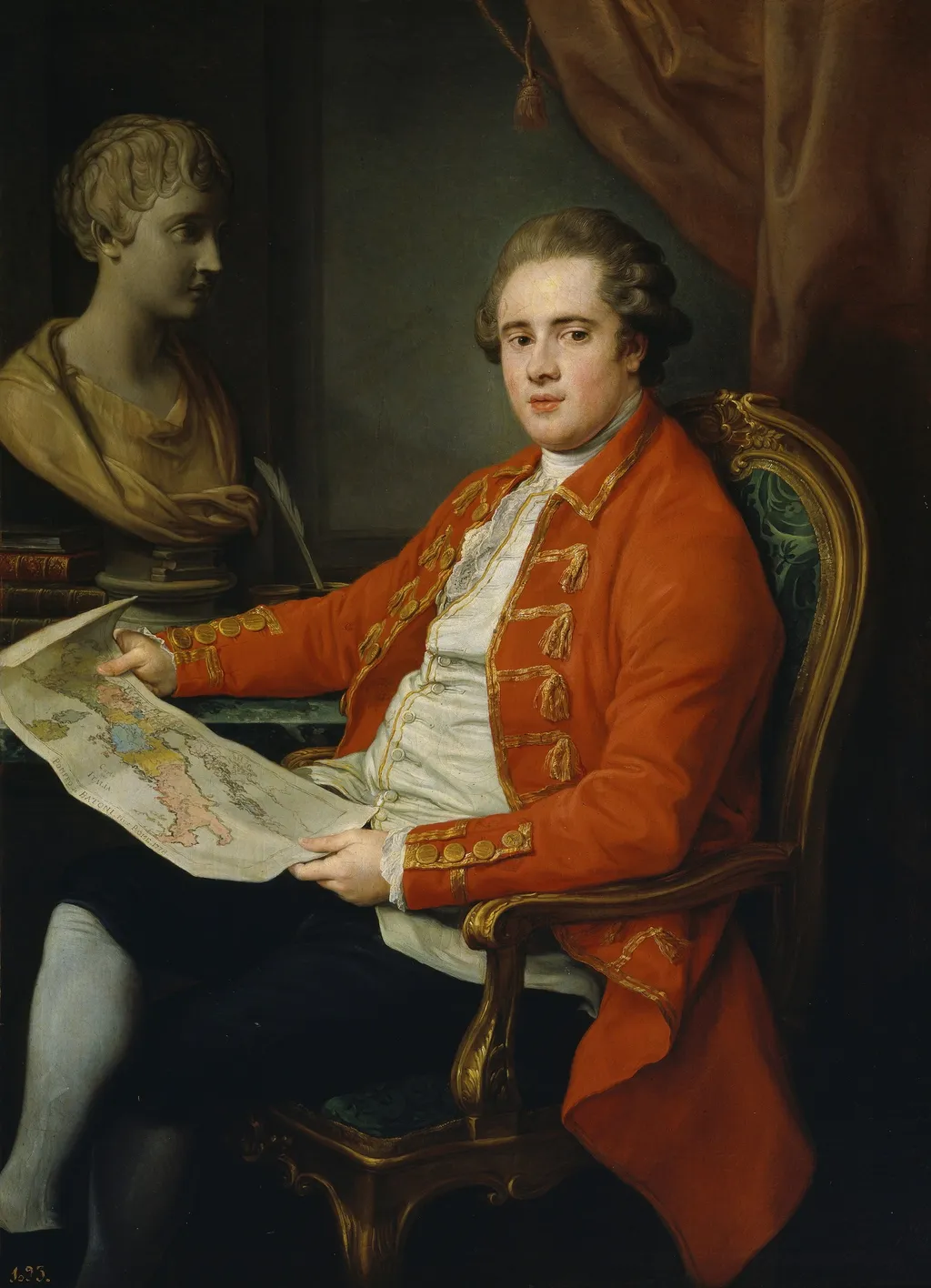
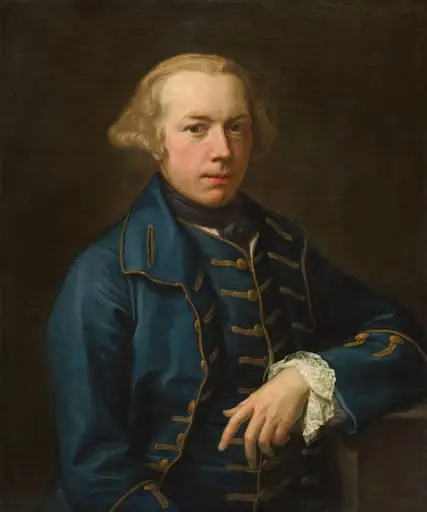
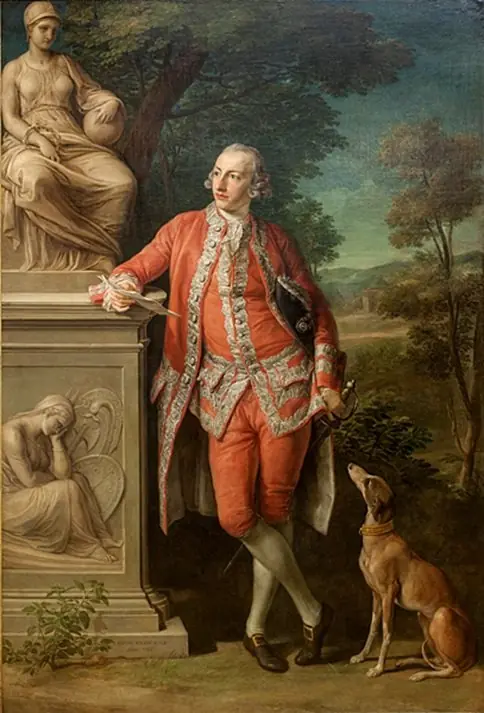
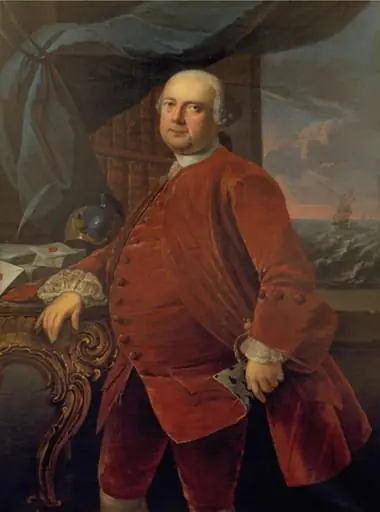
George Legge, Viscount Lewisham is an oil painting by the Rococo painting artist Pompeo Batoni. It is held in the collection of the Museo del Prado.
About this work
Subject & Meaning
The painting depicts George Legge, later the 3rd Earl of Dartmouth, who is identified as Viscount Lewisham at the time of the work's creation in 1778.
The painting depicts George Legge, later the 3rd Earl of Dartmouth, who is identified as Viscount Lewisham at the time of the work's creation in 1778. Beyond the portrait of the sitter, the composition includes a sculpture, which serves as a specific iconographic element within the frame. This inclusion of classical statuary alongside the British aristocrat reflects the cultural context of the Grand Tour, where exposure to antiquity was a marker of education and refinement. The work represents Legge's status and his engagement with the artistic heritage of Italy during his travels.
Technique & Style
Pompeo Batoni executed this 1778 portrait in oil paint on canvas, measuring 127 by 100 cm. The work exemplifies Batoni's characteristic Grand Manner portraiture, combining the polished finish and formal dignity of the Roman academic tradition with subtle psychological presence. The artist's handling of oil medium achieves a refined surface quality typical of his British aristocratic sitters, balancing idealized presentation with individualized likeness. The canvas support allowed for the life-scale format appropriate to the subject's elevated social rank as Viscount Lewisham.
History & Provenance
The painting was created in 1778 by the Italian artist Pompeo Batoni for George Legge, Viscount Lewisham. It entered the Spanish royal collection shortly after its completion, being owned by Ferdinand VII of Spain, and is now housed in the Museo del Prado in Madrid.
Overview
This 1790 oil portrait by the Italian artist Pompeo Batoni presents George Legge, styled as Viscount Lewisham, in a formal seated pose. Executed in the late rococo idiom, the painting measures a modest size and is currently housed in the Museo del Prado, where it forms part of the museum’s collection of 18th‑century European portraiture.
Context
Batoni’s career centered on serving the British and Anglo‑Irish elite who visited Italy, producing portraits that combined personal likeness with classical references. This painting exemplifies that blend, situating a contemporary nobleman within a setting that evokes both his military role and the cultivated tastes of the late 18th‑century aristocracy.
Own this work as a print
Artist & collection
Artist
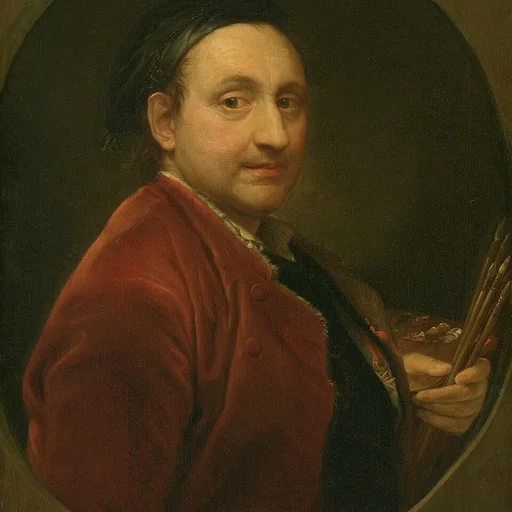
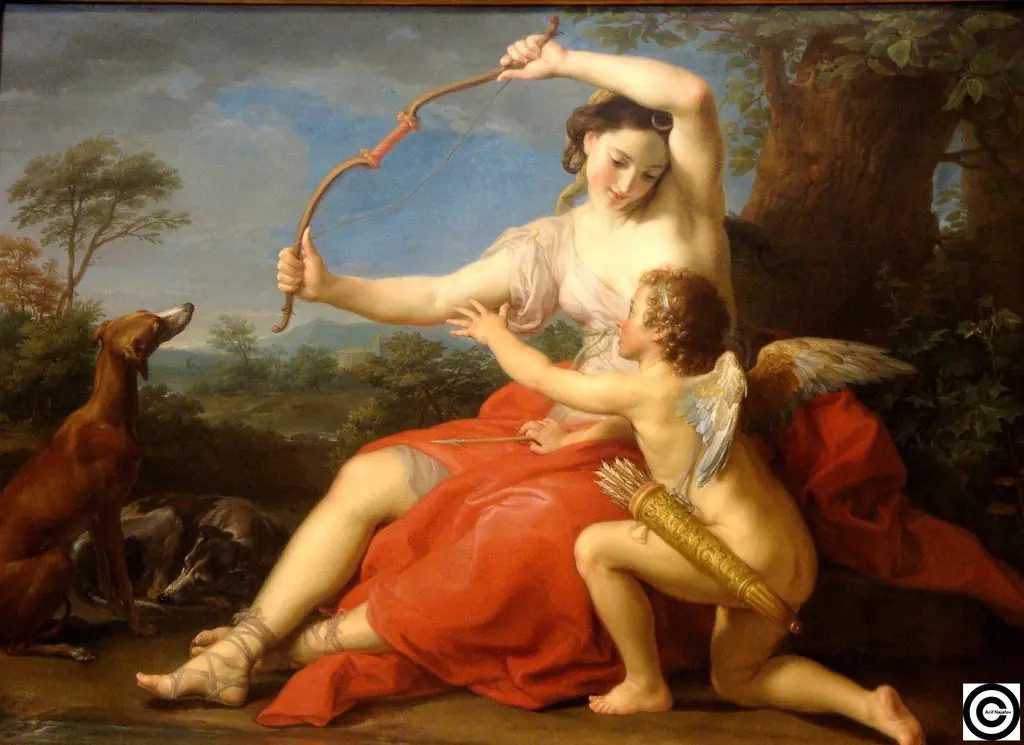
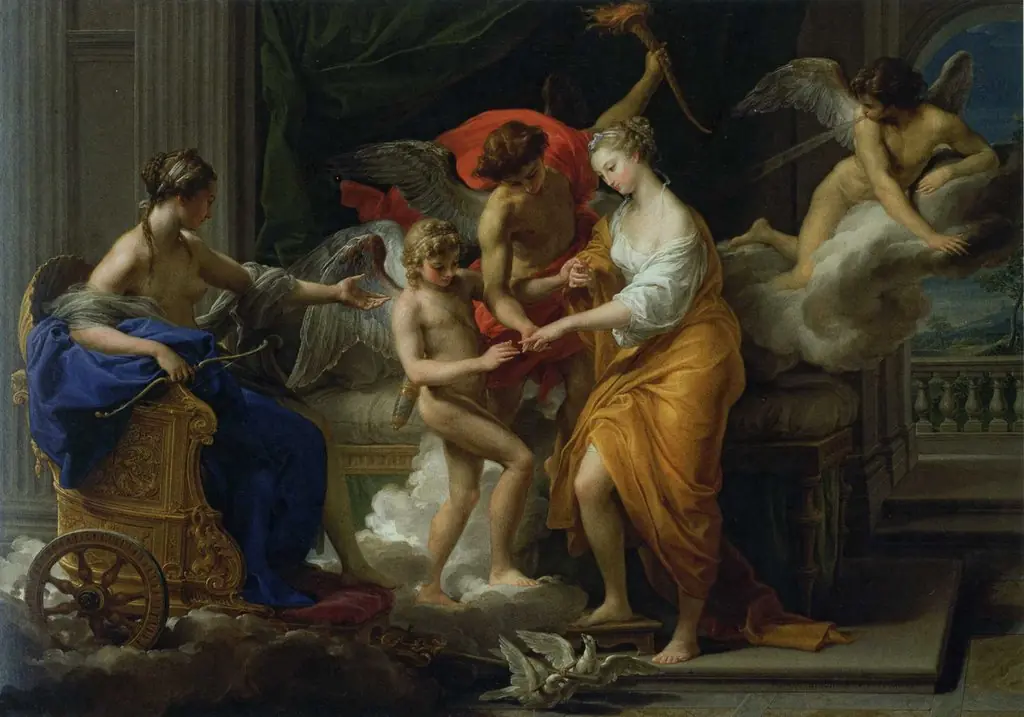
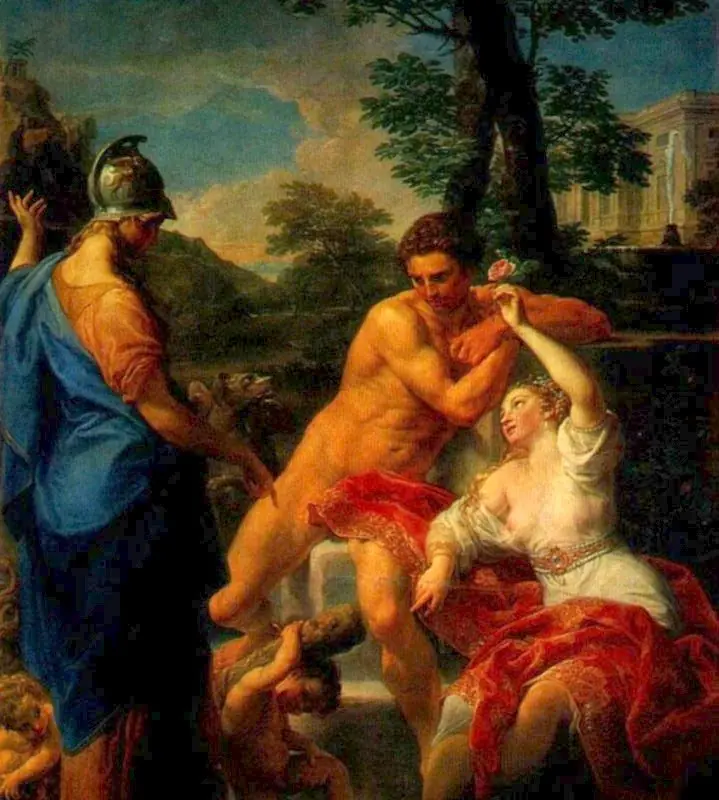
Pompeo Girolamo Batoni (25 January 1708 – 4 February 1787) was an Italian painter who displayed a solid technical knowledge in his portrait work and in his numerous allegorical and mythological pictures.

- Thomas Grove of Ferne, Wiltshire
 Portrait of George Pitt, First Baron Rivers
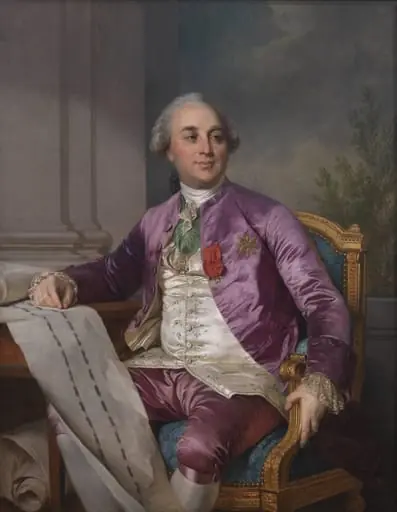 Portrait of Charles-Claude Flahaut de la Billarderie comte d'Angiviller (1730-1809)
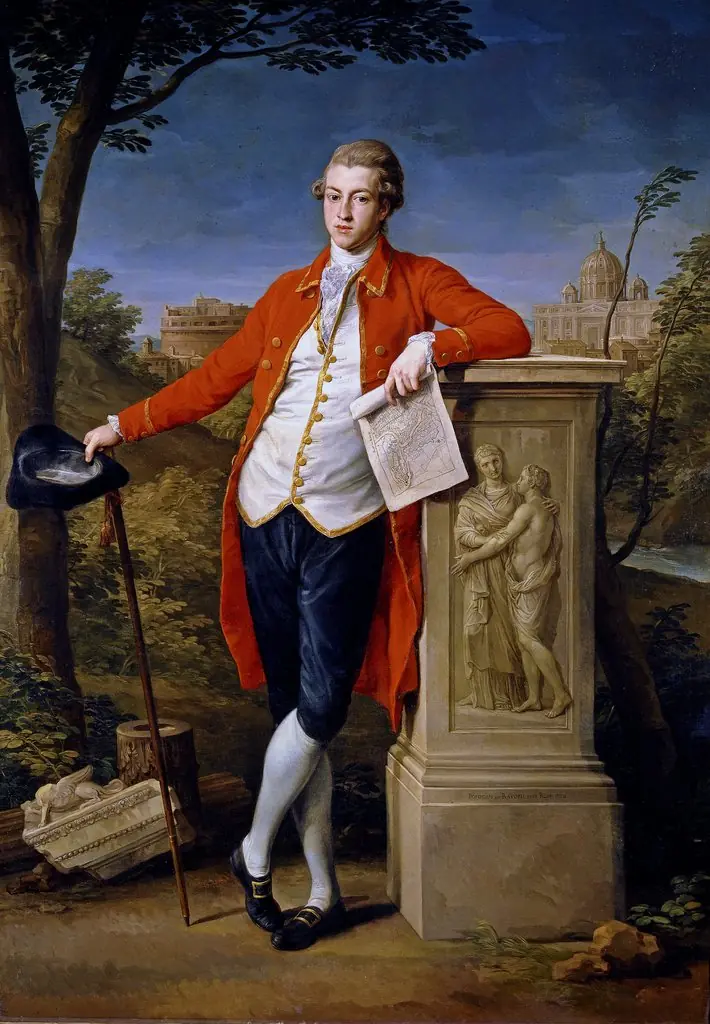 Francis Basset, I Baron of Dunstanville
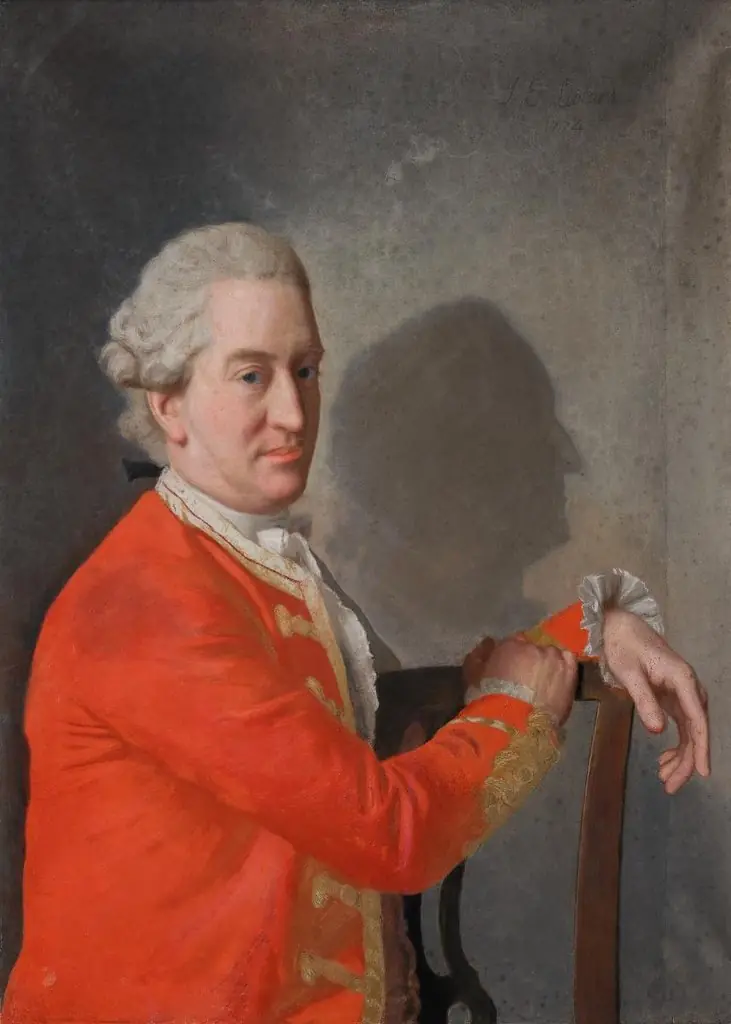 James Hamilton, 2nd Earl of Clanbrassil
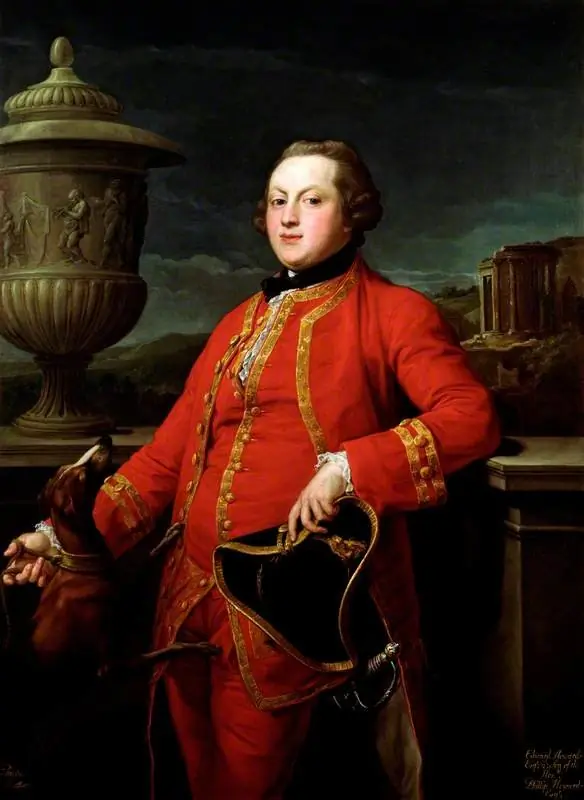 Edward Howard (1744–1767)
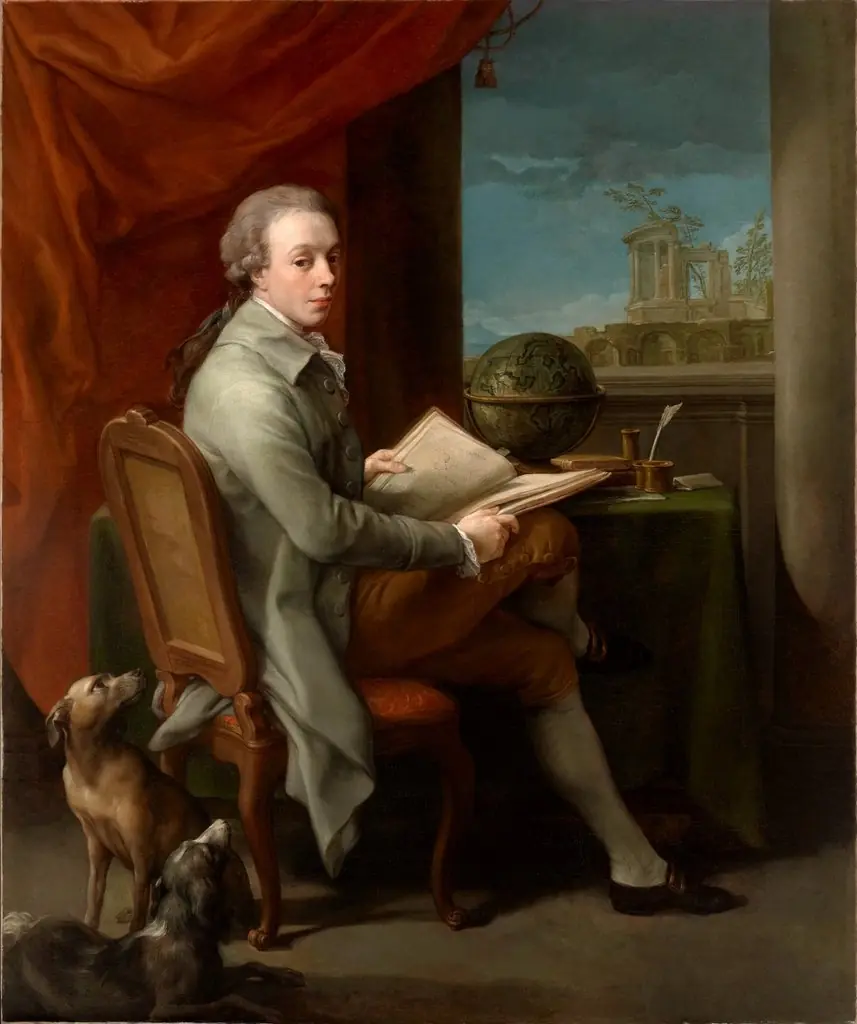 Thomas Taylour, Viscount of Headfort, later 2nd Earl of Bective and 1st Marquess of Headfort (1757–1829)
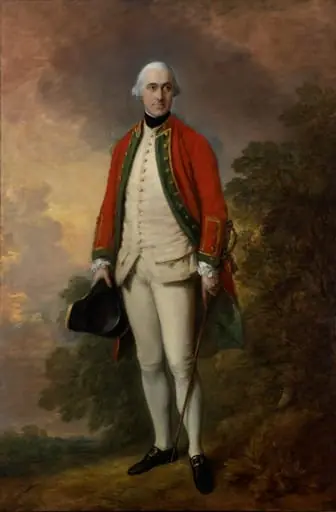 Portrait of George Pitt, First Baron Rivers
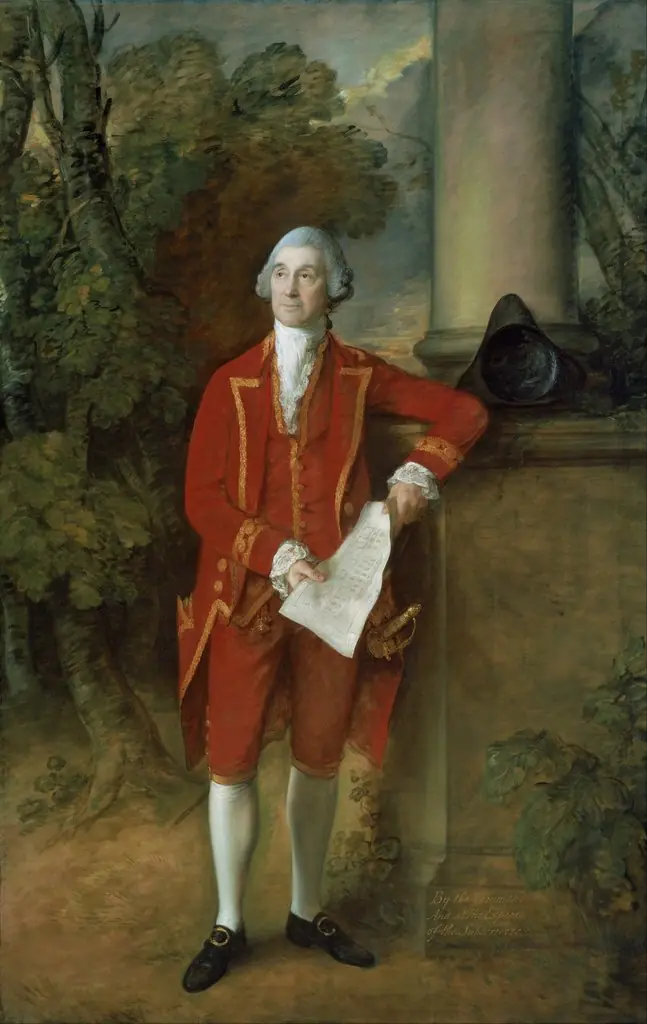 John Eld of Seighford Hall, Stafford
 Admiral Harry Paulet (1719/20–1794), Sixth Duke of Bolton
 Postmester Frederik Carl Harboe (?)