Artwork
Francis Basset, I Baron of Dunstanville
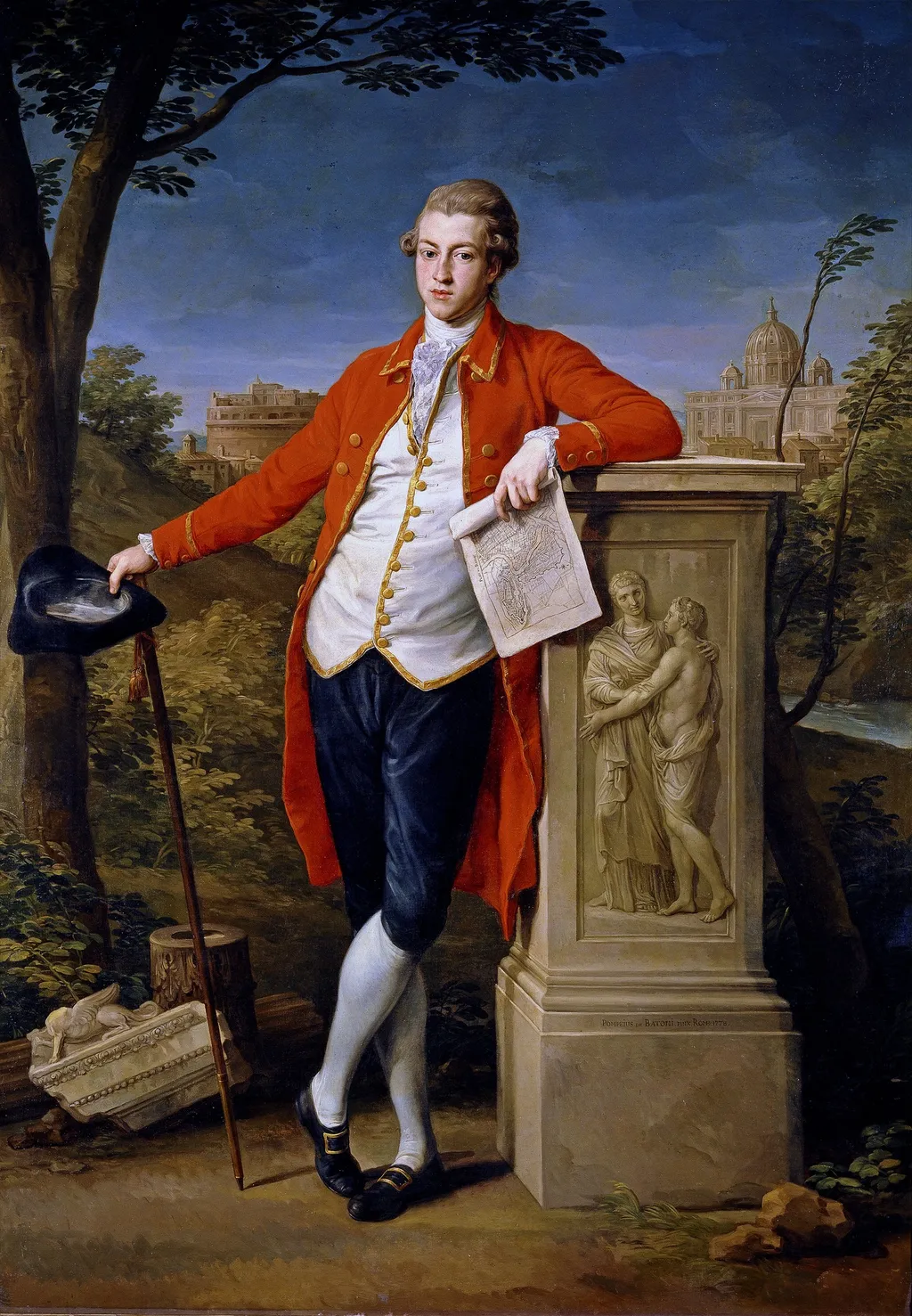
Francis Basset, I Baron of Dunstanville is an oil painting by the Rococo painting artist Pompeo Batoni. It is held in the collection of the Museo del Prado.
About this work
Subject & Meaning
Its composition reflects Batoni's mastery in merging portraiture with grand historical settings, a hallmark of 18th-century neoclassical art.
The painting shows Francis Basset, 1st Baron de Dunstanville, a young English aristocrat on his Grand Tour of Italy. Batoni placed him before iconic Roman landmarks, including Castel Sant'Angelo and St. Peter's Basilica, linking him to classical antiquity and the cultural prestige of the tour. The full-length format was unusual for Batoni that year, underscoring the sitter's status.
After being captured at sea during the American Revolutionary War, the work eventually entered the Spanish royal collection and now resides in the Museo del Prado, where it was featured in a 2024/25 exhibition on the Westmorland cargo.
The portrait symbolizes the Grand Tour's role in shaping elite identity, blending personal ambition with antiquarian idealism. Its composition reflects Batoni's mastery in merging portraiture with grand historical settings, a hallmark of 18th-century neoclassical art.
Technique & Style
The portrait was executed in oil paint on canvas, a medium typical of 18th-century portraiture. It measures 221 cm in height and 157 cm in width, reflecting the large-scale format used for formal depictions of aristocratic subjects. Batoni rendered fine brushwork to capture the textures of fabric and skin, while the composition integrates architectural elements such as Castel Sant'Angelo and St. Peter's Basilica in the background.
The handling of light and color emphasizes the sitter's status, and the painting's condition remains stable within the Museo del Prado's collection. It is classified as a full-length portrait and exemplifies the stylistic conventions of Grand Tour portraiture in Rome.
History & Provenance
Pompeo Batoni painted this full-length portrait of Francis Basset, 1st Baron de Dunstanville, in 1778. The work entered the Spanish royal collection after being seized from the British frigate Westmorland during the American Revolutionary War, later passing to Ferdinand VII of Spain. It remained in the Museo del Prado in Madrid and was on loan to an exhibition in Málaga in 2024/25.
Batoni, known for portraying British Grand Tourists in Rome, produced this piece as possibly his only full-length portrait of that year; a smaller related work may have been executed by his studio.
The painting is held by the Museo del Prado in Madrid. Its inventory number is P00969. It has been displayed in exhibitions at the Museo del Prado and was on loan for a 2024/25 exhibition in Malaga focusing on artworks from the Westmorland.
The work was originally part of the collection of Ferdinand VII of Spain before entering the museum's holdings.
Context
The portrait of Francis Basset is situated within the practice of Pompeo Batoni, a Rome-based painter who specialised in portraying wealthy British travellers on the Grand Tour, and it was probably the only full-length portrait Batoni completed in 1778. The work's provenance is tied to the capture of the frigate Westmorland during the American Revolutionary War, after which Spanish forces took possession of the cargo, including the Basset portraits. The painting later entered the collection of Ferdinand VII of Spain and is now held by the Museo del Prado in Madrid.
Scholarly attention to the work appears in the catalogue Pompeo Batoni: Prince of Painters in Eighteenth-century Rome by Bowron and Kerber, and the painting's wider context in British Grand Tour collecting is addressed in Viccy Coltman's Classical Sculpture and the Culture of Collecting in Britain Since 1760. The painting has been lent to exhibitions focused on the Westmorland cargo, including a 2024–25 exhibition in Malaga.
Legacy
Batoni's portrait of Francis Basset has retained a place in the scholarly literature on eighteenth-century British collecting and Grand Tour portraiture, appearing in studies such as Bowron and Kerber's monograph on the artist and Coltman's work on classical sculpture and British collecting culture. The painting's unusual provenance, seized from the frigate Westmorland during the American Revolutionary War and subsequently entering the Spanish royal collection under Ferdinand VII, has given it a recurring role in exhibitions that trace the wartime fate of art cargo, including a 2024/25 loan to a Malaga exhibition on the Westmorland's holdings. Its current home in the Museo del Prado ensures continued public visibility, while the existence of a related, possibly studio-produced companion portrait has sustained art-historical discussion of attribution around Batoni's 1778 output.
Overview
This 1778 oil painting by Pompeo Batoni is a portrait of Francis Basset, a young Englishman on the Grand Tour. The work is now held by the Museo del Prado in Madrid.
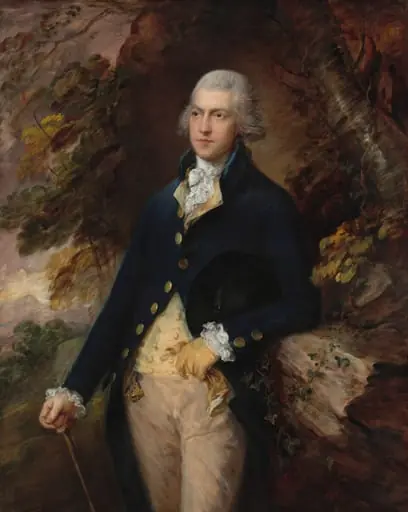
Own this work as a print
Artist & collection
Artist
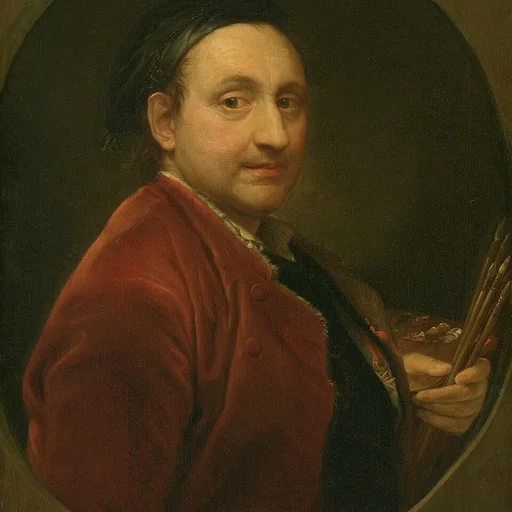
Pompeo Girolamo Batoni (25 January 1708 – 4 February 1787) was an Italian painter who displayed a solid technical knowledge in his portrait work and in his numerous allegorical and mythological pictures.

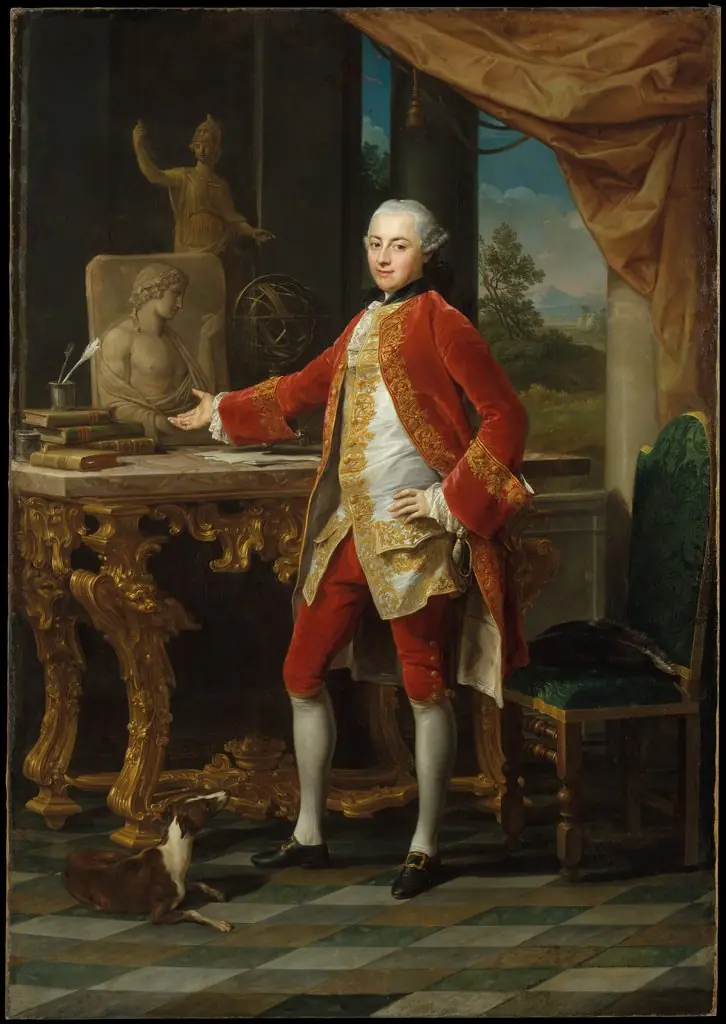
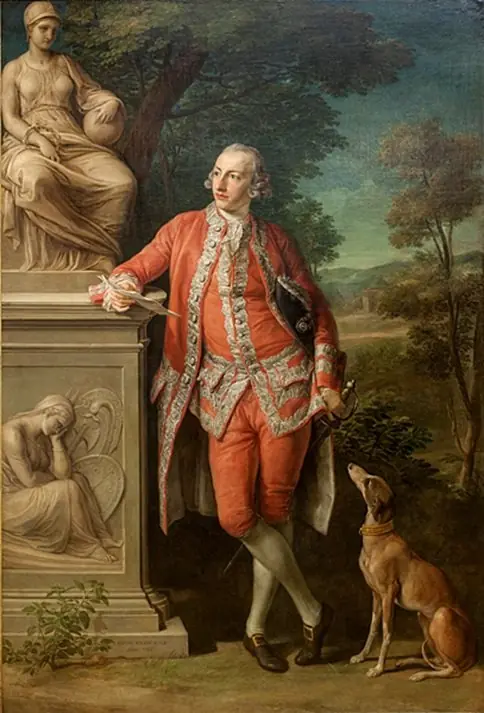
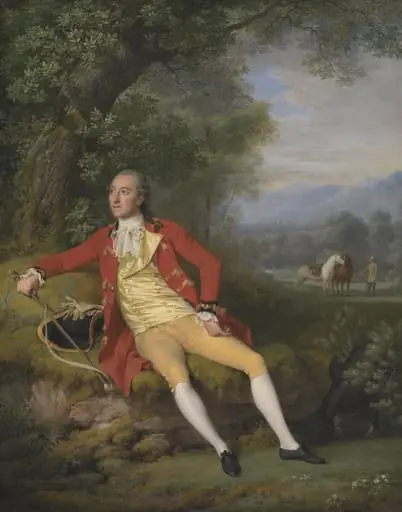 Portrait of an Envoy to the French and English Courts
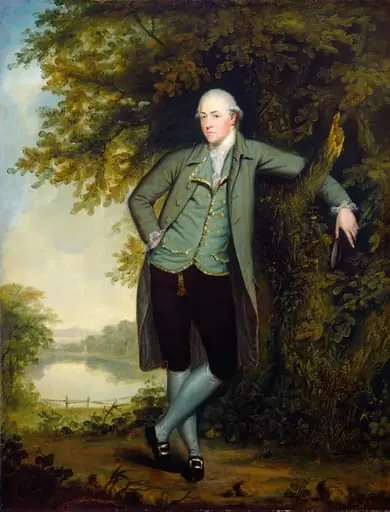 Lord Algernon Percy
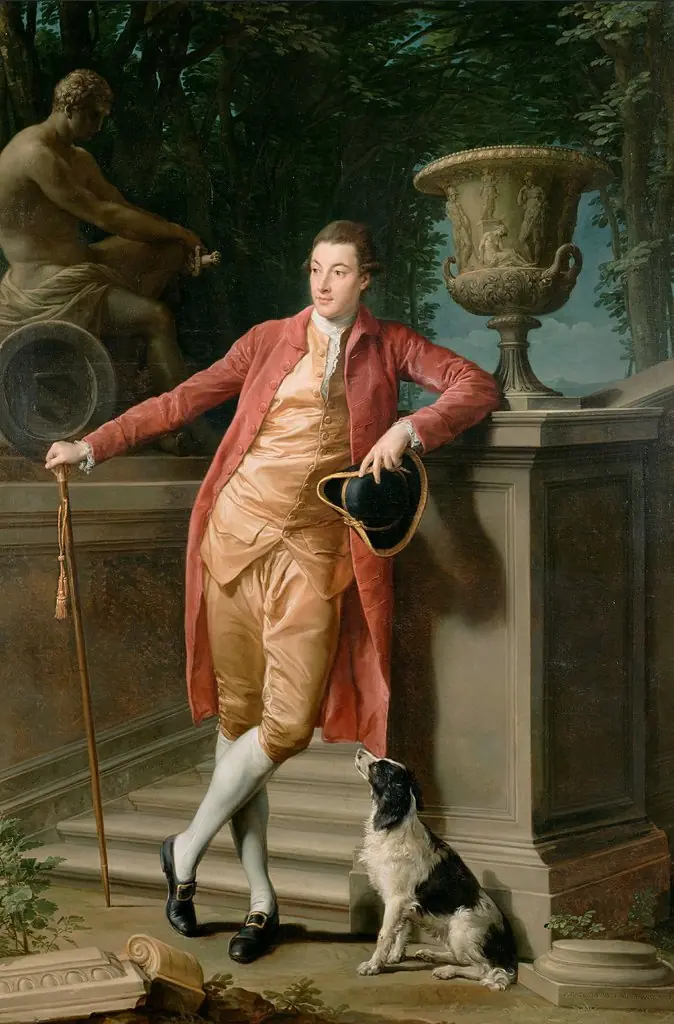 Portrait of John Talbot, later 1st Earl Talbot
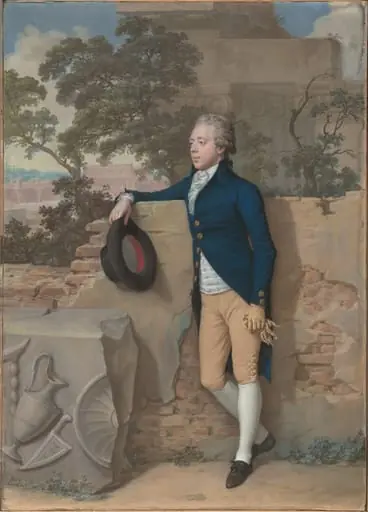 Frederick North, Later Fifth Earl of Guilford, in Rome
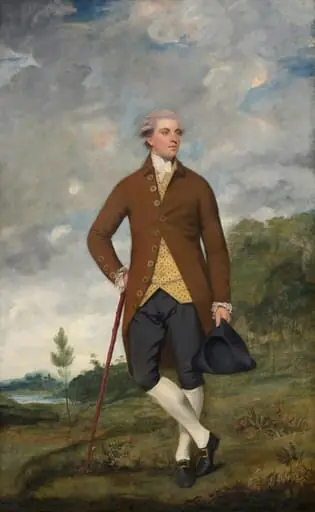 John Musters
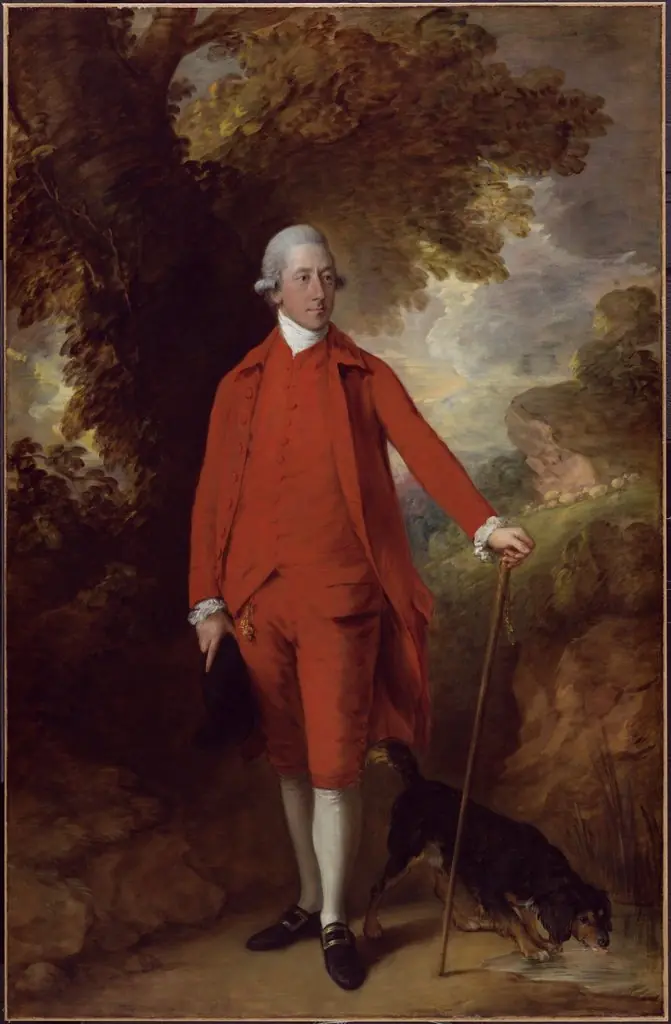 The Honorable Richard Savage Nassau de Zuylestein, M.P.
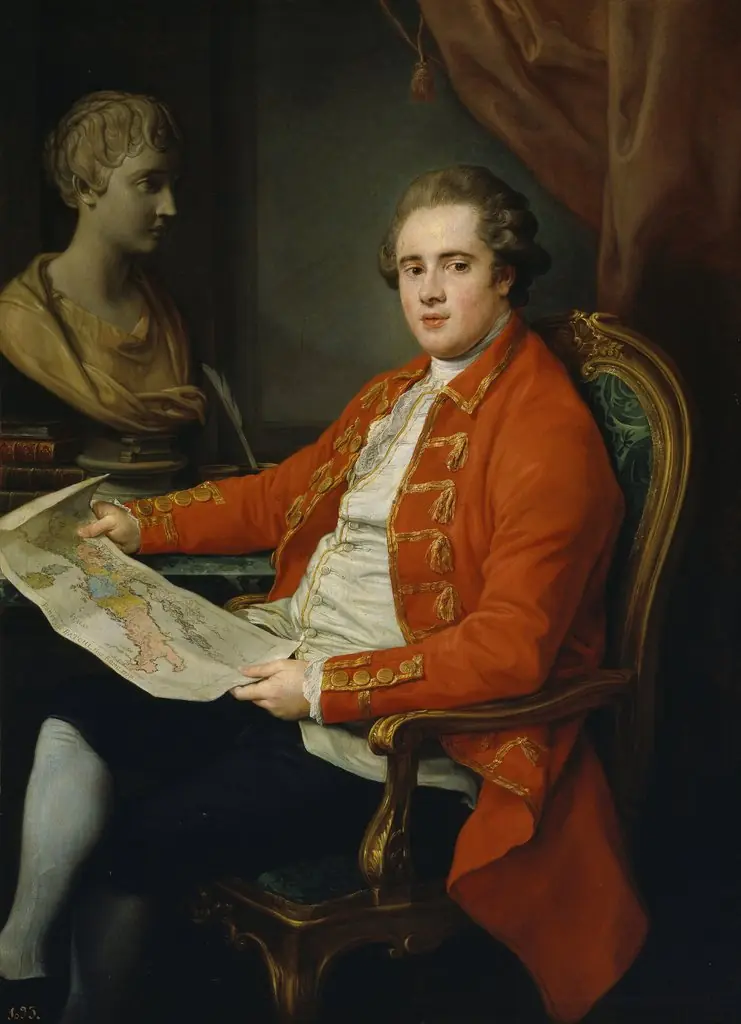 George Legge, Viscount Lewisham
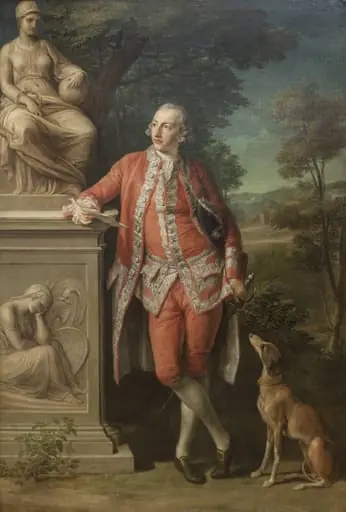 Peter Beckford (1740-1811), godsejer, Dorset.
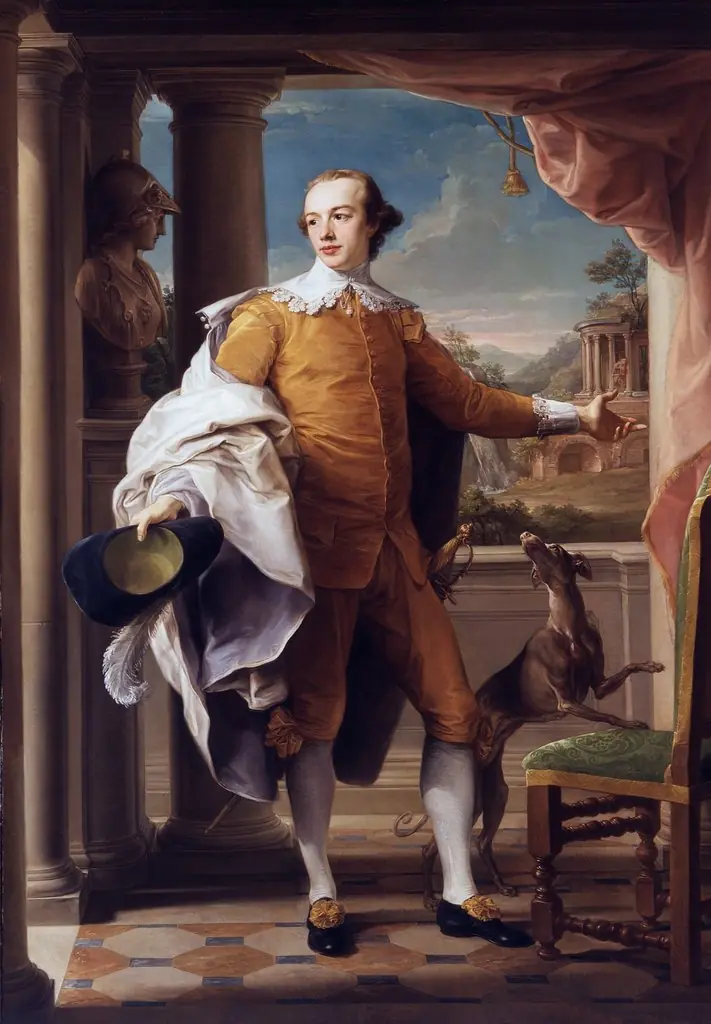 Portrait of Sir Wyndham Knatchbull-Wyndham
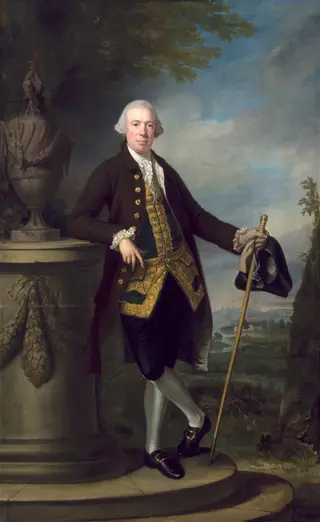 William Denison
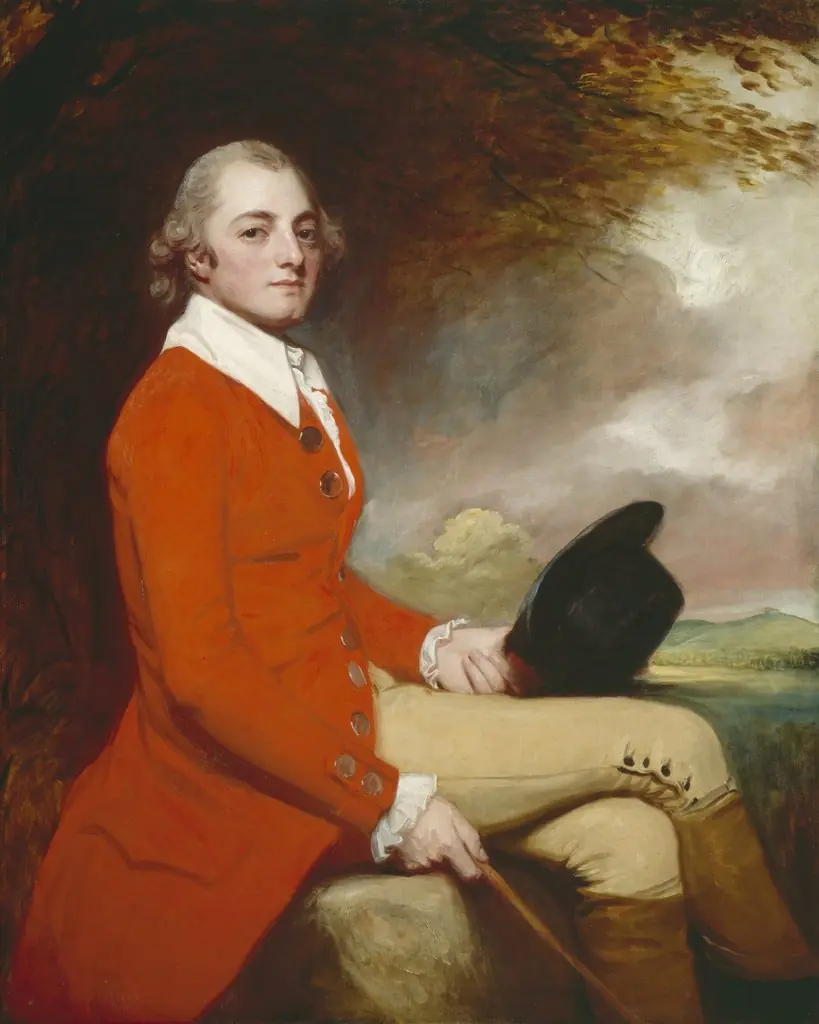 Thomas Grove of Ferne, Wiltshire
- Francis Basset, Lord de Dunstanville