Artwork
Peter Beckford (1740-1811), godsejer, Dorset.
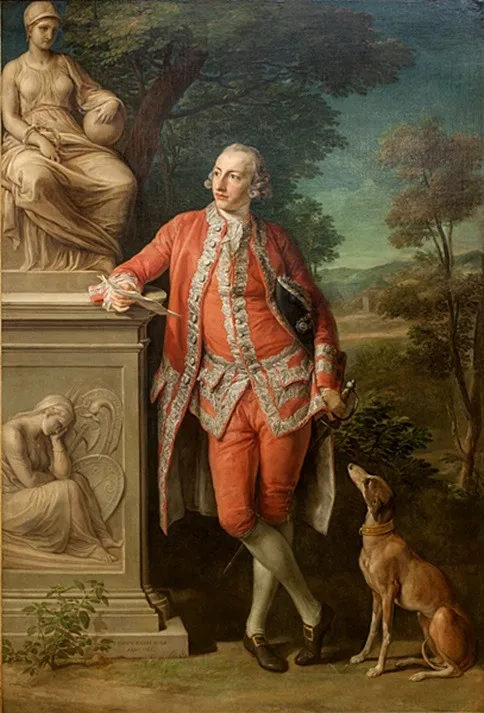
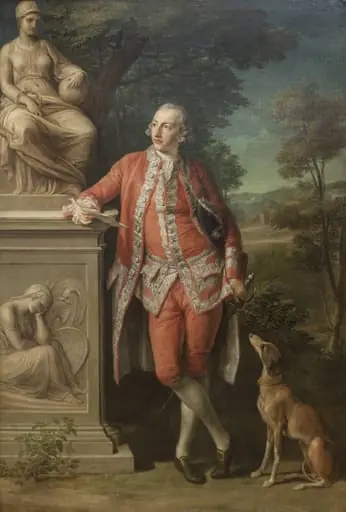
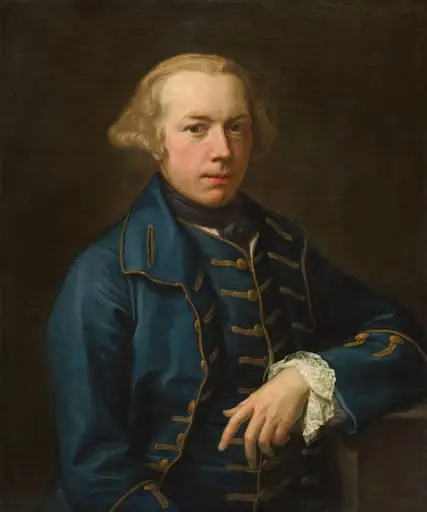
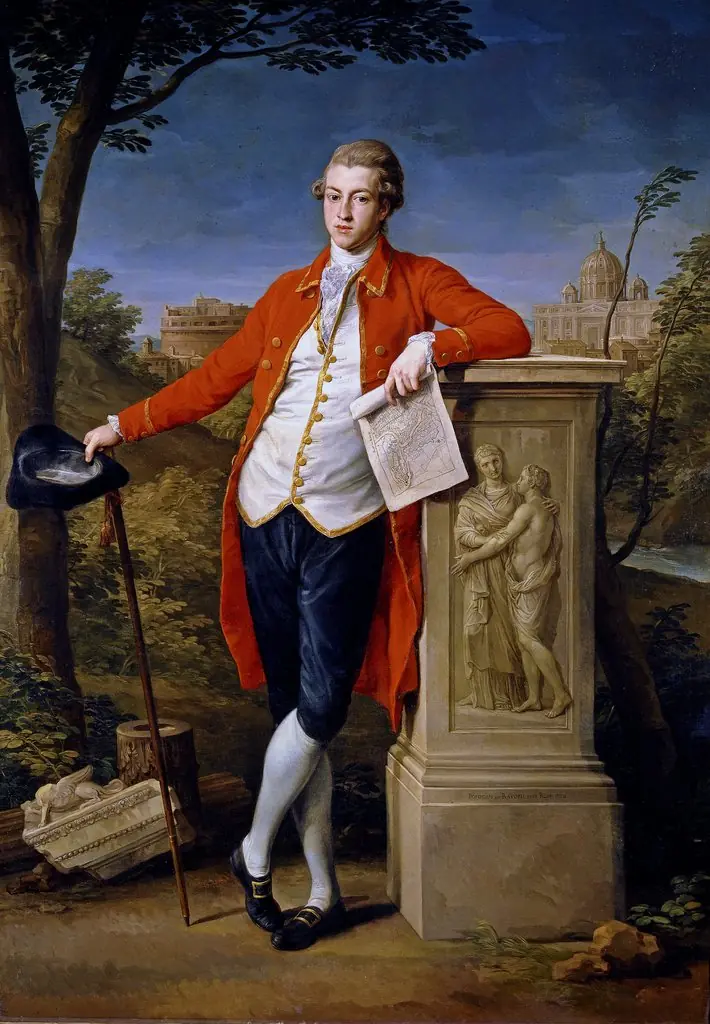
Peter Beckford (1740-1811), godsejer, Dorset. is an oil painting by the Rococo painting artist Pompeo Batoni. It dates from 1766 and is held in the collection of the Statens Museum for Kunst.
About this work
Subject & Meaning
As the main subject, the painting presents Beckford as the central figure, capturing his identity and status as a gentleman of property.
The work is a portrait depicting Peter Beckford, a landowner from Dorset. As the main subject, the painting presents Beckford as the central figure, capturing his identity and status as a gentleman of property. Created by Pompeo Batoni in 1766, the oil on canvas composition functions as a formal representation of the sitter, emphasizing his role within the social hierarchy of the time through the conventions of portraiture.
Technique & Style
This oil on canvas portrait depicts Peter Beckford, a British country gentleman, painted in 1766 by the Italian artist Pompeo Batoni. The composition shows Beckford in formal attire against a neutral backdrop, rendered with smooth brushwork that emphasizes the texture of silk and the subtle modeling of flesh. The painting measures 262.5 cm by 186.6 cm and is executed in oil paint on canvas, a medium Batoni employed to achieve rich color depth and fine detail.
Its formal qualities include a restrained palette, careful attention to costume accuracy, and a dignified pose that reflects 18th-century portrait conventions. The work is housed in the collection of the Statens Museum for Kunst.
The handling of light and fabric demonstrates Batoni's characteristic blend of Rococo elegance and emerging Neoclassical clarity, while the sitter's direct gaze engages the viewer with composed authority. The canvas support remains original, with no visible signs of deterioration, and the paint layer is well-preserved, retaining its original luminosity.
The stylistic approach combines portraiture with elements of mythological grandeur, as Beckford's depiction echoes antique portrait models in pose and setting, aligning him with antiquity while asserting his social standing within contemporary British elite circles.
Context
Pompeo Batoni's 1766 oil portrait of Peter Beckford, housed in the Statens Museum for Kunst, has been studied within the context of 18th-century British portraiture and the Grand Tour tradition. Scholarship highlights its role in documenting aristocratic identity among British elites traveling in Italy, with particular attention to how artists like Batoni blended Enlightenment ideals with elite cultural aspirations. The work remains a key example of transnational artistic exchange during this period, reflecting both the sitter's status and the painter's prominence in European portraiture.
Legacy
Peter Beckford's legacy as a subject of portraiture endures through his representation in seminal works such as the 1766 full-length portrait by Pompeo Batoni. The painting, housed in the Statens Museum for Kunst, exemplifies the neoclassical style and highlights the cultural connections between British aristocracy and continental European art circles. Its inclusion in major collections underscores its historical significance in the study of 18th-century portraiture and the transmission of elite identities across national boundaries.
Scholarly assessments of Beckford's influence emphasize his role as a cultural figure whose image was shaped by prominent artists, reflecting broader patterns of artistic exchange and the construction of status in the Georgian era.
Overview
Created in 1766, this oil portrait by the Italian artist Pompeo Batoni shows Peter Beckford, a Dorset landowner, in a composition that blends personal likeness with an idealized Italian setting. The work exemplifies Batoni’s practice of presenting British travelers amid classical and pastoral motifs, reflecting the cultural exchange of the Grand Tour era.
History & Provenance
The painting remained within the Beckford family after its completion, reflecting the tradition of preserving Grand Tour memorabilia. It later entered public collections, where it serves as a representative example of Batoni’s portraiture and the broader phenomenon of transnational artistic patronage in the Enlightenment period.
Artist & collection
Artist
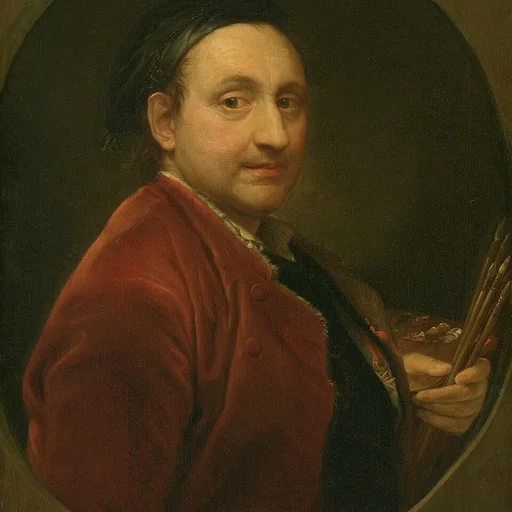
Pompeo Girolamo Batoni (25 January 1708 – 4 February 1787) was an Italian painter who displayed a solid technical knowledge in his portrait work and in his numerous allegorical and mythological pictures.

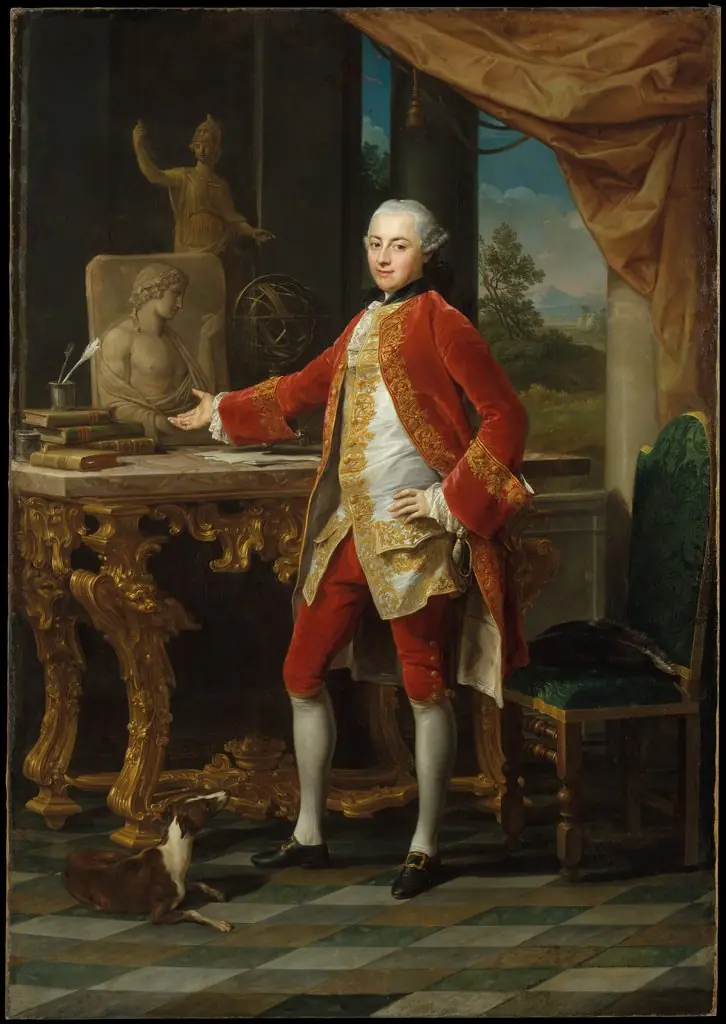
 Portrait of Nikita Petrovich Panin (1770-1837)
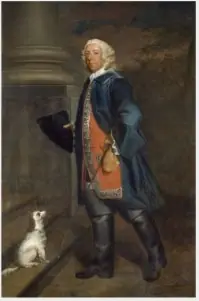 Portrait of Charles Tottenham in his Boots
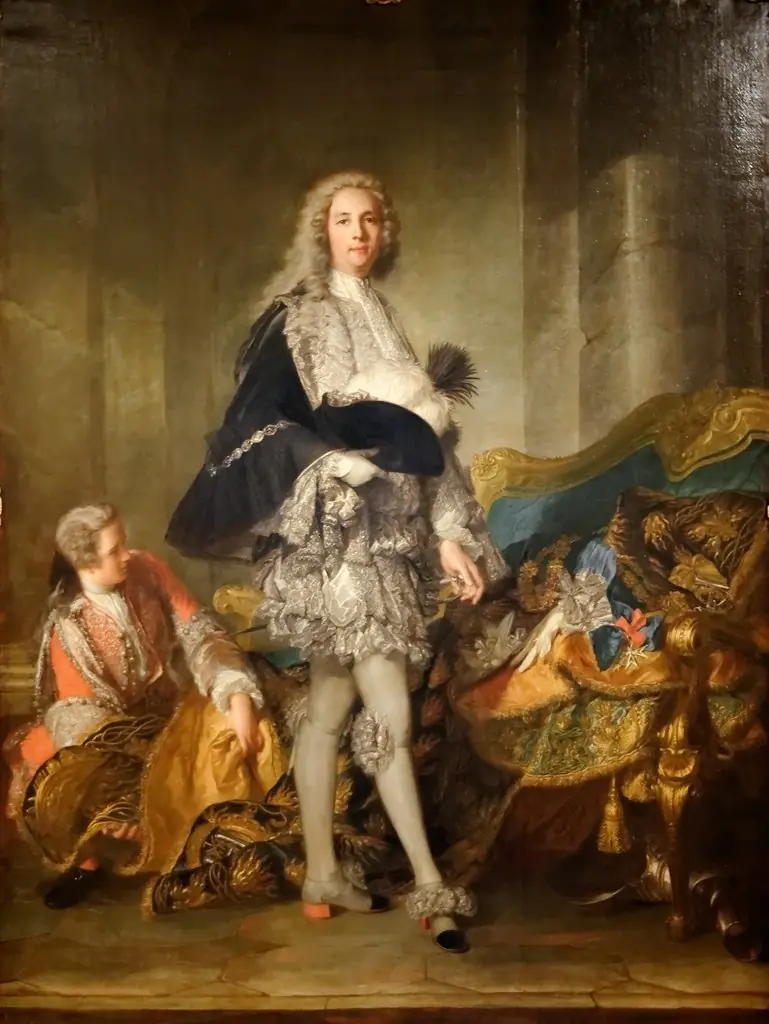 Portrait of the Duke of Richelieu
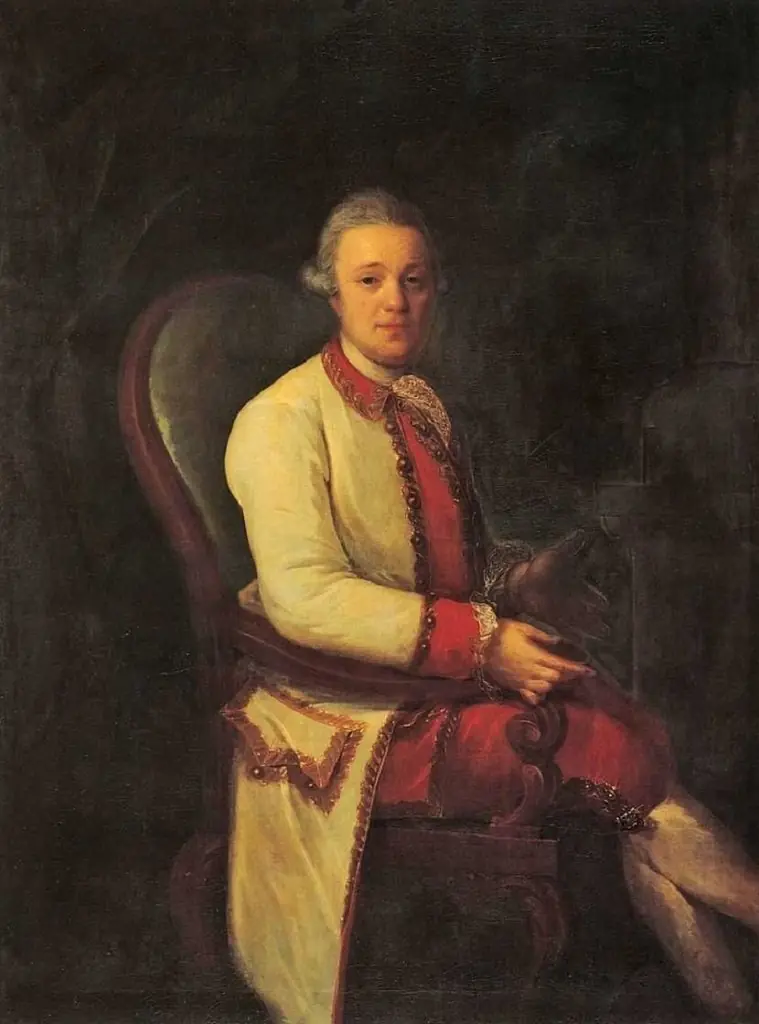 Portrait of Ivan N. Tutchev
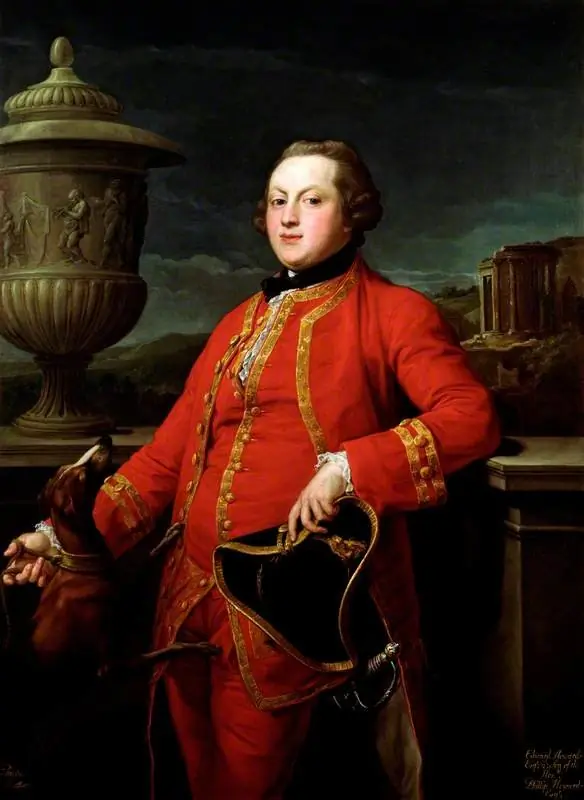 Edward Howard (1744–1767)
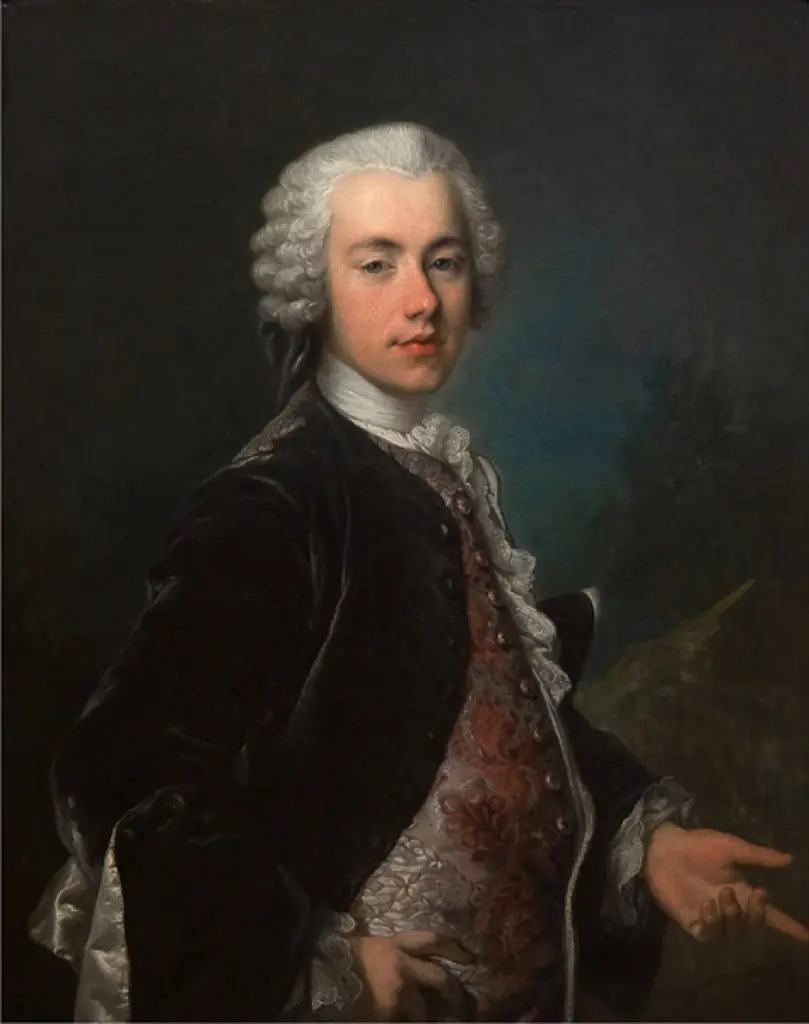 Portrait of Frederik Berregaard
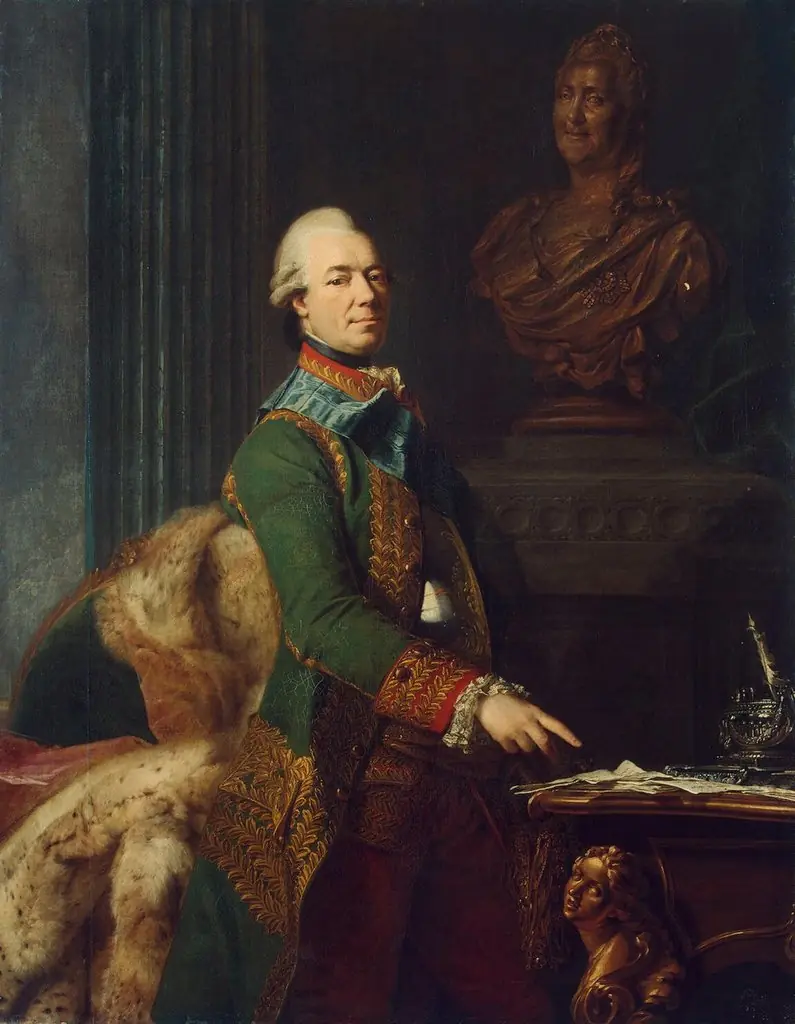 Portrait of Count Zakhar Chernyshev
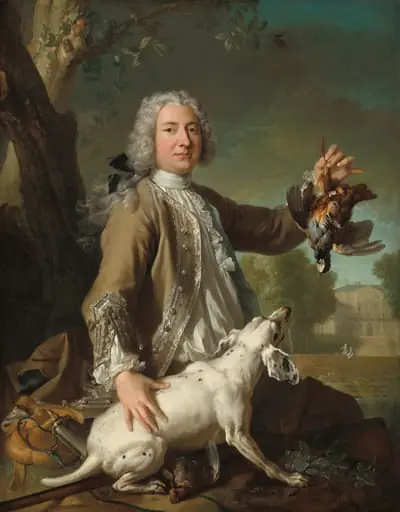 Henri Camille, Chevalier de Beringhen
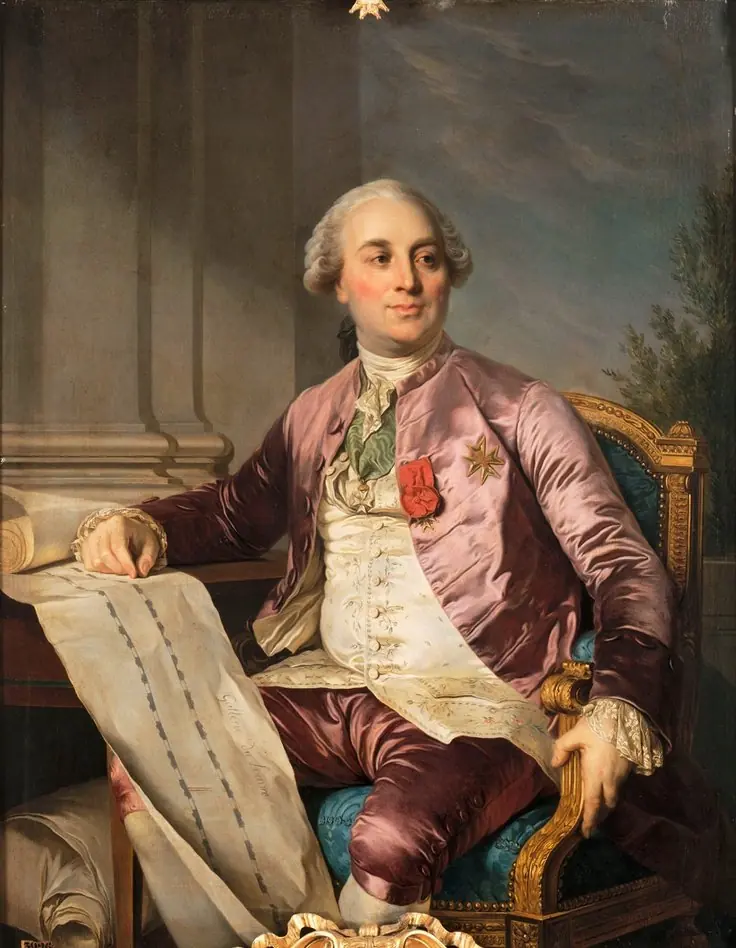 Charles-Claude Flahaut de la Billaderie
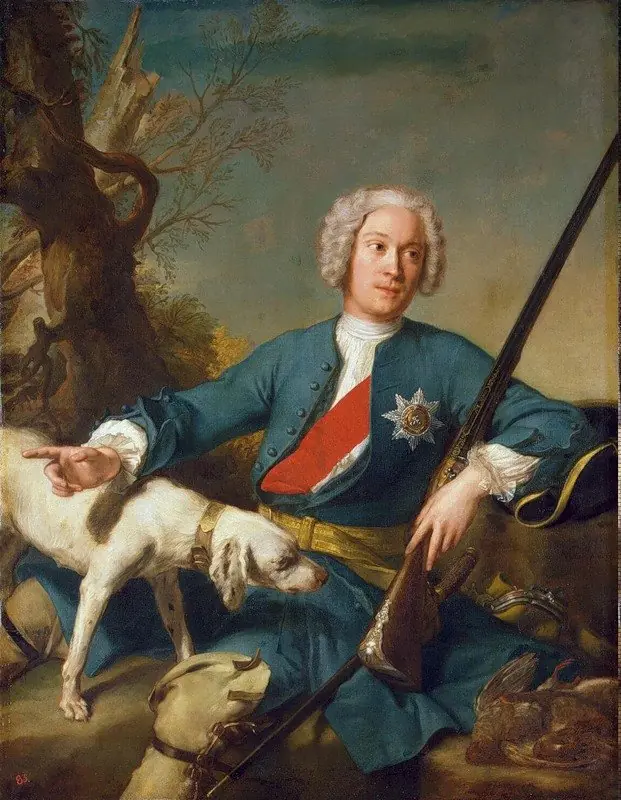 Portrait of Alexander Kurakin
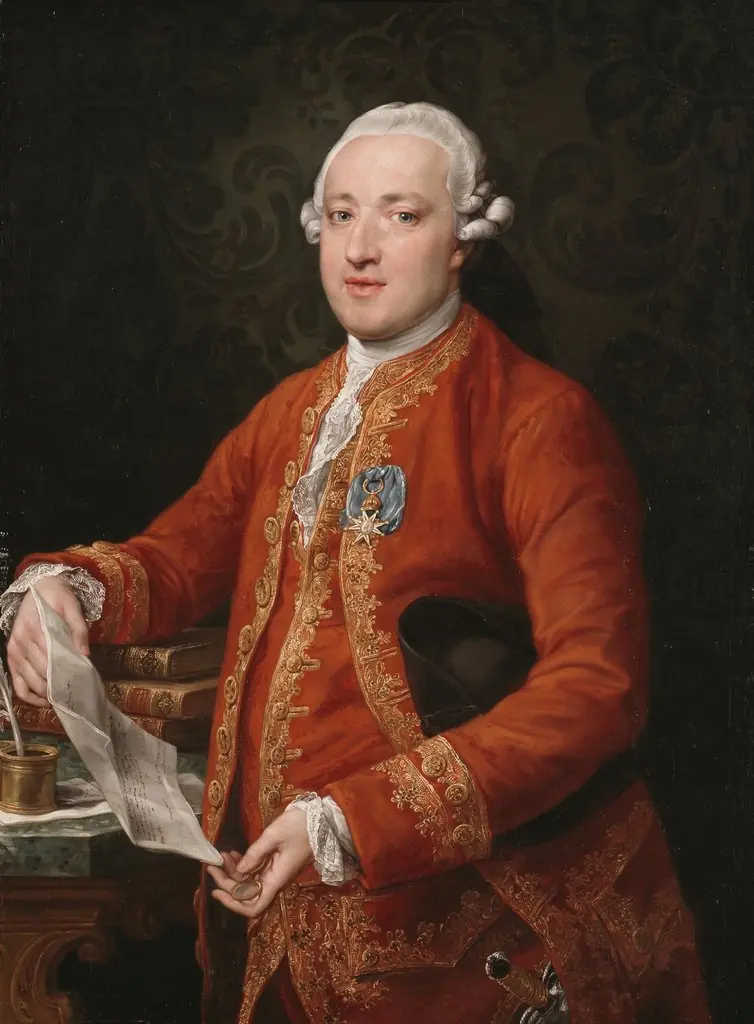 Don José Moñino y Redondo, Conde de Floridablanca
- Peter Beckford (1740-1811), godsejer, Dorset.