Artwork
Isabella Clara Eugenia, Infanta of Spain
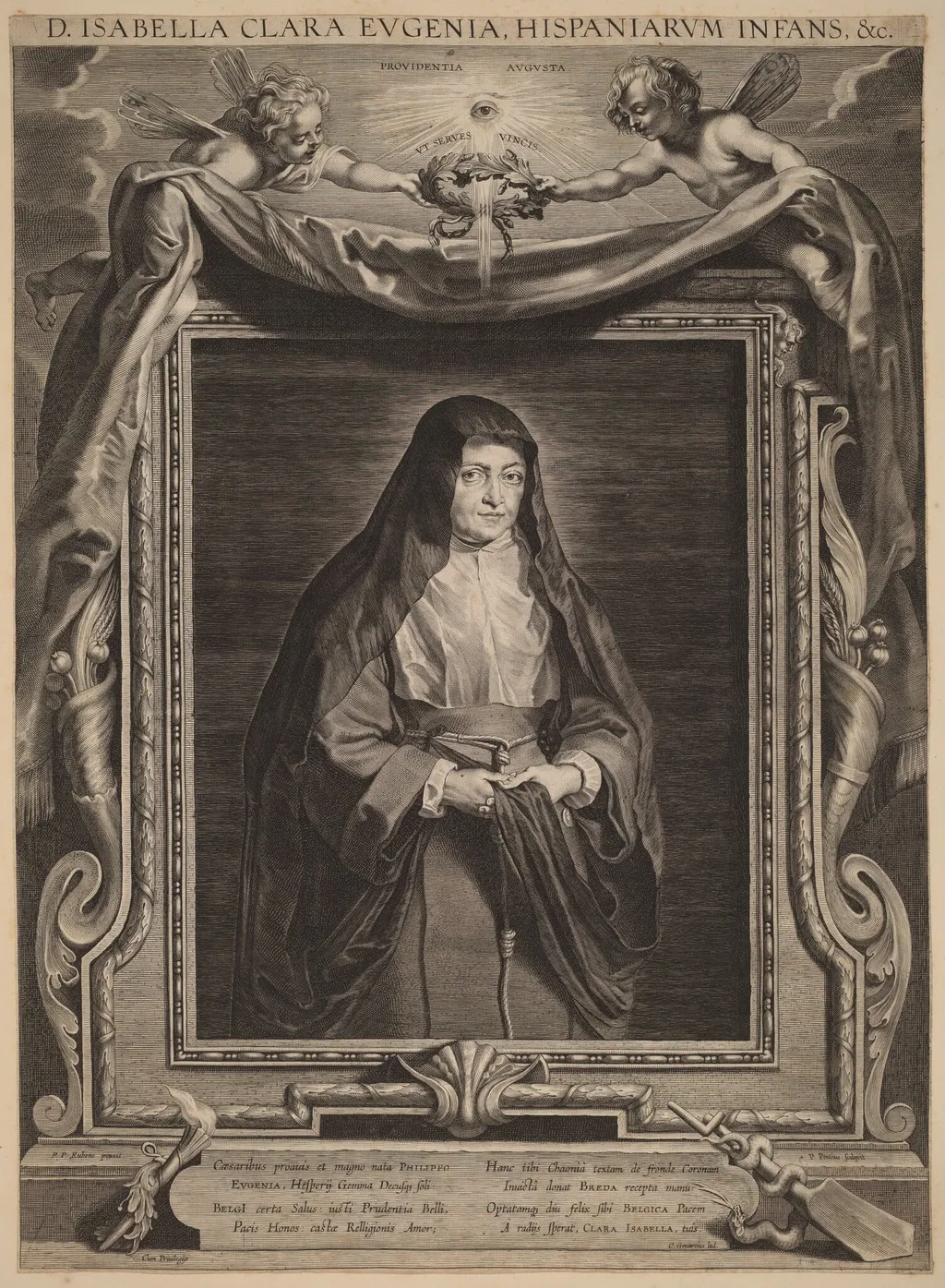
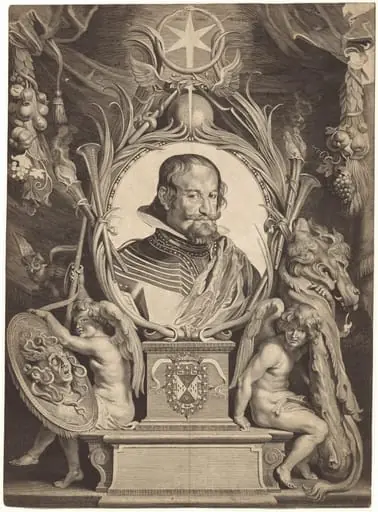
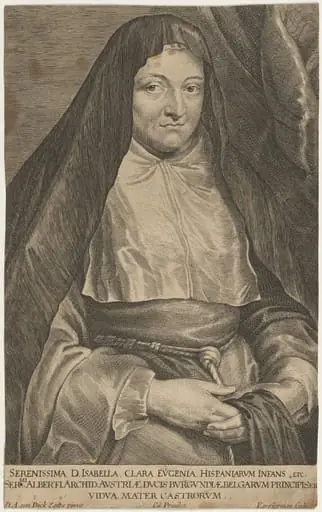
Isabella Clara Eugenia, Infanta of Spain is an ink print by the Baroque artist Paulus Pontius. It dates from 1630 and is held in the collection of the National Gallery of Art.
- Inscription
- Inscribed:upper center: D. ISABELLA CLARA EUGENIA, HISPANIARUM INFANS, & C / PROVIDENTIA AUGUSTA / UT SERVES VINCIS; lower left: P. P. Rubens pinxit / cum privilegio; lower right: P. Pontius sculpsit; lower center: Caeseribus provis... / CLARA ISABELLA, tuis. / C. Gevartius lud.
About this work
Overview
Around 1630, Flemish engraver Paulus Pontius produced an engraved portrait of Isabella Clara Eugenia, an Infanta of Spain. Executed on laid paper, the print presents the royal figure in a formal pose, surrounded by ornamental framing and Latin inscriptions typical of early‑17th‑century portraiture.
Subject & Meaning
The image shows the Infanta wearing a dark cloak and holding gloves, her expression solemn and dignified. Above her, two cherubic figures present a wreath and a crown, symbols that allude to honor, authority, and perhaps a specific achievement or celebration of her status.
Technique & Style
Pontius employed fine line work and cross‑hatching to render textures, folds of fabric, and the delicate features of the cherubs. The engraving demonstrates the precision of Flemish printmaking, where intricate detail is achieved solely through varying line density on laid paper.
History & Provenance
A member of Peter Paul Rubens’ workshop, Pontius collaborated with leading Antwerp artists such as Anthony van Dyck and Jacob Jordaens. This portrait reflects his role as a specialist engraver who translated painted likenesses into reproducible prints for a courtly audience.
Context
Portrait engravings of royalty were common in the Spanish Habsburg territories, serving both as visual propaganda and as a means to disseminate the sovereign’s image across Europe. The inclusion of classical motifs like cherubs aligns the Infanta with the era’s ideal of noble virtue and divine favor.
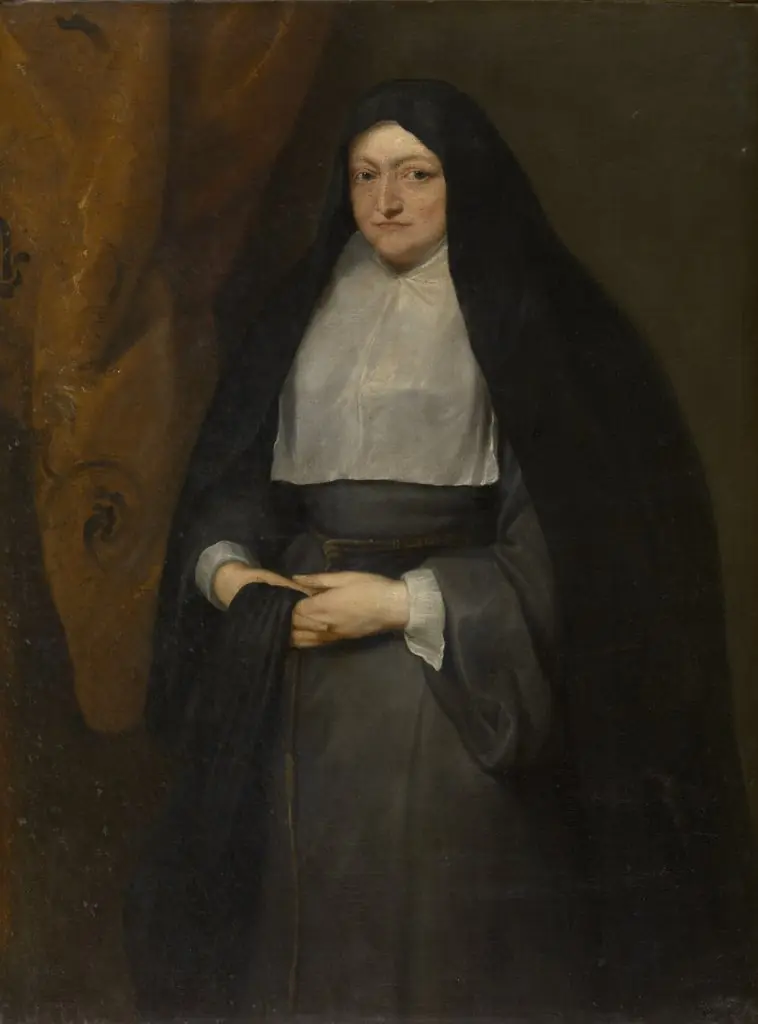
Own this work as a print
Artist & collection
Artist
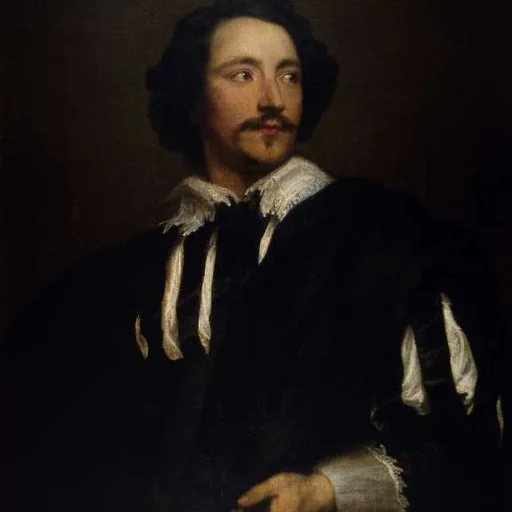
Paulus Pontius (27 May 1603 – 16 January 1658) was a Flemish engraver and painter.