Artwork
The Last Supper
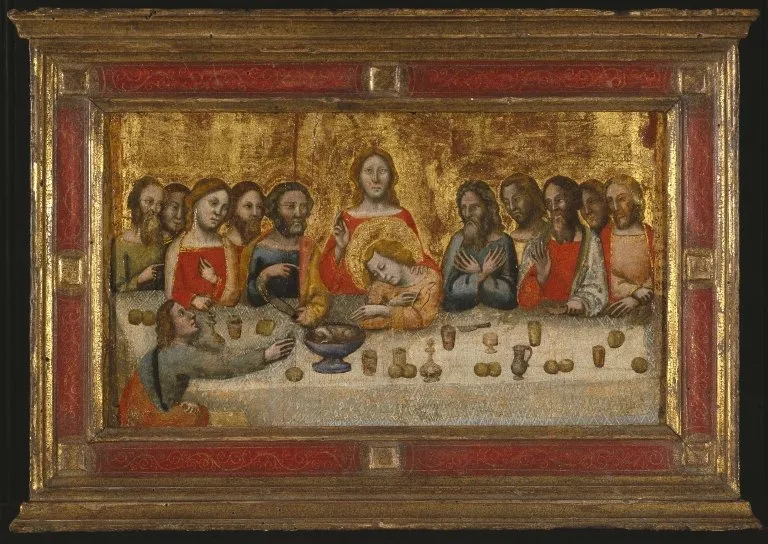
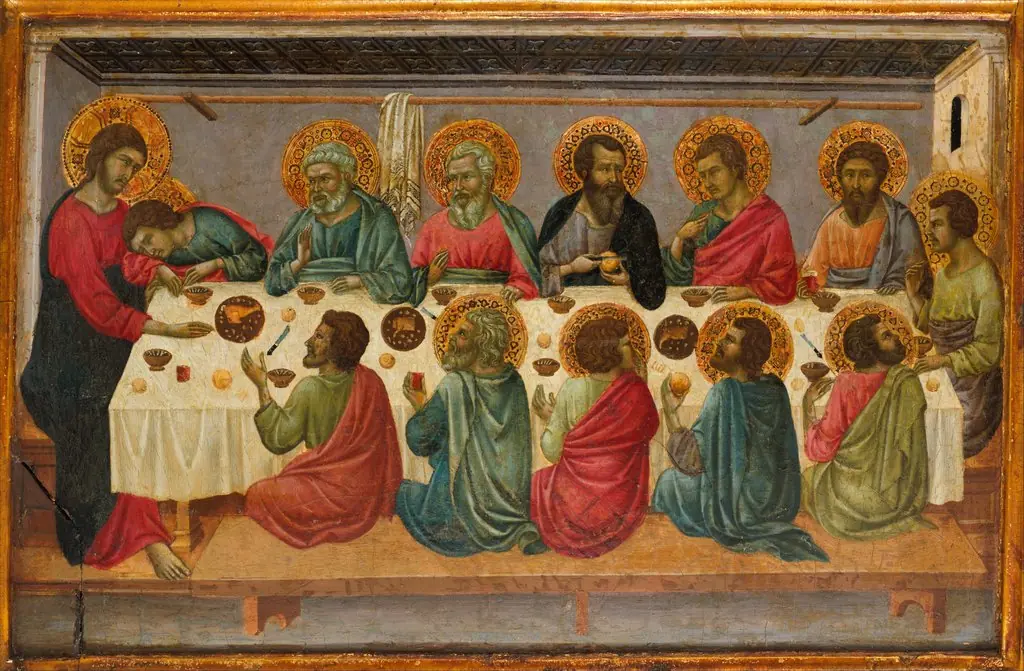
The Last Supper is an unspecified painting by the Italo Byzantine artist Pseudo Jacopino di Francesco. It dates from 1327 and is held in the collection of the Brooklyn Museum.
About this work
Overview
Painted in 1327 by Pseudo Jacopino di Francesco, this work depicts the moment of Christ’s announcement of betrayal at the Last Supper. Executed in tempera on wood, it reflects the Italo-Byzantine tradition with its gold leaf background and formalized figures. The painting resides in the Brooklyn Museum, where it serves as an example of early 14th-century devotional art from Tuscany.
Subject & Meaning
Around him, the apostles react with varied expressions, some lean in, others withdraw, conveying shock and introspection.
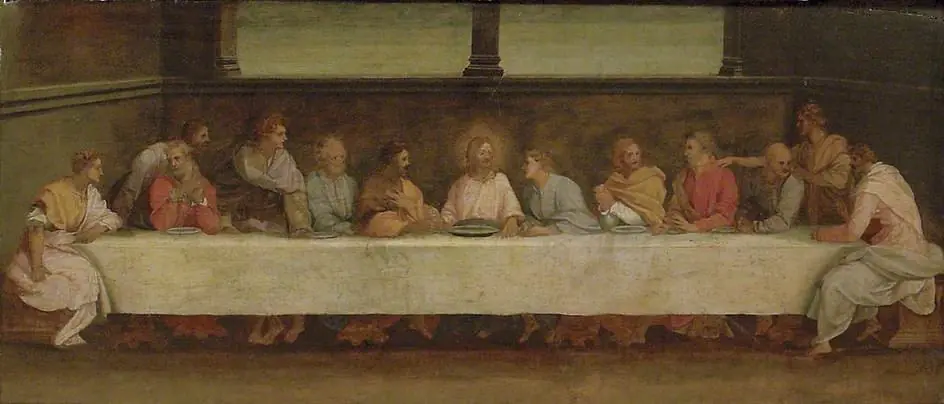
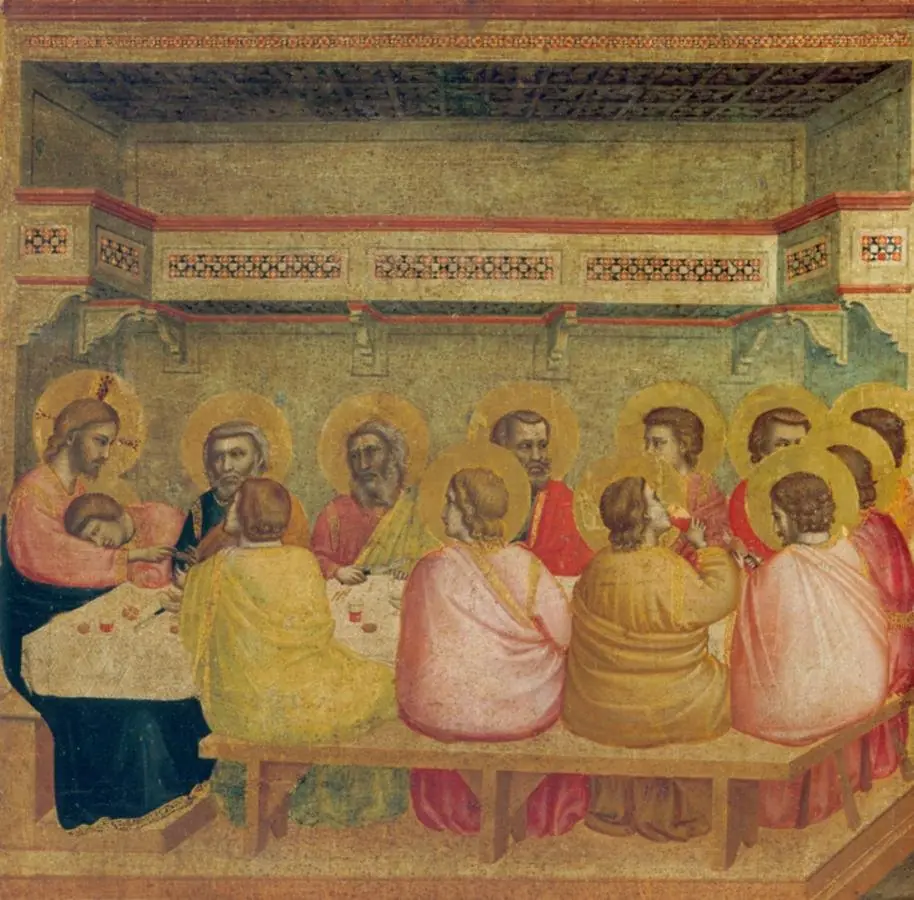
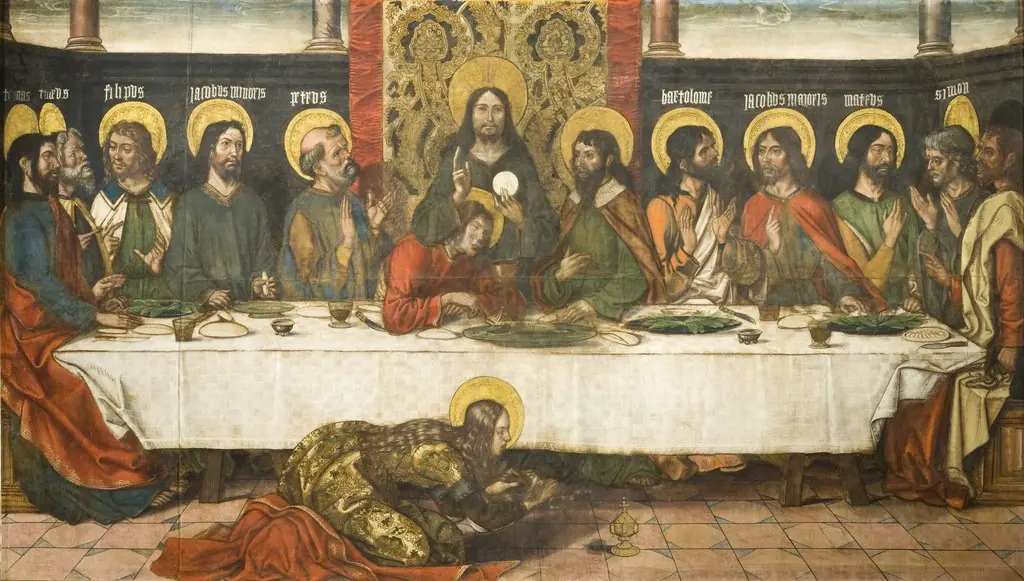
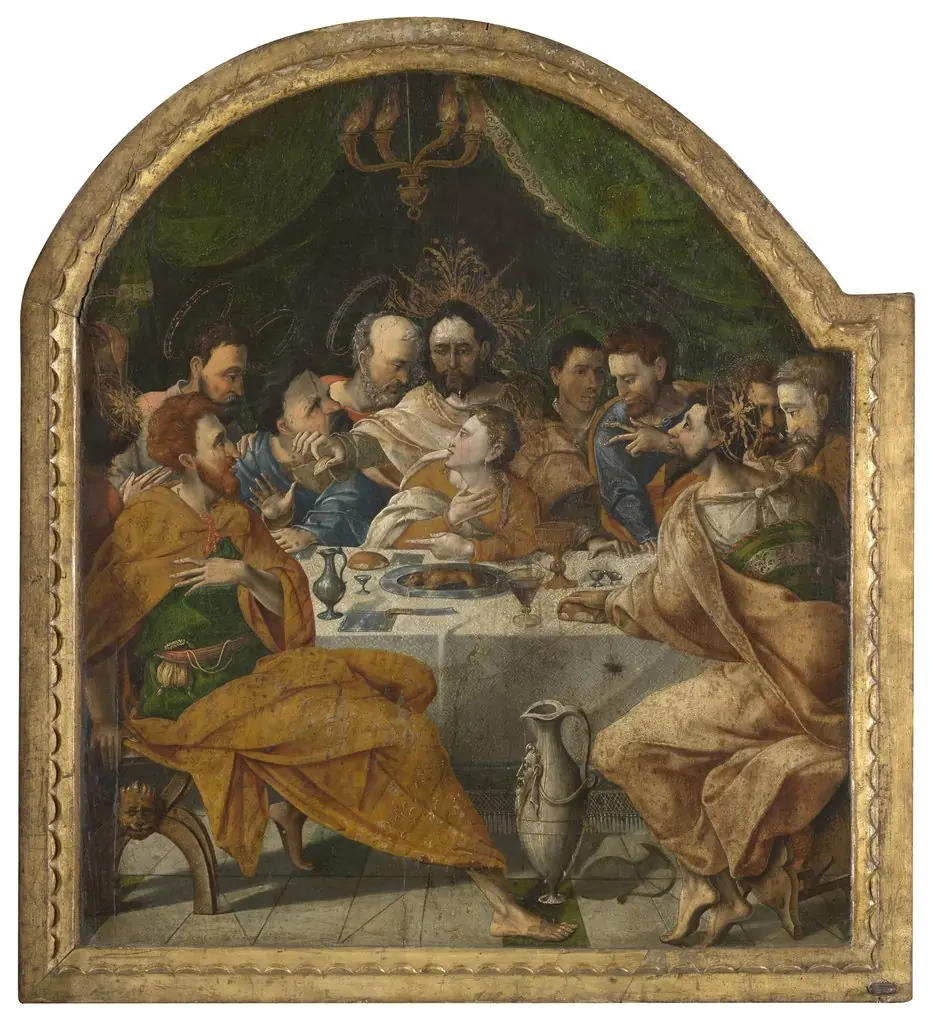
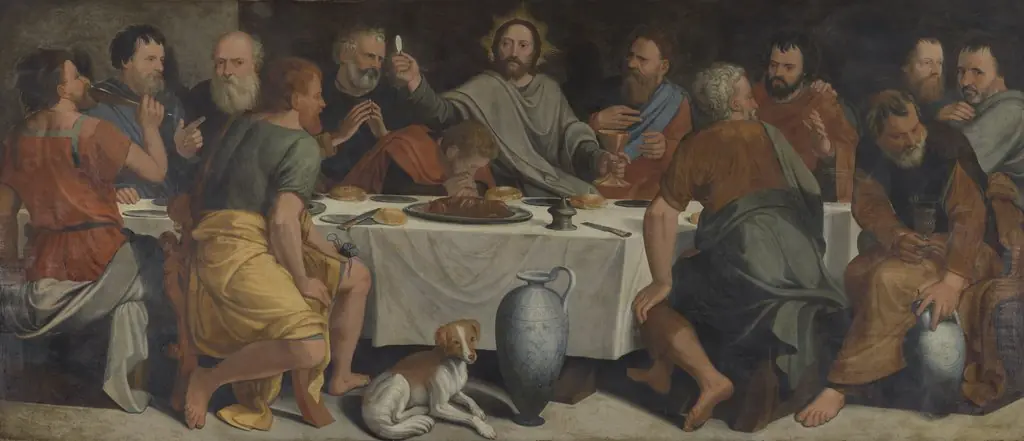
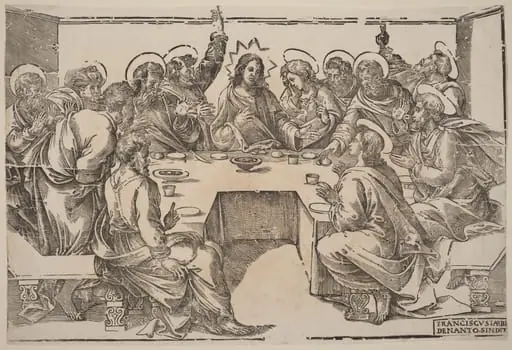
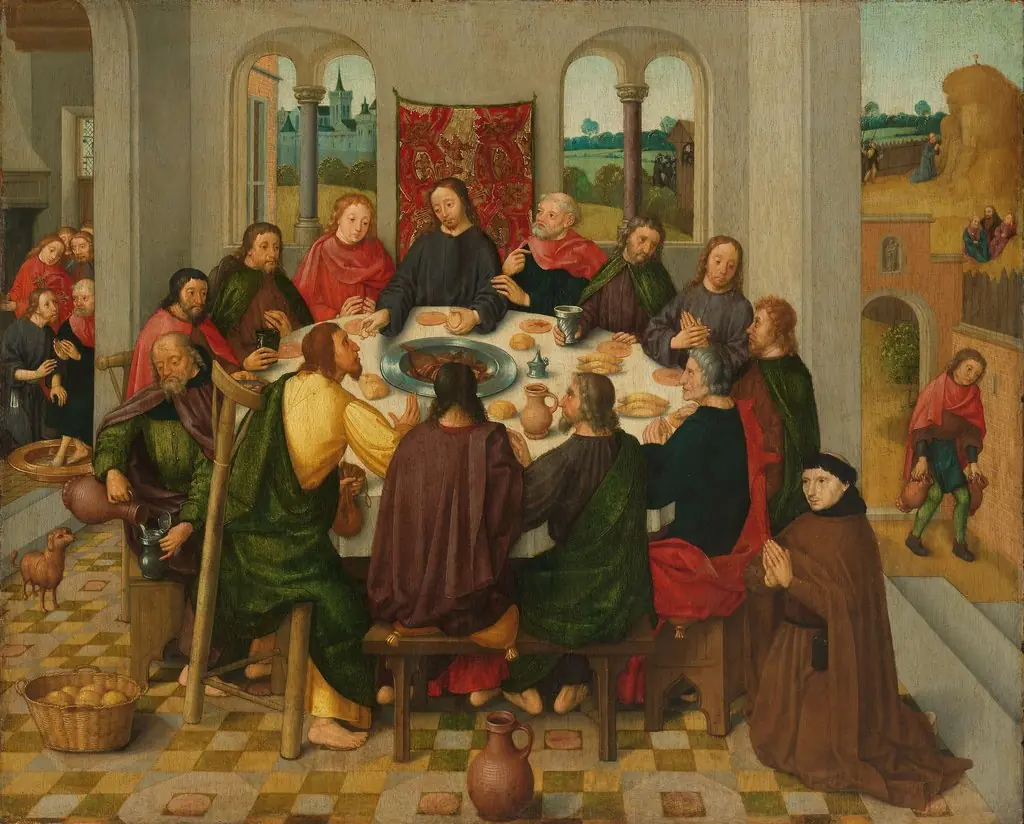
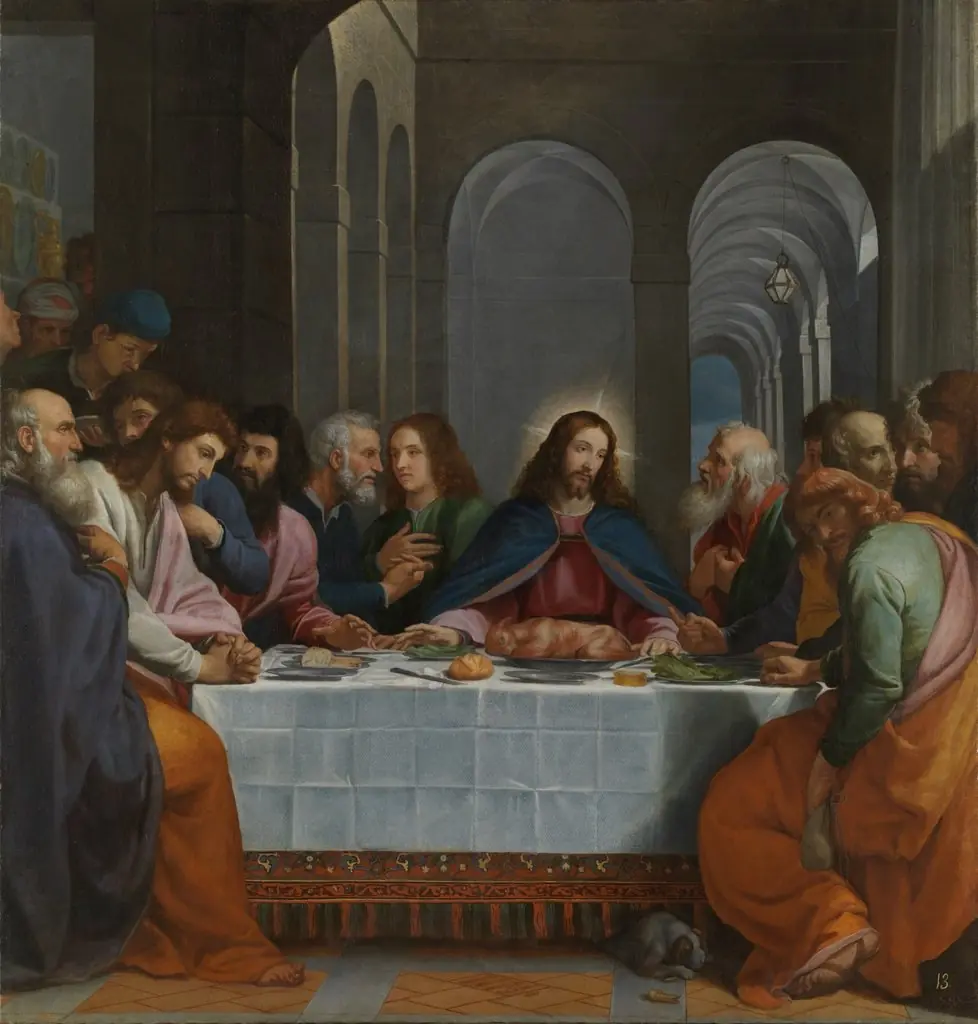
The scene centers on Christ, seated at the head of the table, raising his hand as he speaks of betrayal. Around him, the apostles react with varied expressions, some lean in, others withdraw, conveying shock and introspection. The arrangement emphasizes spiritual tension over narrative drama.
Food and drink on the table reinforce the ritual nature of the moment, grounding the divine event in earthly detail.
Technique & Style
The artist employs tempera on a wooden panel, with gold leaf used for the background to signify sacred space. Figures are rendered with elongated proportions and stylized drapery, typical of late medieval Italian painting. Color is used symbolically rather than naturally: robes in deep reds, blues, and greens distinguish individuals while maintaining harmony. Spatial depth is suggested through overlapping forms, not perspective.
History & Provenance
The painting was likely created for private devotion in a Tuscan religious context. Its early 14th-century origin places it within a period of transition from Byzantine conventions toward greater naturalism. It entered the Brooklyn Museum’s collection in the 20th century, having passed through private hands in Europe before its acquisition.
Context
Created during a time when Italian painting was shifting from rigid Byzantine models toward more human-centered narratives, this work retains traditional elements like the gold ground and hierarchical scale. It reflects the devotional needs of monastic or aristocratic patrons who sought visual aids for meditation on sacred texts, particularly the Gospels.
Legacy
Though not by a named master, the painting exemplifies the work of skilled regional artisans who sustained religious iconography before the Renaissance. Its preservation offers insight into how biblical stories were visually interpreted outside major artistic centers. It remains a quiet testament to the devotional culture of medieval Tuscany.
Artist & collection
Artist
Pseudo Jacopino di Francesco (1350–1383) was an artist, born in Bologna.