Artist
Subject
Bread is a subject in art. The gallery holds 119 works in this subject in art, including works by Édouard Manet, Johannes Vermeer and Claude Monet.
Bread is among the oldest and most resonant subjects in Western art, valued at once as a humble staple and as a vessel of sacred meaning. Made from little more than flour, water, and yeast, it has nourished Europe and the Middle East for millennia, and its near-universal presence on the table made it an obvious carrier of symbolic weight. In Christian art that weight is profound: bread is the body of Christ, instituted at the Last Supper and re-enacted in the Eucharist. Leonardo da Vinci's *The Last Supper* (c. 1495–1498) crystallises the motif, Christ's hand gesturing toward bread and wine as ordinary objects on the verge of transfiguration—the sacred present in the room but not yet declared.
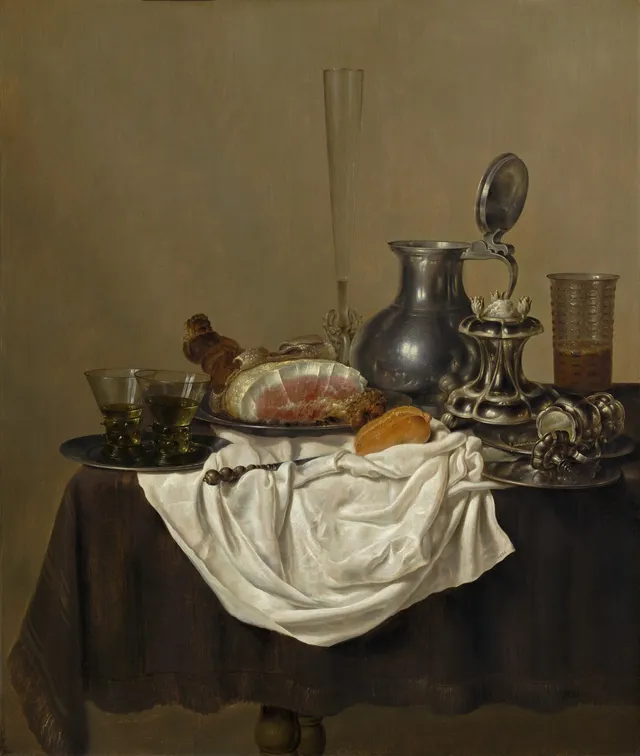
Bread reached its richest secular expression in the Dutch Golden Age. After the Protestant Reformation condemned religious imagery as idolatrous, Netherlandish painters turned to the everyday, and the breakfast-piece (*ontbijtje*) and *banketje* became signature genres. A crusty roll beside ham, cheese, and a half-peeled lemon let artists demonstrate dazzling technical command while smuggling in moral resonance—bread evoking humility, sustenance, and, alongside wine, the Eucharist. Willem Claesz Heda and Pieter Claesz perfected the near-monochrome 'tonal' banquet, deploying chiaroscuro and trompe-l'oeil to render crumb, crust, and glinting pewter. Works such as Heda's *Laid Table with Ham and a Roll* and Gerret Willemsz Heda's *Still Life with Ham*, together with Clara Peeters and Osias Beert's laden tables, treat bread as both a feat of illusion and a quiet *vanitas* reminder of life's transience.
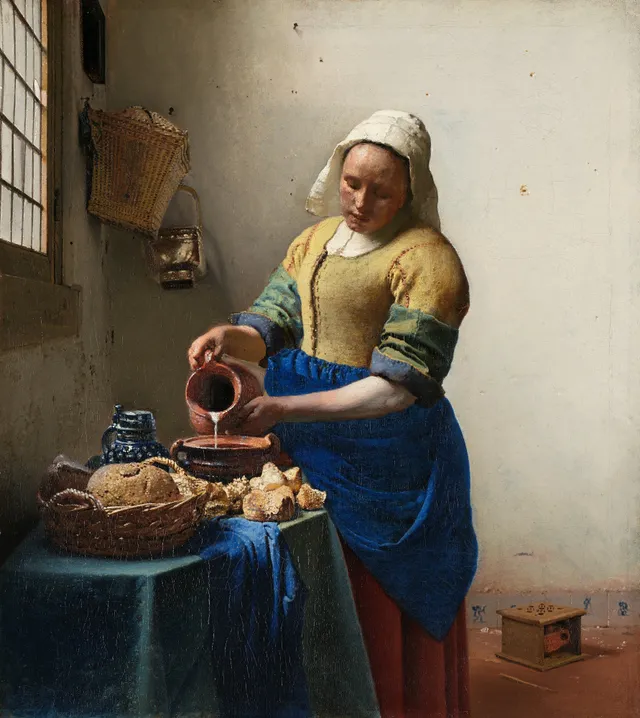
The motif also animates Dutch genre and figure painting. Vermeer's *The Milkmaid* (c. 1658, Rijksmuseum) builds an entire domestic devotion around a basket of bread and a stoneware jug, while Frans Hals's *Merrymakers at Shrovetide* sets feasting against carnival excess.
Bread's afterlife is long. Jean-Siméon Chardin (1699–1779) carried the Dutch reverence for ordinary objects into eighteenth-century France, painting modest loaves with luminous gravity. A century later, Van Gogh's *The Potato Eaters* (1885) made the shared meal an 'altar' of peasant dignity, where humble food becomes a near-sacrament of honest labour. From altarpiece to breakfast table to peasant hut, bread endures as art's most eloquent emblem of both bodily need and spiritual grace.
Artist
Artist
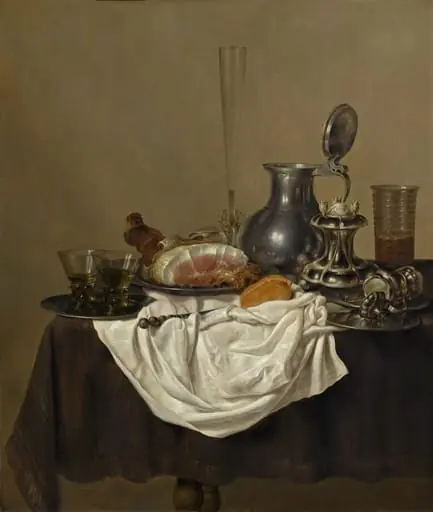 Still Life with Ham
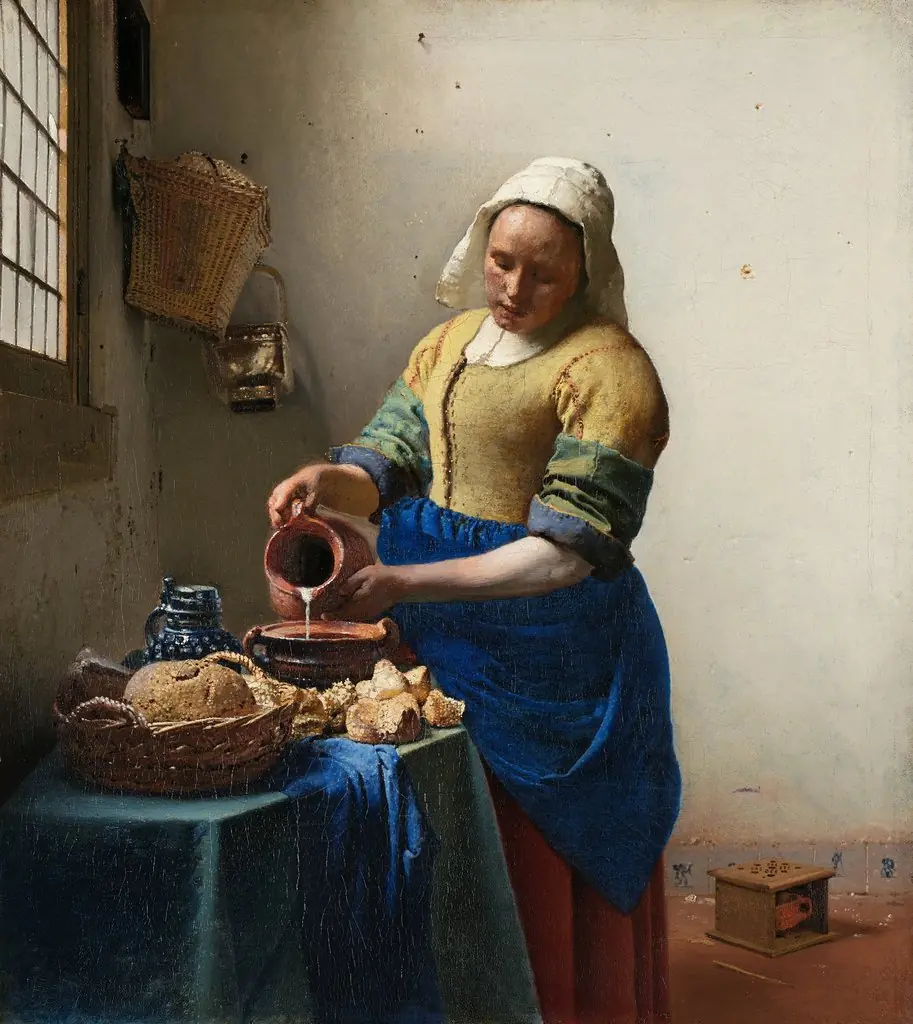 The Milkmaid
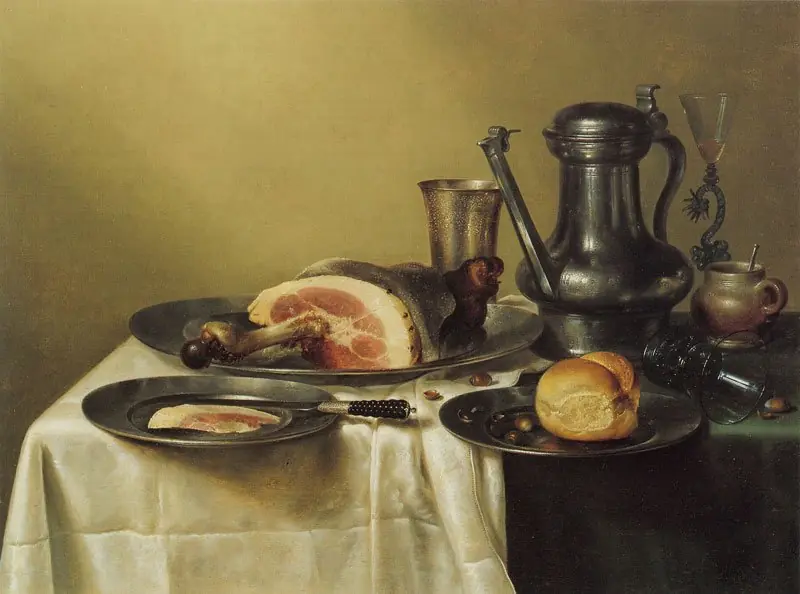 Laid Table with Ham and a Roll
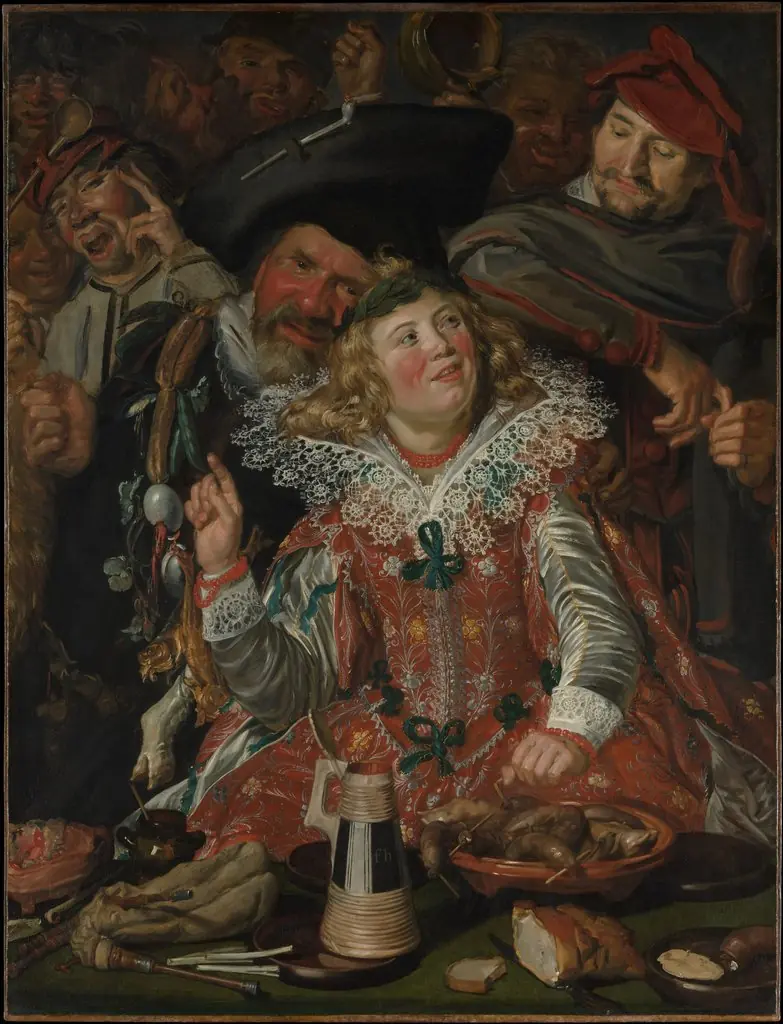 Merrymakers at Shrovetide
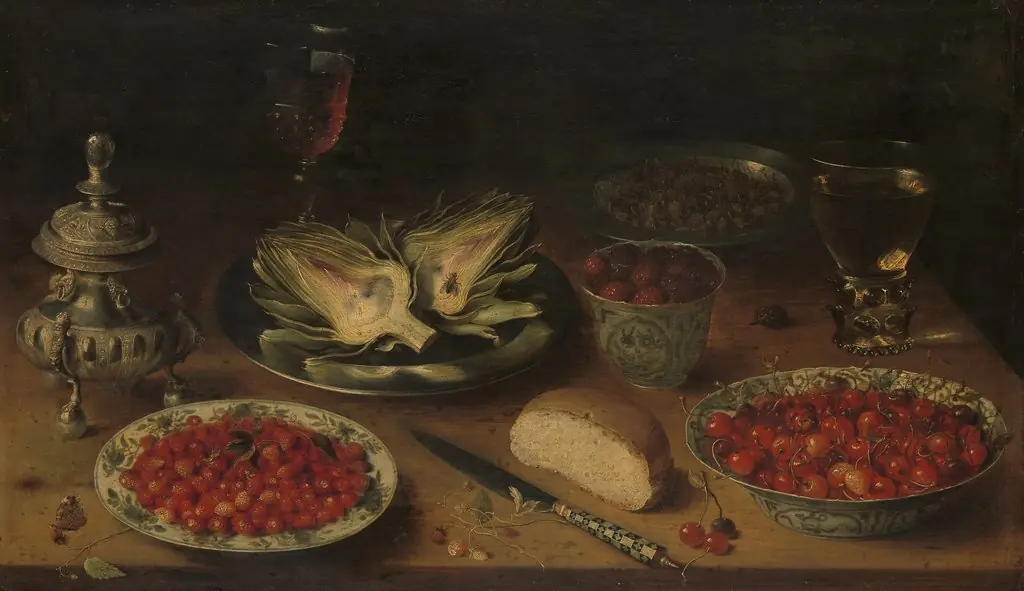 Still life with chinese porcelain, berries, and artichokes
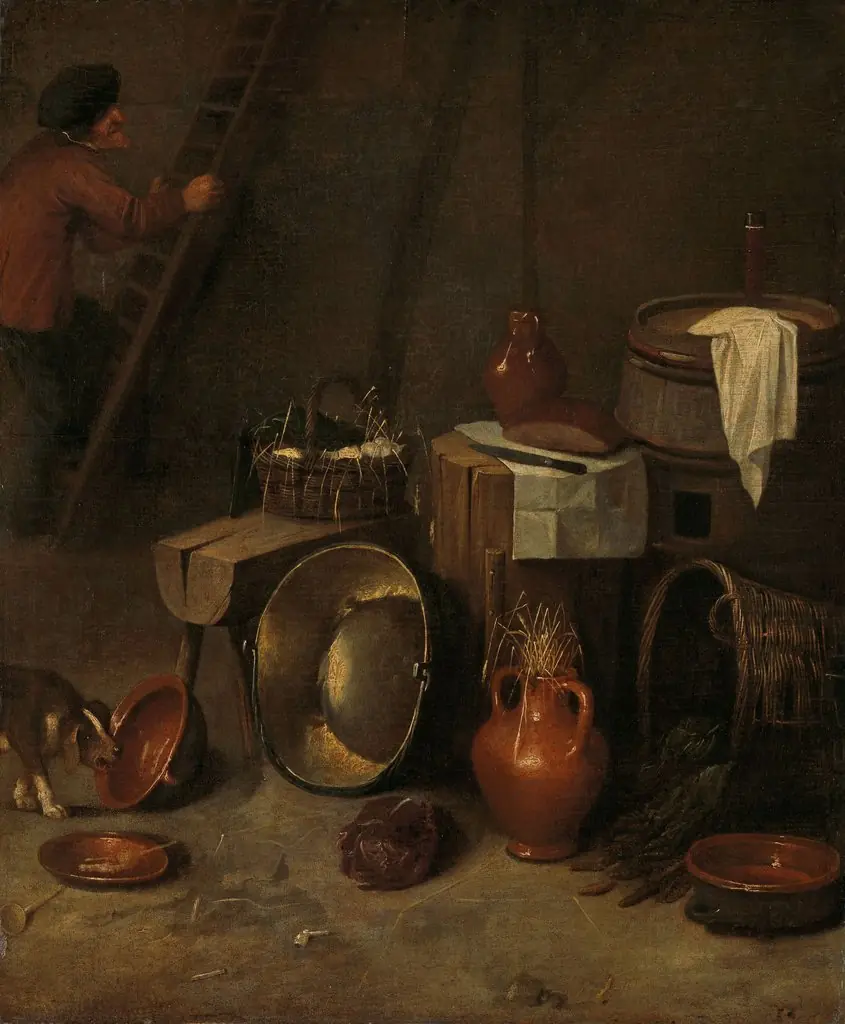 Still life in a stable
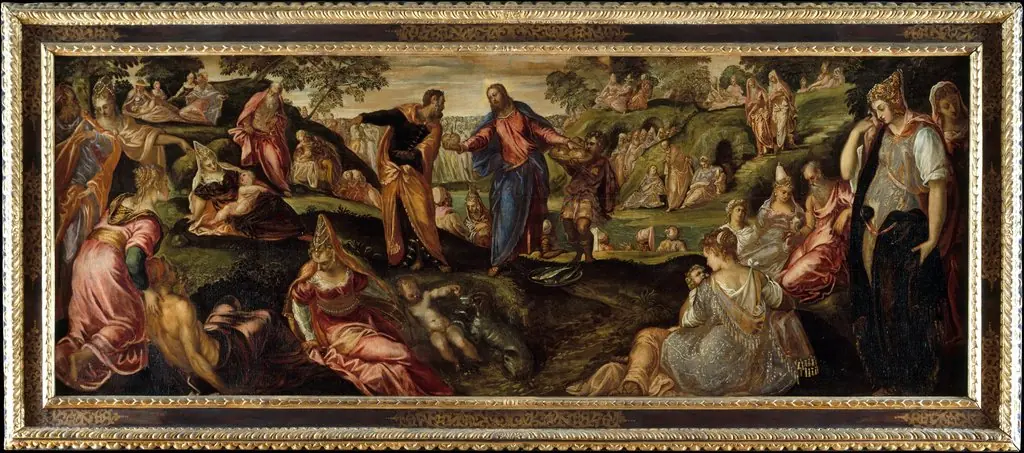 The Miracle of the Loaves and Fishes
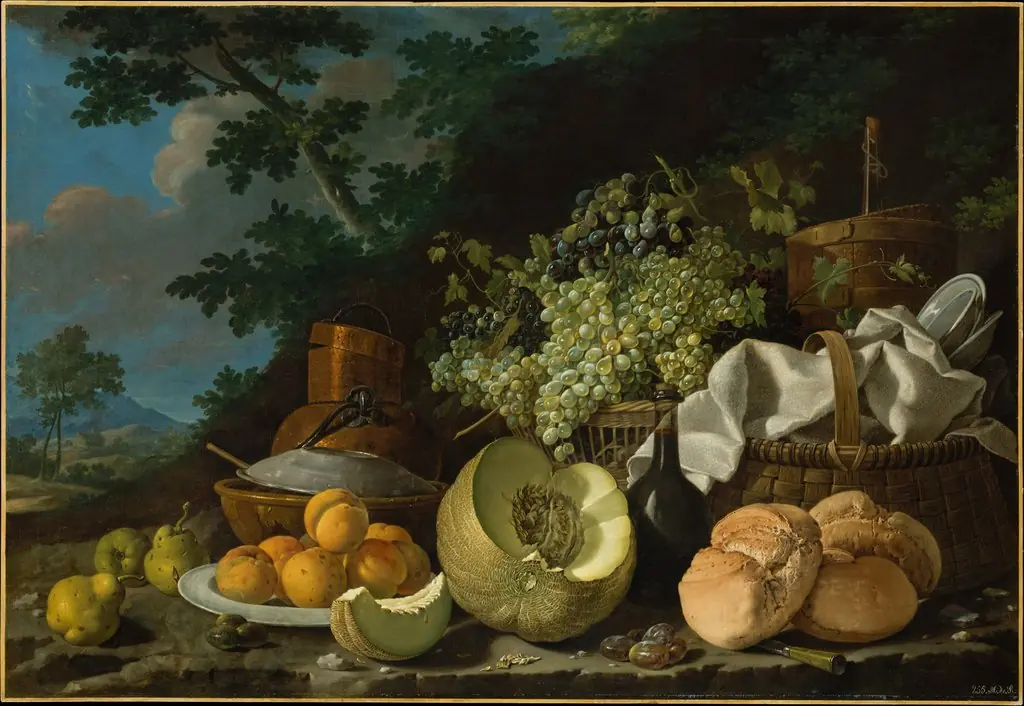 The Afternoon Meal (La Merienda)
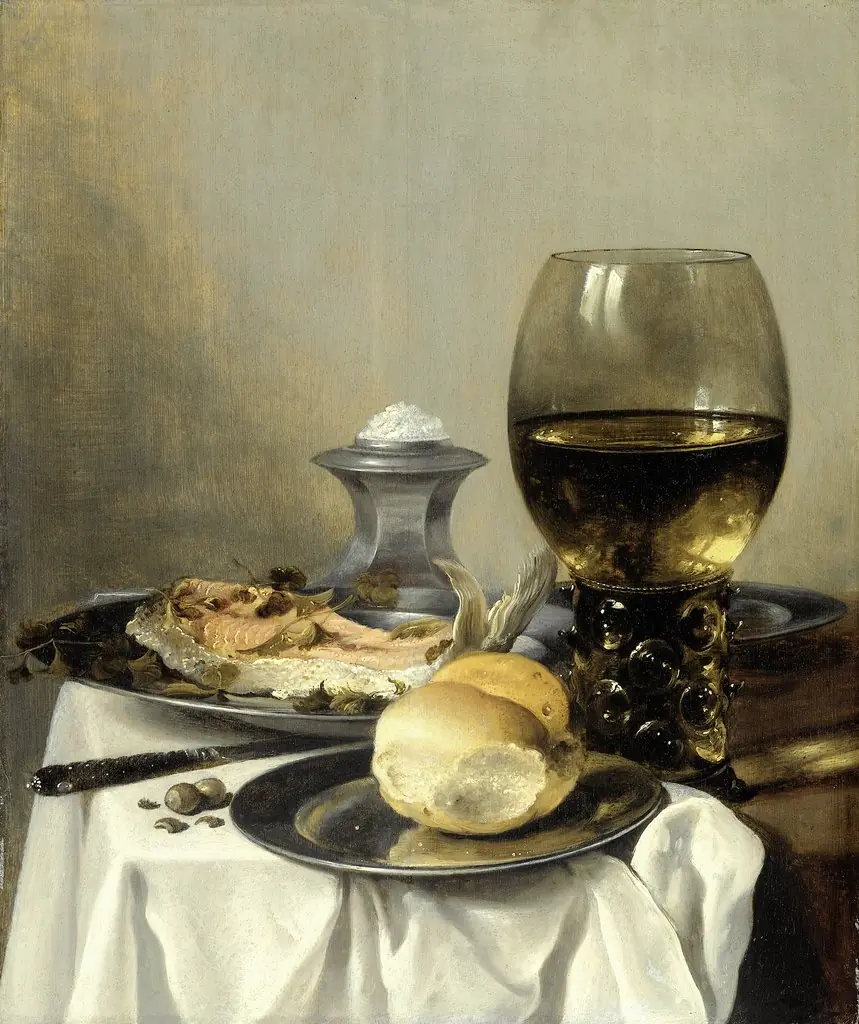 Still life with a salt cellar
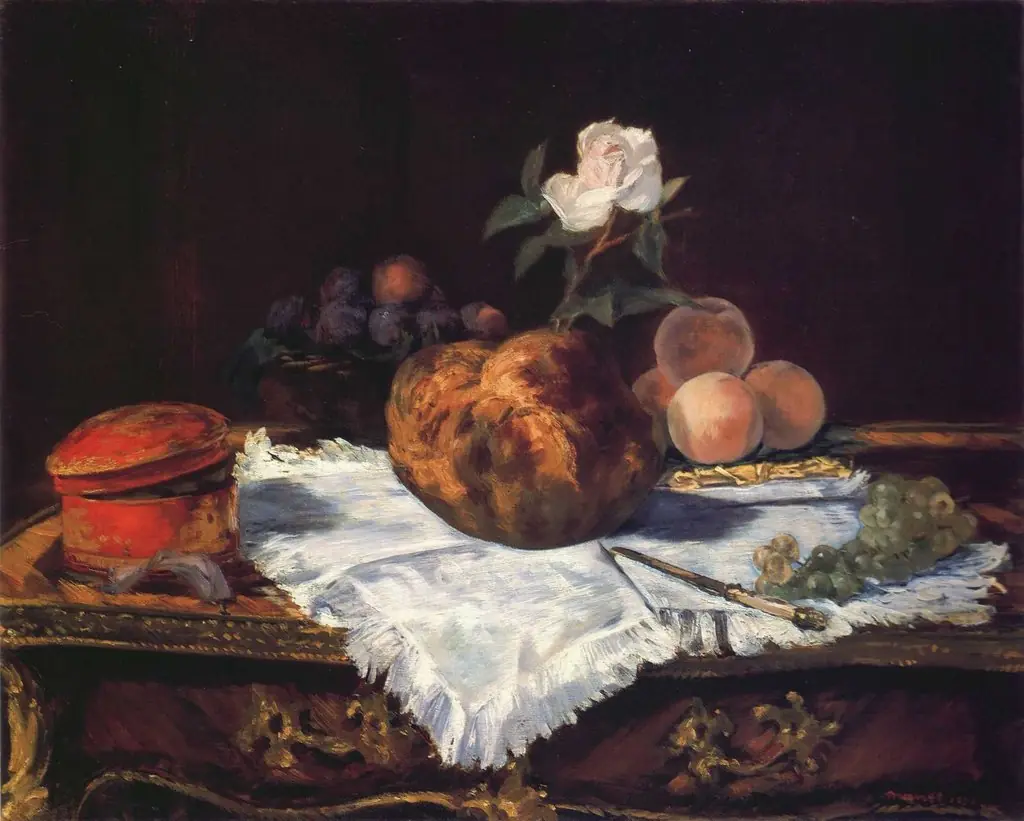 The Brioche
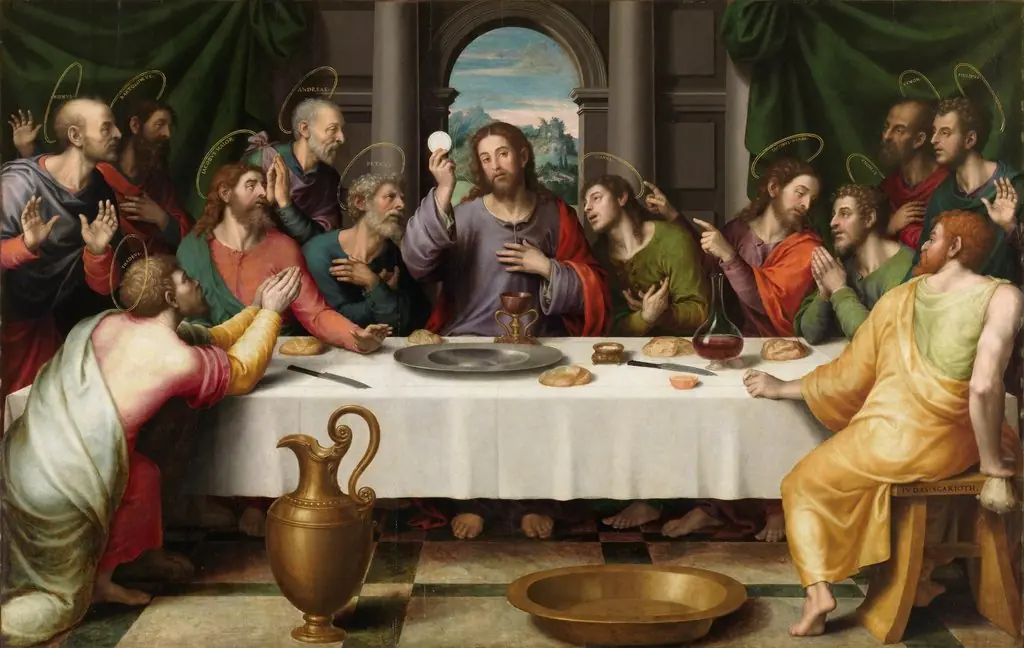 The Last Supper
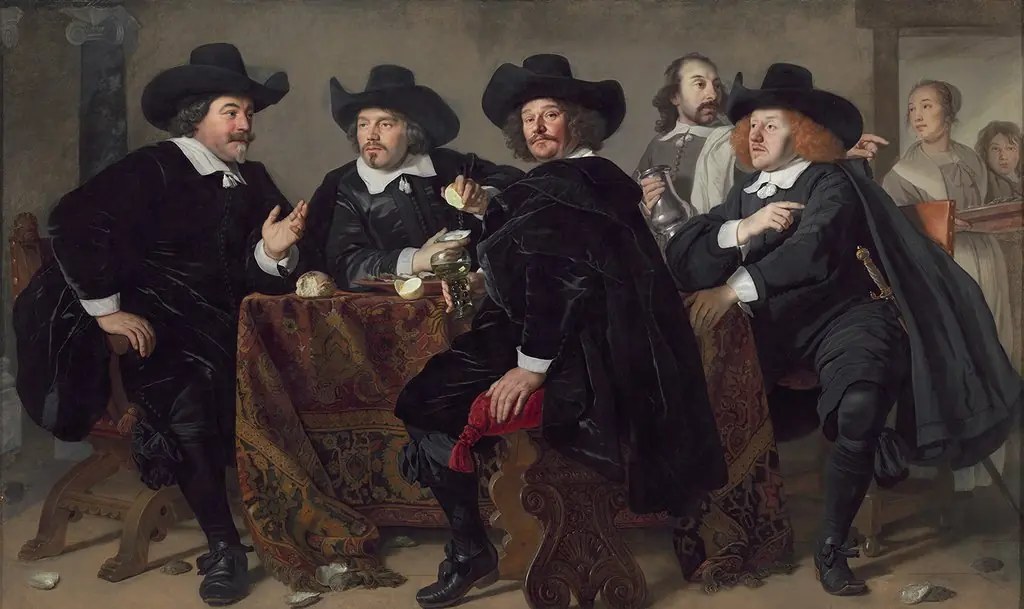 Four directors of the arquebusier's guild, Amsterdam, 1655
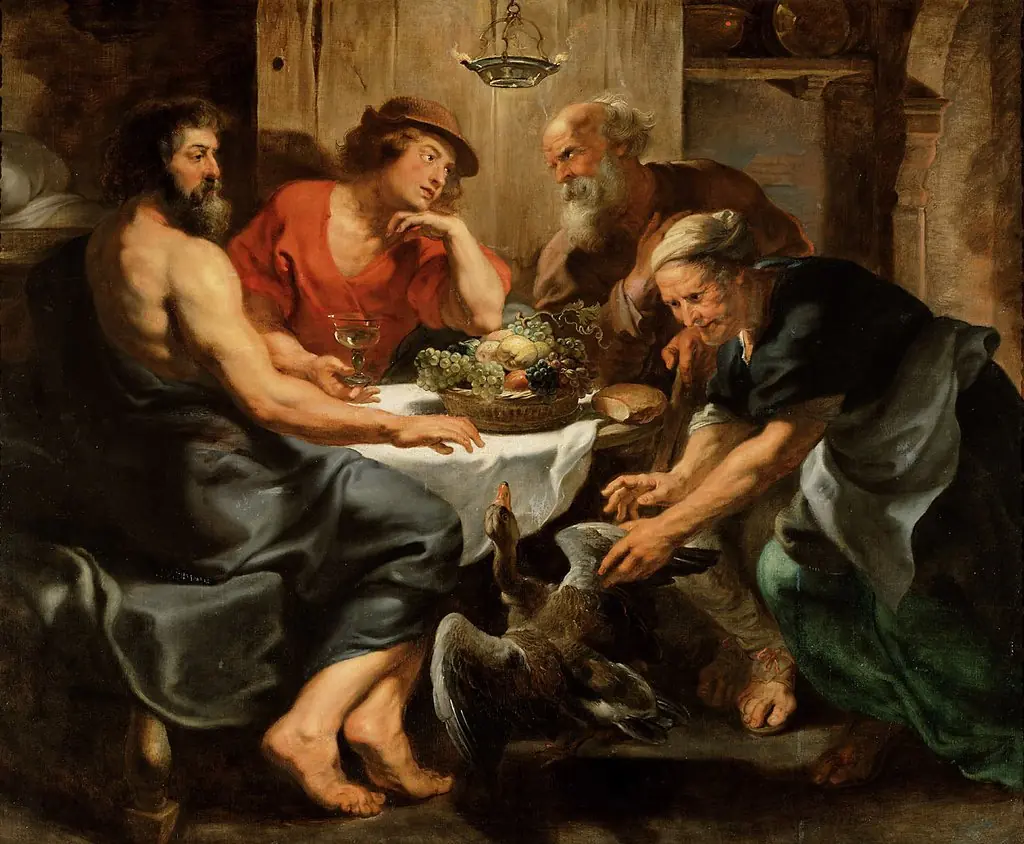 Jupiter and Mercury at Philemon and Baucis
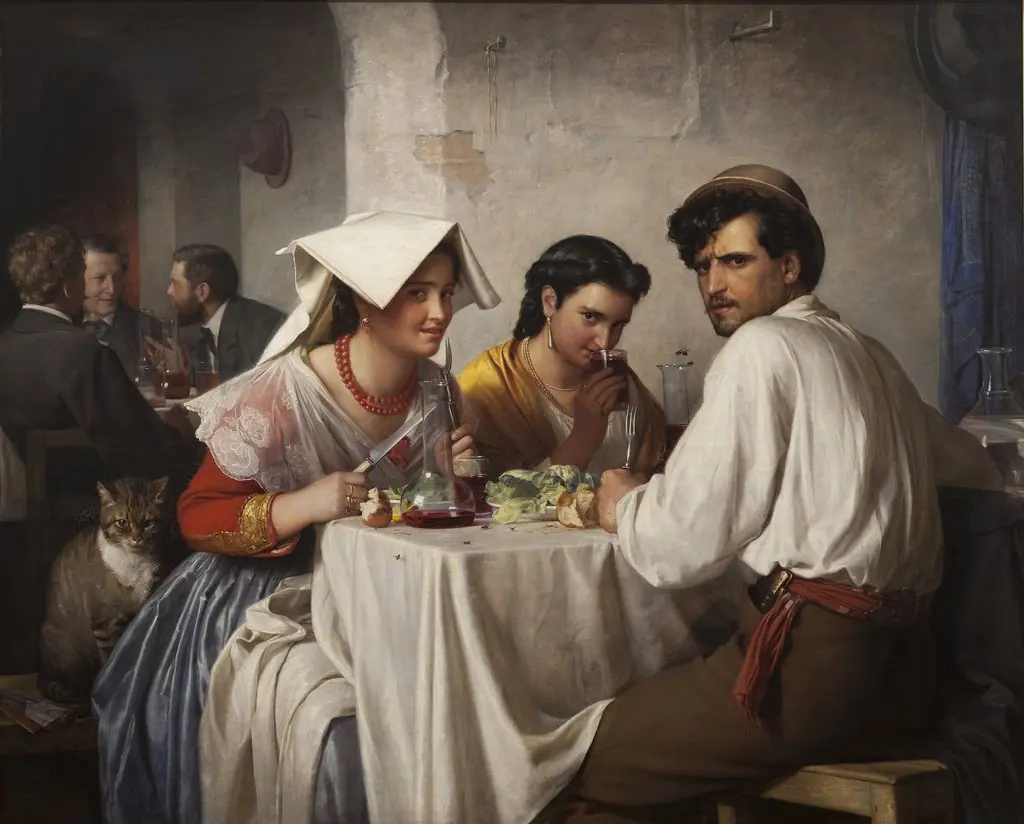 In a Roman Osteria
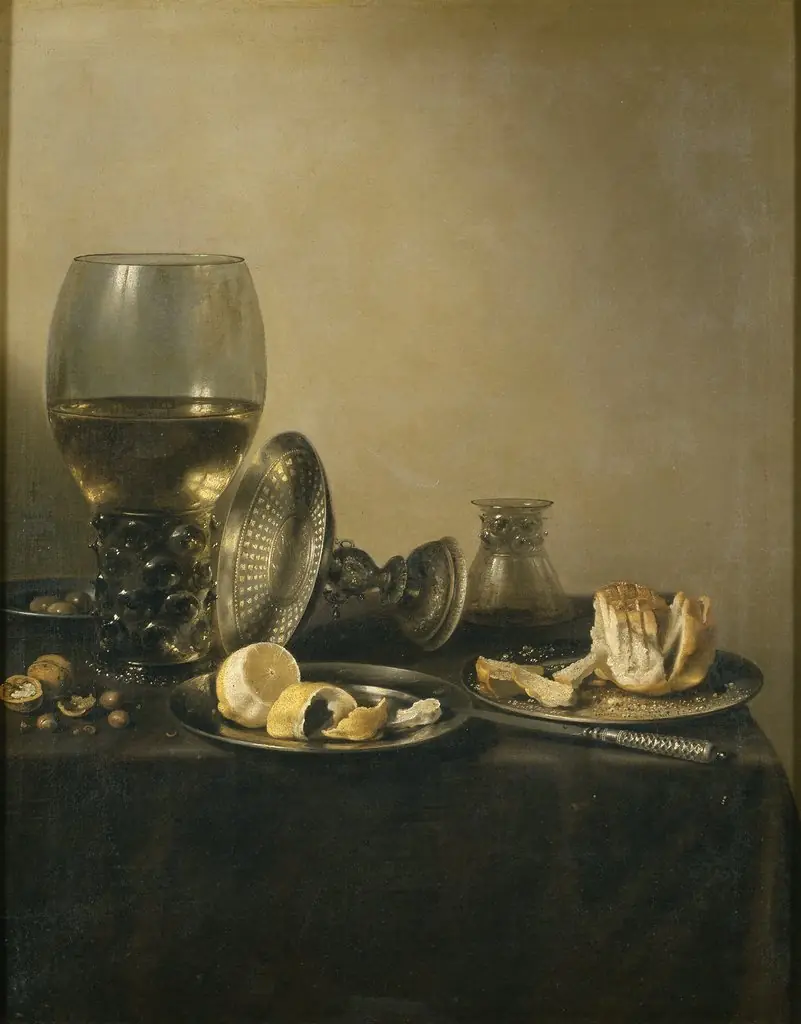 Still Life
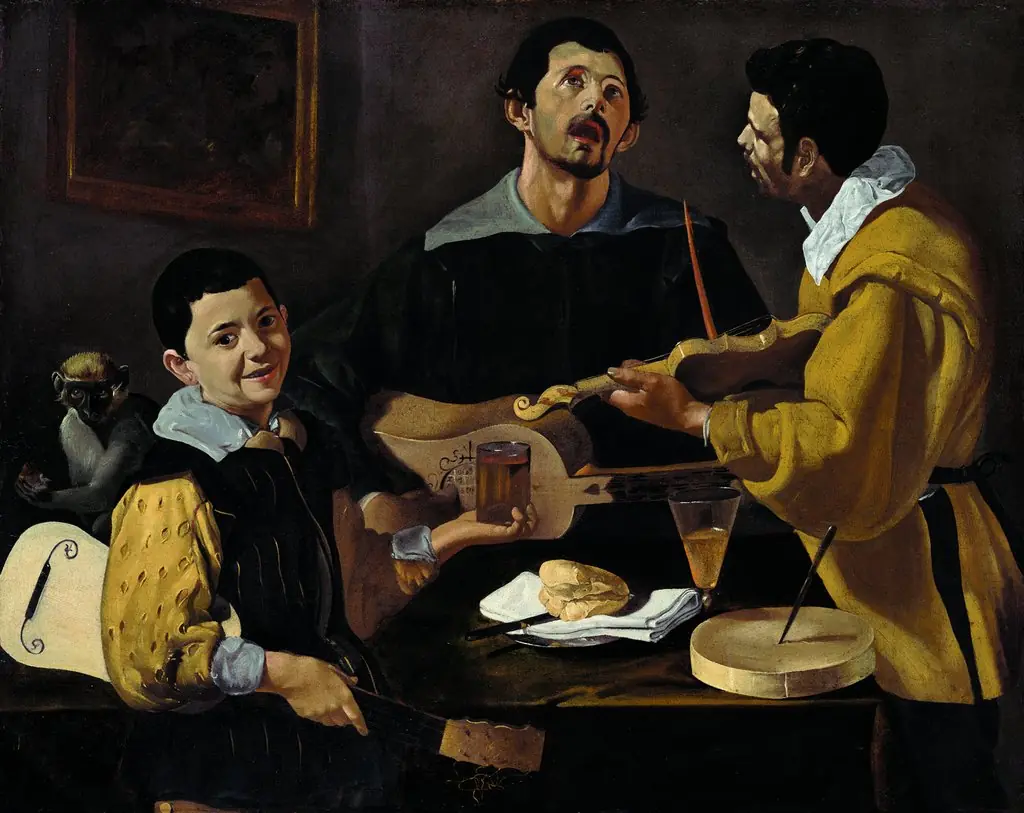 Three Musicians
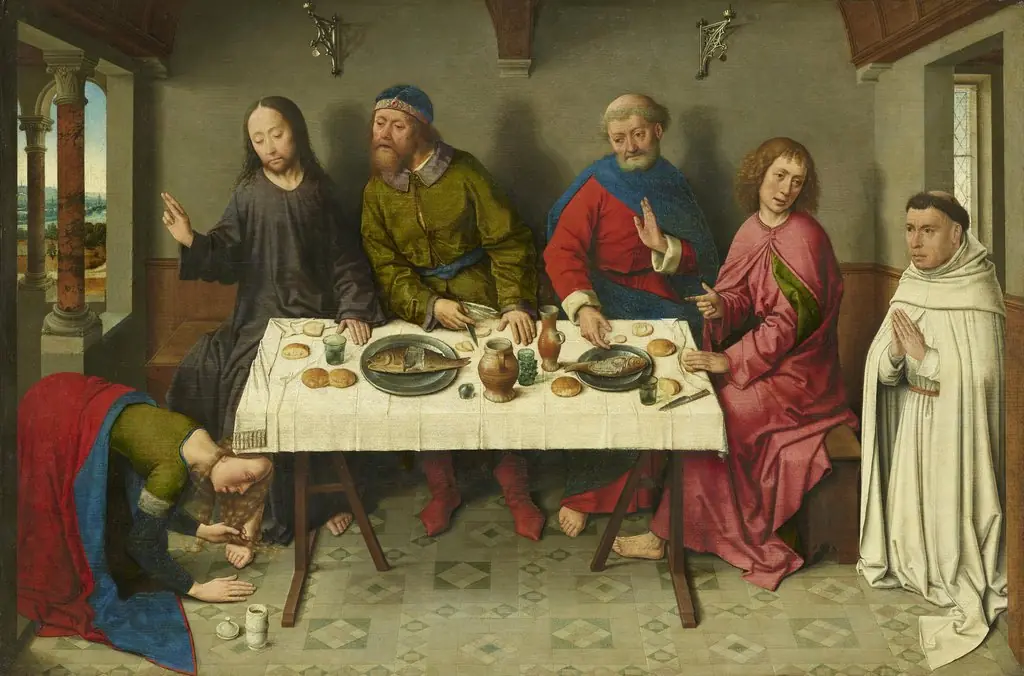 Christ in the house of the Pharisee Simon
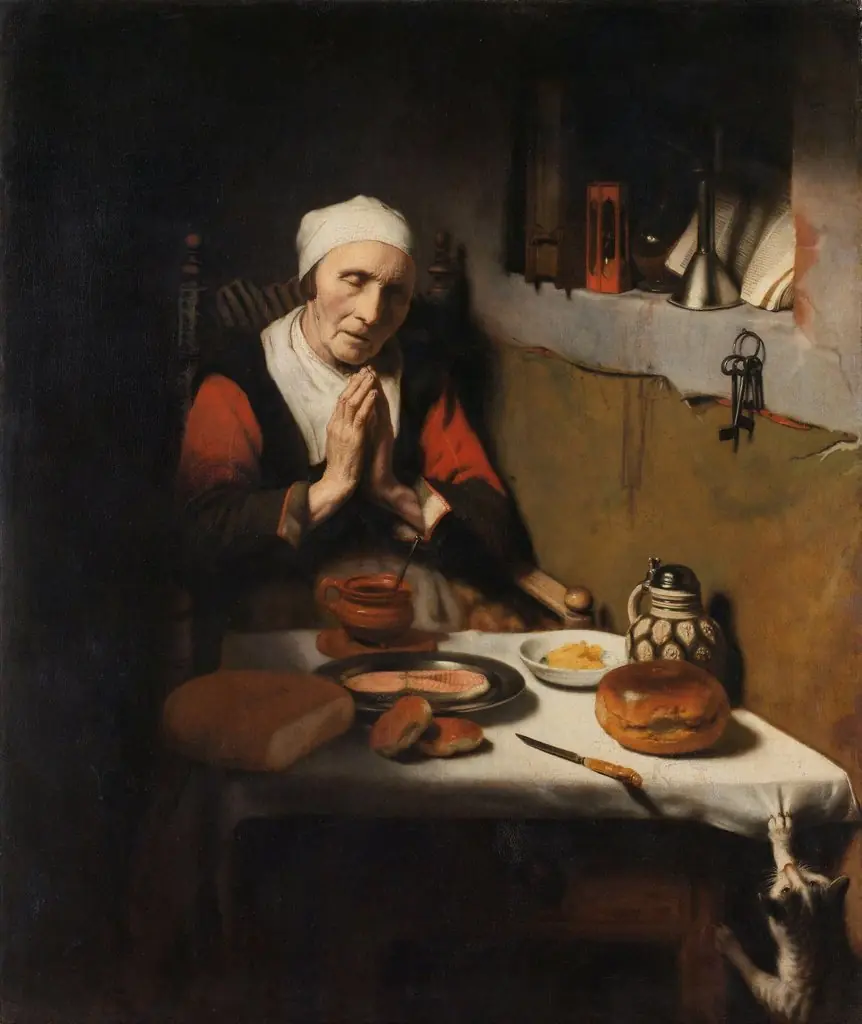 Old Woman Saying Grace, Known as ‘The Prayer without End’
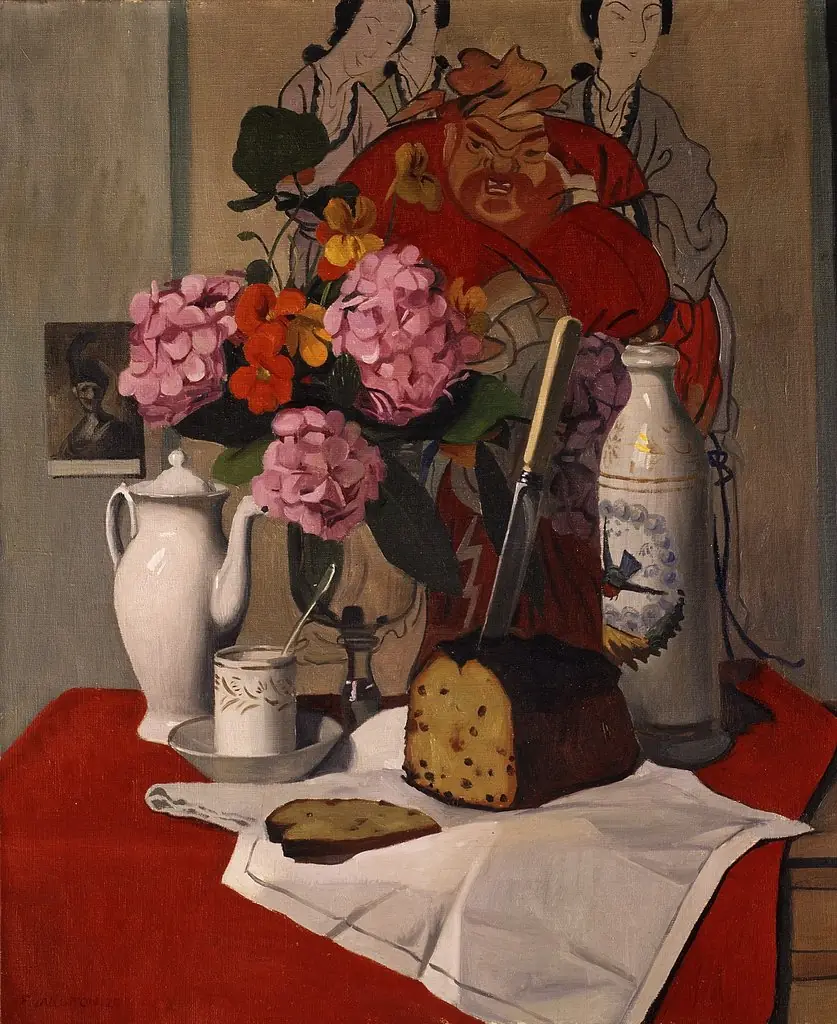 Still Life with Flowers
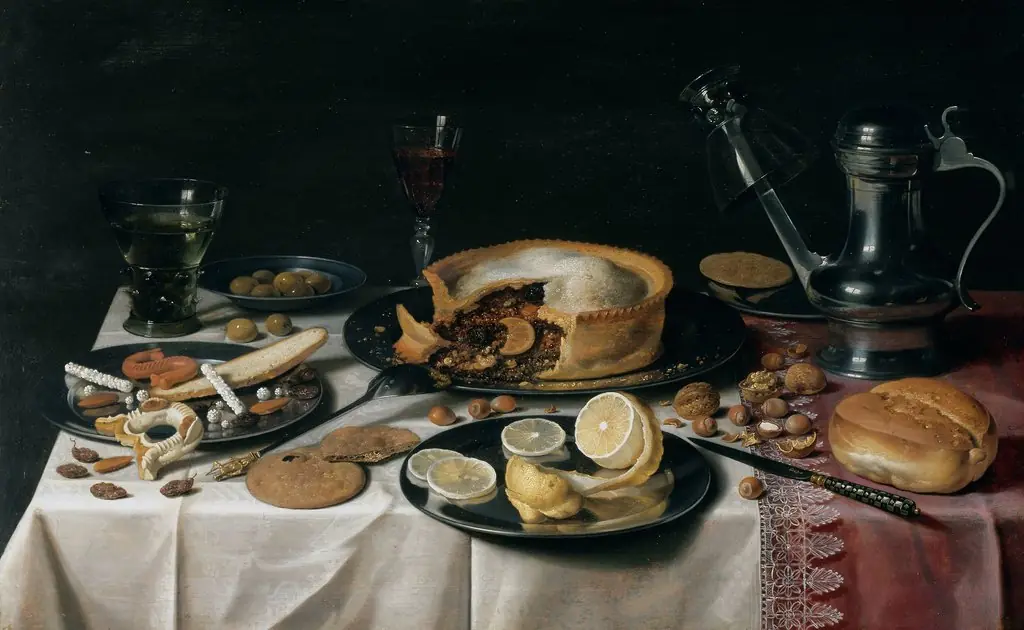 Still Life
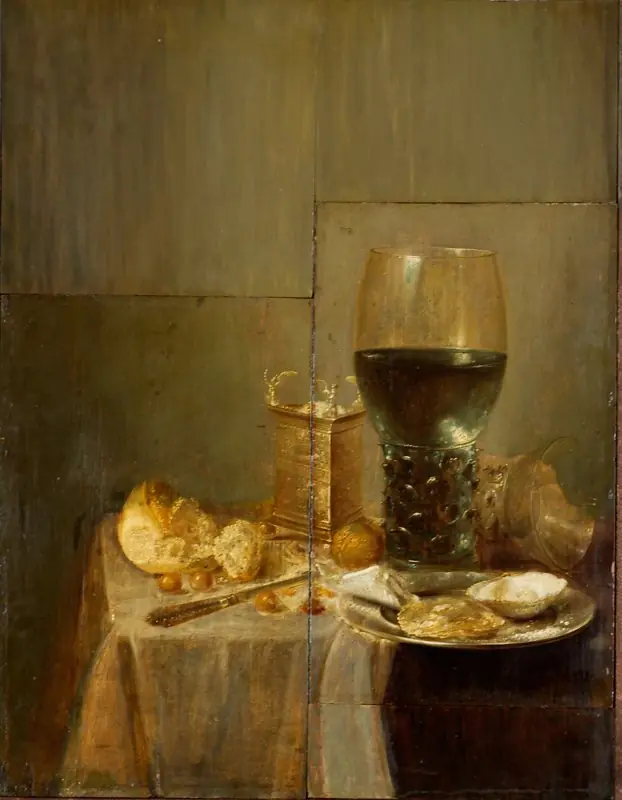 Still Life
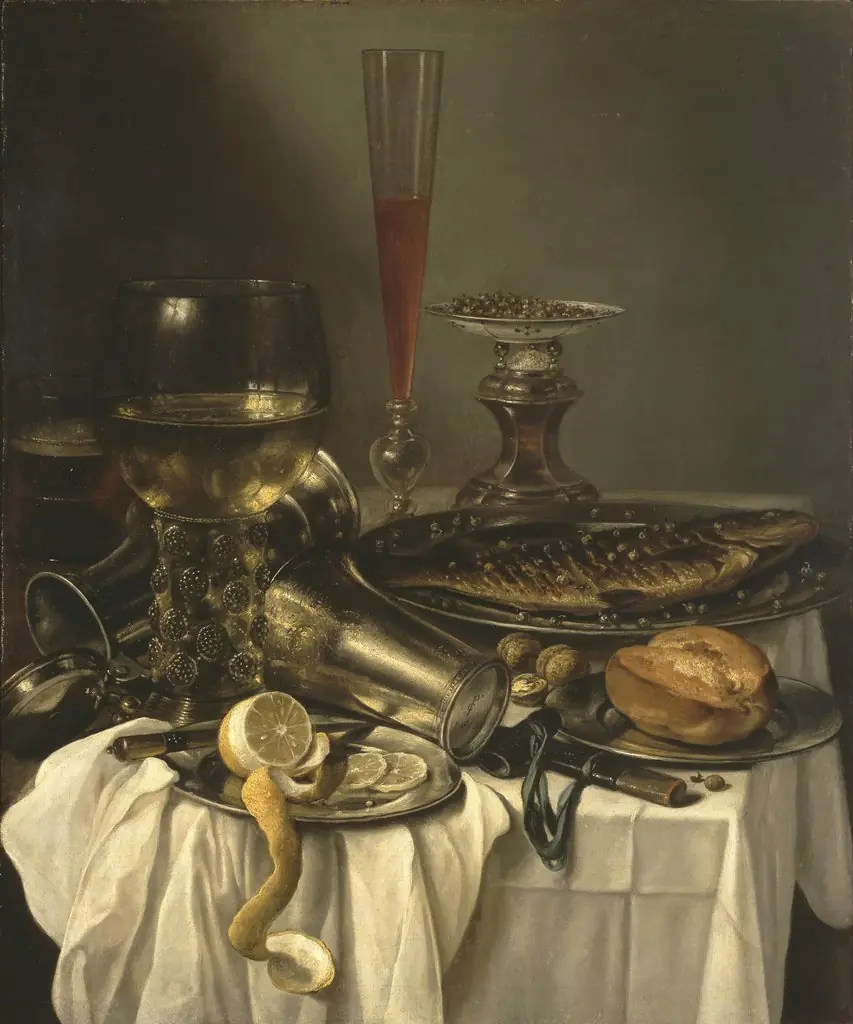 Breakfast with Fish
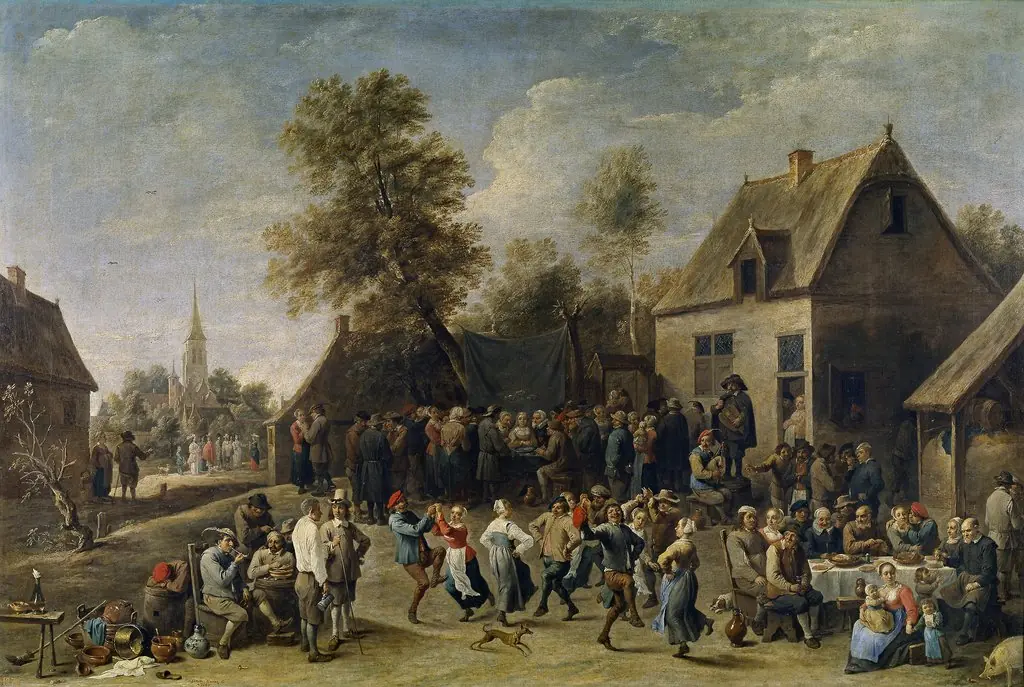 Country Feast
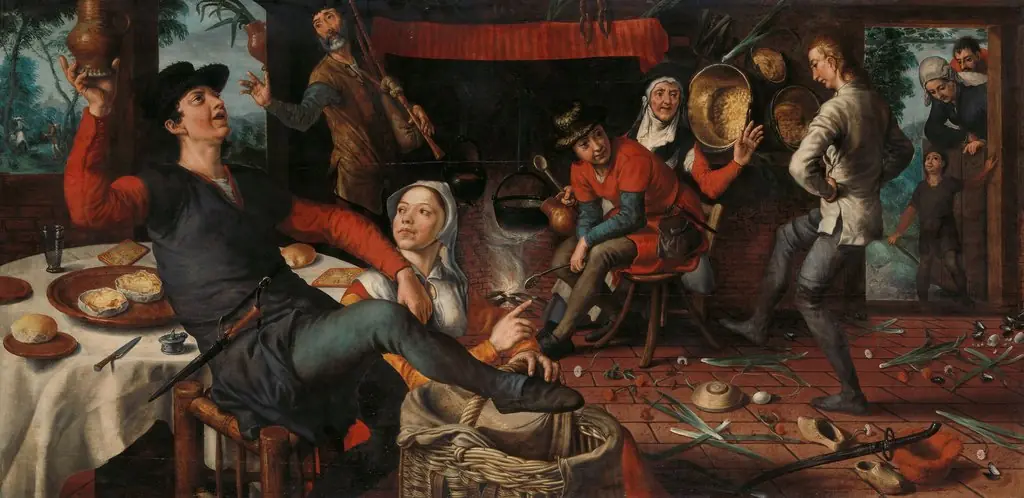 The Egg Dance
 Still Life with Cheese
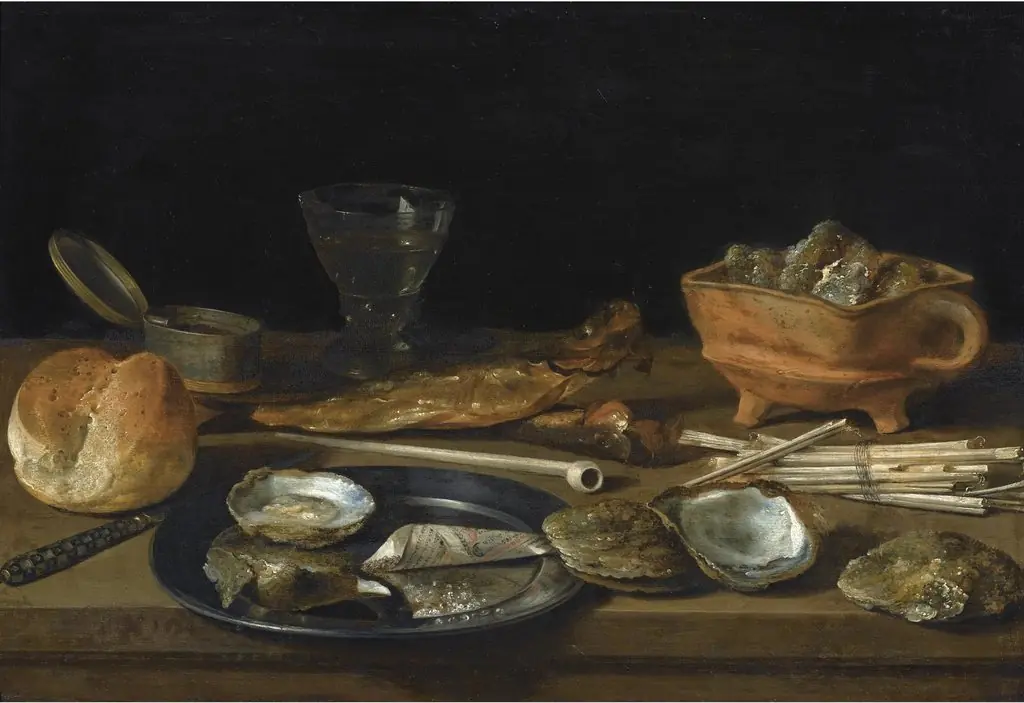 Still life with a brazier, a wine-glass, herring, oysters, bread, smoking paraphenalia, and a pewter plate
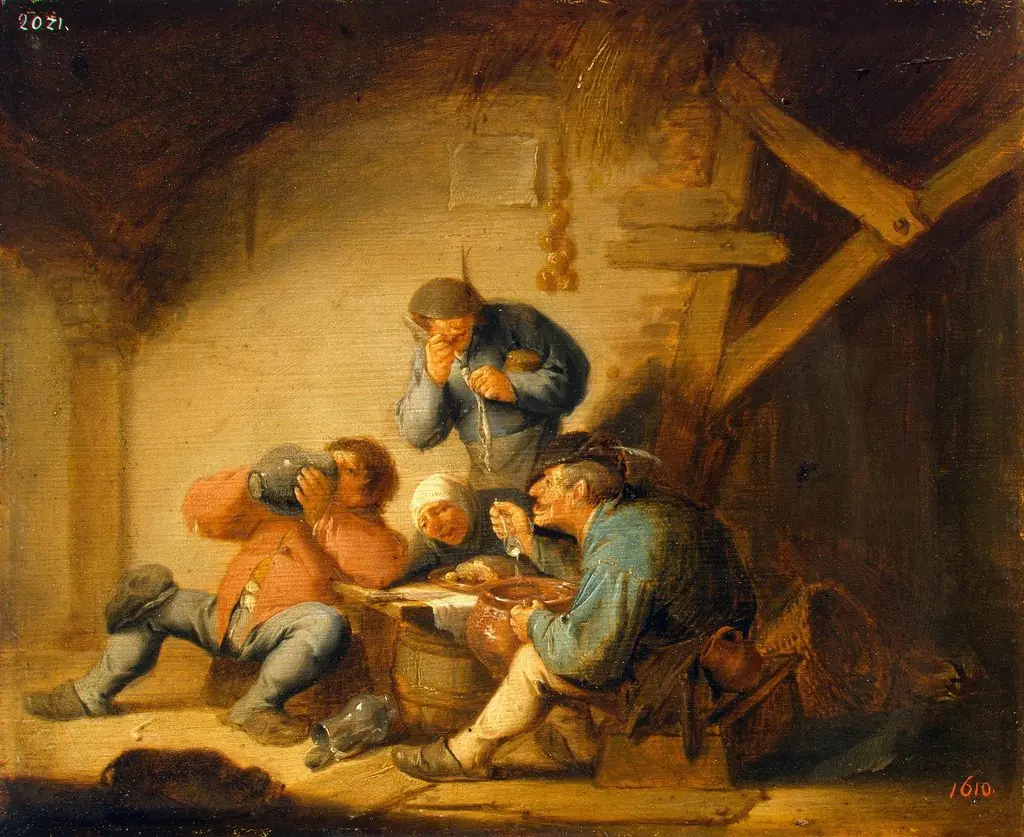 Sense of Taste
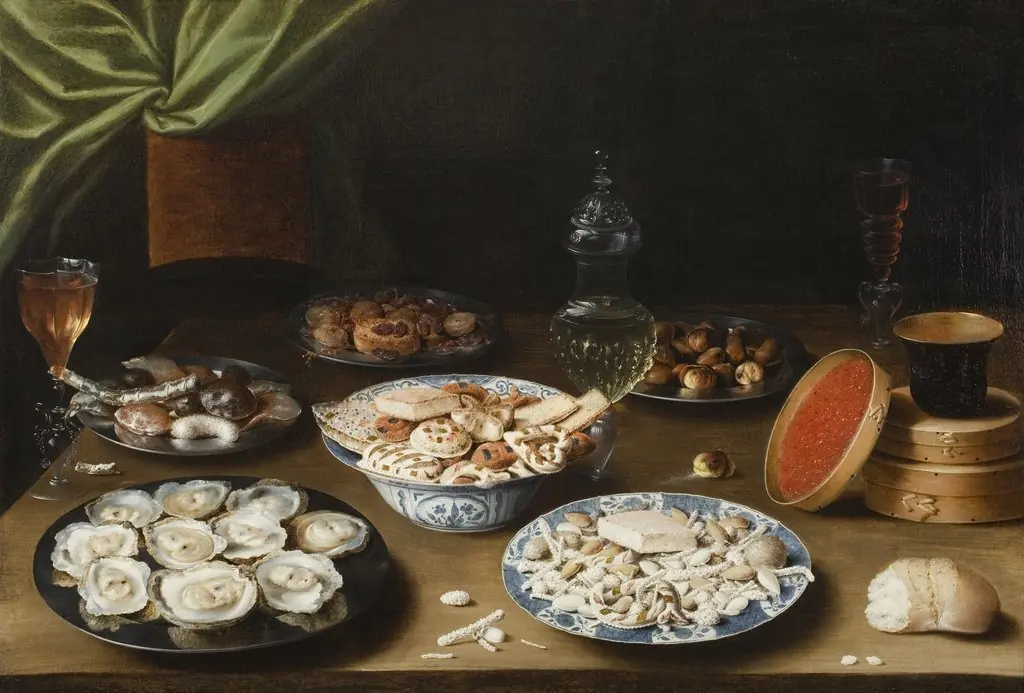 Still Life with Various Vessels on a Table
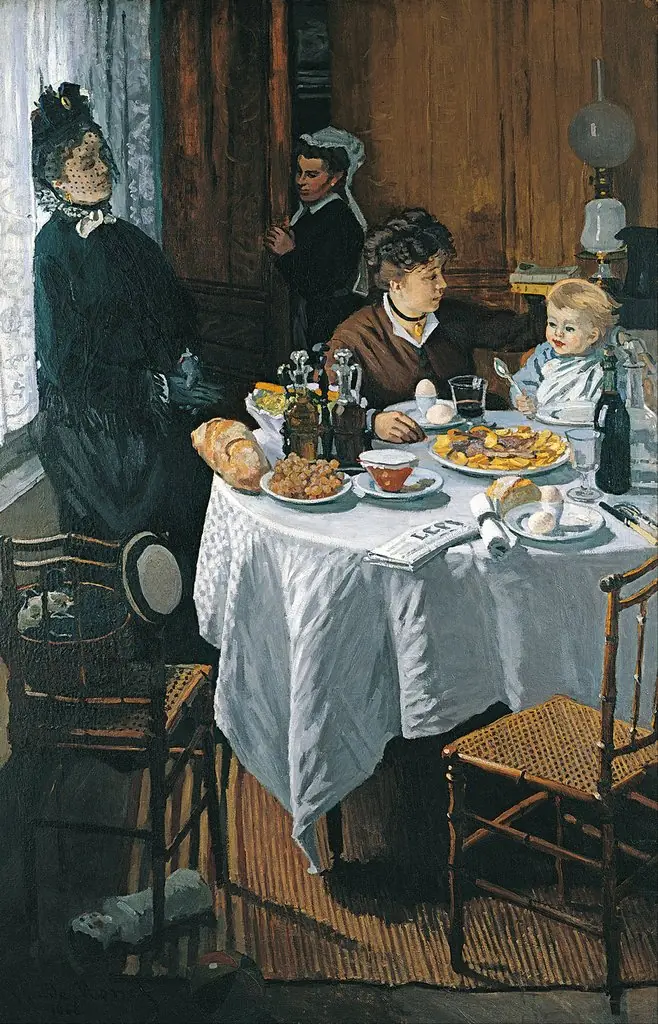 The Luncheon
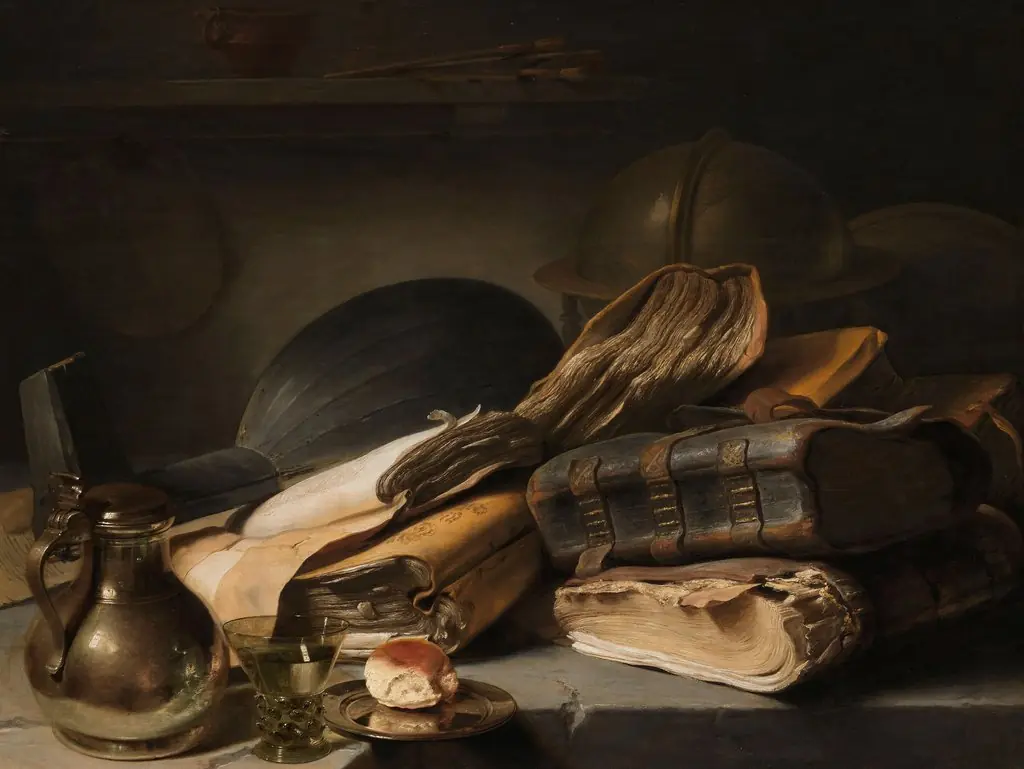 Still Life with Books
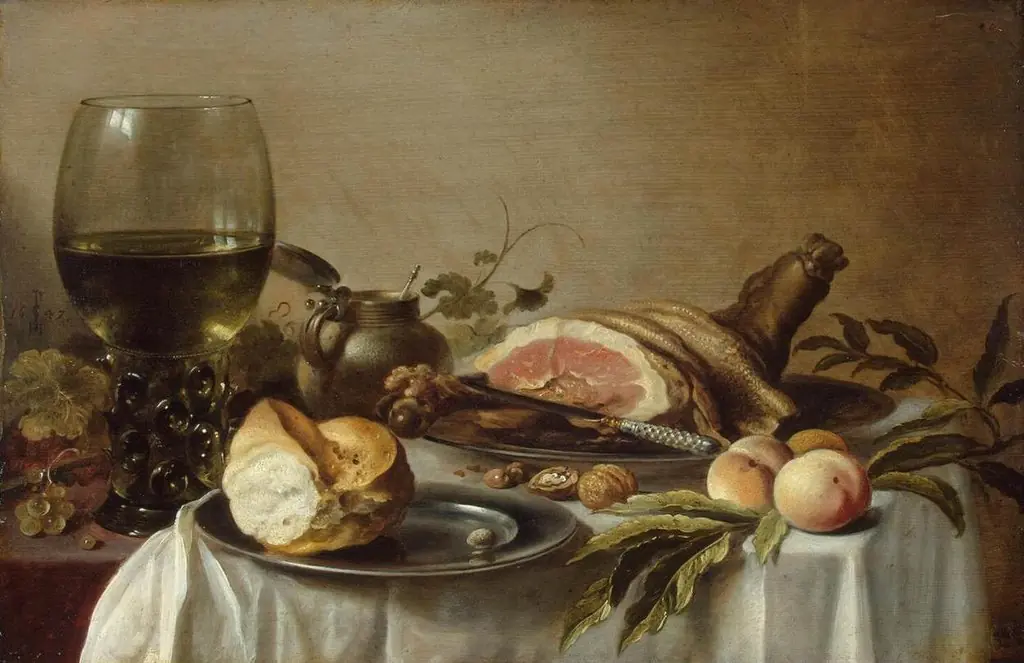 Breakfast with Ham
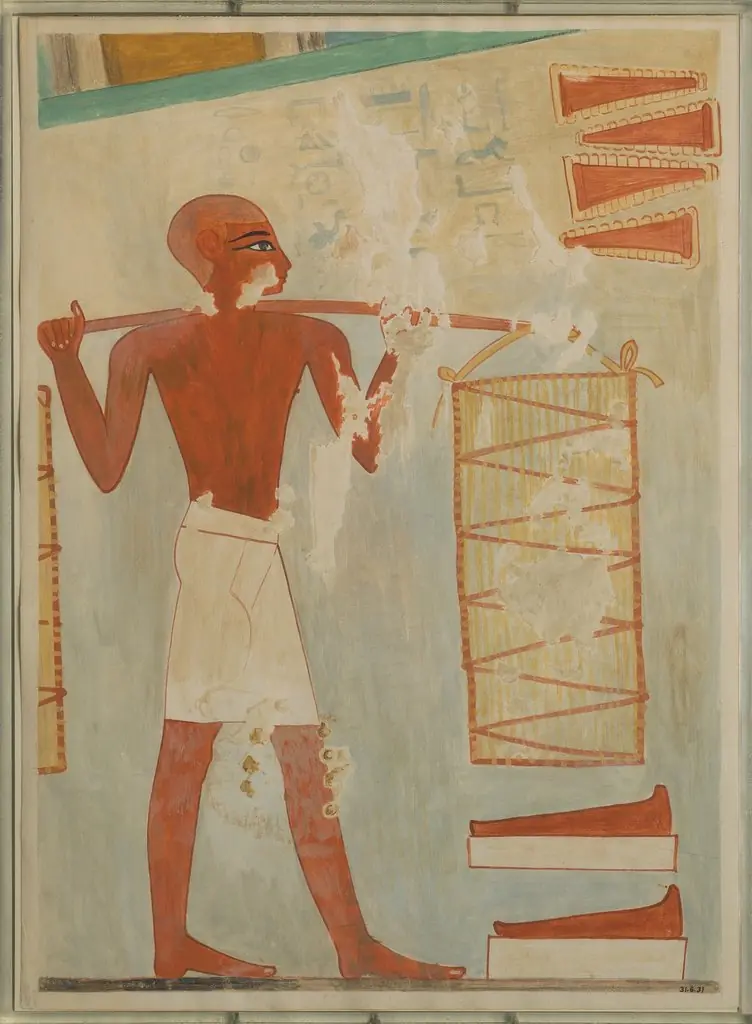 Man Carrying Loaves, Tomb of Rekhmire
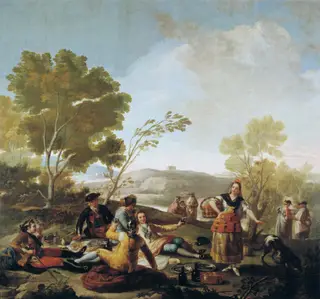 Picnic on the banks of the Manzanares
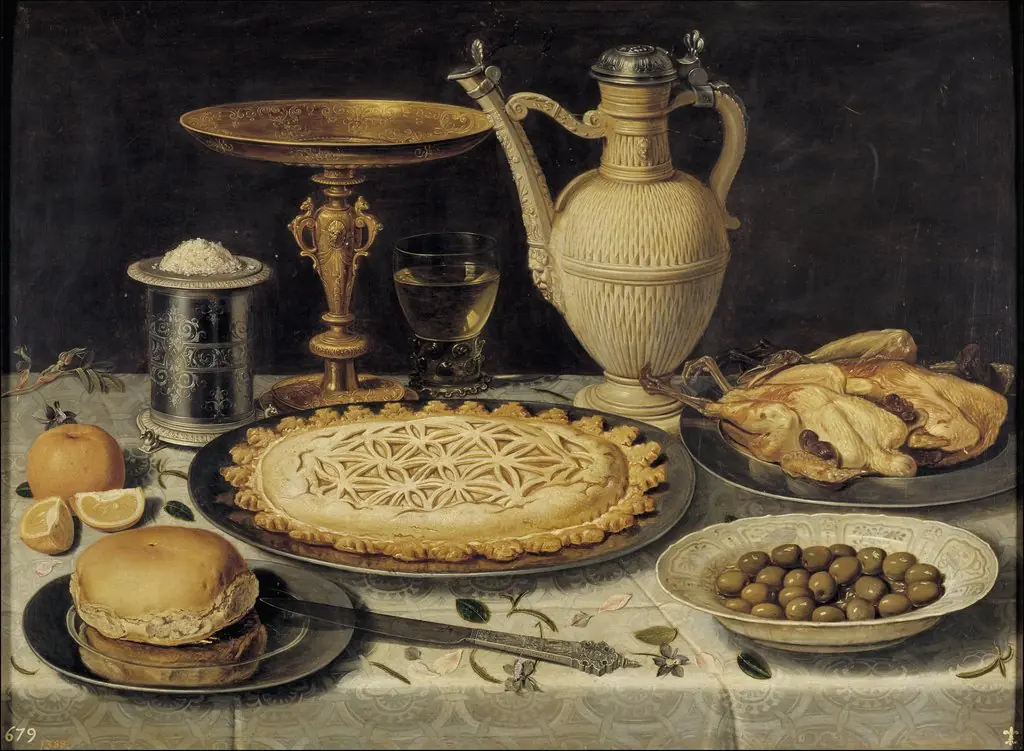 Still life with tazza, stoneware jug, saltcellar and dainties
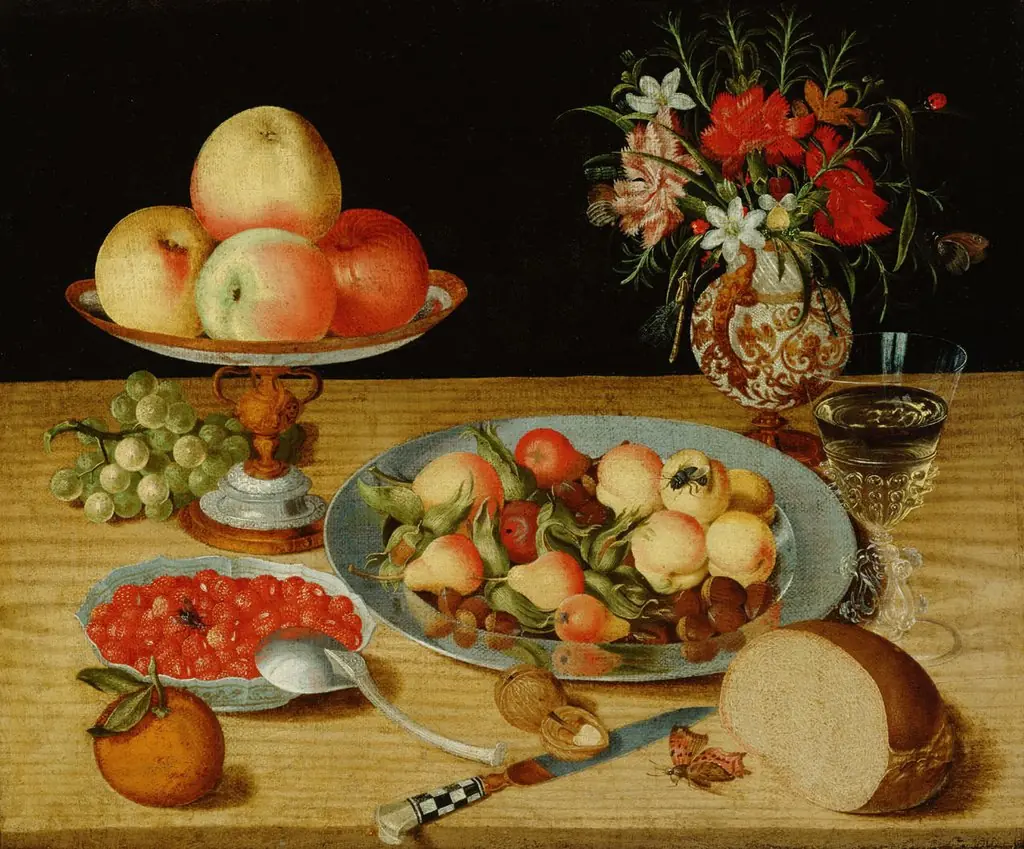 Still life with fruit, wine glass and vase of flowers
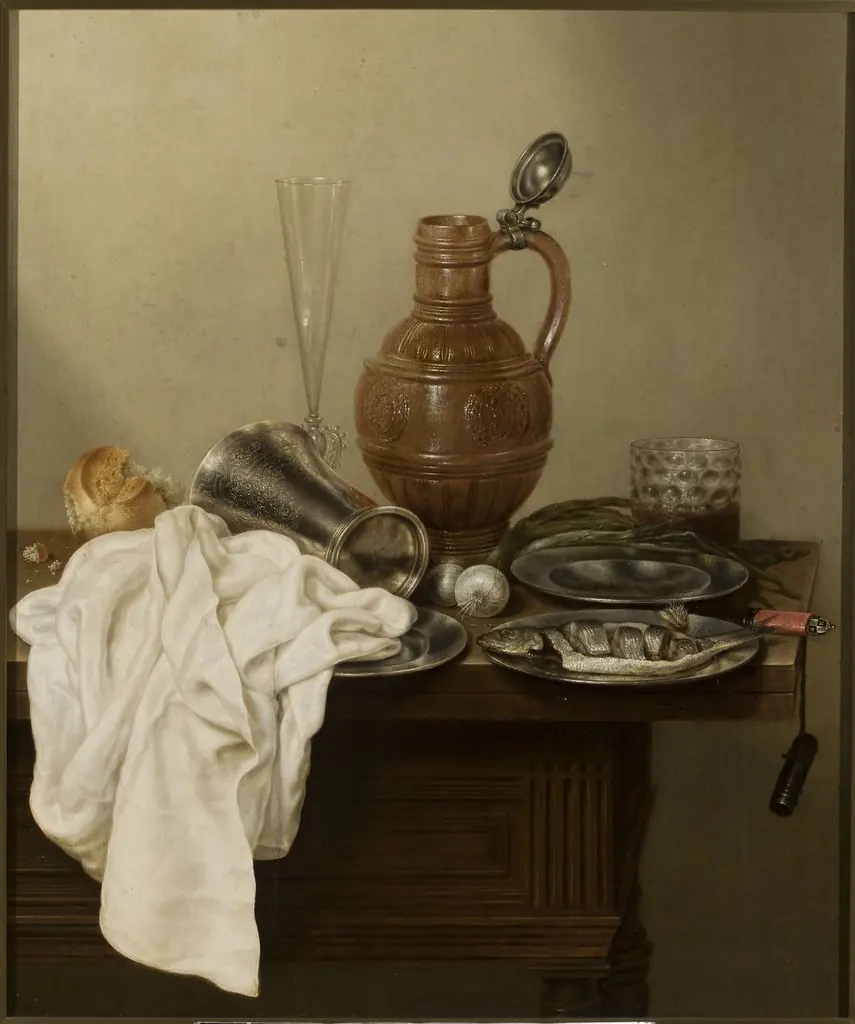 Still life with a herring
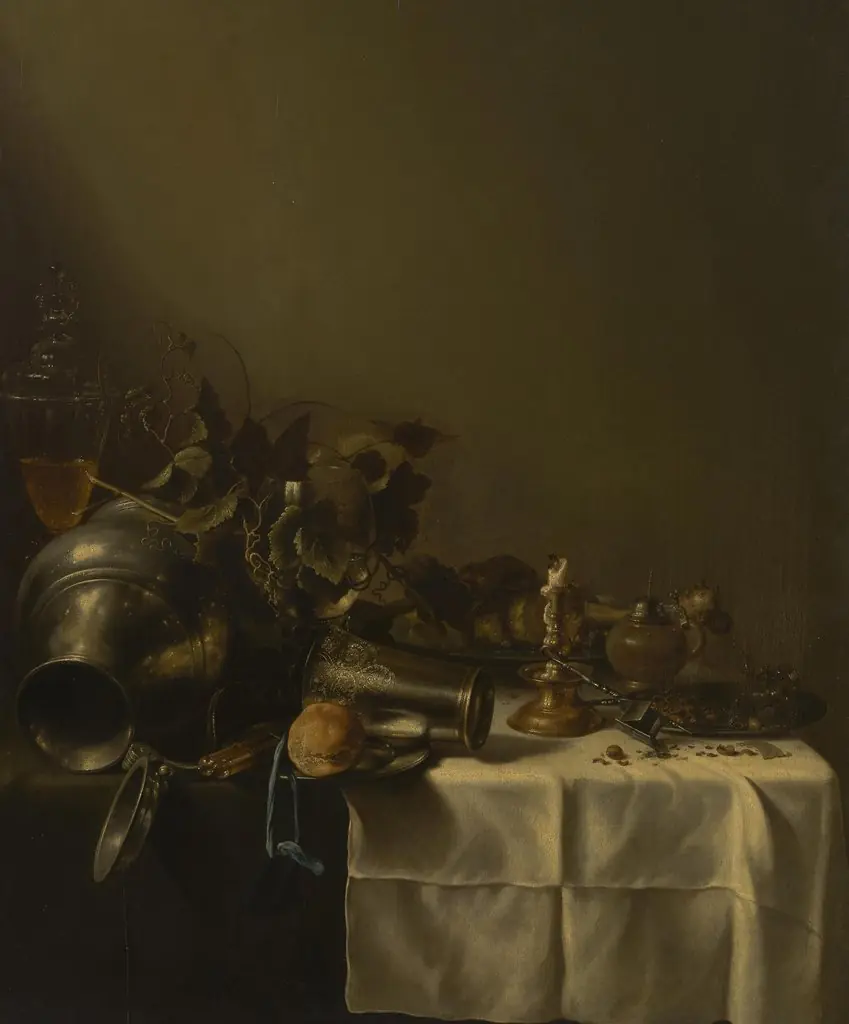 Overturned Jug and Other Items on the Tablecloth
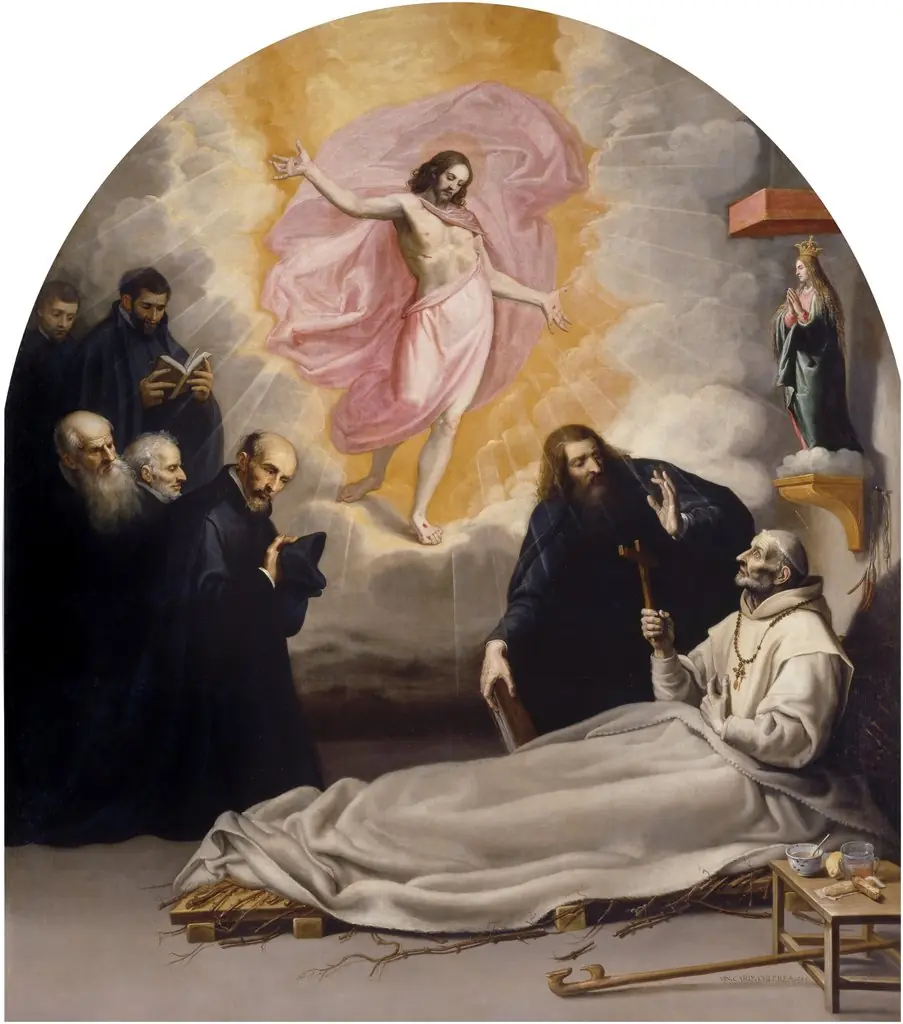 The Death of the Venerable Odón de Novara
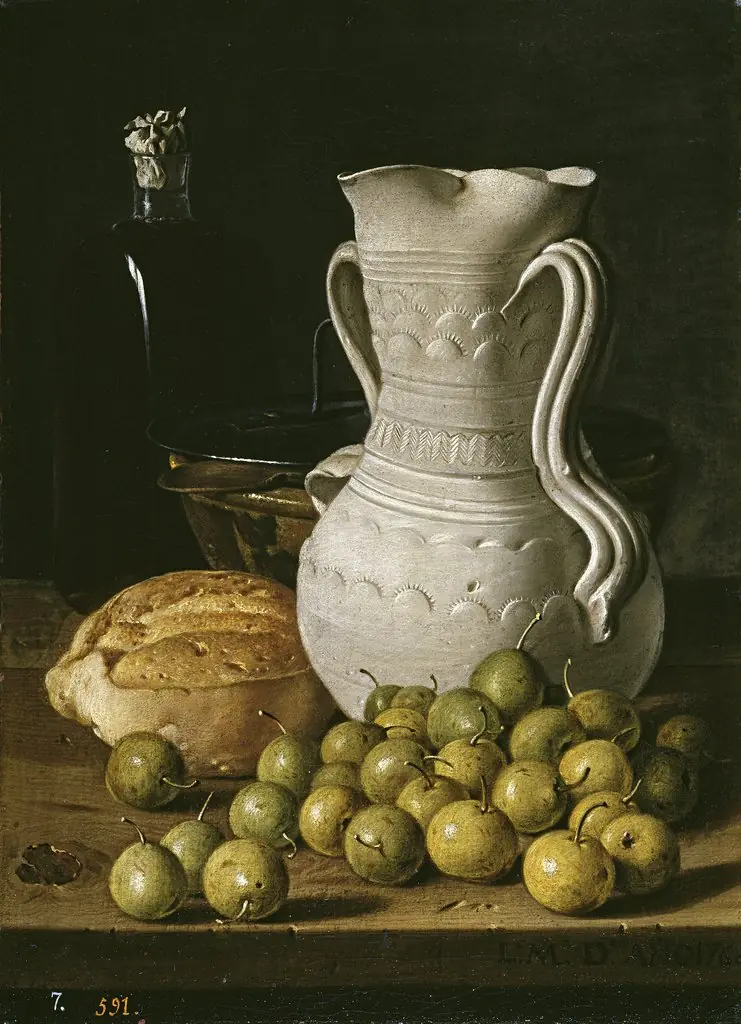 Still Life with Small Pears Bread Flask Bowl and Dry Leaves
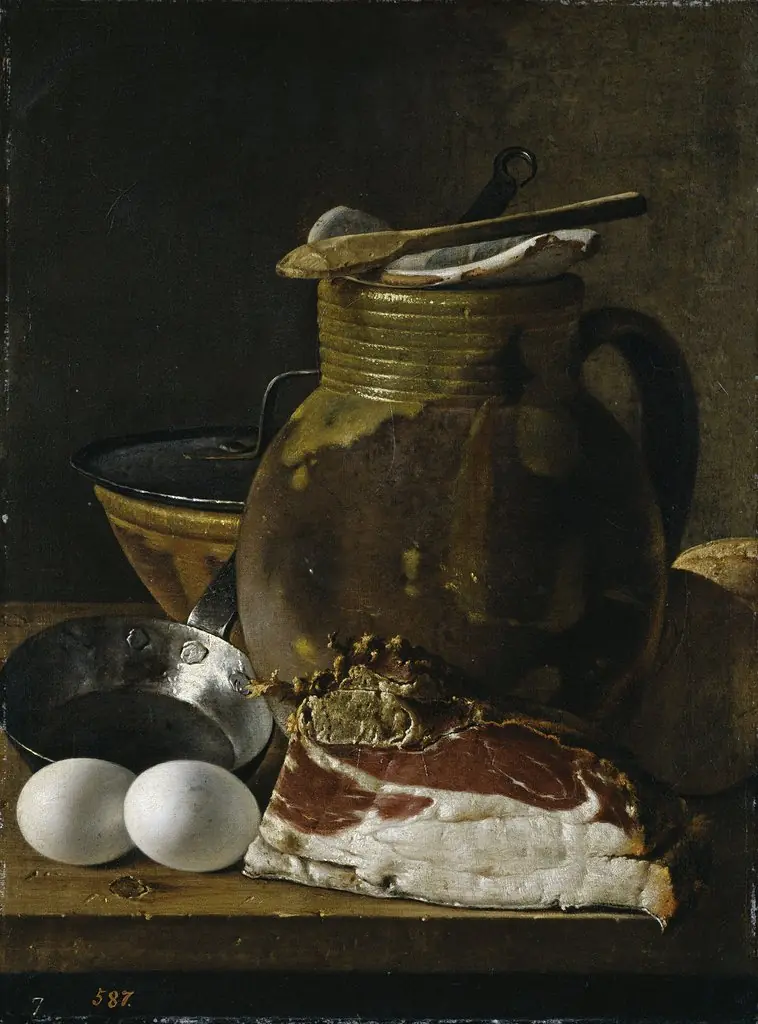 Still Life with Ham Eggs and Vessels
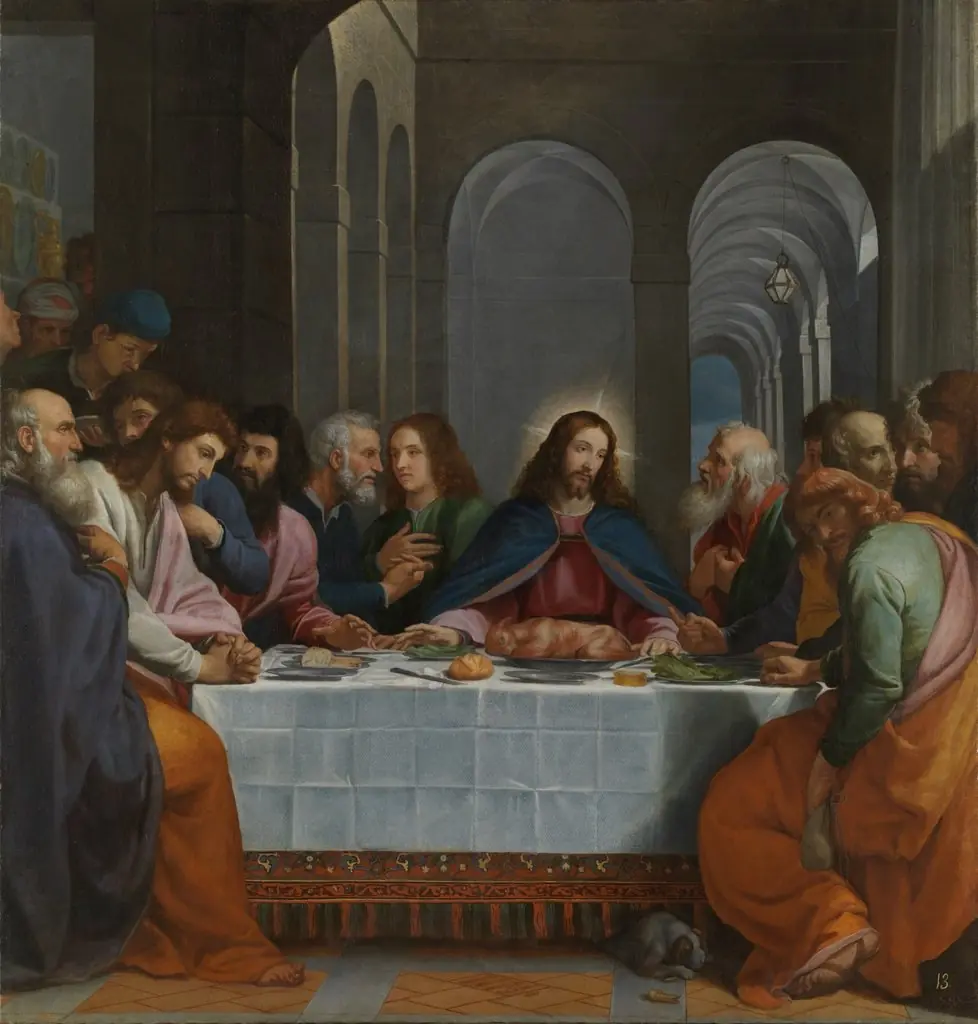 The Last Supper
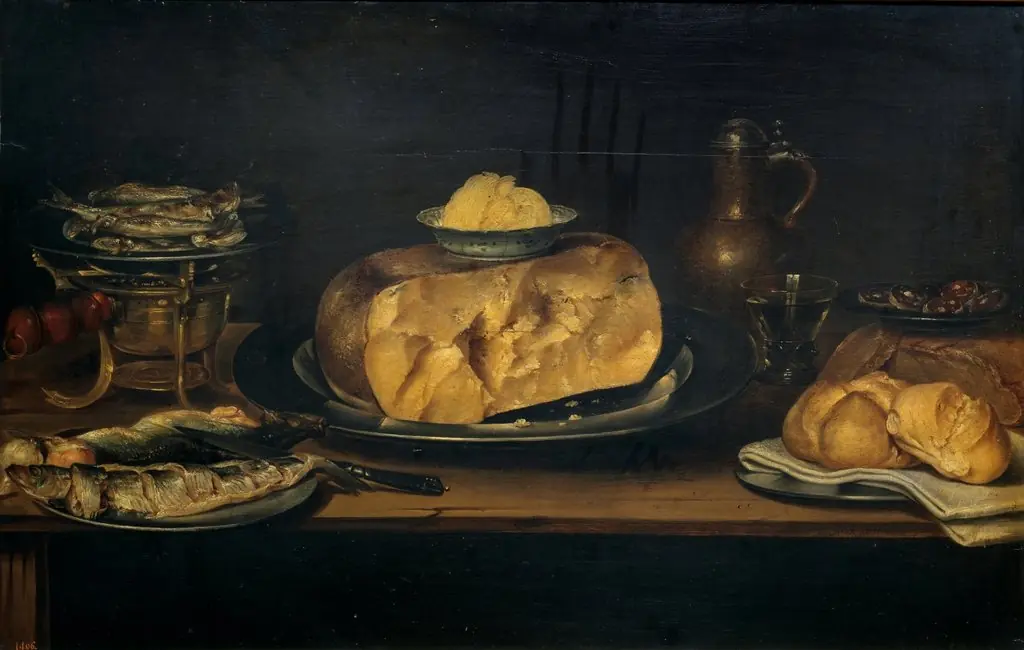 Still life of a table with crockery, cheese, sausage and fish
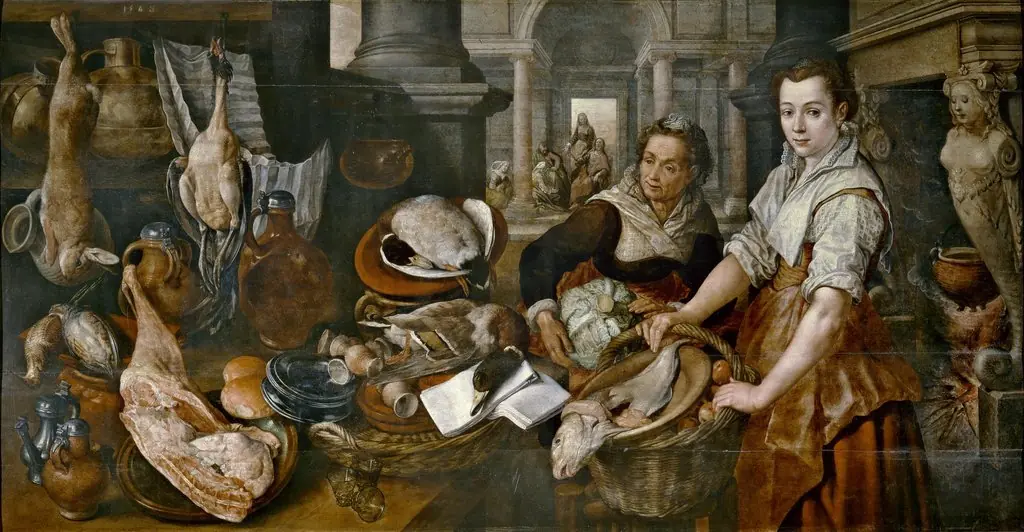 Christ at home with Martha and Mary
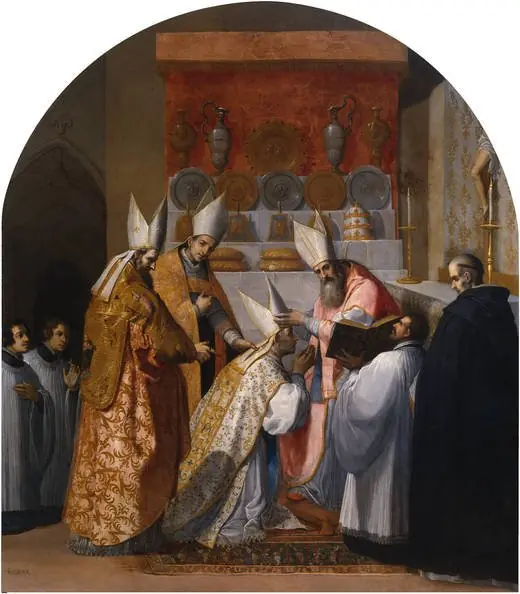 Pope Alexander III Consecrates Anthelm of Chignin as Bishop of Belley
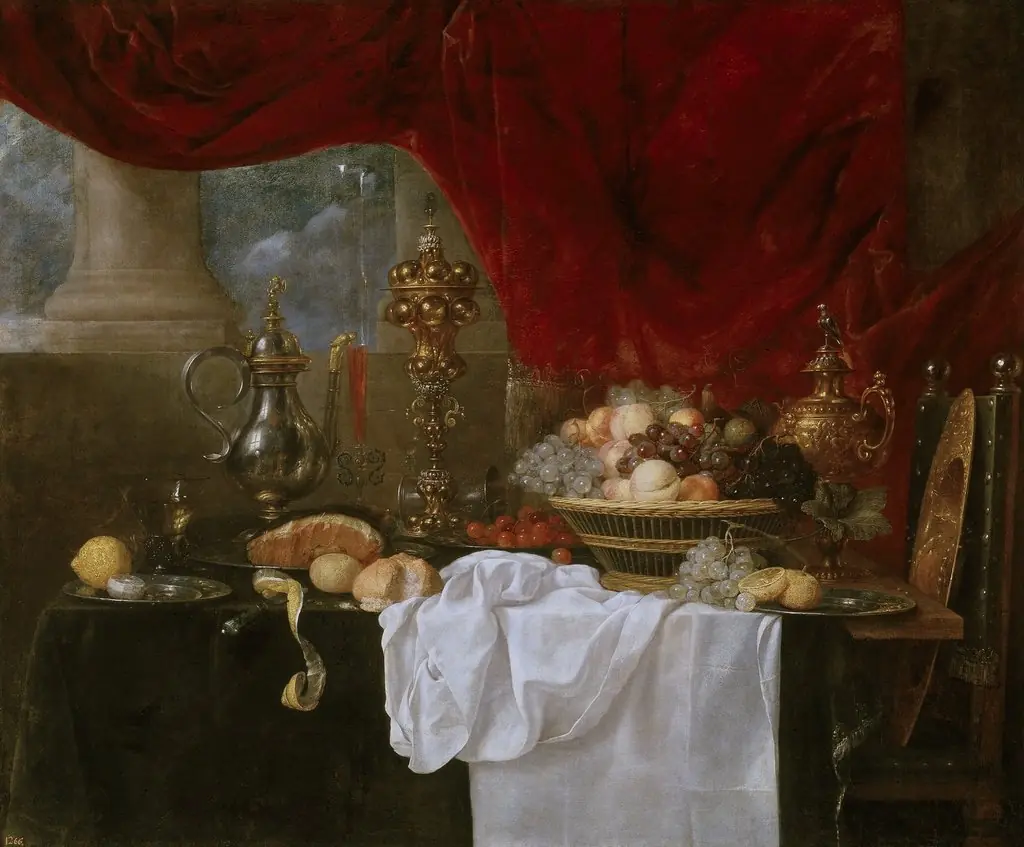 Table
Table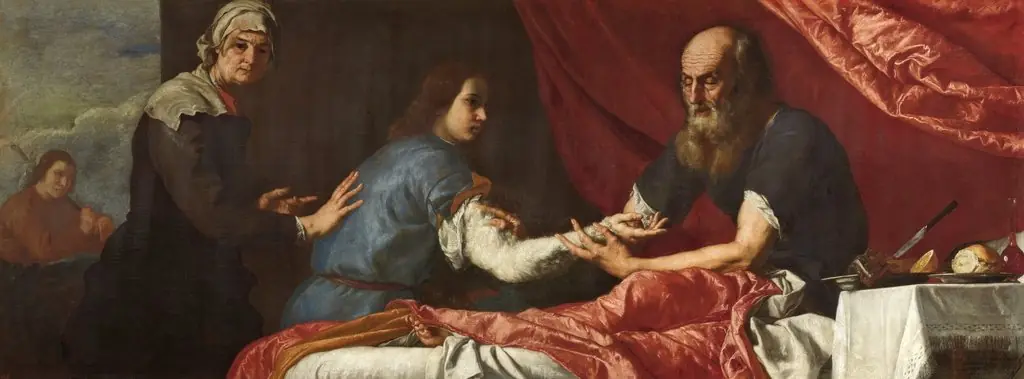 Isaac and Jacob
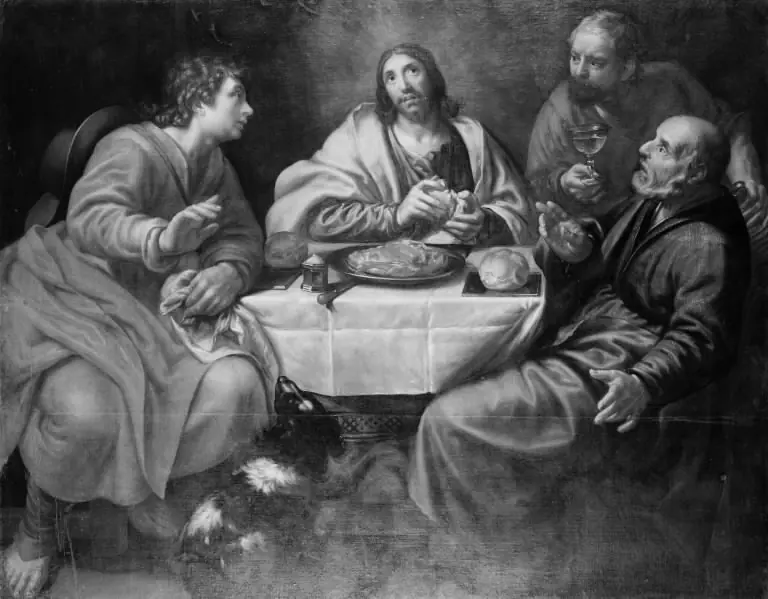 Christ in Emmaus
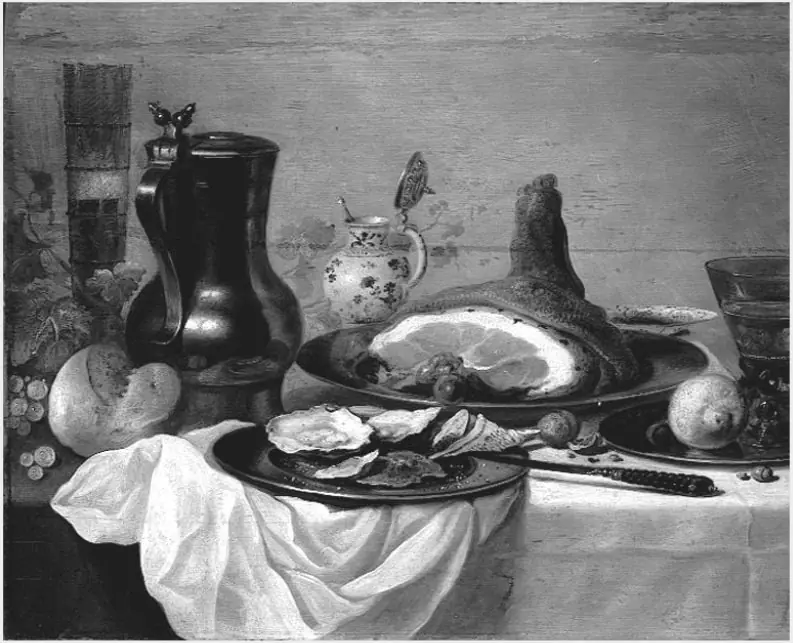 A Breakfast-piece
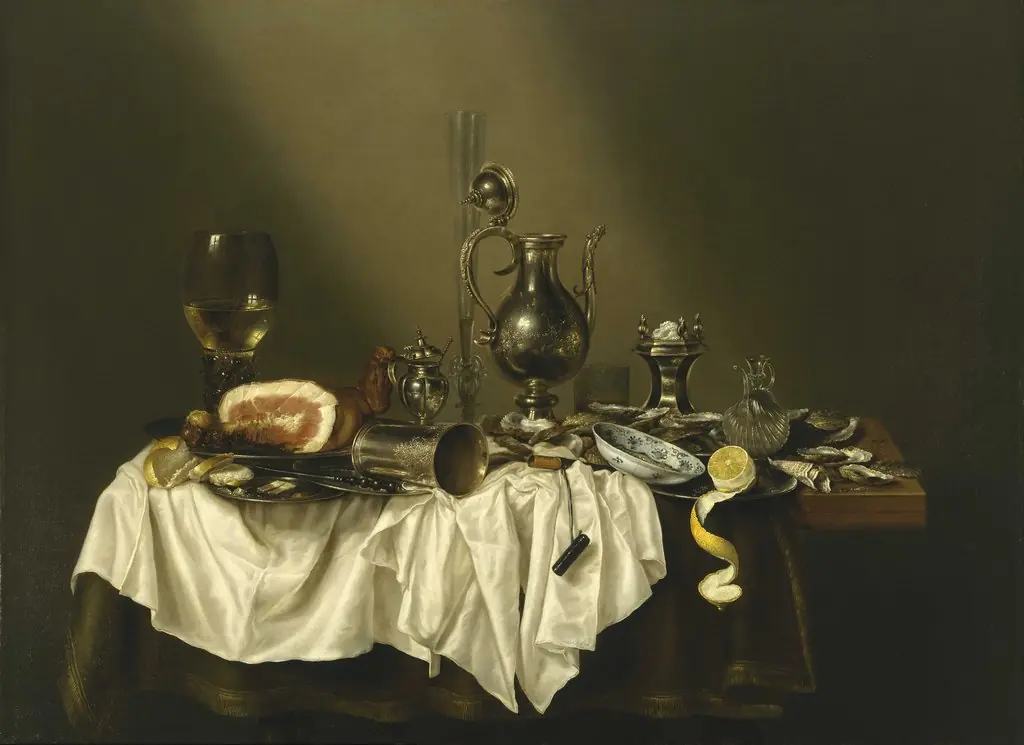 Banquet Piece with Ham
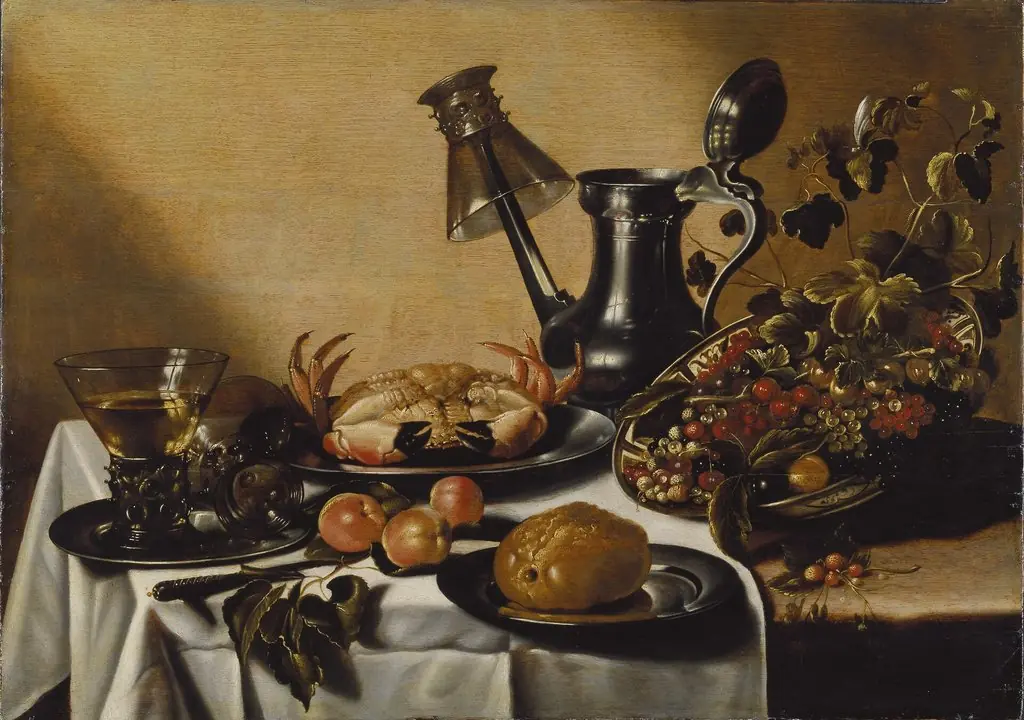 Still Life with Crab and Fruit
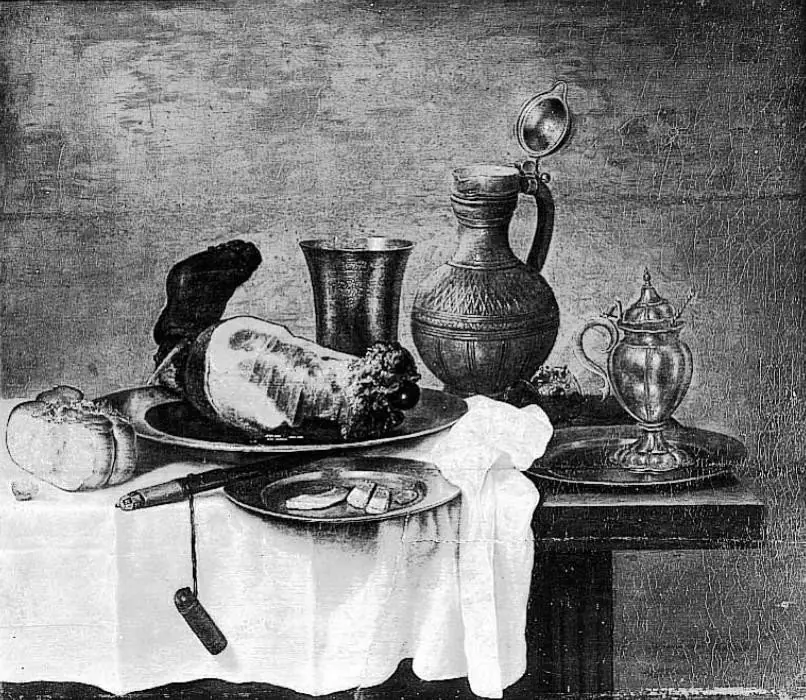 Still life with ham and utensils
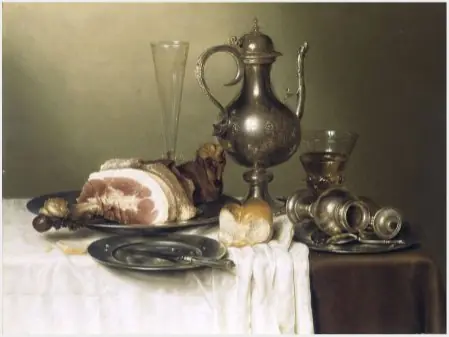 A Banquet-piece
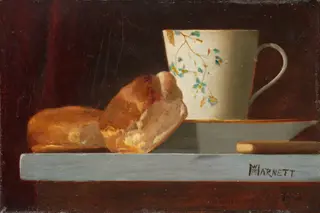 Breakfast
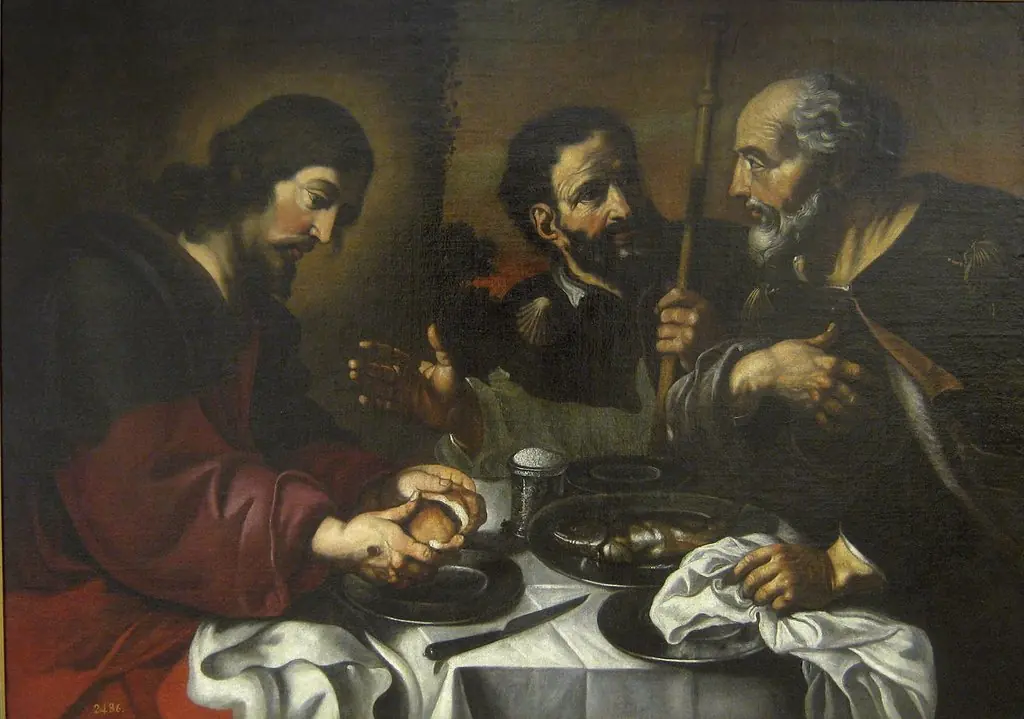 The Supper at Emmaus
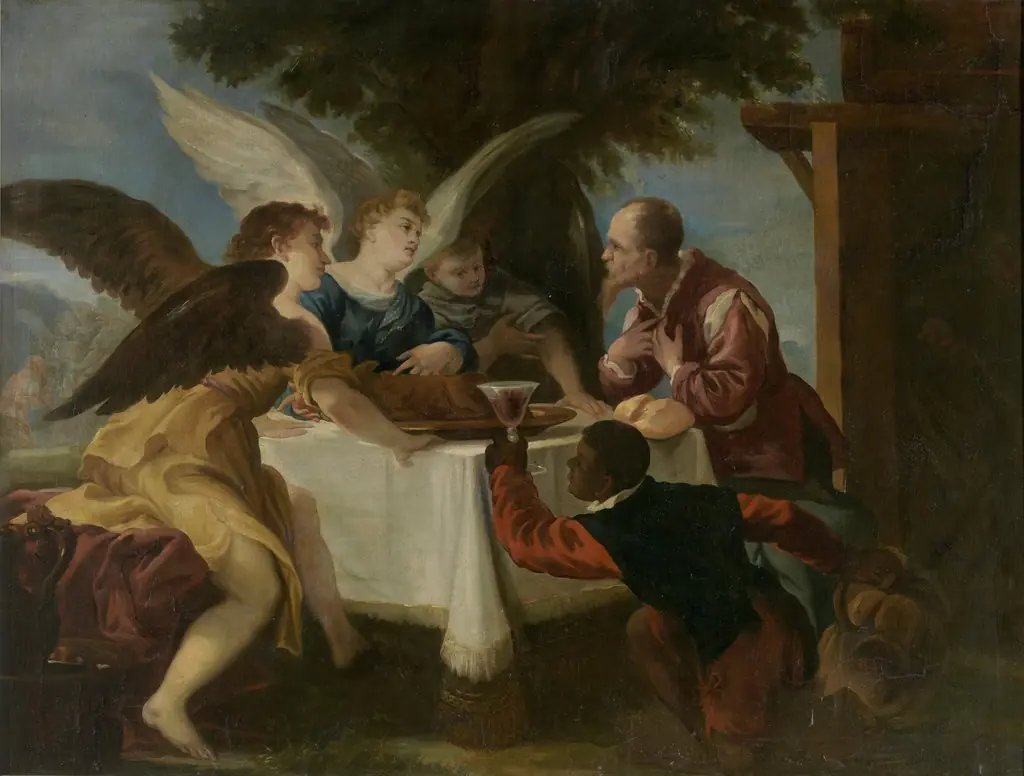 Abraham y los tres ángeles
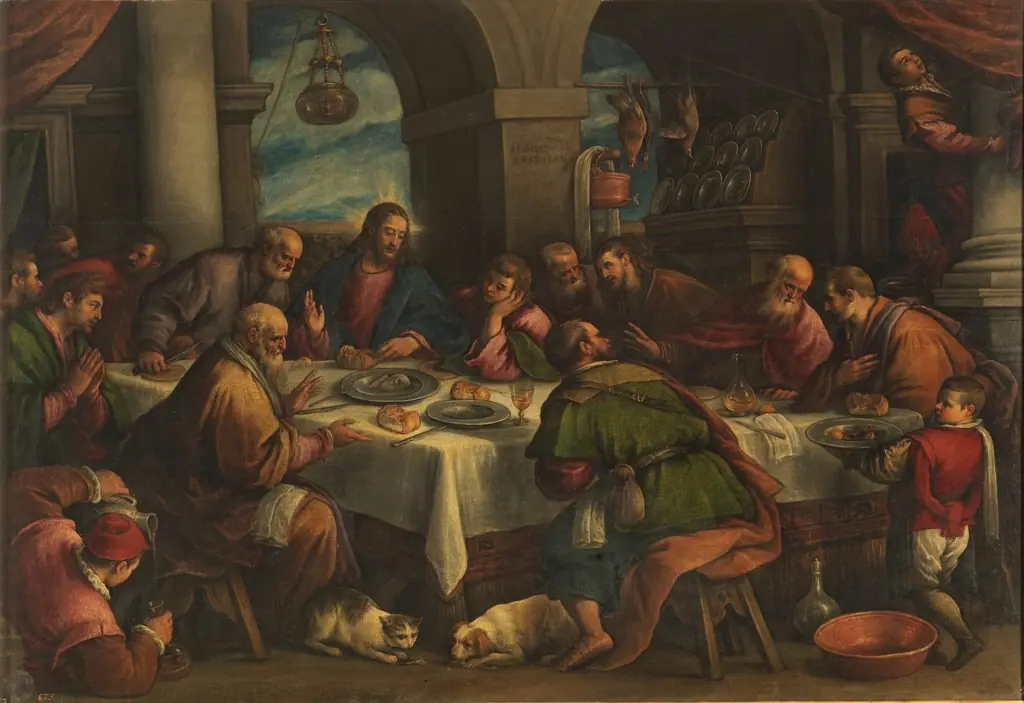 Last Supper
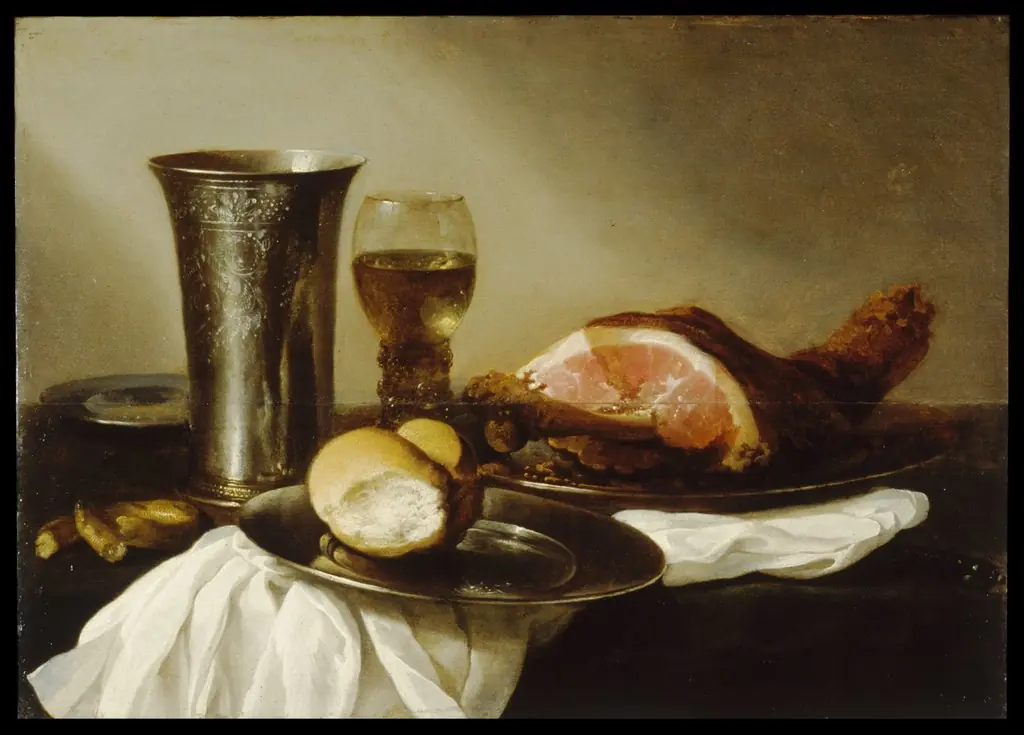 Breakfast Piece
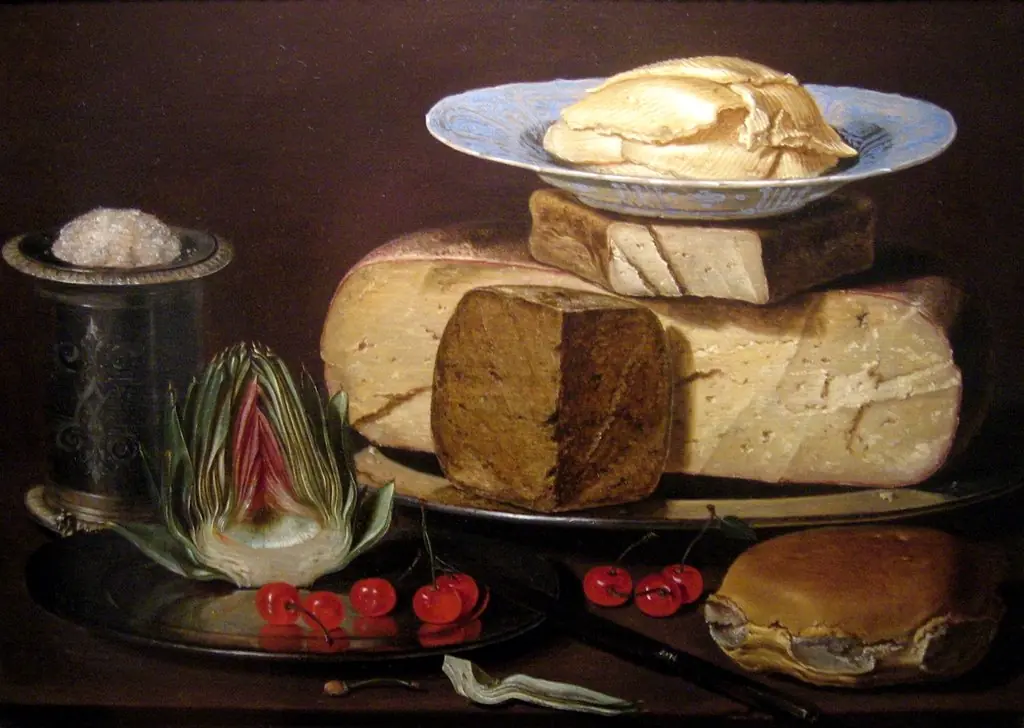 Still life with cheese, artichoke and cherries
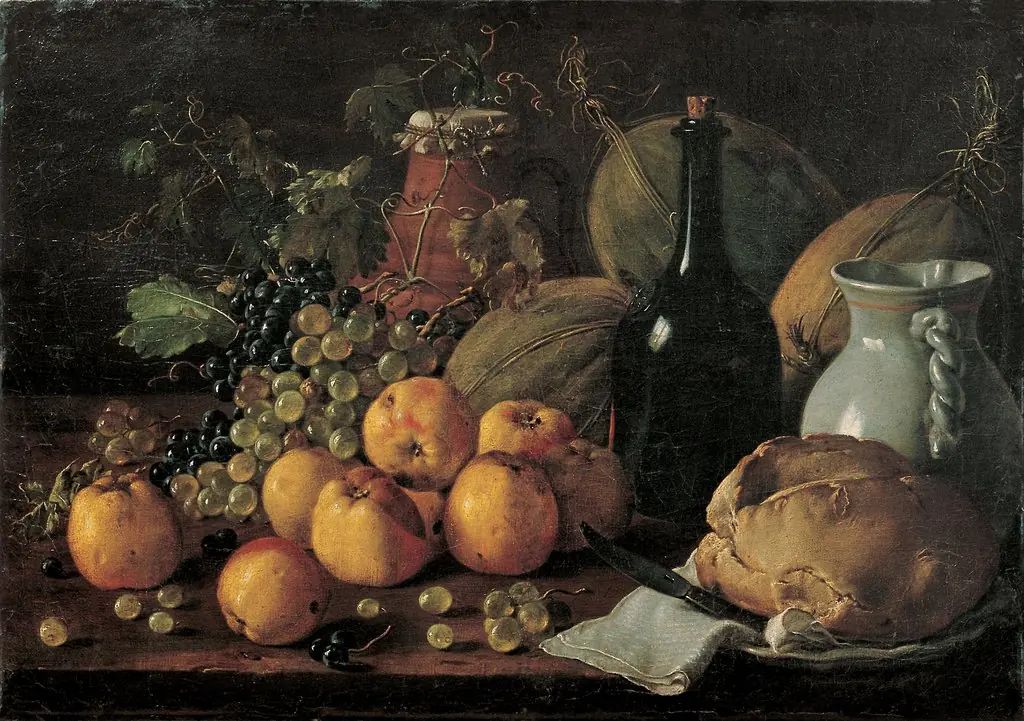 Still Life with Apples, Grapes, Melons, Bread, Jug and Bottle
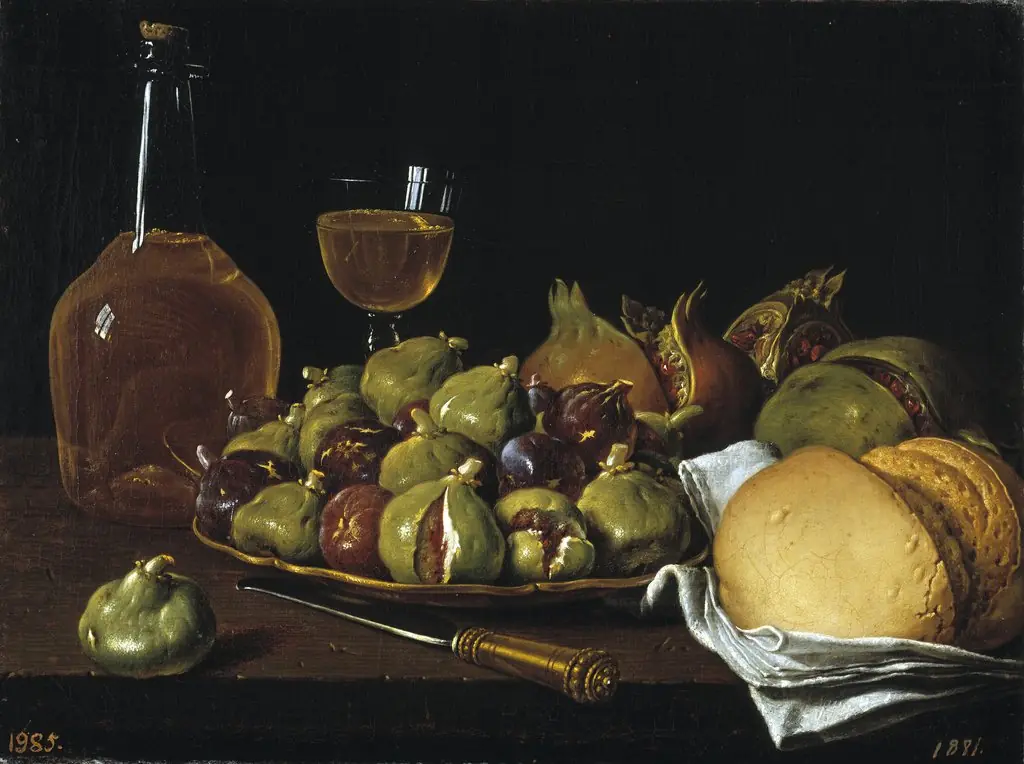 Still Life with Bread Pomegranates Figs and Tableware
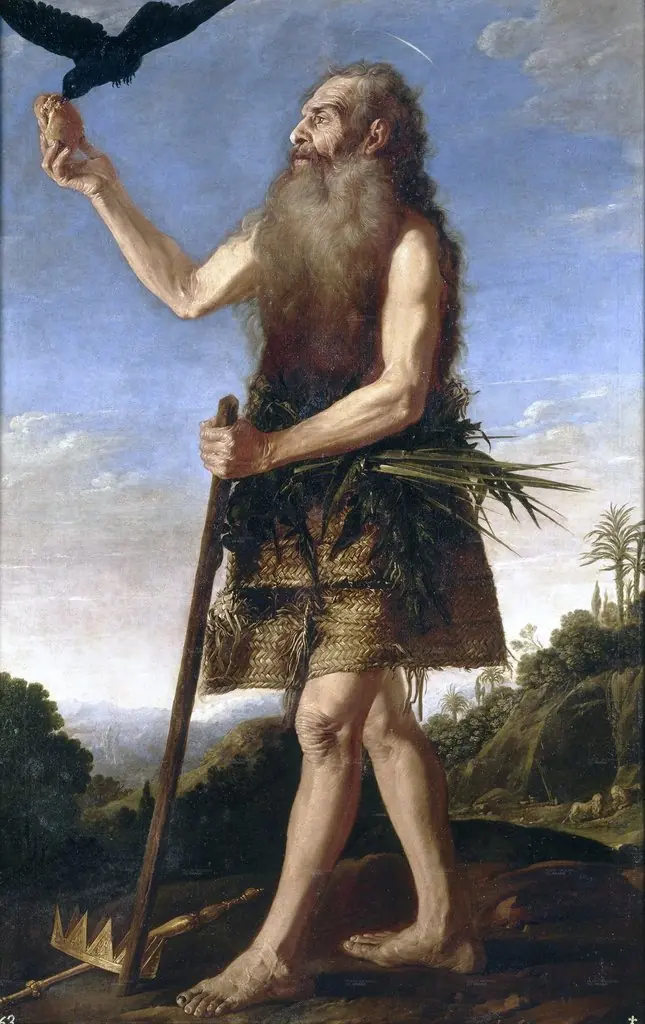 Saint Onuphrius
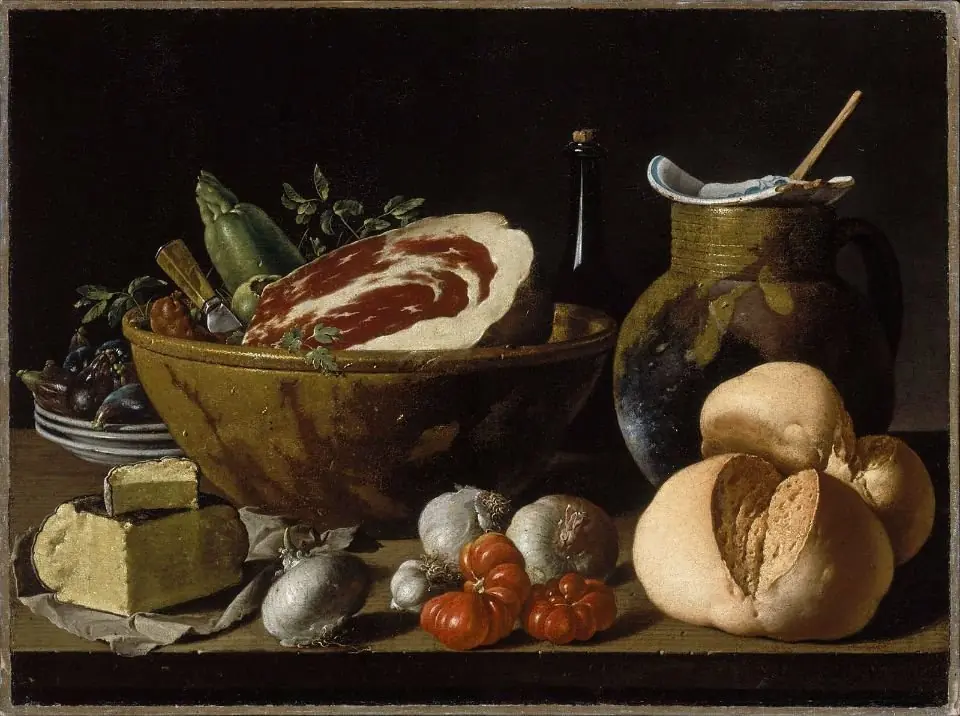 Still Life with Bread, Ham, Cheese, and Vegetables.Museum of Fine Art Boston
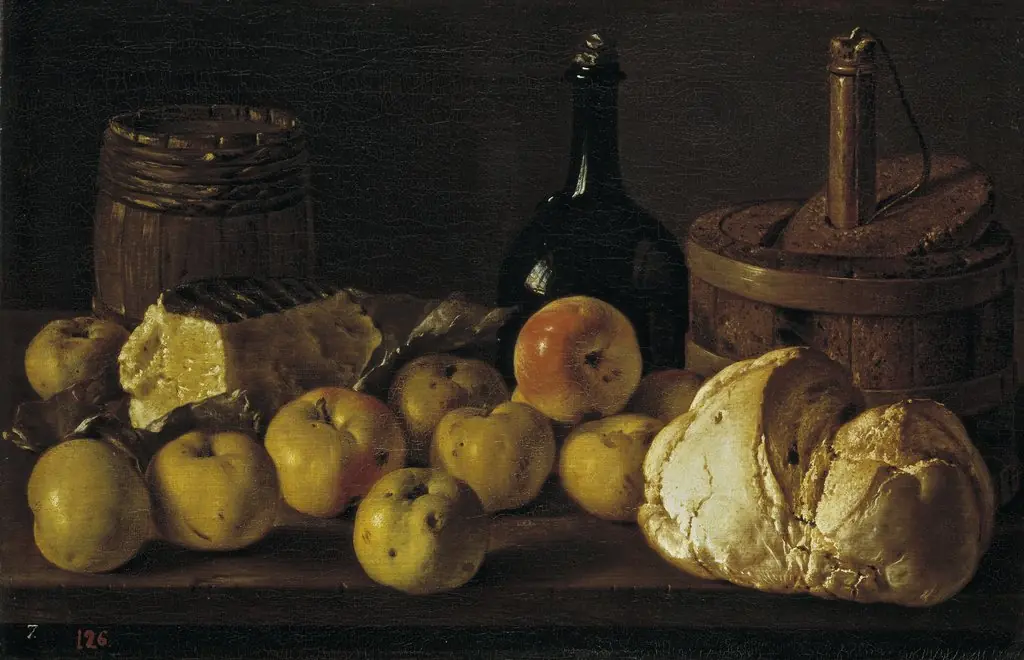 Bodegón con manzanas pan queso y recipientes
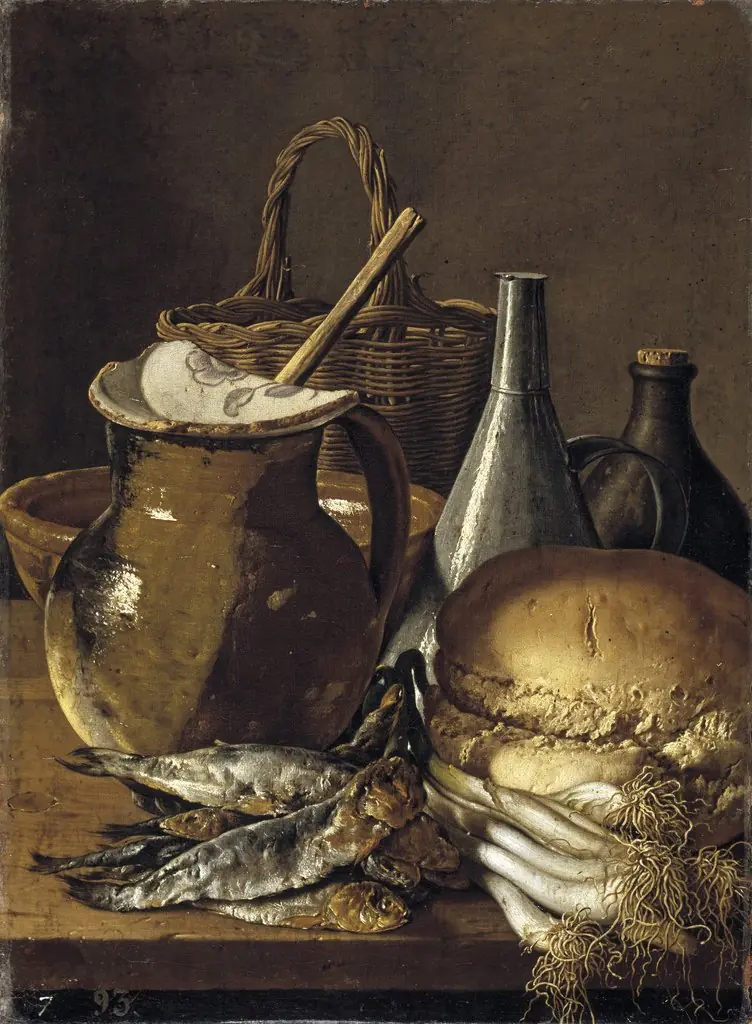 Still Life with Herrings Chives Garlic and Kitchen Utensils
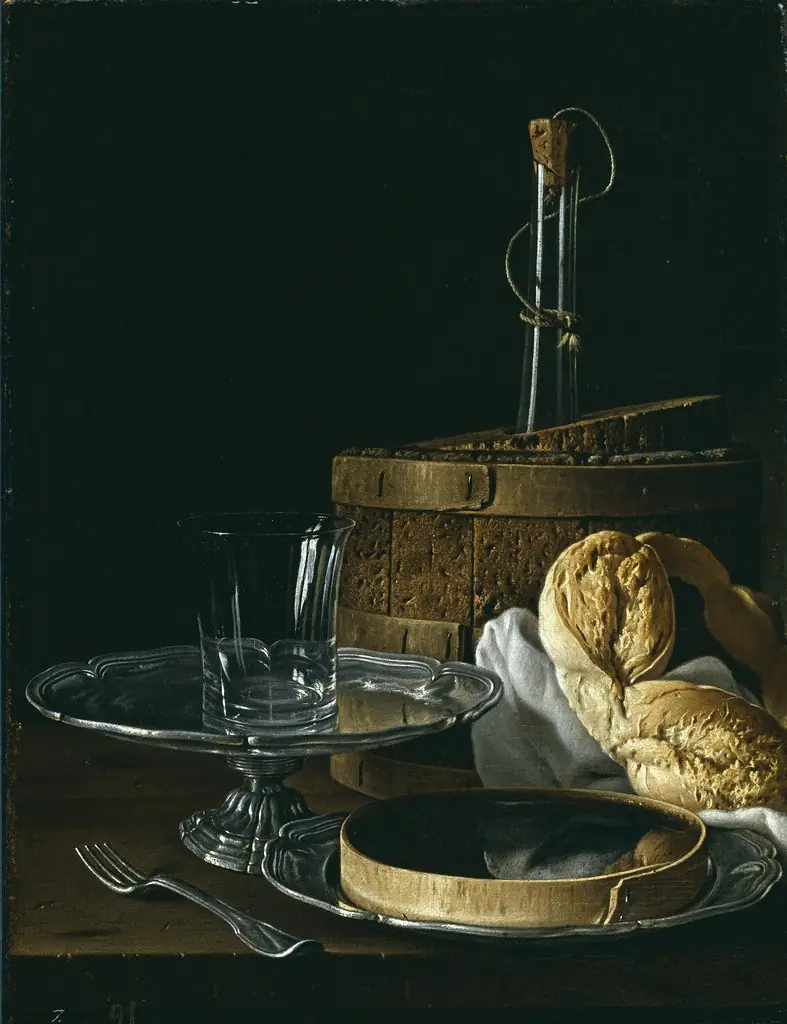 Still Life with Box of Jelly Bread Salver with Glass and Cooler
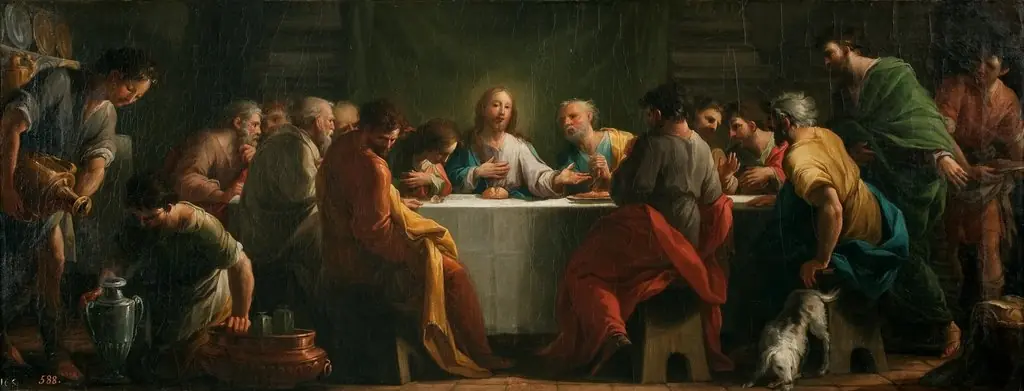 The Last Supper
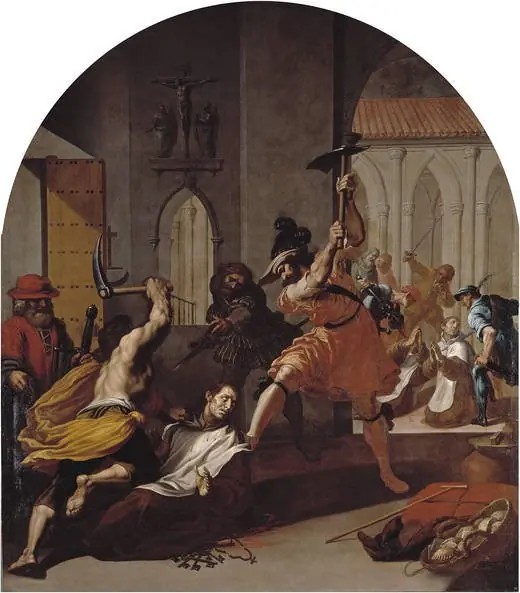 The Martyrdom of the Roermond Carthusians
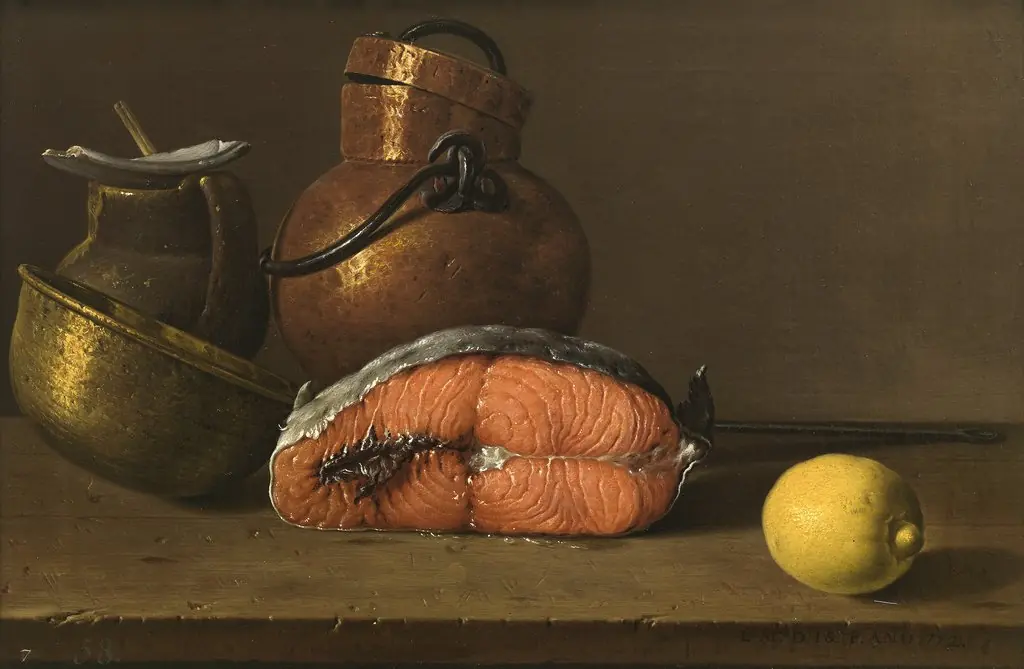 Still-Life
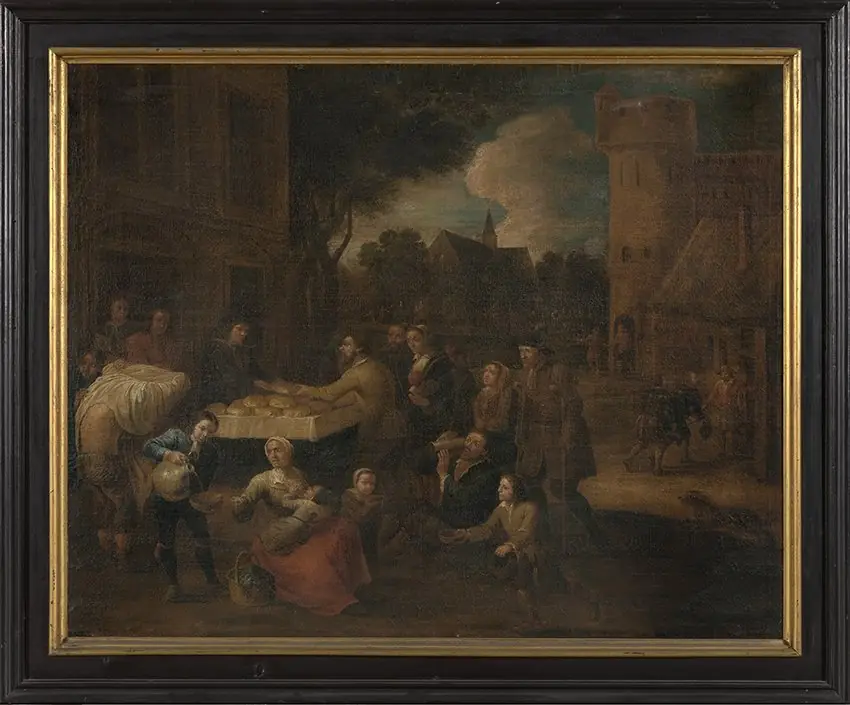 Werken van barmhartigheid
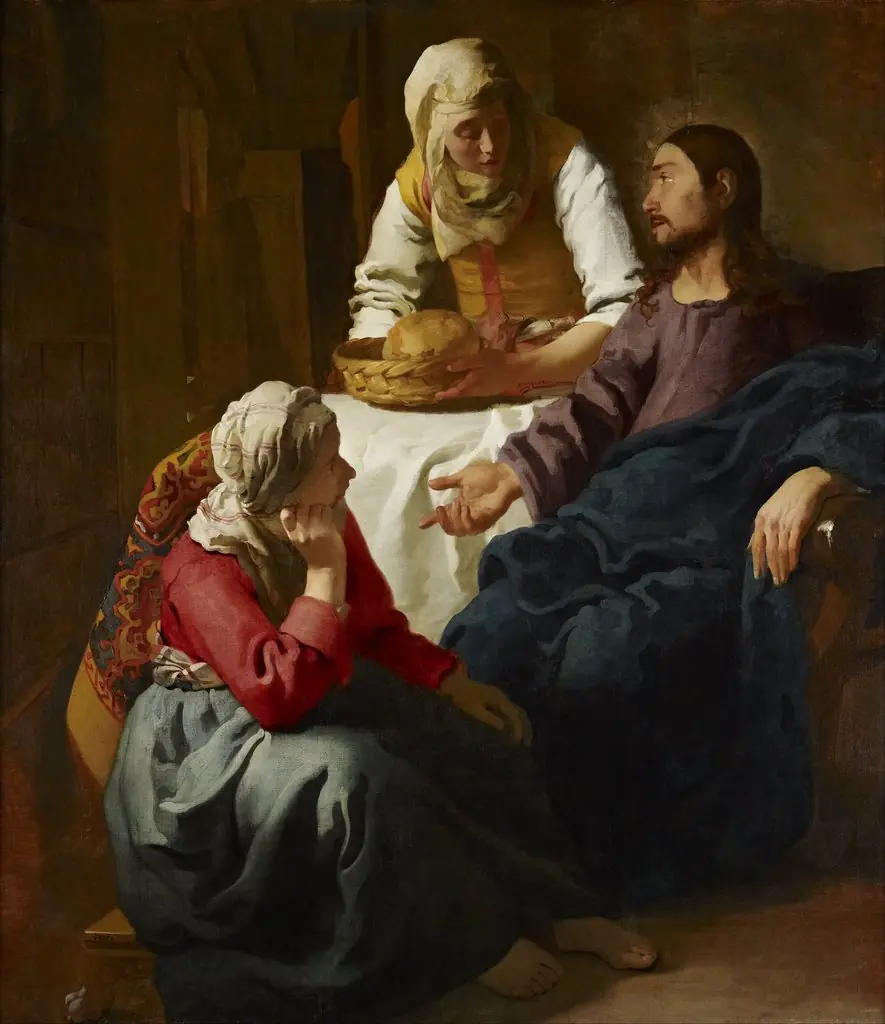 Christ in the House of Martha and Mary
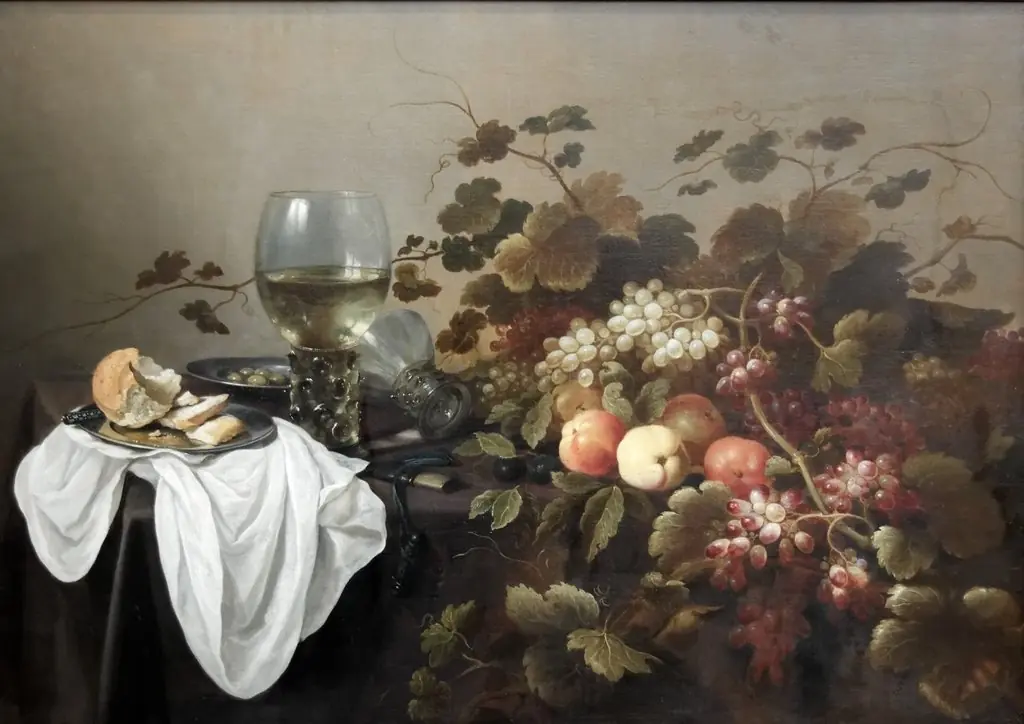 Still life with fruits and Roemer
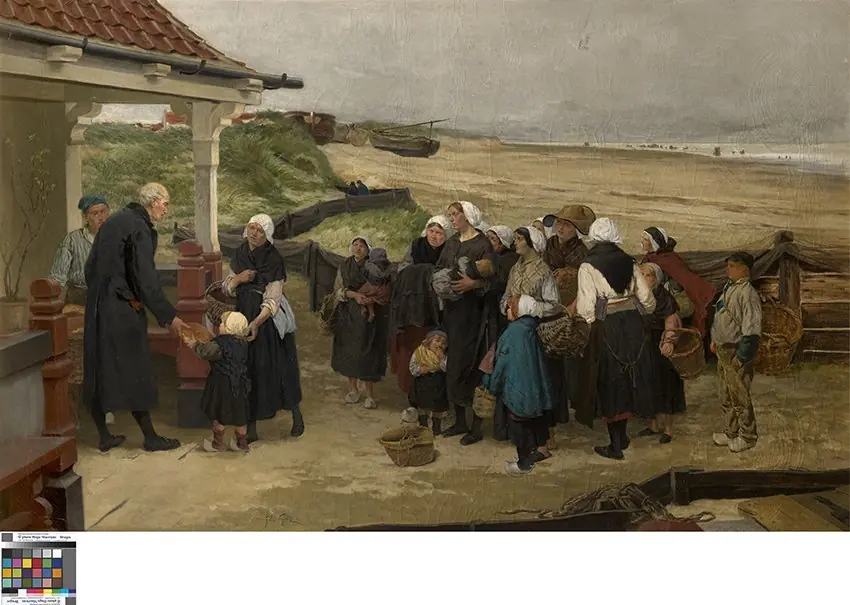 Brooduitdeling aan de weduwen en wezen te Katwijk
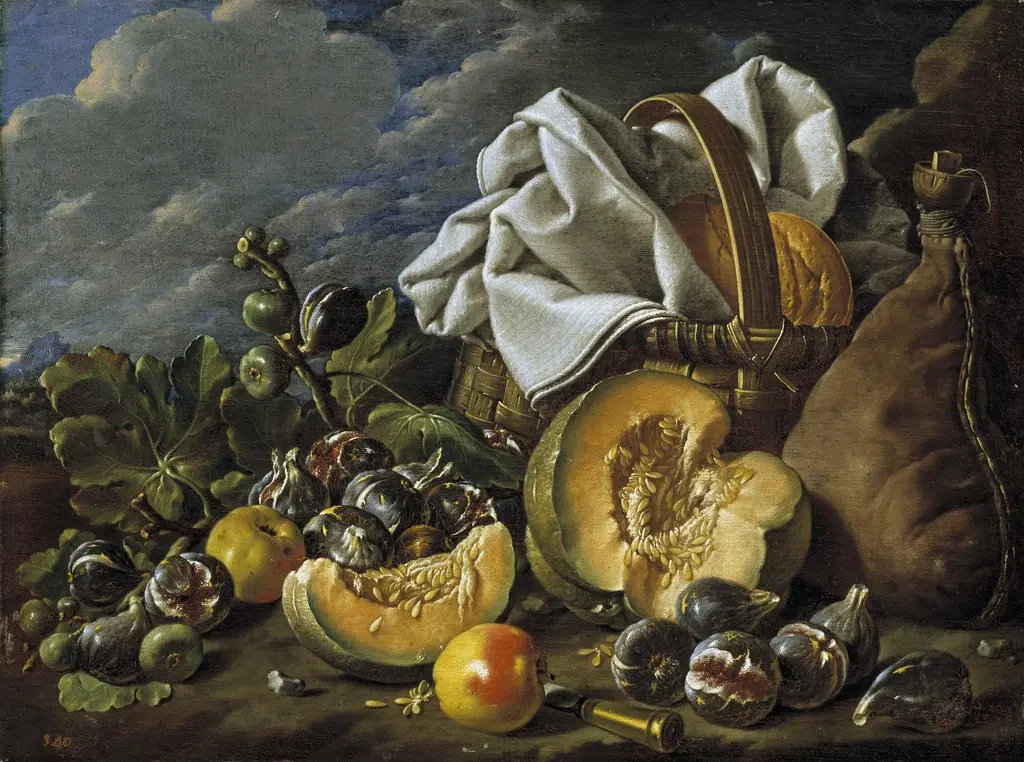 Still Life with Melon Figs Apples Wineskin and Picnic Hamper in a Landscape
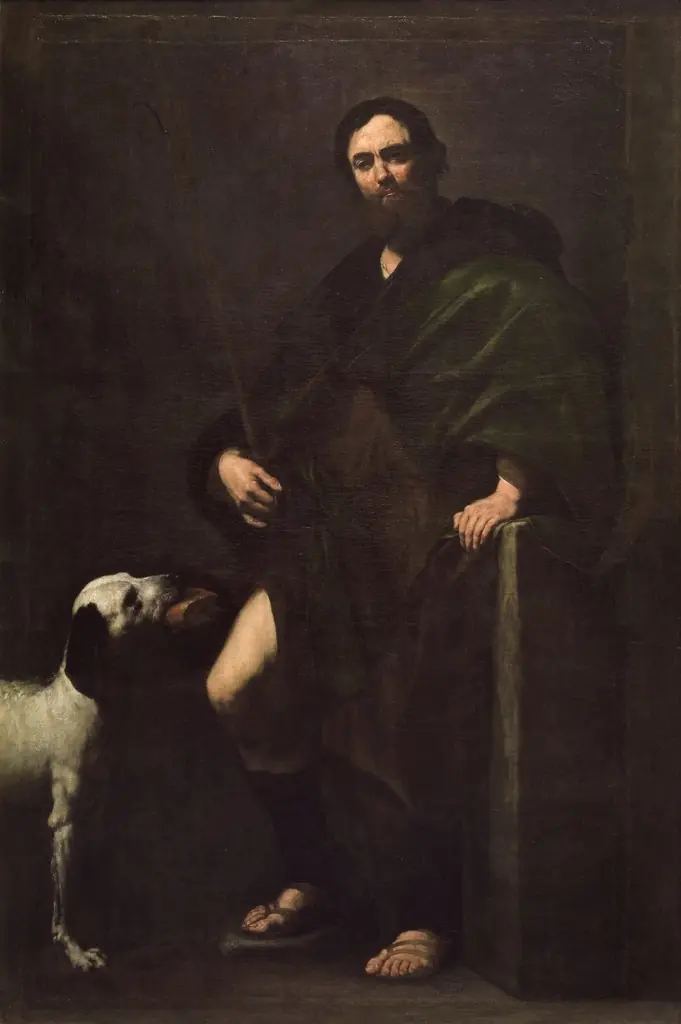 Saint Roch
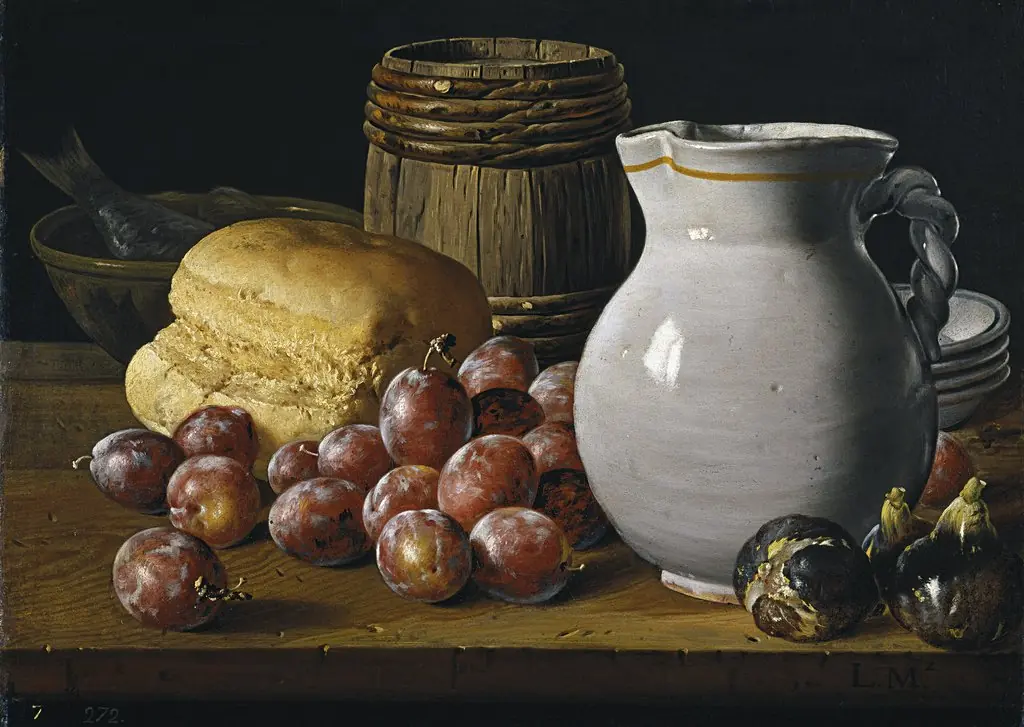 Still Life with Plums Figs Bread Barrel Jug and Other Vessels
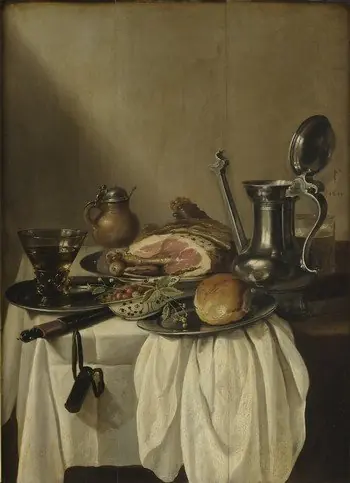 Still life of a laid table
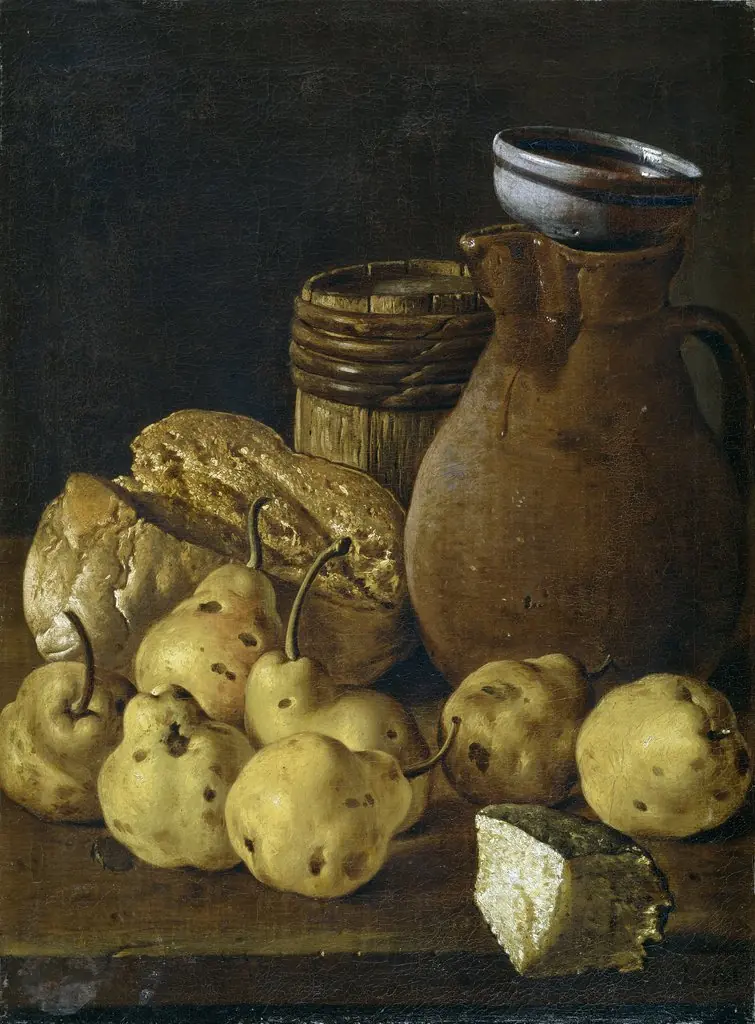 Bodegón con peros queso pan y recipientes
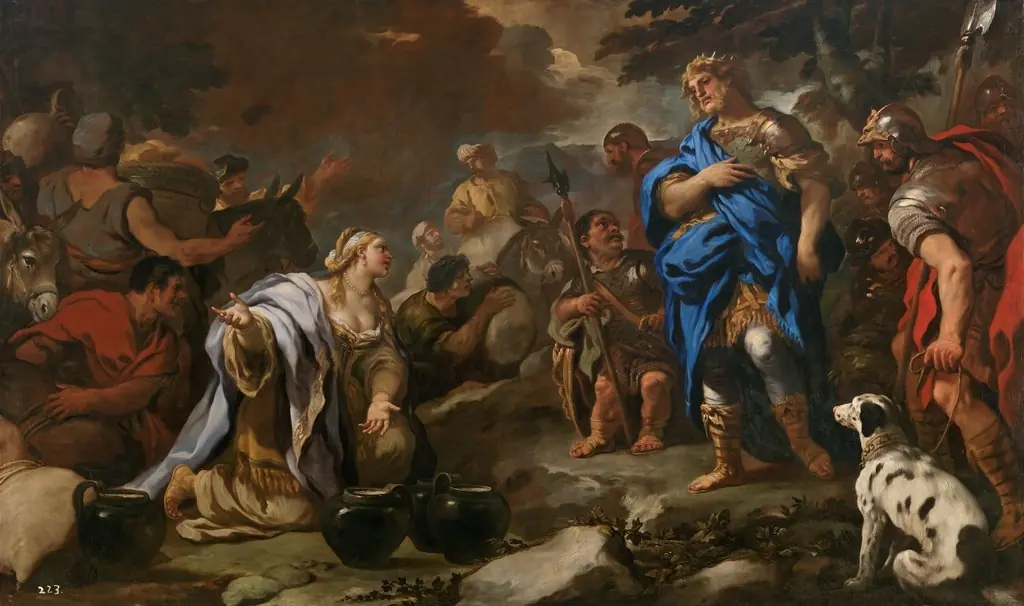 La prudente Abigail
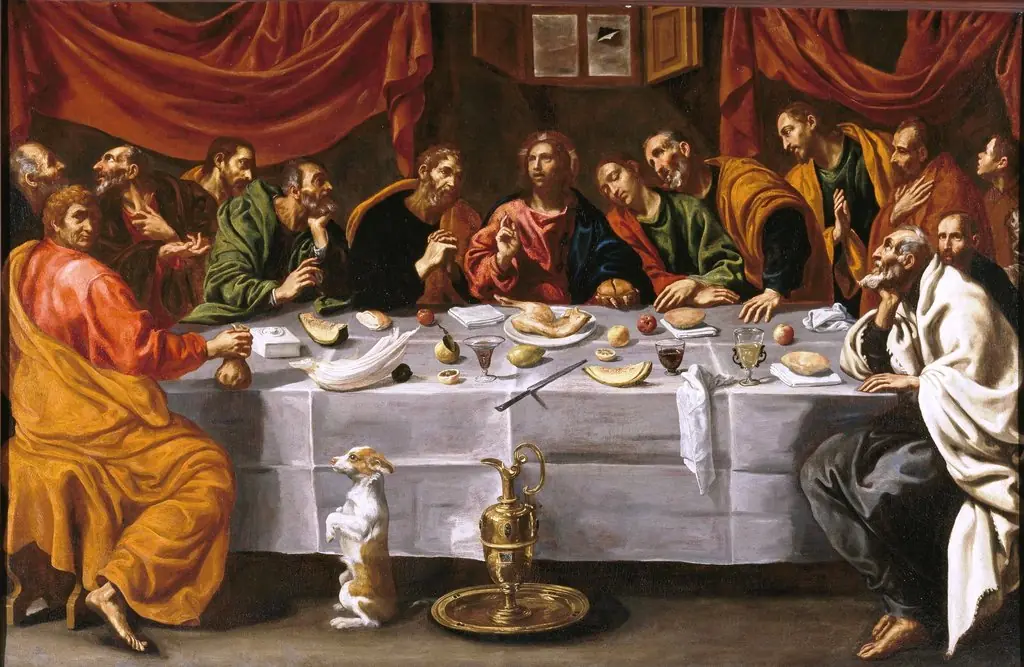 The Last Supper
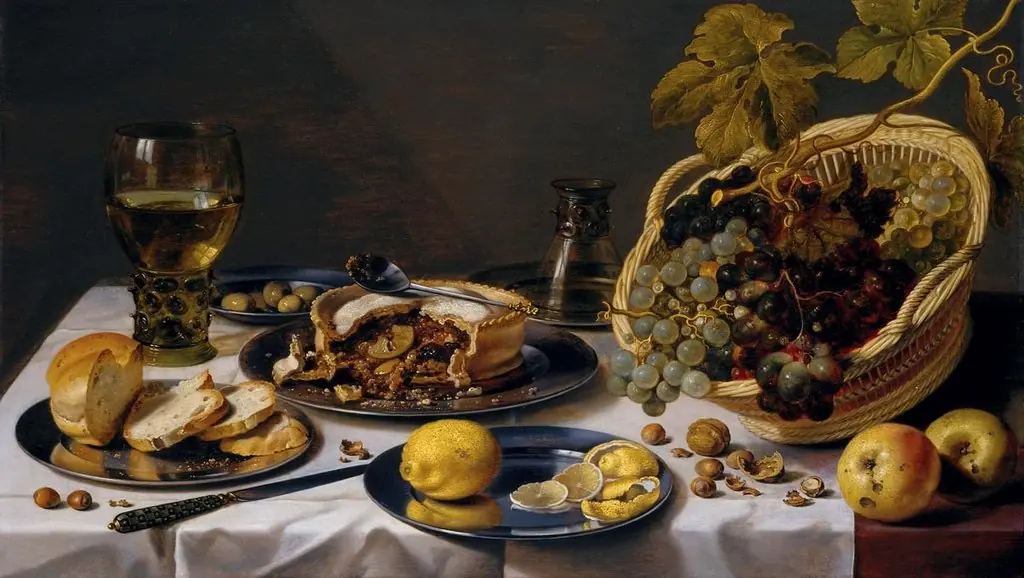 Tabletop Still Life with Mince Pie and Basket of Grapes
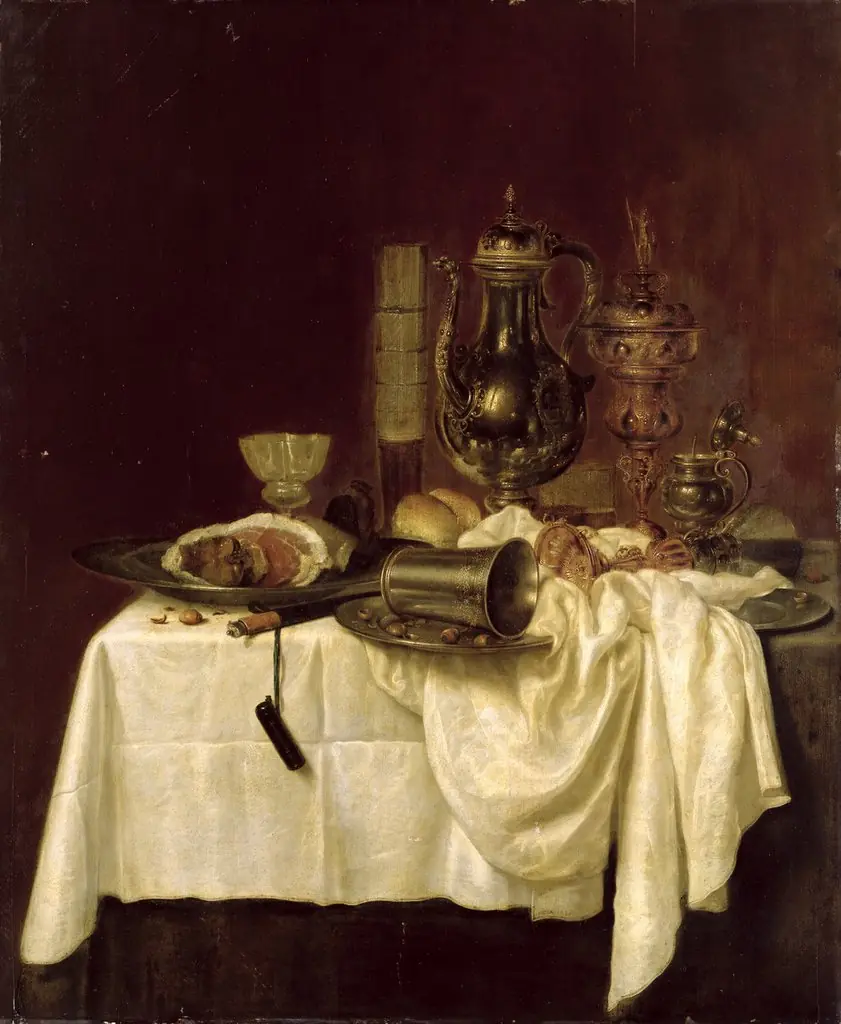 Still life with ham, decanter, columbine cup and passglass on a laid table
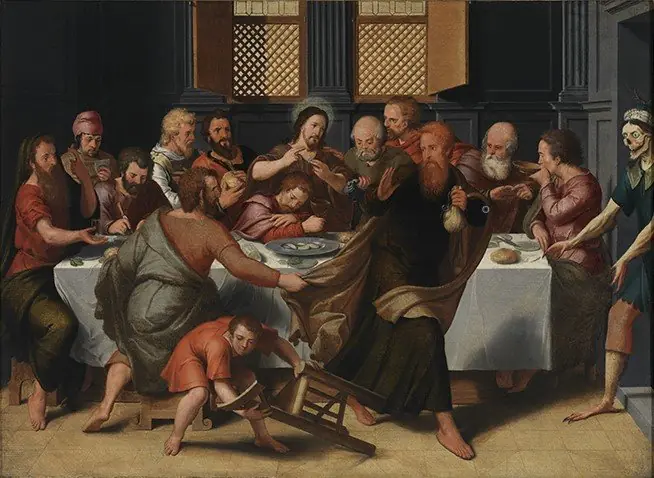 Last Supper
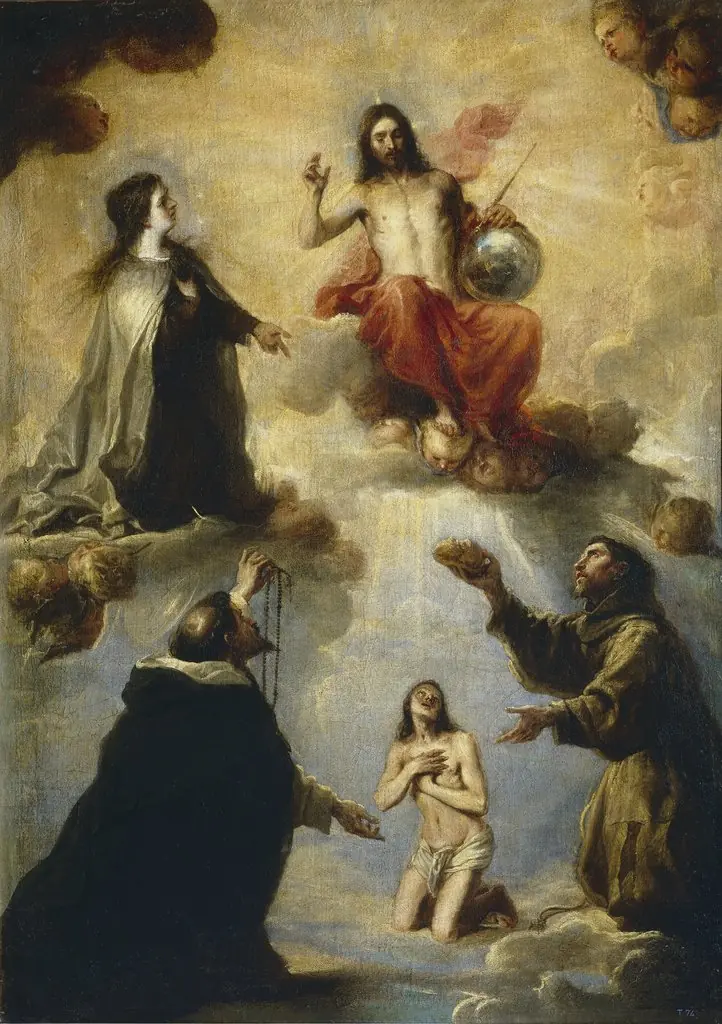 The Judgement of a Soul
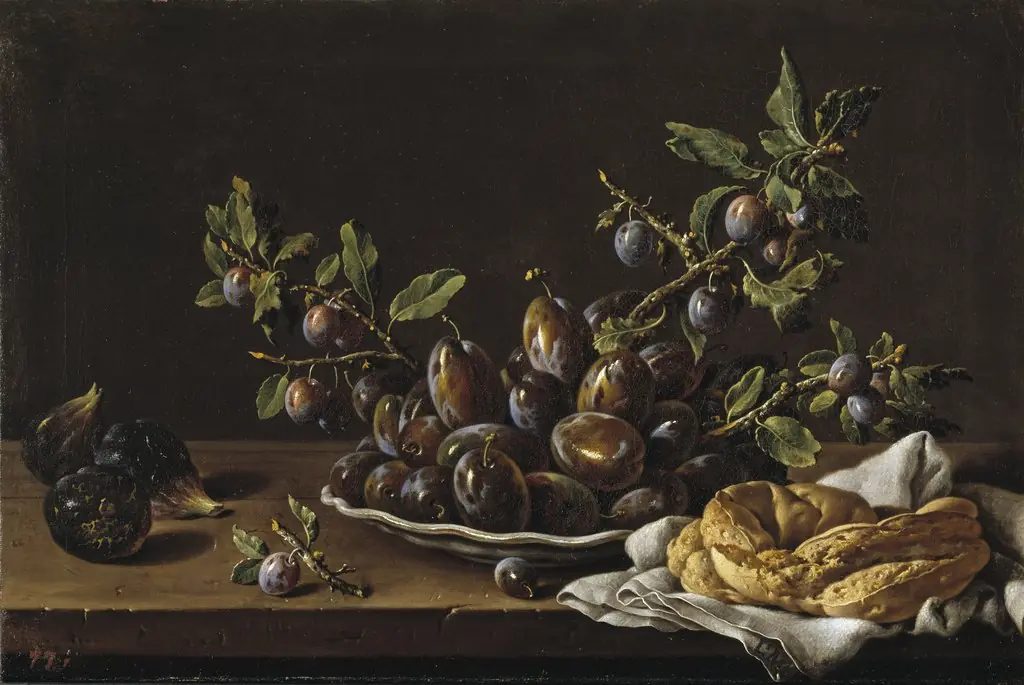 Still Life with Plums Figs and Bread
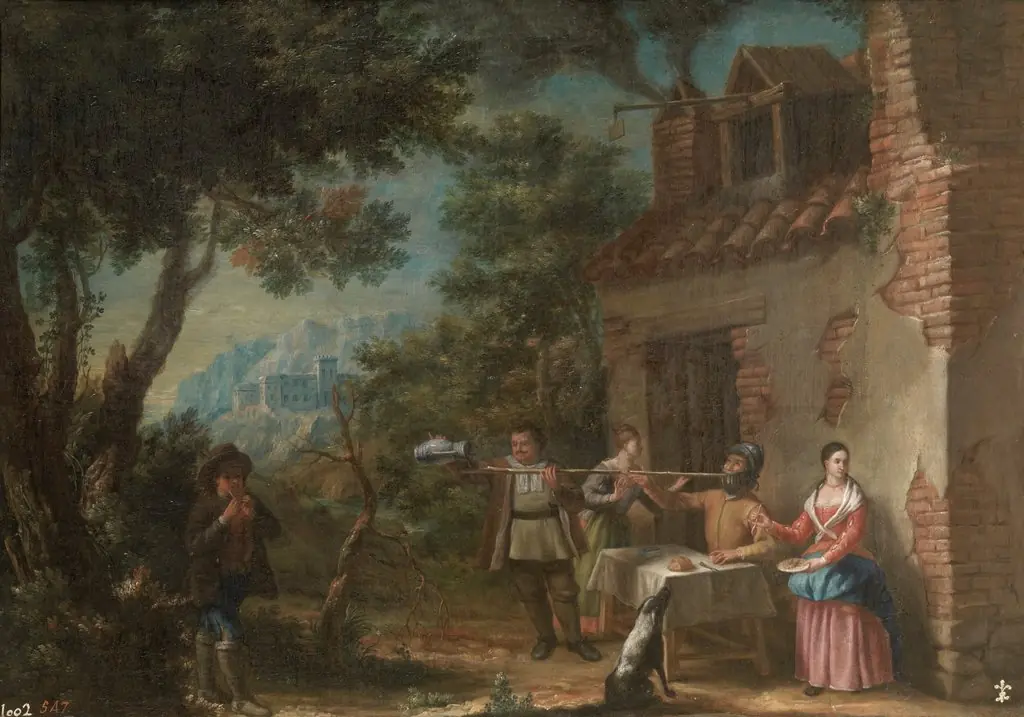 Don Quixote at the Inn
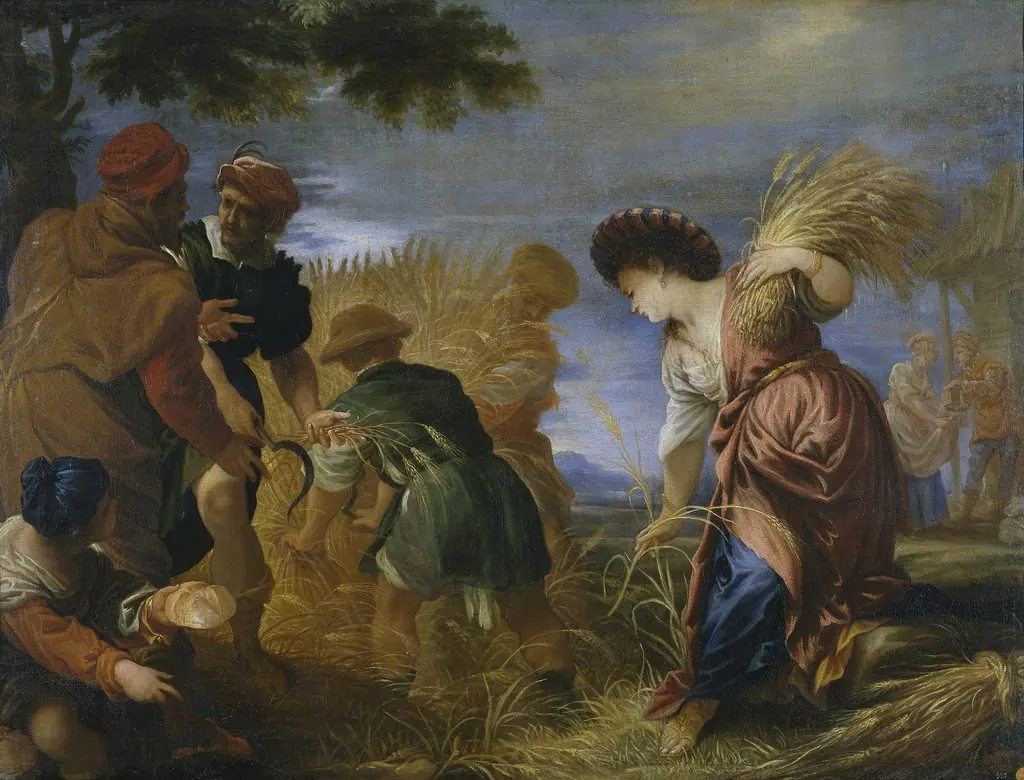 Los segadores de la tierra de promisión
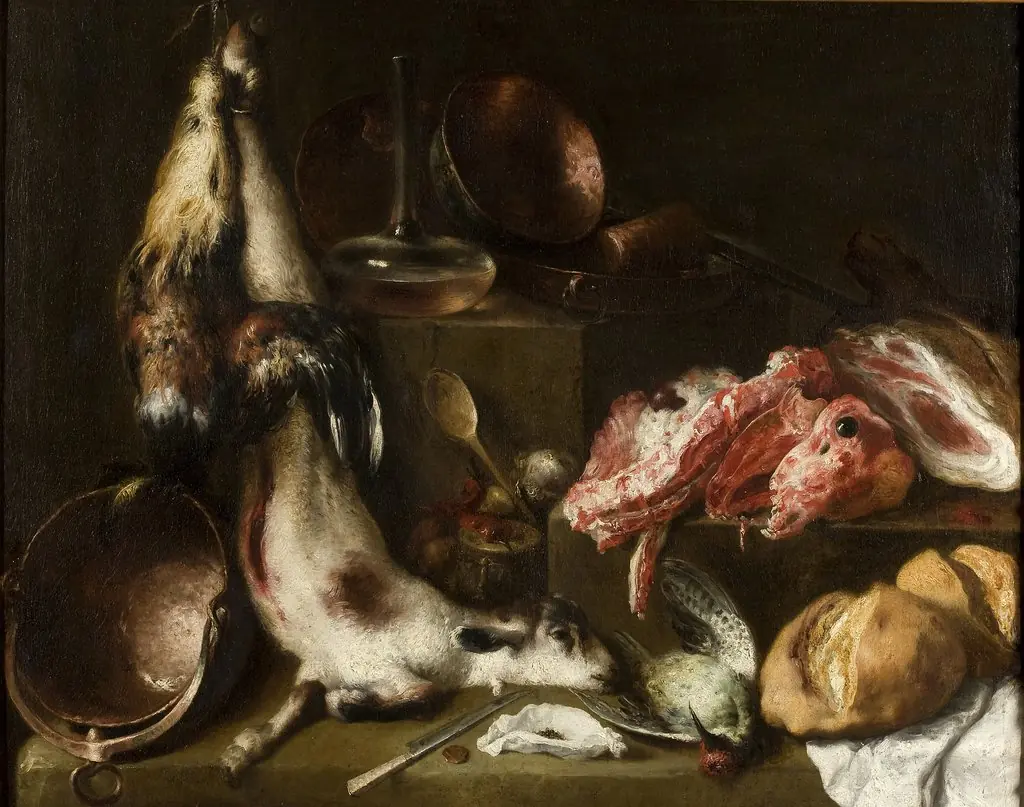 Kitchen Still Life
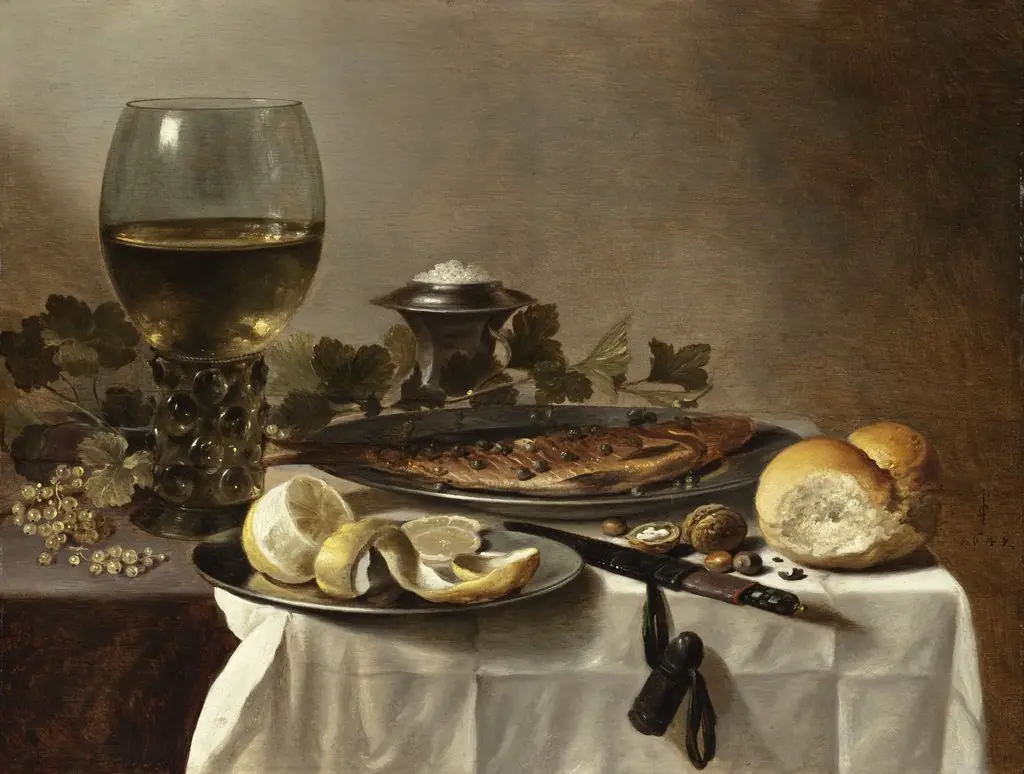 Still Life with Herring, Wine and Bread
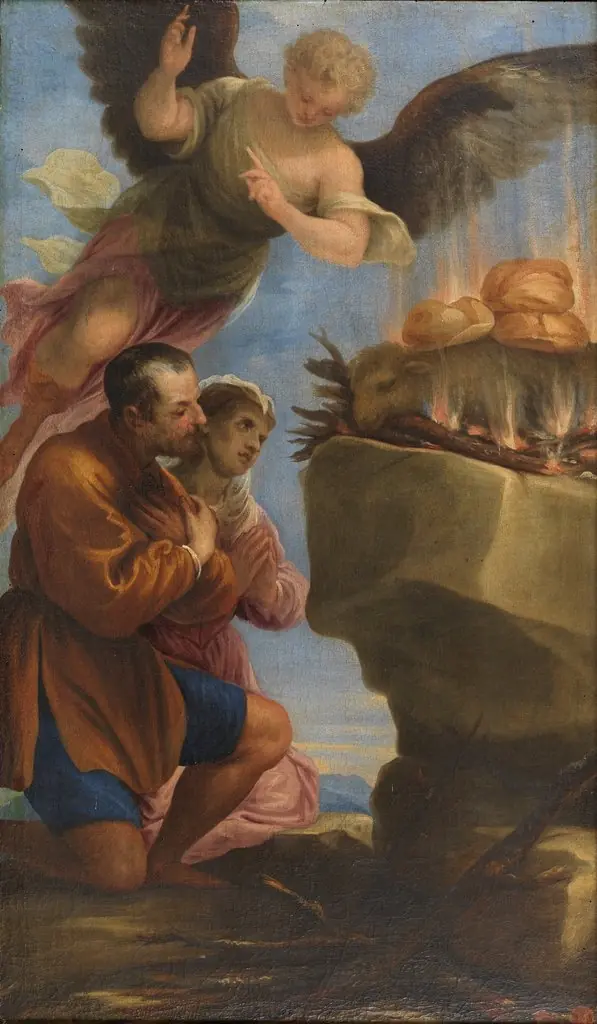 Sacrificio de los panes y el cordero
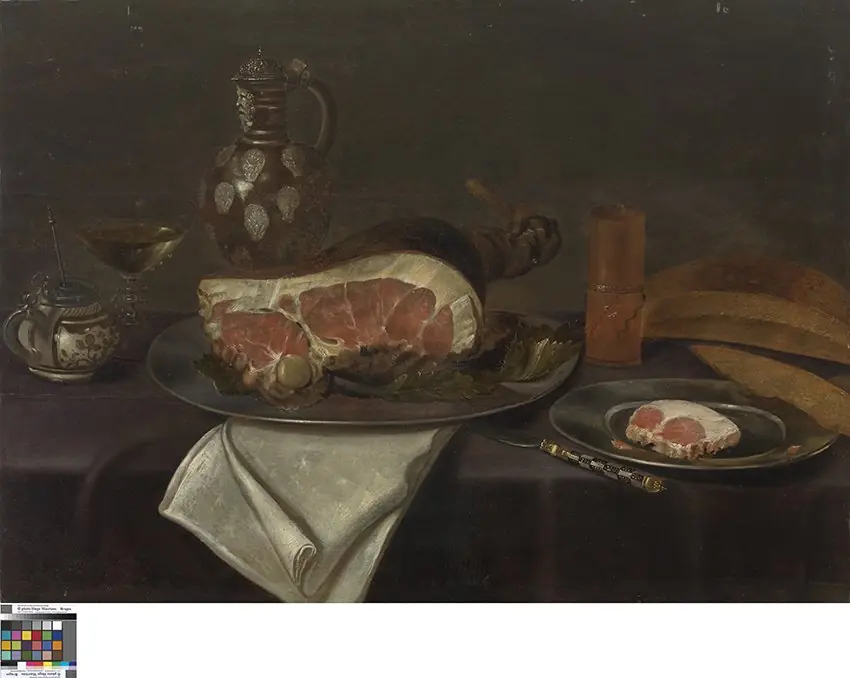 Still life with ham, mustard pot, and stoneware jug
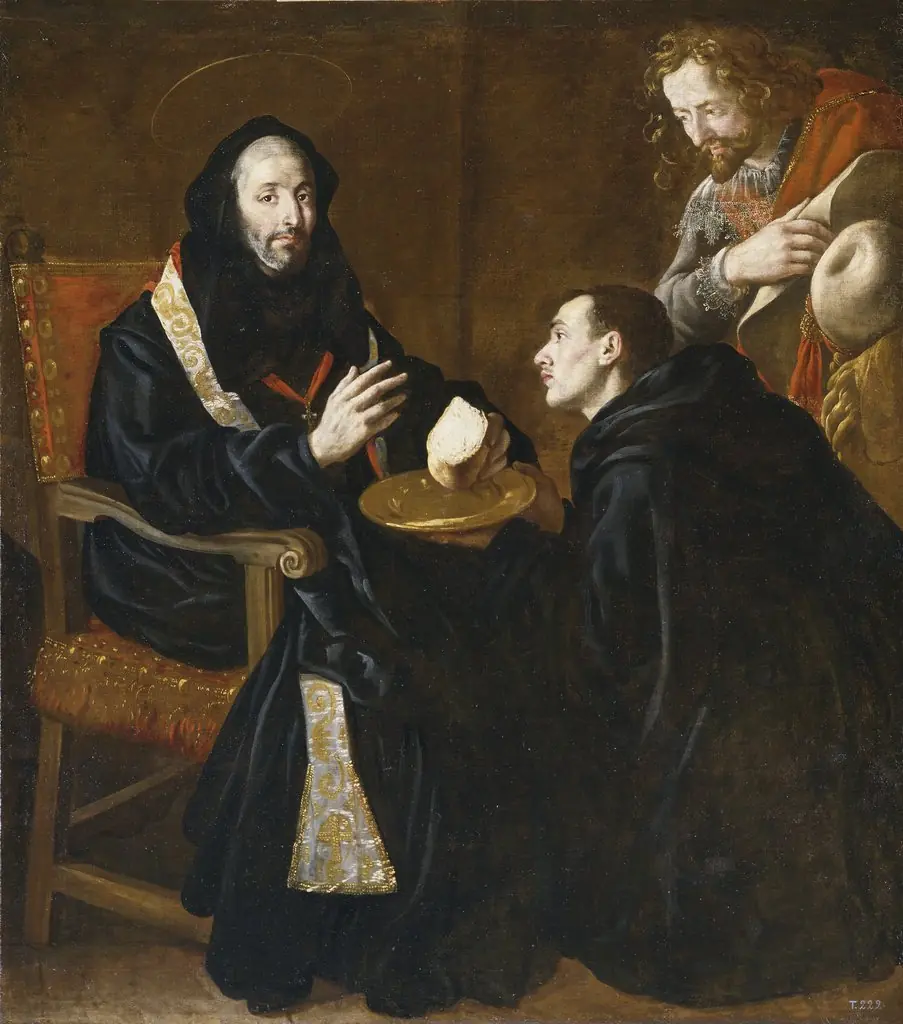 Saint Benedict blessing the Bread
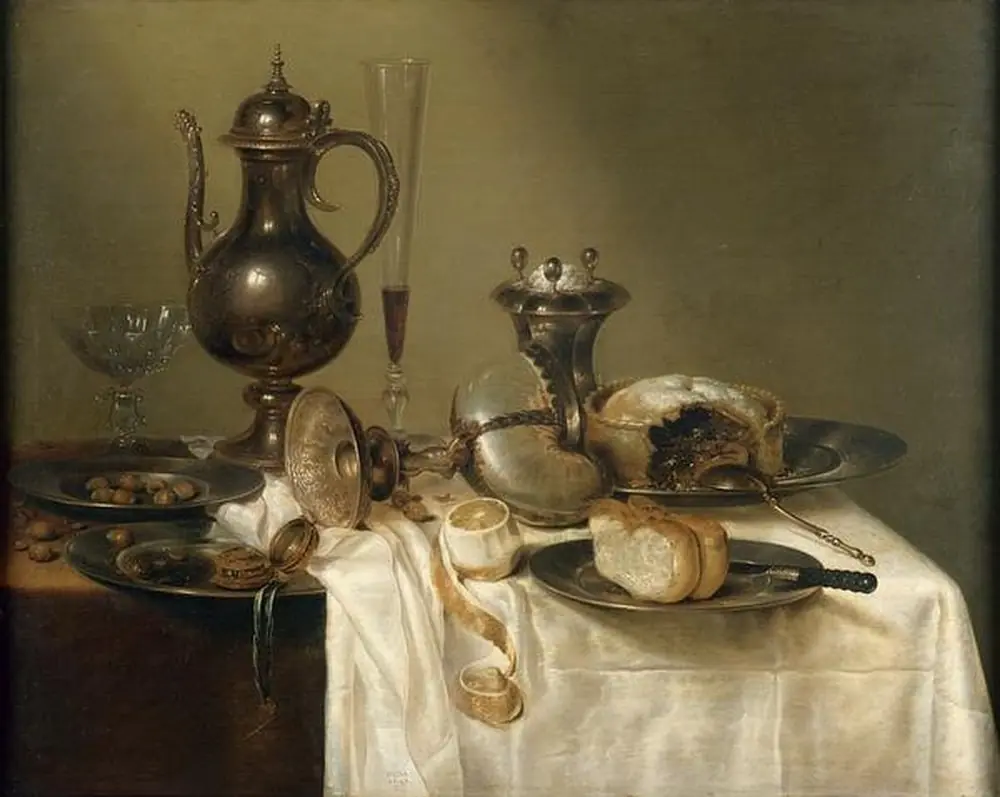 Still life with decanter, nautilus cup, wine glasses and pie
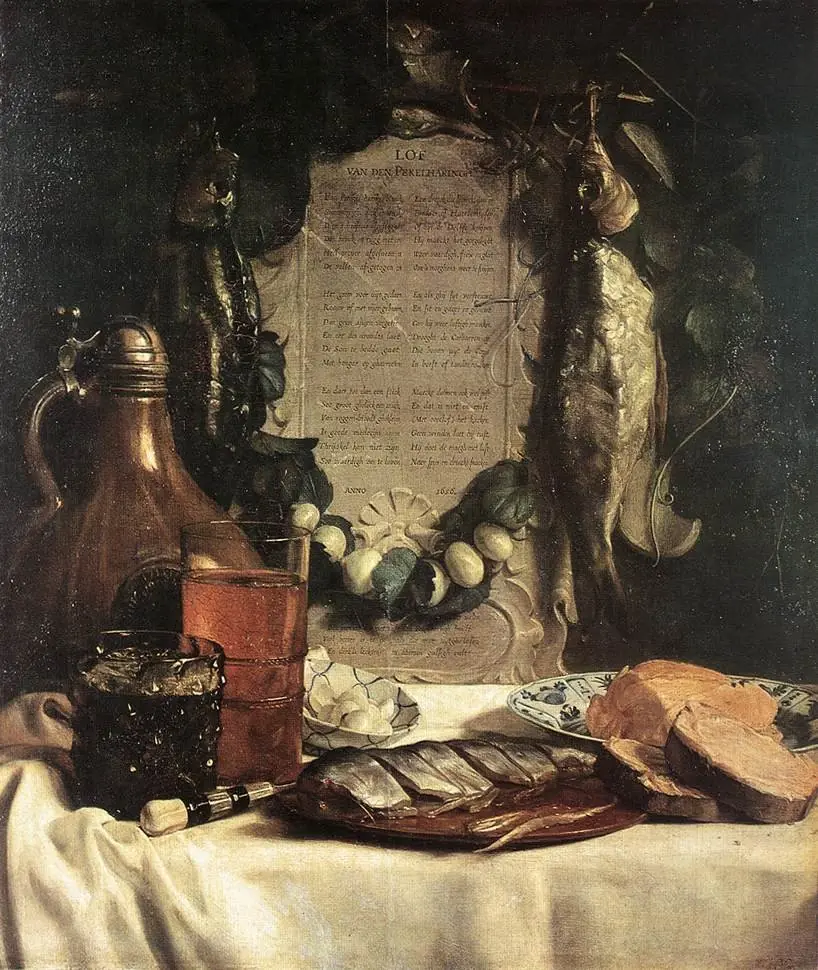 In Praise of Herring
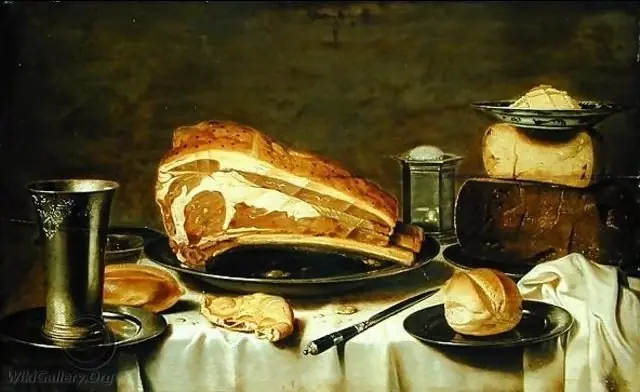 Still life of a laid table with cheese, meat and bread
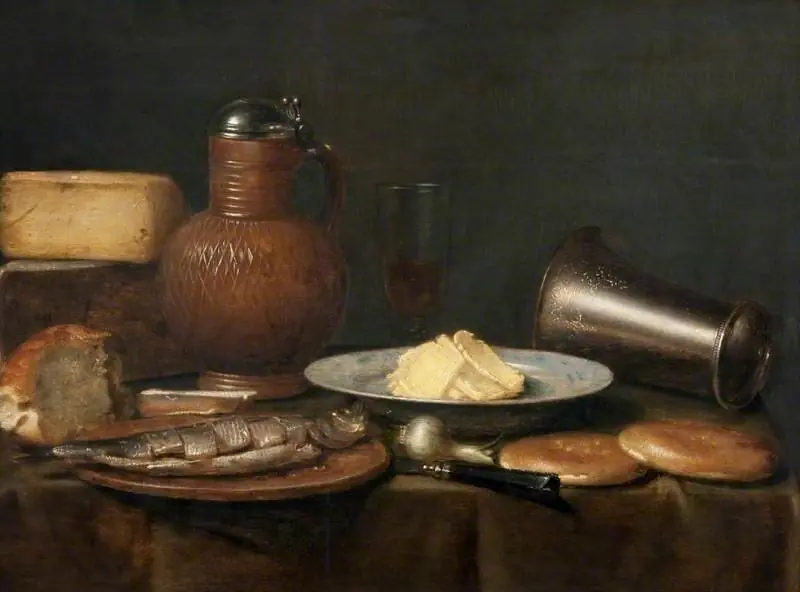 Still Life, a Breakfast Piece
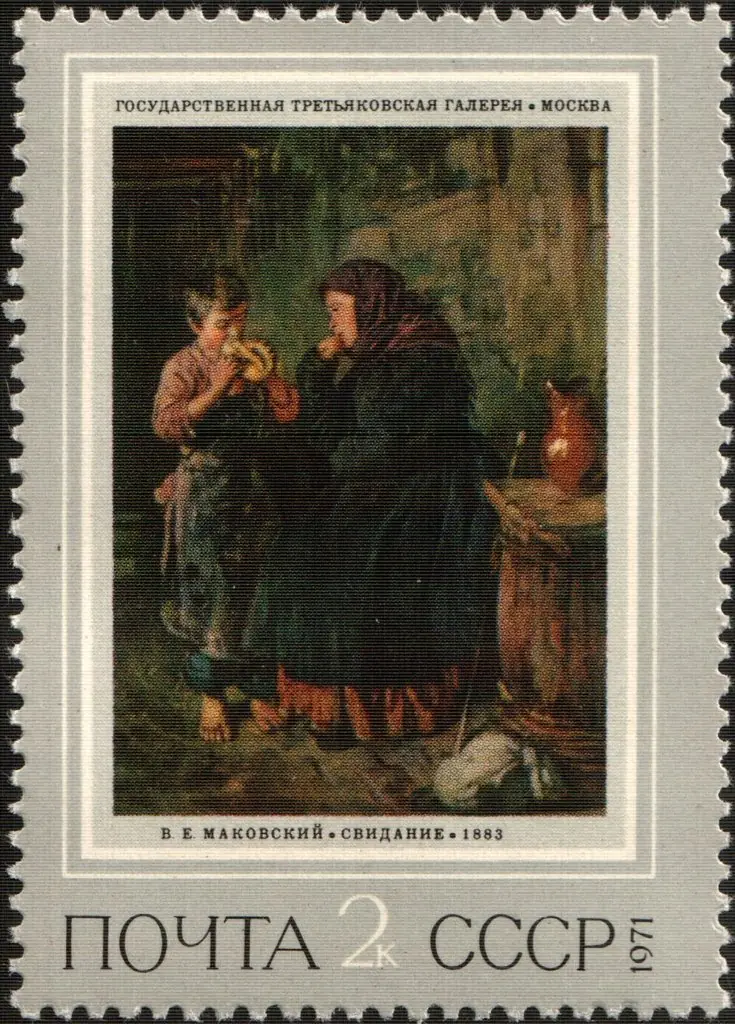 Свидание
 the Drinker
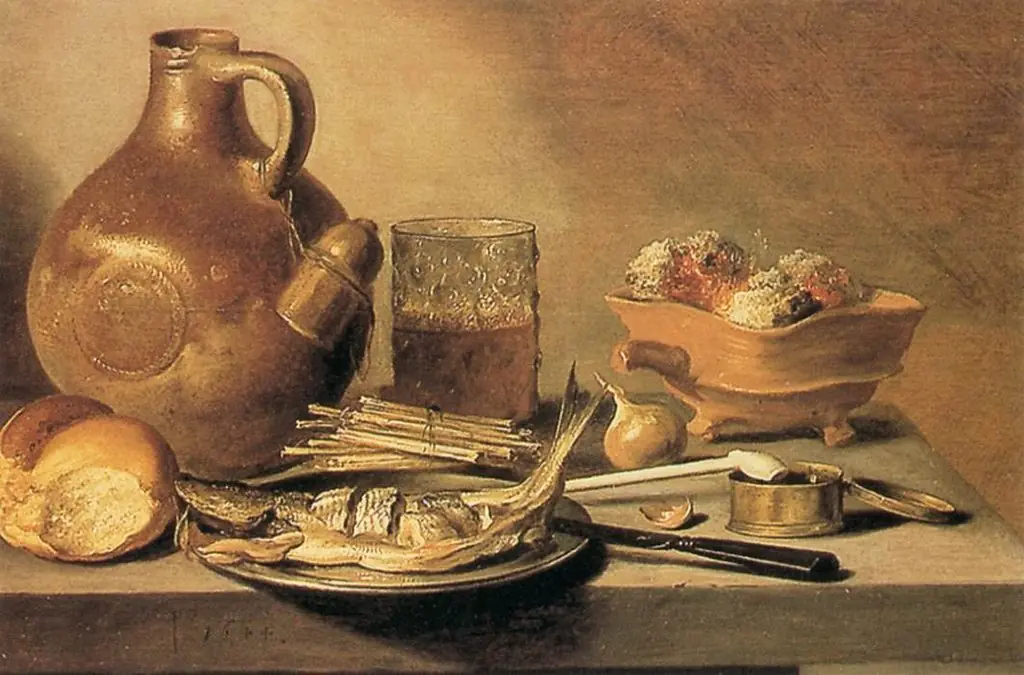 Still Life with Stone Jug, Kipper and smoker's requisites.
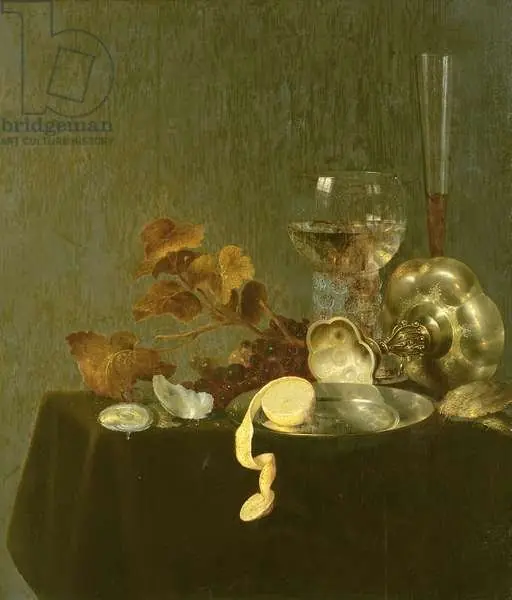 Still life with roemer and tazza
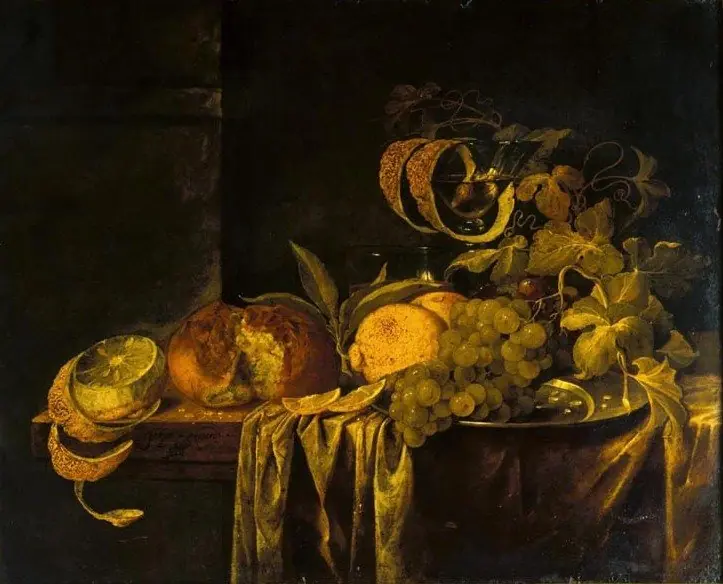 Still life with fruit, bread, and glassware
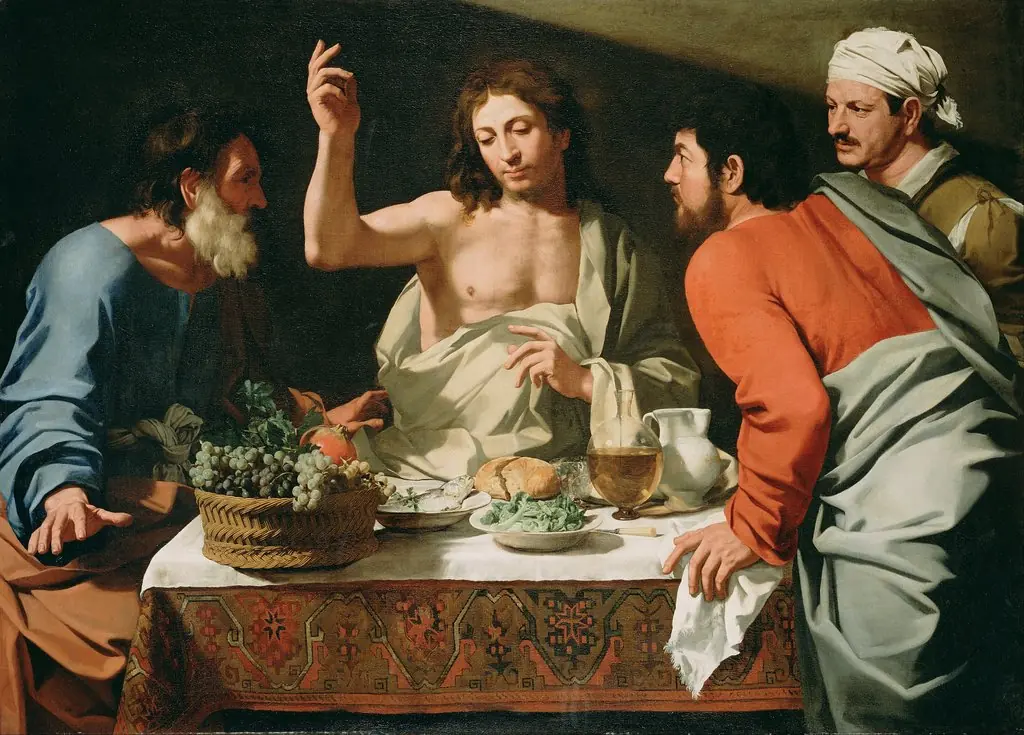 The Supper at Emmaus
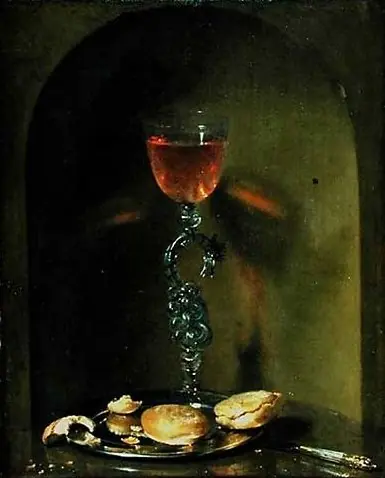 Still Life with Bread and Wine Glass
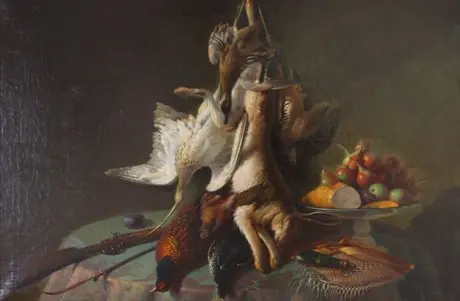 Hunting Still Life
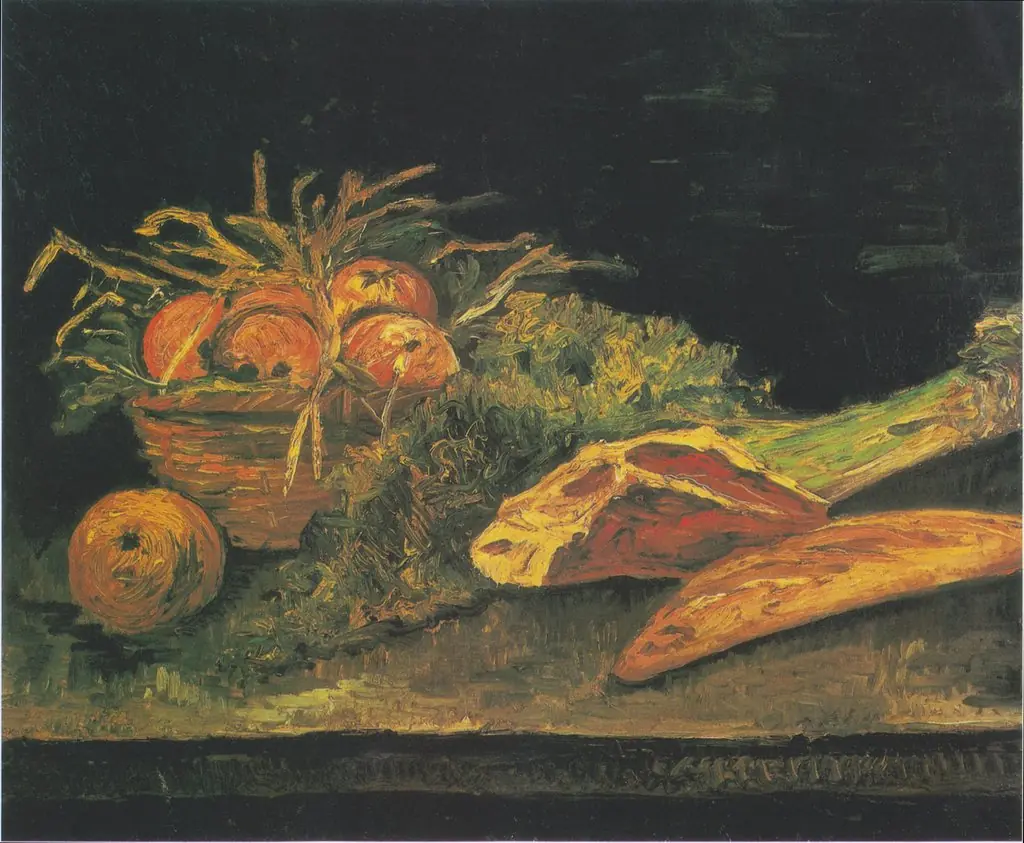 Still Life with Apple Basket, Meat and Bread Rolls
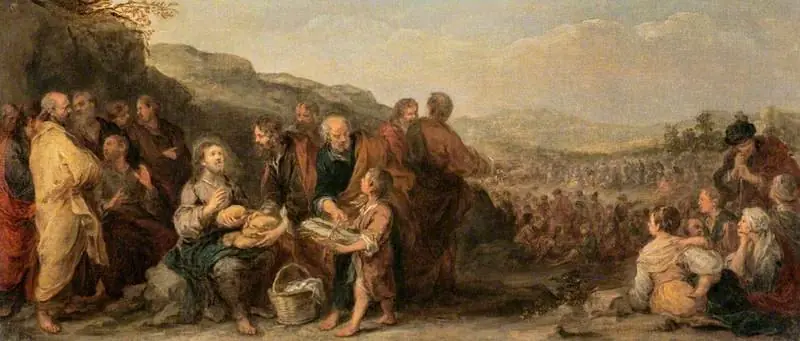 The Miracle of the Loaves and the Fishes
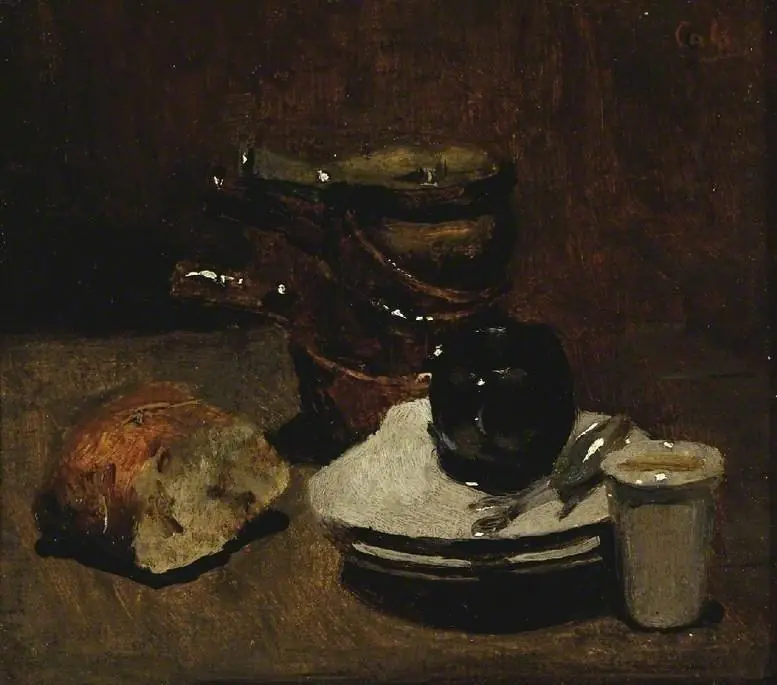 Still-life
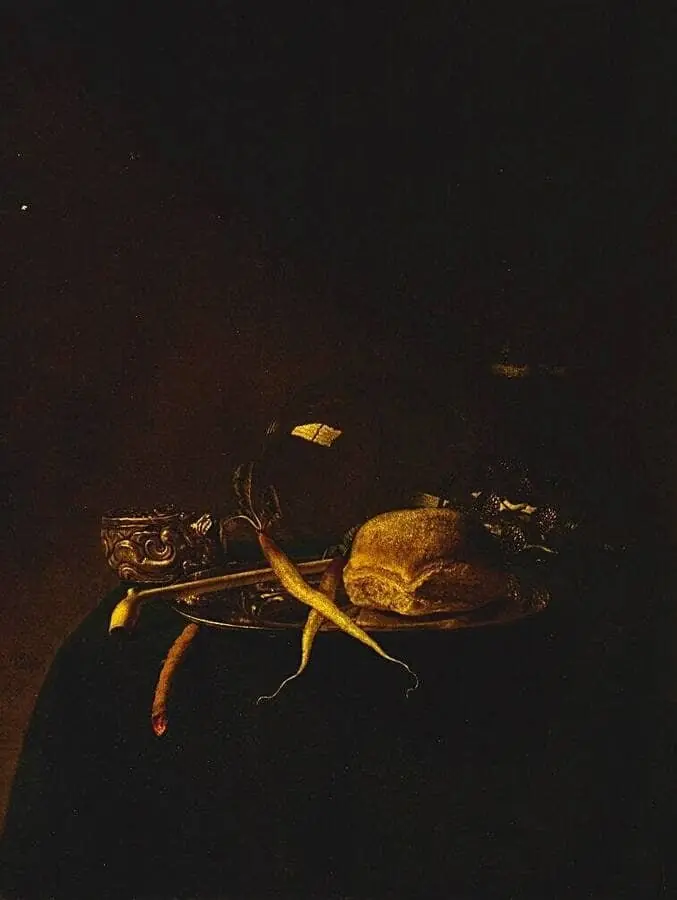 Still life
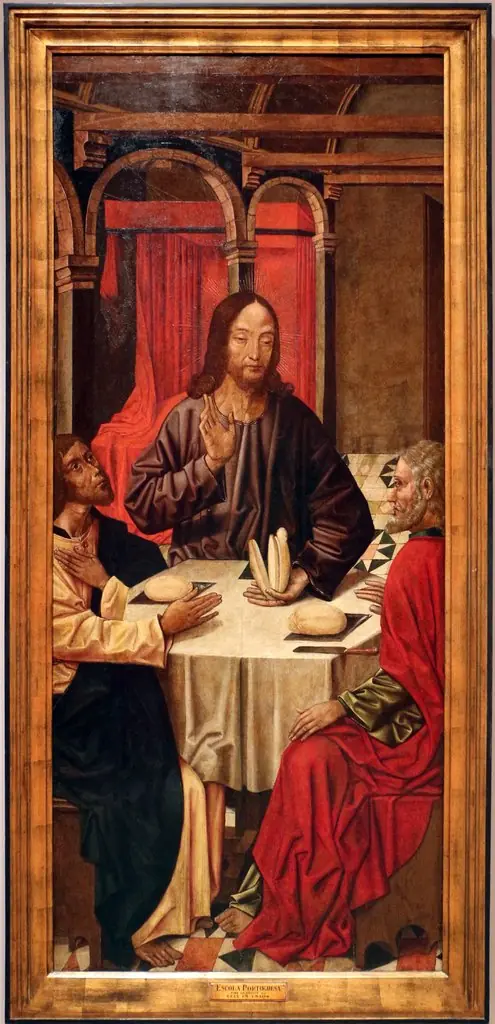 Supper at Emmaus
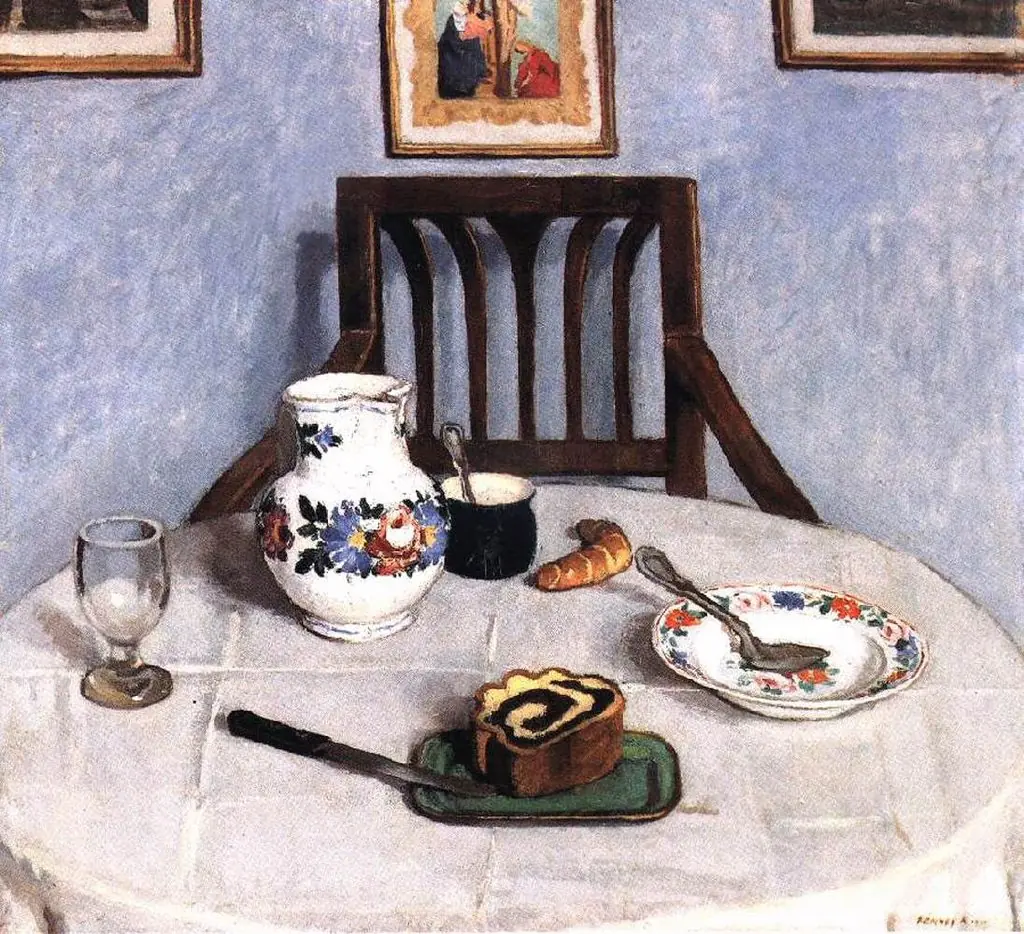 Poppy-seed Cake
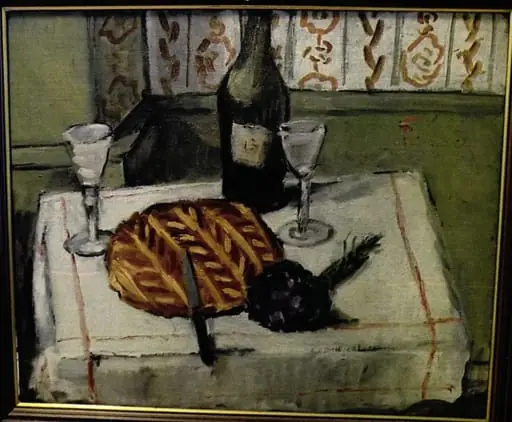 Azimă
Azimă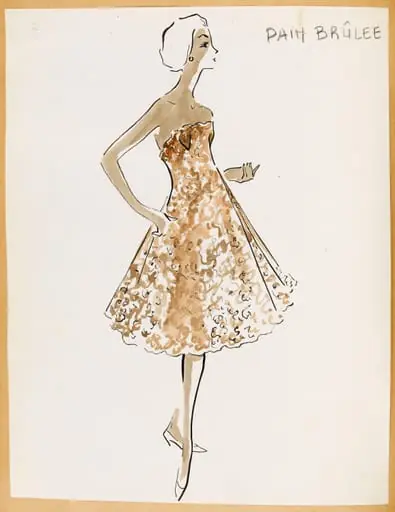 Pain brûlée
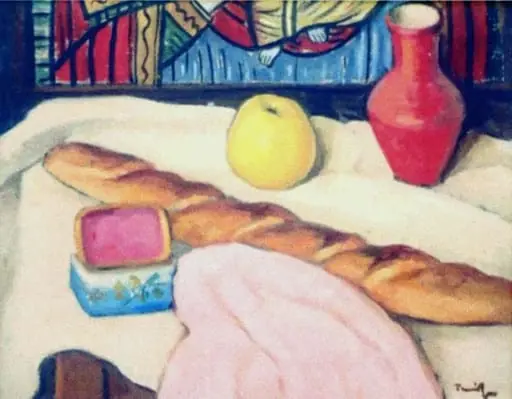 Natură moartă cu pâine
 Pain d'épices
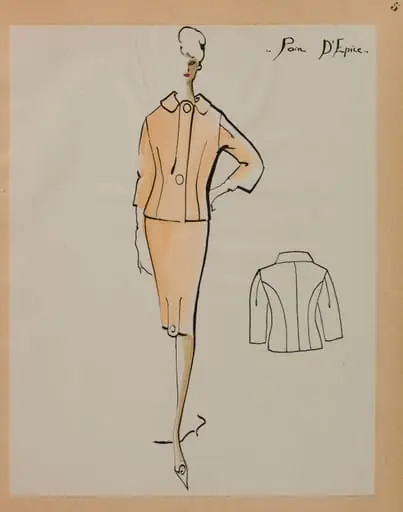 Pain d'épice
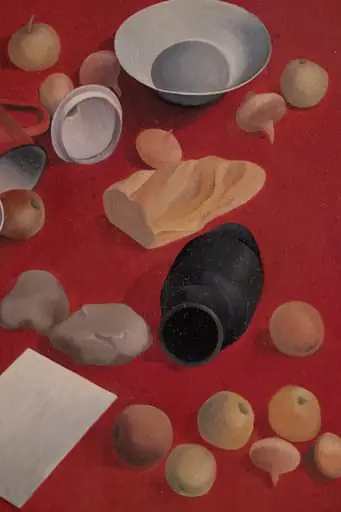 Dezordine
 Compoziție abstractă
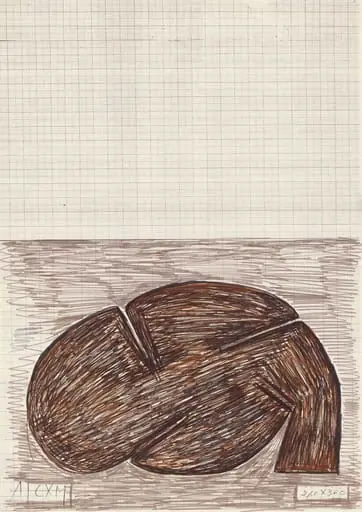 Σχέδιο μοτίβου "τριφύλλι"
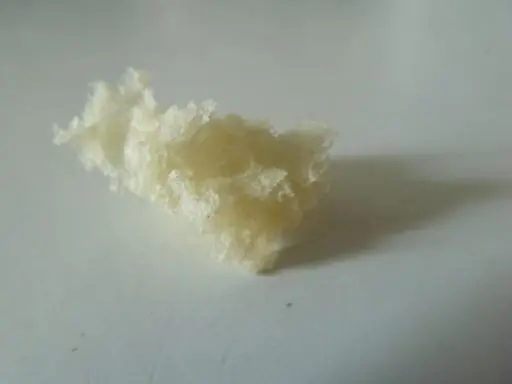 Άτιτλο
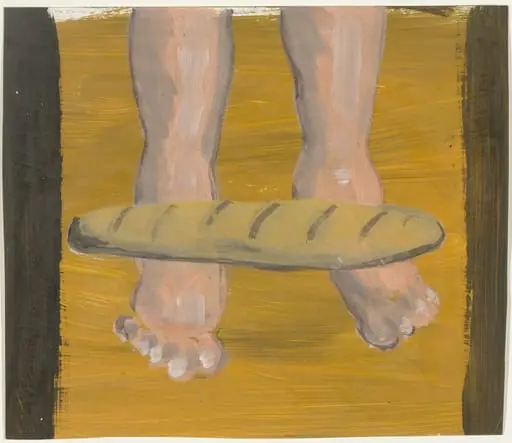 Untitled
Bread is a baked food product made from water, flour, and often yeast.
Artifact World Gallery holds 119 public-domain Bread works, all free to view and download.
Key Bread artists in the collection include Édouard Manet, Johannes Vermeer and Claude Monet.
Bread works in the collection are held by Museo del Prado, Rijksmuseum and Metropolitan Museum of Art.
Your cart is empty
Browse artworks →