Artwork
The Last Supper
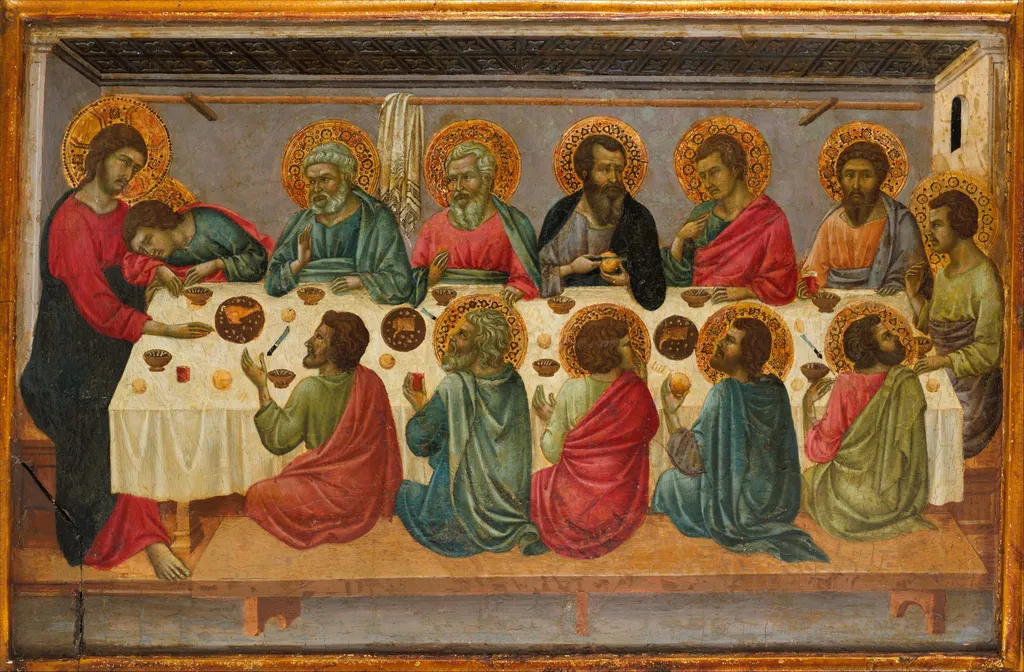
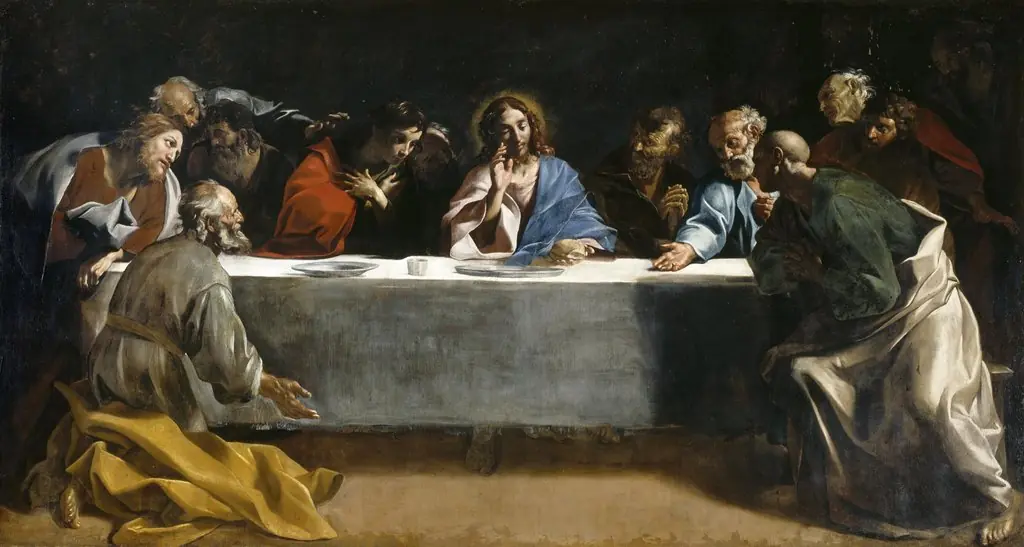
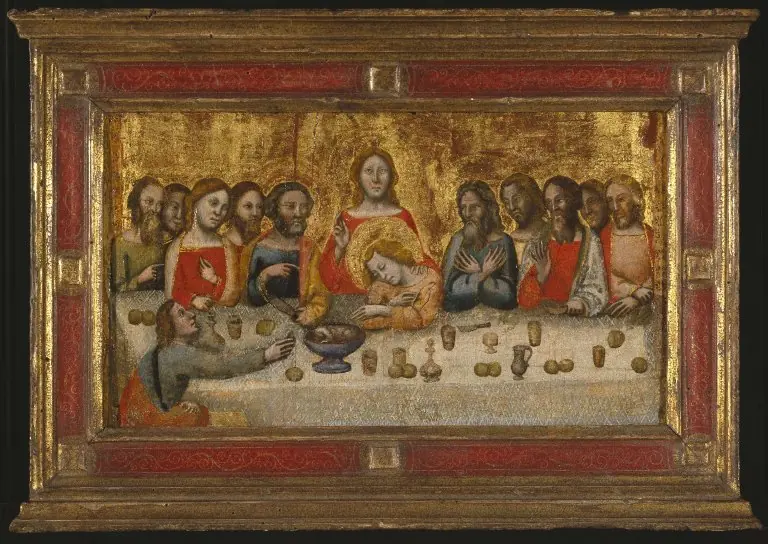
The Last Supper is an unspecified painting by the Sienese School artist Ugolino di Nerio. It dates from 1327 and is held in the collection of the Metropolitan Museum of Art.
About this work
Subject & Meaning
The painting depicts the Last Supper, the New Testament episode in which Christ shares his final meal with the apostles before the Crucifixion.
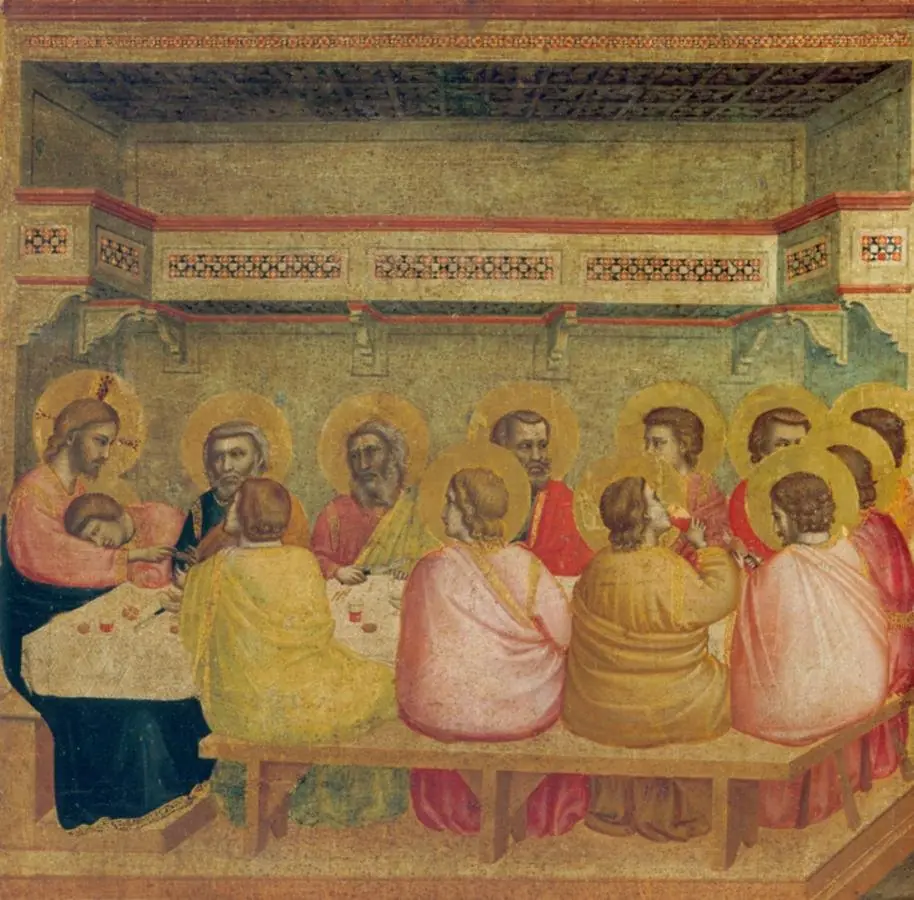
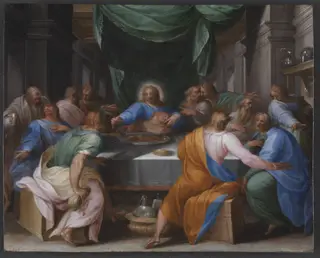
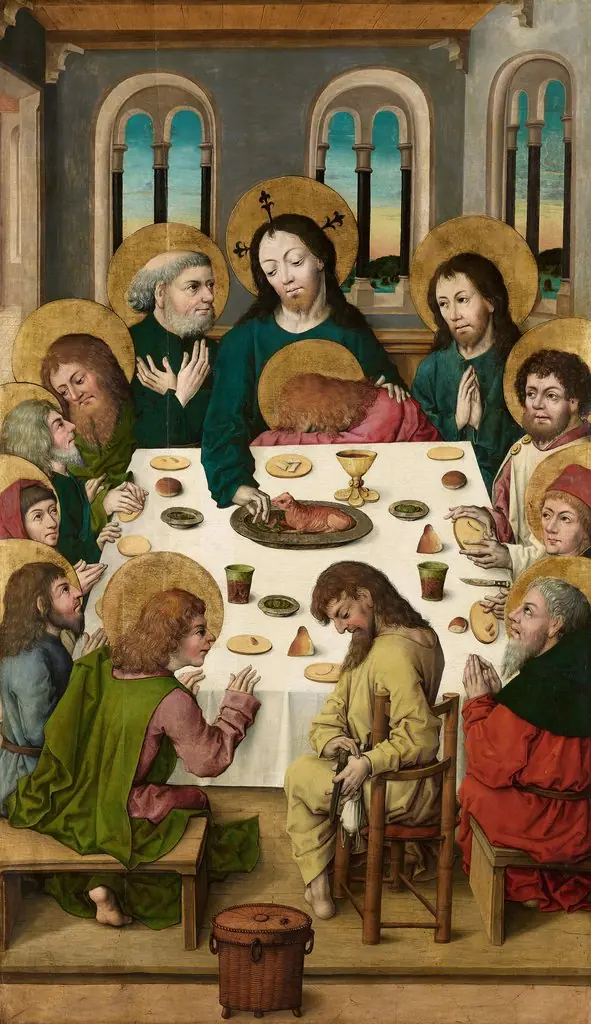
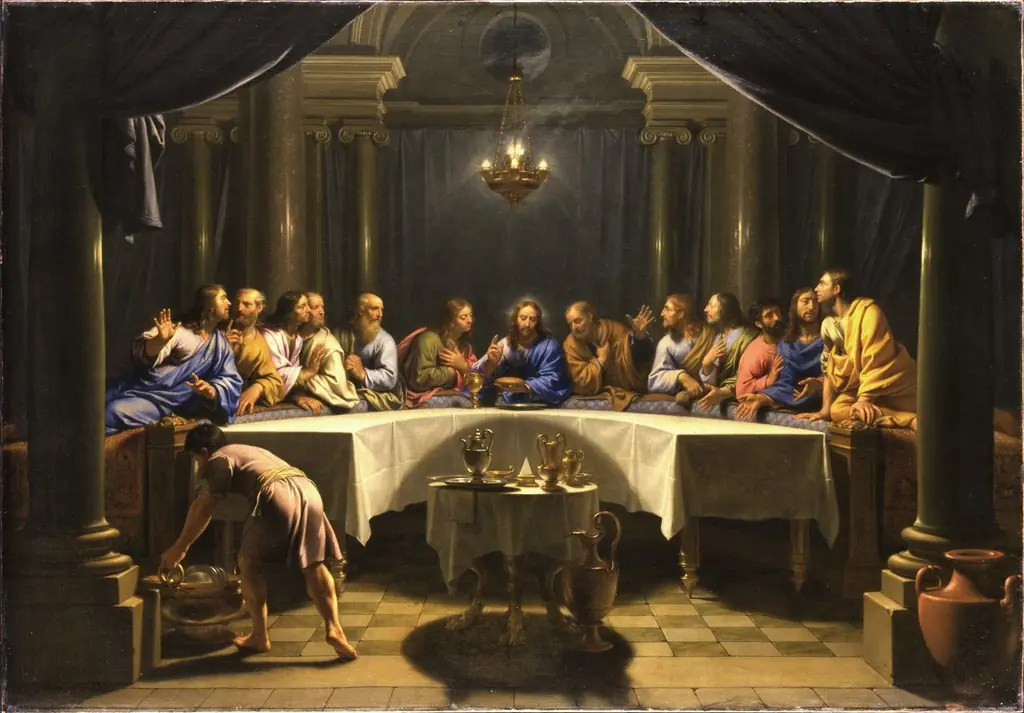
The painting depicts the Last Supper, the New Testament episode in which Christ shares his final meal with the apostles before the Crucifixion. The composition centers on the gathered figures of Christ and his disciples at the table, rendered as a religious scene.
As a religious work produced in 1327 by Ugolino di Nerio, the panel belongs to the broader tradition of Last Supper imagery that proliferated in Christian art to commemorate the institution of the Eucharist and to evoke Christ's sacrifice. The inclusion of attendant holy figures alongside the apostolic gathering is a common iconographic extension of the theme in Trecento painting.
History & Provenance
The Last Supper by Ugolino di Nerio is dated to 1327, aligning with the artist's documented activity period.
The painting entered the collection of the Metropolitan Museum of Art through the bequest of Robert Lehman, whose holdings were transferred to the museum in 1969. Prior to Lehman's ownership, it was in the collection of John Fuller Russell. The work's subject and style corroborate a 14th-century Sienese context, consistent with Ugolino di Nerio's known oeuvre.
The painting's dimensions are recorded as 34.3 cm in height and 52.7 cm in width; the provided sources do not list specific inventory numbers or detail any public exhibition history for the piece.
Context
The painting titled The Last Supper, executed by Ugolino di Nerio in 1327, exemplifies early-Trecento religious art in Italy. Measuring 34.3 × 52.7 cm, it depicts the biblical scene of the Last Supper and was owned by John Fuller Russell and later Robert Lehman before entering the Metropolitan Museum of Art. As a documented work of the period, it provides insight into the devotional practices and artistic conventions of 14th-century Sienese painting, and its inclusion in a major museum collection underscores its recognized significance within the canon of early Italian art.
Overview
Ugolino di Nerio's "The Last Supper," painted in 1327, depicts the biblical final meal shared by Christ and his apostles. This panel, now housed at The Metropolitan Museum of Art, exemplifies the Sienese master's approach to sacred narrative. Active in both Siena and Florence, Ugolino was a prominent figure in early 14th-century Italian painting, known for his devotional works.
Technique & Style
Ugolino di Nerio's style is evident in the vibrant palette of reds, greens, and blues used for the apostles' garments, which contrast with the dark background. The figures, some adorned with golden halos, are arranged around a long table set with simple bowls and bread. This composition, along with the serious countenances, reflects the Sienese school's emphasis on narrative clarity and devotional intensity, inherited from his mentor Duccio.
Own this work as a print
Artist & collection
Artist
Ugolino di Nerio (1280? – 1349) was an Italian painter active in his native city of Siena and in Florence between the years 1317 and 1327. He was a follower of Duccio di Buoninsegna, from whose Maestà some of his…