Artwork
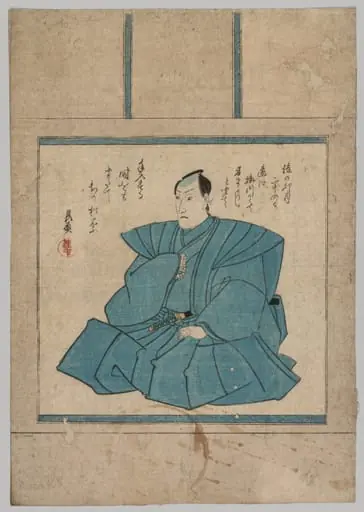
Memorial Portrait of the Actor Ichikawa Ōmezō I
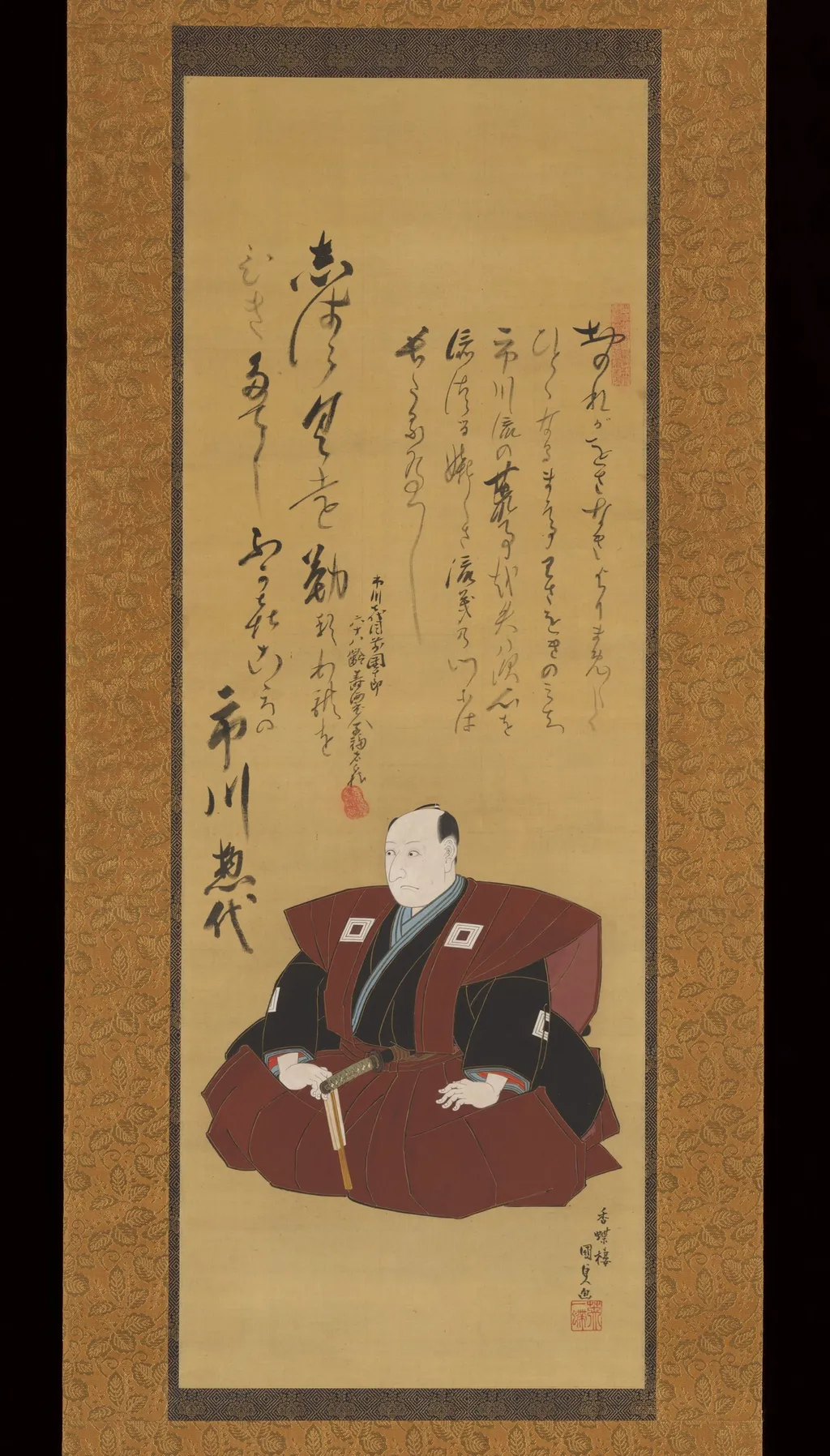
Memorial Portrait of the Actor Ichikawa Ōmezō I is an unspecified painting by the Ukiyo-e artist Utagawa Kunisada. It dates from 1845 and is held in the collection of the Metropolitan Museum of Art.
About this work
Subject & Meaning
The work thus functions as a visual eulogy, linking the ephemeral world of kabuki with enduring artistic memory.
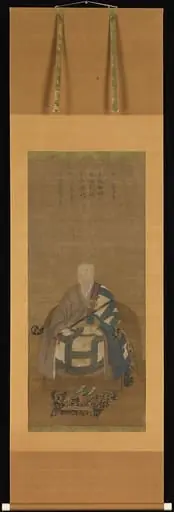
The painting portrays the kabuki actor Ichikawa Ōmezō I in a solemn pose that commemorates his death, using traditional iconography of a memorial portrait in which the subject is rendered with dignified austerity. Symbolic elements such as the restrained palette and the inclusion of a calligraphic inscription convey both mourning and reverence for the performer’s legacy, reflecting the cultural emphasis on honoring deceased artists within the ukiyo-e tradition. The work thus functions as a visual eulogy, linking the ephemeral world of kabuki with enduring artistic memory.
History & Provenance
The Memorial Portrait of the Actor Ichikawa Ōmezō I is held in the collection of the Metropolitan Museum of Art. Created in 1845 by Utagawa Kunisada, the painting is located at the museum in New York. The provided sources confirm its inclusion in the institution's holdings but do not list a specific inventory or accession number, nor do they detail any past or current exhibitions for this specific work.
Context
The portrait of Ichikawa Ōmezō I exemplifies Utagawa Kunisada’s mastery of yakusha-e, a genre dedicated to actor likenesses that dominated Edo-period theater imagery. Created in 1845 in Japan, this work reflects the artist’s role in shaping kabuki visual culture through dynamic compositions and expressive detail. Its inclusion in the Metropolitan Museum of Art’s collection underscores its significance within global holdings of ukiyo-e painting, where it is studied alongside other portrayals of theatrical figures to trace the evolution of Japanese print media in the nineteenth century.
Legacy
The memorial portrait of the actor Ichikawa Ōmezō I, painted by Utagawa Kunisada in 1845, has been recognized for its significant role in preserving the legacy of kabuki performers within ukiyo-e tradition. Its presence in the Metropolitan Museum of Art's collection has facilitated scholarly study of Edo-period theatrical portraiture, contributing to broader appreciation of Kunisada's influence on later artists in the genre. The work is frequently cited in art historical literature as an exemplar of actor memorialization practices in 19th-century Japan.
Overview
Utagawa Kunisada’s 1845 work, Memorial Portrait of the Actor Ichikawa Ōmezō I, is a wooden-panel painting in the collection of The Metropolitan Museum of Art. The composition presents a seated figure in formal attire, framed by a gold‑patterned border and a sparse background of ink calligraphy.
Technique & Style
Kunisada employs the ukiyo‑e woodblock aesthetic within a painted medium, using bold color fields, dark red kimono, white gloves, and precise line work for the facial features. The gold‑patterned border and the minimal ink inscription create a contrast of surface texture and negative space, emphasizing the figure’s presence.
Artist & collection

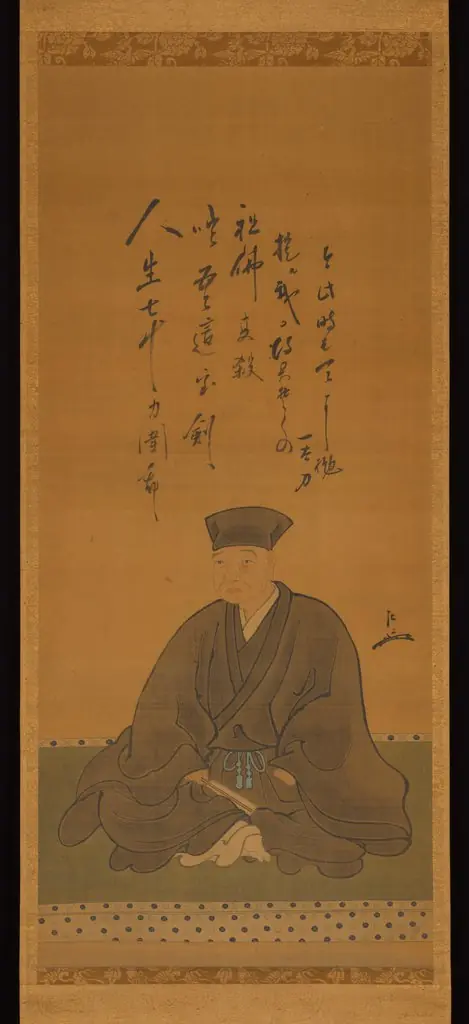 Portrait of Sen no Rikyū with his Death Poem
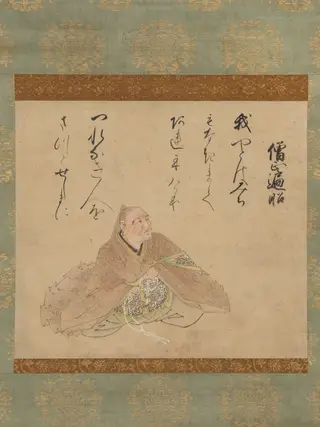 Archbishop Henjō (Sōjō Henjō zu), from the Dōon Version of the Thirty-Six Poetic Immortals
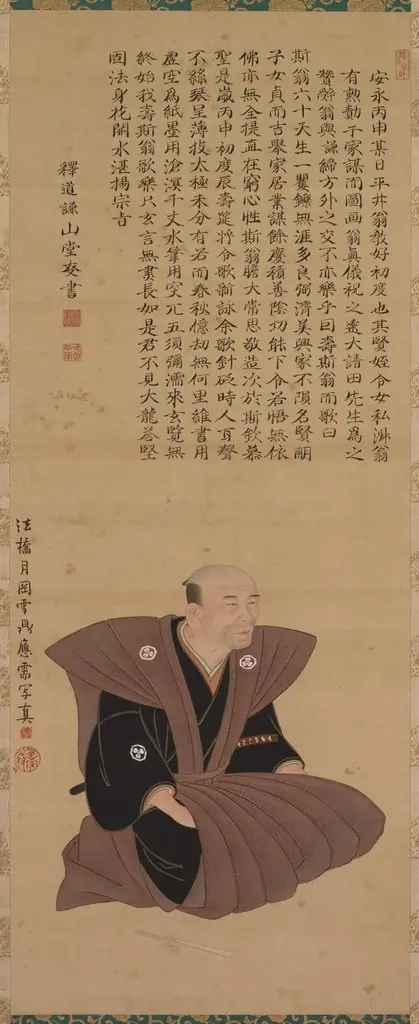 Pair of Portraits of Samurai-Officials: Hirai Kyosei and Hirai Rinsei
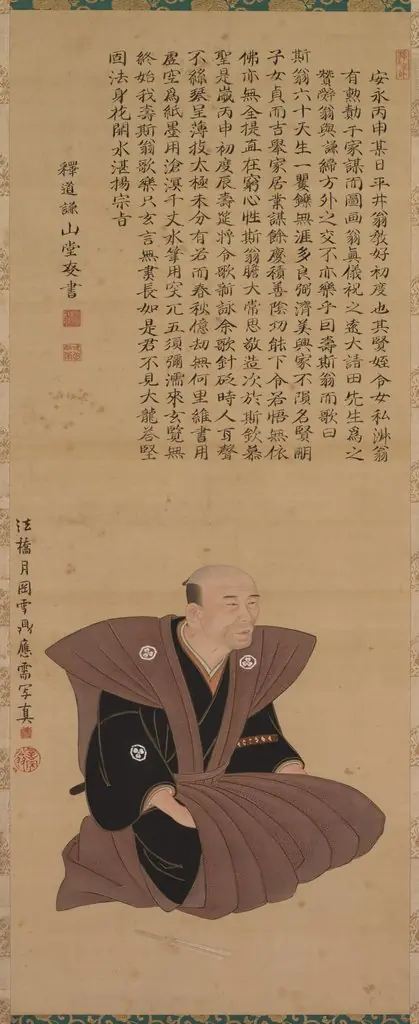 Portrait of Samurai-Official: Hirai KyoseiHirai Kyosei
 Portrait
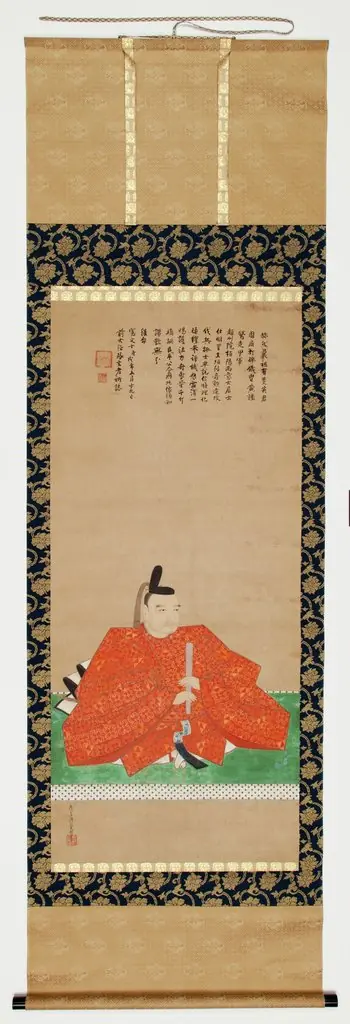 Portrait of Hojo Ujinaga
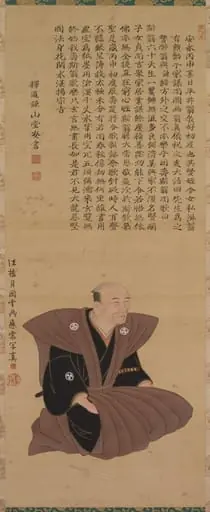 Portrait of Samurai-Official: Hirai KyoseiHirai Kyosei
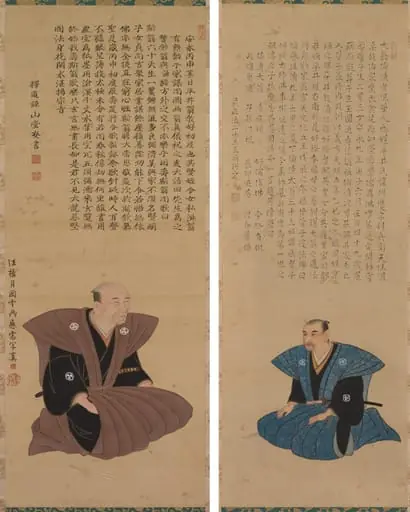 Pair of Portraits of Samurai-Officials: Hirai Kyosei and Hirai Rinsei
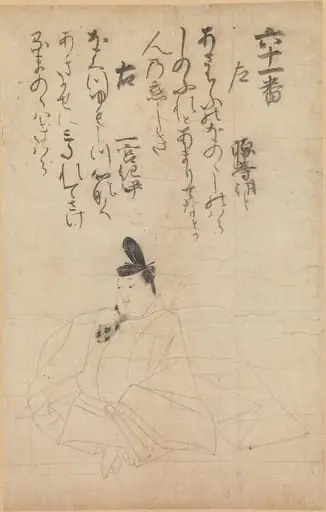 Untitled
 旧山宗英像|Portrait of Kyūzan Sōei