Artwork
Pair of Portraits of Samurai-Officials: Hirai Kyosei and Hirai Rinsei
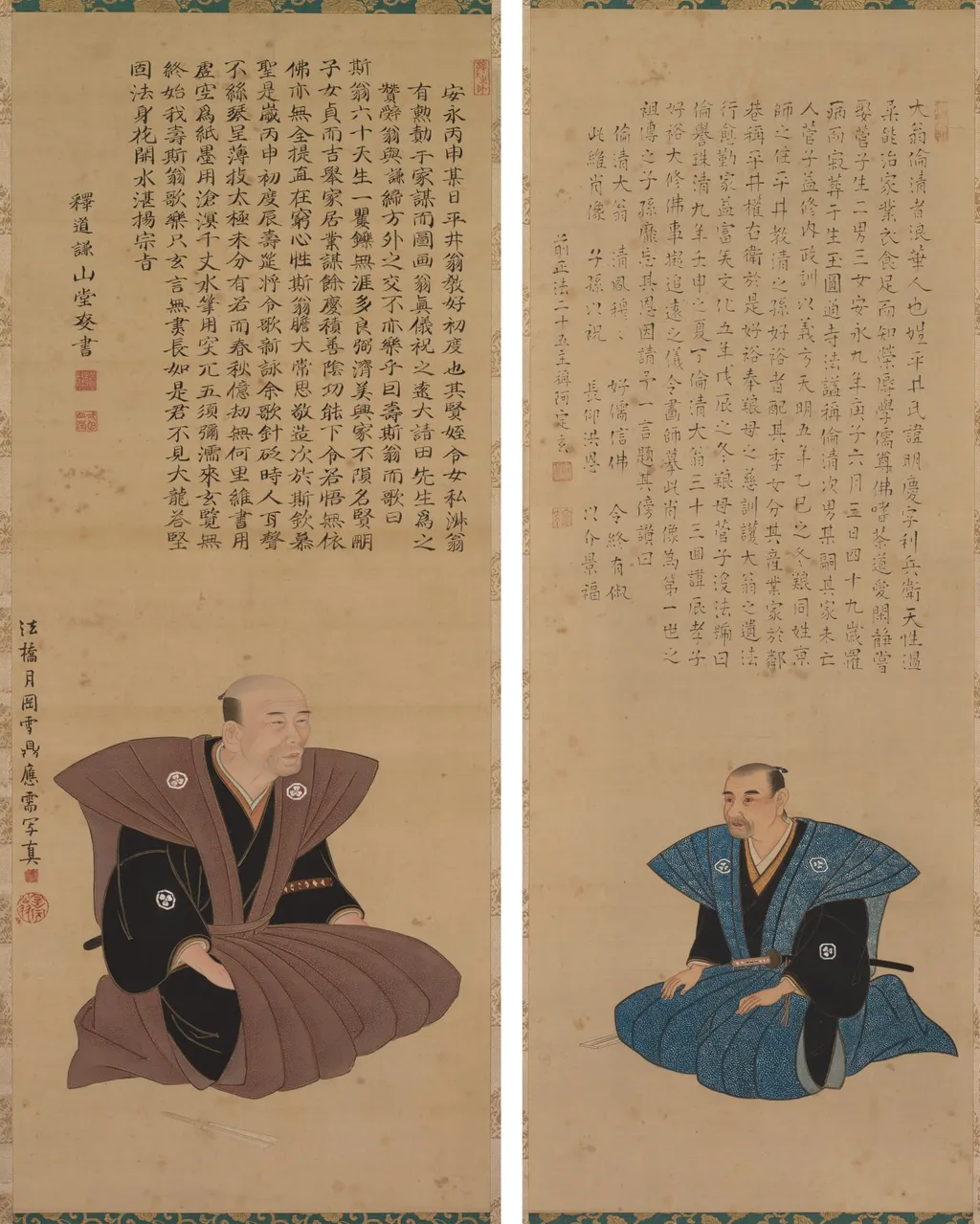
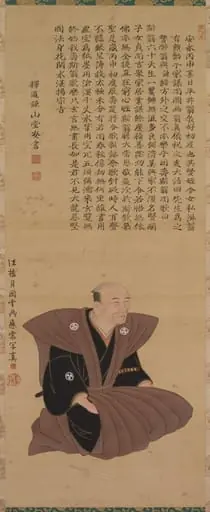
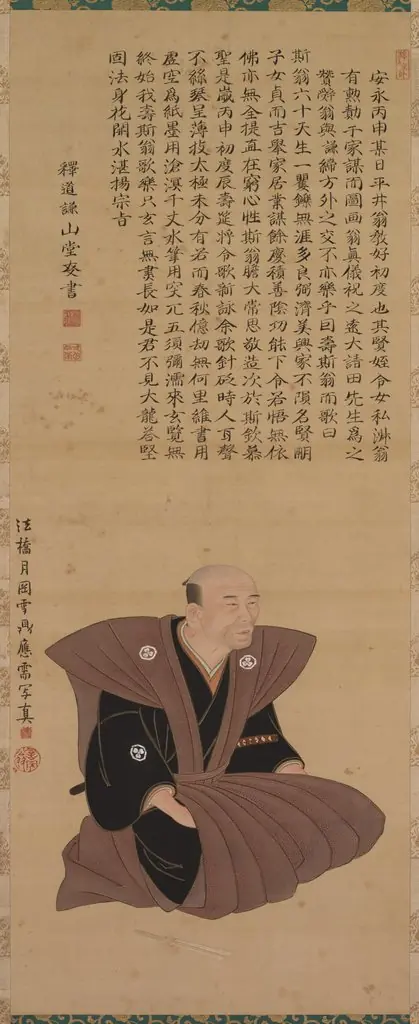
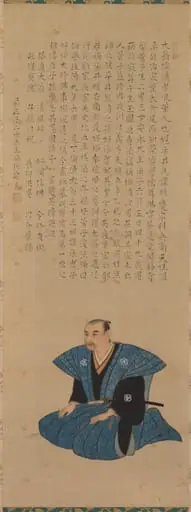
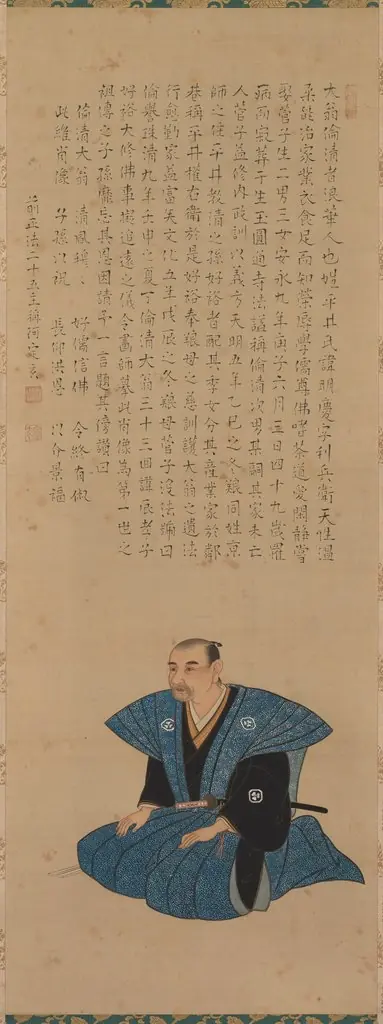
Pair of Portraits of Samurai-Officials: Hirai Kyosei and Hirai Rinsei is an unspecified painting by the Joseon dynasty painting artist Sando Hyosho. It dates from 1776 and is held in the collection of the Cleveland Museum of Art. The work consists of two companion figure paintings portraying successive heads of the Hirai clan, a line of samurai officials.
- Accession no.
- 1999.89
- Credit line
- John L. Severance Fund
About this work
Overview
The work consists of two companion figure paintings portraying successive heads of the Hirai clan, a line of samurai officials.
The work consists of two companion figure paintings portraying successive heads of the Hirai clan, a line of samurai officials. Each portrait presents a single figure in full armor, the subjects positioned oppositely, one turned to the right, the other to the left, creating a visual dialogue. Both are equipped with swords, underscoring their martial status, and are accompanied by extensive handwritten inscriptions.
Subject & Meaning
The paintings commemorate Hirai Kyōsei and Hirai Rinsei, two generations of clan leaders who served as high‑ranking officials. The paired format emphasizes continuity of authority within the family, while the mirrored stances suggest a balance of power and shared responsibility. The accompanying texts, authored by contemporary scholar‑officials, record each man’s rank, duties, and virtues, reinforcing their roles as exemplars of loyal service.
Technique & Style
Executed in the traditional Japanese figure‑painting tradition, the works employ delicate brushwork to render armor details and the sheen of metal. The figures are set against a plain background, allowing emphasis on posture and attire. The inscriptions are rendered in a distinctive, highly refined calligraphic hand, characteristic of literati scholars, and run parallel to the painted images, integrating text and image as a single commemorative object.
History & Provenance
Created during the Edo period for the Hirai household, the pair remained in the family’s collection for several centuries before entering the international art market. They were acquired by the Cleveland Museum of Art in the early twentieth century, where they have been conserved and displayed as representative examples of samurai portraiture and epigraphic practice.
Context
These portraits illustrate the Edo‑era practice of recording elite lineages through paired visual and textual documentation. By juxtaposing martial imagery with scholarly commentary, they reflect the period’s synthesis of warrior ethos and Confucian learning. Their preservation in a major American museum provides scholars with insight into the visual culture of samurai officials and the role of calligraphy in reinforcing social hierarchy.
Own this work as a print
Artist & collection

 Untitled
 Memorial Portrait of the Actor Ichikawa Ōmezō I
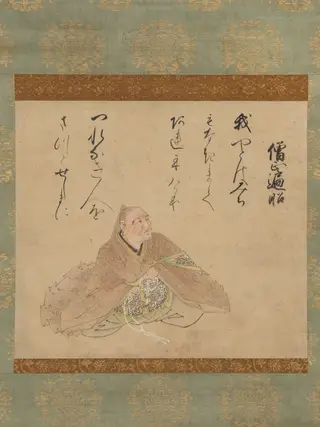 Archbishop Henjō (Sōjō Henjō zu), from the Dōon Version of the Thirty-Six Poetic Immortals
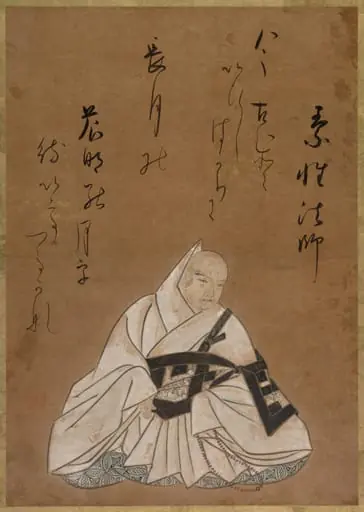 The Poet Sōsei
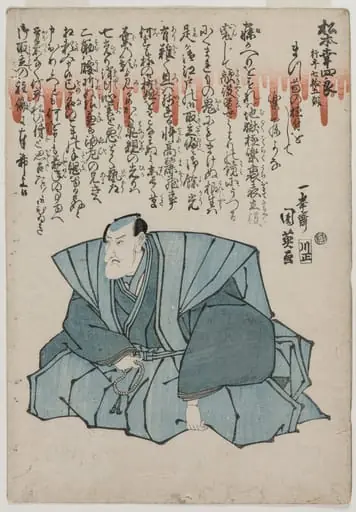 Memorial Portrait of Matsumoto Kōshirō V, Age 75
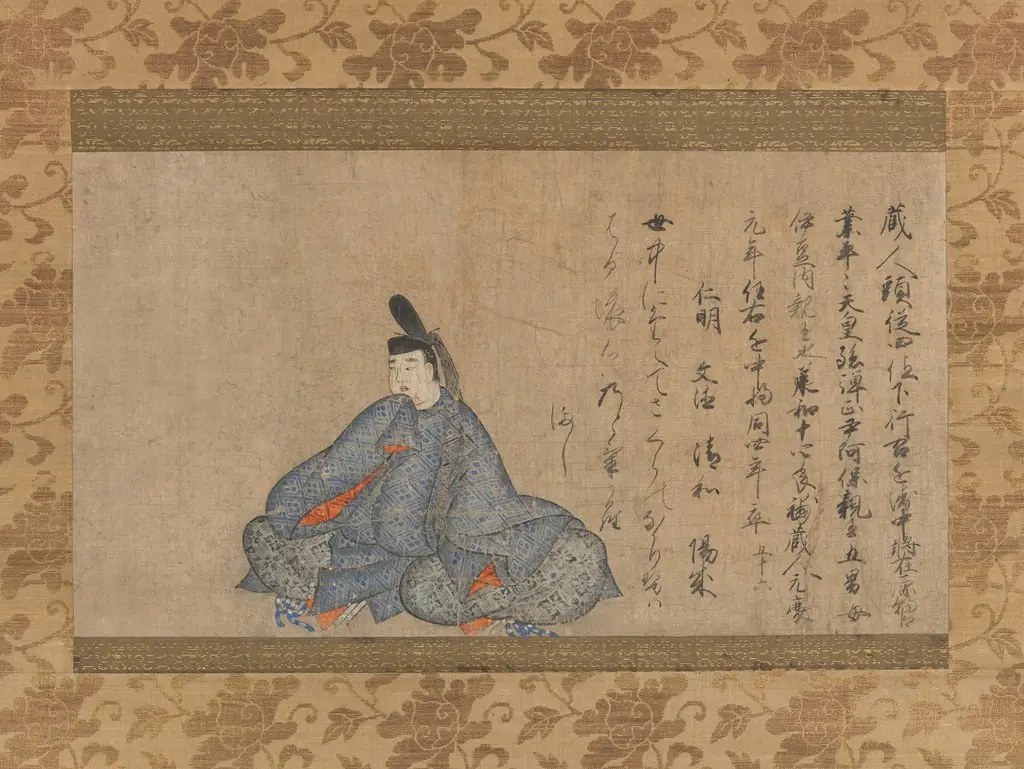 Ariwara Narihira (825–880), from the Fujifusa version of Thirty-six Immortal Poets
 Portrait of Sen no Rikyū with his Death Poem