Artwork
Cain and Abel
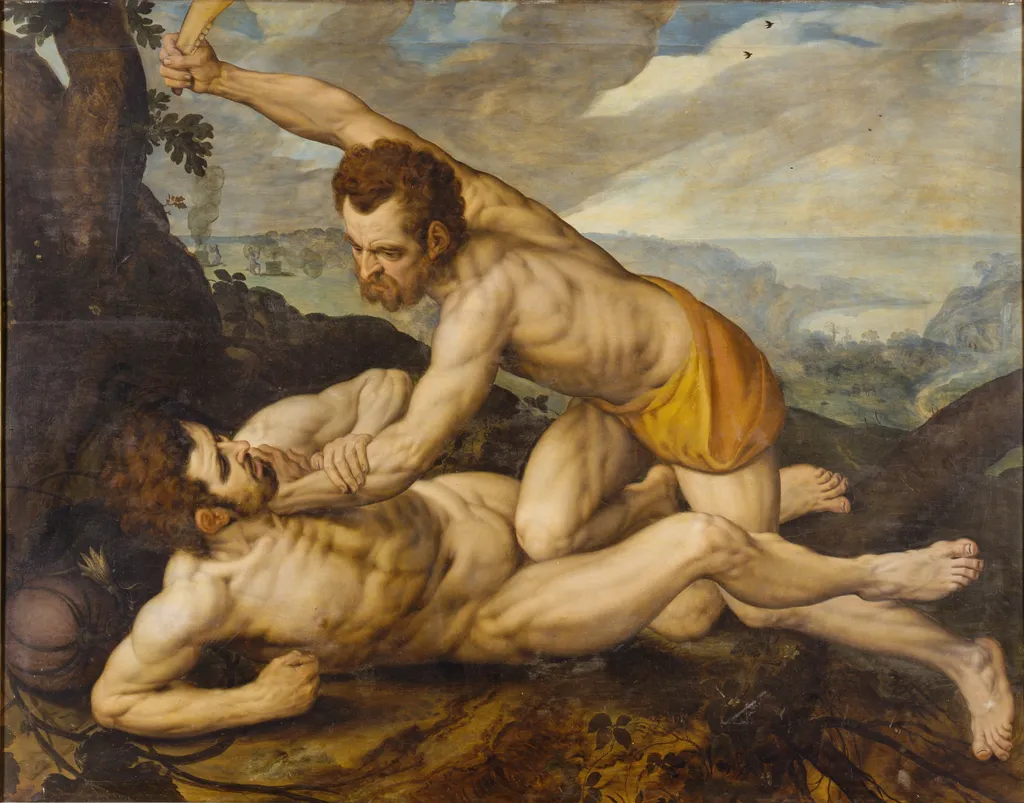
Cain and Abel is an unspecified painting by the Mannerist artist Frans Floris. It dates from 1550 and is held in the collection of the Statens Museum for Kunst.
About this work
Subject & Meaning
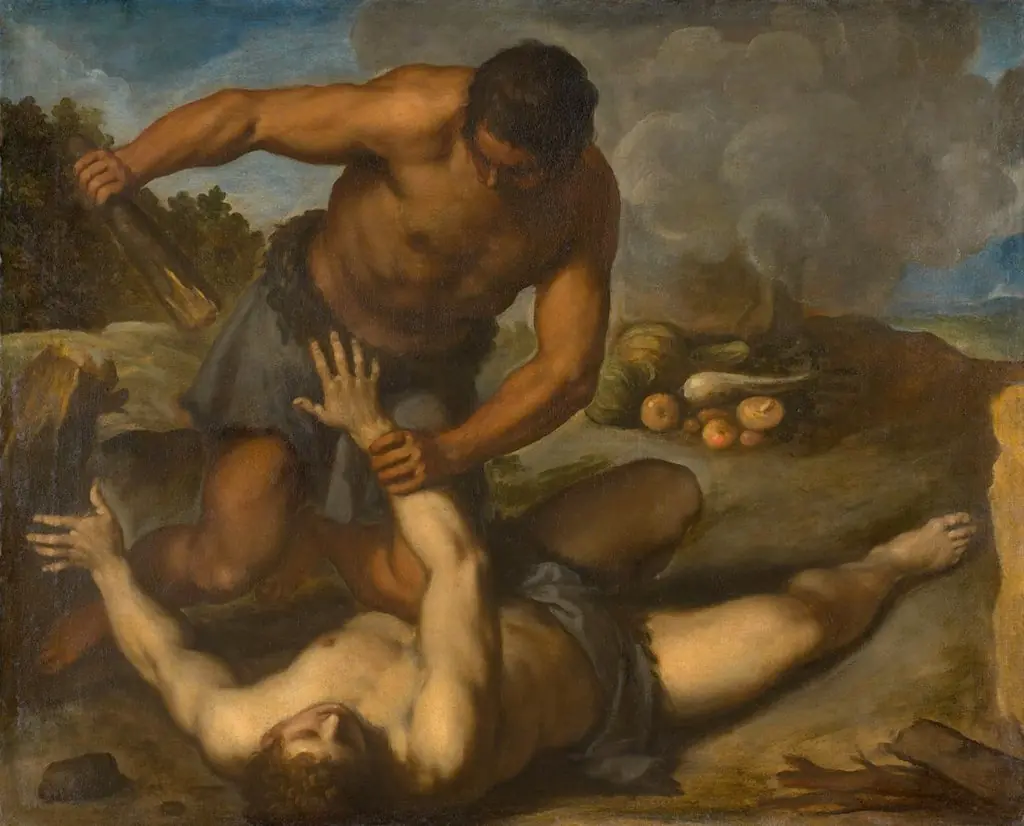
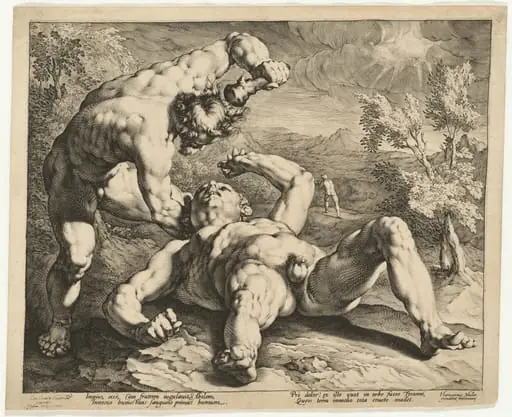
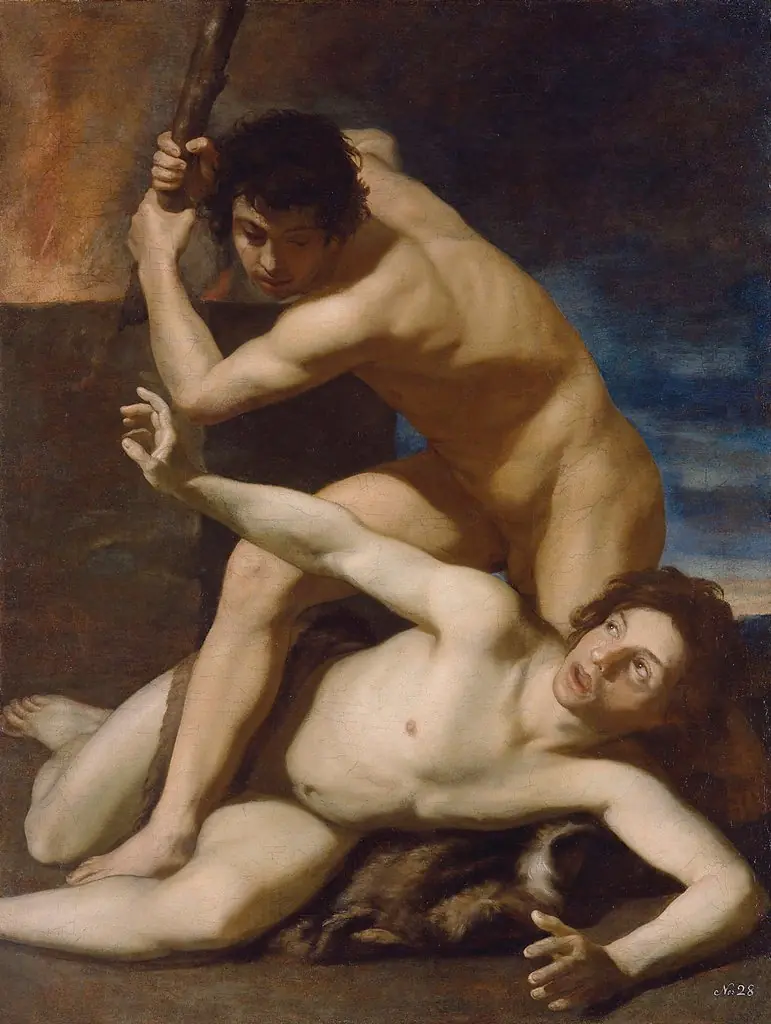
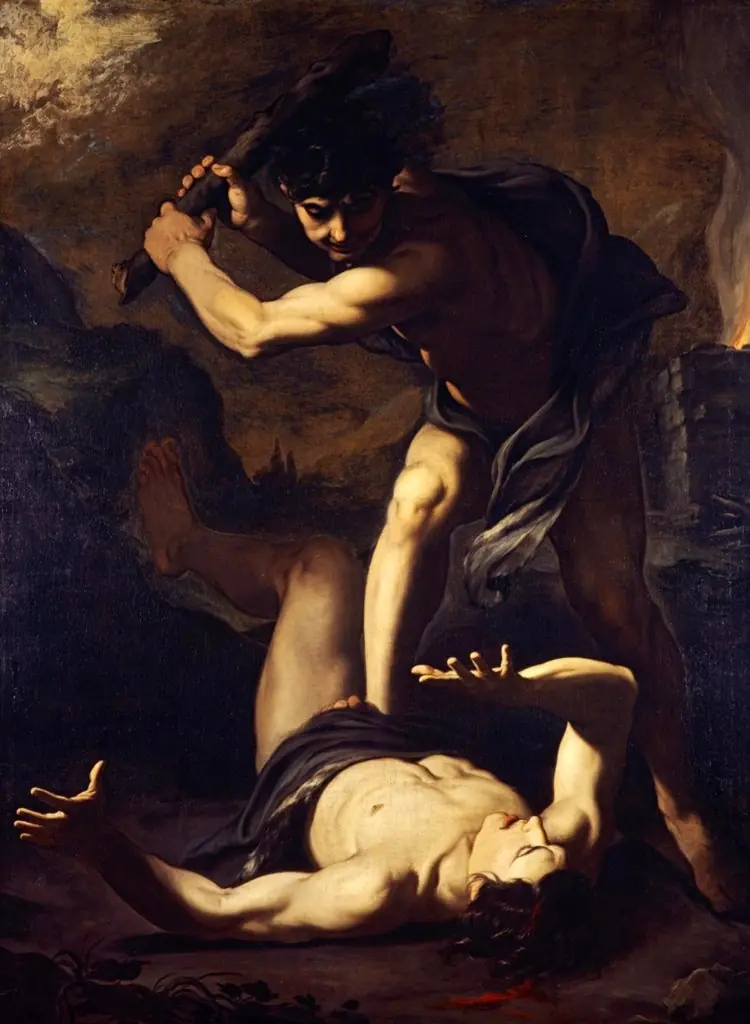
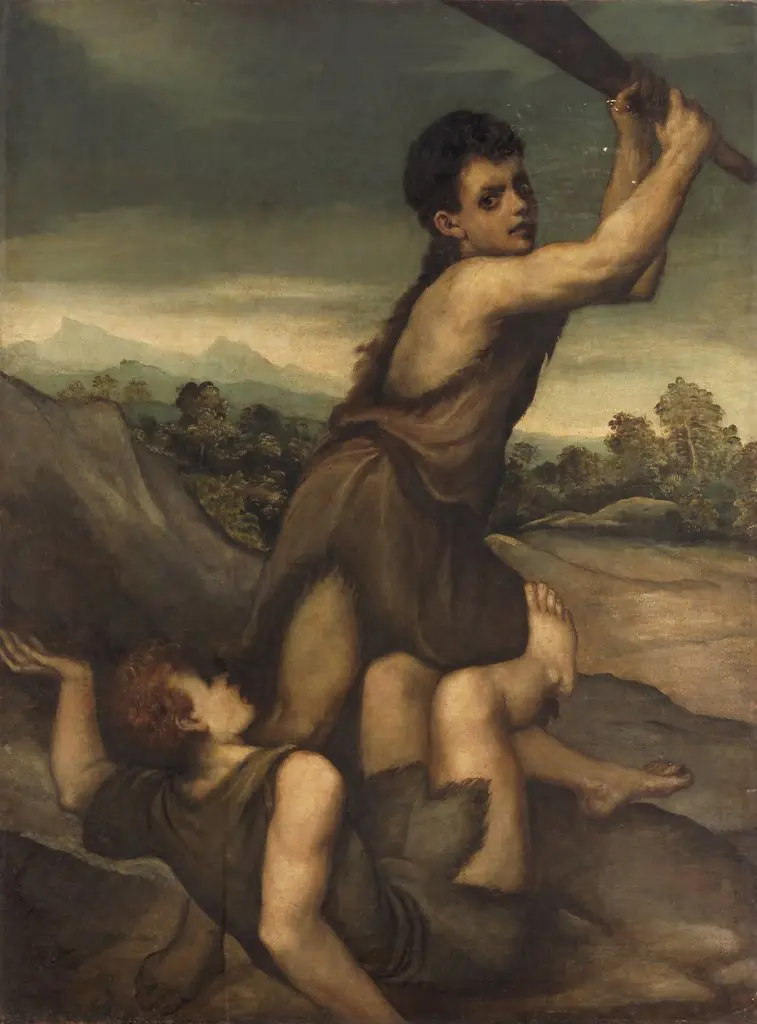
The composition illustrates the dramatic moment between the brothers, serving as a visual interpretation of the scriptural account.
Created by Frans Floris in 1550, this religious painting depicts the biblical narrative of Cain and Abel. As a work of religious art, the subject focuses on the two figures central to the story of the first fratricide. The composition illustrates the dramatic moment between the brothers, serving as a visual interpretation of the scriptural account.
The piece functions as a representation of the conflict and violence inherent in the source text, capturing the identities of Cain and Abel within a specific historical and theological context.
History & Provenance
The painting Cain and Abel was created by the artist Frans Floris in the year 1550. Classified as a religious artwork, it depicts the biblical figures Cain and Abel. The work is currently held in the collection of the Statens Museum for Kunst.
While the specific details regarding its original commission or the precise chain of ownership prior to its arrival at the museum are not detailed in the available records, the piece is firmly dated to the mid-16th century.
Frans Floris's painting Cain and Abel, created in 1550, is held in the collection of the Statens Museum for Kunst in Copenhagen. The work is classified as a religious painting depicting the biblical figures Cain and Abel. No specific inventory or accession number is provided in the available records, nor is there documented exhibition history for this piece within the sources.
Legacy
The painting has been cited as an influential early example of narrative biblical painting that prefigured later developments in Dutch Golden Age art. Art historians note its dynamic composition and emotional intensity as qualities that resonated with subsequent generations of artists exploring religious themes. The work remains on view at the Statens Museum for Kunst, where it contributes to scholarly discussions of 16th-century narrative painting.
Its legacy is underscored by its inclusion in major surveys of religious art and its frequent reference in academic literature on the evolution of biblical subjects in European painting.
Overview
Frans Floris’s oil painting Cain and Abel, executed around 1550, presents a stark biblical confrontation on a barren, rocky terrain. The canvas, now part of the Statens Museum for Kunst collection, captures the moment of violent struggle between the two brothers, rendered with a focus on anatomical detail and dramatic lighting.
Technique & Style
Floris employs a pronounced chiaroscuro, using stark contrasts between illuminated musculature and deep shadows to model the bodies and heighten the tension. The composition relies on strong directional light that sculpts the figures, while a muted landscape with distant trees and a cloud‑filled sky recedes into the background, reinforcing the central drama.
Own this work as a print
Artist & collection
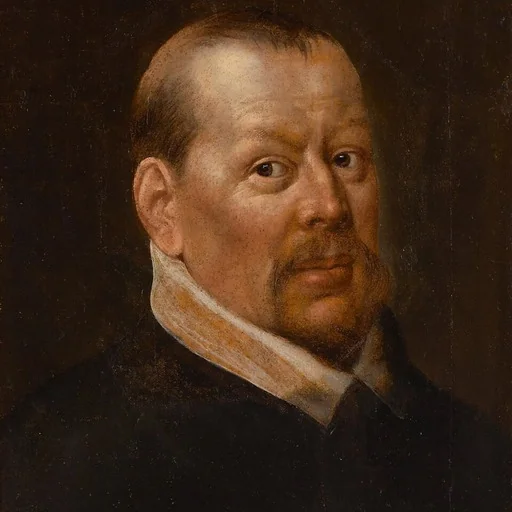
Artist
Frans Floris, Frans Floris the Elder or Frans Floris de Vriendt (17 April 1519 – 1 October 1570) was a Flemish painter, draughtsman, print artist and tapestry designer.