Artwork
Cain Slaying Abel
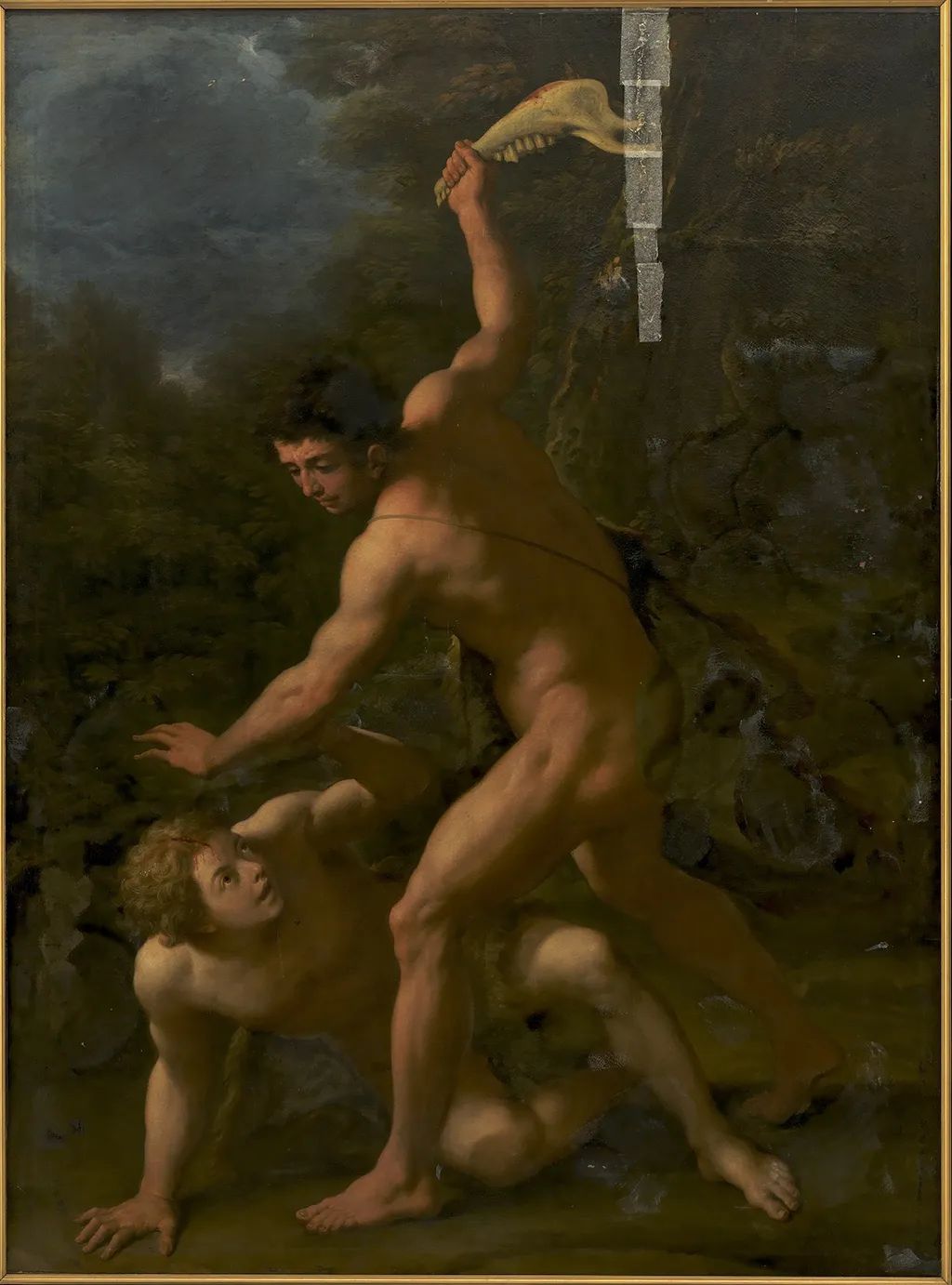
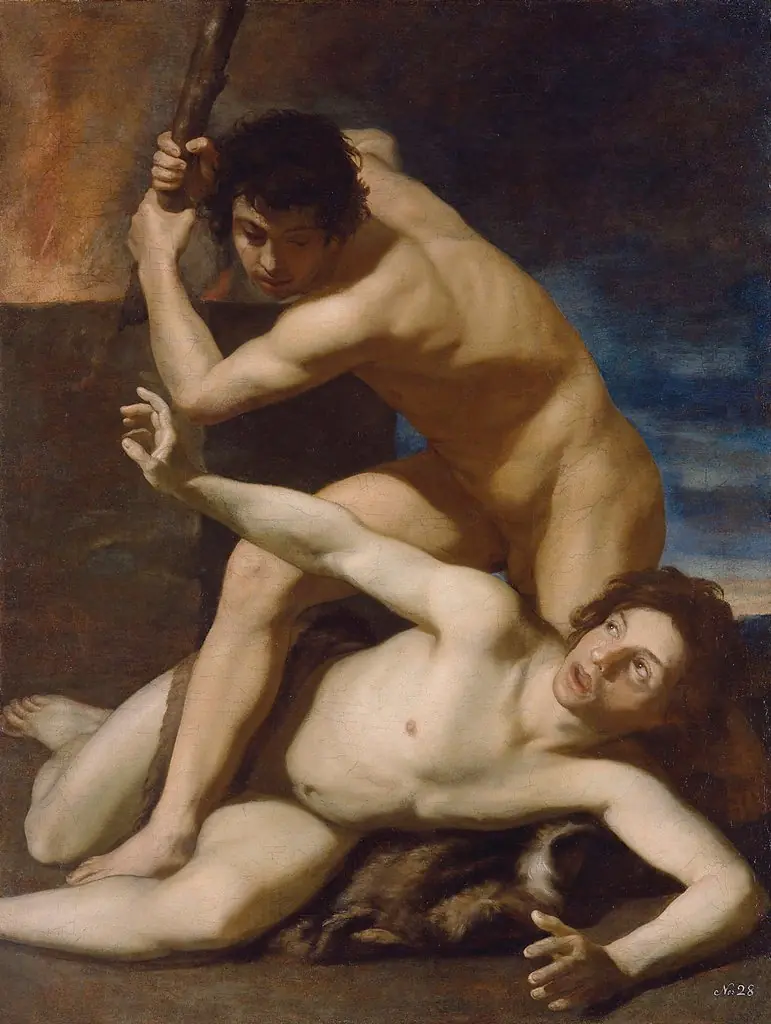
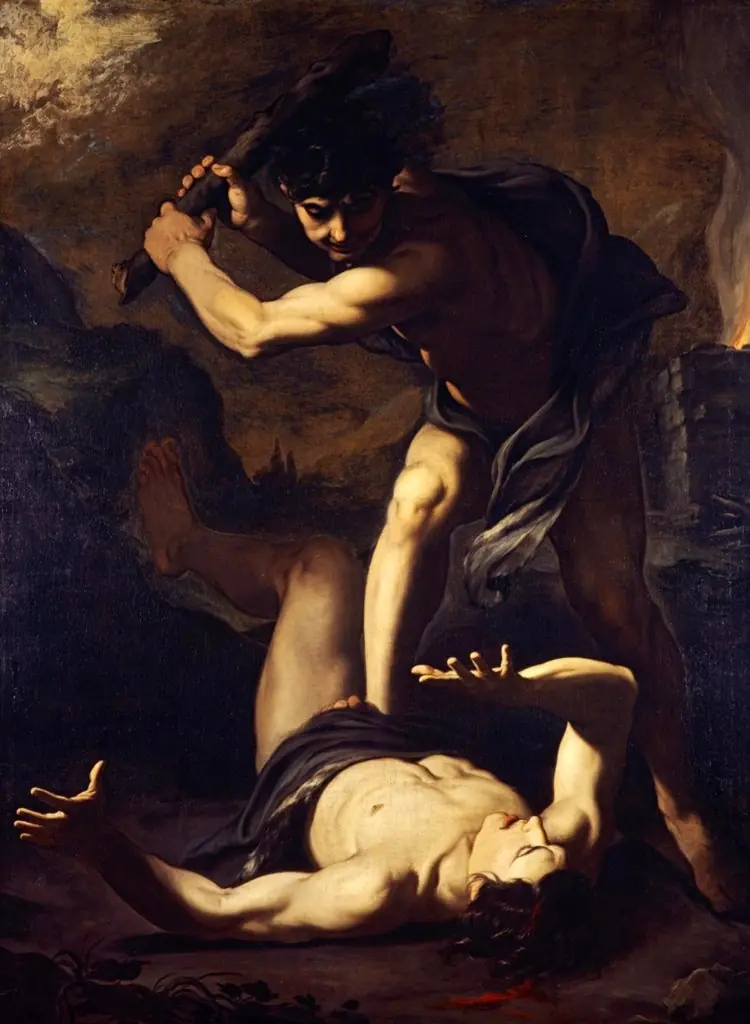
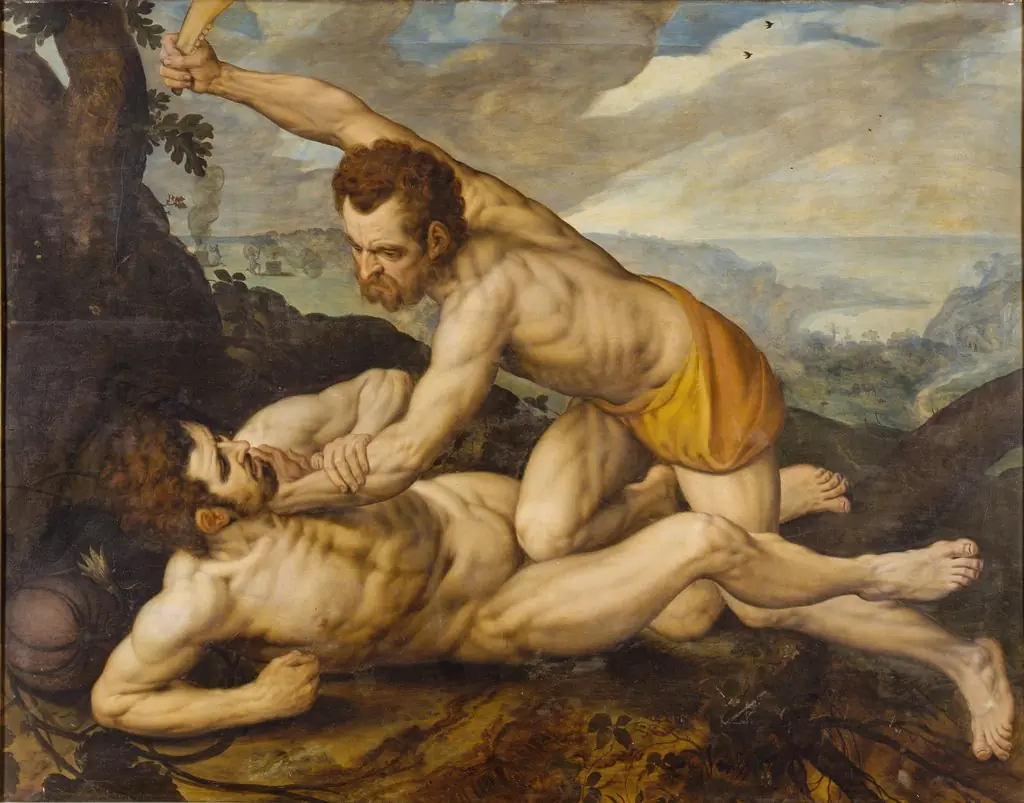
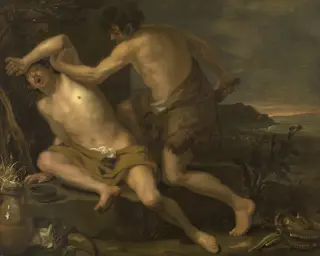
Cain Slaying Abel is an oil painting by the Early Baroque Italian artist Paolo de Matteis. It dates from 1707 and is held in the collection of the Statens Museum for Kunst.
About this work
Subject & Meaning
As a work of religious art, the composition focuses on the two central figures identified in the scene: the aggressor Cain and the victim Abel.
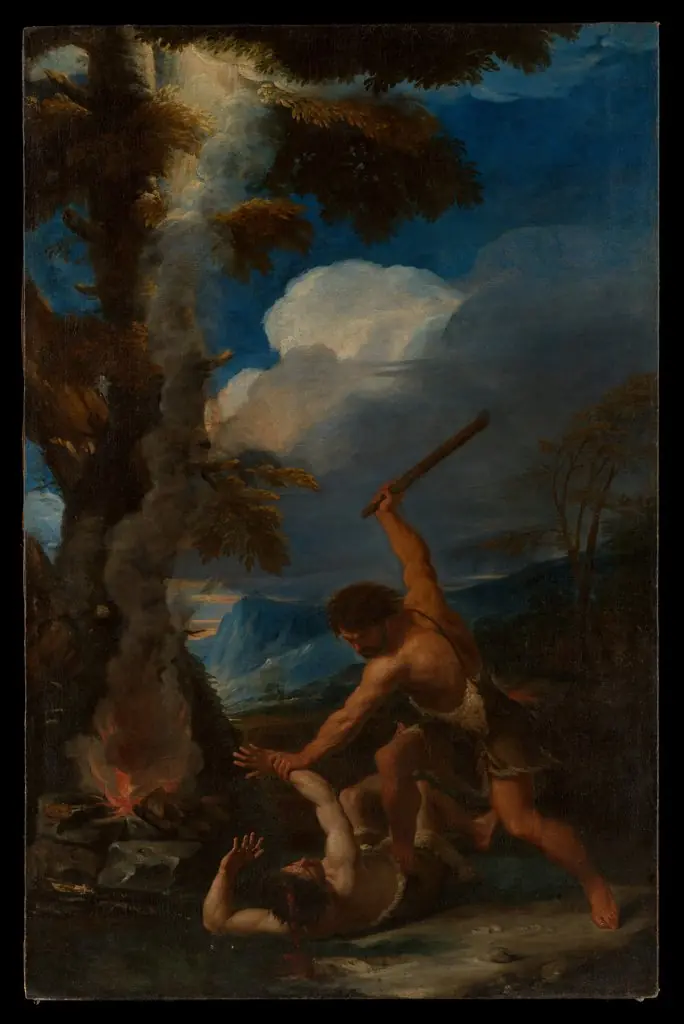
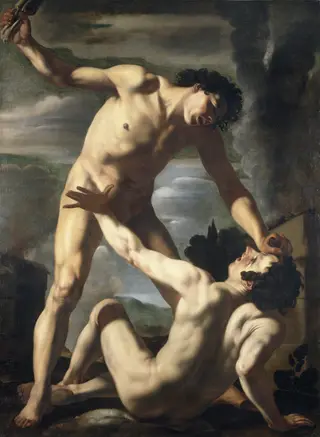
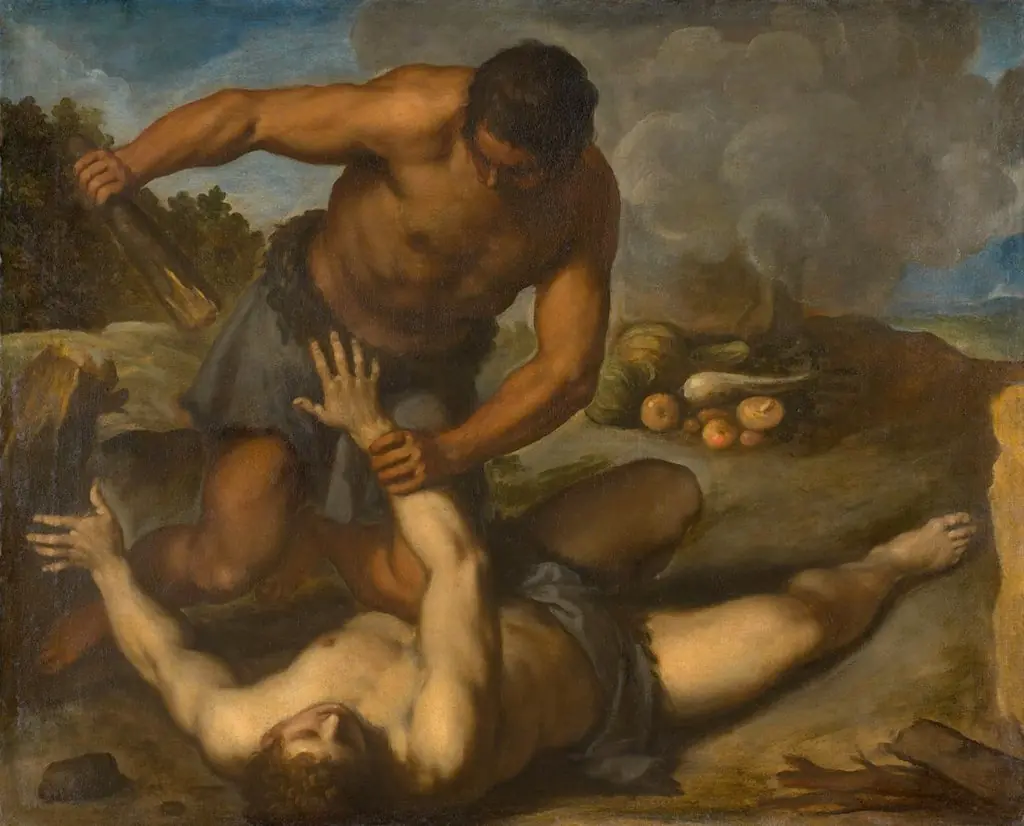
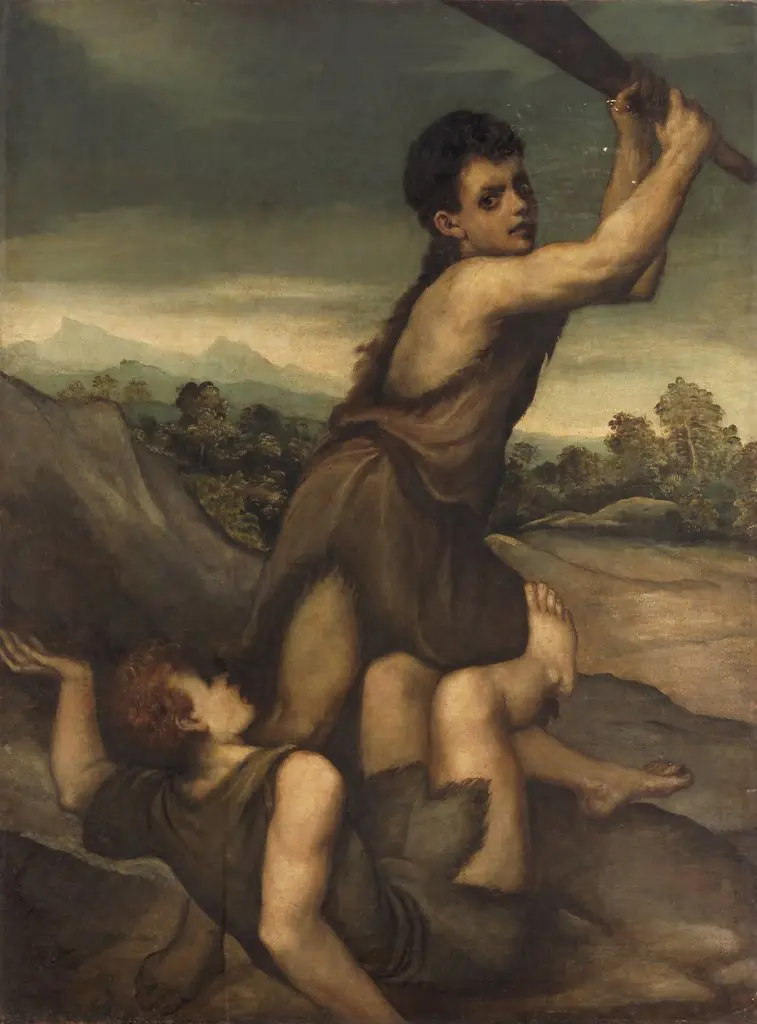
Paolo de Matteis's 1707 oil painting depicts the biblical narrative of Cain slaying his brother Abel. As a work of religious art, the composition focuses on the two central figures identified in the scene: the aggressor Cain and the victim Abel. The imagery illustrates the first act of murder recorded in scripture, serving as a visual representation of fratricide and the consequences of unchecked jealousy.
By capturing this specific moment of violence between the siblings, the work functions as a moral exemplar within the tradition of religious genre painting, emphasizing the gravity of sin through the dramatic interaction of the depicted characters.
Technique & Style
Paolo de Matteis executed Cain Slaying Abel in 1707 using oil paint applied to a canvas support. The work measures 206 cm in height and 153 cm in width, classifying it as a large-scale religious painting. As a Baroque-era creation, the piece depicts the biblical narrative of Cain and Abel, utilizing the medium of oil to render the dramatic scene. The painting is currently held in the collection of the Statens Museum for Kunst.
History & Provenance
Paolo de Matteis executed the oil painting Cain Slaying Abel in 1707. Created on canvas, the work depicts the biblical figures of Cain and Abel within a religious context. The artwork currently resides in the collection of the Statens Museum for Kunst, where it is held as part of their holdings.
No specific details regarding the original commission or the intermediate ownership history between its creation in the early 18th century and its acquisition by the museum are provided in the available records.
Context
Paolo de Matteis painted Cain Slaying Abel in 1707, an oil on canvas work now held by the Statens Museum for Kunst. The dramatic biblical scene shows Cain murdering his brother Abel, reflecting Baroque-era religious narrative painting. Scholarship situates the work within de Matteis' broader output of devotional subjects, emphasizing its dynamic composition and emotional intensity as characteristic of early 18th-century European religious art.
Its presence in a major Danish national collection underscores its historical significance within the museum's European painting holdings.
Legacy
The painting Cain Slaying Abel by Paolo de Matteis, completed in 1707, is housed in the Statens Museum for Kunst, where it remains part of their collection of religious artworks. Its dramatic biblical subject and compositional intensity have contributed to its recognition within discussions of 18th-century European religious painting. The work is frequently cited in scholarly analyses of Matteis' artistic output and influence on later interpretations of the Cain and Abel narrative in visual art.
The painting is documented as part of the museum's holdings and has been referenced in academic literature concerning religious themes in oil paintings from this period. Its technical execution in oil on canvas, measuring 206 cm by 153 cm, reflects the stylistic conventions of the era and continues to inform studies of narrative violence in sacred art.
Scholars reference its enduring presence in museum collections and its role in shaping visual discourse around biblical violence and divine retribution.
Overview
Paolo de Matteis’s oil on canvas, dated 1707, portrays the biblical episode of Cain murdering Abel. The work is part of the collection of Denmark’s Statens Museum for Kunst. It presents two unclothed male figures in a stark, rocky interior, rendered in a palette of muted greens and earth tones, with selective illumination highlighting the skin and faces.
Own this work as a print
Artist & collection