Artwork
Cain and Abel
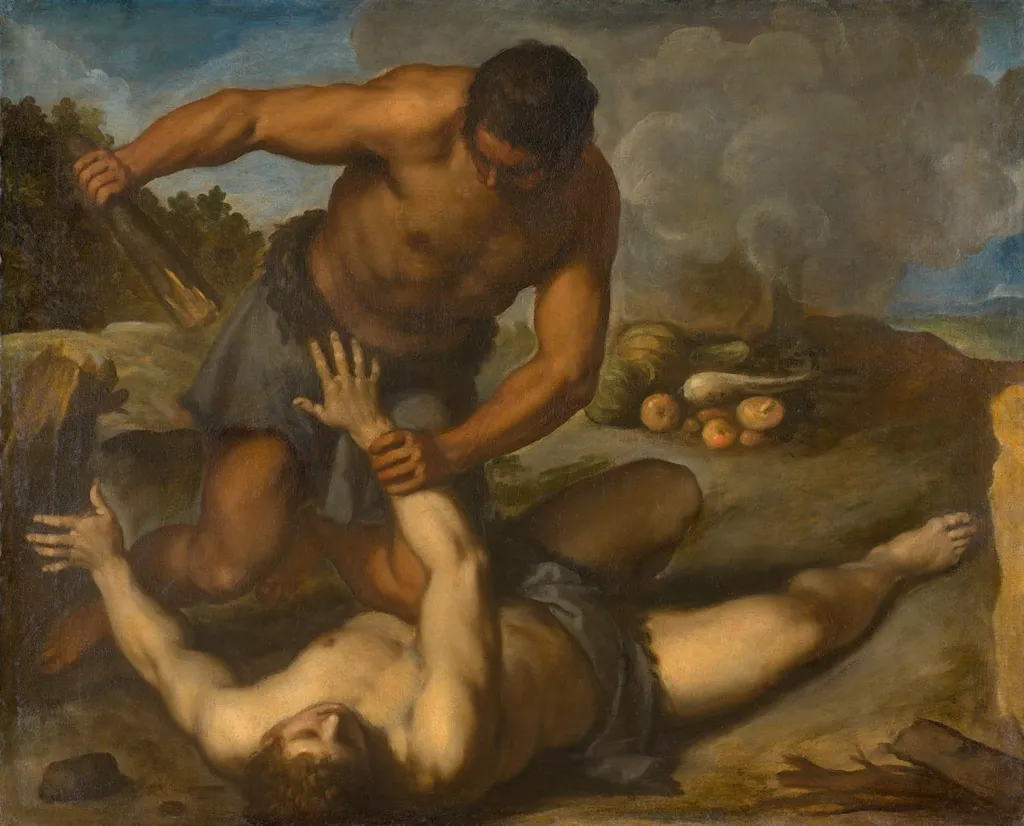
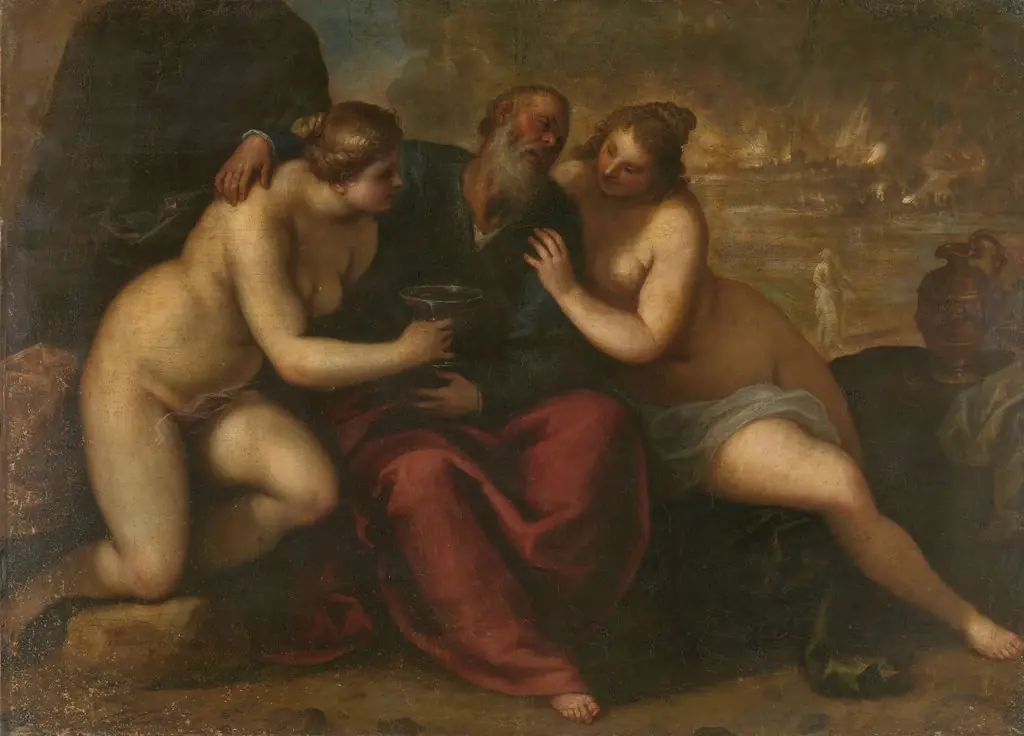
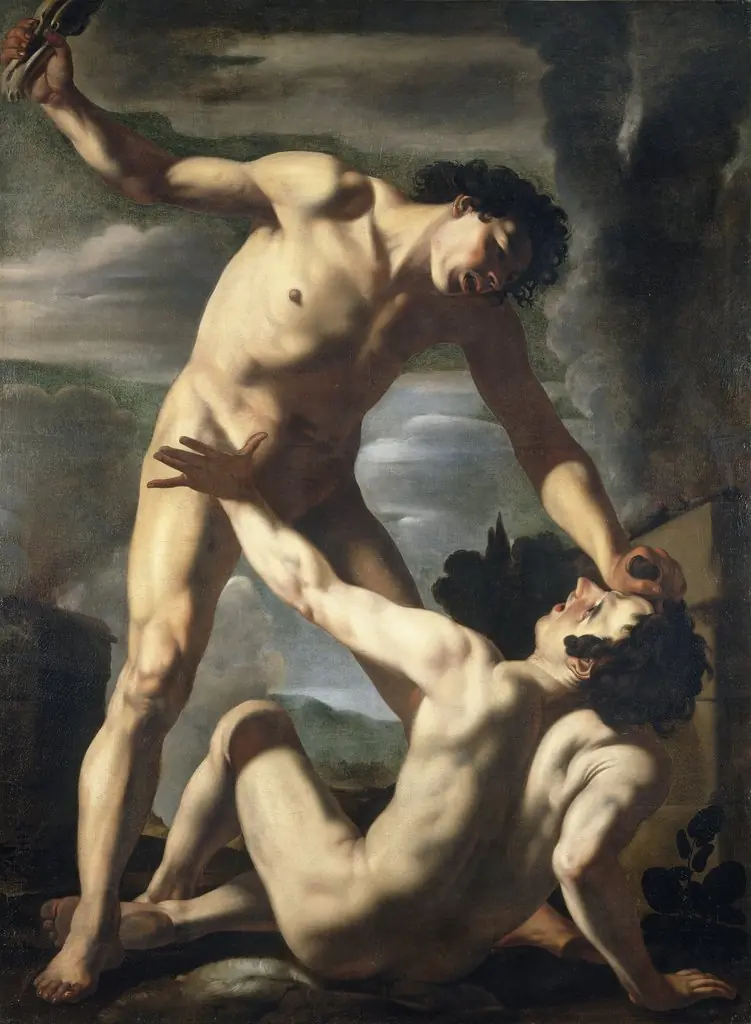
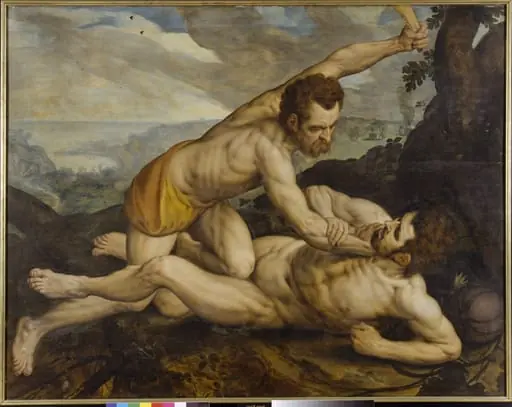
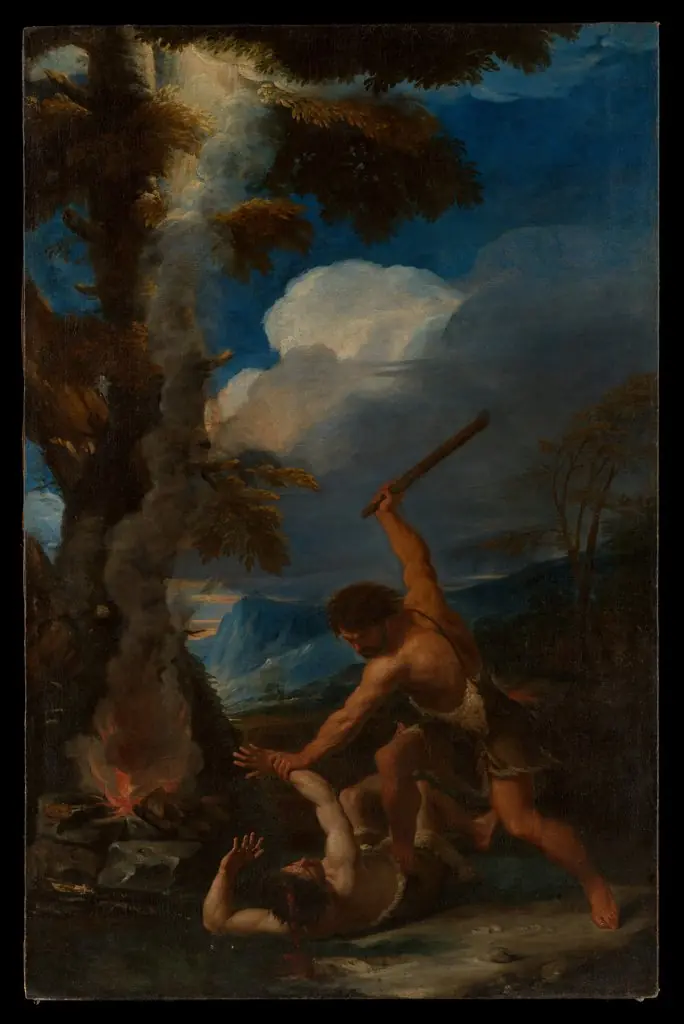
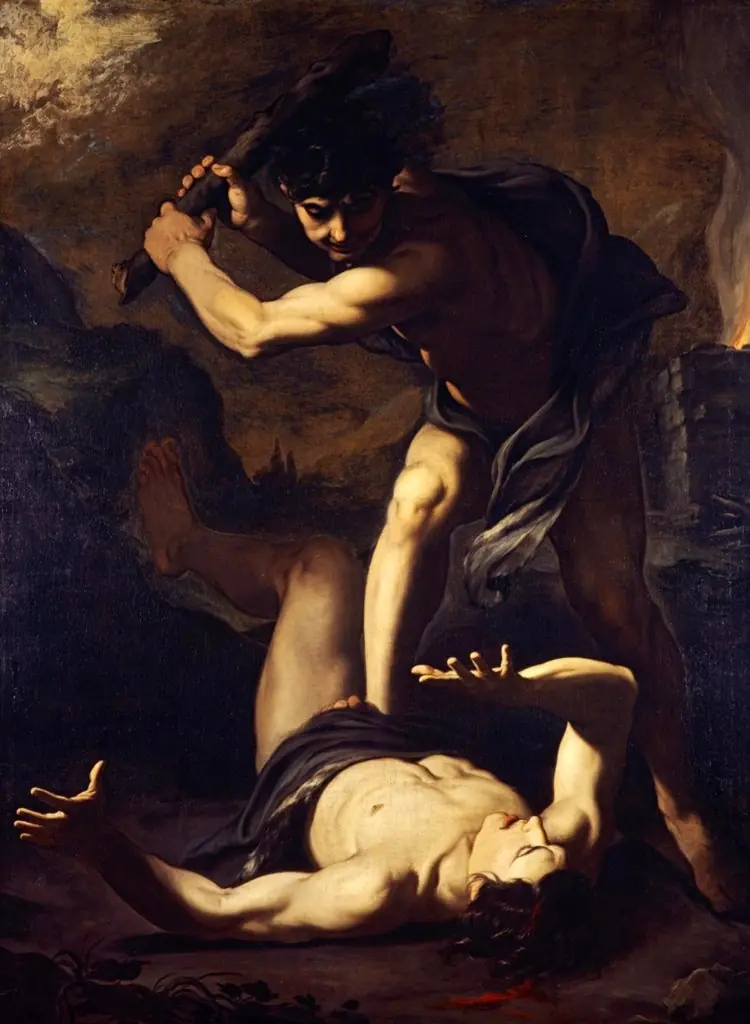
Cain and Abel is an oil painting by the Early Baroque Italian artist Palma il Giovane. It dates from 1603 and is held in the collection of the Kunsthistorisches Museum.
About this work
Technique & Style
Executed in oil paint on canvas in 1603, the work measures 98 cm in height and 123 cm in width.
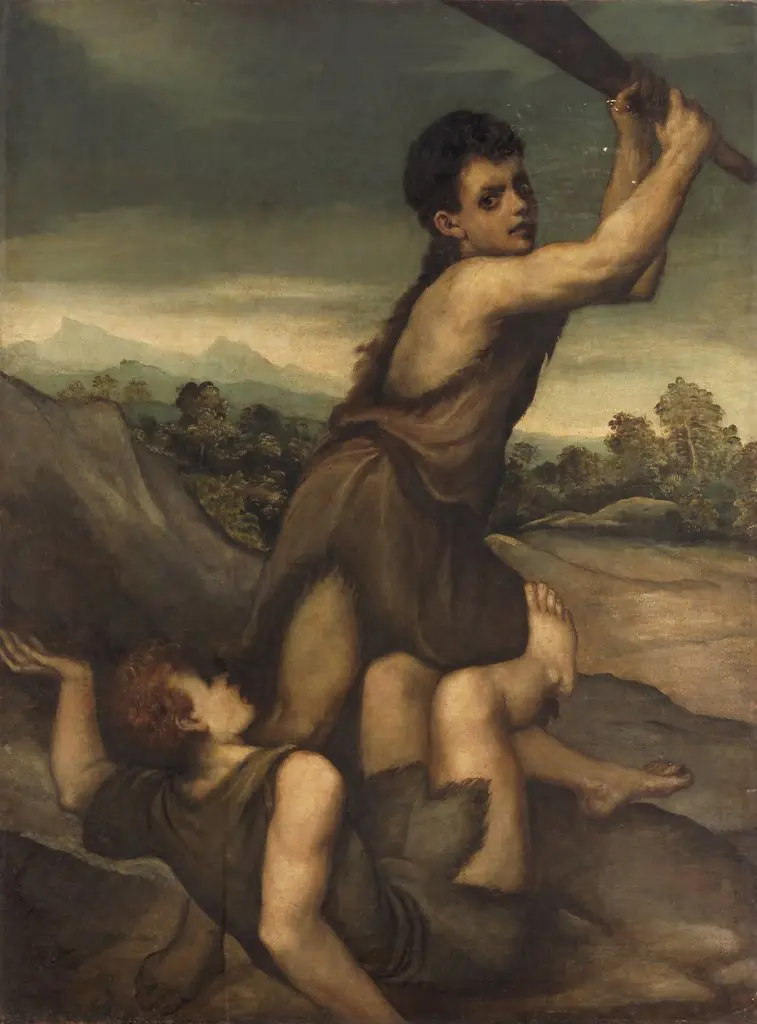
Executed in oil paint on canvas in 1603, the work measures 98 cm in height and 123 cm in width. Palma il Giovane’s handling aligns with Venetian late Renaissance practice, using a layered, luminous oil technique to articulate anatomy and drapery through modulated glazes and delicate highlights. The composition organizes the brothers’ tense encounter along a shallow, stage-like space, with Cain’s aggressive gesture and Abel’s supplicant posture rendered in taut, expressive contours.
Warm tonalities and restrained chiaroscuro heighten the dramatic confrontation, while the subdued palette and careful modeling emphasize volumetric form within a controlled, planar arrangement.
History & Provenance
Cain and Abel was painted by Palma il Giovane in 1603, as indicated by the work’s inception date and its classification as an oil-on-canvas religious painting. The painting’s provenance begins with the Venetian collector Bartolomeo della Nave, after whom it entered the collection of Archduke Leopold Wilhelm of Austria. Following the archduke’s death, the canvas became part of the imperial holdings that now constitute the Kunsthistorisches Museum in Vienna, where it remains today. No specific commission is recorded in the available sources.
The painting Cain and Abel by Palma il Giovane is housed in the Kunsthistorisches Museum, where it is recorded under the inventory number 2001/99. It entered the museum's collection through a series of ownership transfers, including the earlier holdings of Bartolomeo della Nave and Archduke Leopold Wilhelm of Austria. The work has been featured in several exhibitions at the Kunsthistorisches Museum, most recently in the 2015 exhibition "Religion and Power in Early Modern Art," highlighting its significance within the museum's religious art holdings.
Overview
Cain and Abel is a 1603 oil painting by Palma il Giovane, a Venetian artist associated with the early Baroque movement. The work depicts a pivotal biblical scene.
Subject & Meaning
The painting illustrates the conflict between the biblical figures Cain and Abel, capturing a moment of intense physical struggle on rocky terrain. A nearby club and scattered objects (possibly fruit or stones) contextualize the narrative.
Artist & collection
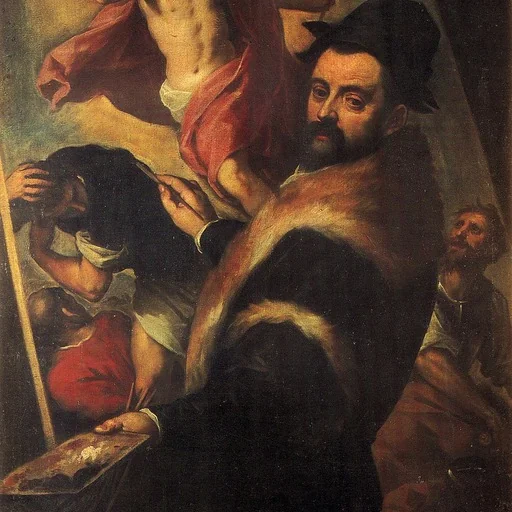
Artist
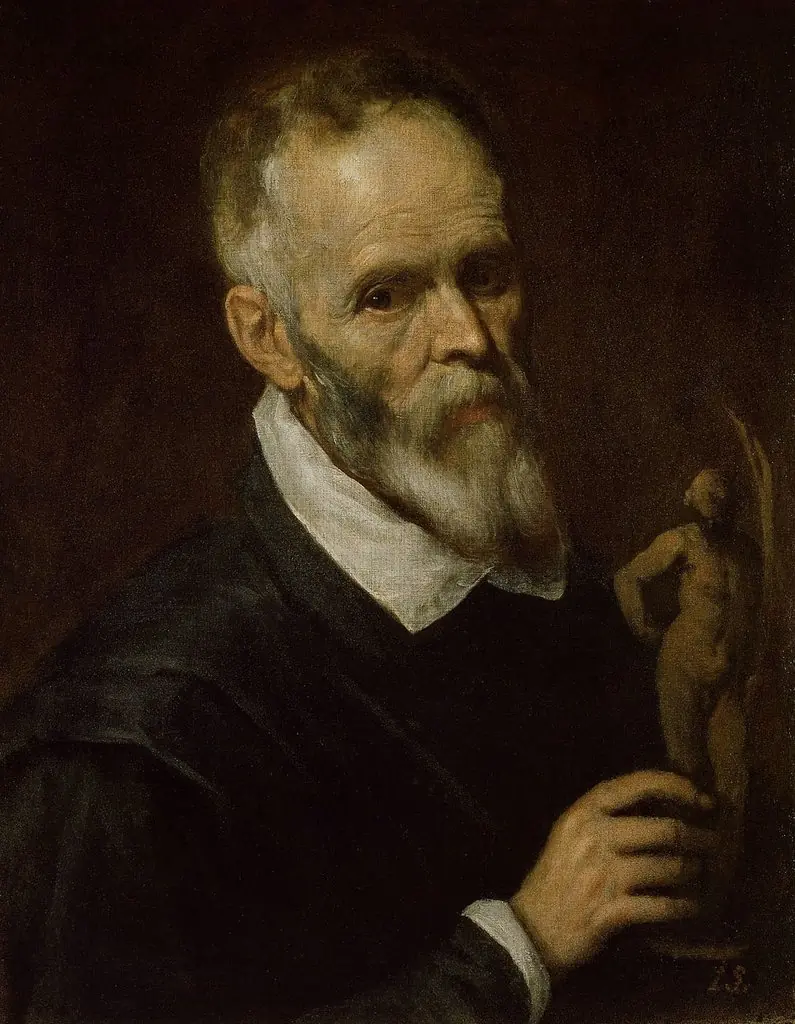
Iacopo Negretti (1548/50 – 14 October 1628), best known as Jacopo or Giacomo Palma il Giovane or simply Palma Giovane ('Young Palma'), was an Italian painter from Venice and a notable exponent of the Venetian school.