Artwork
Mrs. Williams
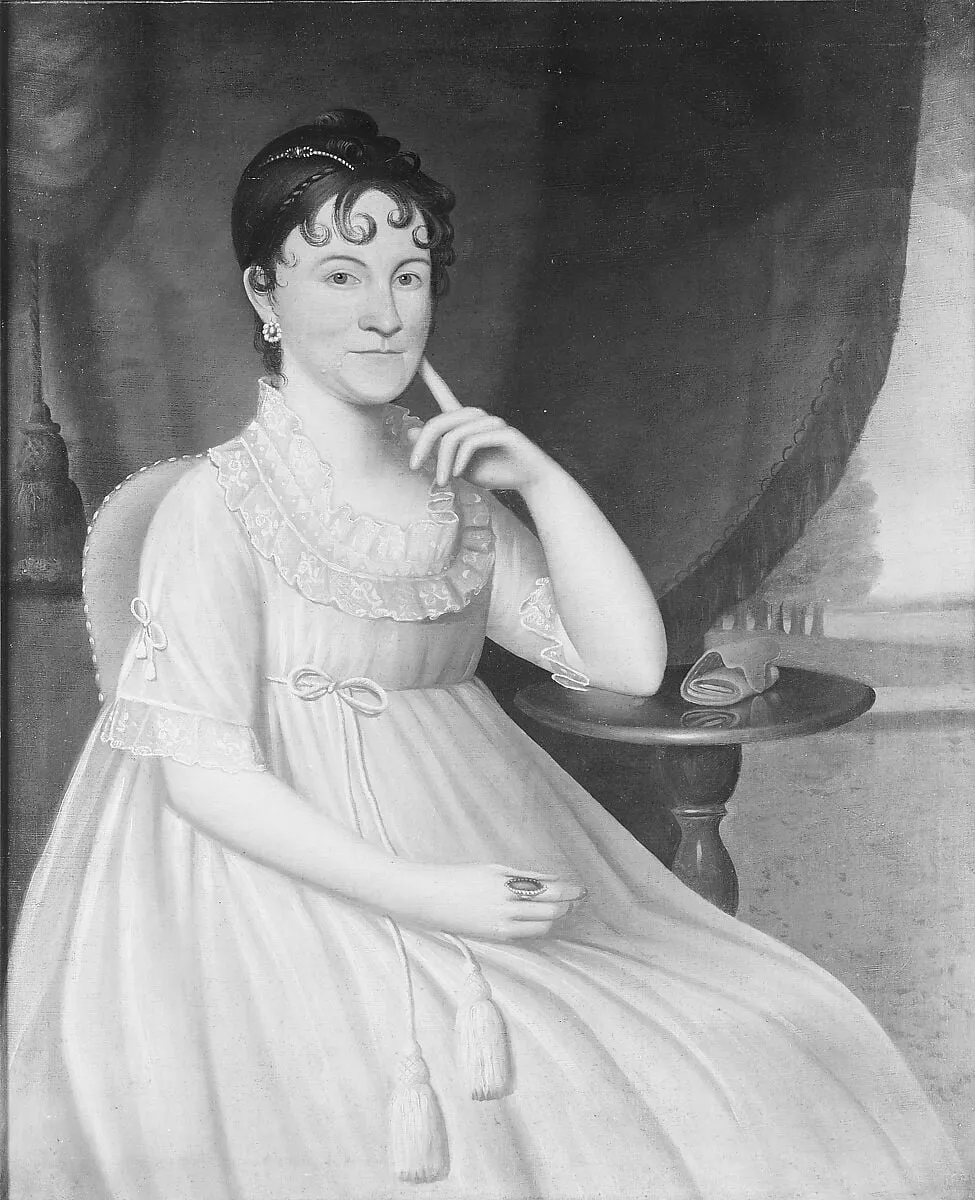
Mrs. Williams is an oil painting by the American Folk Art artist Ralph Eleaser Whiteside Earl. It dates from 1837 and is held in the collection of the Metropolitan Museum of Art. Ralph E.
- Accession no.
- 66.242.20
- Credit line
- Gift of Edgar William and Bernice Chrysler Garbisch, 1966
About this work
Subject & Meaning
Both the internal record and the Metropolitan Museum of Art's catalogue classify the work as a portrait of a woman.
The painting Mrs. Williams, executed by Ralph E. W. Earl in 1837, is an oil on canvas portrait depicting a single female sitter. Both the internal record and the Metropolitan Museum of Art's catalogue classify the work as a portrait of a woman. As a portrait, the image functions to document the sitter's appearance and to convey her status within her social context, serving as a visual record of her identity and her family's standing.
Technique & Style
The work is executed in oil on canvas, a standard support for nineteenth-century American portraiture. The handling reflects the conventional portrait practice of the period in its modeling of the sitter's face and clothing. Beyond the medium and support, the available records do not document specific details of the painting's technique or condition.
History & Provenance
Mrs. Williams is an oil-on-canvas portrait painted by Ralph E. W. Earl in 1837. It is held in the collection of the Metropolitan Museum of Art in New York, where it is classified within The American Wing. Beyond its presence in the museum and its creation date, the available sources do not record the original commission, intermediate ownership, a specific accession number, or any exhibition history for the work.
Legacy
Mrs. Williams, painted by Ralph E. W. Earl in 1837, is housed in the Metropolitan Museum of Art’s American Wing, where its inclusion signals the museum’s recognition of the work as a representative example of early American portraiture. The painting’s provenance, documented in both the museum’s catalog and Wikidata, has made it a reference point for scholars studying gender representation and regional artistic practice in the antebellum United States. Its display alongside other portraiture of the period contributes to ongoing reassessments of 19th‑century American portraiture, reinforcing the legacy of both the subject and the artist within the canon of early American art.
Overview
Ralph E. W. Earl's Mrs. Williams, painted in 1837, is an oil-on-canvas portrait. This work exemplifies American folk art from the early 19th century, characterized by its direct and personal approach to representation. Earl, often associated with President Andrew Jackson's circle, frequently depicted individuals from his social and political sphere.
The painting captures a woman in a dark dress, seated in a red chair, with her hands folded.
Context
Ralph E. W. Earl was known for his close association with President Andrew Jackson, often referred to as his "court painter." Throughout his career, Earl produced numerous portraits of individuals within Jackson's extensive network, including family members, political associates, and acquaintances. Mrs. Williams, as the wife of a Tennessee judge, represents one such figure, placing the portrait within the broader social and political landscape of early 19th-century America.
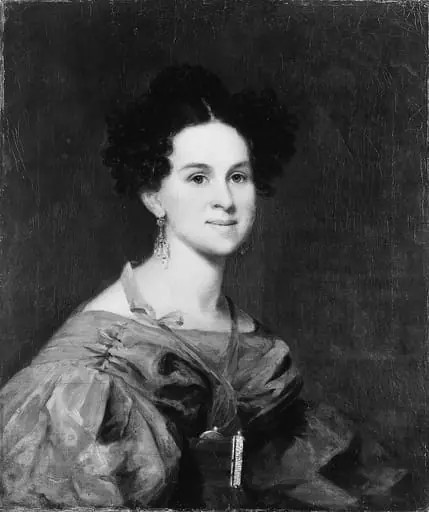
Artist & collection
Artist
Ralph Eleaser Whiteside Earl (born 1785–1788; died September 16, 1838), was an American painter known as the "court painter" to President Andrew Jackson. He also painted the portrait of Rachel Jackson.

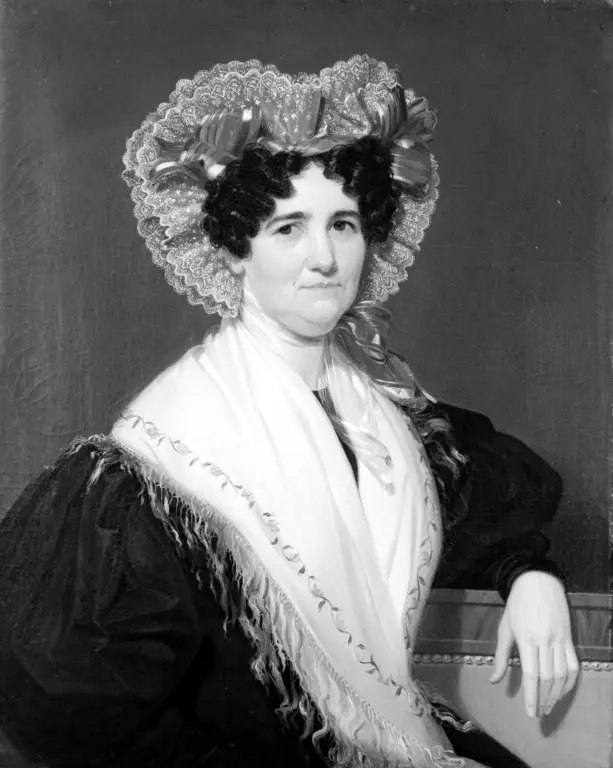 Mrs. Geromus Johnson
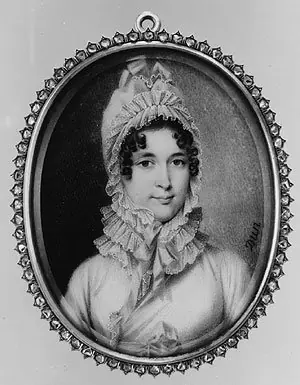 Portrait of a Woman, Said to Be Madame Récamier (1777–1849)
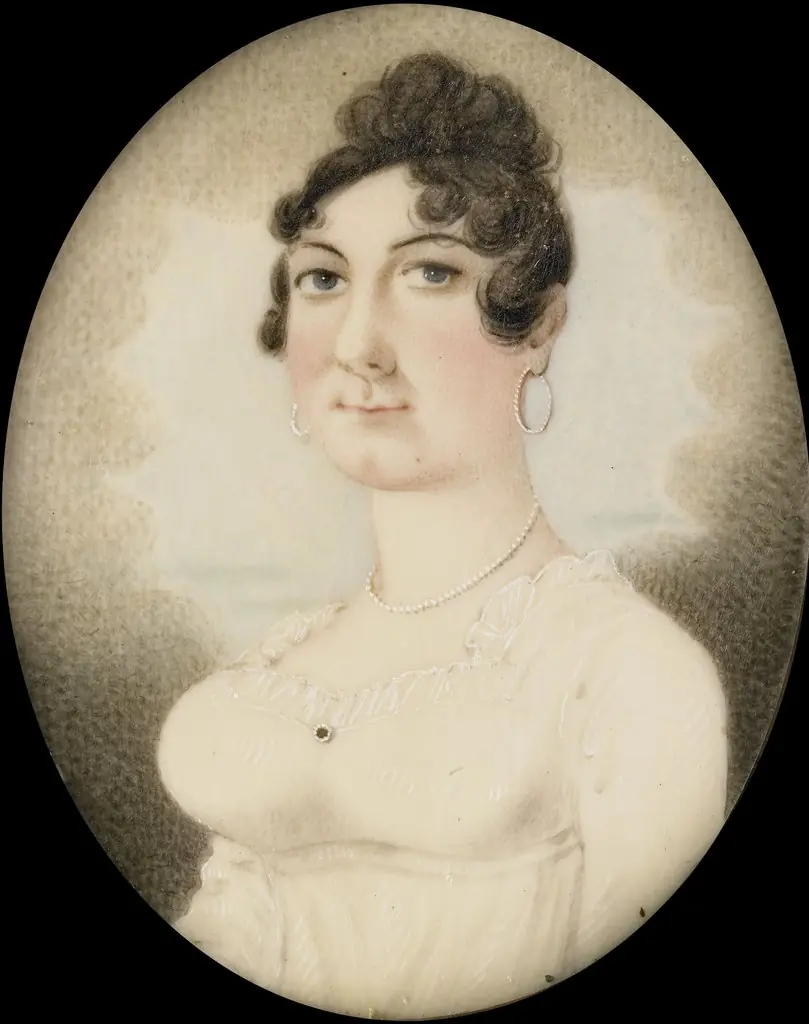 Portret van een vrouw
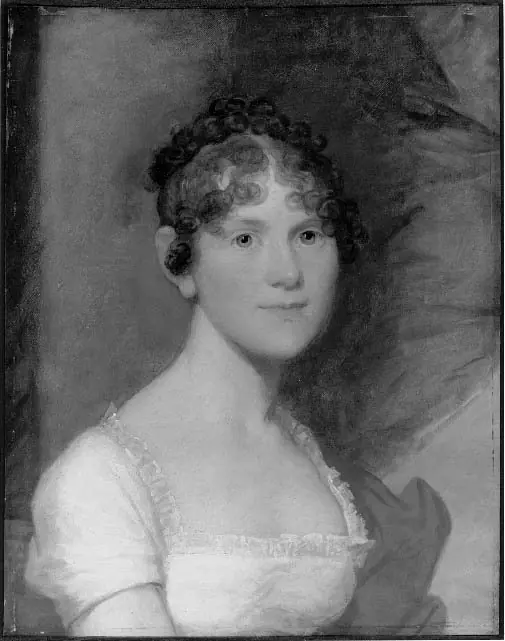 Maria Bartlett (Mrs. Joseph Hall, Jr.)
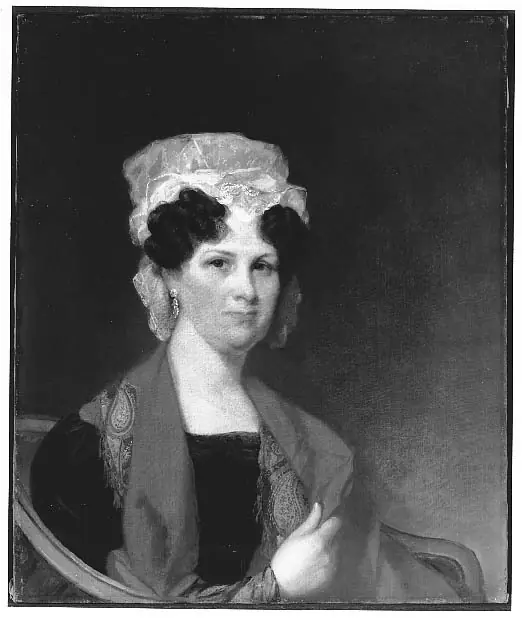 Mrs. Robert Waterston (Hephzibah Lord)
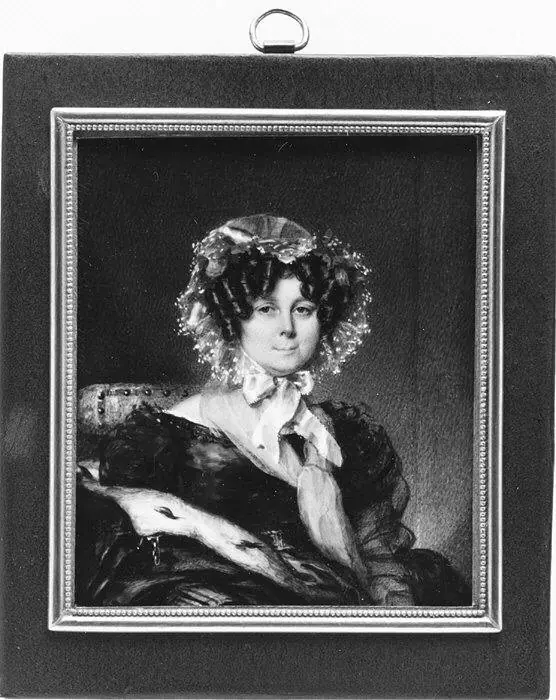 Portrait of a Woman
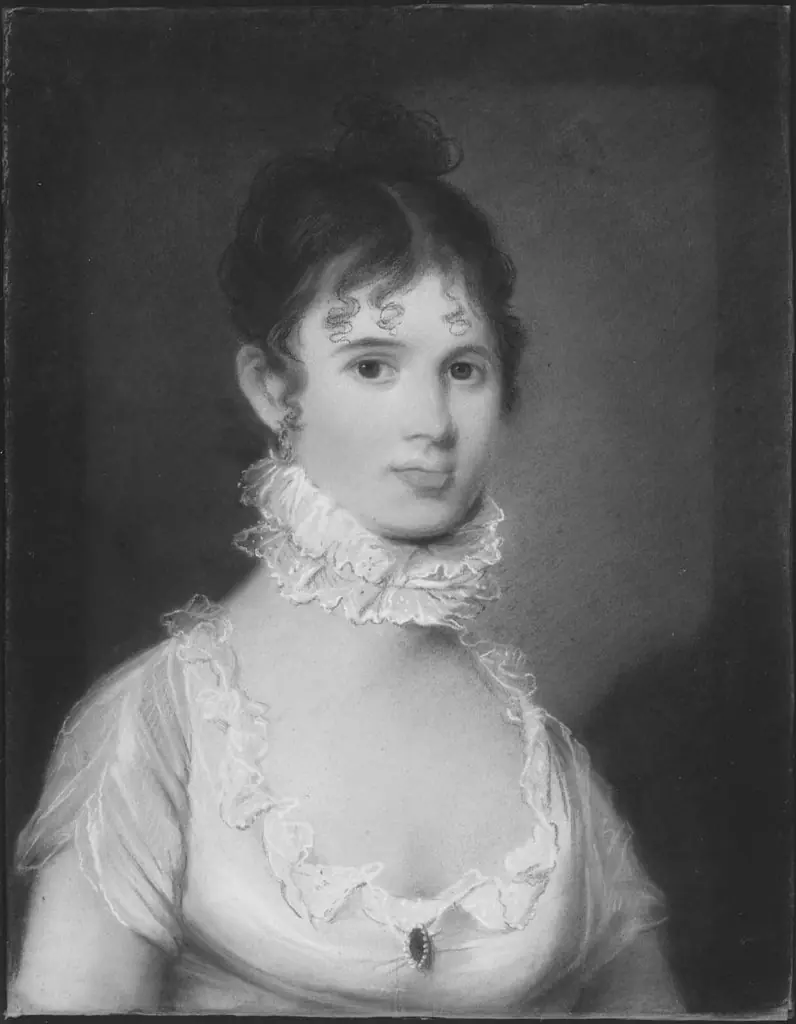 Sally Bass (Mrs. Enoch Bartlett)
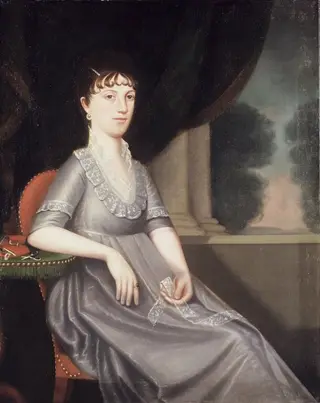 Mrs. Ebenezer Porter (Lucy "Patty" Pierce Merwin)
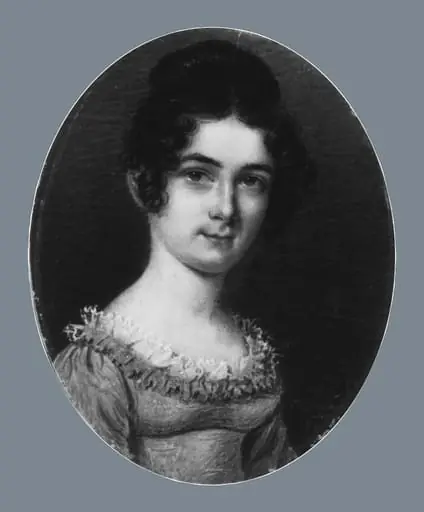 Mrs. Thomas Larcombe (Anna Smith)
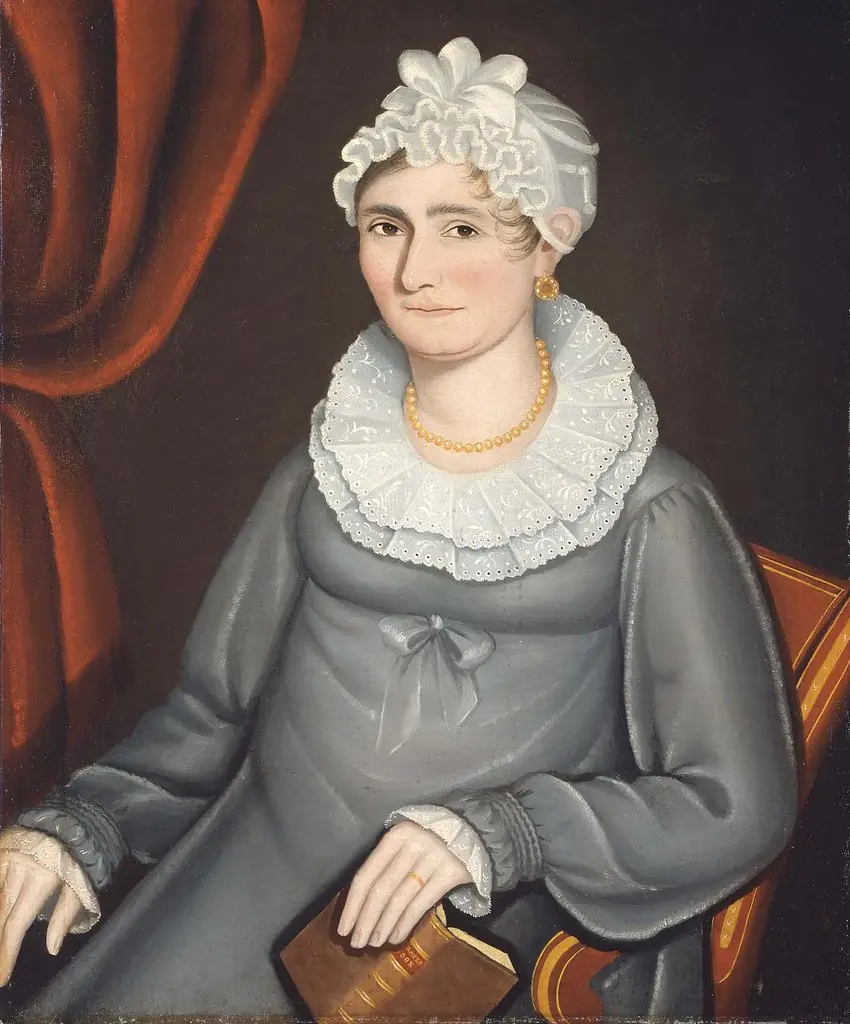 Jane Daney Smith