Artwork
Marinus Willett
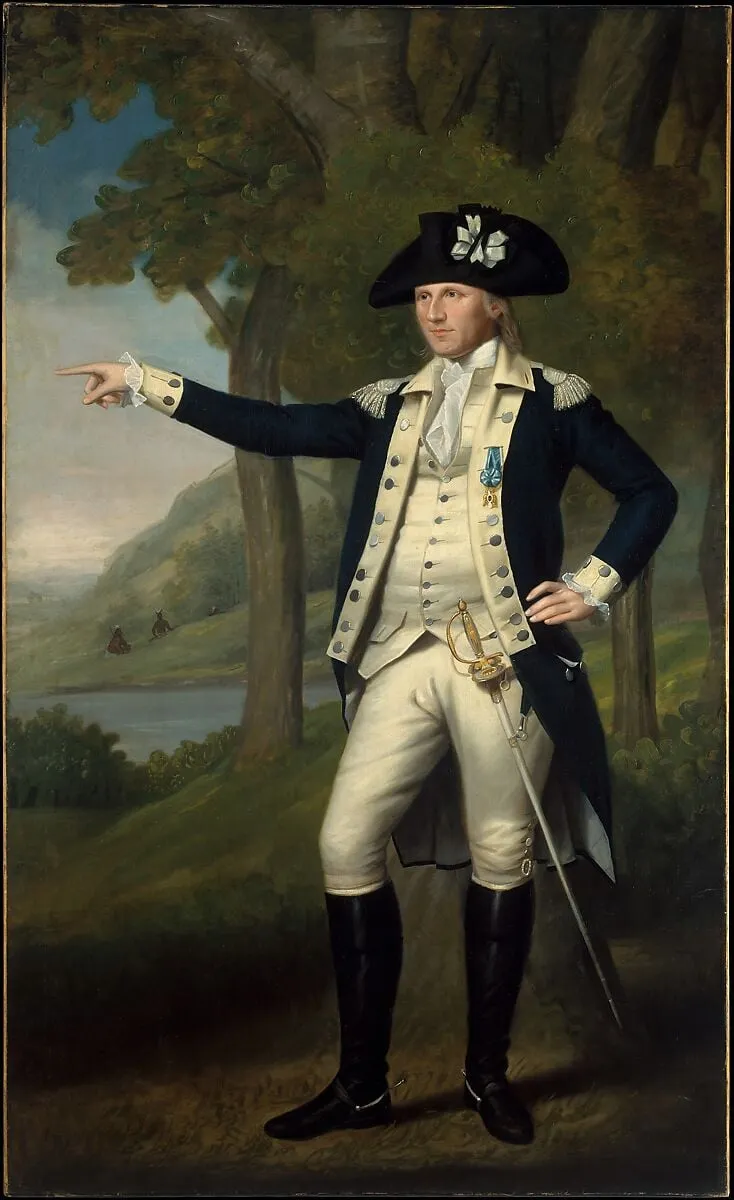
Marinus Willett is an oil painting by the Neoclassicist artist Ralph Earl. It dates from 1791 and is held in the collection of the Metropolitan Museum of Art.
About this work
Subject & Meaning
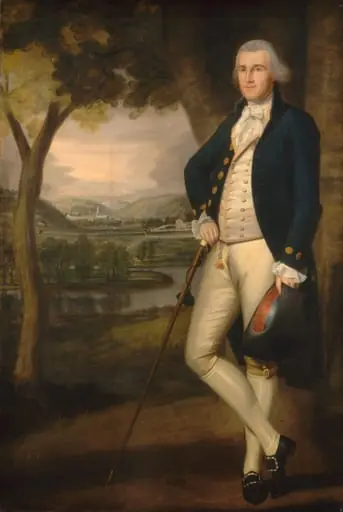
The composition features Willett standing beside a tree, armed with a sword, which visually establishes his military identity and status.
Painted by Ralph Earl in 1791, this oil on canvas work is a portrait depicting Marinus Willett as a soldier. The composition features Willett standing beside a tree, armed with a sword, which visually establishes his military identity and status. As the main subject, Willett is represented through these specific attributes, the uniform of a soldier and the weapon of war, to symbolize his role as a man of action and service.
The inclusion of the tree alongside the figure serves as a contextual element within the portrait genre, grounding the sitter in a naturalistic setting while highlighting his martial readiness. The work functions primarily as a commemorative representation of Willett's life as a soldier.
Technique & Style
Marinus Willett is executed in oil on canvas, a standard support for portraiture in the early American republic. The work employs a smooth, blended brushwork typical of Ralph Earl’s neoclassical style, with careful modeling of light and shadow to model the sitter’s facial features and the folds of his coat. The canvas is stretched and primed before application of oil paint, allowing fine detail in the rendering of the sword, the sitter’s uniform, and the background tree.
The composition presents Willett in a three‑quarter pose, holding a sword, with a tree behind him, reflecting the sitter’s military identity. The painting’s condition is not documented in the available records.
Context
The 1791 portrait of Marinus Willett by Ralph Earl occupies a distinctive position in early American portraiture, reflecting both the neoclassical aesthetic and the Revolutionary-era elite's desire for genteel representation. Its formal composition, featuring a sword and tree, signals the sitter's military service while the restrained palette aligns with contemporary portrait conventions in the young republic. Scholars have noted the work's significance within Earl's oeuvre, linking it to his broader exploration of civic virtue and republican identity.
As a highlighted piece in The American Wing, the painting is frequently cited in studies of Federal-period portraiture and the visual culture of early American nationalism.
Legacy
The 1791 portrait of Marinus Willett by Ralph Earl, held in the Metropolitan Museum of Art and listed among The American Wing’s holdings, is frequently cited as a key example of early American portraiture. Its presence in a major museum has helped sustain Willett’s historical reputation as a Revolutionary War figure, while the work’s scholarly attention underscores its lasting impact on the perception of 18th‑century American portraiture.
Overview
This oil on canvas painting depicts Marinus Willett, a notable figure, rendered in a full-length portrait. The subject stands formally, dressed in historical clothing and holding a sword, suggesting a military background. Positioned before a backdrop of trees, the artwork captures a specific individual, making it a significant example of portraiture from its era. The work is housed within the American Wing, contextualizing it within the broader narrative of American art.
Artist & collection
Artist
Ralph Earl (May 11, 1751 – August 16, 1801) was an American artist known for his landscape paintings and numerous portraits.



- George Washington
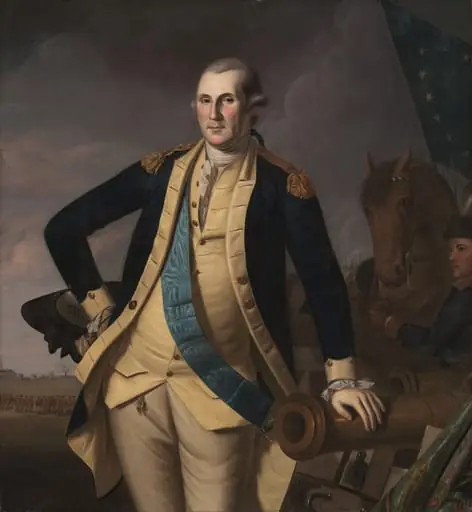 George Washington at Princeton
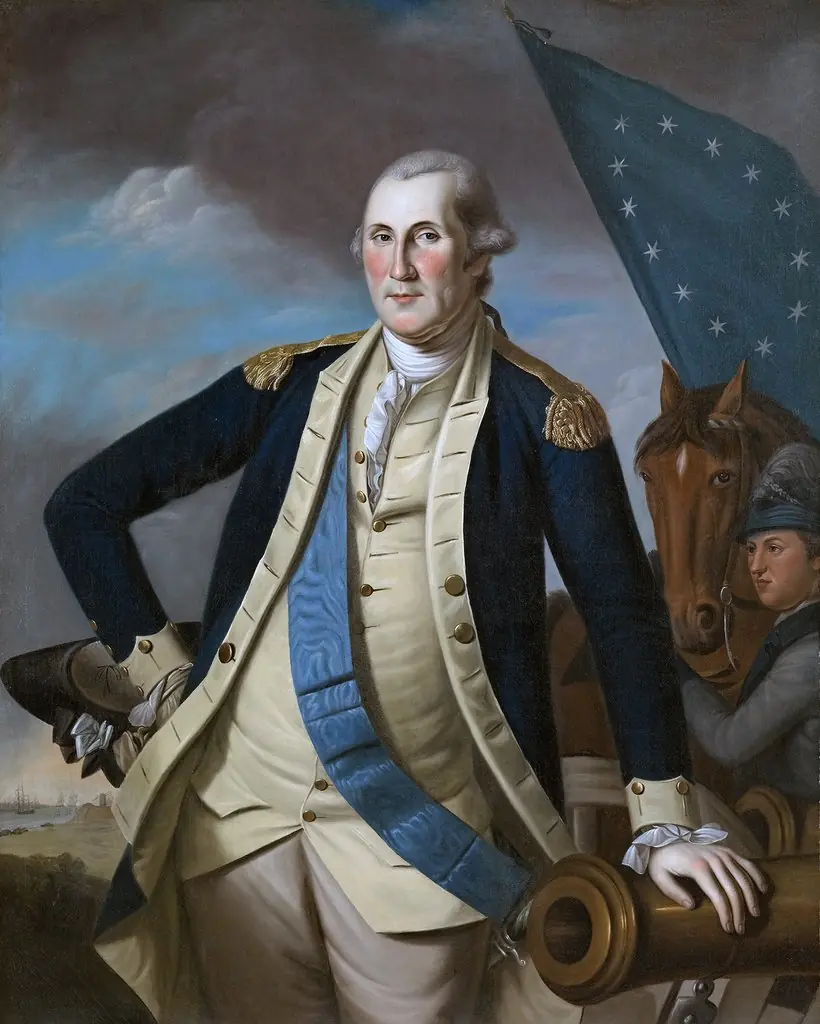 George Washington
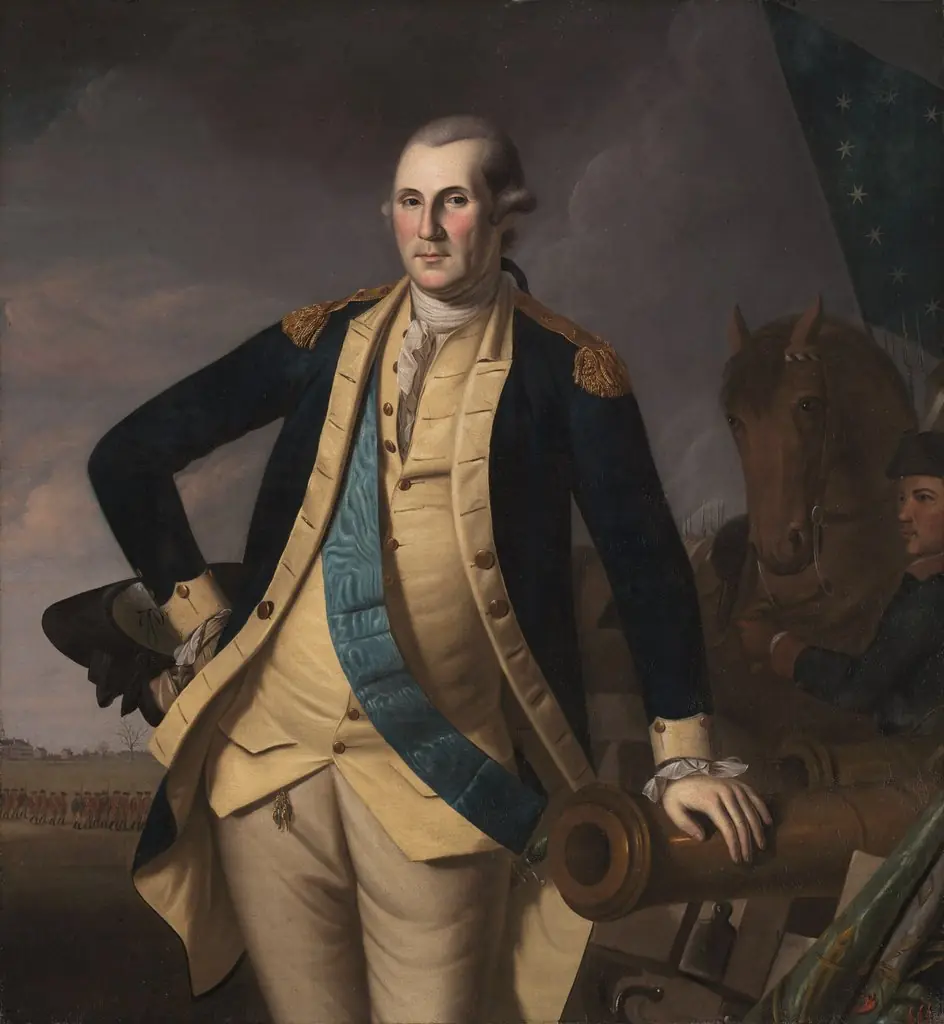 George Washington at Princeton
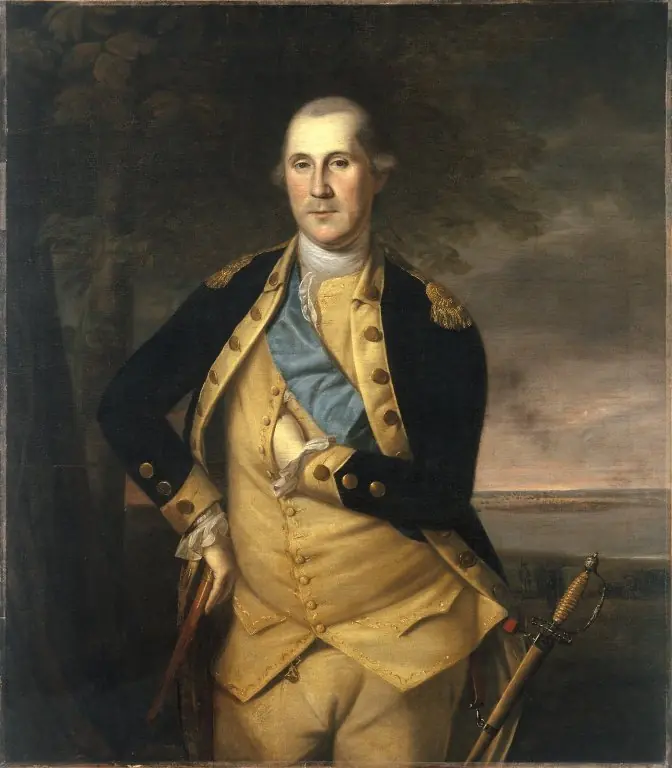 George Washington
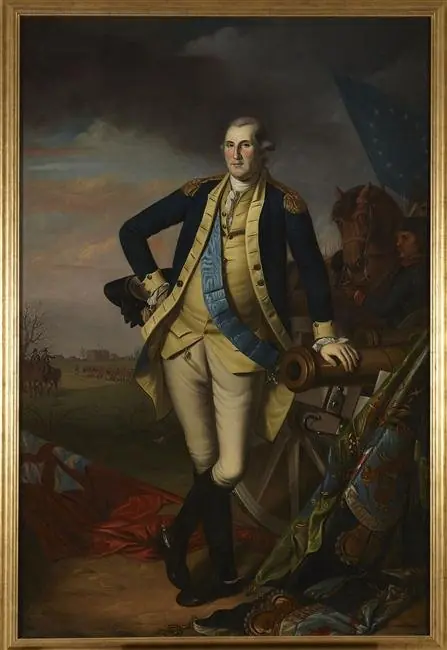 George Washington at the Battle of Princeton
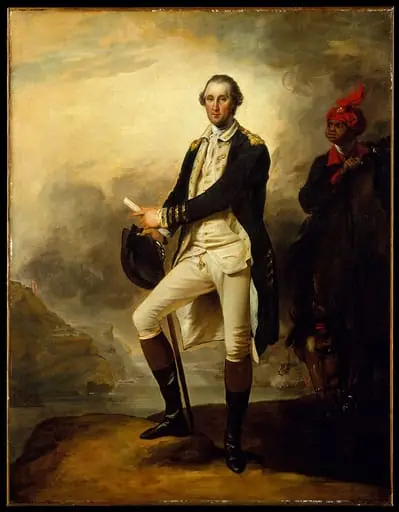 George Washington and William Lee
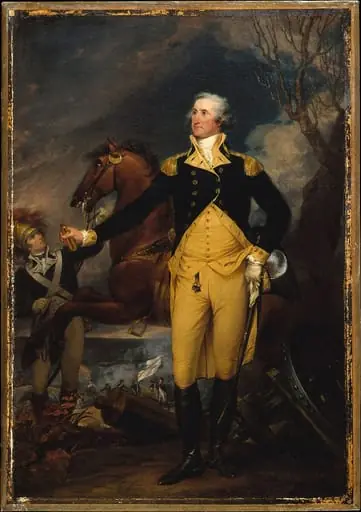 George Washington before the Battle of Trenton
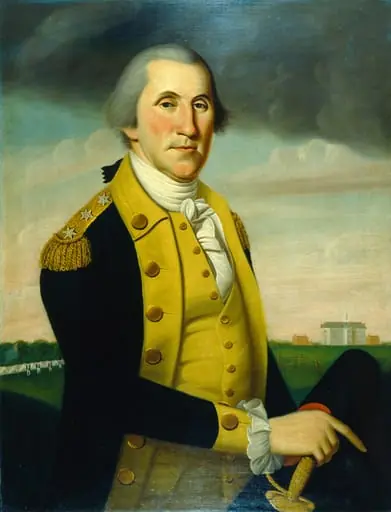 General Washington at Princeton
 George Washington
 Portrait of a Gentleman
 George Washington