Artwork
Elijah Boardman
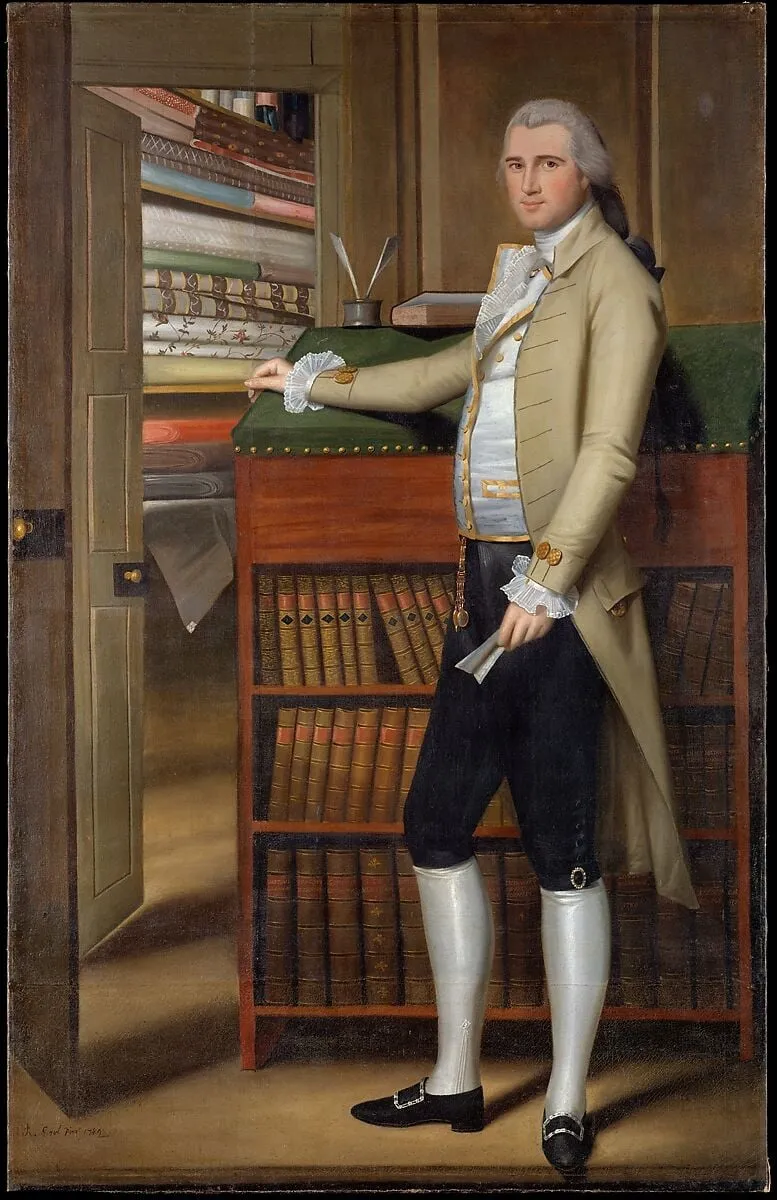
Elijah Boardman is an oil painting by the Neoclassicist artist Ralph Earl. It dates from 1789 and is held in the collection of the Metropolitan Museum of Art.
About this work
A man in a dark coat stands before a half-open door, his face calm and serious, shelves of books and papers and a red curtain behind him. Painted in 1789, just after the Revolution, it shows Elijah Boardman, a merchant and senator. Earl keeps it plain, the open door left to suggest opportunity.
Technique & Style
Stylistically, the piece follows the genre of 18th‑century portraiture, focusing on realistic representation and careful rendering of clothing and furnishings.
The work is an oil on canvas portrait created in 1789. The artist employed oil paint applied to a stretched canvas support, a common technique for formal American portraiture of the period. The composition presents Elijah Boardman within an interior setting that includes a door, emphasizing both subject and spatial context.
Stylistically, the piece follows the genre of 18th‑century portraiture, focusing on realistic representation and careful rendering of clothing and furnishings. No specific handling or condition details are recorded in the available documentation.
History & Provenance
Ralph Earl painted the portrait of Elijah Boardman in 1789, executing it in oil on canvas. The work measures 210.8 cm × 129.5 cm and is classified as an American portrait from the Federal period. It portrays Boardman alongside a door, emphasizing his status as a prominent figure.
The painting entered the collection of the Metropolitan Museum of Art, where it remains on view. No earlier owners are recorded in the cited documentation, and the museum’s records confirm its current ownership.
The portrait of Elijah Boardman, painted by Ralph Earl in 1789, is held in the collection of the Metropolitan Museum of Art. Classified within the museum's American Wing, the oil on canvas work measures approximately 210.8 by 129.5 centimeters. While the provided records confirm the painting's location and institutional classification, they do not contain specific inventory or accession numbers, nor do they list any past or current exhibitions for the piece.
Overview
Painted in 1789 by Ralph Earl, this full-length portrait depicts Elijah Boardman, a prominent merchant and future U.S. Senator from Connecticut. The work is a seminal example of early American portraiture that merges the sitter's personal identity with his professional status. Boardman stands centrally in a domestic interior, dressed in a dark coat and waistcoat, his posture relaxed yet dignified.
He holds a newspaper, likely referencing current political events, while his gaze meets the viewer with a calm, serious expression. The composition is carefully constructed to highlight his dual roles as a man of commerce and public service. To his right, shelves are densely packed with books, papers, and a globe, signifying his intellect and engagement with the wider world.
A partially open door reveals a glimpse of the outdoors, while a heavy red curtain frames the left side, adding a sense of theatricality and depth. Earl, who had previously painted Boardman's family, utilized this commission to elevate the merchant class within the new republic, presenting Boardman not merely as a tradesman but as an educated citizen of the young nation. The painting remains a key document of post-Revolutionary American society and Earl's mature style.
Subject & Meaning
Elijah Boardman, a figure of civic importance as both a merchant and a senator, is the focus of this painting. Earl portrays him with a calm, almost serious expression, suggesting a sense of quiet dignity. The half-open door behind Boardman introduces a subtle element of narrative, potentially alluding to new possibilities or the changing political landscape of the nascent United States, though the artist leaves its interpretation open.
Context
Executed in 1789, this portrait situates Elijah Boardman within the immediate aftermath of the American Revolution. The era fostered a demand for portraits that reflected the values of the new republic, often favoring a less ostentatious and more grounded representation of its citizens. Earl's depiction of Boardman exemplifies this trend, offering a sober yet distinguished portrayal that resonates with the practical and emerging identity of post-colonial America.
Artist & collection
Artist
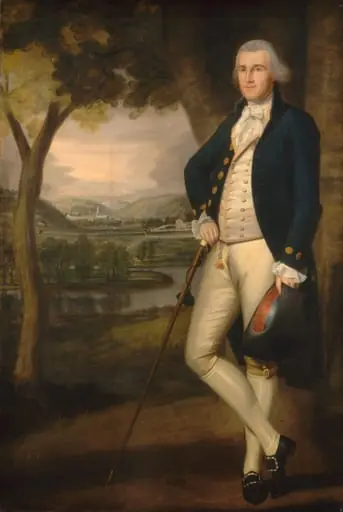
Ralph Earl (May 11, 1751 – August 16, 1801) was an American artist known for his landscape paintings and numerous portraits.

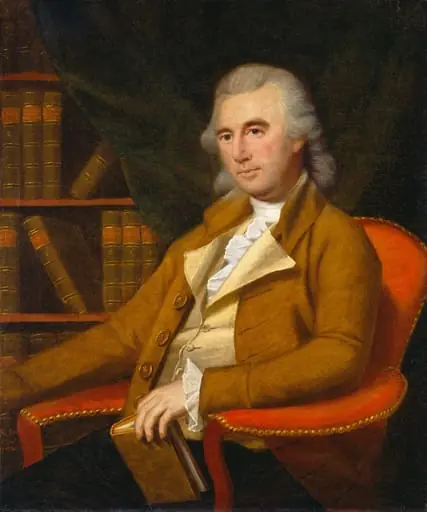
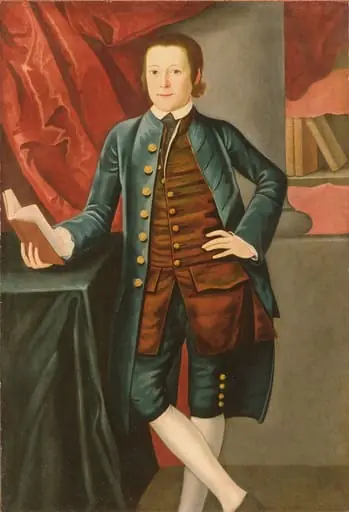 Boy of the Crossfield Family (Possibly Richard Crossfield)
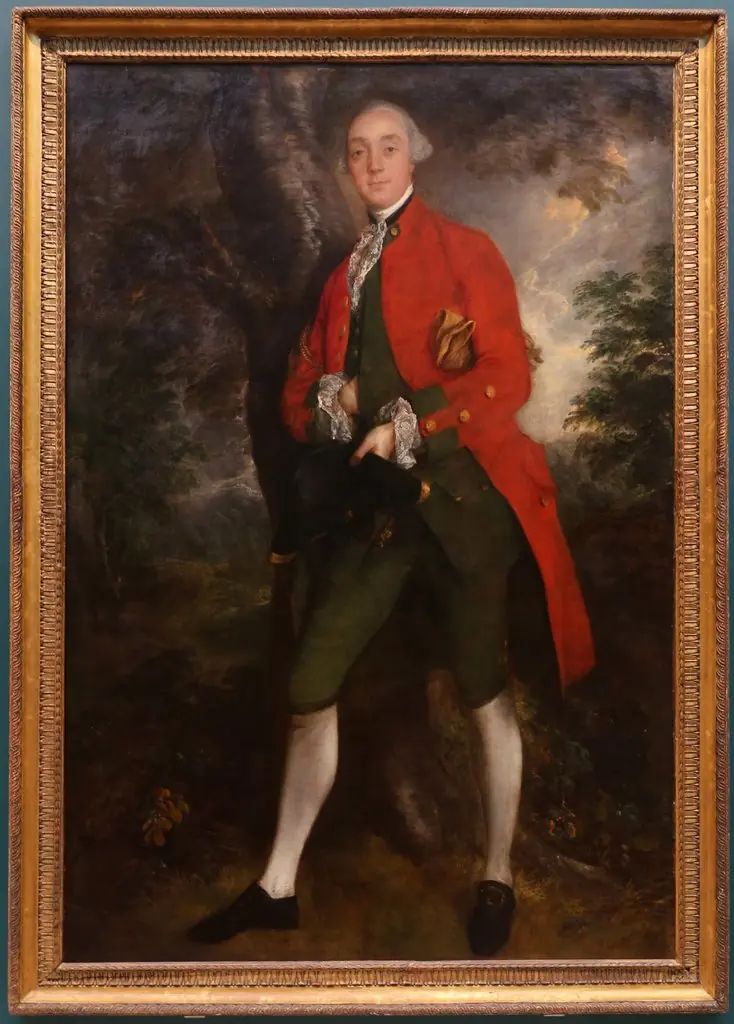 General James Johnston (1721-1797)
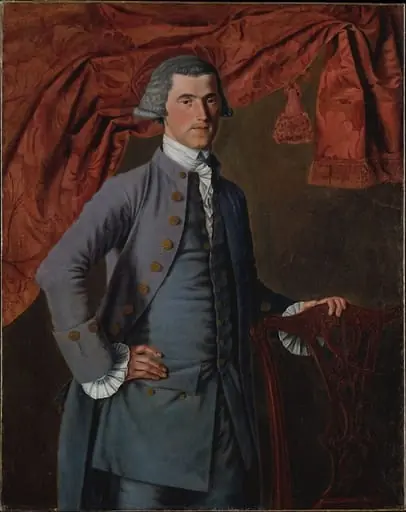 Jeremiah Platt
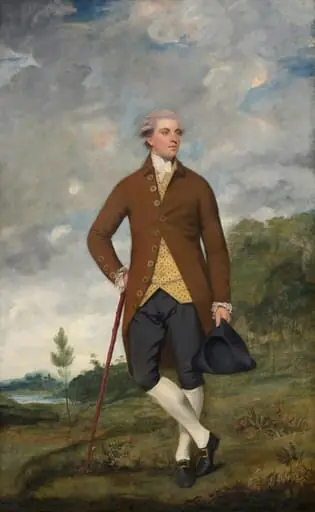 John Musters
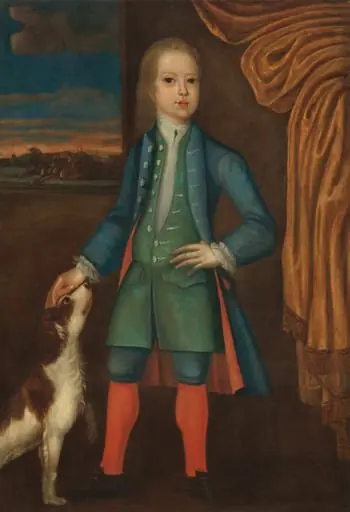 Boy in Blue Coat
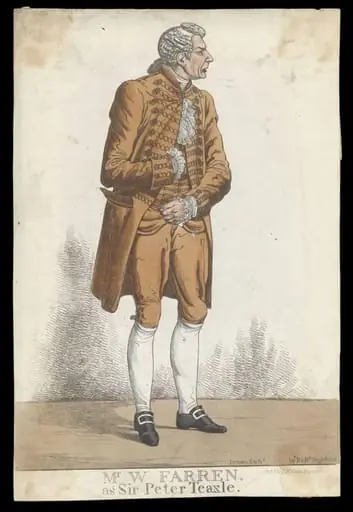 H Beard Print Collection
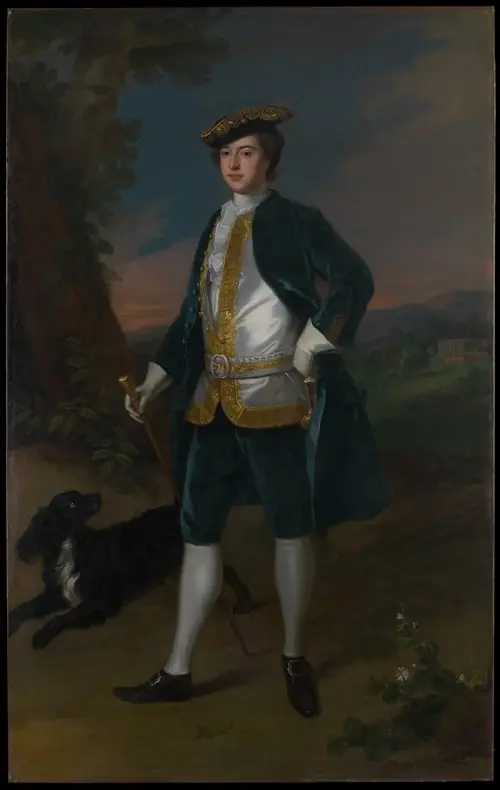 Sir James Dashwood (1715–1779)
 Portrait of Frederik Berregaard
 Portrait of Gerard Cornelis van Riebeeck
 Francis Basset, I Baron of Dunstanville
 Portrait of a Boy, Probably of the Crossfield Family