Artwork
The Healing of the Lame Man
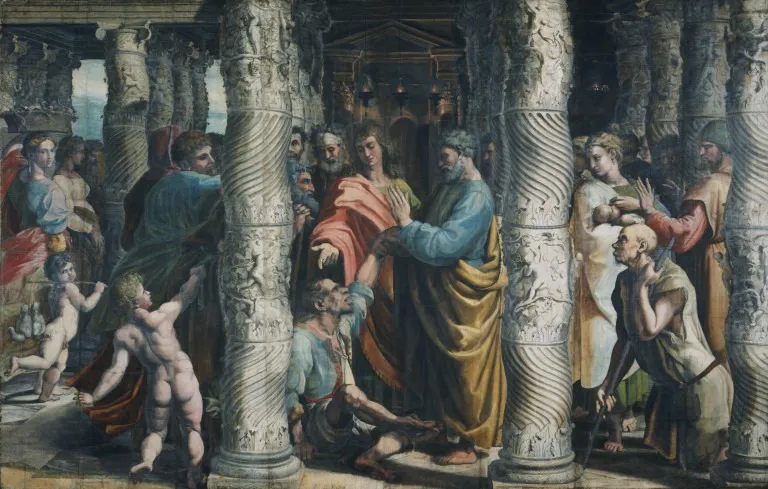
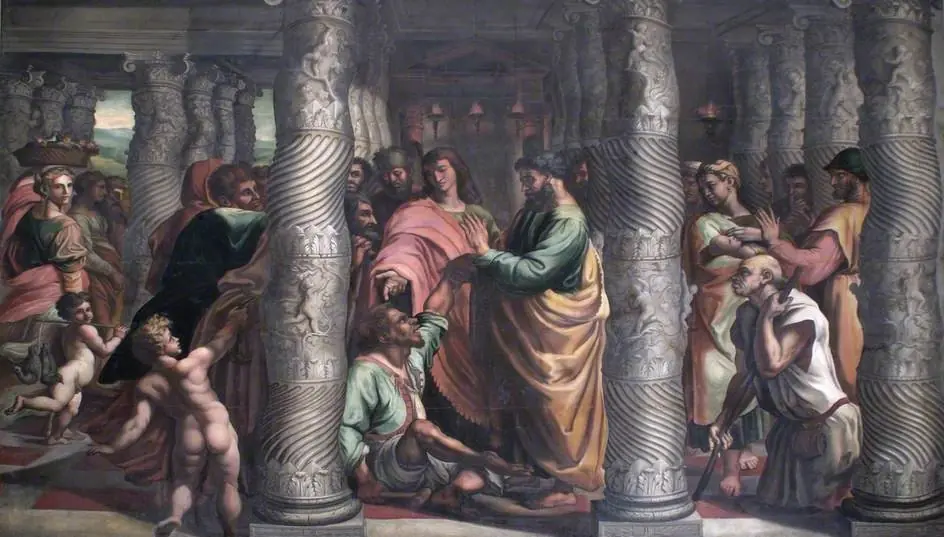
The Healing of the Lame Man is an oil painting by Raphael. It dates from 1515 and is held in the collection of the Victoria and Albert Museum.
About this work
Subject & Meaning
The composition centers on the beggar emerging from darkness, symbolizing spiritual and physical restoration through divine intervention.
The subject of The Healing of the Lame Man depicts a biblical miracle in which Saint Peter and Saint John heal a disabled beggar at the Beautiful Gate of the Second Temple in Jerusalem. The composition centers on the beggar emerging from darkness, symbolizing spiritual and physical restoration through divine intervention. Architectural elements, including twisted columns referencing Solomon's Temple and the Vatican baldachin, reinforce sacred context and continuity with apostolic tradition.
The work functions as a preparatory cartoon for a tapestry series commissioned by Pope Leo X for the Sistine Chapel, reflecting Renaissance ideals of harmonious balance, dramatic movement, and universal emotional expression. Figures are simplified and posed with heightened gesture to enhance narrative clarity for tapestry reproduction, while lighting and spatial depth guide the viewer's gaze toward the central act of healing.
Technique & Style
The Healing of the Lame Man is executed in tempera on paper, measuring 390 cm in height and 520 cm in width, and was created in 1515–1516. It was produced as a preparatory cartoon for a tapestry series intended for the Sistine Chapel, reflecting a low-relief technique where the design was held beneath the warp threads and later inverted. The composition draws on Acts 3:1 and depicts Saint Peter and Saint John healing a lame man at the Beautiful Gate of the Temple, with architectural elements such as twisted columns referencing the Vatican’s baldachin.
Figures are arranged to guide the viewer’s eye toward the central action, emphasizing gesture and expression over background detail. The work employs a limited palette of light tones suited to tapestry weaving, and although Bernard van Orley oversaw fidelity to the model, the subsequent weavers altered the design by sharpening outlines, adding gold ornamentation, and adjusting spatial proportions.
History & Provenance
The work was commissioned by Pope Leo X in late 1514 to early 1515 as preparatory cartoons for a series of tapestries intended for the lower register of the Sistine Chapel walls, separate from the papal zone. These cartoons were produced in Raphael's workshop in Italy and later transported to Brussels for weaving by Pieter van Aelst's workshop, arriving in Rome by 1519 and displayed during the feast of St. Stephen that year. After being cut into pieces for weaving, they were retained by the tapestry dealer and possibly lent to other workshops; later series were reproduced in cities such as Berlin, Vienna, Madrid, Mantua, and Loreto.
In 1623, the cartoons were acquired in Genoa by Sir Francis Drake for the Mortlake manufactory on behalf of the future King Charles I, subsequently passing through the ownership of Cromwell and later Charles II, who attempted to sell them to the Gobelins manufactory but was blocked. They were re-assembled, mounted on canvas, and restored by William Cooke at the request of William III, who installed them in a dedicated gallery at Hampton Court Palace in 1698; they remained there until 1913 before being moved to various royal residences and eventually allocated to the nascent national museum by Queen Victoria in 1865. The work is dated to 1515 based on documented commission timelines and material analysis.
The cartoons were created using tempera on canvas, measuring 340 cm in height and 540 cm in width, and depict the biblical scene of the Healing of the Lame Man from Acts 3:1-10, featuring figures such as Saint Peter, Saint John, a beggar, and architectural elements including columns and the Beautiful Gate of the Second Temple. The composition reflects Raphael's adaptation of narrative clarity and dynamic movement, diverging from Michelangelo's sculptural intensity by emphasizing balanced, simplified groupings and gestures to convey spiritual drama. The use of tempera allowed for a limited palette suited to tapestry production, with chiaroscuro effects enhancing spatial depth despite the constraints of the medium.
The work is held in the Victoria and Albert Museum, part of the Royal Collection, Victoria and Albert Museum prints, drawings, & paintings collection. It is catalogued under the inventory number V&A 1857-10-12. The painting was acquired from Genoa by Sir Francis Drake in 1623 and later entered the royal collection, remaining in the royal palaces before being transferred to the nascent museum by Queen Victoria in 1865.
Its exhibition history includes display during the feast of Saint Stephen in 1519 in Rome, and later exhibitions at Hampton Court Palace, which was arranged by William III in 1698, and subsequent displays in the museum’s galleries from the mid‑19th century onward.
Context
The Healing of the Lame Man serves as a pivotal preparatory cartoon within Raphael's commission for the Sistine Chapel tapestries, ordered by Pope Leo X between late 1514 and early 1515. Created to compete with Michelangelo's adjacent frescoes, Raphael adopted a dramatic crescendo where figures dominate the architectural background, emphasizing universal gestures over landscape detail. Unlike the sculptural torment found in Michelangelo's work, Raphael achieved monumentality through carefully balanced compositions and dynamic spatial convergence.
The cartoon, executed in tempera on paper to accommodate the weavers' limited palette, reflects the artist's adaptation of the biblical narrative from Acts for a large-scale textile medium. Although the original cartoons were cut for weaving and later altered by restorers, they established a high-water mark for High Renaissance narrative design, influencing subsequent tapestry production across Europe.
Legacy
The cartoons’ later history shaped their modern reception as foundational works of Renaissance design. After serving as models for Brussels weavers, the sheets were cut and dispersed, yet their fame endured: multiple copies survive across European collections, including Berlin, Vienna, and Madrid.
In England, the cartoons were purchased in 1623 for the Mortlake workshop and later became prized royal assets. After Charles I’s execution, Cromwell preserved them in Whitehall; following the Restoration, they were restored and exhibited in a purpose-built gallery at Hampton Court from the late seventeenth century until 1913. Transferred to Buckingham House and then to the nascent Victoria and Albert Museum, they entered public ownership in 1865, anchoring the cartoon’s status as a touchstone of Raphael’s graphic legacy.
Overview
Created in 1515, this oil painting by Raphael portrays the biblical episode of the Healing of the Lame Man. The composition centers on a crowded scene before a columned façade, with a kneeling figure reaching toward a standing companion. A clear sky and distant landscape frame the action, while the work is presently displayed in the Victoria and Albert Museum.
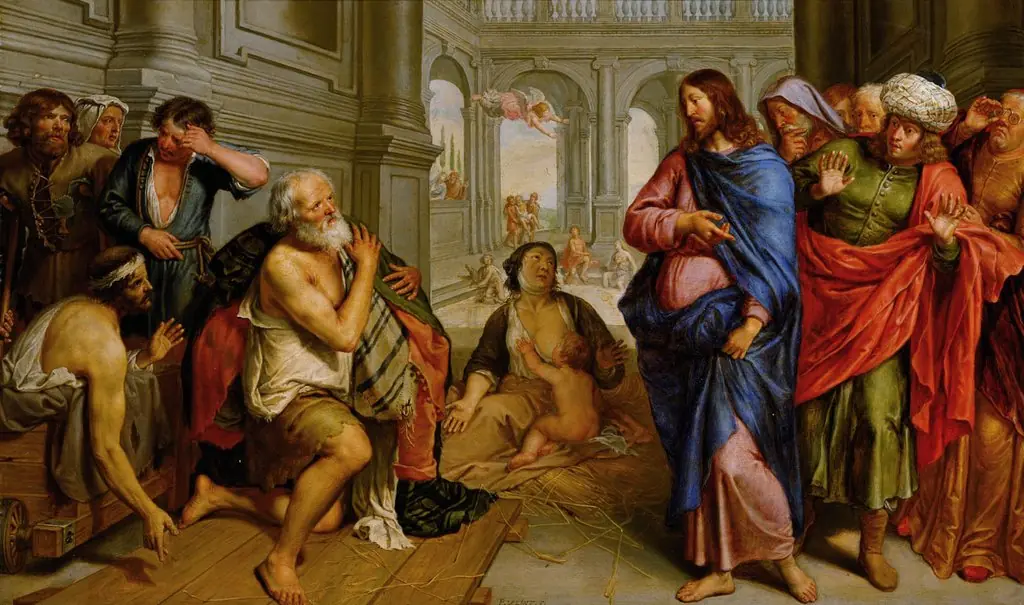
Artist & collection
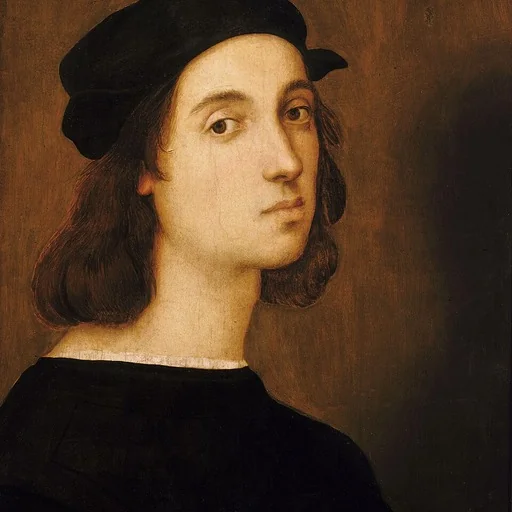
Artist
Raphael was born Raffaello Sanzio in Urbino on April 6, 1483, the son of Giovanni Santi, a painter and poet attached to the ducal court.

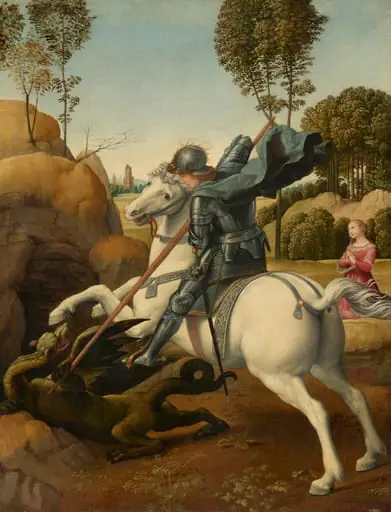
 Sts Peter and John at the beautiful Gate
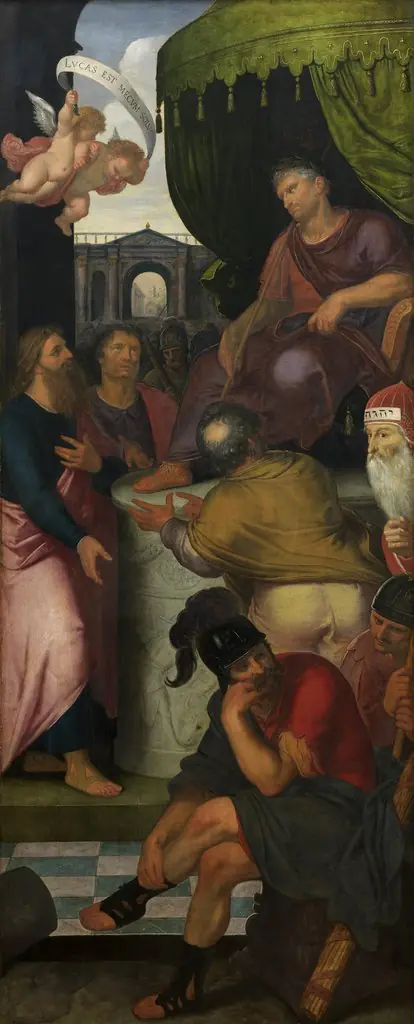 Saint Paul before proconsul Felix of Caesarea
 The Presentation of Christ in the Temple, and the Baptism of Christ
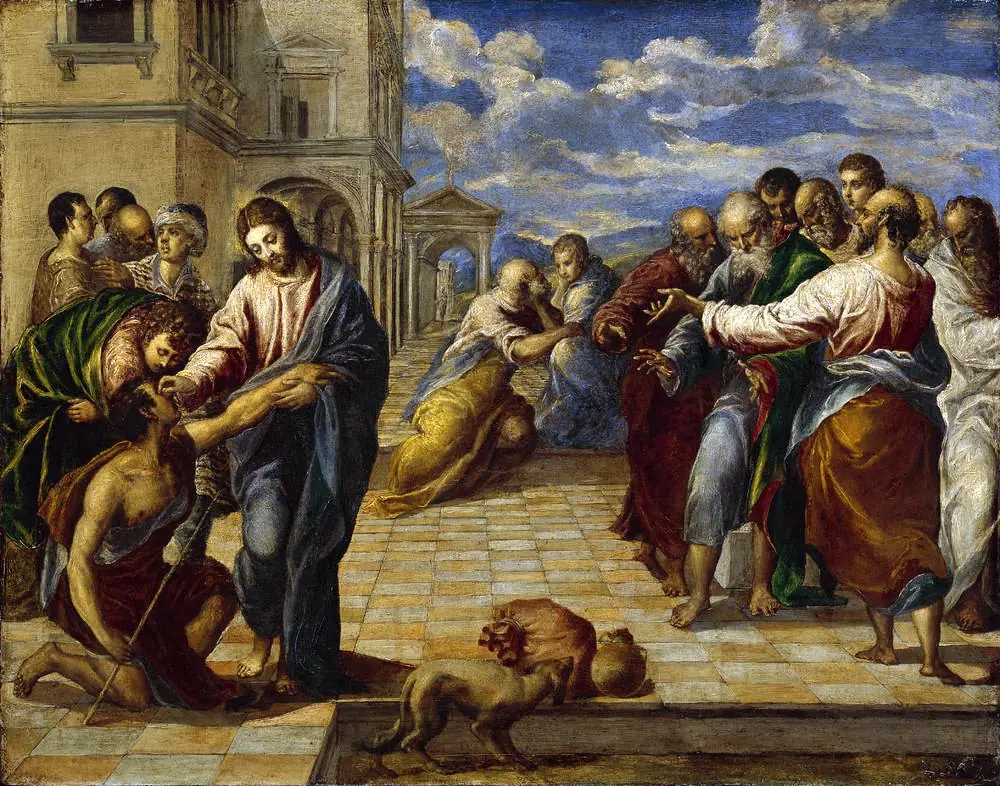 Christ Healing the Blind
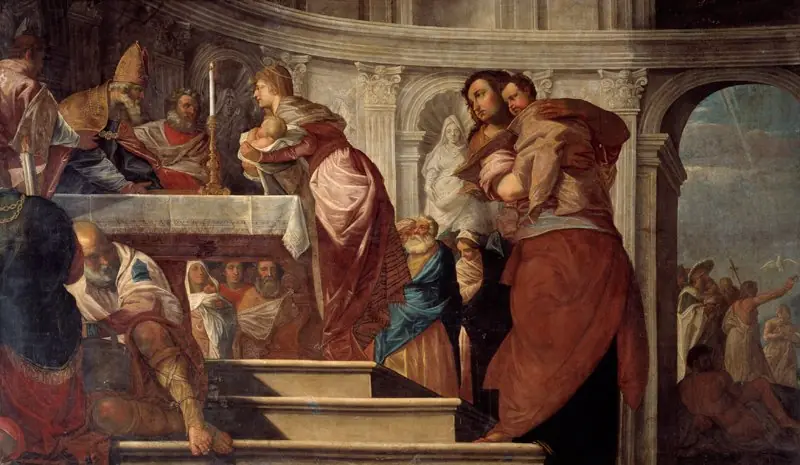 The Presentation of Christ in the Temple, and the Baptism of Christ
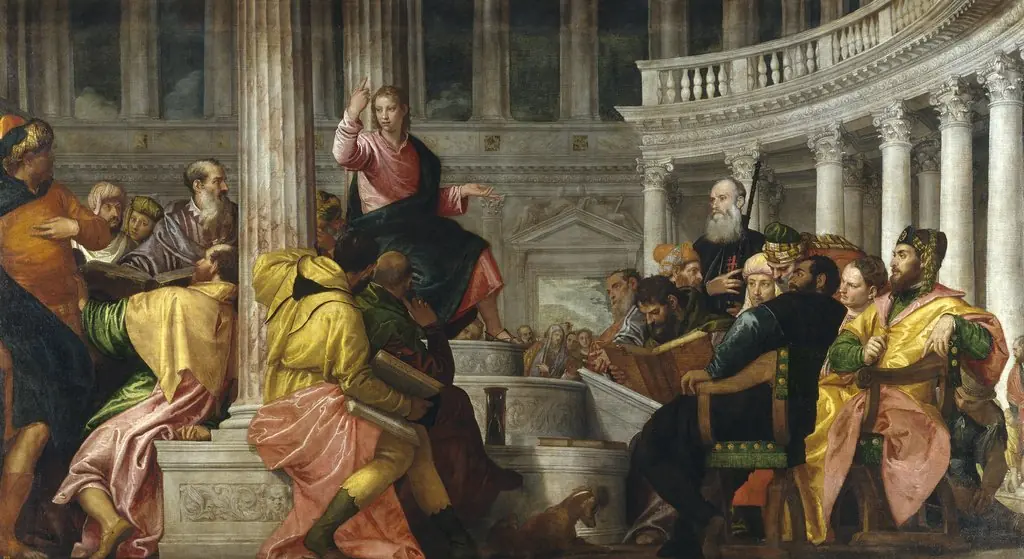 Christ Among the Doctors
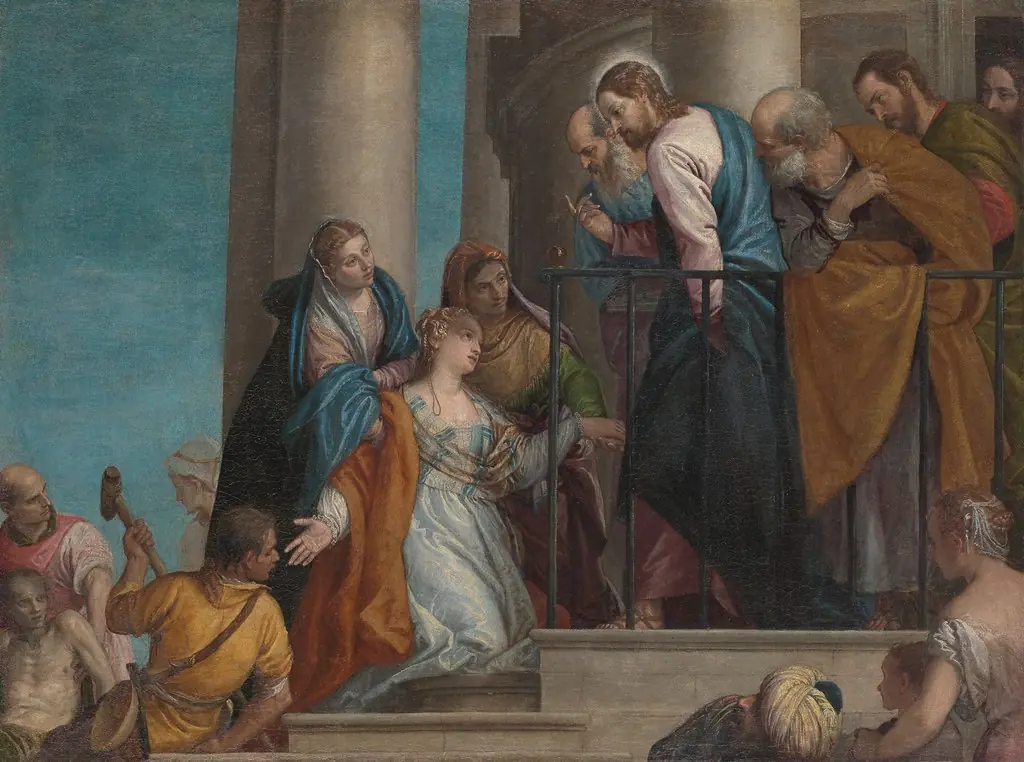 Raising the Young Man of Nain
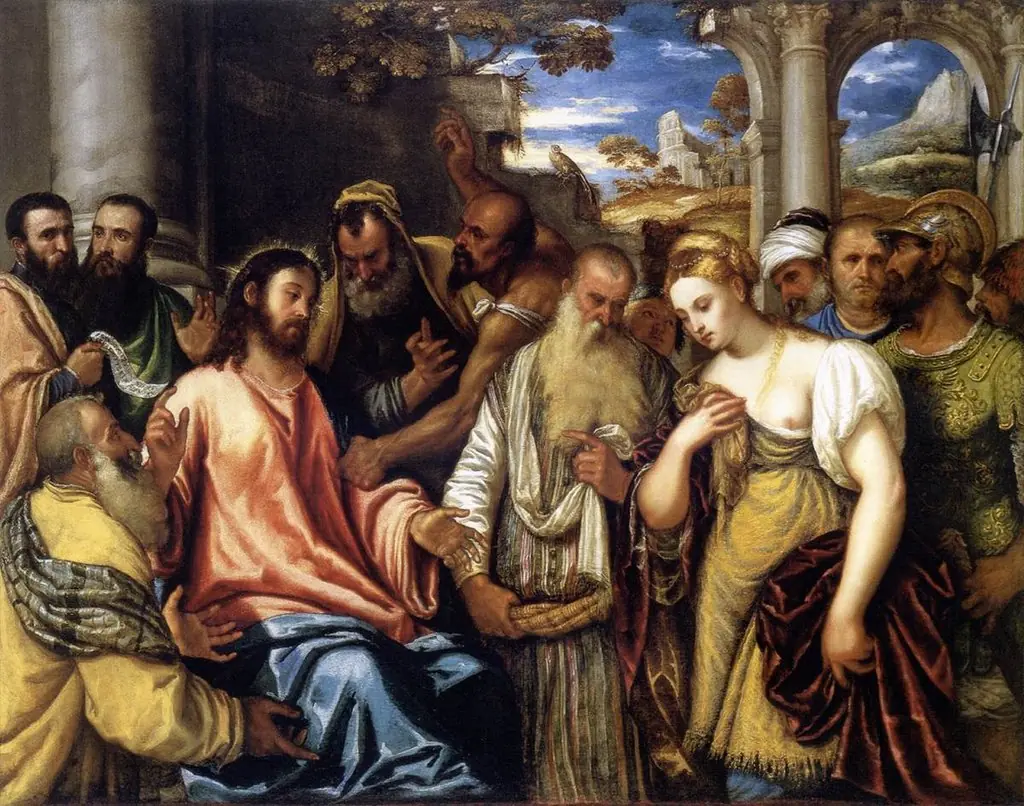 Christ and the Woman in Adultery
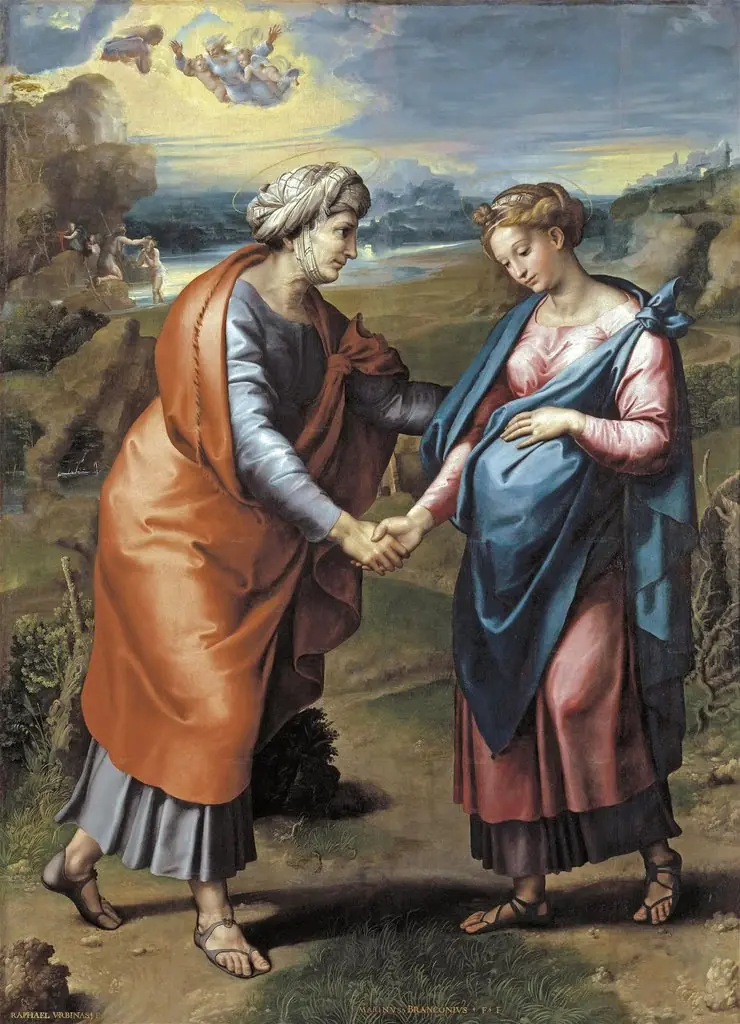
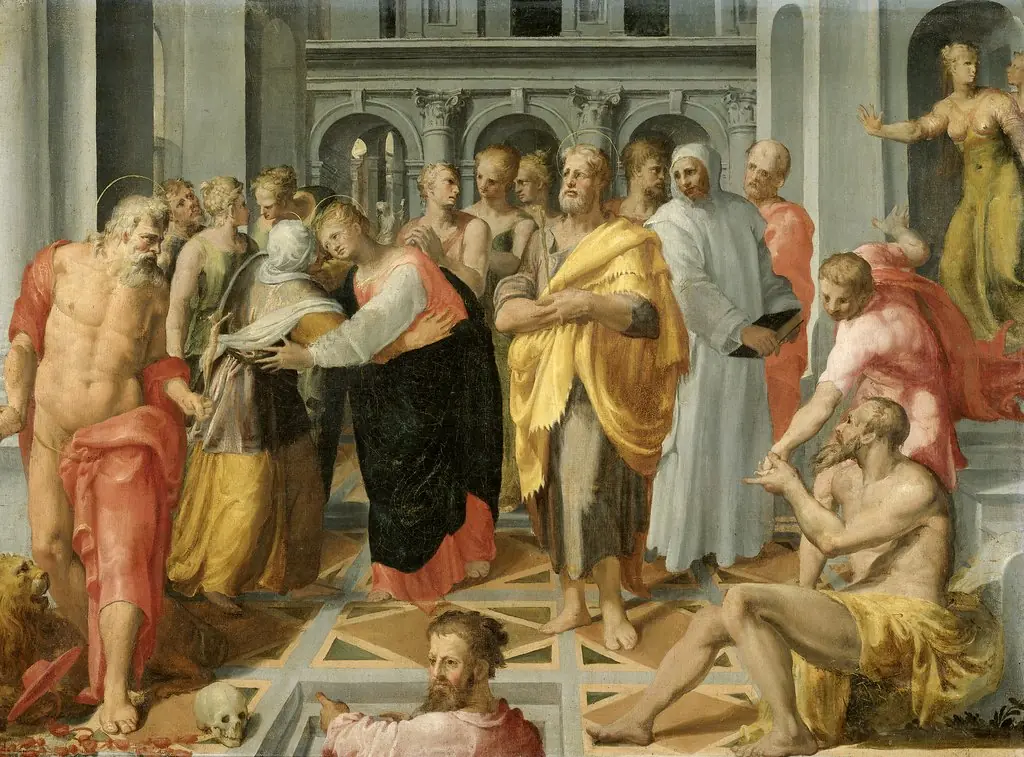 Visitation (Meeting of Mary and Elizabeth in the Presence of Saints Joseph and Jerome)
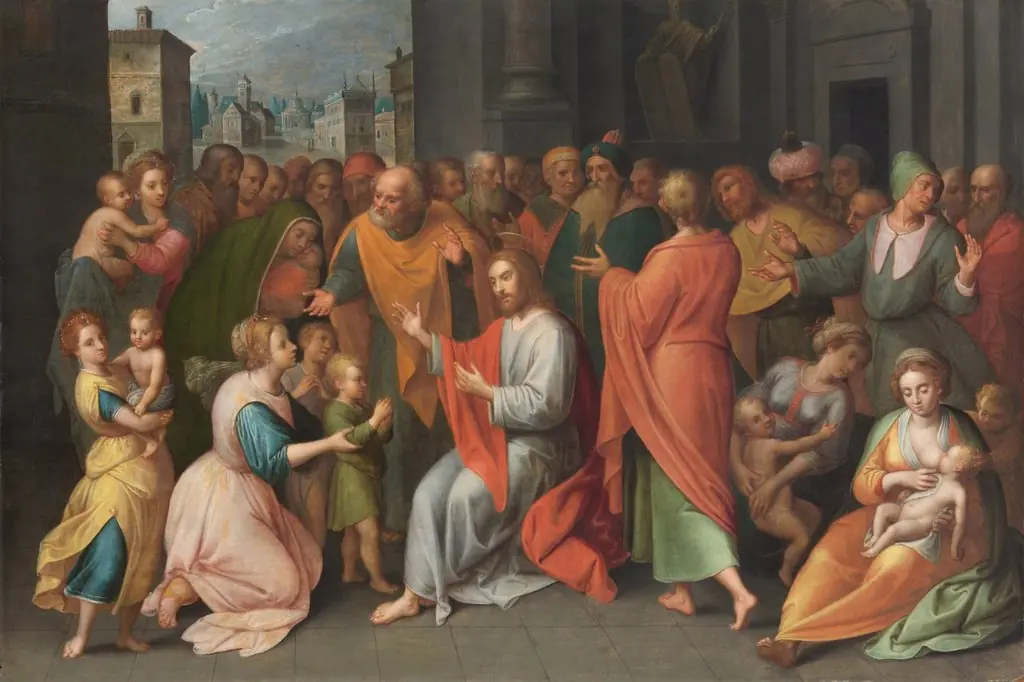 Christ blessing the children
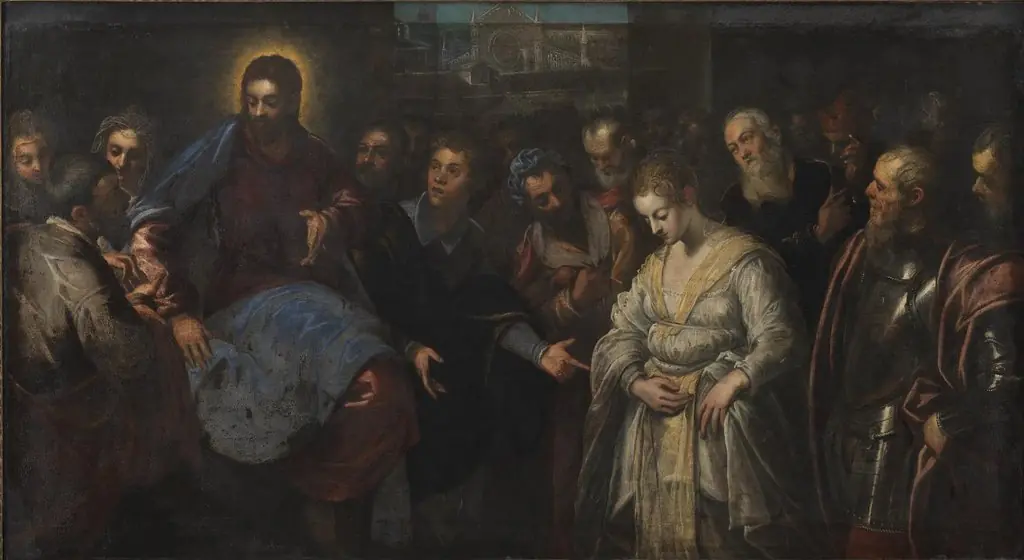 Christ and the Adulteress
- Christ healing the lame at the pool of Bethesda