Artwork
The Agony in the Garden
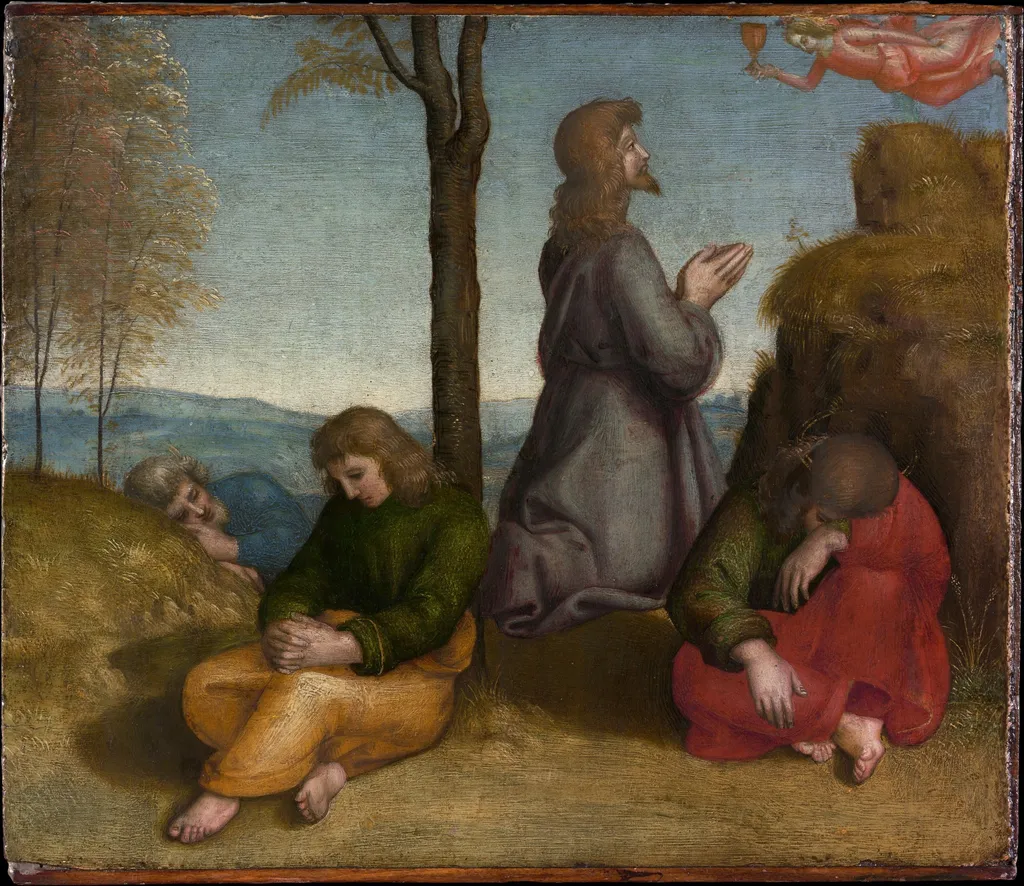
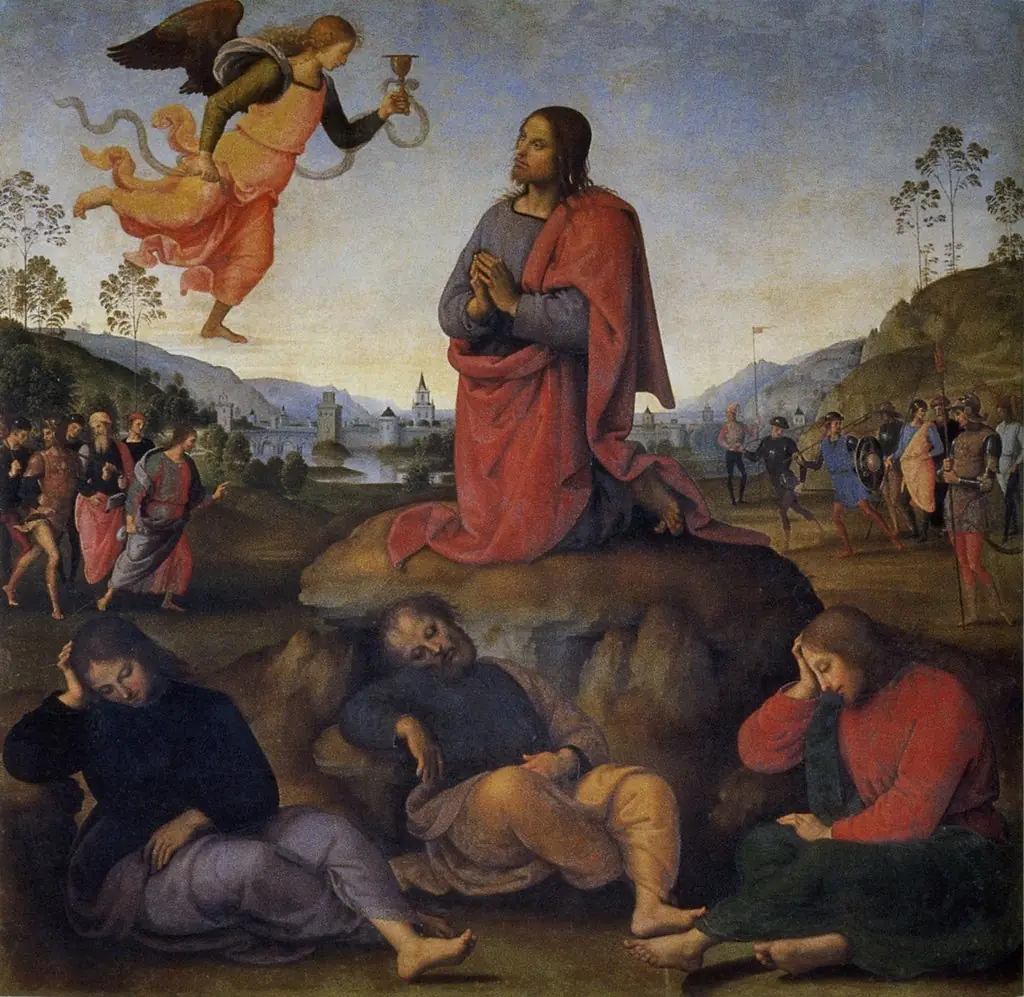
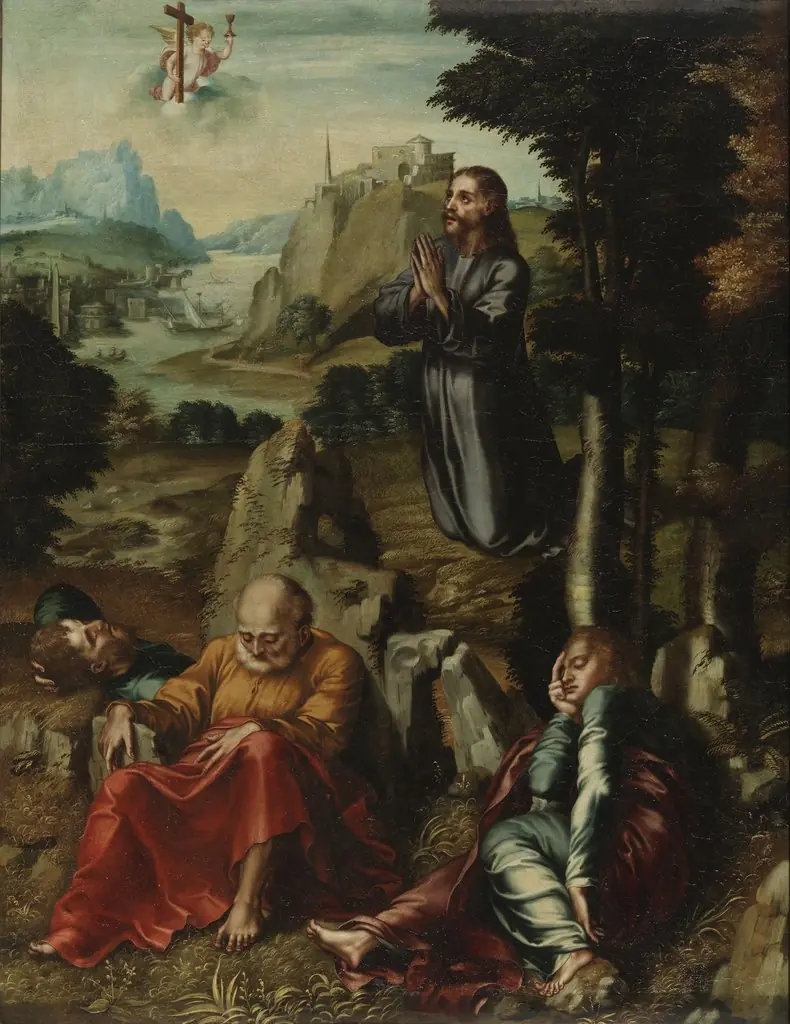
The Agony in the Garden is an oil painting by the High Renaissance artist Raphael. It dates from 1504 and is held in the collection of the Metropolitan Museum of Art.
About this work
Subject & Meaning
Classified as a religious genre work, the composition centers on a solitary figure in anguish, embodying themes of sacrifice and impending suffering.
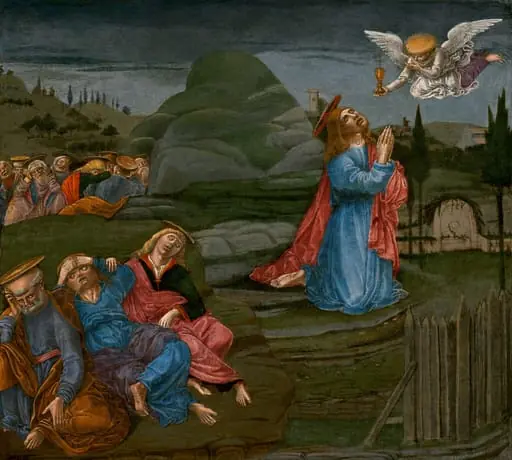
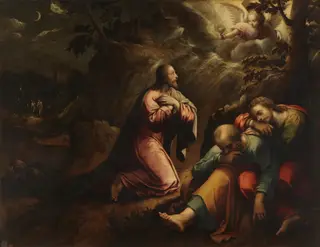
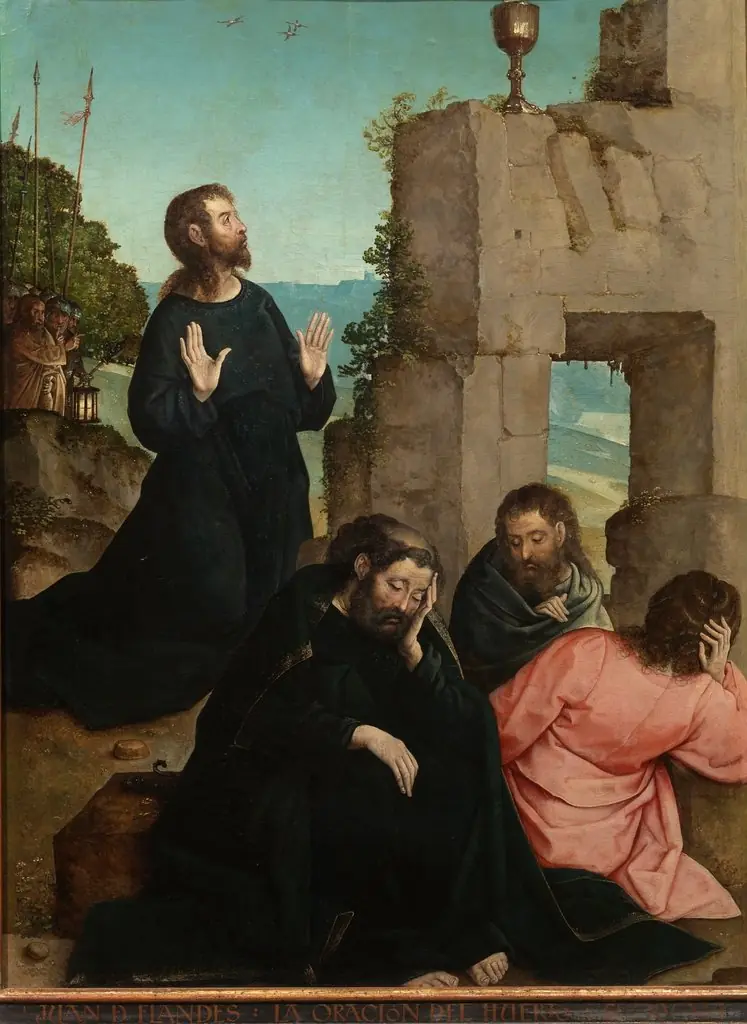
The Agony in the Garden is a religious painting dated to 1504 and housed in the Metropolitan Museum of Art. The work portrays the biblical episode in which Christ experiences profound distress while praying in the Garden of Gethsemane before his arrest. Classified as a religious genre work, the composition centers on a solitary figure in anguish, embodying themes of sacrifice and impending suffering. The painting's iconography follows established conventions of the subject, emphasizing Christ's human vulnerability and divine destiny.
Technique & Style
Executed in 1504, The Agony in the Garden is a religious painting utilizing oil paint as its primary medium. The work is created on a panel support, a traditional choice for early 16th-century Italian easel paintings. Classified within the genre of religious art, the piece depicts the biblical scene of the Agony in the Garden featuring a central male figure. The painting is currently held in the collection of the Metropolitan Museum of Art.
History & Provenance
This oil painting on panel depicts the biblical scene of the Agony in the Garden and is dated to 1504. While specific details regarding the original commission or the immediate ownership chain following its completion are not provided in available records, the painting has entered the collection of the Metropolitan Museum of Art, where it is classified as a work of religious art.
Context
The Agony in the Garden, executed in 1504 and documented in the Metropolitan Museum of Art's collection, belongs to the religious genre that dominated early Renaissance panel painting. Rendered in oil on panel, it has been cited in art‑historical studies of the Gethsemane iconographic tradition, reflecting the period's engagement with devotional intensity and spatial clarity in religious narrative.
Overview
Raphael's oil painting, The Agony in the Garden, created in 1504, depicts a pivotal moment from Christian scripture. This work showcases the artist's early Renaissance style, rendering a profound religious narrative through a carefully composed scene. The painting is presently housed within the collection of The Metropolitan Museum of Art.
Own this work as a print
Artist & collection
Artist
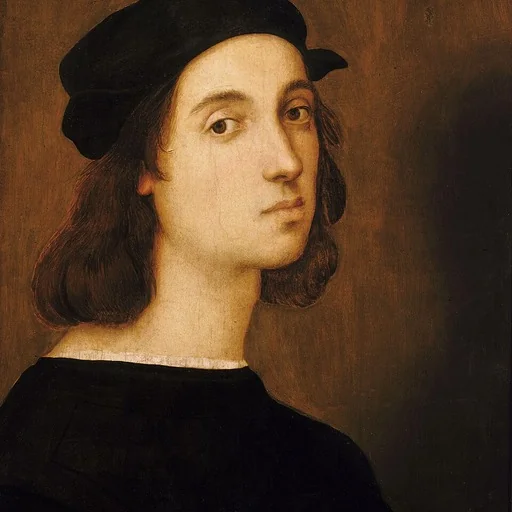
Raphael was born Raffaello Sanzio in Urbino on April 6, 1483, the son of Giovanni Santi, a painter and poet attached to the ducal court.