Artwork
Donatello: design for a mosaic in the Museum (the 'Kensington Valhalla')
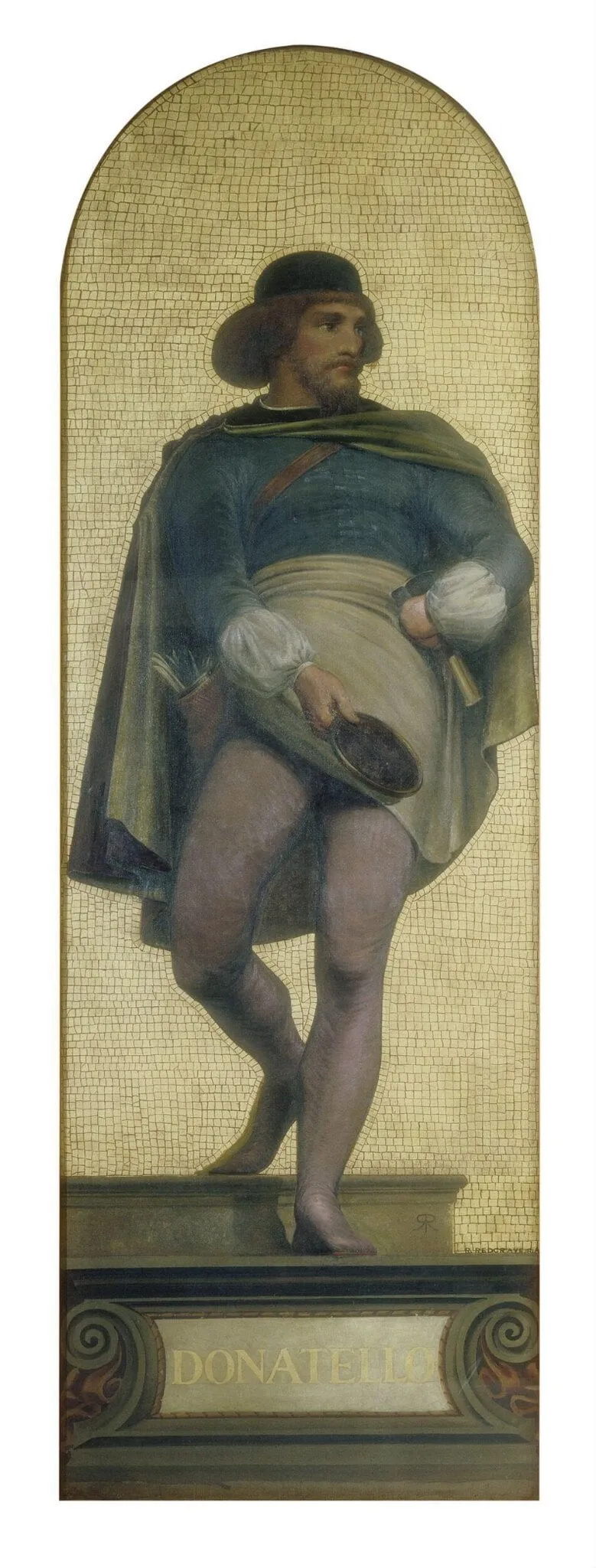
Donatello: design for a mosaic in the Museum (the 'Kensington Valhalla') is an oil painting by the Aestheticist artist Richard CB, RA, ARA Redgrave. It dates from 1867 and is held in the collection of the Victoria and Albert Museum.
About this work
Overview
This life-size oil painting on canvas, set against a gold background and framed in an arched wooden structure, serves as a design study for a mosaic. It depicts a figure interpreted as Donatello, holding a rolled paper and a small object, identified in context as the Martelli Mirror.
Subject & Meaning
The subject, dressed in a long cloak and short tunic, barefoot and holding a rolled-up paper and the Martelli Mirror, is portrayed in a manner suggesting a historical figure. However, the primary focus of the piece is on stylistic representation rather than biographical accuracy, reflecting the artist's approach to capturing the essence of Donatello.
Technique & Style
Executed in oil on canvas with a distinctive gold background, the painting's style is characterized by detailed rendering, typical of works designed as models for mosaics. The arched wooden frame complements the overall aesthetic, aligning with the decorative intentions of the 'Kensington Valhalla' project.
History & Provenance
Commissioned between 1862 and 1871 for the 'Kensington Valhalla' series at the museum's South Court arcade, this work was part of a broader initiative involving contemporary artists like Frederic Leighton and E.J. Poynter. Notably, several participating artists were affiliated with the museum, underscoring its dual decorative and educational role.
Context
Created as a precursor to a mosaic for the museum's South Court arcade niches, this painting represents the institution's effort to expand its recognition of artistic excellence, encompassing both fine and applied arts. Its production methodology, using oil studies as mosaic templates, highlights the project's meticulous planning.
Legacy
As part of the 'Kensington Valhalla,' this design contributes to the museum's historical decorative scheme, illustrating late 19th-century approaches to celebrating artistic heritage through collaborative, medium-transcending projects. Its presence reflects the era's appreciation for unified artistic visions in public spaces.
Artist & collection
Artist
Richard Redgrave painted quiet English woods, cottages, and manor halls in watercolour and oil.

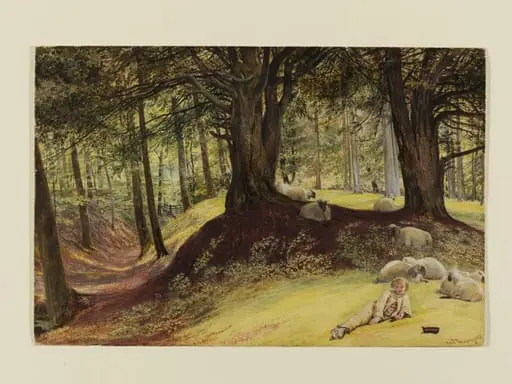 Parkhurst Woods, Abinger, Surrey
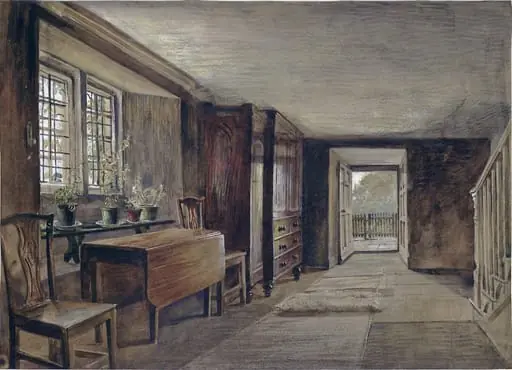 The Entrance Hall of Mortham Tower, Rokeby, Yorkshire
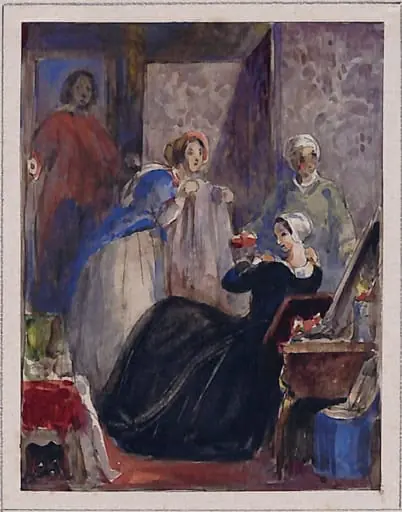 Throwing off her Weeds
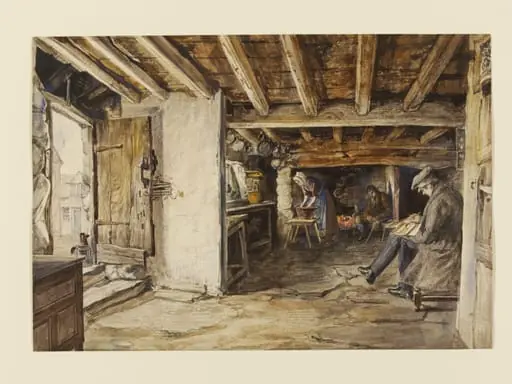 Interior of a cottage, North Wales
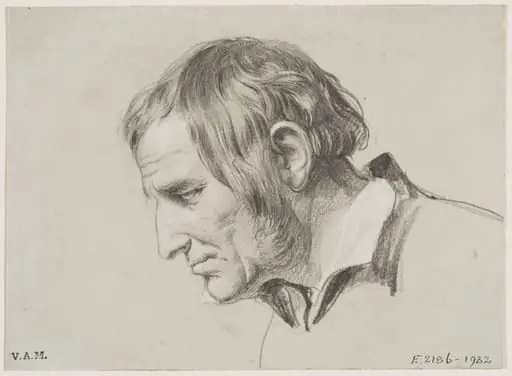 Study of an old man’s head
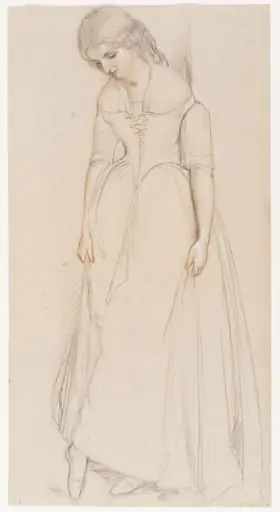 Study for the woman near the doorway in <i>Cinderella About to Try on the Glass Slipper</i> (1842)
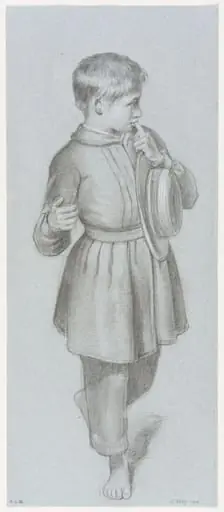 Study of the boy with his finger in his mouth for <i>Sunday Morning: Walk from Church</i>
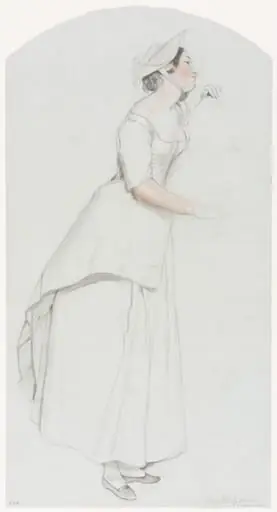 Study of a female figure
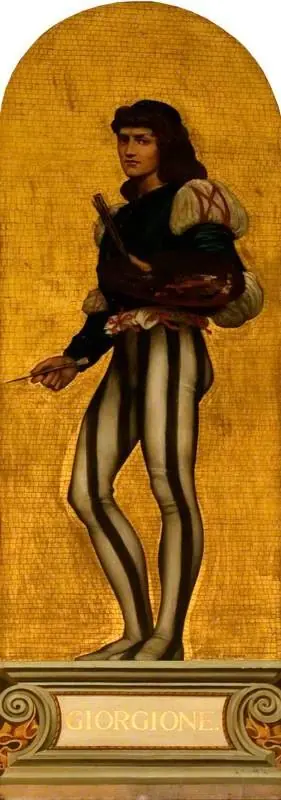 Giorgione (c.1477–1510) (design for a mosaic in the Victoria and Albert Museum)
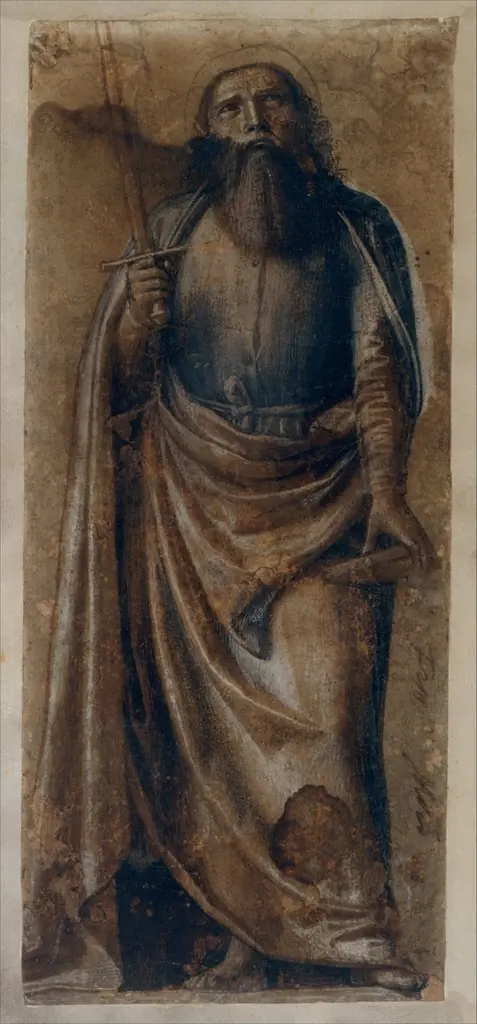 Saint Paul
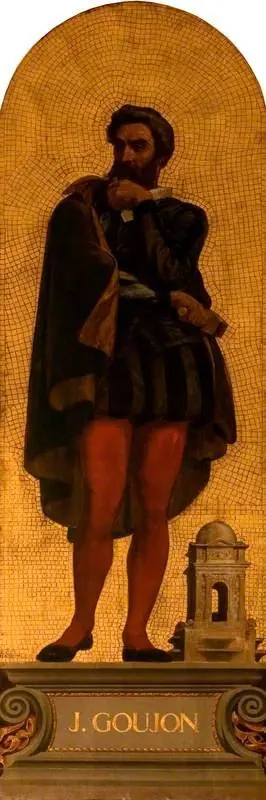 Jean Goujon (c.1510–1565) (design for a mosaic in the Victoria and Albert Museum)
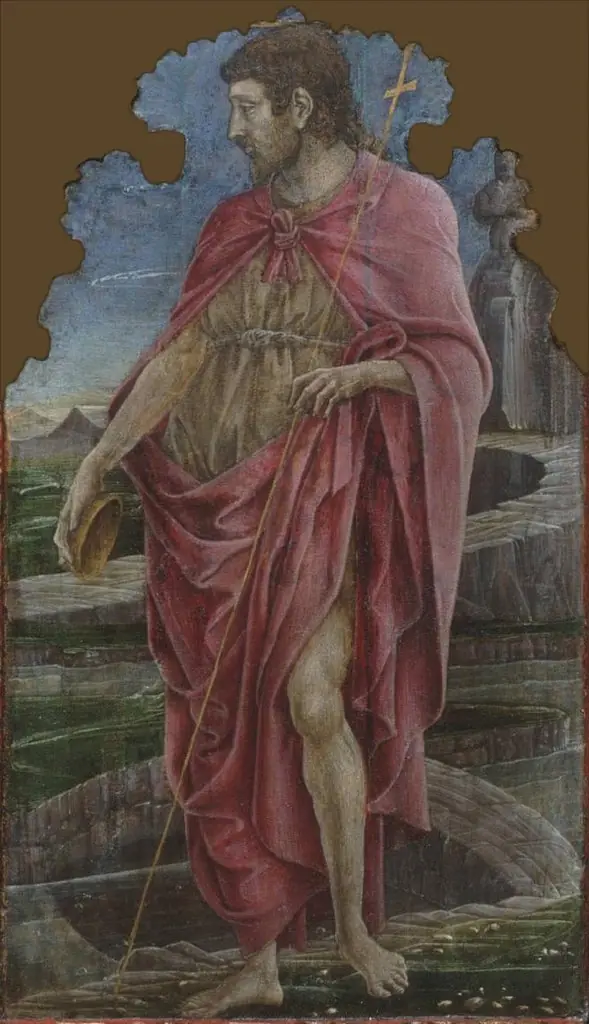 Saint John the Baptist
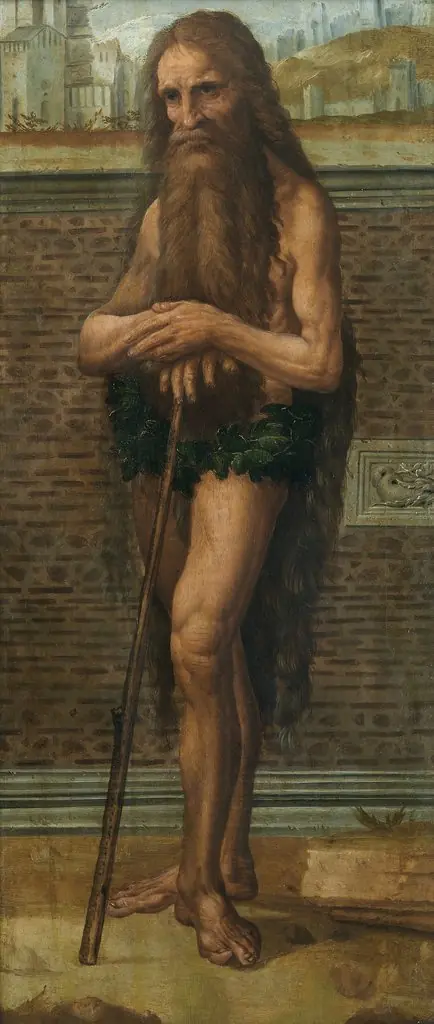 Saint Onuphrius
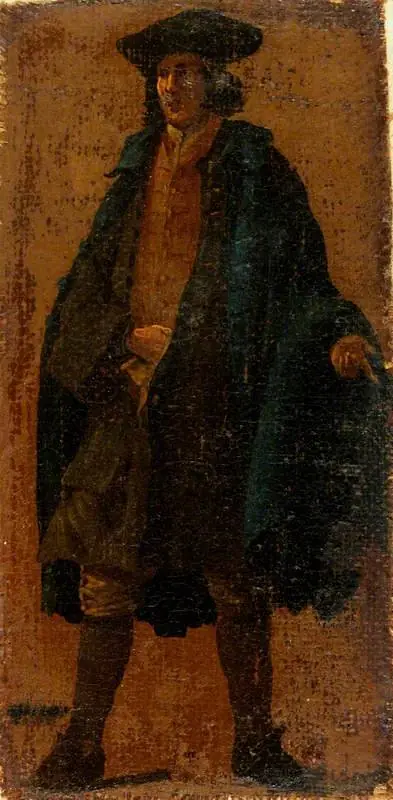 A Man Wearing a Blue Cloak
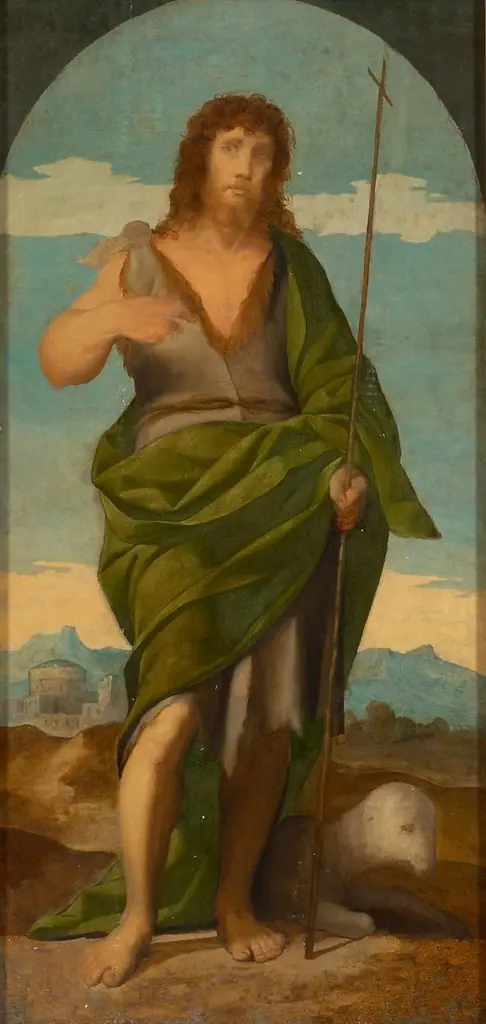 John the Baptist
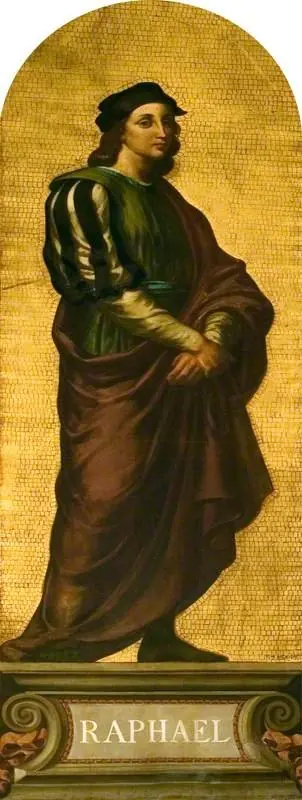 Raphael (1483–1520) (design for a mosaic in the Victoria and Albert Museum)
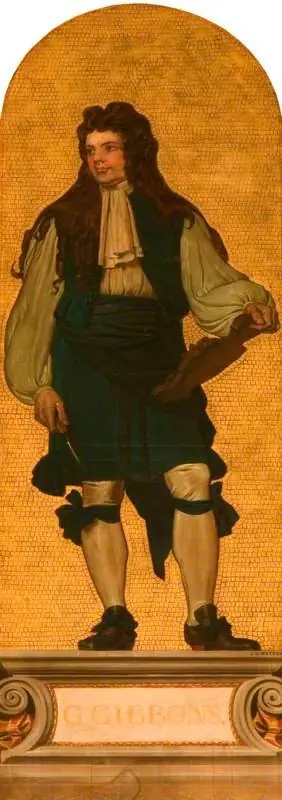 Grinling Gibbons (1648–1721) (design for a mosaic in the Victoria and Albert Museum)
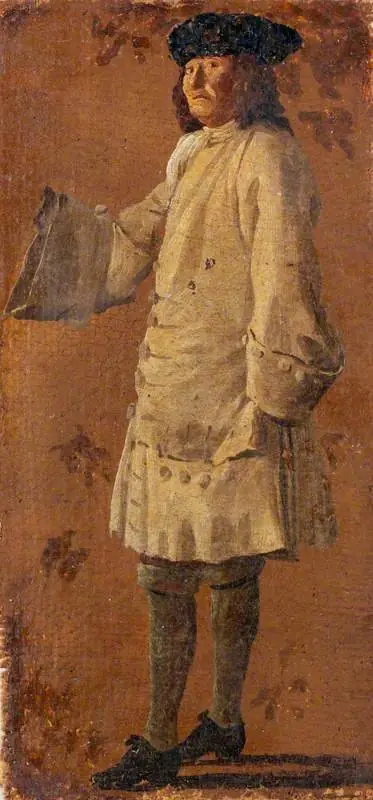 A Gentleman Wearing a White Coat
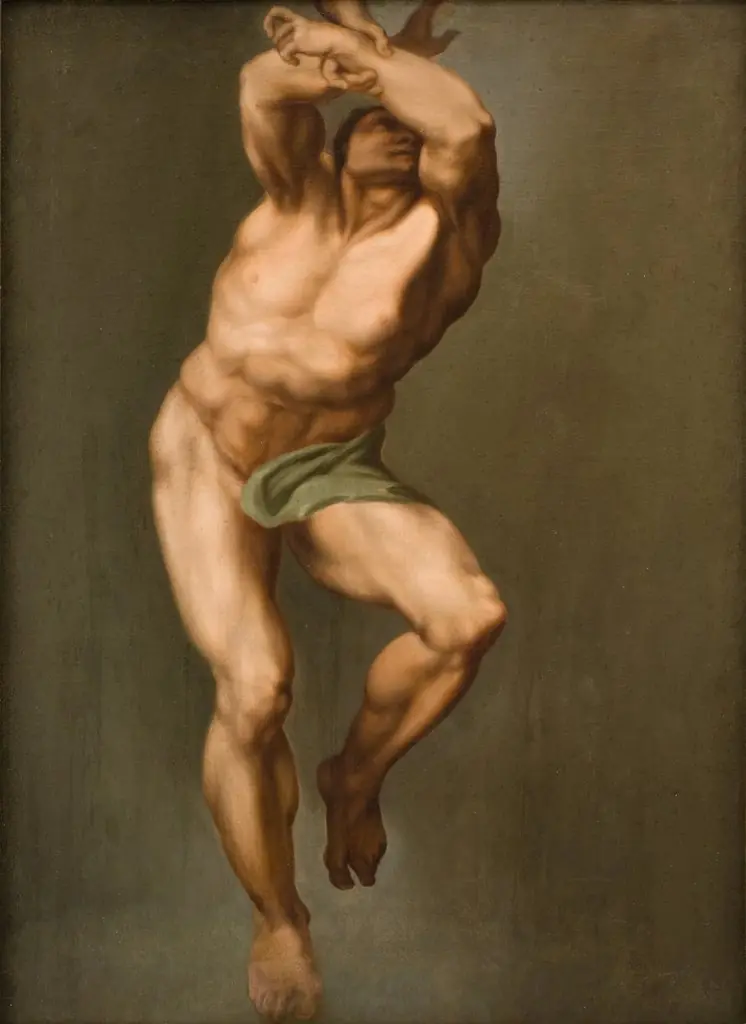 Male Figure. After Michelangelo's "Last Judgement" in the Sistine Chapel
- Donatello (c.1386–1466) (design for a mosaic in the Victoria and Albert Museum)