Artwork
Breaking a Plum Branch on a Snowy Night; Bamboo in Snow
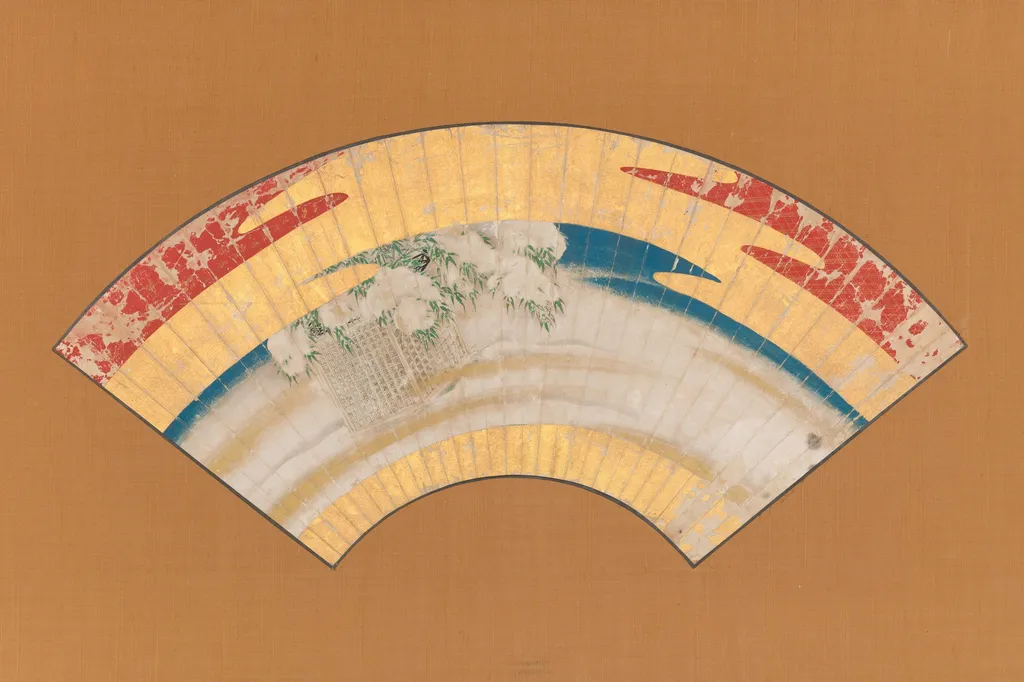
Breaking a Plum Branch on a Snowy Night; Bamboo in Snow is an unspecified painting by the Nanga artist Reizei Tamechika. It dates from 1845 and is held in the collection of the Metropolitan Museum of Art.
About this work
Subject & Meaning
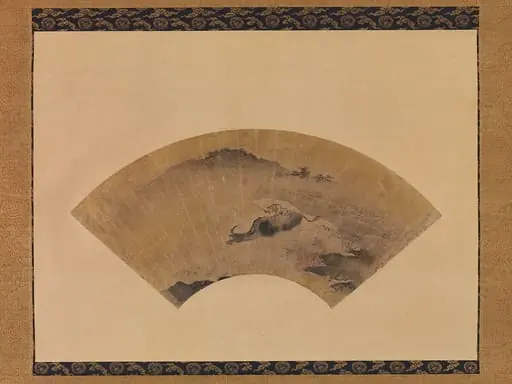
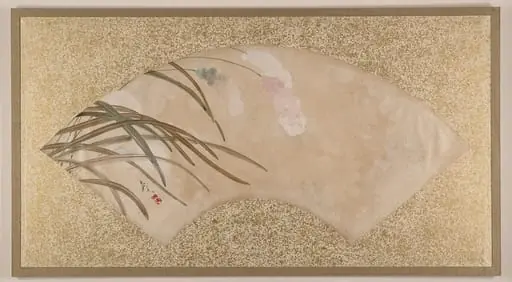
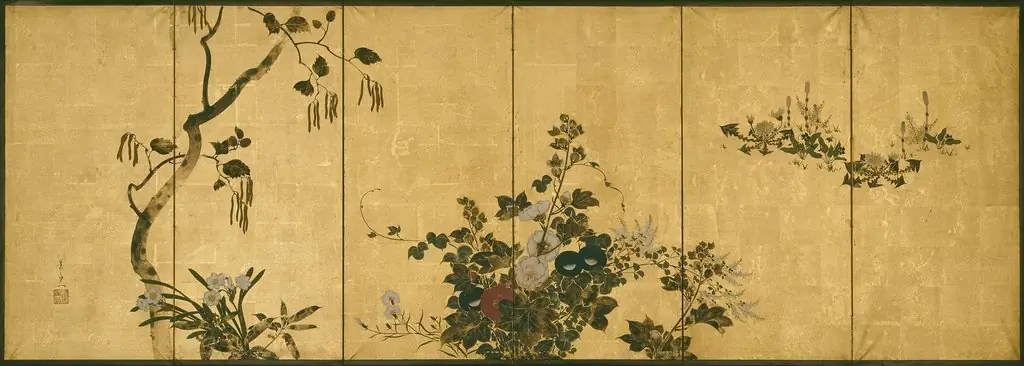
The work shows a plum branch set against a night of snow, with bamboo rendered within the same wintry landscape. Created by Reizei Tamechika in Japan in 1845, the pair of hanging scrolls combines imagery of plum blossom and bamboo in snow, emphasizing the quiet presence of vegetation in winter. Both subjects carry traditional associations with resilience and scholarly virtue in Japanese painting.
History & Provenance
Reizei Tamechika painted Breaking a Plum Branch on a Snowy Night; Bamboo in Snow in 1845 in Japan. The pair of hanging scrolls entered the collection of the Metropolitan Museum of Art, where they are held under accession number 1975.261.178a, b, recorded upon acquisition in 1975.
Overview
Reizei Tamechika, also known as Okada Tamechika, created Breaking a Plum Branch on a Snowy Night; Bamboo in Snow in 1845 during Japan's later Edo Period.
Reizei Tamechika, also known as Okada Tamechika, created Breaking a Plum Branch on a Snowy Night; Bamboo in Snow in 1845 during Japan's later Edo Period. This painting exemplifies the nanga bunjinga movement, yet also reflects the artist's broader interest in classical Japanese aesthetics. The work presents a tranquil winter landscape, featuring resilient bamboo and delicate plum blossoms under a blanket of snow, inviting contemplation of nature's quiet beauty.
Technique & Style
Created within the nanga bunjinga movement, this work by Reizei Tamechika demonstrates a refined approach to landscape painting. While nanga typically drew inspiration from Chinese literati traditions, Tamechika also actively sought to revitalize the classical Yamato-e style, which emphasized native Japanese subjects and aesthetics. This dual influence likely contributed to the painting's distinctive blend of delicate naturalism and evocative atmosphere, characteristic of his artistic output.
Own this work as a print
Artist & collection
Artist
Reizei Tamechika (Japanese: 冷泉為恭; 20 October 1823 – 8 June 1864), also known as Okada Tamechika (岡田為恭), was a Japanese artist from the later Edo Period who was instrumental in reviving the classical style known as Yamato-e.