Artwork
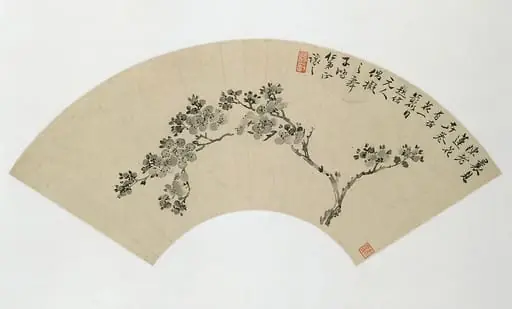
Cherry Blossoms
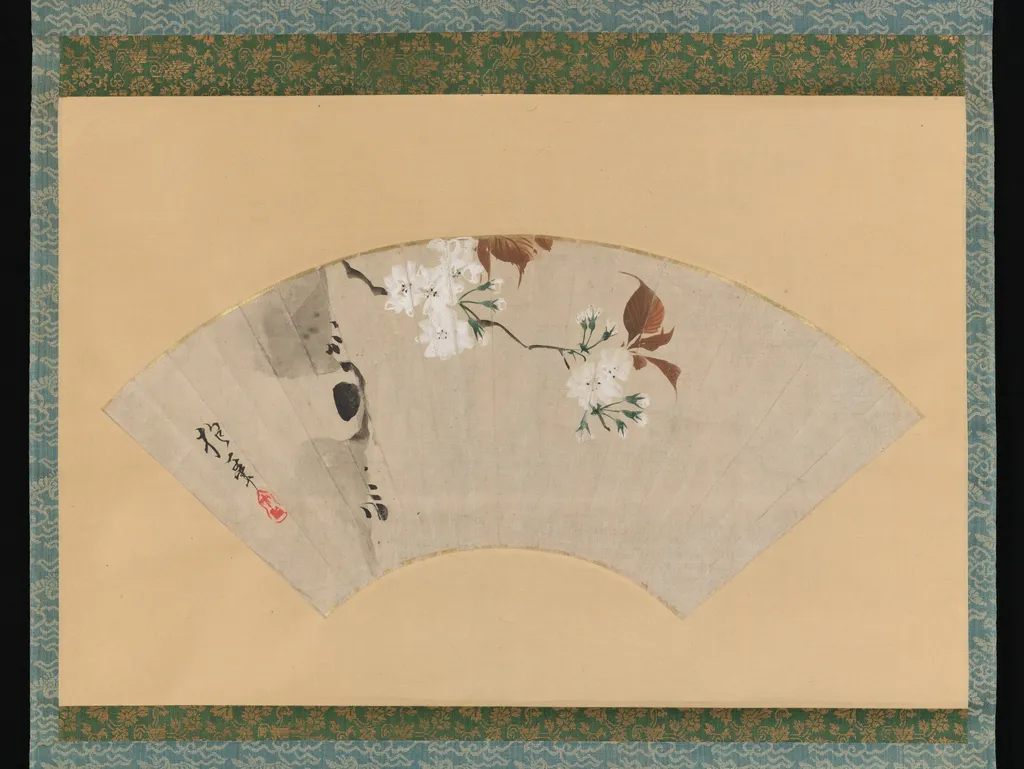
Cherry Blossoms is an unspecified painting by the Ukiyo-e artist Sakai Hōitsu. It dates from 1749 and is held in the collection of the Metropolitan Museum of Art.
About this work
History & Provenance
Its creation dates to the early Edo period, corresponding with the recorded inception of 1749-01-01.
Sakai Hōitsu created the painting Cherry Blossoms in 1749 in Japan. The work is held in the collection of the Metropolitan Museum of Art in New York. Its creation dates to the early Edo period, corresponding with the recorded inception of 1749-01-01. The painting remains part of the museum's permanent holdings.
Cherry Blossoms by Sakai Hōitsu is held in the collection of the Metropolitan Museum of Art. Wikidata records identify the work as belonging to that institution's holdings and located there, though no specific inventory or accession number is provided in the available sources.
No exhibition history is documented in the sources supplied for this work.
Context
Sakai Hōitsu created Cherry Blossoms in 1749, a work now held by the Metropolitan Museum of Art in New York. The painting exemplifies the Rinpa school's decorative treatment of nature, where clusters of blossoms float against a gold-leaf background, reflecting Edo-period aesthetics. Scholarship emphasizes its role within Hōitsu's revival of Ogata Kōrin's style, situating the piece at the intersection of Edo-period painting and early modern Japanese art historical discourse.
Overview
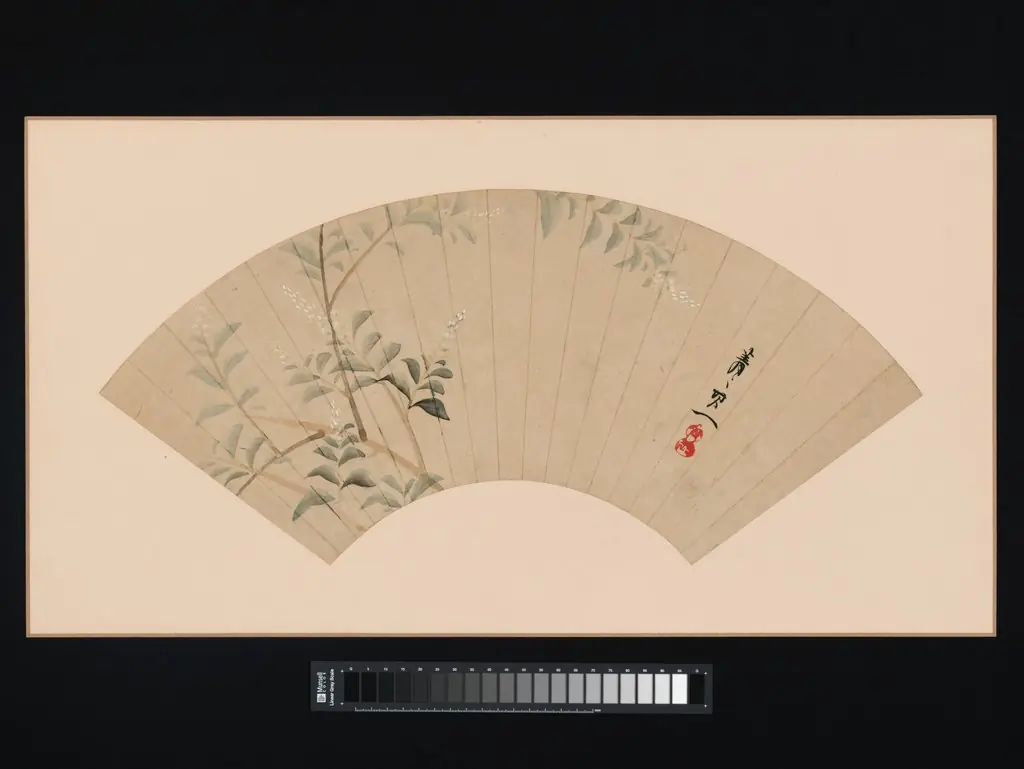
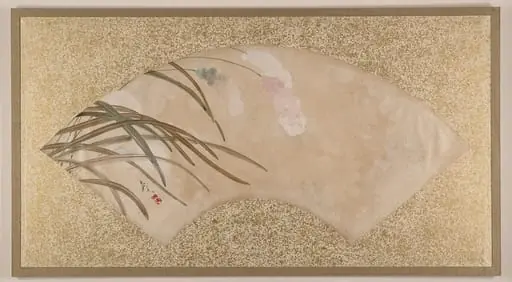
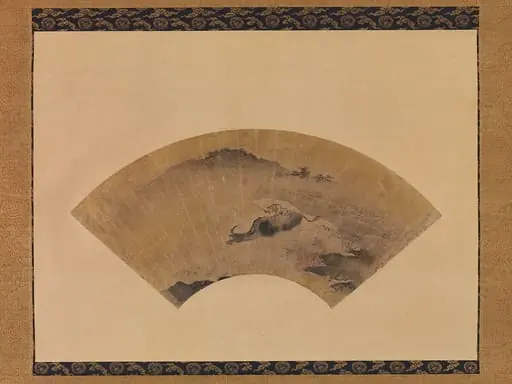
Created in 1749 by the Japanese painter Sakai Hōitsu, this work presents a single folded fan adorned with cherry blossoms. The composition is set against a muted yellow field edged with a green‑gold pattern, while the fan itself is rendered on a plain background. The painting is part of the collection of the Metropolitan Museum of Art in New York.
Subject & Meaning
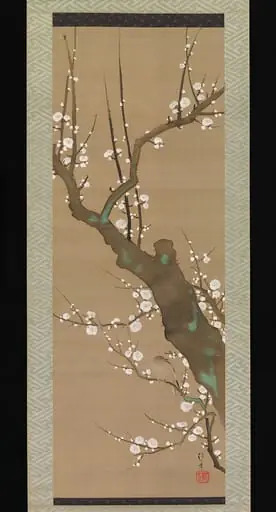
The central motif consists of delicate white cherry blossoms, their petals outlined with subtle green leaves and a few buds tinged red. In Japanese visual culture, cherry blossoms often symbolize the fleeting nature of beauty and the transience of life, suggesting a contemplative reflection on impermanence.
Technique & Style
Hōitsu employs restrained yet precise brushwork, emphasizing the natural curvature of each blossom. The fan’s fold is delineated by a clean, curved line that bisects the surface, while the simple background allows the floral forms to stand out. The limited palette, white, green, red, and muted earth tones, reinforces the work’s understated elegance.
Own this work as a print
Artist & collection


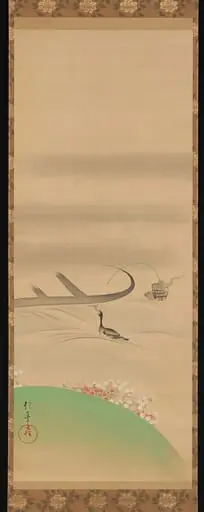
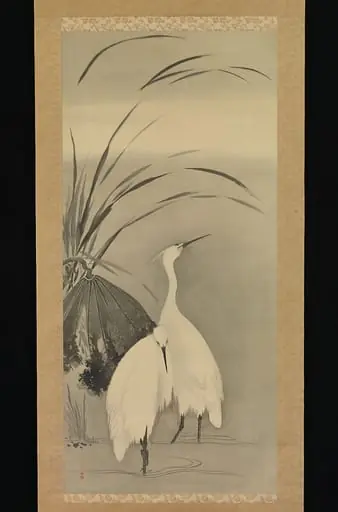
- Chrysanthemums by the Water
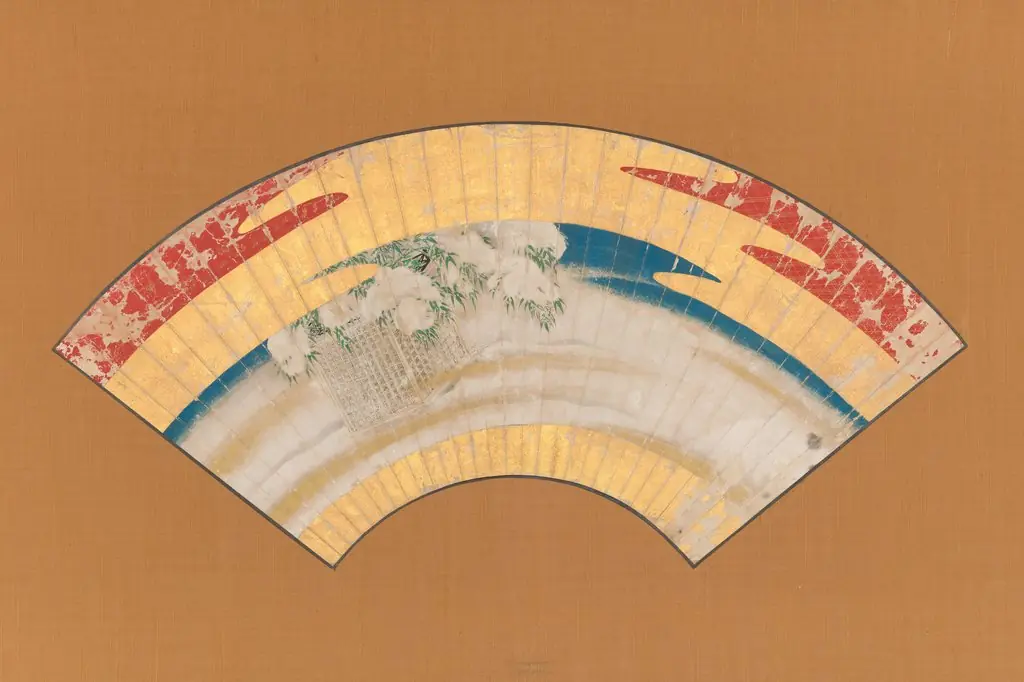 Breaking a Plum Branch on a Snowy Night; Bamboo in Snow
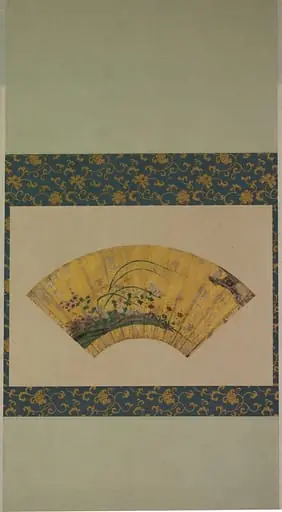 Untitled
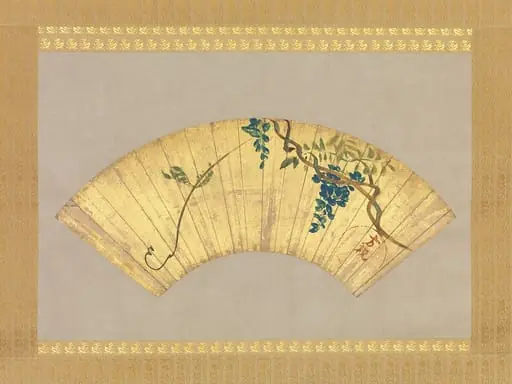 Untitled
 清 吳熙載 杏花 扇面|Apricot
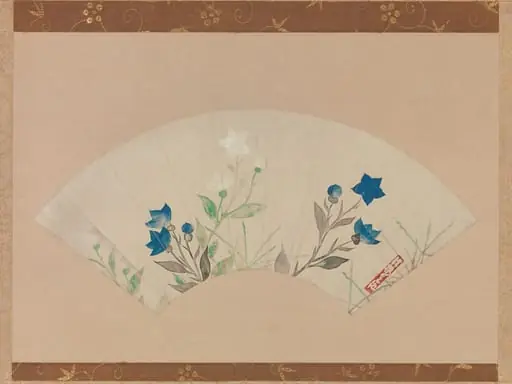 Untitled
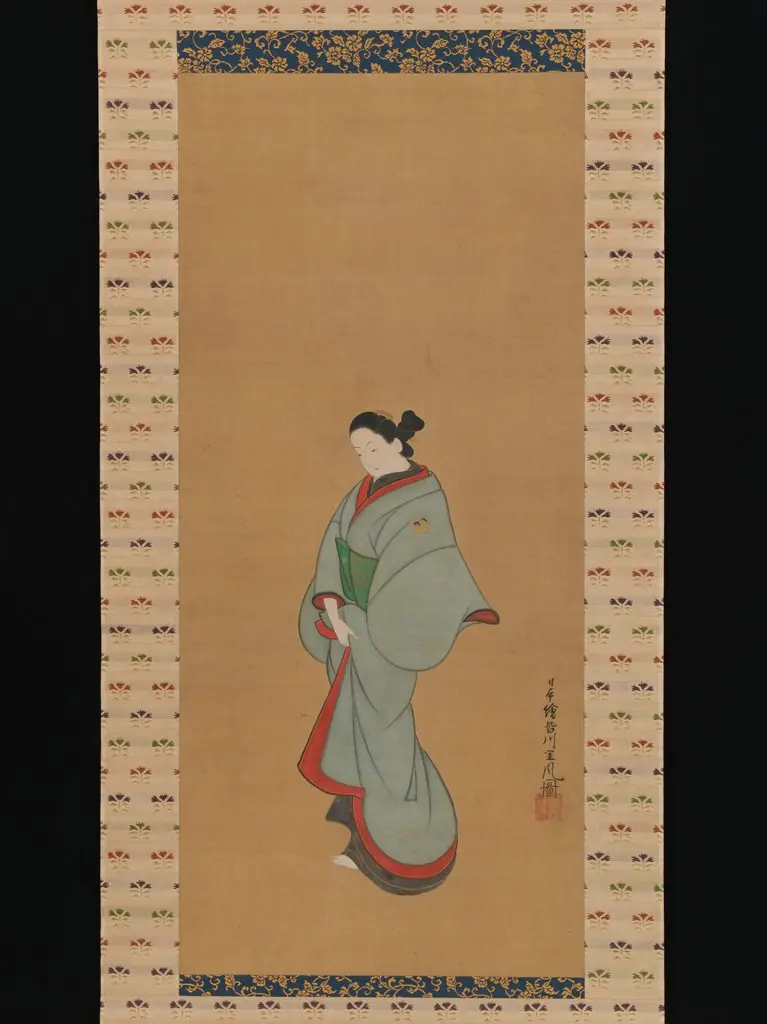 Standing Woman
 Bush Clover
 『春雨集』 摺物帖窪俊満画 クサボタン、萩、シャ ガ、ツバキ、モチツバキ|Spring Rain Collection (Harusame shū), vol. 2: Cut Flowers: Clematis, Bush Clover, Iris, Camellia, and Azalea
 Untitled
 Flowers of Autumn and Winter
 牧童図扇面|Herd Boy with Ox