Artwork
Head of a Dog
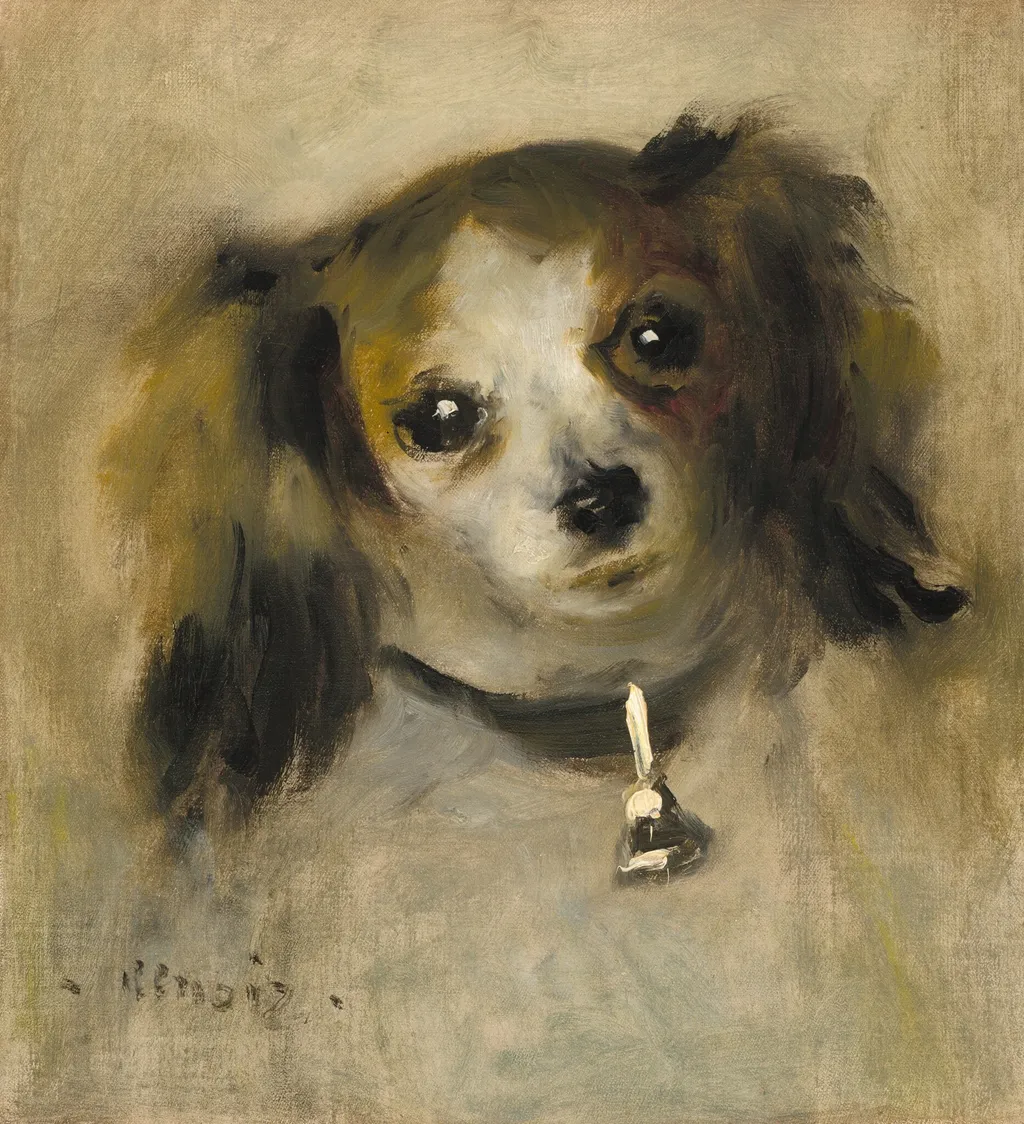
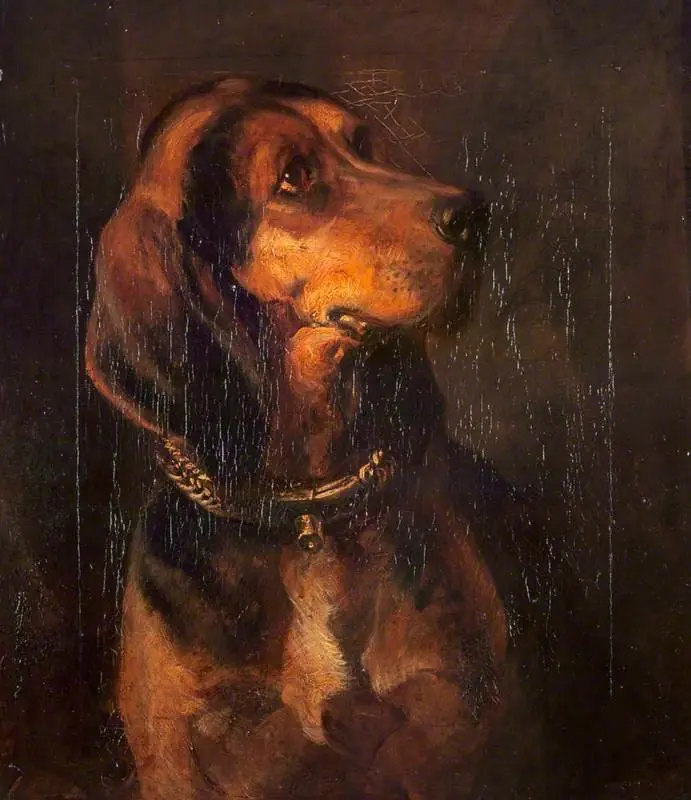
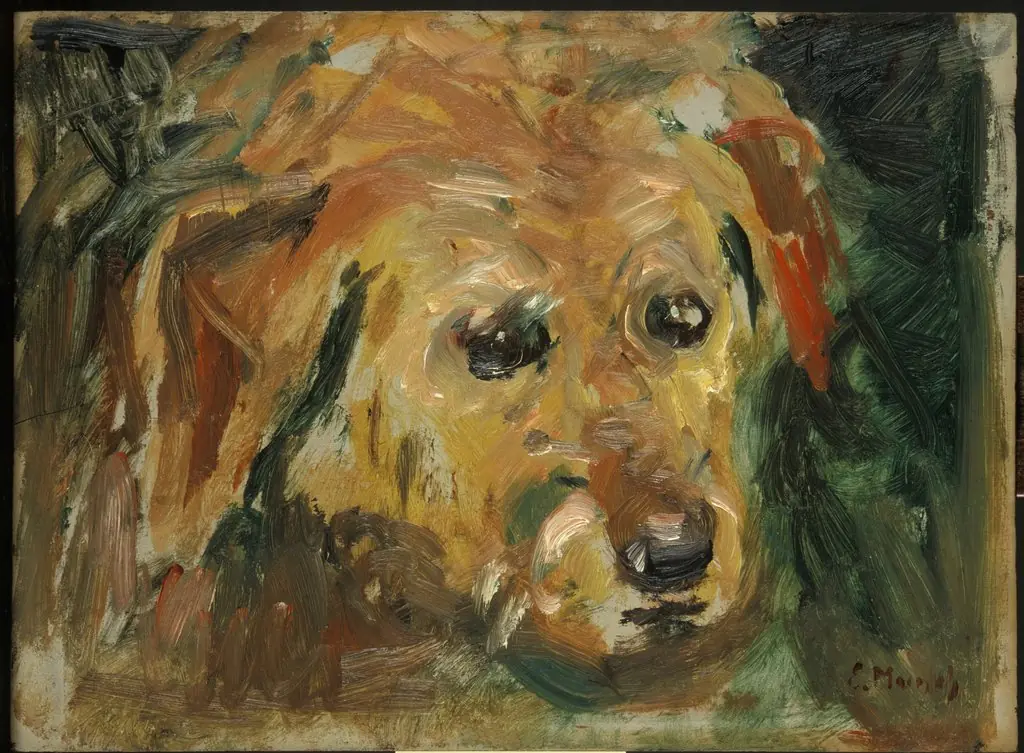
Head of a Dog is an oil painting by the Impressionist artist Pierre-Auguste Renoir. It dates from 1870 and is held in the collection of the National Gallery of Art.
- Inscription
- Inscribed:lower left: .Renoir.
About this work
History & Provenance
The painting was executed in 1870 as an oil on canvas by Auguste Renoir. Its provenance begins with Captain Edward H. Molyneux in Paris by 1952, when it was included in an exhibition of his collection at the National Gallery of Art. In 1955 Molyneux sold the work to Ailsa Mellon Bruce of New York, and upon her death in 1970 it was bequeathed to the National Gallery of Art, where it remains.
Context
Painted in 1870, the work is an oil on canvas portrait that exemplifies Renoir’s early exploration of animal subjects within his broader portraiture practice.
Painted in 1870, the work is an oil on canvas portrait that exemplifies Renoir’s early exploration of animal subjects within his broader portraiture practice. Its inclusion in the 1952 National Gallery of Art exhibition of the Molyneux collection marked one of the first public viewings of the piece, signaling scholarly interest in the artist’s diverse subjects. The painting entered the National Gallery of Art’s collection through the bequest of Ailsa Mellon Bruce in 1970, where it remains on view, allowing continued study of Renoir’s technique and compositional balance in this early work.
Legacy
The 1870 portrait of a dog by Auguste Renoir entered the National Gallery of Art through the bequest of Ailsa Mellon Bruce in 1970, having previously been owned by Capt. Edward H. Molyneux and shown in a 1952 exhibition of his collection. Its inclusion in the museum’s permanent holdings and repeated display have cemented its status as a representative example of Renoir’s early portraiture, influencing scholarship on the artist’s formative years. The work remains accessible to the public in Washington, D.C., where it contributes to the institution’s reputation for preserving significant Impressionist pieces.
Overview
Auguste Renoir's painting, "Head of a Dog," created in 1870, is an oil on canvas work that presents a focused depiction of an animal. This piece offers a close-up view of a dog's head, illustrating the artist's early engagement with portraiture beyond human subjects. It provides insight into his developing approach to capturing the character of his subjects.
Subject & Meaning
The artwork centers on the face of a dog, characterized by its predominantly white fur contrasted with brown patches around its eyes and ears. A black collar, from which a small bell hangs, encircles its neck. The animal's gentle expression contributes to an overall sense of quiet contemplation, inviting viewers to appreciate the inherent beauty of the scene.
Technique & Style
Renoir utilized oil paints on canvas to render this intimate animal portrait. His deliberate application of brushstrokes and a carefully chosen color palette generate a distinct sense of warmth and closeness. This artistic approach effectively highlights the dog's soft features and draws the viewer's attention to its serene demeanor, reflecting the artist's evolving stylistic concerns.
Own this work as a print
Artist & collection

Artist
Pierre-Auguste Renoir was a French artist who was a leading painter in the development of the Impressionist style.