Artwork
Portrait of Eduard I. Totleben
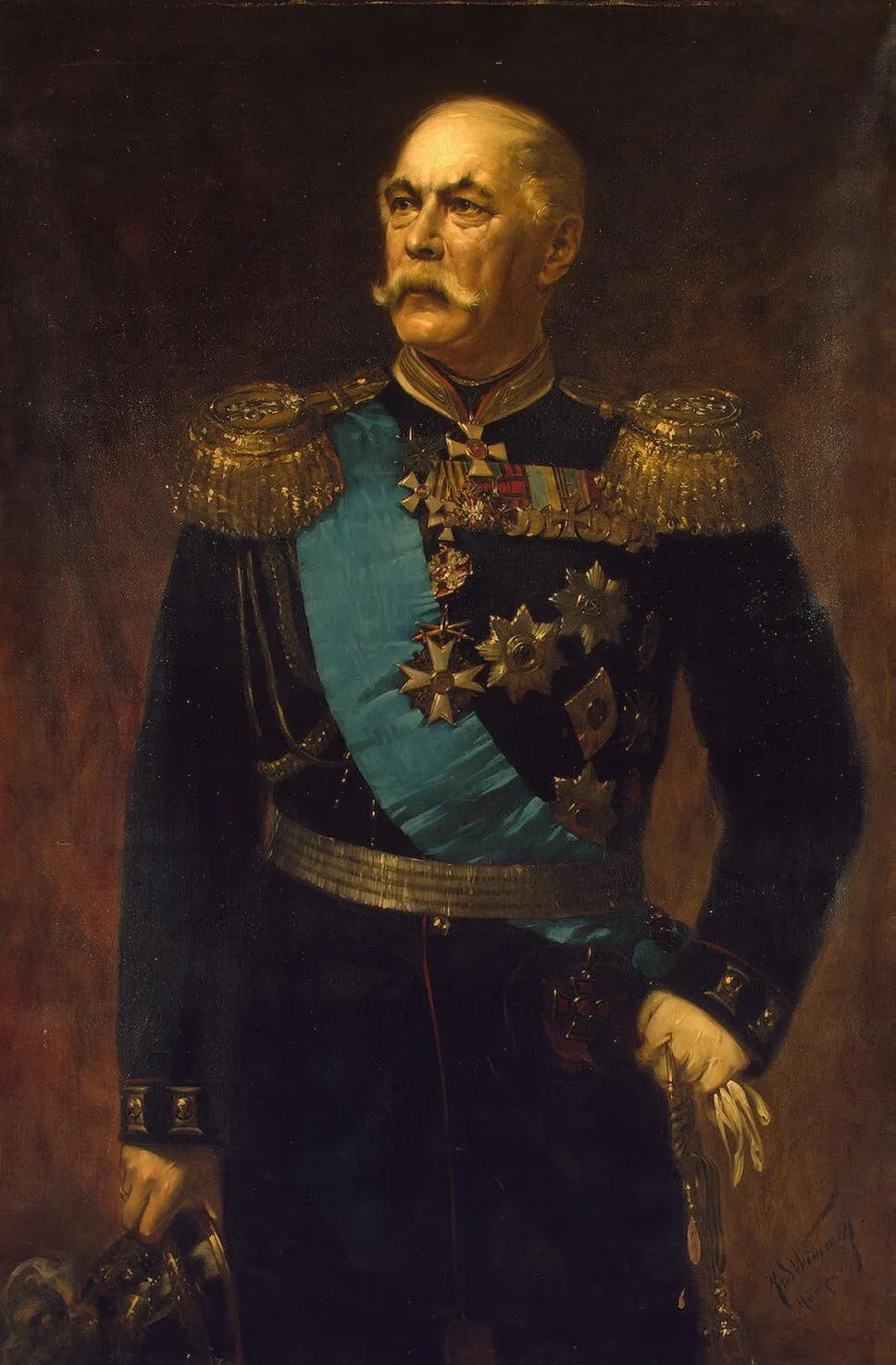
Portrait of Eduard I. Totleben is an oil painting by the Impressionist artist Rudolf Wimmer. It dates from 1898 and is held in the collection of the Hermitage Museum.
About this work
Subject & Meaning
The iconography includes specific markers of military or official status, as the subject is shown wearing a sash and holding a glove.
The painting depicts Eduard I. Totleben, a male figure rendered in oil on canvas. The iconography includes specific markers of military or official status, as the subject is shown wearing a sash and holding a glove. A medallion is also present in the composition, further emphasizing the sitter's rank or achievements.
Created in 1896 by Rudolf Wimmer, the work functions as a formal portrait intended to represent the identity and stature of Totleben through these symbolic attributes of authority.
Technique & Style
The portrait is executed in oil paint on canvas, a standard medium for late nineteenth-century European portraiture. Its physical dimensions are 125 cm in height by 82.5 cm in width, giving it a pronounced vertical orientation suited to a half- or three-quarter-length seated figure. The composition incorporates a medallion, sash, and glove as identifying attributes of the sitter, suggesting a formal, ceremonial handling rather than an informal one.
Stylistically, the work reflects the academic portrait conventions of its period, with the oil technique allowing for the layered modeling and detailed rendering typical of commemorative likenesses of military or state figures. The canvas support and oil medium remain consistent with the production context of Germany in 1896.
History & Provenance
Rudolf Wimmer painted Portrait of Eduard I. Totleben in 1896 in Germany, creating an oil on canvas work measuring 125 cm by 82.5 cm that portrays the subject with a medallion, sash, and glove. The painting entered the collection of the Hermitage Museum shortly after its completion, where it remains on display.
The work was commissioned to commemorate the subject’s military service, reflecting the formal portraiture conventions of the period. Its provenance is documented through direct transfer from the artist to the museum, establishing a clear ownership chain from creation to present custody.
The painting is held in the collection of the Hermitage Museum, where it is located within the museum's premises. Created in 1896, the work depicts Eduard I. Totleben using oil paint on canvas. The source material does not provide a specific inventory or accession number for the piece, nor does it list any records of past or future exhibitions.
Legacy
The painting’s legacy is anchored in its presence at the Hermitage Museum, where it remains part of the collection of European portraiture. Its formal qualities and historical context have been referenced in scholarly discussions of late‑19th‑century Russian portraiture, influencing later depictions of military figures. The work is frequently cited in studies of Wimmer’s output, underscoring its role in shaping the artist’s reputation beyond Germany.
Overview
Rudolf Wimmer’s 1898 oil portrait presents Eduard I. Totleben in full military regalia. The canvas, now part of the State Hermitage Museum’s collection, captures the officer’s stern visage framed by a dark blue uniform, gold epaulettes, a blue sash, and an array of medals. A white glove rests on his left hand while he holds a sword in his right, emphasizing his rank and decorum.
Context
Eduard I. Totleben served during a period of significant military reform in the Russian Empire, and portraits such as this were commonly commissioned to commemorate rank and achievements. Wimmer’s rendering aligns with contemporary Russian portraiture that emphasized realism, formal attire, and the visual language of authority.
Artist & collection

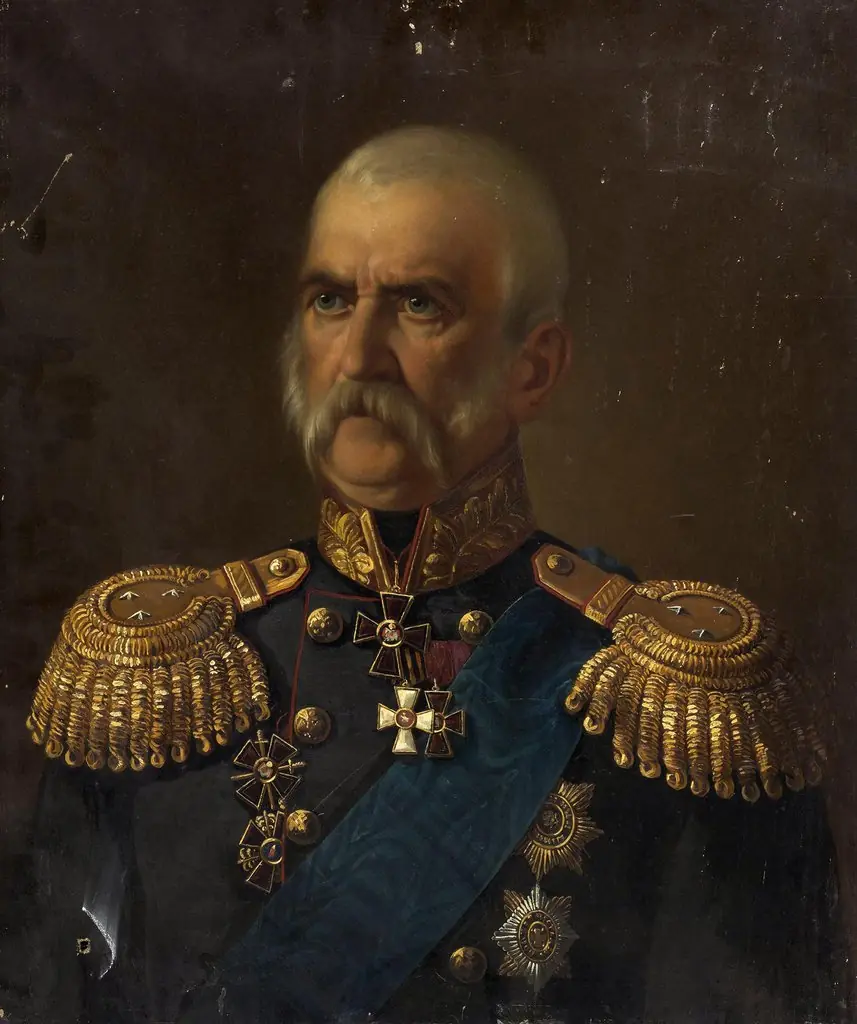 Portrait D.B. Bronevskogo
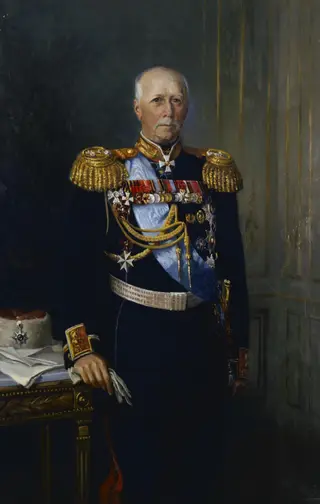 Portrait of Count P.A.Shuvalov
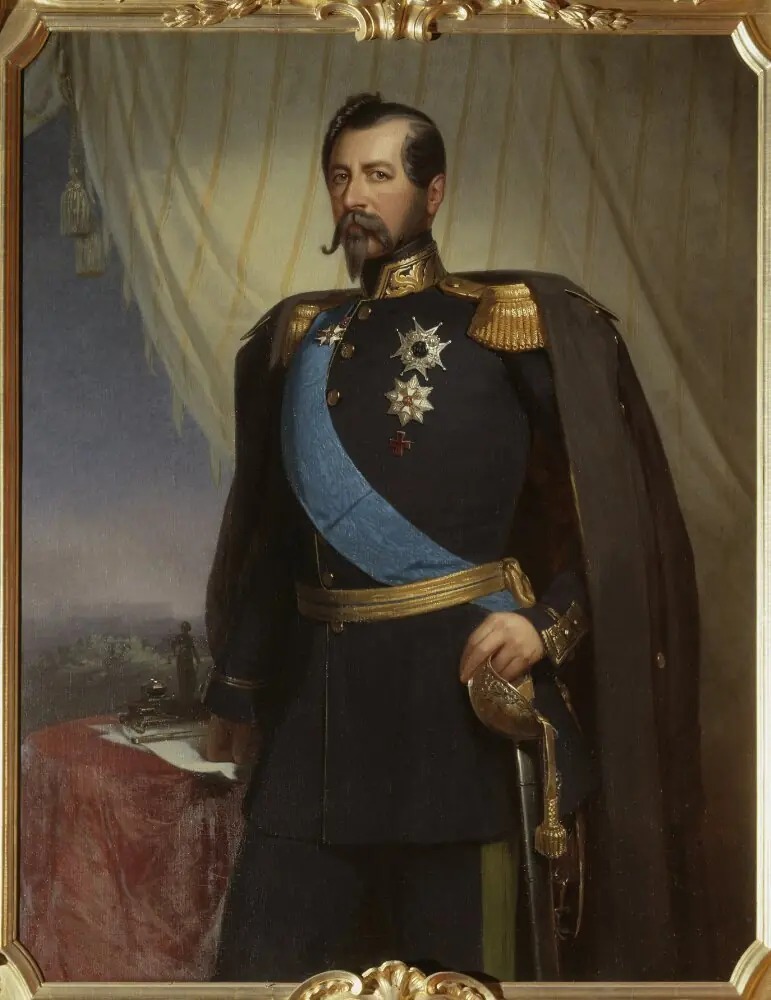 Oskar I, 1799-1859, konung av Sverige och Norge
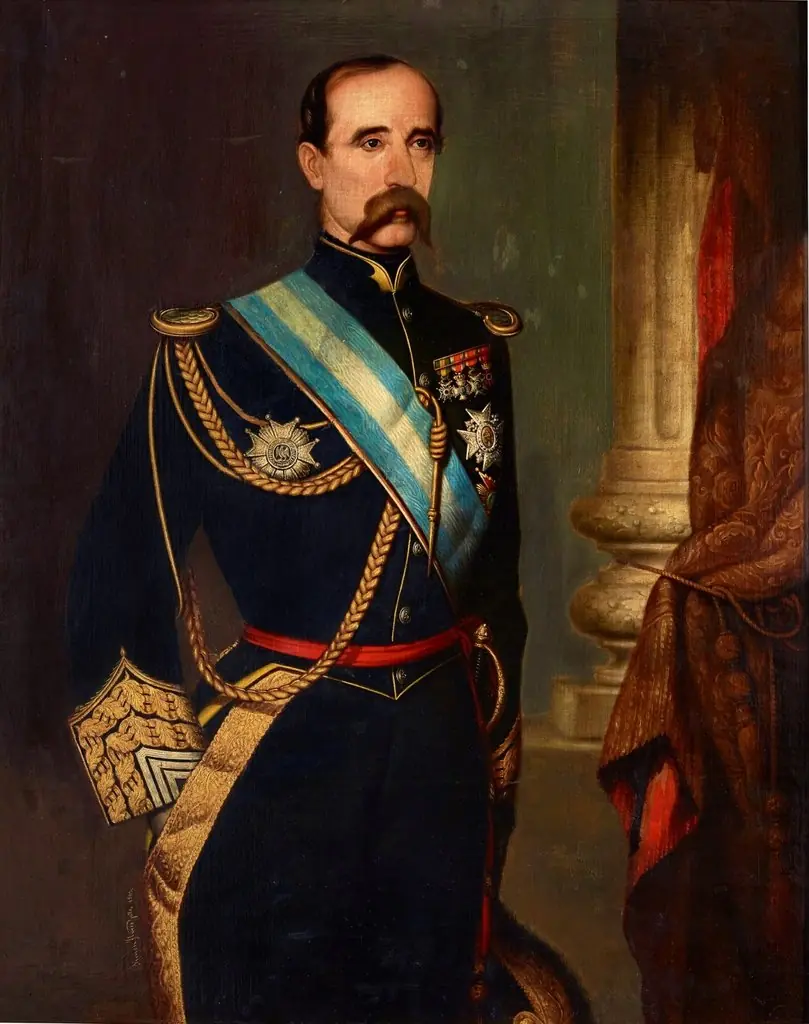 José Lemery e Ibarrola Ney y González
 Portrait of Pavel Ignatyev
 Portrait of Admiral A. I. Rusin
 Portrait of Adjutant-General Alexander Liders
 Portrait of Pyotr Kleinmichel
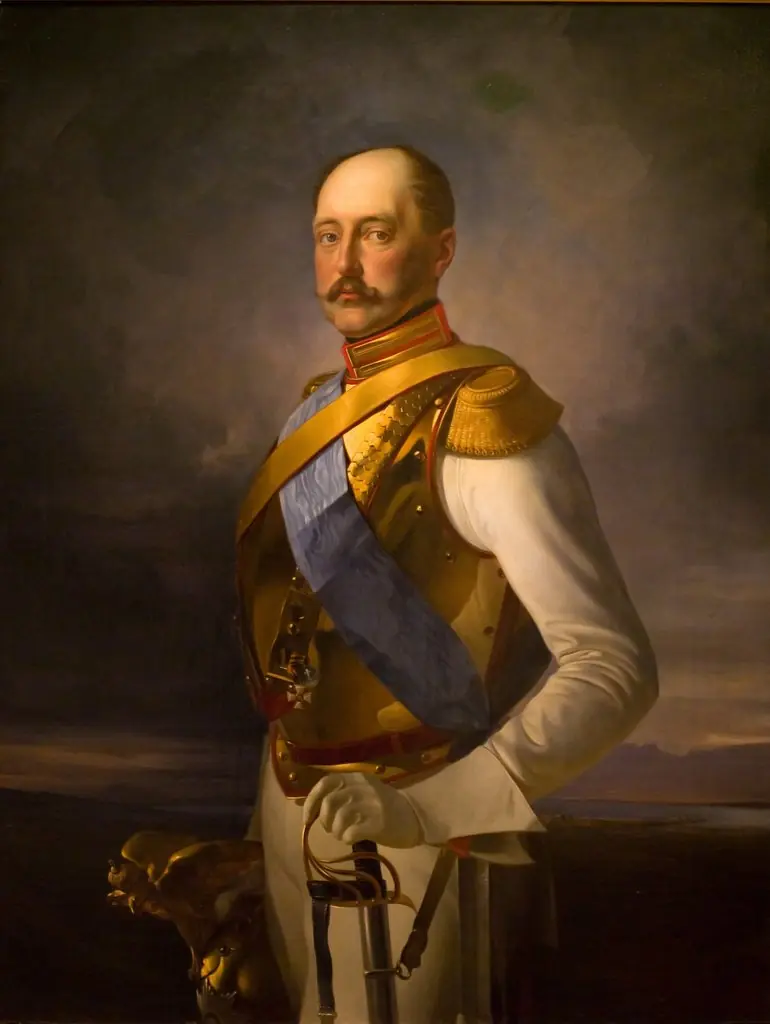 Portrait of Emperor Nicholas I
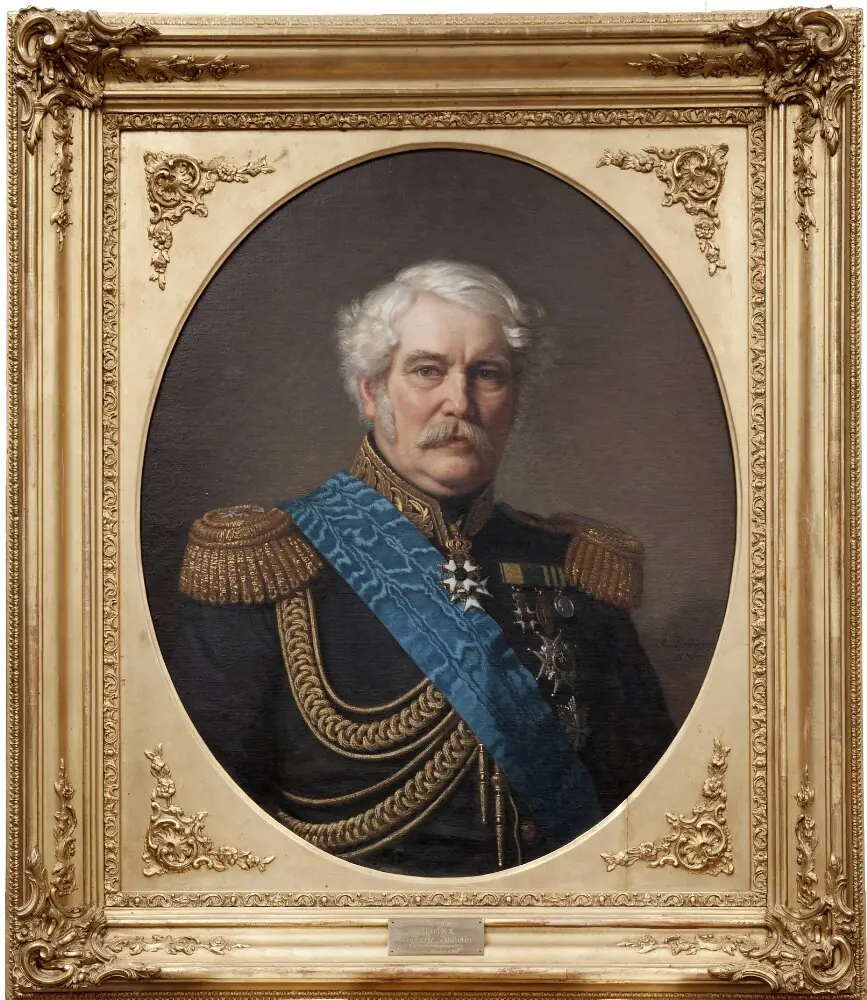 Johan Peter Lefrén (1784-1862), general, educationalist, politician, Married to Maria Antoinetta Hedman