Artwork
Andrew D. Barclay
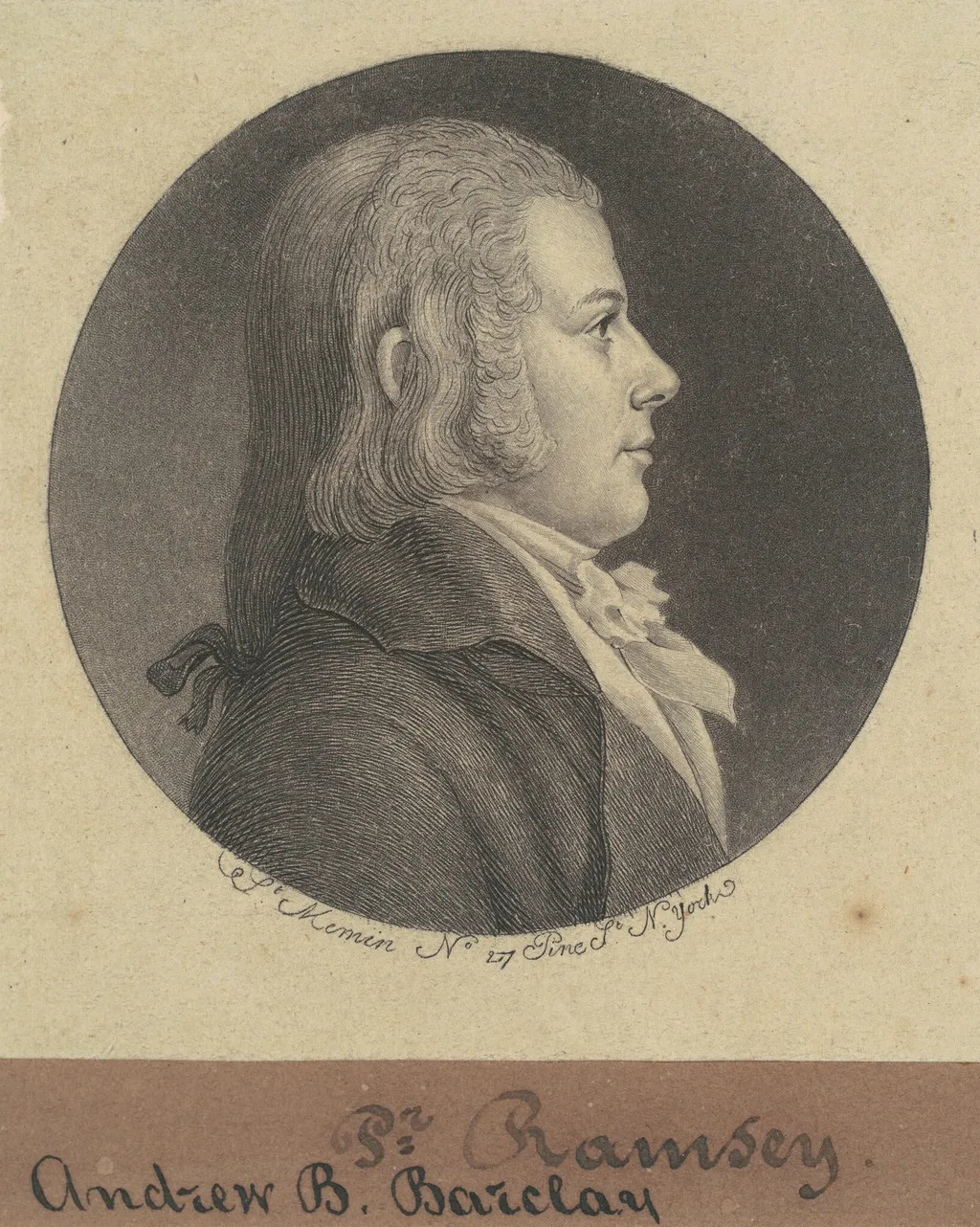
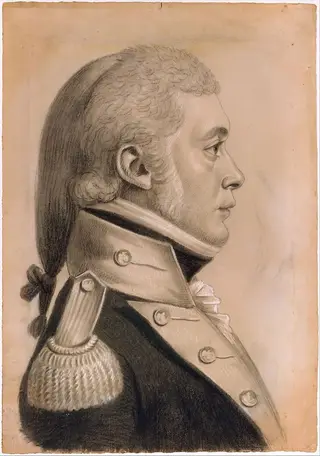
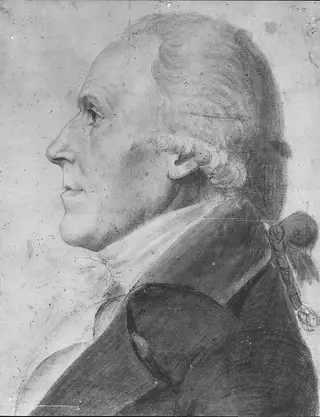
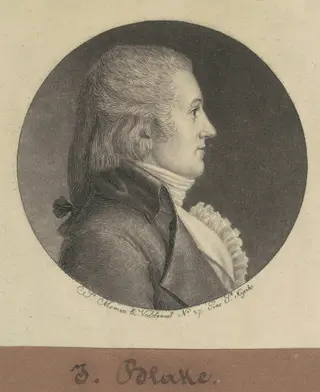
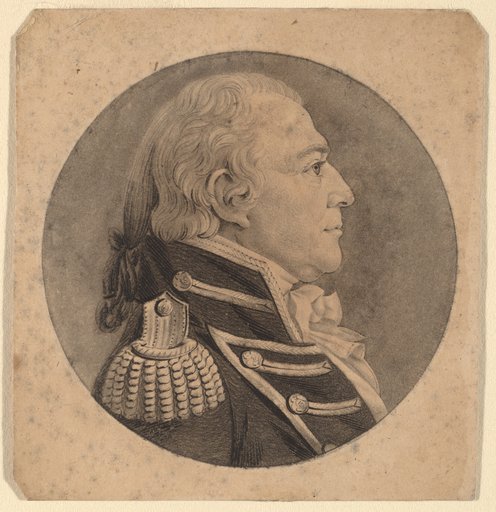
Andrew D. Barclay is an ink print by the Romanticist artist Charles B. J. Févret de Saint-Mémin. It dates from 1796 and is held in the collection of the National Gallery of Art. Created between 1796 and 1797, this portrait presents Andrew D.
- Inscription
- Inscribed:lower center in plate: St Memin No 27 Pine St. N. York; lower center mount in black ink by unknown hand: Pr. Ramsey. / Andrew B. Barclay
About this work
The portrait is part of the Corcoran Collection and was made in 1796-1797, which is interesting because it shows the artist's skill during that time.
This painting is a portrait of Andrew D. Barclay. It's made with mezzotint and engraving on wove paper. The artist used a lot of detail to create a realistic image.
The portrait is part of the Corcoran Collection and was made in 1796-1797, which is interesting because it shows the artist's skill during that time. You can learn more about the artist who made this portrait by looking up Saint-Mémin, Charles B. J. Févret de.
Overview
Created between 1796 and 1797, this portrait presents Andrew D. Barclay rendered in a combination of mezzotint and engraving. Executed on wove paper that is subsequently mounted to a brown wove backing, the work belongs to the Corcoran Collection now housed within the National Gallery of Art. It exemplifies the printmaking practices of the late eighteenth century.
Subject & Meaning
The image portrays Andrew D. Barclay, a figure whose identity is preserved through the careful rendering of facial features and attire. While no narrative scene accompanies the portrait, the focus on realistic likeness reflects the period’s interest in documenting individual status and character through portraiture.
Technique & Style
The artist, Charles B. J. Févret de Saint‑Mémin, employed mezzotint to achieve a rich tonal range, complemented by fine engraving lines that enhance detail. The use of wove paper, noted for its smooth surface, allowed for precise incisions and subtle gradations, resulting in a lifelike representation that balances depth with clarity.
History & Provenance
Originally produced in the late 1790s, the print entered the Corcoran Collection before being transferred to the National Gallery of Art. Its documented provenance traces a clear line from the artist’s studio to the museum’s holdings, underscoring its preservation within institutional collections for over two centuries.
Context
During the 1790s, mezzotint and engraving were prominent methods for reproducing portraits, especially among the American and European elite. Saint‑Mémin, a French émigré active in the United States, applied these techniques to capture the likenesses of prominent individuals, situating this work within a broader transatlantic exchange of artistic practice.
Own this work as a print
Artist & collection
Artist
Charles B. J. Févret de Saint-Mémin
Charles Balthazar Julien Févret de Saint-Mémin (French pronunciation: ; 1770–1852) was a French portrait painter and museum director.