Artwork
Charles Everett
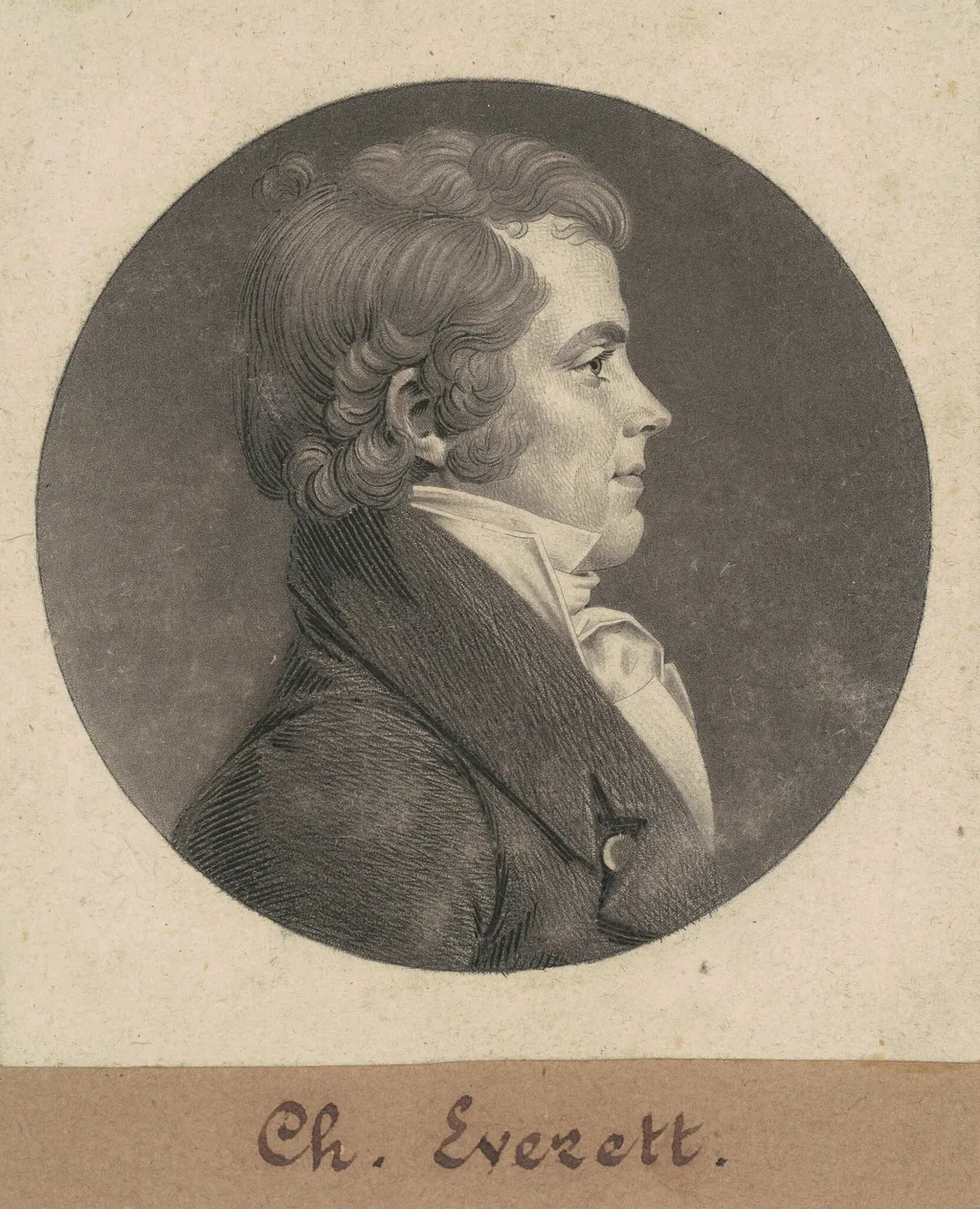
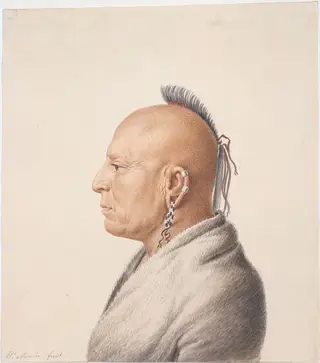
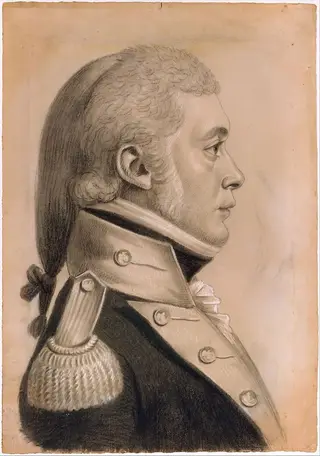
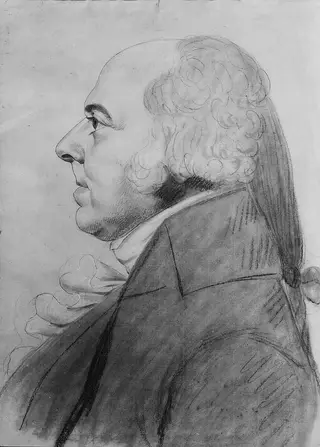
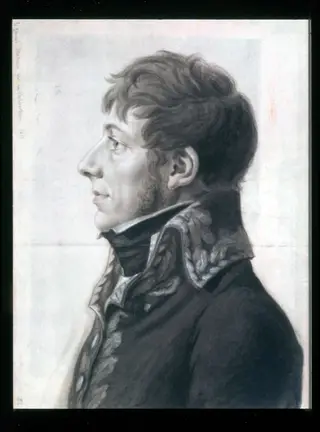
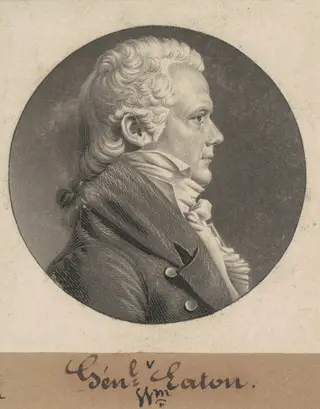
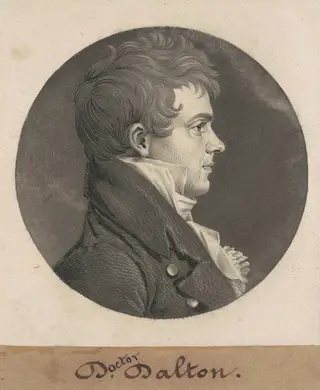
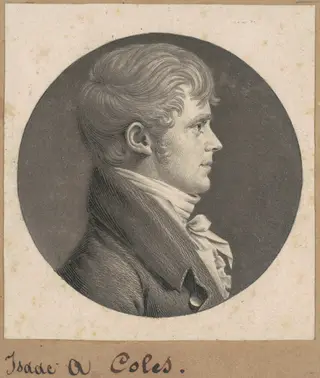
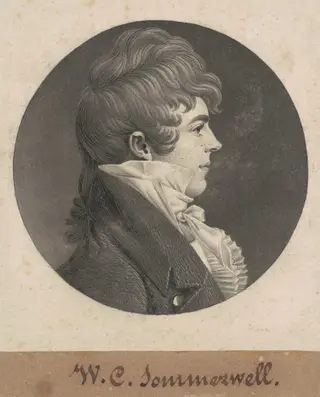
Charles Everett is an ink print by the Romanticist artist Charles B. J. Févret de Saint-Mémin. It dates from 1808 and is held in the collection of the National Gallery of Art. This print is a mezzotint and engraving by Charles B.
- Inscription
- Inscribed:lower center mount in black ink by unknown hand: Ch. Everett.
About this work
Overview
Executed in black ink on wove paper and mounted to a brown wove support, it belongs to the Corcoran Collection.
This print is a mezzotint and engraving by Charles B. J. Févret de Saint-Mémin, depicting Charles Everett in profile. Executed in black ink on wove paper and mounted to a brown wove support, it belongs to the Corcoran Collection. The work exemplifies Saint-Mémin’s signature technique, combining the tonal richness of mezzotint with the precision of engraving to render a restrained, lifelike portrait.
Subject & Meaning
The portrait captures Charles Everett, a young man, in a quiet, frontal profile with a slight turn of the head. His expression is composed, neither formal nor animated, suggesting a deliberate effort to convey presence over status. The absence of adornment or context focuses attention on the individual’s physiognomy, reflecting early 19th-century American portraiture’s preference for understated dignity.
Technique & Style
Saint-Mémin employed mezzotint to achieve subtle gradations of tone, scraping the metal plate to transition from deep black to delicate highlights on the skin. Engraved lines define finer details like the hairline and collar. The hair merges into the shadowed background, creating a sense of dissolution that enhances the portrait’s intimacy. This method required meticulous handwork, favoring realism over color.
History & Provenance
The print was produced in the early 1800s during Saint-Mémin’s active years in the United States, where he specialized in portrait prints for the emerging middle and professional classes. It entered the Corcoran Collection, a significant American art repository, and remains part of its holdings today, preserving its role in documenting early American visual culture.
Context
In early 19th-century America, mezzotint was a favored medium for reproducing likenesses without the cost of oil painting. Saint-Mémin’s portraits served as accessible records of civic and social figures. His technique, developed in Europe and adapted in the U.S., met a demand for dignified, monochrome representations that balanced artistry with affordability.
Legacy
Saint-Mémin’s mezzotints, including this portrait, contributed to the standardization of portrait printing in the United States. His method influenced later printmakers by demonstrating how tonal depth could be achieved without color. These works remain valuable for their technical precision and as historical documents of individual identity in a young republic.
Own this work as a print
Artist & collection
Artist
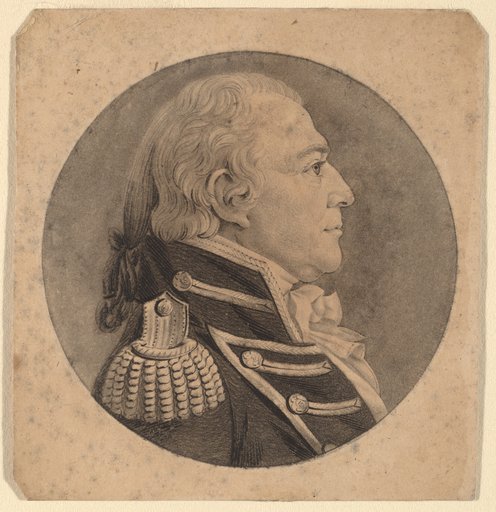
Charles B. J. Févret de Saint-Mémin
Charles Balthazar Julien Févret de Saint-Mémin (French pronunciation: ; 1770–1852) was a French portrait painter and museum director.