Artwork
Jacob Burnet
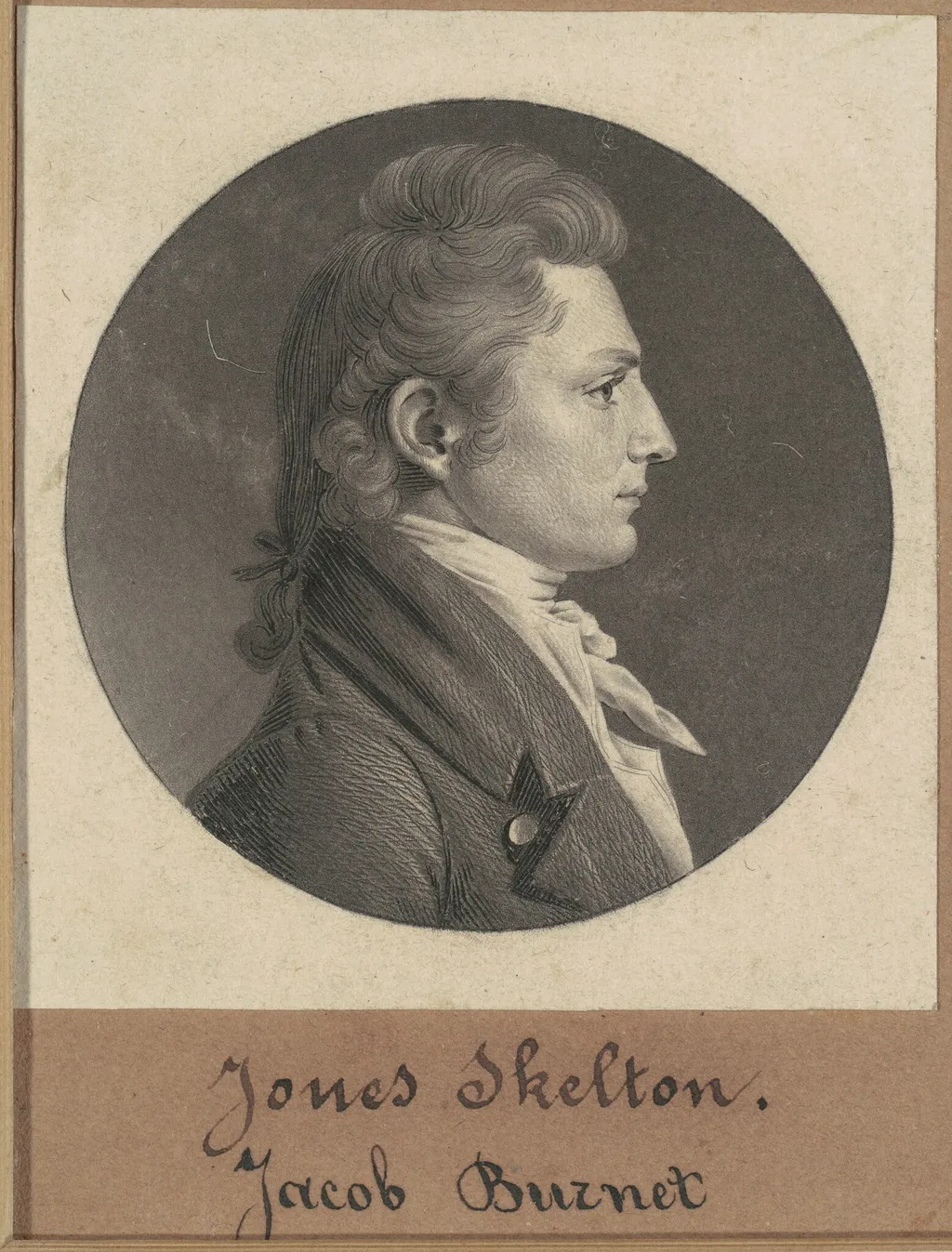
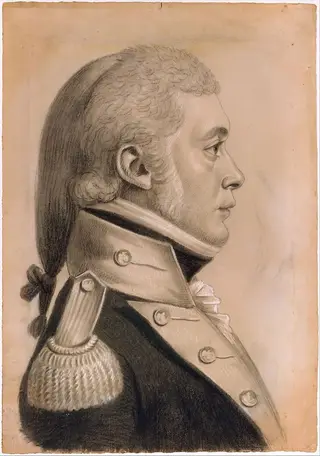
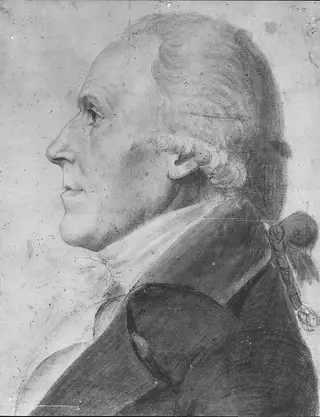
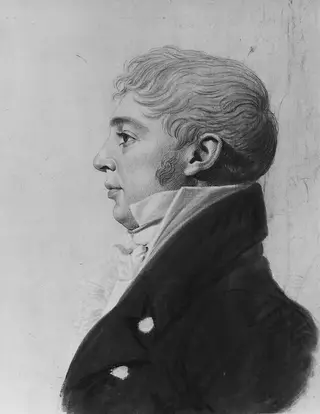
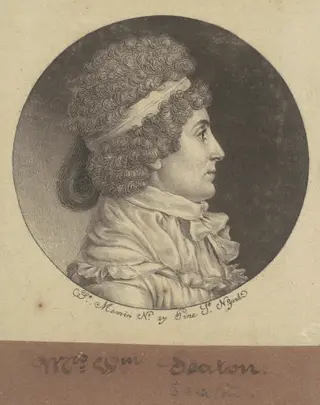
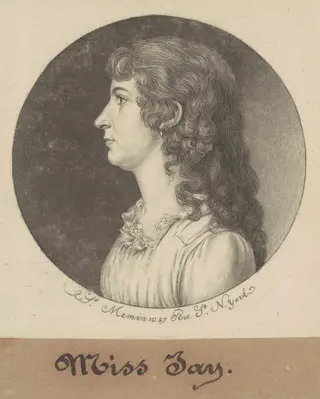
Jacob Burnet is an ink print by the Romanticist artist Charles B. J. Févret de Saint-Mémin. It dates from 1807 and is held in the collection of the National Gallery of Art. Charles B.
- Inscription
- Inscribed:lower center mount in black ink by unknown hand: Jones Skelton. / Jacob Burnet
About this work
Overview
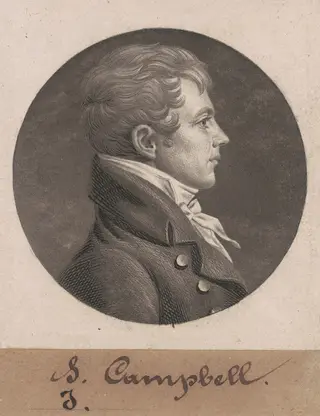
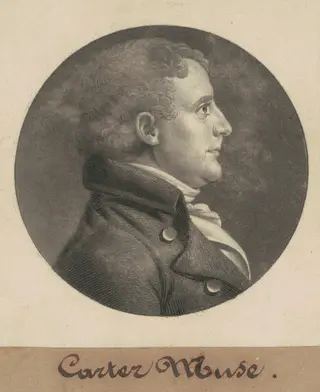
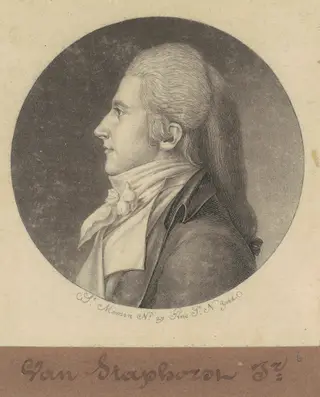
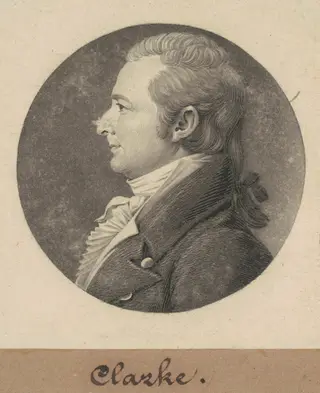
Charles B. J. Févret de Saint‑Mémin’s portrait of Jacob Burnet is a black‑and‑white print executed in mezzotint and engraving. The image appears on wove paper that has been mounted to a brown‑toned backing, giving the work a subtle tonal depth. It belongs to the Corcoran Collection and exemplifies the artist’s capacity for fine, linear detail within the print medium.
Subject & Meaning
The print presents Jacob Burnet in formal attire, his gaze directed outward, creating a sense of engagement with the viewer. The careful rendering of facial features and clothing suggests an intention to convey both the individual’s social standing and personal character, typical of portraiture intended for public recognition in the early nineteenth century.
Technique & Style
Saint‑Mémin combined mezzotint’s rich tonal gradations with the precise line work of engraving, employing myriad fine strokes to model the subject’s features and fabric. This hybrid approach allows subtle shading alongside crisp outlines, producing a realistic likeness that highlights the artist’s mastery of both intaglio processes.
History & Provenance
The portrait was created by Saint‑Mémin, a French‑born artist active in the United States during the early 1800s, known for his depictions of prominent American figures. The print entered the Corcoran Collection, where it has been preserved as part of the institution’s holdings of early American portraiture.
Context
Jacob Burnet was a notable political and legal figure in Ohio, serving as a senator and judge. Portraits of such individuals were commonly commissioned to affirm their public roles. Saint‑Mémin’s work reflects the transatlantic exchange of artistic techniques, bringing European print methods to the burgeoning American republic.
Own this work as a print
Artist & collection
Artist
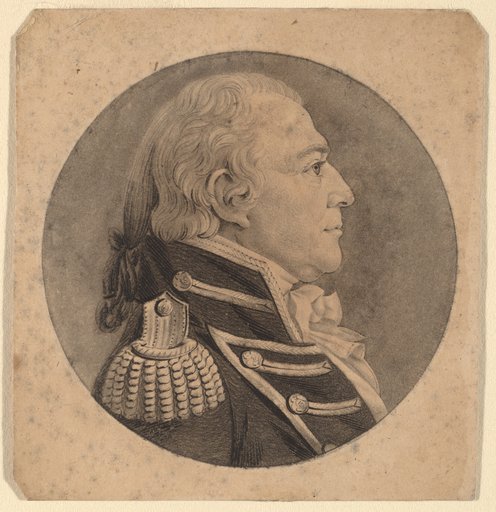
Charles B. J. Févret de Saint-Mémin
Charles Balthazar Julien Févret de Saint-Mémin (French pronunciation: ; 1770–1852) was a French portrait painter and museum director.