Artwork
James Campbell
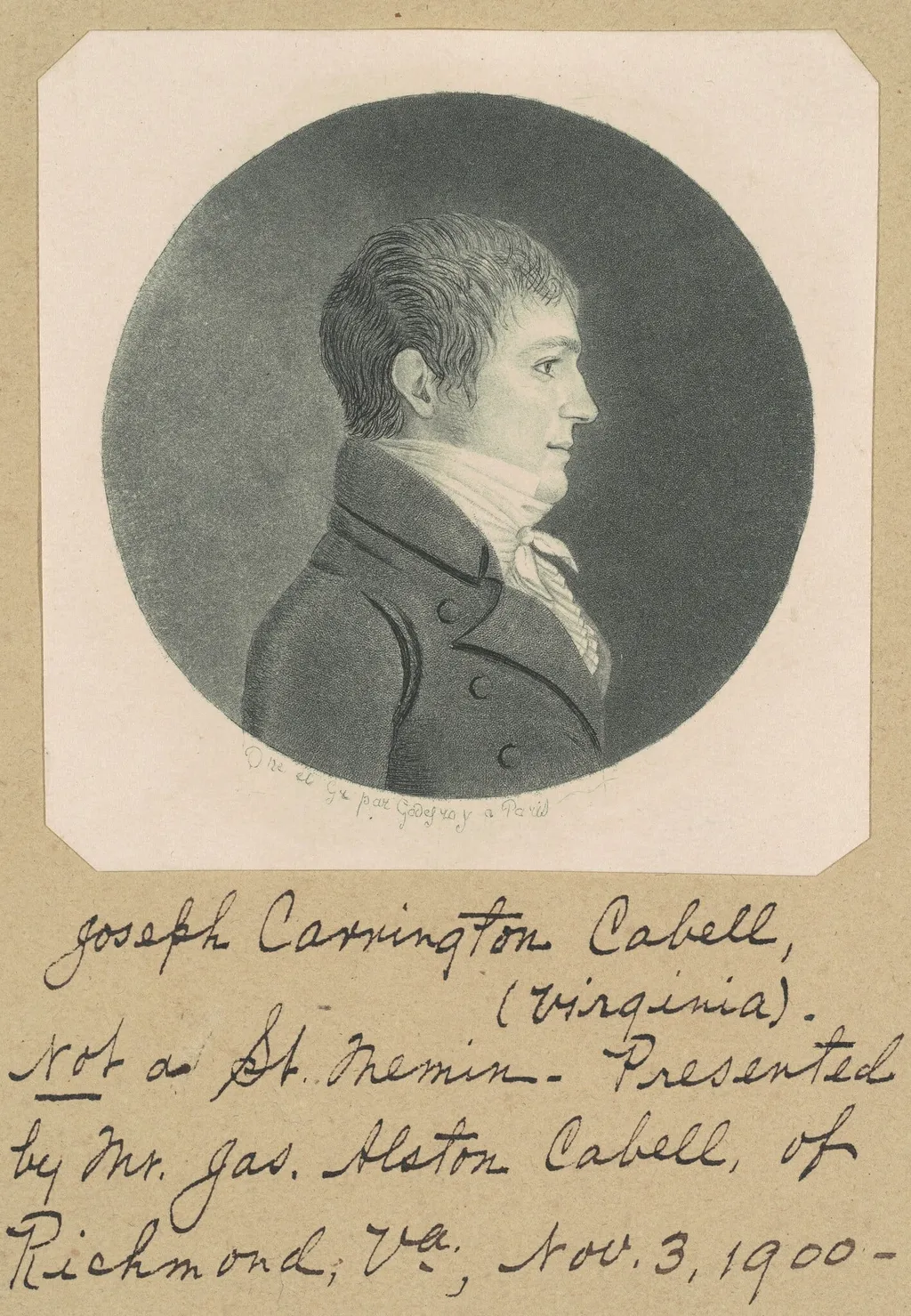
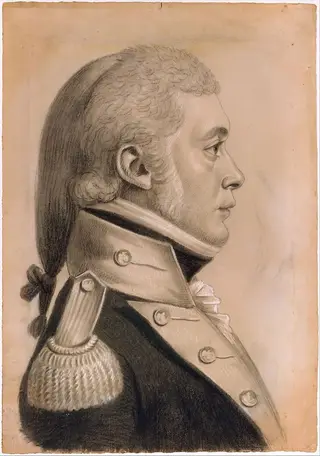
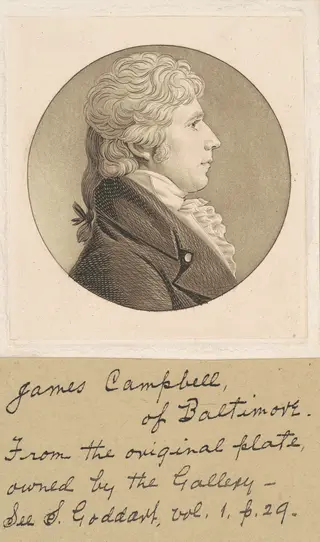
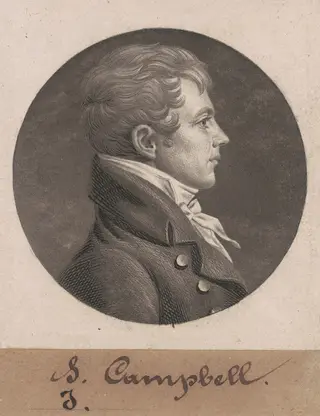
James Campbell is an ink print by the Romanticist artist Charles B. J. Févret de Saint-Mémin. It dates from 1804 and is held in the collection of the National Gallery of Art.
- Inscription
- Inscribed:lower center mount in black ink by unknown hand: James Campbell, / of Baltimore. / From the original plate, owned by the Gallery - / See S. Goddart, vol. 1, p. 29.
About this work
The original portrait was made in 1804, and it's interesting that it was later given to the National Gallery of Art by a donor.
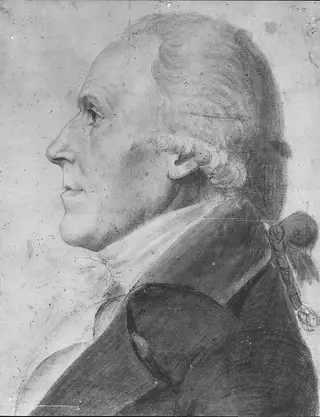
This portrait shows James Campbell in a simple, classic style. He's dressed in formal clothes, looking straight ahead. The artist used a mix of charcoal and pastel to create this portrait, which was later reproduced as a mezzotint engraving.
The original portrait was made in 1804, and it's interesting that it was later given to the National Gallery of Art by a donor. This shows that the artwork was valued by collectors over time.
You can learn more about the artist who created this portrait by looking up Saint-Mémin, Charles B. J. Févret de.
Overview
The work titled “James Campbell” is a black‑tone mezzotint and engraving, executed on wove paper with a chine collé layer and later mounted on brown wove paper. The image derives from an earlier 1804 portrait of the same sitter, originally rendered in charcoal and pastel by Charles B. J. Févret de Saint‑Mémin.
Technique & Style
The print employs the mezzotint process, allowing the artist to achieve deep, velvety blacks and subtle tonal gradations that echo the softness of the original charcoal and pastel drawing. The chine collé technique, in which a thin sheet of paper is adhered to the surface, adds a delicate texture and reinforces the paper’s stability, while the mounting on brown wove paper provides a muted background that frames the figure.
Subject & Meaning
The portrait presents James Campbell in formal attire, gazing directly at the viewer. The straightforward pose and restrained composition emphasize the sitter’s social standing and personal dignity, reflecting early‑19th‑century conventions for individual portraiture without overt symbolism.
History & Provenance
Created from Saint‑Mémin’s 1804 charcoal‑pastel study, the mezzotint was later acquired by collector Herbert Lee Pratt, Jr., who donated it to the National Gallery of Art. The gift underscores the work’s continued appreciation among private collectors and its eventual integration into a public institution’s holdings.
Own this work as a print
Artist & collection
Artist
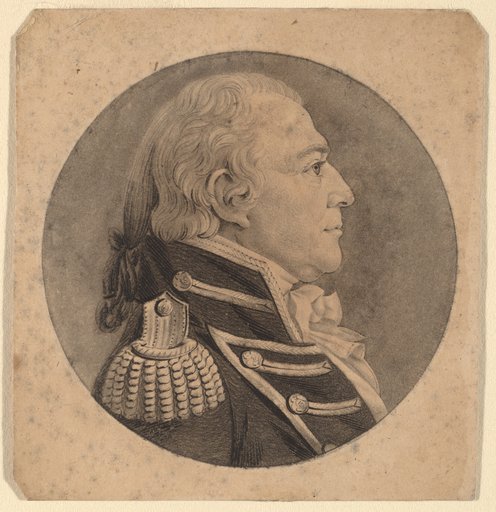
Charles B. J. Févret de Saint-Mémin
Charles Balthazar Julien Févret de Saint-Mémin (French pronunciation: ; 1770–1852) was a French portrait painter and museum director.